
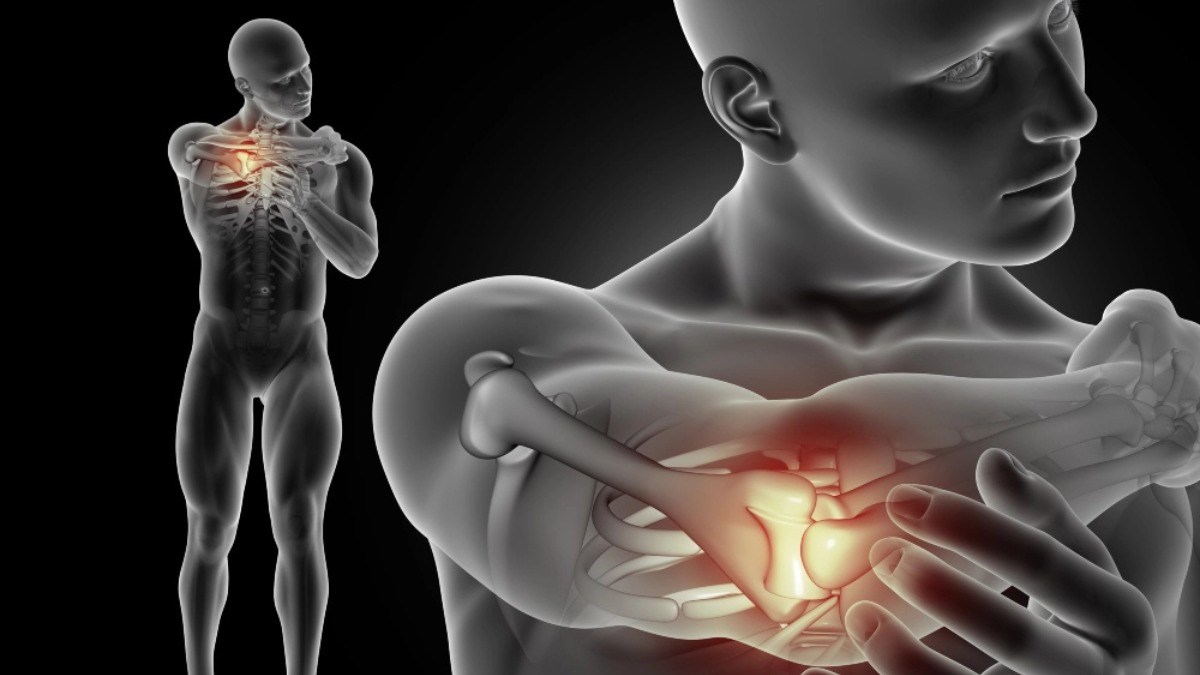
Worried about osteoporosis stealing your independence after 50? Your bones lose density naturally with age, putting you at risk for painful fractures that can change your life overnight.
Many adults face this challenge, but medication isn’t your only option. Studies now show that adding specific foods to your meals can strengthen your bones and help maintain density.
From calcium-rich dairy to surprising options like prunes and sardines, these 15 bone-building foods pack nutrients that science proves can reduce fracture risk and keep your skeleton strong. Your future mobility might depend on what’s on your plate today.
1. Milk
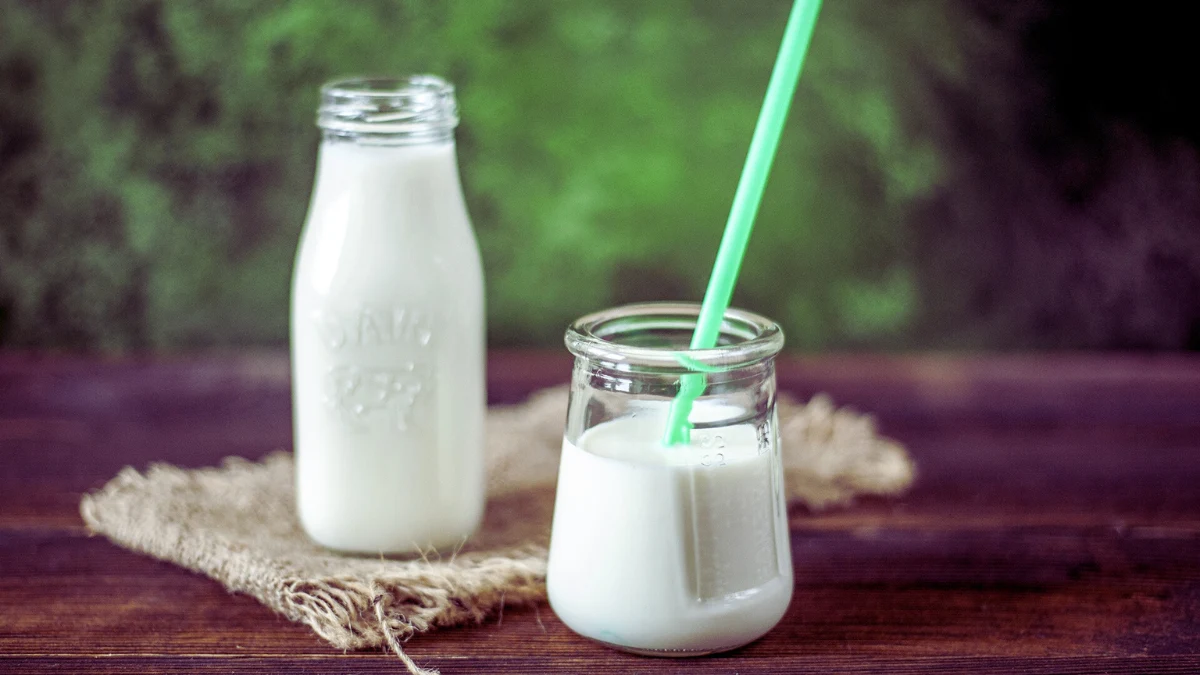
Milk stands as a cornerstone food for bone health, delivering about 300 mg of calcium per cup, which covers roughly 30% of your daily needs.
For adults over 50, the National Institutes of Health recommends 1,200 mg of calcium daily to maintain strong bones and slow density loss.
Most store-bought varieties come fortified with vitamin D, creating a powerful combination since this vitamin helps your body absorb calcium effectively.
Without enough vitamin D, much of the calcium you consume simply passes through your system unused, making this fortification especially valuable.
Regular consumption becomes even more important as we age because our bodies naturally lose bone mass each year after 50.
Adding just two glasses daily can make a substantial difference in meeting your calcium requirements and supporting long-term skeletal strength.
2. Yogurt
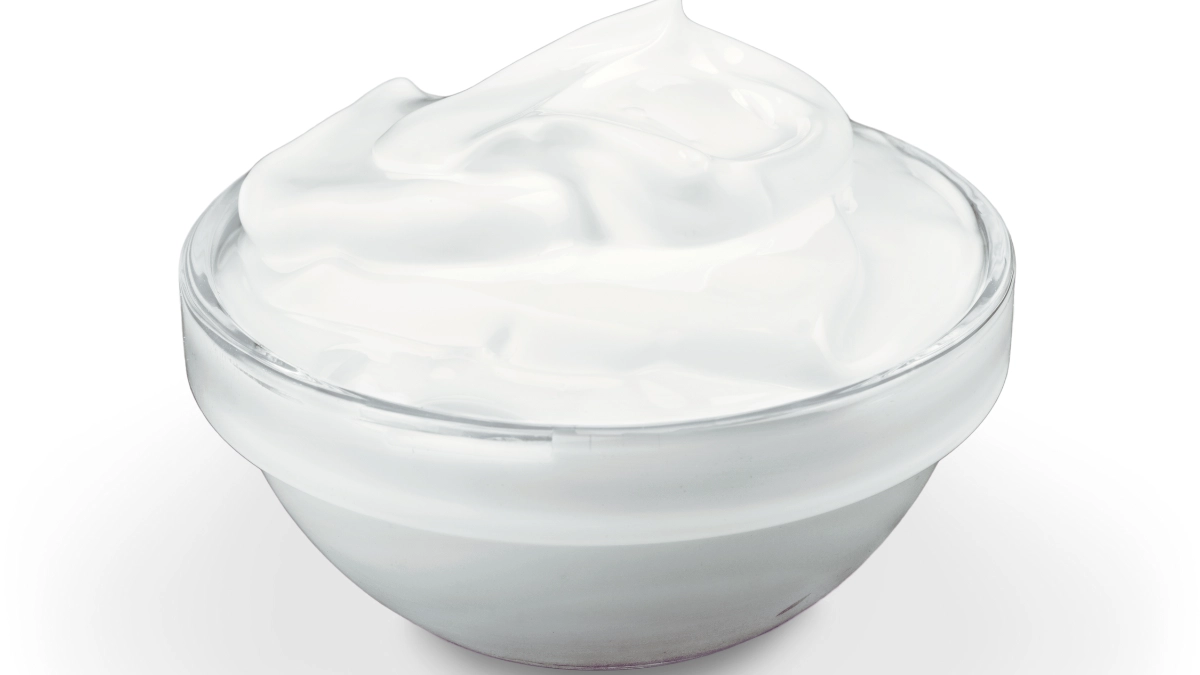
Yogurt contains more calcium than milk, making it an excellent choice for anyone concerned about bone health.
The probiotic content in yogurt sets it apart from other calcium sources. These beneficial bacteria support gut health, which enhances the body’s absorption and use of calcium.
This dual action makes yogurt particularly valuable for older adults who typically experience decreased absorption efficiency.
Greek and traditional varieties both offer benefits, though Greek yogurt contains less calcium due to the straining process.
Look for options without added sugars but with active cultures for maximum benefit. Many brands also add vitamin D fortification, further supporting calcium absorption and bone maintenance for those over 50.
3. Cheese
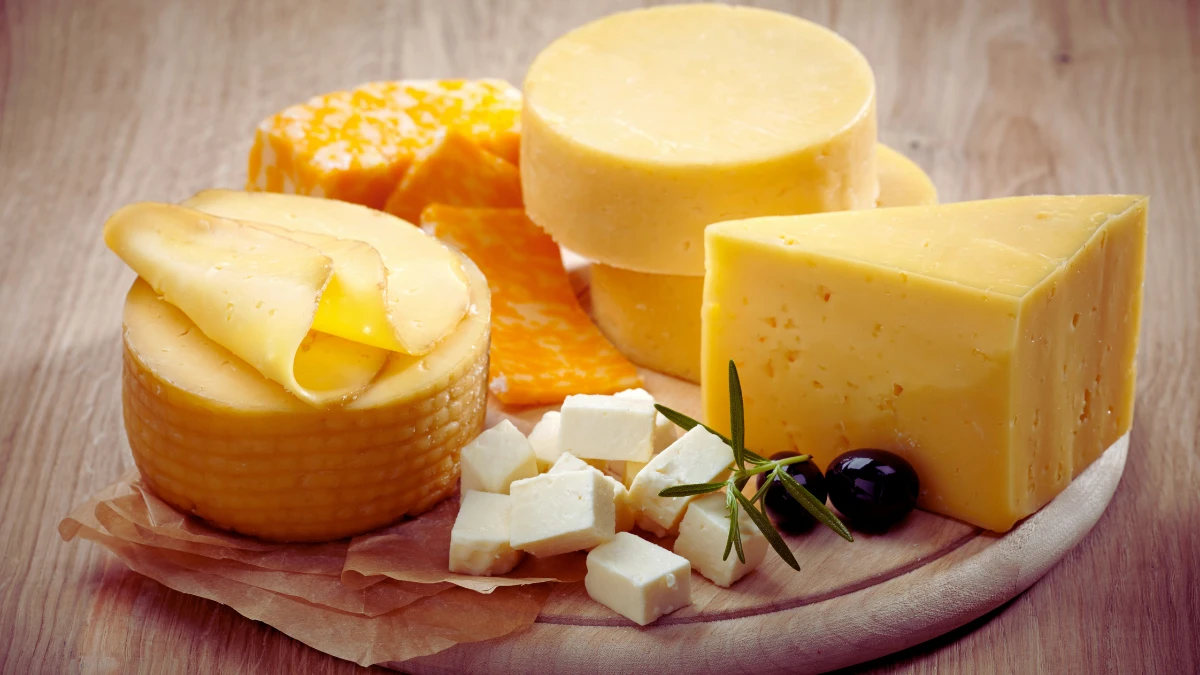
Cheese packs a serious calcium punch, with Parmesan leading the category. Hard cheeses generally contain more calcium than soft varieties, making options like cheddar, Swiss, and Parmesan smart choices for bone health.
Regular dairy consumption correlates with approximately 20% lower risk of hip fractures in older adults.
This protection becomes increasingly important after 50 when fracture risks climb substantially due to age-related bone density decline.
Beyond calcium, many cheeses provide protein, phosphorus, and small amounts of vitamin K2, all supporting bone structure maintenance.
Portion control matters though, as calories can add up quickly. Adding just 1-2 ounces to meals or snacks can significantly boost your calcium intake without excessive calories.
4. Kale
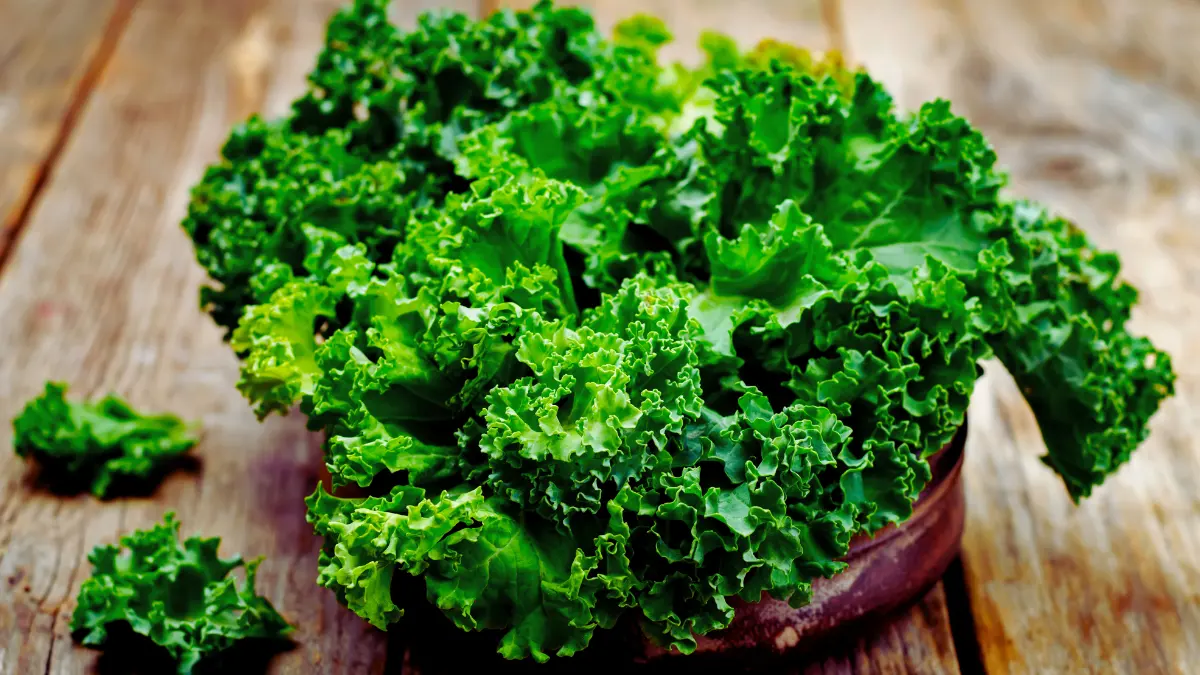
Kale offers exceptional bone-building nutrition through its high vitamin K1 content. This often-overlooked nutrient activates osteocalcin, a protein essential for binding calcium to bones and strengthening their mineral structure.
A 2020 study published in Osteoporosis International found striking results: individuals with higher vitamin K intake experienced 22% fewer fractures than those with lower intake levels.
Just one cup of cooked kale provides over 544mg of vitamin K1, making it an incredibly efficient bone-supporting food. This leafy green also contains calcium, magnesium, and manganese—all crucial for bone formation.
The calcium in kale shows better absorption rates than some other plant sources because kale contains minimal oxalates, compounds that can interfere with mineral absorption.
For anyone over 50 concerned about bone health, adding kale to your weekly menu offers substantial benefits.
5. Spinach
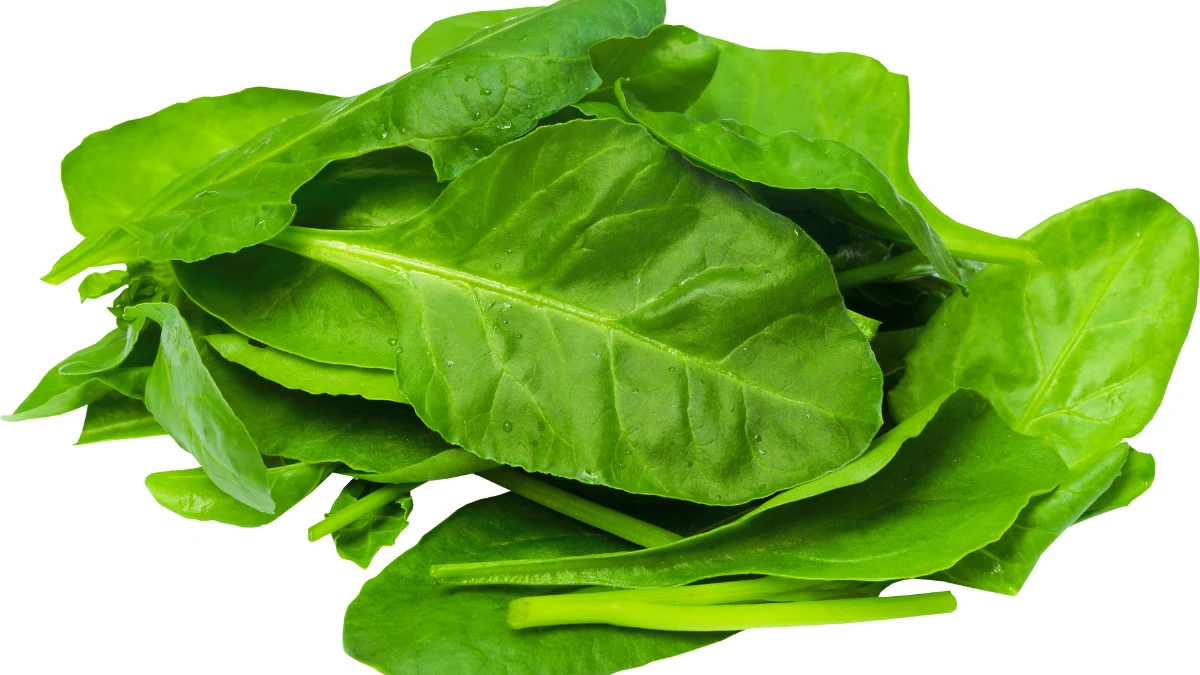
Spinach contributes to bone health primarily through its magnesium content, providing about 24mg in just one cooked cup.
Magnesium plays a crucial role in converting vitamin D to its active form, which then helps calcium absorption. The relationship between spinach and calcium absorption requires attention.
While spinach contains calcium, it also has compounds called oxalates that bind to calcium and limit absorption.
This doesn’t make spinach any less valuable—just pair it with vitamin C-rich foods like lemon juice or bell peppers to enhance mineral uptake.
Beyond magnesium, spinach provides vitamin K, manganese, and copper—all supporting bone formation and maintenance. Magnesium deficiency is common in older adults and linked to bone fragility.
Adding spinach to smoothies, omelets, or salads several times weekly helps maintain adequate magnesium levels and supports your bone health regimen.
6. Salmon
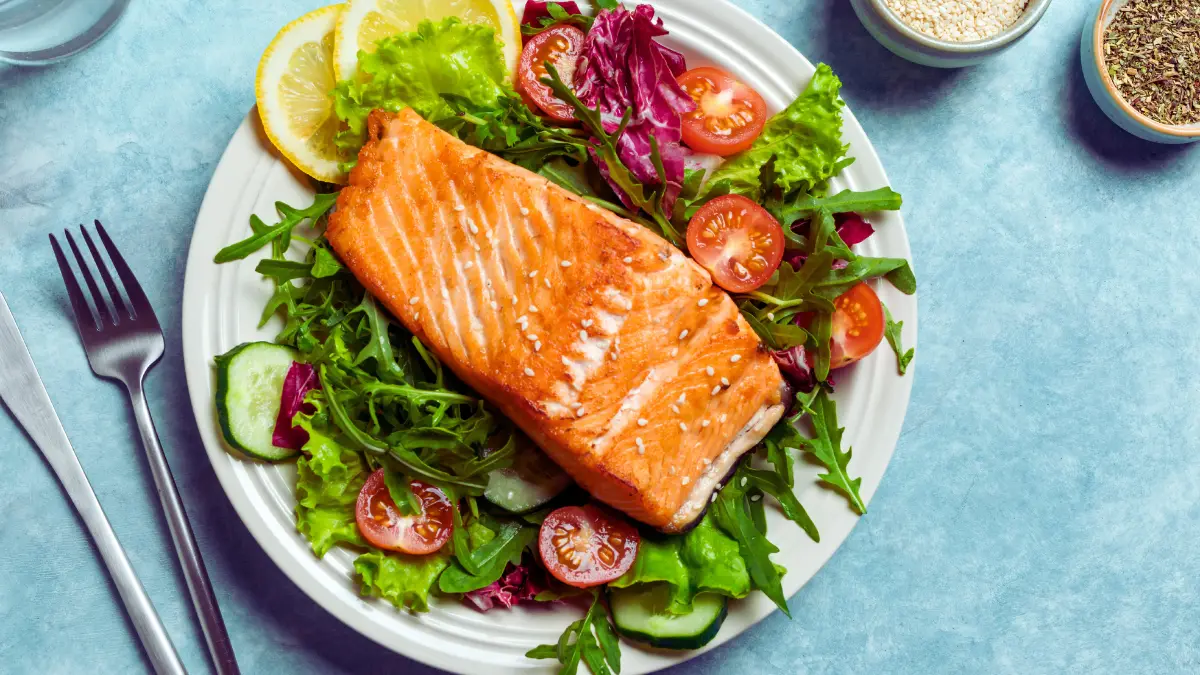
Fatty fish like salmon serve as one of nature’s best sources of vitamin D, with a single 3-oz serving providing 71% of your daily needs.
This nutrient plays a crucial role in calcium absorption, making it just as important as calcium itself for maintaining strong bones.
The National Osteoporosis Foundation links low vitamin D levels to a 30% increased risk of osteoporosis. Your body produces vitamin D when exposed to sunlight, but this ability decreases with age.
By 70, most people produce only about a third of what they did at 20, making dietary sources increasingly important.
Wild-caught salmon typically contains more vitamin D than farm-raised varieties. The fish also provides omega-3 fatty acids that help reduce inflammation, which can contribute to bone loss.
Adding salmon to your menu twice weekly provides substantial bone protection while supporting heart and brain health as well.
7. Sardines
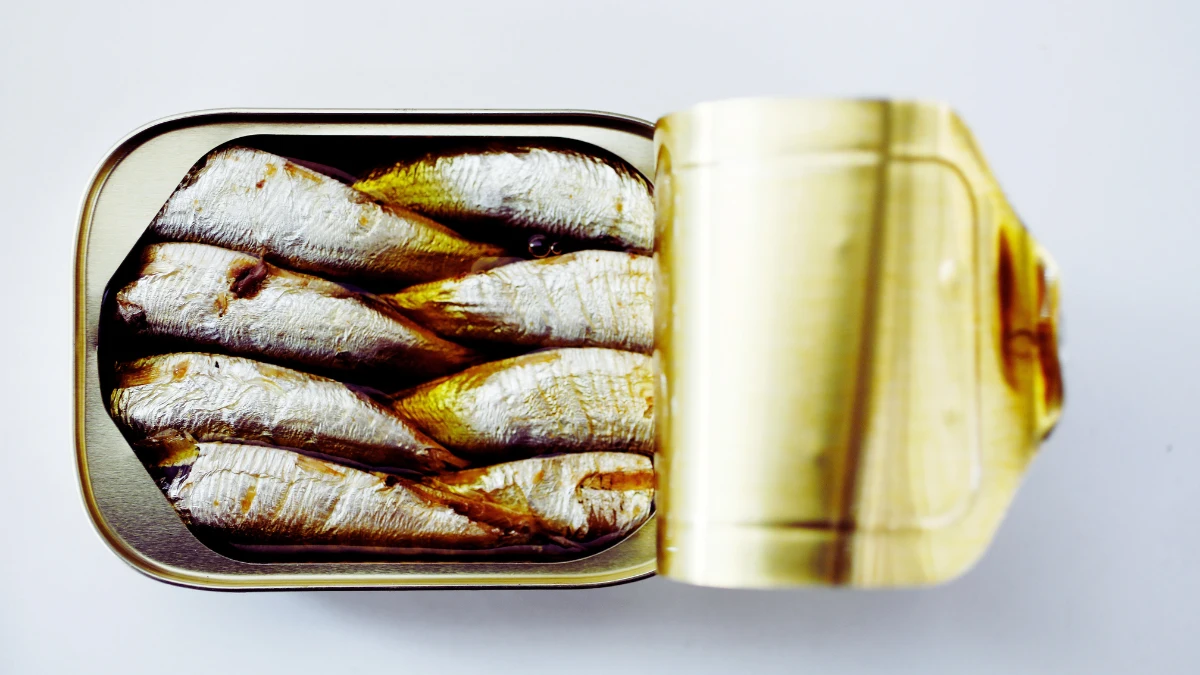
These small fish pack extraordinary bone benefits because they’re typically canned with their soft, edible bones intact.
A 3.5-oz serving delivers about 325 mg of calcium—more than a glass of milk—along with vitamin D, protein, and omega-3 fatty acids.
A compelling 2017 study published in the Journal of Nutrition, Health & Aging found that older adults who ate fish at least once weekly had 4% higher hip bone density compared to those who rarely consumed fish.
This difference may seem small but represents significant protection against fractures. Researchers attribute these benefits to the unique combination of nutrients only found together in fish.
Sardines require no cooking and stay fresh in cans for months, making them a convenient option for quick meals. Try them on toast, mixed into pasta, or added to salads.
Their strong flavor mellows when paired with lemon juice or herbs. For those concerned about mercury, sardines rank among the safest seafood choices due to their small size and short lifespan.
8. Almonds

These nutrient-dense nuts provide about 20% of your daily magnesium needs in just one ounce (about 23 nuts).
Magnesium helps convert vitamin D to its active form and regulates calcium levels, making it essential for bone metabolism.
Many people over 50 don’t get enough magnesium, which research links to accelerated bone loss, especially in postmenopausal women.
The mineral helps form the crystal lattice structure that gives bones their hardness while maintaining flexibility that prevents brittleness.
Almonds also contain calcium, protein, and phosphorus—all building blocks for bone tissue. Their healthy fats help absorb fat-soluble vitamins like vitamin D and K that support bone health.
Adding a small handful to your daily routine boosts several bone-supporting nutrients at once. Try them as snacks, sprinkled on oatmeal, or blended into smoothies for extra nutrition without much effort.
9. Tofu (Calcium-Set)

This plant protein powerhouse varies greatly in calcium content depending on how it’s made. Tofu prepared with calcium sulfate (check the ingredient list) delivers an impressive 86% of your daily calcium needs in just half a cup.
Beyond calcium, tofu contains isoflavones—plant compounds that can mimic some effects of estrogen in the body.
This becomes particularly valuable for women over 50 experiencing bone loss due to declining estrogen levels after menopause.
The combination of calcium and isoflavones makes tofu uniquely beneficial for maintaining bone density as you age.
Firm and extra-firm varieties typically contain more calcium than silken or soft options. Tofu absorbs flavors well, making it versatile for many cuisines.
Try it stir-fried, grilled, scrambled like eggs, or blended into smoothies. For those new to tofu, marinating it before cooking helps enhance its taste while adding minimal calories.
10. Fortified Cereals
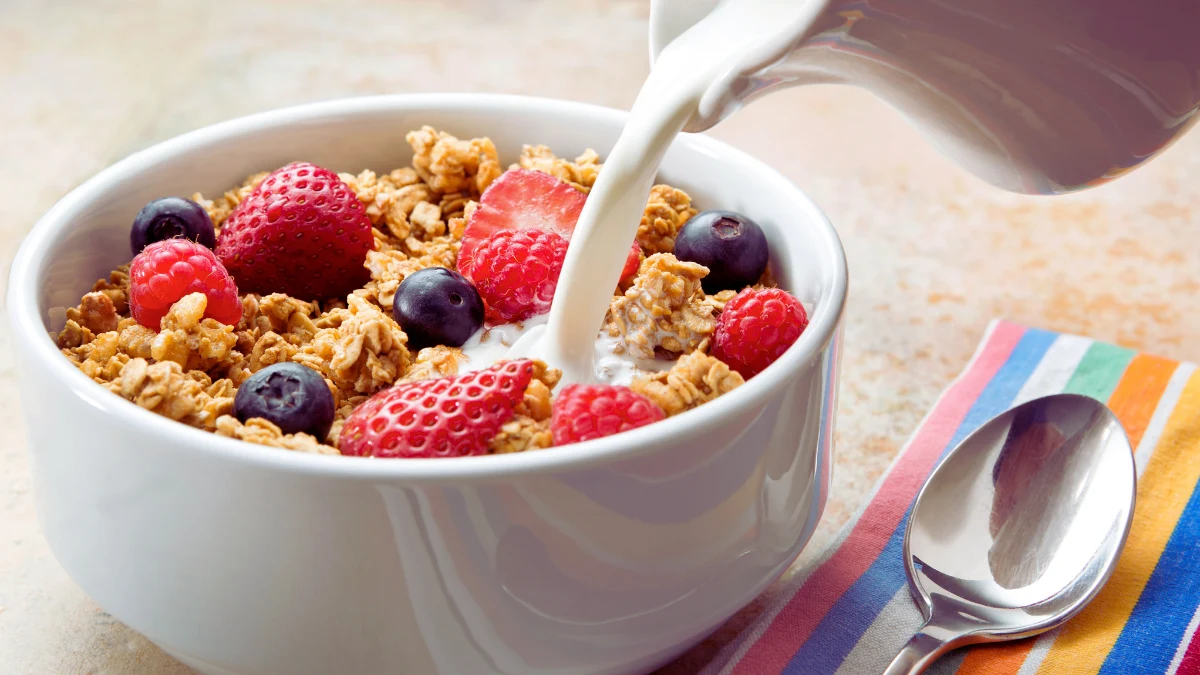
Breakfast cereals fortified with bone-building nutrients offer a convenient way to boost your intake of calcium, vitamin D, and other essential minerals. Many brands provide 10-25% of your daily calcium and up to 25% of your vitamin D requirements per serving.
A significant 2021 meta-analysis published in Nutrients examined multiple studies and found that regularly consuming fortified foods reduced fracture risk by approximately 12% in older adults.
This makes fortified cereals a practical, evidence-based option for supporting bone health, especially for those who struggle with dairy products or other traditional calcium sources.
Look for varieties with at least 10% of your daily calcium and vitamin D without excessive sugar. Whole grain options provide additional benefits through magnesium, phosphorus, and B vitamins that support overall bone metabolism.
Pairing cereal with milk or calcium-fortified plant milk doubles the bone nutrition in your breakfast bowl, starting your day with substantial protection against age-related bone loss.
11. Oranges
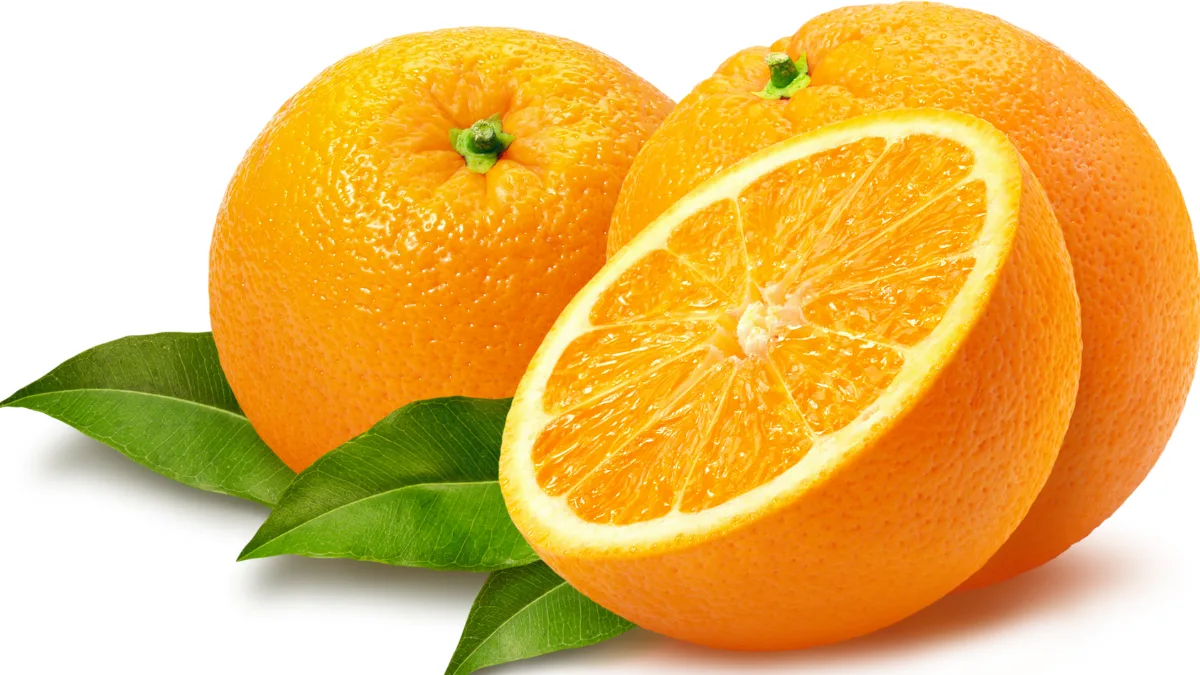
Citrus fruits support bone health through their vitamin C content, with a single orange providing your daily needs.
This vitamin is essential for collagen synthesis, creating the framework upon which calcium and other minerals build strong bones.
It is found that people with higher vitamin C consumption have a 33% lower risk of developing osteoporosis compared to those with low intake. The effect becomes even more pronounced after age 50 when collagen production naturally declines.
Oranges also contain flavonoids that may help reduce inflammation associated with bone loss. Their potassium content supports bone health by neutralizing acids that can leach calcium from bones.
Consuming whole oranges rather than juice provides fiber that slows sugar absorption and delivers more nutrients overall. Try adding orange segments to salads or eating them as snacks for a bone-boosting treat.
12. Eggs
The humble egg contributes to bone health primarily through its vitamin D content, with each yolk providing enough of your daily requirement.
While not the richest source, eggs are consumed frequently enough to make a meaningful contribution to overall vitamin D status.
Over 40% of adults over 50 are vitamin D deficient, putting them at higher risk for bone loss. The vitamin D in egg yolks comes in a highly bioavailable form that your body can use efficiently.
Combined with the egg’s protein, phosphorus, and vitamin K, this creates a well-rounded package of bone-supporting nutrients.
Eggs also contain choline, which helps transport calcium throughout your body. Their sulfur content supports collagen production needed for bone flexibility.
For maximum benefit, cook eggs with their yolks intact, as vitamin D is fat-soluble and found exclusively in the yolk.
Adding vegetables like spinach or bell peppers to egg dishes further enhances their bone-building potential through additional nutrients.
13. Prunes

These dried plums have earned special attention in bone health due to their remarkable effects on bone density. They contain a unique combination of nutrients and plant compounds that specifically benefit aging bones.
A 2022 study published in Osteoporosis International found that postmenopausal women who consumed 50–100g of prunes daily (about 5-10 prunes) for just 6 months showed significant improvements in spine bone mineral density.
This improvement was measurable and consistent across participants. Researchers believe the effect comes from prunes’ ability to slow the rate of bone turnover and reduce inflammation that contributes to bone loss.
Prunes contain boron, potassium, vitamin K, and antioxidants that work together to support bone metabolism. They also provide fiber that may help calcium absorption in the gut.
Adding prunes to your morning oatmeal, blending them into smoothies, or eating them as snacks gives your bones valuable protection. Start with smaller amounts and increase gradually to avoid digestive discomfort.
14. Broccoli
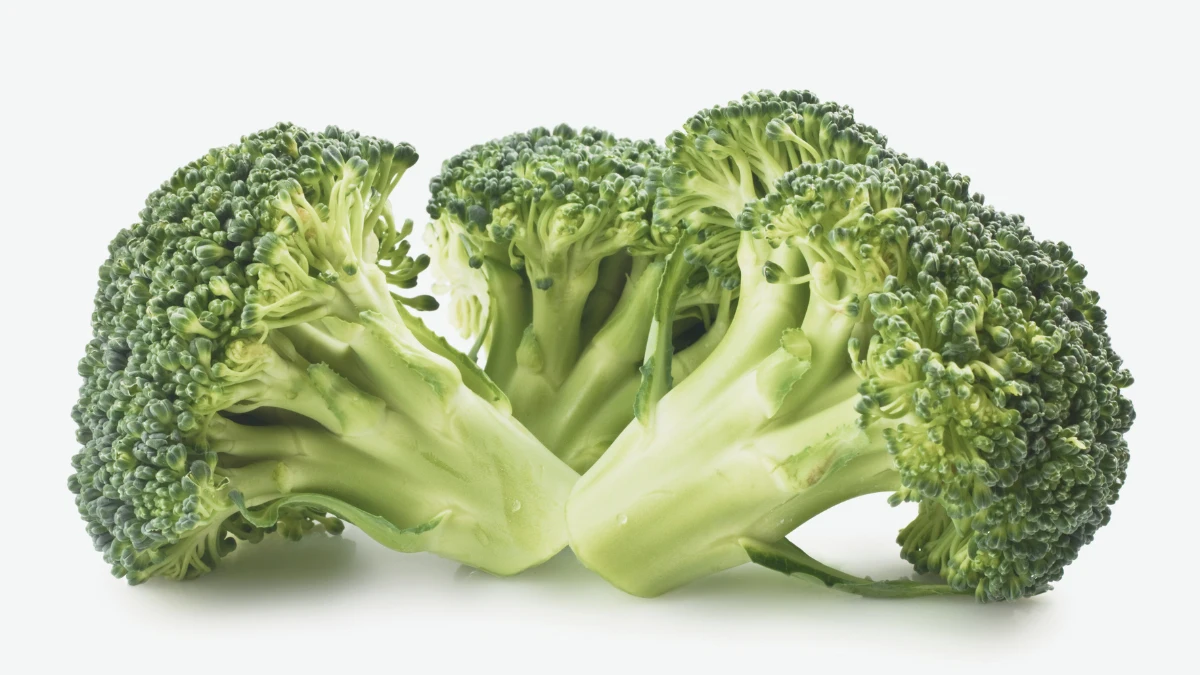
This green vegetable provides multiple bone-supporting nutrients, including calcium (6% DV per cooked cup), vitamin K, and magnesium.
Broccoli’s calcium gets absorbed more easily by your body than other plants because it contains fewer oxalates that would normally block absorption.
Cruciferous vegetables like broccoli have powerful antioxidant effects that may reduce oxidative stress on bone tissue.
As we age, free radical damage can accelerate bone loss, making these protective compounds increasingly valuable. Sulforaphane in broccoli may stimulate osteoblast activity—the cells responsible for building new bone.
Cooking methods affect broccoli’s nutrient content significantly. Quick steaming preserves more vitamins than boiling or microwaving.
Adding a squeeze of lemon juice after cooking not only enhances flavor but also helps your body absorb the iron in broccoli, which supports healthy bone marrow production.
For variety, try roasting broccoli with olive oil and garlic until crispy at the edges for a delicious side dish that supports bone health.
15. White Beans

These versatile legumes offer impressive amounts of calcium (13% DV) and magnesium (18% DV) per cooked cup, making them valuable allies for bone health. Their plant-based calcium becomes particularly important for those limiting or avoiding dairy products.
White beans also provide protein, which forms about 50% of bone volume and about one-third of bone mass.
Adequate protein intake helps maintain bone density as you age and speeds healing after fractures. The zinc and copper in white beans support enzymes involved in collagen formation and bone mineralization.
Their low sodium content and high potassium levels create a favorable balance for retaining calcium in bones rather than losing it through urine. Canned varieties offer convenience, though rinsing them reduces sodium by about 40%.
Adding white beans to soups, salads, or mashed with herbs as a sandwich spread increases your bone-building nutrients without much effort. Their mild flavor makes them easy to incorporate into many dishes while boosting overall nutrition.