

Want to keep your hearing sharp for years? Your diet plays a bigger role than you think. Certain foods act like natural defenders, shielding your ears from damage and decline.
From pomegranates’ antioxidant punch to anchovies’ omega-3 power, science shows what you eat directly impacts auditory health. The best part? These ingredients are easy to add to meals—no drastic changes needed.
Ready to give your ears the support they deserve? Let’s explore the top foods that help preserve hearing, backed by research. Your future self will thank you.
1. Pomegranates

Pomegranates pack powerful antioxidants that help protect your ears from age-related damage. Pomegranates pack powerful antioxidants that help protect your ears from age-related damage. According to a study published in Free Radical Biology and Medicine (2014), polyphenols in pomegranates significantly reduce oxidative stress in auditory cells, which can slow age-related hearing decline. The inner ear relies on steady blood flow, and these compounds boost circulation.
The inner ear relies on steady blood flow, and the polyphenols in this fruit boost circulation. Eating the seeds or drinking fresh juice delivers key nutrients like vitamin C and potassium. These support the tiny hair cells in the cochlea, which translate sound into nerve signals. Over time, free radicals can harm these cells, but pomegranates fight back.
Aim for a small bowl of seeds or a glass of unsweetened juice a few times a week. The anti-inflammatory effects also help shield against noise-induced hearing loss. Adding this fruit to your diet is an easy way to keep your hearing sharp.
2. Seaweed (Kelp & Nori)

Seaweed, like kelp and nori, is loaded with iodine and magnesium—two minerals crucial for ear health. Iodine keeps the thyroid functioning well, which affects nerve signals in the auditory system. Low levels may contribute to hearing problems.
Magnesium in seaweed protects against noise-related damage by guarding the hair cells in the inner ear. Nori sheets, often used in sushi, are an easy way to add more to meals.
Try sprinkling dried kelp flakes on soups or salads. The natural umami flavor enhances dishes while supporting hearing function. Regular intake may help maintain better auditory health as you age.
3. Brazil Nuts

Just one or two Brazil nuts a day provides enough selenium to defend your ears. This mineral acts as a shield against oxidative stress in the cochlea, where sound processing happens. Low selenium levels have been linked to higher risks of hearing loss.
These nuts also contain healthy fats that support nerve function. The auditory nerves rely on proper myelin sheath protection, and selenium plays a role in maintaining it. Over time, this helps preserve clear sound transmission.
Since they’re high in calories, stick to a small portion. Adding them to trail mix or yogurt gives a crunchy, nutrient-rich boost. Their unique benefits make them a smart choice for long-term hearing protection.
4. Turmeric (Curcumin)
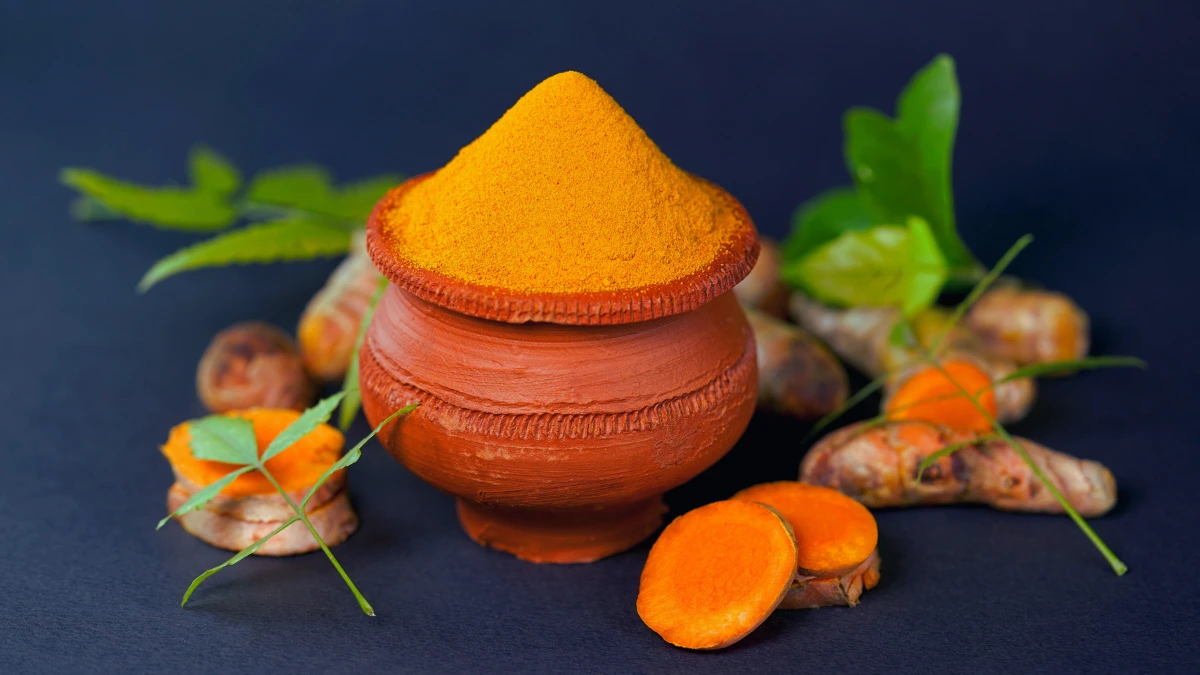
Turmeric’s active compound, curcumin, fights inflammation that can harm hearing. Chronic inflammation damages delicate ear structures, but this spice helps block harmful pathways. Some studies suggest it may even repair noise-induced hearing loss.
Curcumin also improves blood flow, ensuring the inner ear gets enough oxygen. Poor circulation is a common factor in age-related hearing decline. Adding black pepper with turmeric enhances absorption, making it more effective.
Try blending it into soups, smoothies, or golden milk. Regular use may help keep auditory cells healthy and reduce the risk of gradual hearing loss.
5. Edamame (Young Soybeans)

Edamame offers magnesium and folate, two nutrients vital for hearing. Magnesium helps prevent damage from loud noises by protecting inner ear cells. Folate (vitamin B9) supports nerve function, keeping auditory signals strong.
Low folate levels have been tied to higher hearing loss risks in older adults. These green soybeans also contain protein and fiber, making them a filling, healthy snack.
Steamed edamame with a pinch of sea salt makes a simple, nutritious option. Eating them a few times a week may help maintain better hearing over time. Their combination of nutrients makes them a standout for ear health.
6. Beetroot Juice

That deep red color in beetroot juice comes from nitrates, which your body converts into nitric oxide. Beetroot juice improves circulation to the inner ear. A study in Nitric Oxide (2019) found that dietary nitrates enhance blood flow to cochlear tissues, potentially preserving hearing function in aging populations.
This compound works like a natural vasodilator, opening up blood vessels and improving circulation to the delicate structures of the inner ear. Better blood flow means more oxygen and nutrients reach the hair cells responsible for translating sound. The betalains in beets also act as potent antioxidants, reducing oxidative stress that can damage auditory cells over time.
For best results, opt for fresh, unpasteurized juice or blend cooked beets into smoothies. Just a small glass a few times a week could make a difference in preserving hearing clarity as you get older.
7. Anchovies

Anchovies are rich in omega-3s and vitamin D. According to The American Journal of Clinical Nutrition (2020), higher omega-3 intake is linked to a lower risk of age-related hearing loss, while vitamin D deficiency is tied to auditory dysfunction.
Small but mighty, anchovies deliver a serious nutritional punch for hearing health.
They’re one of the best sources of omega-3 fatty acids, which help reduce inflammation in blood vessels supplying the ears. These tiny fish also pack vitamin D, a nutrient often overlooked in auditory health. Deficiency has been associated with a higher risk of hearing impairment, likely due to its role in nerve function.
Unlike larger fish, anchovies are low in mercury, making them a safe, regular addition to meals. Try them mashed into dressings, scattered over salads, or folded into pasta for an easy hearing-protective boost.
8. Goji Berries

Bright red goji berries have been used in traditional medicine for centuries, and modern science backs their benefits for hearing. They’re loaded with zeaxanthin, a carotenoid that acts like a shield against free radicals in the auditory system.
Chronic oxidative stress wears down the tiny hair cells in the cochlea, but antioxidants in goji berries help counteract this damage. They also contain polysaccharides that may support nerve function, keeping sound signals sharp.
A small handful of dried gojis makes a great snack, or they can be steeped in tea. Their mildly sweet, tangy flavor pairs well with yogurt or oatmeal, making it simple to work them into your routine.
9. Lentils

Lentils might not be the first thing that comes to mind for hearing health, but they’re a stealthy powerhouse. Packed with iron, they help prevent anemia—a condition linked to tinnitus and hearing loss due to poor oxygen delivery to the ears.
They’re also rich in zinc, a mineral crucial for maintaining the health of the cochlea. Low zinc levels have been associated with higher risks of presbycusis, the gradual hearing loss that comes with aging.
Easy to cook and versatile, lentils work in soups, salads, and stews. A couple of servings a week can help keep your auditory system functioning well long-term.
10. Kimchi (Fermented Cabbage)

This spicy Korean staple does more than wake up your taste buds—it might also protect your ears. The probiotics in kimchi support gut health, which researchers believe is connected to reduced inflammation throughout the body, including the auditory system.
Chronic inflammation can damage delicate ear structures over time, but fermented foods like kimchi help regulate the immune response. Some studies even suggest gut microbiome balance may influence susceptibility to noise-induced hearing loss.
A small serving with meals adds a tangy kick while promoting ear health. If you’re new to fermented foods, start with a mild version and gradually increase the spice level.
11. Dragon Fruit

That vibrant pink flesh isn’t just for show—dragon fruit contains betalains, pigments with serious antioxidant power. Dragon fruit’s betalains combat oxidative stress. Research in Food Chemistry (2017) highlights betalains’ ability to protect vascular health, which is crucial for maintaining inner ear blood flow.
These compounds help neutralize free radicals that gradually damage the delicate structures of the inner ear. What makes this fruit particularly interesting is its ability to support vascular health, ensuring proper blood flow to auditory tissues.
The seeds provide omega-3 and omega-6 fatty acids in small amounts, contributing to nerve protection. Slice it fresh for breakfast bowls or blend into smoothies for a tropical twist that supports hearing. Unlike many exotic fruits, its mild flavor appeals to most palates while delivering protective benefits.
12. Black Garlic

Aged through fermentation, black garlic develops compounds you won’t find in fresh bulbs. Black garlic improves circulation and has antimicrobial effects. A study in Phytotherapy Research (2016) found that aged garlic enhances endothelial function, supporting better auditory blood flow.
Its high allicin content improves circulation while acting as a natural antimicrobial, potentially reducing ear infection risks. The fermentation process also creates S-allyl cysteine, which enhances nutrient absorption for better auditory cell protection.
What sets it apart is its sweet, umami flavor—spread it on toast or whisk into dressings. Unlike raw garlic, it won’t overwhelm dishes while still providing cardiovascular benefits that indirectly support ear health through improved blood flow.
13. Chia Seeds

These tiny seeds punch above their weight with alpha-linolenic acid (ALA), an omega-3 that helps maintain the myelin sheaths protecting auditory nerves. Chia seeds’ omega-3s protect auditory nerves. According to Prostaglandins, Leukotrienes and Essential Fatty Acids (2019), ALA in chia seeds helps maintain myelin sheaths, improving nerve signal efficiency in hearing pathways.
When these protective coatings degrade, hearing signals become less efficient. Just two tablespoons daily provide fiber and protein while supporting nerve transmission.
Their unique property is forming a gel-like coating when soaked, making them versatile for puddings or as an egg substitute. Unlike flaxseeds, chia doesn’t require grinding for nutrient absorption, offering an easier way to incorporate hearing-protective fats into your diet.
14. Maitake Mushrooms
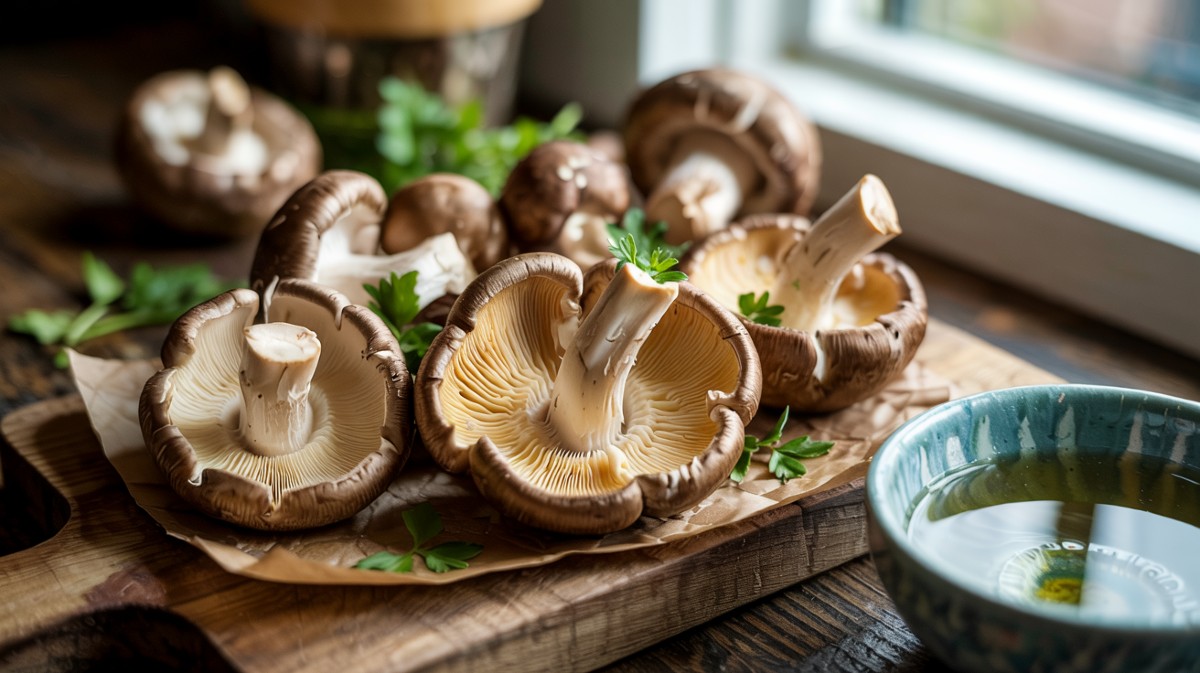
Sometimes called “hen of the woods,” these frilly mushrooms contain beta-glucans that modulate immune response. Maitake mushrooms modulate immune response. The Journal of Medicinal Food (2020) reported that beta-glucans in maitake reduce inflammation that could otherwise damage cochlear cells.
This matters for hearing because chronic inflammation can damage cochlear hair cells over time. Their meaty texture holds up well in stir-fries or soups, absorbing flavors while providing umami depth.
For maximum benefit, cook them lightly—overheating can diminish some of their protective compounds. They’re particularly effective when combined with other hearing-supportive foods like garlic or turmeric.
15. Dark Chocolate (85% Cocoa or Higher)

That rich flavor comes from flavonoids that do more than satisfy cravings—they improve endothelial function, enhancing blood flow to the cochlea. Dark chocolate’s flavonoids enhance cochlear blood flow. A study in Frontiers in Nutrition (2021) found that cocoa polyphenols improve endothelial function, which is critical for maintaining hearing health.
The higher the cocoa content, the greater the concentration of these protective compounds. Magnesium and zinc in dark chocolate also play roles in maintaining healthy auditory function.
A square or two after meals provides benefits without excess sugar. Look for minimally processed bars to preserve polyphenol content. Unlike milk chocolate, the bitter intensity of high-cocoa varieties means you’ll naturally eat less while still reaping the rewards for your hearing health.