Struggling to fall asleep at night? You’re not alone. Millions toss and turn, trying everything from counting sheep to meditation apps with mixed results.
What you consume in the evening might be the hidden culprit behind your sleep troubles—or the solution you’ve been searching for.
Certain teas can naturally calm your nervous system and promote deeper sleep, while common midnight snacks could be sabotaging your rest without you knowing it.
In this article, a sleep specialist reveals the five herbal teas that work for better sleep and the six sneaky snacks you should avoid before bedtime.
5 Bedtime Teas for Deeper Sleep
Many people struggle with sleep issues. Herbal teas offer a natural solution by targeting brain chemicals like GABA and melatonin that help us relax and fall asleep.
These five options have scientific backing and can become part of your evening ritual for better rest.
1. Chamomile Tea
Photo Credit: Depositphotos
This gentle herb contains apigenin, a plant compound that attaches to GABA receptors in your brain. When this happens, your nervous system calms down, anxiety fades, and your body prepares for sleep.
For centuries, people have turned to this mild, apple-scented tea when they need help unwinding. Drinking a cup about an hour before bed gives your body time to absorb its benefits.
The warmth itself adds to the relaxing effect, creating a double-action approach to better sleep. Some users report that consistent use works best, building up the calming effects over several days rather than expecting dramatic results from a single cup.
You can find chamomile tea bags in most grocery stores, but loose flowers often provide stronger effects.
Steep for 5-7 minutes with water that’s hot but not boiling to extract the most beneficial compounds without making it bitter.
2. Valerian Root Tea
Photo Credit: Depositphotos
This powerful herb boosts GABA levels in your brain similarly to anti-anxiety medications but without the side effects or morning grogginess.
The earthy, woody taste might take getting used to, but many find the sleep benefits worth it. Valerian works best when taken regularly, as its effects build over time.
Some people notice improvements after just one cup, while others find it takes a week of nightly use. The tea helps shorten the time it takes to fall asleep and improves overall sleep quality, leaving you more refreshed in the morning.
Unlike sleeping pills, valerian root doesn’t cause dependency issues. You can safely use it for extended periods, though taking occasional breaks prevents your body from adapting to its effects. For best results, drink a cup 30-60 minutes before your bedtime routine starts.
3. Lavender Tea
Photo Credit: Depositphotos
Compounds called linalool and linalyl acetate in lavender block excitatory brain signals, helping your mind and body relax.
The famous purple flower offers benefits beyond its pleasant floral scent, working directly on your nervous system to promote calmness.
A 2012 study involving college students revealed that lavender improved sleep quality by 20%. The researchers found that participants fell asleep faster and woke up feeling more rested after using lavender before bed.
Women who recently gave birth also reported less fatigue when drinking lavender tea daily. Brewing this tea properly matters. Use water just below the boiling point and steep for 5 minutes.
Too hot or too long creates bitterness. Some people combine lavender with chamomile for enhanced effects. The tea pairs well with light reading or gentle stretching as part of a wind-down routine.
4. Passionflower Tea
Photo Credit: Depositphotos
This tropical plant increases GABA activity in your brain, creating a gentle sedative effect without morning grogginess.
Native Americans used passionflower for centuries before modern science confirmed its benefits. Its complex, slightly sweet taste makes it enjoyable even without added sweeteners.
The tea works especially well for people whose sleep problems stem from racing thoughts or anxiety. It calms mental activity without feeling like it’s forcing sleep.
Many users report improved sleep continuity—fewer nighttime awakenings and more consistent deep sleep phases.
Passionflower tea works best when part of a consistent bedtime routine. Drink it about an hour before bed while avoiding screens and bright lights.
The effects build gradually, creating a natural transition to sleep rather than a sudden knockout feeling. This gentle approach makes it suitable for nightly use without concerns about dependency.
5. Lemon Balm Tea
Photo Credit: Depositphotos
This mint family herb enhances GABA production and reduces restlessness with its mild lemony flavor. The leaves contain compounds that gently calm your nervous system while lifting mood—helpful for those whose sleep troubles connect to stress or low spirits.
Lemon balm extract (600 mg) showed significant improvements in participants with mild insomnia. Subjects reported falling asleep more easily and waking less during the night.
It has sedative properties in controlled laboratory conditions. Lemon balm grows easily in home gardens, allowing you to make the freshest possible tea.
Simply crush a few leaves to release the essential oils before steeping. The tea works well on its own or blended with other sleep herbs for a custom mix.
For best results, enjoy a cup as part of your evening routine, giving your body time to process its benefits before heading to bed.
6 Midnight Snacks Disrupting Sleep
What you eat before bed can significantly impact your sleep quality. Late-night snacking isn’t always bad, but certain foods and drinks can interfere with your body’s natural sleep processes by stimulating digestion, spiking blood sugar, or disrupting important hormones.
Here are six common culprits to avoid if you want to sleep soundly.
1. Chocolate
Photo Credit: Depositphotos
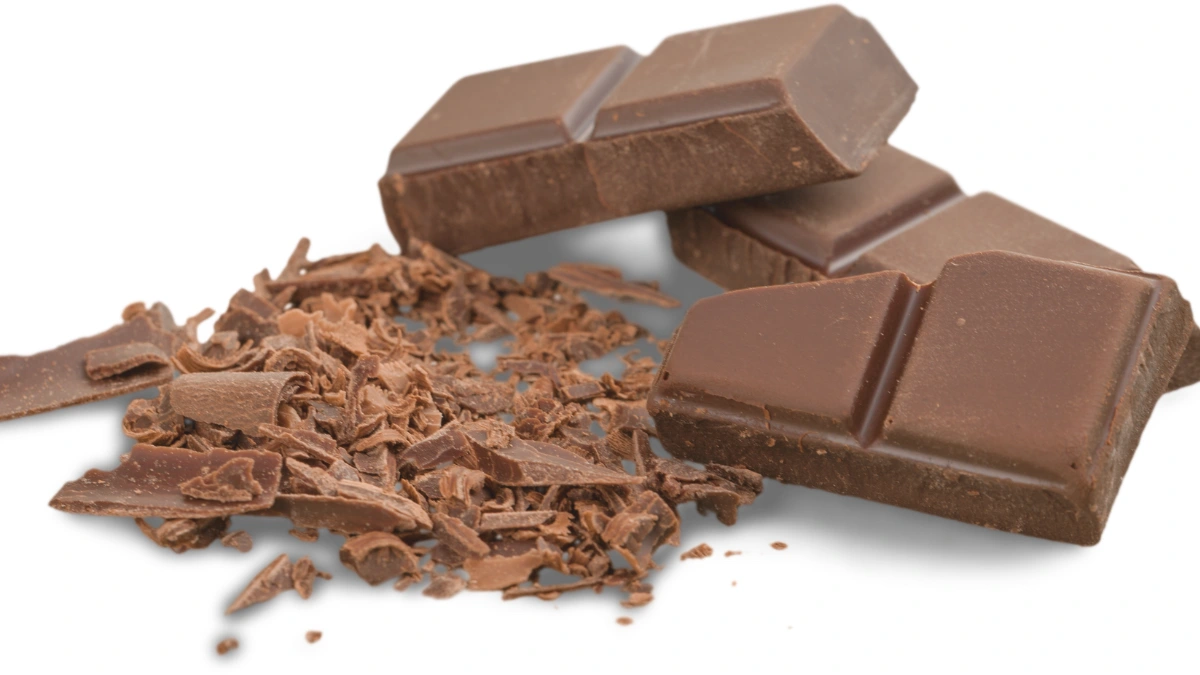
That seemingly innocent square of chocolate before bed might be why you’re counting sheep at 2 AM. Most chocolate contains caffeine, with darker varieties packing up to 43mg per 100g—about half a cup of coffee.
The stimulant can remain active in your system for hours, preventing your body from entering deeper sleep stages.
Chocolate also contains theobromine, another stimulant that increases heart rate and causes restlessness. Together, these compounds work against your body’s natural wind-down process.
Even milk chocolate, which has less caffeine, can still disrupt sleep patterns when eaten close to bedtime. Your body processes these stimulants differently based on age, weight, and metabolism.
Some people feel the effects more strongly than others. If you crave something sweet before bed, opt for a small banana or a few cherries instead—both contain natural melatonin that supports sleep rather than fights it.
2. Spicy Foods
Photo Credit: Depositphotos
That fiery curry or hot sauce on your late-night snack might satisfy your taste buds, but wreak havoc on your sleep.
Spicy foods trigger indigestion and acid reflux when you lie down, making it difficult to fall asleep comfortably. Your digestive system remains active when it should be slowing down.
Capsaicin, the compound that gives chili peppers their heat, raises body temperature. This works against the natural drop in core temperature your body needs for quality sleep.
Many people experience increased heart rate and heightened alertness after spicy meals, creating physical conditions that oppose sleepiness.
Your brain registers discomfort from spicy food as a mild stress signal. This can trigger small releases of cortisol and adrenaline—exactly what you don’t want coursing through your veins at bedtime.
If you enjoy spicy foods, eat them at least 3-4 hours before bedtime to give your body time to process the heat before sleep.
3. Alcohol
Photo Credit: Depositphotos
Many people believe a nightcap helps them fall asleep faster. While alcohol might initially make you drowsy, it severely compromises sleep quality once your body begins metabolizing it.
This typically happens 2-3 hours after consumption, right when you should be entering deeper sleep phases.
Alcohol disrupts REM sleep, the restorative phase where dreams occur and memories consolidate. Without sufficient REM sleep, you wake feeling foggy and unrested despite spending adequate time in bed.
Regular nighttime alcohol consumption can create cumulative sleep debt even if you’re technically “sleeping” for eight hours.
Your body treats alcohol as a toxin, prioritizing its processing over normal sleep maintenance. This causes fragmented sleep with more awakenings, even if you don’t remember them.
Blood sugar fluctuations during alcohol metabolism can trigger adrenaline releases, further disrupting your night. For better sleep, stop alcohol consumption at least four hours before bedtime.
4. Caffeinated Desserts (e.g., Tiramisu)
Photo Credit: Depositphotos
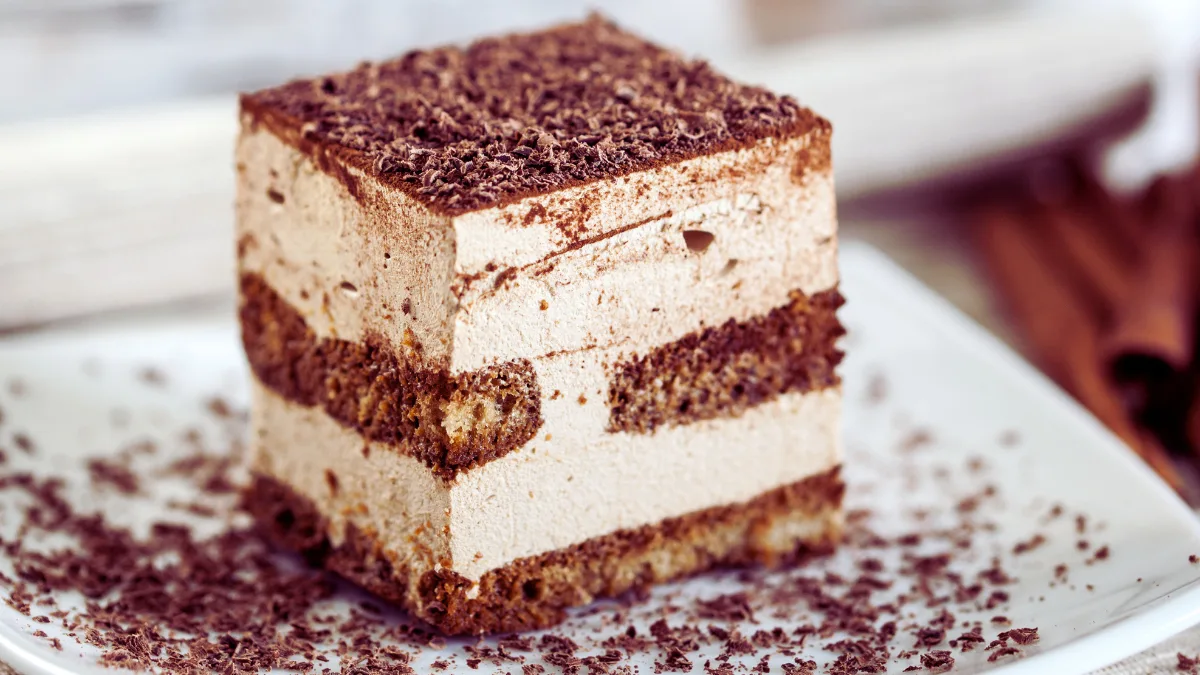
Hidden caffeine lurks in many evening treats like tiramisu, coffee ice cream, and chocolate mousse. These desserts combine sugar with caffeine, creating a double assault on your sleep quality.
The caffeine blocks adenosine receptors, preventing the buildup of this sleep-promoting compound in your brain.
A 2020 study found caffeine intake after 3 PM prolonged the time it took participants to fall asleep by about 40 minutes. Researchers noted that many subjects were unaware of caffeine in their evening foods, attributing their sleep problems to stress or other factors instead.
What makes these desserts particularly troublesome is their ability to delay melatonin release, the hormone that signals your body it’s time for sleep.
Your sensitivity to caffeine depends partly on genetics. Some people metabolize it quickly, while others feel effects for up to 12 hours after consumption.
Check ingredient labels carefully—coffee extract, cocoa, and certain teas all contain caffeine. If you enjoy dessert before bed, choose options like vanilla pudding, rice pudding, or fruit-based treats without chocolate or coffee components.
5. High-Fat Foods (e.g., Pizza, Fries)
Photo Credit: Depositphotos
Late-night pizza or a handful of fries demands significant digestive effort from your body. High-fat foods slow digestion and keep your system working when it should be winding down.
This digestive activity raises core body temperature and diverts energy to your stomach instead of supporting sleep processes.
Your liver works overtime processing fats during sleep, potentially causing micro-awakenings throughout the night.
These brief wakeful moments may be too short to remember but long enough to prevent reaching the most restorative sleep stages. Many people notice they remember fewer dreams after fatty evening meals—a sign of disrupted REM sleep.
Blood sugar fluctuations from fatty foods paired with refined carbs (like pizza crust or fry batter) can trigger insulin spikes followed by drops that signal hunger.
This can wake you up or cause restlessness. If hunger strikes before bed, choose a small protein-carb combination like a few whole grain crackers with a slice of turkey, which satisfies hunger without overloading your digestive system.
6. Heavy Meals
Photo Credit: Depositphotos
Eating a large meal shortly before bedtime forces your digestive system into high gear precisely when your body should be preparing for rest.
The energy required for digestion keeps your metabolism elevated, making it difficult for your body to transition into sleep mode. Large evening meals can delay sleep onset by up to 90 minutes.
Your sleeping position compounds these issues. Lying down can worsen acid reflux and indigestion from a full stomach, creating physical discomfort that prevents deep sleep.
The pressure of a full stomach against other organs can also cause physical discomfort, leading to tossing and turning throughout the night.
Circadian rhythms play an important role here. Your body naturally slows digestive functions at night, meaning that late-night feasts aren’t processed as efficiently as daytime meals.
This can lead to gas, bloating, and disrupted sleep. Try finishing your last major meal at least three hours before bedtime, allowing your digestive system to complete most of its work before you sleep.