
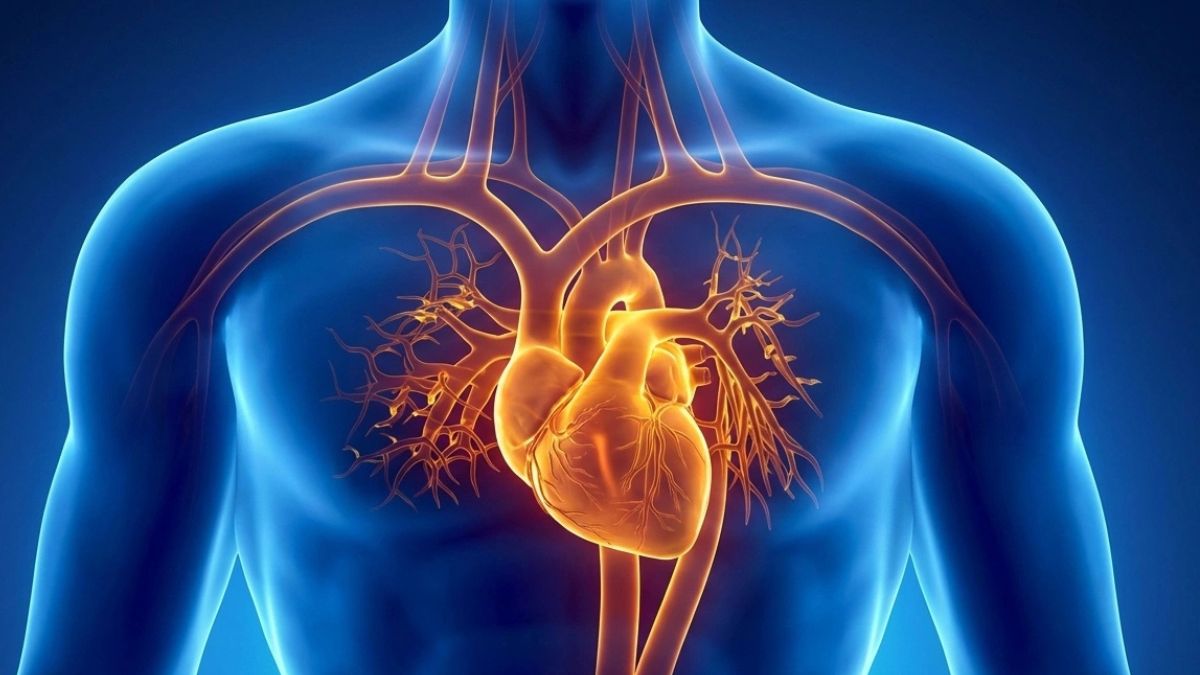
After age 45, your arterial walls naturally lose elasticity and transform from flexible hoses into stiffer tubes that are prone to damage.
You likely feel this subtle internal restriction as creeping afternoon fatigue, a stubborn rise in blood pressure, or that sudden breathlessness after climbing a single flight of stairs.
Changing your cooking oil acts as a metabolic toggle that halts the inflammatory sludge effectively coating these stiffening vessels.
1. Partially Hydrogenated Oils
These artificial fats act like plastic in your bloodstream because your body struggles to recognize and metabolize them efficiently.
They are often called zombie fats because they refuse to die in the food supply and lurk in reusable frying oils at fast food restaurants or old pantry items.
The danger for adults over 45 is a biological double blow where these fats simultaneously raise your bad LDL cholesterol and aggressively lower your protective HDL cholesterol.
- Increases the density of LDL cholesterol particles
- Found frequently in non dairy coffee creamers and margarine
- Causes direct damage to the inner lining of blood vessels
- remains in the bloodstream longer than natural fats
2. Palm Oil
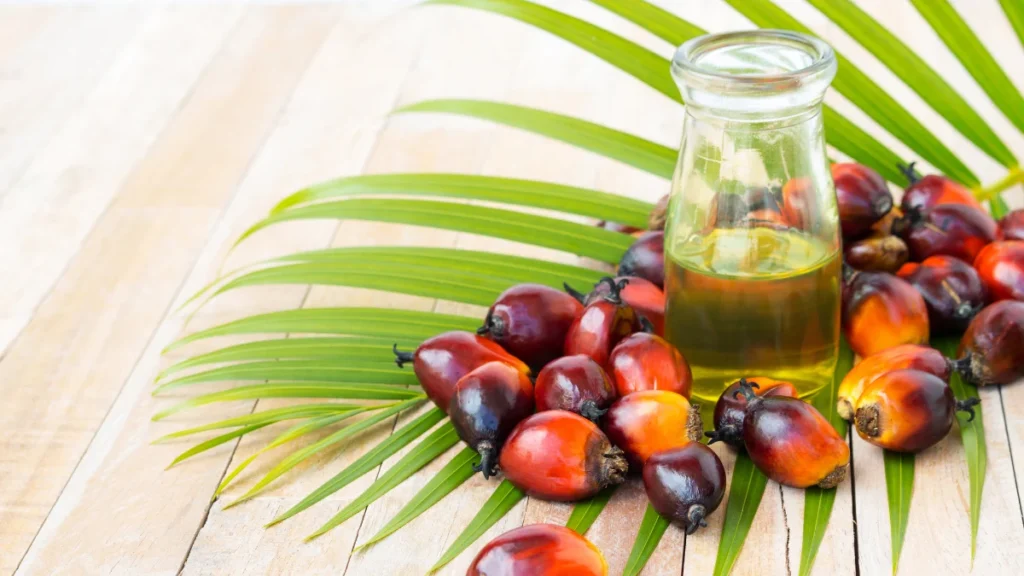
You are likely consuming this oil daily without realizing it because it is a shelf stable filler found in nearly half of all packaged supermarket goods.
It contains high levels of palmitic acid which is a specific type of saturated fat that decreases the flexibility of your blood vessels and makes arteries stiff.
While it is a better alternative to trans fats, the sheer volume of palm oil in modern diets creates a surplus of inflammatory markers in the blood.
- Hides in cookies, crackers, and vegan butters
- Raises LDL cholesterol levels comparable to animal fats
- Often harvested using methods that strip natural nutrients
- Resists breaking down in the body due to high melting point
3. Cottonseed Oil
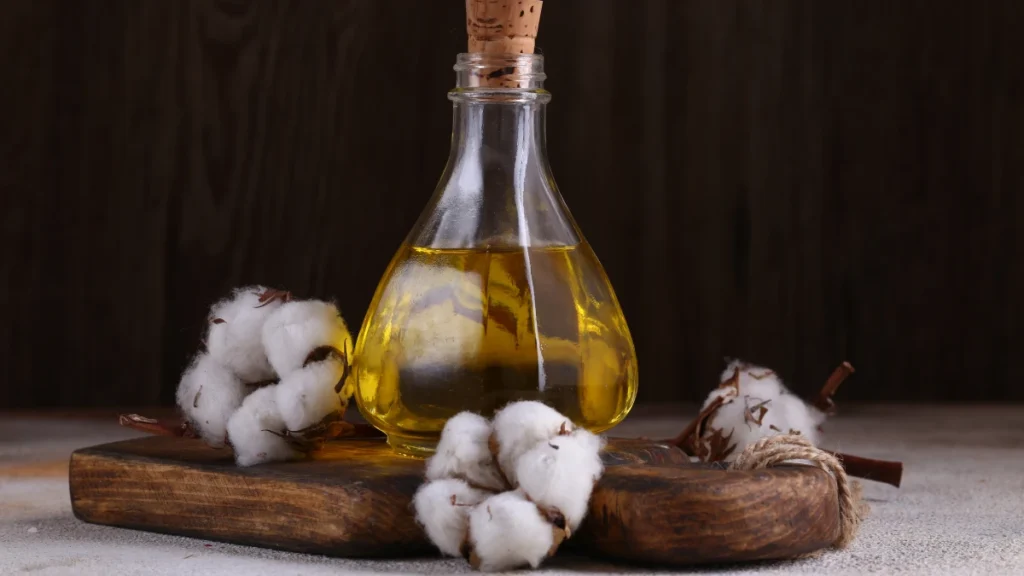
This oil is a byproduct of the fabric industry rather than a food crop which means the original plant is often sprayed heavily with agricultural chemicals.
To make this industrial byproduct safe for human consumption, it undergoes intense chemical refining that strips away flavor and nutrition.
The result is an empty fat that is high in inflammatory Omega 6 fatty acids but void of the antioxidants your heart needs to repair itself. Functional doctors warn that it offers almost no nutritional redemption compared to superior options like avocado or olive oil.
- Commonly used as a cheap filler in vegetable oil blends
- High risk of carrying pesticide residues from cotton crops
- Promotes systemic inflammation in the body
- Disrupts the delicate balance of fatty acids in cell membranes
4. Soybean Oil
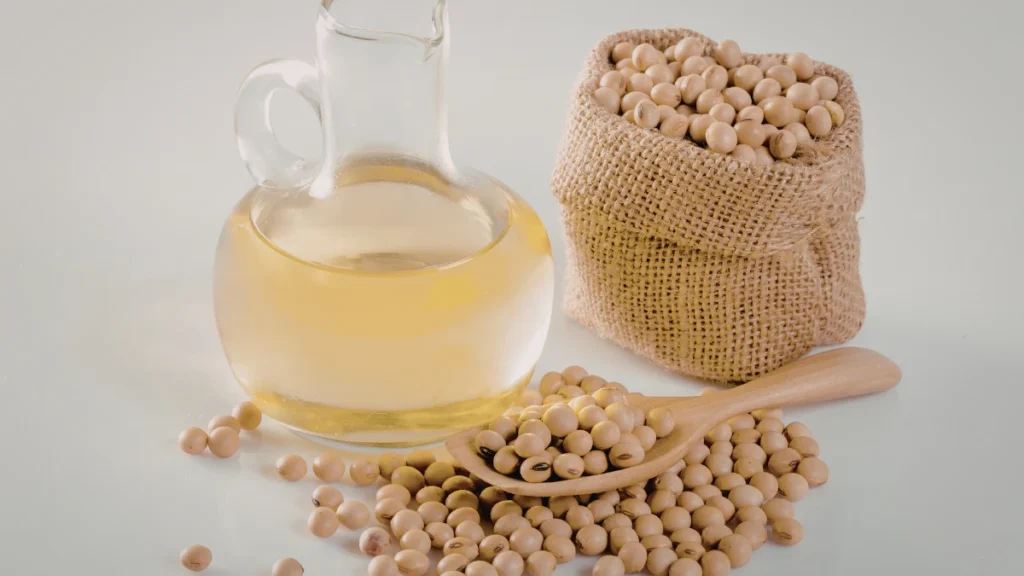
Modern diets are drowning in this oil because it is the primary ingredient in salad dressings, mayonnaise, and almost all restaurant fried foods.
While some older research suggests it lowers cholesterol, newer data highlights a dangerous skew in the Omega 6 to Omega 3 ratio which drives chronic inflammation.
When your body has too much Omega 6 from soybean oil, it enters a state of constant biological alert that damages arterial walls over time. This chronic low grade inflammation provides a sticky surface for plaque to adhere to and eventually clog the vessel.
- Shifts the body into a pro inflammatory state
- Highly susceptible to oxidation when exposed to light
- Often genetically modified to withstand heavy herbicide use
- Overwhelms the anti inflammatory benefits of Omega 3s
5. Corn Oil
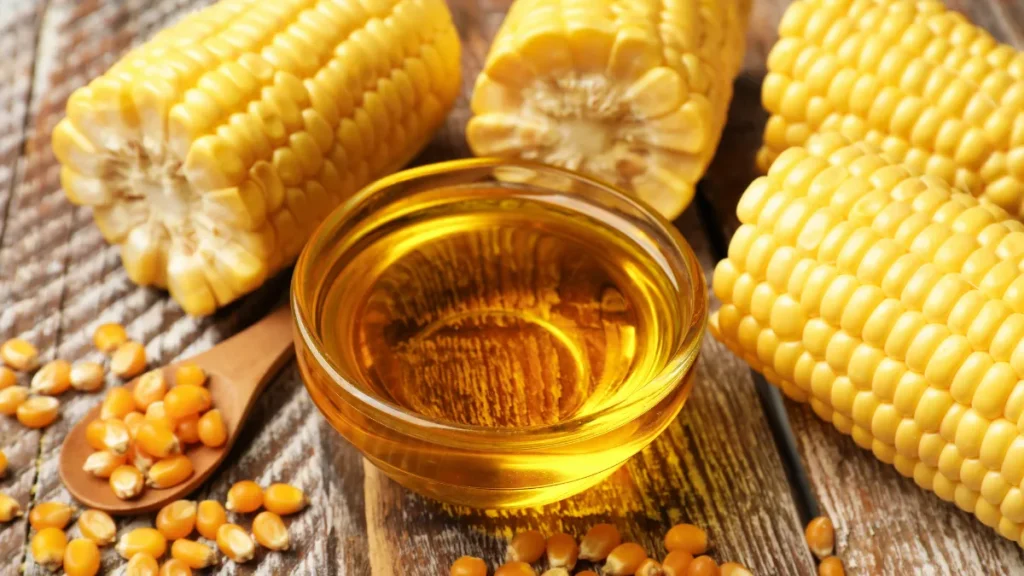
Manufacturers strip corn oil of its natural antioxidants during the refining process to ensure it has a long shelf life in the grocery store. The problem arises when you heat this oil because it is chemically unstable and rapidly breaks down into harmful free radicals.
Research suggests that while corn oil might lower total cholesterol numbers, it encourages the formation of oxidized LDL which is a small and dense particle that lodges easily in artery walls.
This oxidized cholesterol is far more dangerous for plaque buildup than the large and fluffy LDL particles found in other fats.
- Creates dangerous free radicals when used for frying
- Depletes the body of Vitamin E reserves
- Promotes the oxidation of cholesterol in the blood
- Linked to increased oxidative stress markers
6. Coconut Oil
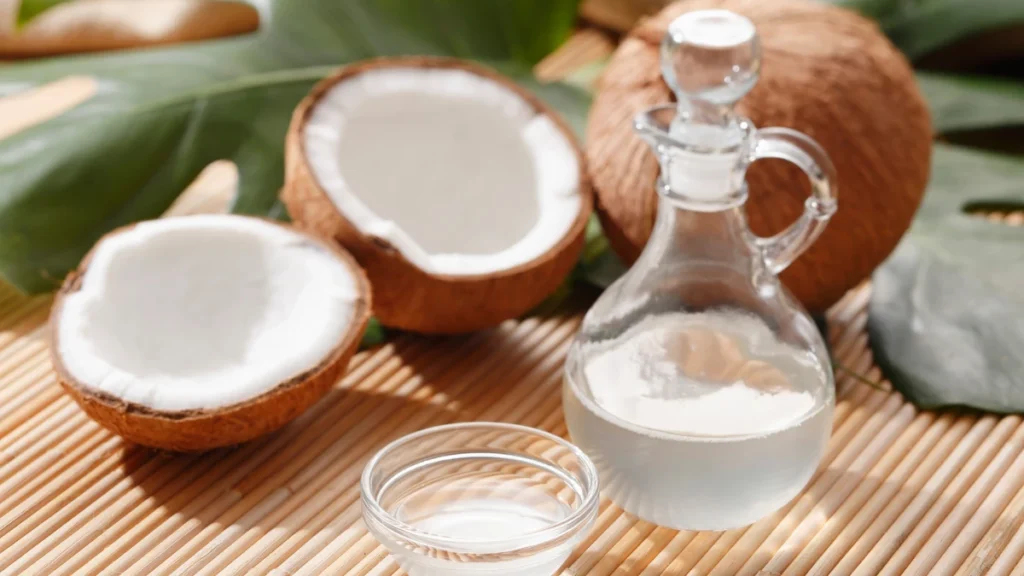
This fat carries a health halo that confuses many people because it is marketed as a superfood despite being nearly 90 percent saturated fat.
For an active 25 year old, this might be harmless, but for someone over 45 with existing arterial stiffness, the massive load of saturated fat acts like fuel for the fire.
Cardiologists warn that while coconut oil raises good HDL, it significantly spikes total cholesterol and LDL levels to a degree that concerns heart specialists.
- Contains more saturated fat than lard or butter
- Significantly raises total cholesterol numbers
- Risky for individuals with a history of hyperlipidemia
- Better suited for topical skin use than daily cooking
7. Beef Tallow and Lard

Social media trends have repopularized these fats under the guise of ancestral eating, but your biology has not adapted to handle large amounts of solid animal fat.
These fats remain solid at room temperature and behave similarly within your bloodstream by encouraging the production of a compound called TMAO in your gut.
High levels of TMAO are strongly linked to heart attacks and strokes because they help cholesterol deposit directly into the artery wall. Relying on these fats for daily cooking reverses the benefits of a heart healthy diet and accelerates plaque deposition.
- Promotes the growth of gut bacteria linked to heart disease
- Increases the risk of arterial plaque calcification
- Solid fats are harder for the body to emulsify and clear
- Lacks the protective polyphenols found in plant oils