

Joint pain holding you back from staying active? Many people struggle with discomfort when exercising, often making their joint problems worse by choosing high-impact workouts.
Yoga gets all the attention, but physical therapists know there are more effective options for building joint strength without the strain. The solution? These 9 low-impact exercises outperform yoga for joint health.
Backed by physical therapists and research, these activities build protective muscle, improve mobility, and reduce pain—all while being gentle on your body. Ready to move better with less discomfort?
1. Swimming/Water Aerobics
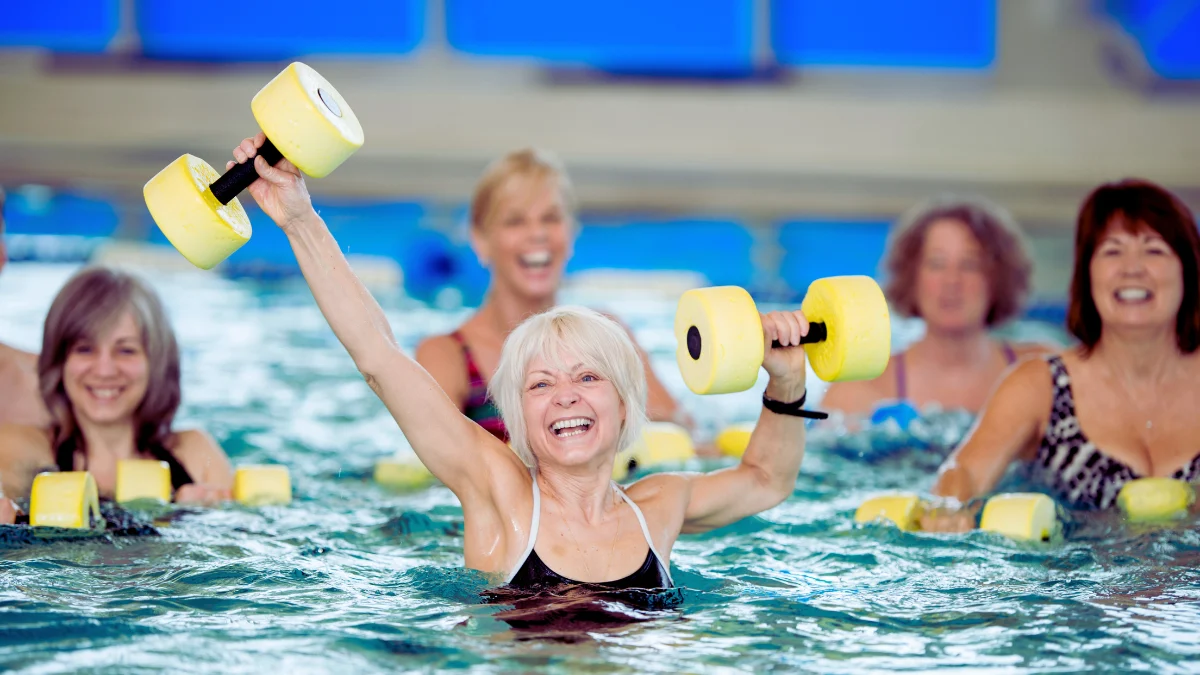
Swimming offers a complete body workout while water’s buoyancy cuts joint stress by up to 90%. This makes it excellent for people with arthritis or those recovering from injuries.
The water creates natural resistance, helping build muscle strength throughout your body. Movements like freestyle or backstroke engage your core, shoulders, and legs without putting strain on sensitive joints.
You can swim laps at your own pace or join guided sessions for structure. Water’s gentle pressure also improves circulation to damaged tissues, speeding recovery.
Many community pools offer water aerobics classes, which add variety and social connection to your exercise routine.
These classes often include specialized equipment like foam noodles or water weights that increase resistance without adding impact.
The temperature-controlled environment of indoor pools allows year-round access regardless of weather conditions or seasons.
2. Walking
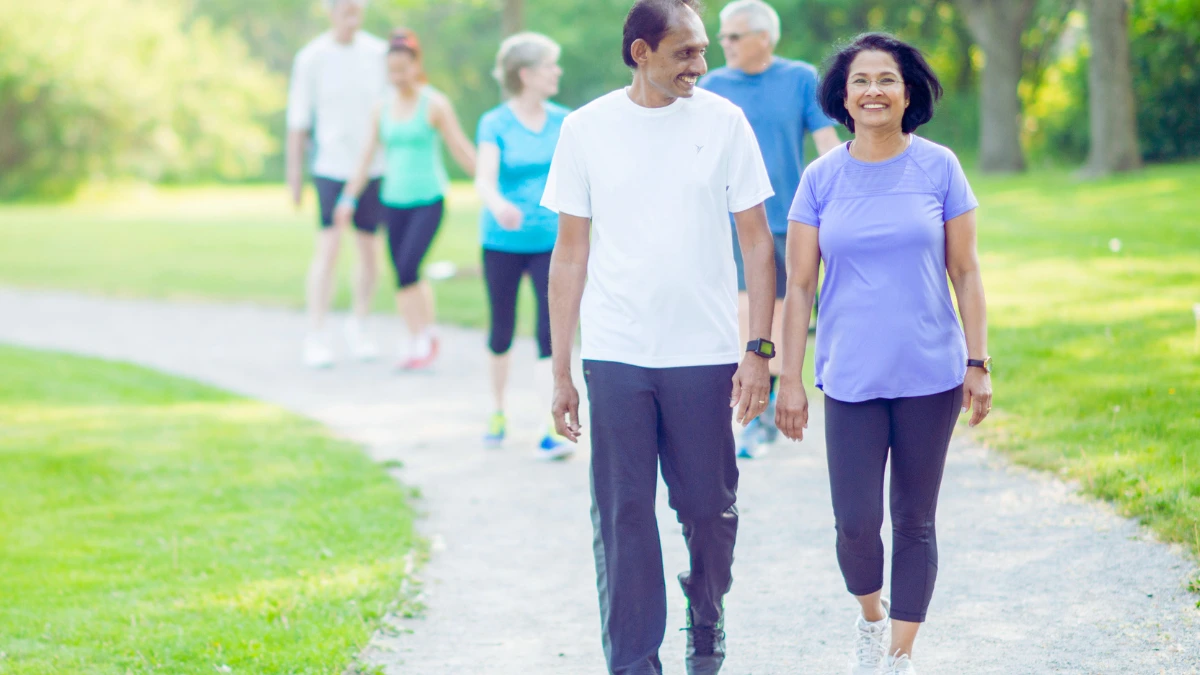
Walking stands as one of the most accessible exercises that nearly everyone can do. This basic activity improves joint mobility and fights stiffness with minimal equipment needed—just comfortable shoes and a safe path.
Regular walking programs have shown significant benefits for arthritis patients, boosting their overall well-being and confidence.
Starting with just 20-30 minutes daily can make a big difference. Choose softer surfaces like grass, dirt trails, or a track instead of concrete to reduce impact on your joints.
Walking uphill engages more muscles and increases heart rate without adding stress to your knees and ankles. Many people find that morning walks help reduce morning stiffness associated with arthritis.
Consistent walking leads to weight management, which directly reduces pressure on weight-bearing joints like knees and hips. Each pound lost translates to four pounds less pressure on your knees.
Walking also stimulates synovial fluid production in your joints, which lubricates them and reduces friction during movement.
3. Strength Training
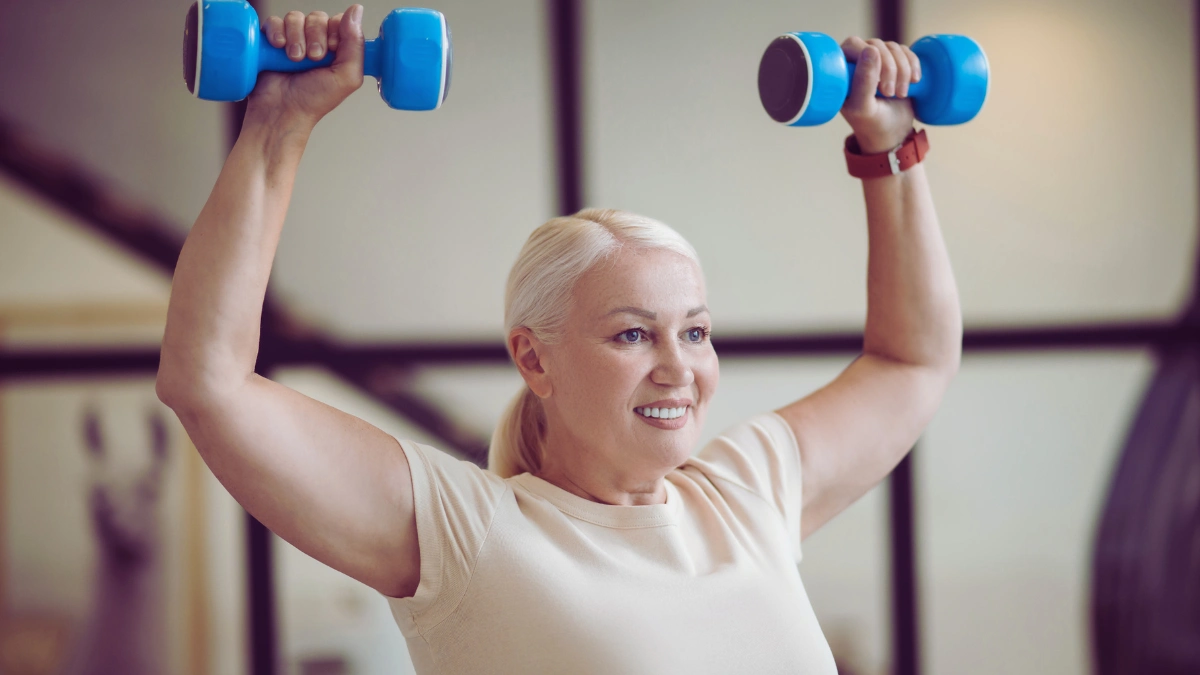
Muscles that shield and stabilize your joints grow stronger through regular strength training. This type of exercise uses resistance to make your muscles work harder, which increases their strength and endurance.
Strong muscles absorb shock that would otherwise hit your joints directly and help stabilize movements, reducing pain and preventing injuries.
Focus on major muscle groups 2-3 times weekly, always starting with lighter weights or resistance bands before gradually increasing intensity.
Rest between sessions allows your body to recover and build strength. Exercises like leg presses support knee function, while shoulder presses improve upper body joint stability. Many people notice reduced joint pain after just a few weeks of consistent strength training.
Form matters more than the weight amount. Working with a physical therapist or trainer initially helps ensure you’re performing movements correctly to maximize benefits and avoid strain.
Strength training also increases bone density, which becomes increasingly important as we age, especially for women at risk of osteoporosis. The combination of stronger muscles and denser bones creates a more stable framework for your joints.
4. Pilates
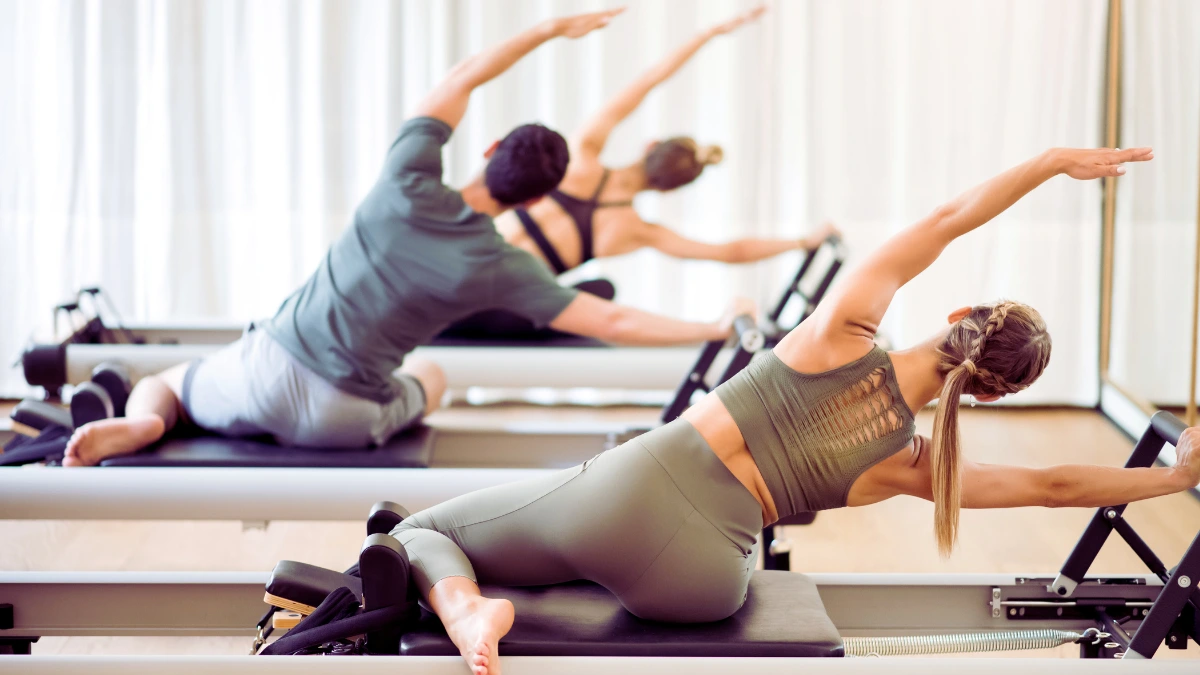
Pilates focuses on core stability, proper alignment, and controlled movements that protect joints while building flexibility.
This method targets deep muscles that support your spine and pelvis, creating a strong foundation for all movement. The emphasis on precise, mindful movements makes it particularly valuable for joint health.
Most Pilates exercises happen on a mat or special equipment like reformers that provide adjustable resistance. The slow, controlled nature of these movements helps you build strength without jarring your joints.
Many exercises start in lying positions, removing gravitational stress from the spine and joints while you work. Pilates breathing techniques also promote relaxation and body awareness, helping you notice tension patterns that might contribute to joint stress.
People recovering from hip or knee injuries often find Pilates especially helpful. The focus on proper alignment improves posture, which redistributes weight more evenly across joints.
This reduces wear patterns that contribute to arthritis development. Regular practitioners typically report improved balance and coordination, which helps prevent falls that could damage joints.
5. Rowing

Rowing provides a seated, non-weight-bearing workout that engages multiple muscle groups simultaneously.
Your arms, back, core, and legs all work together in a smooth, continuous motion that builds strength and endurance. Since you’re seated, your ankles and knees don’t bear weight during the exercise.
The pulling motion strengthens your upper back muscles, which helps improve posture and reduces strain on your neck and shoulders.
Modern rowing machines allow you to adjust resistance levels to match your fitness level and joint comfort. The rhythmic nature of rowing also creates a meditative quality that many find stress-reducing, which can help decrease inflammation throughout the body.
Proper form prevents injury: push through your heels, maintain a slight backward lean, and pull the handlebars toward your chest while keeping your back straight.
Many gyms offer rowing machines, making this exercise accessible year-round. Water rowers provide a smoother experience than air or magnetic rowers, which some people with sensitive joints prefer.
6. Elliptical Training
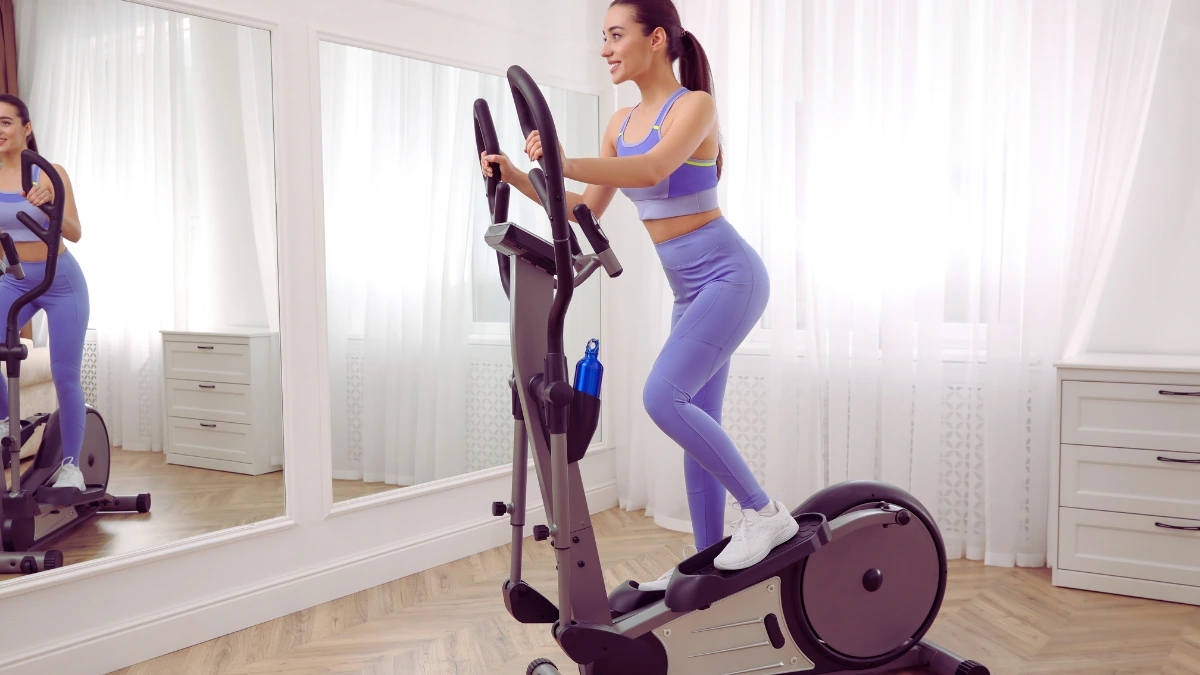
Elliptical machines create a smooth gliding motion similar to running but without the impact on your knees, hips, and ankles.
Your feet never leave the pedals, eliminating the landing shock that occurs with each step while running. This makes elliptical training accessible for people who can no longer run comfortably.
The movement pattern engages your quadriceps, hamstrings, glutes, and core muscles, building strength in the muscles that support your joints.
Most machines allow you to adjust incline and resistance levels, letting you gradually increase intensity as your fitness improves. Many models include handles that add an upper-body component, creating a full-body workout.
Elliptical training burns calories efficiently, supporting weight management goals that directly benefit joint health. Using an elliptical backward occasionally works different muscle groups and adds variety to your routine.
Twenty to thirty minutes three times weekly provides significant cardiovascular and joint benefits without overloading sensitive areas.
7. Cycling

Cycling offers excellent aerobic exercise while your body weight rests on the seat instead of your legs. This activity strengthens leg muscles, especially the quadriceps, which support knee function and stability.
Indoor stationary bikes allow for controlled environments, while outdoor cycling adds the mental health benefits of nature exposure.
A 2019 study published in the journal Medicina found that indoor cycling significantly improved body composition and lipid profiles even without dietary changes.
Participants who cycled three times weekly for 12 weeks showed decreased body fat percentage and improved cholesterol levels, factors that contribute to overall joint health. The researchers concluded that cycling provides measurable health benefits with minimal joint stress.
Proper bike fit prevents unnecessary strain: your knees should maintain a slight bend at full extension, and handlebars should allow you to ride without slouching.
Recumbent bikes offer back support for those with spine concerns. Many people find cycling particularly helpful for rebuilding strength after knee injuries or surgeries when impact exercises remain off-limits.
8. Tai Chi
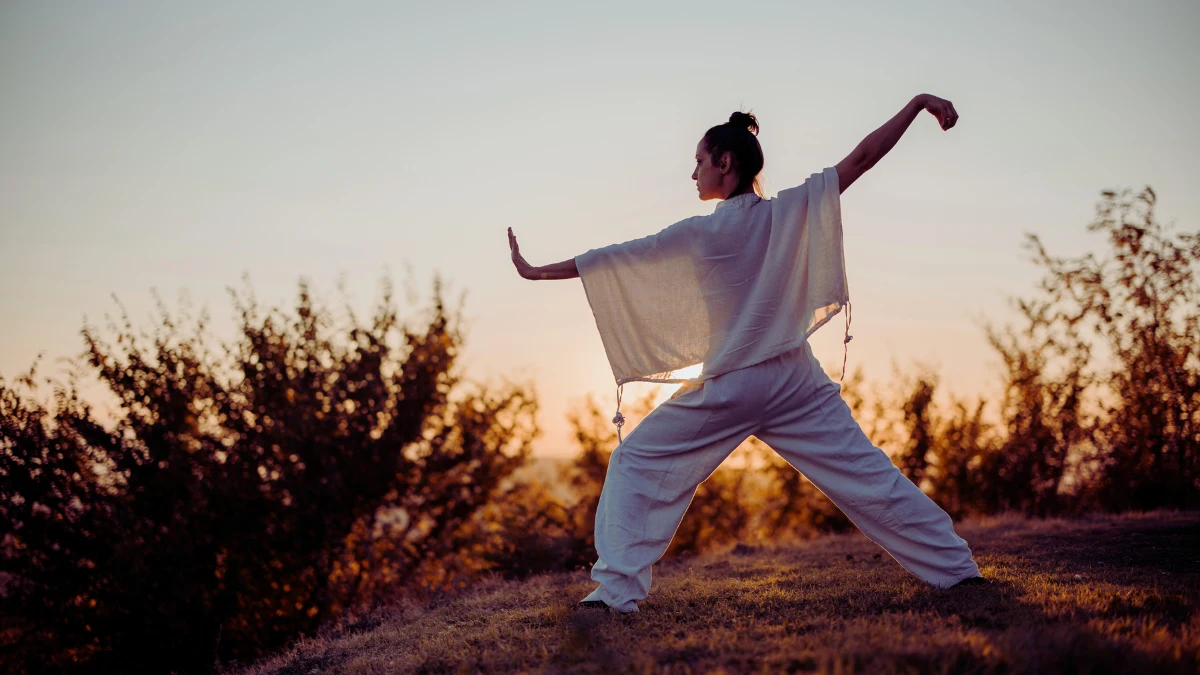
Tai Chi combines slow, flowing movements with deep breathing and mental focus. This ancient martial art has gained recognition among physical therapists for its joint-friendly approach to building strength, balance, and flexibility.
The gentle, continuous movements improve circulation and range of motion without straining vulnerable areas.
Research shows Tai Chi significantly reduces fall risk in older adults by improving proprioception—your awareness of body position in space.
Regular practice helps synovial fluid circulate through joints, reducing friction and providing nutrients to cartilage.
Many practitioners report reduced rheumatoid arthritis symptoms and improved sleep quality, which supports overall healing and pain management.
Classes typically last 30-60 minutes and can accommodate various fitness levels and physical limitations. You can practice Tai Chi almost anywhere since it requires no equipment.
Many communities offer classes specifically designed for people with arthritis or joint concerns. The social aspect of group classes provides motivation and connection, which supports long-term adherence to exercise programs.
9. Resistance Band Training
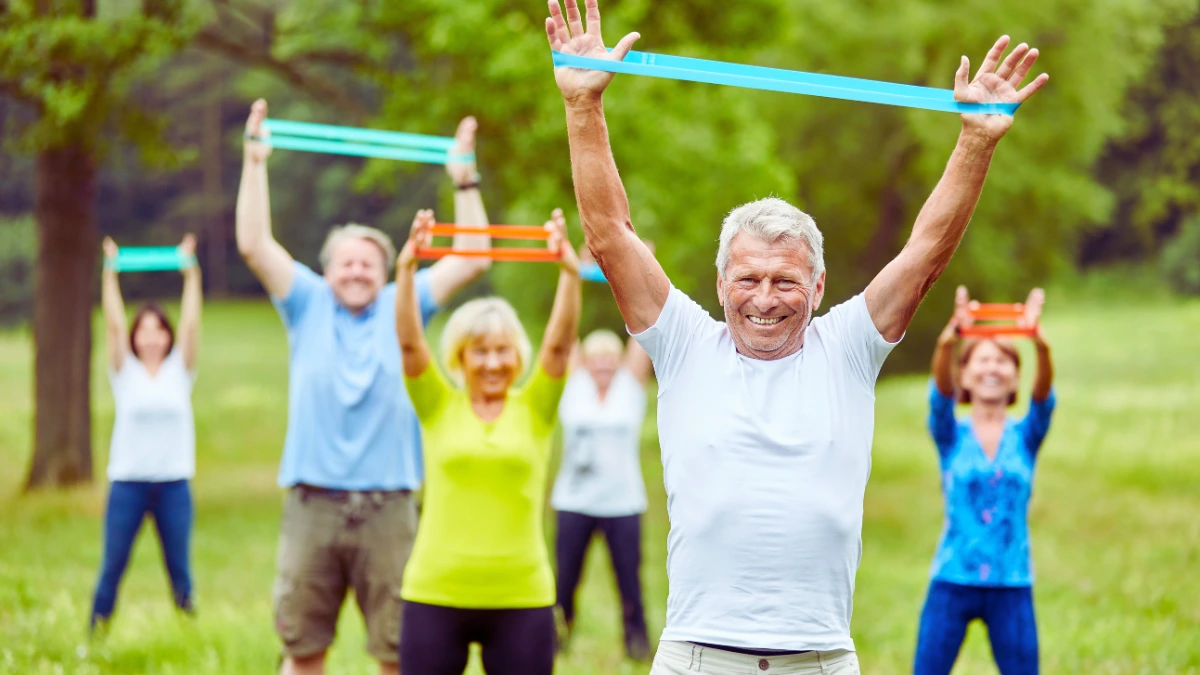
Resistance bands provide adjustable tension through colorful, lightweight rubber strips that challenge muscles through their full range of motion.
These inexpensive tools allow for exercises that strengthen joints without loading them with heavy weights. Bands come in various resistance levels, making them suitable for beginners and advanced users alike.
Band exercises like seated rows, lateral raises, and leg presses strengthen muscles that support and protect joints. The constant tension throughout movements helps build functional strength that translates to daily activities.
Unlike free weights that rely on gravity, bands provide resistance in multiple directions, creating more balanced muscle development around joints.
This portable exercise option travels easily and takes up minimal storage space. Physical therapists often prescribe band exercises as part of home programs for joint rehabilitation.
Two to three workouts weekly, with 12-15 repetitions per exercise, build strength while allowing adequate recovery time.
Many people find band training less intimidating than weight machines, making it more likely they’ll stick with their exercise program long-term.