

You can feel completely normal while your blood sugar quietly moves into the prediabetes range.
That is what makes this condition so easy to miss. By the time intense thirst, frequent urination, blurry vision, or unexplained weight loss appear, blood sugar may already have crossed into type 2 diabetes.
The good news is that a simple blood test can expose the problem early, when practical changes may still prevent or delay what comes next.
The Headline Number Has Already Grown

The 98 million figure came from earlier CDC estimates. Current CDC materials report that 115.2 million American adults, more than two in five, have prediabetes.
The more troubling statistic has barely changed. About 8 in 10 adults with prediabetes do not know they have it.
That does not mean millions of people are ignoring obvious warning signs. Prediabetes often produces no clear symptoms at all.
Most people discover it during routine blood work, a workplace health screening, or an appointment for an unrelated problem.
What Prediabetes Actually Means
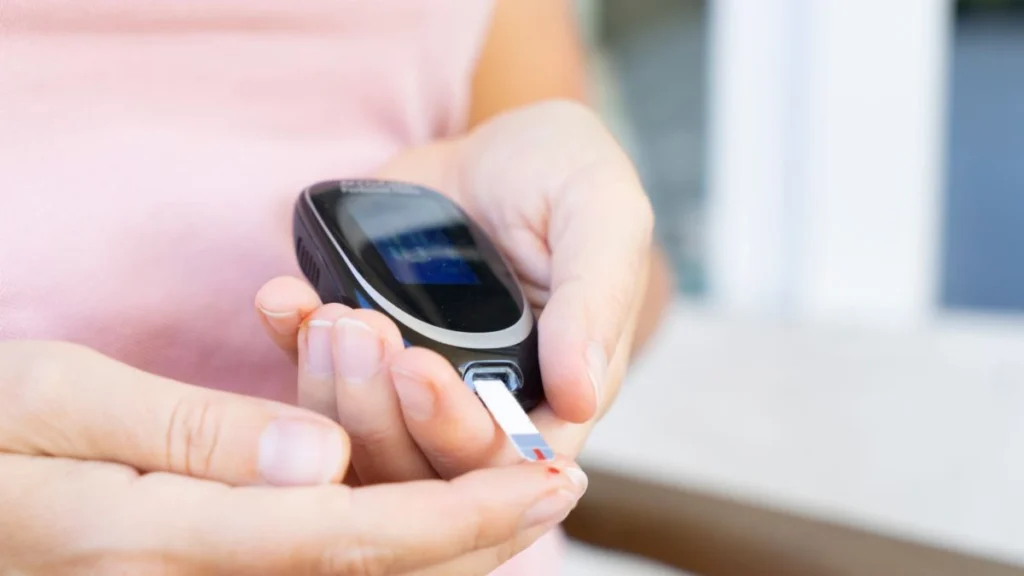
Prediabetes means blood glucose is higher than the healthy range but has not reached the diagnostic threshold for diabetes.
The problem usually begins with insulin resistance. Insulin is the hormone that helps move glucose from the bloodstream into muscle, liver, and fat cells, where it can be used or stored.
When those cells stop responding efficiently, the pancreas compensates by producing more insulin. This can keep blood sugar looking fairly controlled for a while, but the system is working harder than it should.
Over time, the pancreas may struggle to keep up. Blood glucose rises further, and prediabetes can progress to type 2 diabetes.
| Blood test | Normal range | Prediabetes range | Diabetes range |
|---|---|---|---|
| A1C | Below 5.7% | 5.7% to 6.4% | 6.5% or higher |
| Fasting plasma glucose | Below 100 mg/dL | 100 to 125 mg/dL | 126 mg/dL or higher |
| Two hour glucose tolerance test | Below 140 mg/dL | 140 to 199 mg/dL | 200 mg/dL or higher |
These are standard diagnostic ranges used by the American Diabetes Association. A doctor may repeat an abnormal test before confirming a diagnosis, especially when there are no classic symptoms.
Why So Many People Have No Idea

Prediabetes is not usually painful. It does not necessarily make someone feel sick, weak, or noticeably different.
Blood sugar may rise gradually over years. Because the change is slow, the body adapts, and subtle issues such as afternoon fatigue or increased hunger are easily blamed on stress, age, poor sleep, or a busy schedule.
Another reason is that many people still associate blood sugar problems only with obesity. Excess body fat, particularly around the abdomen, is a major risk factor, but it is not the only one.
Family history, age, physical inactivity, previous gestational diabetes, polycystic ovary syndrome, sleep problems, and certain ethnic backgrounds can increase risk. A person can also develop insulin resistance at a body weight that appears normal.
The Mayo Clinic notes that abdominal fat is especially relevant because it is strongly associated with insulin resistance. Risk rises with a waist measurement above approximately 40 inches in men or 35 inches in women, although waist size alone cannot diagnose prediabetes.
The Damage Does Not Necessarily Wait for Diabetes
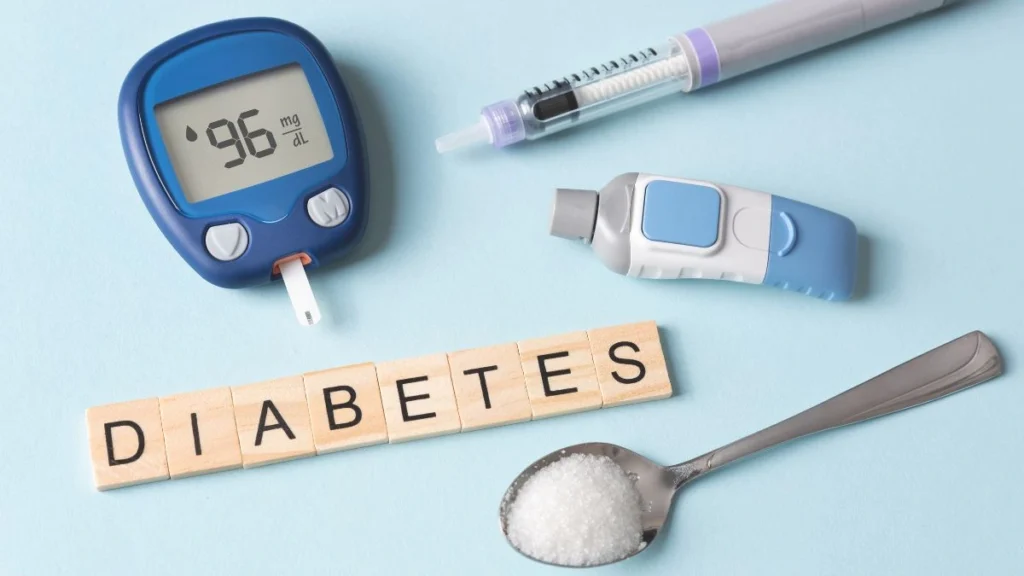
It is tempting to view prediabetes as a harmless warning rather than a genuine health condition.
That is a mistake.
The CDC identifies prediabetes as a condition that increases the risk of type 2 diabetes, heart disease, and stroke.
Elevated glucose, insulin resistance, high blood pressure, abnormal cholesterol, and abdominal fat frequently occur together, creating overlapping stress on blood vessels.
This does not mean everyone with prediabetes will develop complications. It means the metabolic changes deserve attention before the numbers rise further.
Think of prediabetes as an open window. It is a warning, but it is also an opportunity to act while the body may still respond strongly.
Who Should Ask for a Blood Sugar Test?
The American Diabetes Association recommends routine screening for most adults beginning at age 35. Testing may begin earlier for people who are overweight or have additional risk factors.
A doctor may recommend earlier or more frequent testing based on personal history.
| Risk factor | Why it matters | What to discuss with your doctor |
| Age 35 or older | Insulin sensitivity and pancreatic function can decline with age | Whether routine A1C or fasting glucose testing is due |
| Parent or sibling with type 2 diabetes | Shared genetics and household habits can increase risk | Whether screening should begin earlier |
| Abdominal weight gain | Visceral fat releases signals associated with insulin resistance | Waist measurement, blood pressure, cholesterol, and glucose testing |
| Previous gestational diabetes | Future type 2 diabetes risk remains elevated | Ongoing testing, often at least every three years |
| Polycystic ovary syndrome | Insulin resistance is common with this condition | A1C, fasting glucose, and other metabolic screening |
| High blood pressure or abnormal cholesterol | These conditions often cluster with insulin resistance | A broader cardiovascular and metabolic assessment |
| Limited physical activity | Less active muscle removes less glucose from the bloodstream | A safe plan for gradually increasing movement |
A home glucose meter cannot reliably rule out prediabetes on its own. Readings change with meals, stress, sleep, illness, and testing technique.
A laboratory A1C, fasting glucose test, or oral glucose tolerance test gives a doctor a more useful basis for diagnosis.
The A1C Test Is Convenient, but It Has Limits
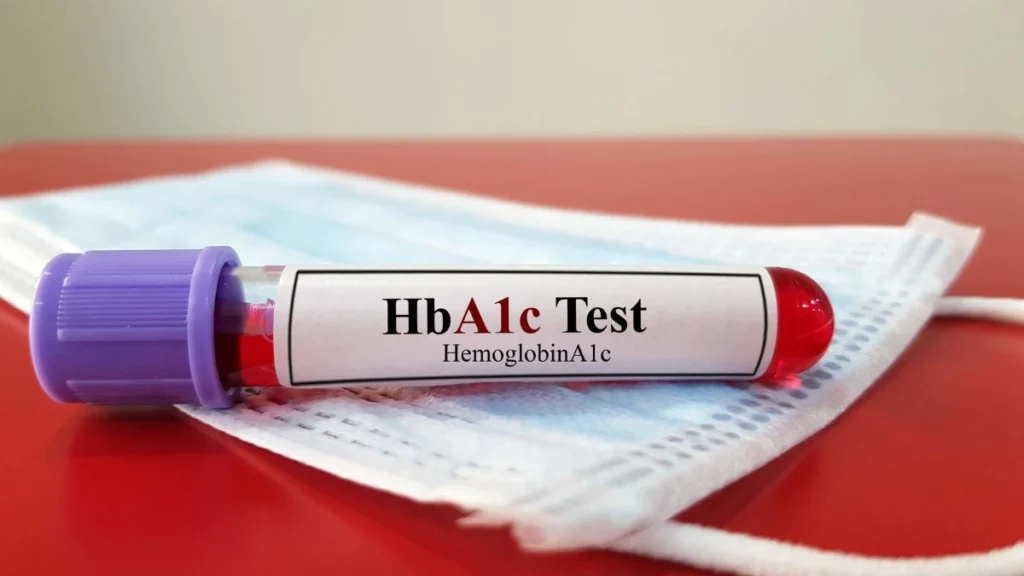
A1C estimates average blood glucose over roughly the previous two to three months. Unlike fasting glucose, it usually does not require fasting.
It is useful, but it is not perfect.
Anemia, recent blood loss, kidney disease, pregnancy, certain hemoglobin variants, and some medications can affect the result. In these situations, a doctor may compare A1C with fasting glucose or another test.
A person can also have a normal fasting glucose level but an abnormal result after drinking a glucose solution. That is one reason doctors sometimes order an oral glucose tolerance test when suspicion remains high.
The key lesson is simple: one number needs context. Your history, medications, symptoms, and other laboratory findings matter.
Individual test results can be influenced by medical conditions and medications. Ask a qualified clinician to interpret abnormal or conflicting glucose results rather than diagnosing yourself from a single reading.
The Strongest Prevention Evidence Is Surprisingly Practical
The landmark Diabetes Prevention Program studied adults at high risk for type 2 diabetes.
Participants in the intensive lifestyle group aimed to lose about 7 percent of their starting body weight, reduce calorie and fat intake, and complete at least 150 minutes of physical activity each week.
That lifestyle program reduced the risk of developing type 2 diabetes by 58 percent during the initial study period. Metformin reduced risk by about 31 percent compared with placebo.
This does not mean everyone must lose exactly 7 percent or follow one rigid diet. It shows that modest, sustained changes can have a measurable effect.
For someone weighing 200 pounds, 5 percent is 10 pounds. For someone weighing 160 pounds, it is 8 pounds.
Mayo Clinic guidance, reflecting American Diabetes Association recommendations, describes a target of roughly 5 to 7 percent weight loss for people with prediabetes who need to lose weight.
Physical activity matters even when the scale moves slowly because contracting muscles can take up glucose and become more responsive to insulin.
What a Realistic Prediabetes Plan Looks Like
You do not need a punishing diet or an exhausting exercise program.
The most effective approach is usually one that lowers glucose exposure, improves insulin sensitivity, preserves muscle, and can be repeated for years.
| Action | Practical target | Why it may help |
| Brisk walking | Work toward 150 minutes weekly | Active muscles remove more glucose from the bloodstream and improve insulin sensitivity |
| Strength exercise | Two or more sessions weekly when medically appropriate | Additional and better functioning muscle provides more tissue for glucose disposal |
| Post meal movement | Walk for 10 to 15 minutes after larger meals | Movement during the post meal period may reduce prolonged glucose elevation |
| Fiber rich meals | Include beans, vegetables, intact whole grains, nuts, or seeds regularly | Fiber slows digestion and can reduce rapid glucose absorption |
| Protein with meals | Add beans, lentils, tofu, fish, poultry, eggs, or another suitable source | Protein supports fullness and can reduce reliance on refined carbohydrates |
| Sugary drink reduction | Replace soda, sweet tea, and similar drinks most days | Liquid sugar is rapidly absorbed and provides little fullness |
| Consistent sleep | Aim for a regular sleep and wake schedule | Poor sleep can worsen appetite regulation and insulin sensitivity |
The goal is not to eliminate every carbohydrate. Beans, fruit, vegetables, and intact whole grains provide nutrients and fiber that refined sweets and sweetened drinks lack.
A useful plate pattern is to fill half the plate with nonstarchy vegetables, one quarter with a protein source, and one quarter with a higher fiber carbohydrate.
Portion size still matters, but food quality changes how quickly a meal is digested and how satisfying it feels.
Try This Today
Try this today
The Daily Habit That Actually Works
Pick one realistic action—not a total life overhaul. Tap each habit to see why it is easier to keep during a stressful week.
Should Everyone With Prediabetes Take Metformin?
No.
Lifestyle intervention is a central recommendation, but medication may be appropriate for some people at particularly high risk. Doctors may consider factors such as age, body mass index, rising A1C, previous gestational diabetes, and whether glucose continues to worsen despite lifestyle changes.
Metformin is not a replacement for sleep, movement, nutritious food, or medical follow up. It is one possible tool within a broader plan.
It can also cause gastrointestinal side effects and may affect vitamin B12 levels with long term use, so the decision belongs in a conversation with a clinician.
Never start, stop, or change a prescription because of a blood sugar article.
How Quickly Can Prediabetes Improve?
Some markers can begin improving within weeks of consistent activity and dietary changes, but A1C reflects a longer period.
A clinician will often recheck blood sugar after several months, although the timing depends on the initial result and the person’s overall risk.
| Time period | What may be changing | Useful focus |
| First week | Muscles begin responding to repeated activity | Establish a walking or movement routine |
| First month | Meal patterns and activity become more consistent | Reduce sweet drinks and refined snacks |
| Around three months | A1C may reflect much of the new routine | Review laboratory results with a clinician |
| Six to twelve months | Weight, waist size, fitness, blood pressure, and glucose trends become clearer | Adjust the plan based on measurable progress |
Improvement does not always show up as dramatic weight loss. A smaller waist, increased strength, lower fasting glucose, improved blood pressure, or more stable A1C can also signal progress.
Prediabetes may return if old patterns return, so ongoing habits and periodic testing still matter after the numbers improve.
When Symptoms Mean You Should Call a Doctor

Prediabetes itself often has no symptoms. Clear symptoms can suggest that glucose has risen further or that another medical issue needs attention.
Contact a healthcare professional promptly if you develop:
- Persistent excessive thirst or unusually frequent urination
- Unexplained weight loss
- Recurrent blurry vision
- Unusual fatigue combined with increased hunger
- Slow healing sores or repeated infections
Seek urgent medical care for confusion, severe weakness, vomiting, difficulty breathing, fainting, or signs of severe dehydration.
These symptoms should not be managed with dietary experiments alone.
The Most Important Question Is Not “Do I Feel Fine?”
Feeling fine does not confirm that blood sugar is fine.
Prediabetes is common precisely because it can develop quietly. The person who walks into a routine appointment without a single complaint may be the same person whose A1C has been rising for years.
The headline’s original 98 million estimate was alarming. The current CDC estimate of 115.2 million adults makes the need for screening even harder to dismiss.
A blood test can replace uncertainty with information. From there, modest weight loss when appropriate, regular physical activity, strength work, higher fiber meals, adequate sleep, and medical follow up can meaningfully change the trajectory.
You do not need to wait for diabetes symptoms to take prediabetes seriously.
You only need to find out where your numbers stand.
This article is for informational purposes only and is not a substitute for professional medical advice, diagnosis, or treatment. Always consult your doctor or another qualified healthcare provider before changing your diet, exercise routine, supplements, or medications, especially if you have an existing condition, are pregnant, or have experienced abnormal blood sugar readings.