

Does your stomach feel upset more often than not? Bloating, irregular digestion, and constant discomfort can drain your energy and affect your quality of life.
Your gut health impacts everything from your immune system to your mood. The good news? You don’t need expensive supplements or complicated diets.
Simple, everyday foods can heal your gut from the inside out. These 15 gut-friendly foods work naturally to balance your microbiome, reduce inflammation, and restore digestive harmony.
Add them to your meals starting today, and your body will thank you with better digestion, improved energy, and a stronger immune system.
1. Bone Broth

Bone broth works wonders for gut health through its rich content of collagen and gelatin. These compounds actively repair damaged intestinal tissue and create a protective barrier against inflammation.
What makes bone broth special is the amino acid glutamine, which serves as the primary fuel for cells lining your intestines.
This helps seal gaps between cells that might otherwise allow undigested food particles and toxins to leak into your bloodstream.
The glycine in bone broth also supports stomach acid production, enhancing digestion and nutrient absorption.
Creating bone broth at home is simple but requires patience. Collect bones from chicken, beef, lamb, or fish, then simmer them with vegetables like carrots, celery, and onions.
Add a tablespoon of apple cider vinegar to extract more minerals from the bones. Slow cook everything for 8-24 hours. The longer it simmers, the more nutrients are released.
Consume a cup daily as a warm beverage or use it as a base for hearty soups and stews to give your gut steady support.
2. Yogurt (Unsweetened)

Unsweetened yogurt serves as a powerful ally for gut health, delivering billions of beneficial bacteria with each spoonful.
These living microorganisms—primarily Lactobacillus and Bifidobacterium—take up residence in your intestines and create a balanced microbial community.
The fermentation process that creates yogurt breaks down lactose, making it easier to digest than milk. This partially explains why some lactose-intolerant individuals can enjoy yogurt without discomfort.
Beyond probiotics, yogurt provides calcium, protein, B vitamins, and phosphorus that support overall health while nurturing your digestive system.
For maximum benefits, select varieties labeled “contains live and active cultures” and avoid those with added sugars or artificial ingredients.
Greek and Icelandic styles offer extra protein due to their straining process. Try eating yogurt with breakfast topped with berries and walnuts, or use it as a base for savory dips with herbs and spices.
Consistency matters more than quantity—consuming even a small amount daily helps maintain gut flora balance better than occasional large servings.
3. Kefir

Kefir outshines most fermented foods with its exceptional probiotic diversity. This tangy, yogurt-like drink contains up to 30 different beneficial bacterial and yeast strains compared to yogurt’s typical 2-7 strains. This microbial variety helps create a more robust and resilient gut environment.
The fermentation occurs through “kefir grains”—cauliflower-shaped colonies of bacteria and yeast that transform milk sugars into lactic acid, carbon dioxide, and beneficial compounds.
These include bioactive peptides that fight inflammation and strengthen immune function. The process also produces B vitamins, particularly B12, which many people lack.
Kefir contains easily digestible proteins and partially broken-down lactose, making it suitable for many with dairy sensitivities.
Start incorporating kefir gradually, beginning with a quarter cup daily and increasing as tolerated. Enjoy it plain, blend it into smoothies, or use it as a buttermilk substitute in baking.
Both dairy and non-dairy versions offer benefits, though traditional milk kefir contains the widest range of beneficial organisms. Look for unflavored varieties with no added sweeteners for the greatest gut-healing potential.
4. Sauerkraut
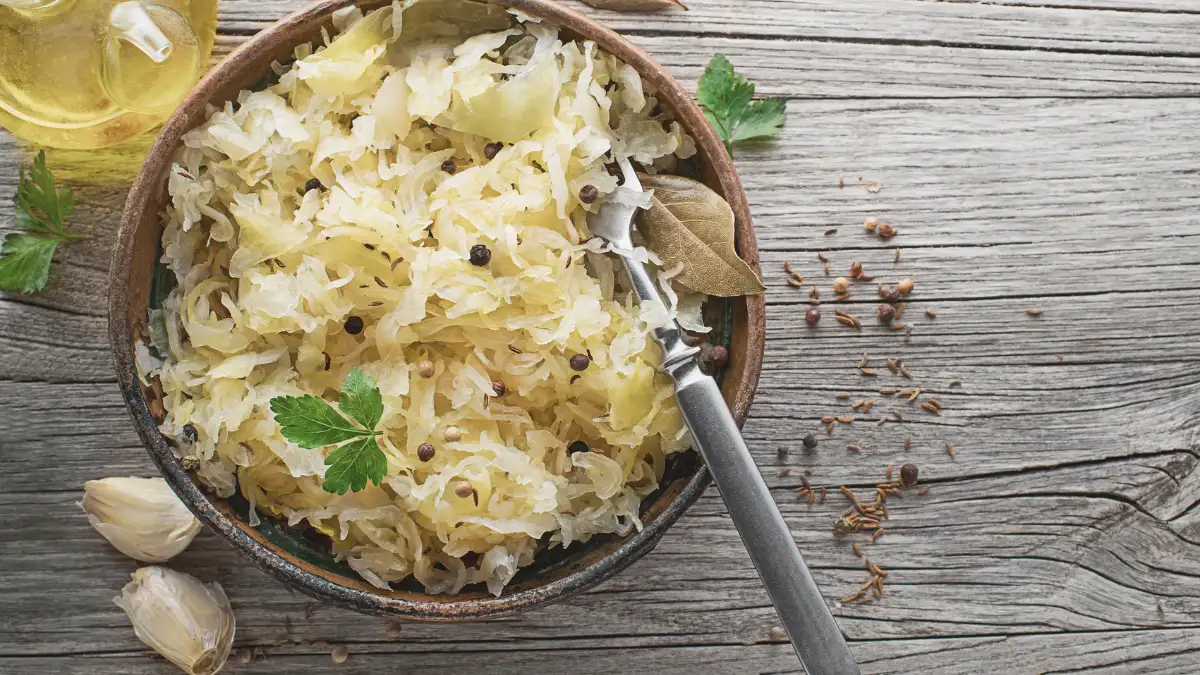
Sauerkraut transforms ordinary cabbage into a gut-healing powerhouse through the ancient practice of lacto-fermentation.
When cabbage sits in salt brine, beneficial bacteria convert natural sugars into lactic acid, creating the characteristic tangy flavor while generating millions of probiotics.
These living microorganisms support digestive health by crowding out harmful bacteria and boosting the immune system, as roughly 70% of immune cells reside in gut tissue.
Beyond probiotics, sauerkraut contains fiber that acts as fuel for beneficial gut bacteria. The fermentation process also increases vitamin levels—particularly vitamin C—and produces compounds that can reduce inflammation throughout the digestive tract.
For maximum benefits, choose raw, unpasteurized varieties found in refrigerated sections of natural food stores. Heat kills the beneficial bacteria, so add sauerkraut to meals after cooking.
Begin with small portions—about a tablespoon daily—and gradually increase as your system adapts. Its zesty flavor enhances sandwiches, grain bowls, or simply enjoyed alongside protein sources.
The brine itself contains beneficial organisms and can be used in salad dressings or consumed with a spoonful.
5. Kimchi

Kimchi brings together cabbage, radishes, and other vegetables with aromatic ingredients like garlic, ginger, and chili peppers through a complex fermentation process.
This Korean staple delivers a potent combination of probiotics, prebiotics, and anti-inflammatory compounds to your digestive system.
The fermentation activates beneficial Lactobacillus bacteria that help balance your gut microbiome and strengthen the intestinal barrier.
These microbes produce short-chain fatty acids that nourish colon cells and regulate immune function. The fiber content acts as food for your existing good bacteria, creating a synergistic effect.
The unique combination of spices in kimchi contains compounds that can reduce gut inflammation and support digestion.
Store kimchi in glass containers in your refrigerator, where it will continue to ferment slowly, developing deeper flavors.
Begin with small amounts—a tablespoon or two daily—as the strong taste and active bacteria might overwhelm sensitive systems initially.
Try adding kimchi to scrambled eggs, rice bowls, or alongside grilled proteins. Many varieties exist, from mild to fiery hot, allowing you to find one that suits your taste preferences while supporting gut health.
6. Garlic
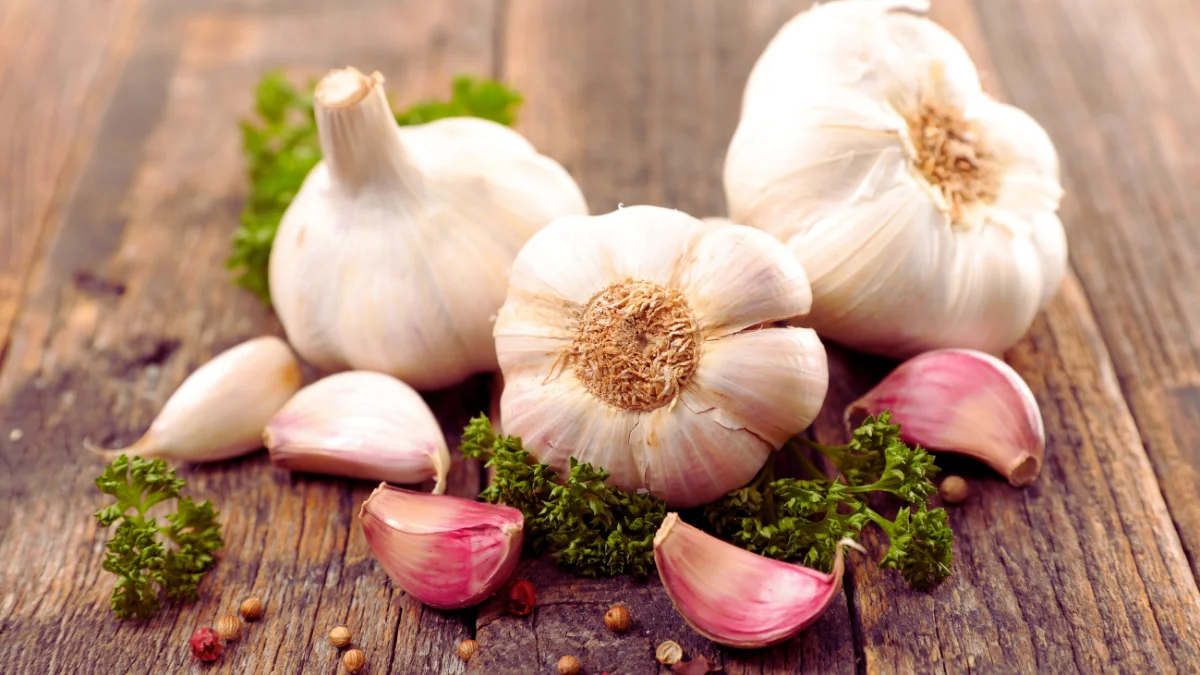
This pungent bulb does more than flavor your meals—it actively supports gut health through multiple mechanisms.
The sulfur compounds in garlic, particularly allicin, combat harmful bacteria while sparing beneficial ones. Adding raw or lightly cooked garlic to your diet feeds good gut bacteria with inulin, a type of prebiotic fiber.
According to a 2016 study in the Journal of Nutrition, garlic consumption increased beneficial Bifidobacteria in the gut while reducing inflammatory markers.
The antimicrobial properties help keep the small intestine free from bacterial overgrowth, a common cause of bloating and discomfort.
To maximize benefits, crush or chop garlic and let it sit for 10 minutes before cooking. This allows enzyme reactions that boost allicin formation.
Try adding minced garlic to salad dressings, stirring it into soups just before serving, or mixing it with olive oil as a simple sauce. Two to three cloves daily offer noticeable benefits without overwhelming your system or your breath.
7. Onions
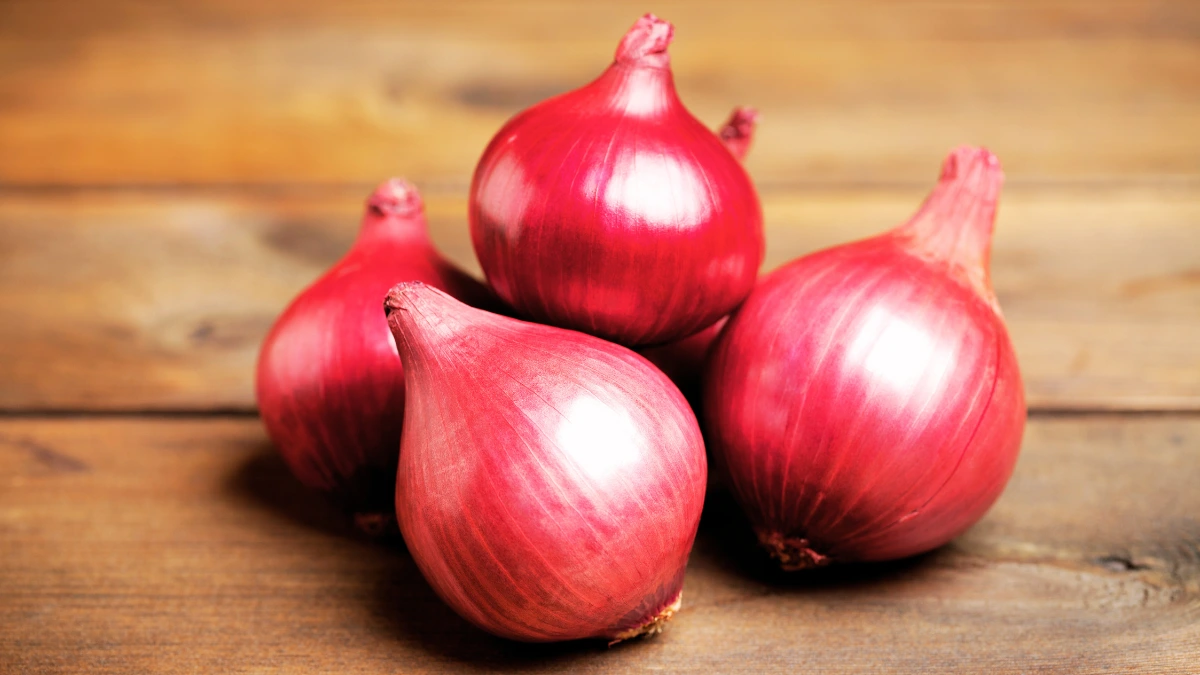
Sweet, white, red, or yellow—all onion varieties support gut health through their rich stores of prebiotics. These indigestible fibers travel to your colon where they feed beneficial bacteria, stimulating growth and activity.
The prebiotic fiber in onions, called fructooligosaccharides (FOS), specifically promotes Bifidobacteria and other helpful species.
When these friendly bacteria break down the FOS, they create short-chain fatty acids. These acids feed the cells lining your colon and strengthen the protective barrier in your gut.
Onions also contain quercetin, a flavonoid with anti-inflammatory effects that can soothe irritated intestinal tissue.
Raw onions provide the most prebiotic benefits, so try thinly sliced red onions in salads or quick-pickled as a topping.
Cooking doesn’t eliminate all benefits—caramelized onions still contribute to gut health while offering a sweeter, more mellow flavor.
The sulfur compounds responsible for tears when cutting onions also support detoxification pathways, creating a cleaner internal environment for your microbiome to thrive.
8. Asparagus
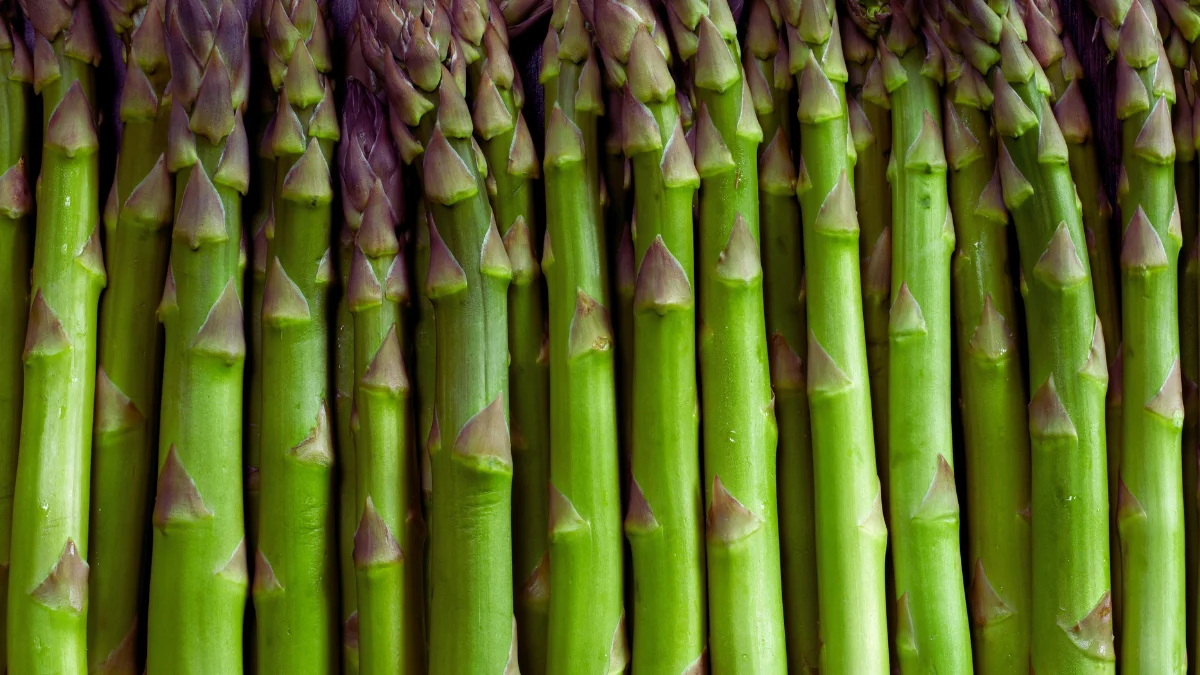
The tender green spears of asparagus offer a wealth of gut-supporting compounds. Their high inulin content feeds beneficial bacteria in your colon, promoting microbial diversity.
Beyond prebiotics, asparagus contains a unique type of fiber that helps move waste through your digestive tract, preventing constipation and supporting regularity.
The natural compounds in asparagus act as gentle diuretics, reducing bloating and water retention. Many people notice improved digestion within days of adding asparagus to their meals regularly.
Lightly steamed or roasted asparagus maintains most of its beneficial compounds while becoming more digestible.
Try tossing spears with olive oil and lemon juice, then roasting until tender-crisp. Asparagus pairs well with eggs at breakfast, adds crunch to lunch salads, or makes an elegant side dish for dinner.
The stalks contain concentrated amounts of nutrients, so don’t just eat the tips. Snap off the woody ends and enjoy the rest for maximum gut benefits.
9. Bananas (Slightly Green)
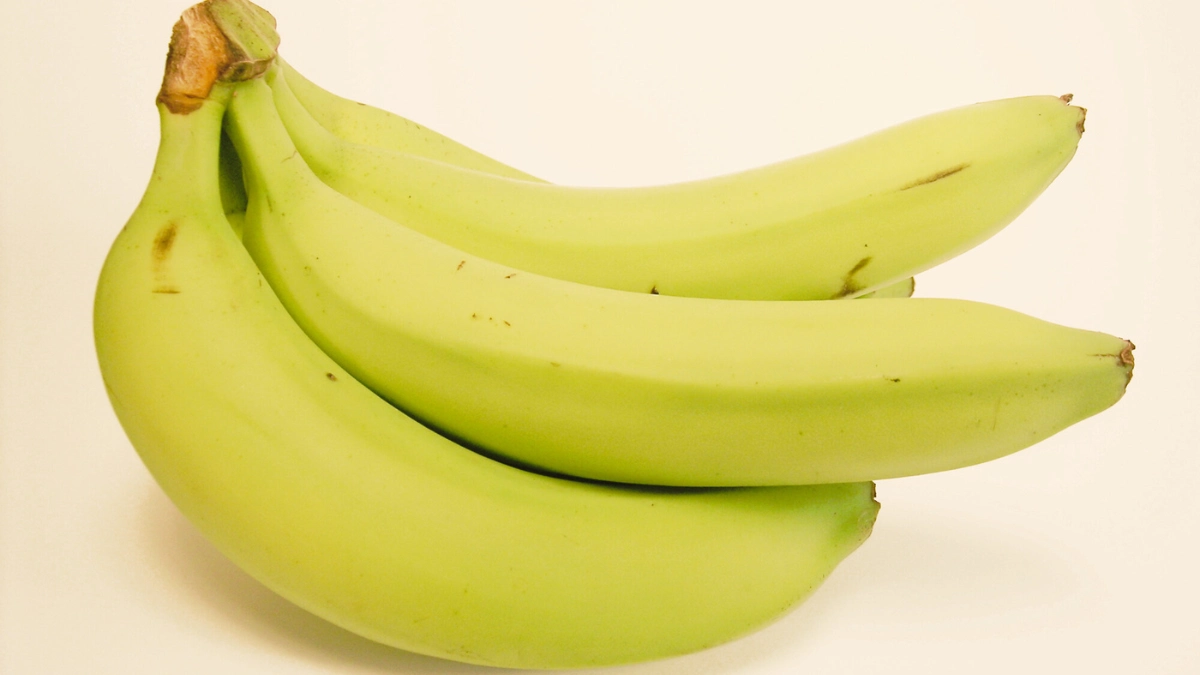
Slightly underripe bananas contain resistant starch, a type of fiber that resists digestion in the small intestine. This special carbohydrate travels intact to your colon, where gut bacteria feast on it.
As beneficial bacteria ferment-resistant starch, they produce butyrate, a short-chain fatty acid that nourishes colon cells and reduces inflammation.
Green-tipped bananas also contain less sugar than fully ripe ones, making them suitable for balanced blood sugar. The pectin in bananas helps to absorb water and add bulk to stools, supporting healthy elimination.
Try slicing slightly green bananas into oatmeal or smoothies. Their firmer texture works well in baked goods too.
As bananas ripen, resistant starch converts to regular starch and sugars, so choose ones with green tips for maximum prebiotic benefits.
Freezing green-tipped bananas preserves their resistant starch content. Let them thaw slightly before adding to smoothies for a cooling treat that supports gut health all summer long.
10. Turmeric
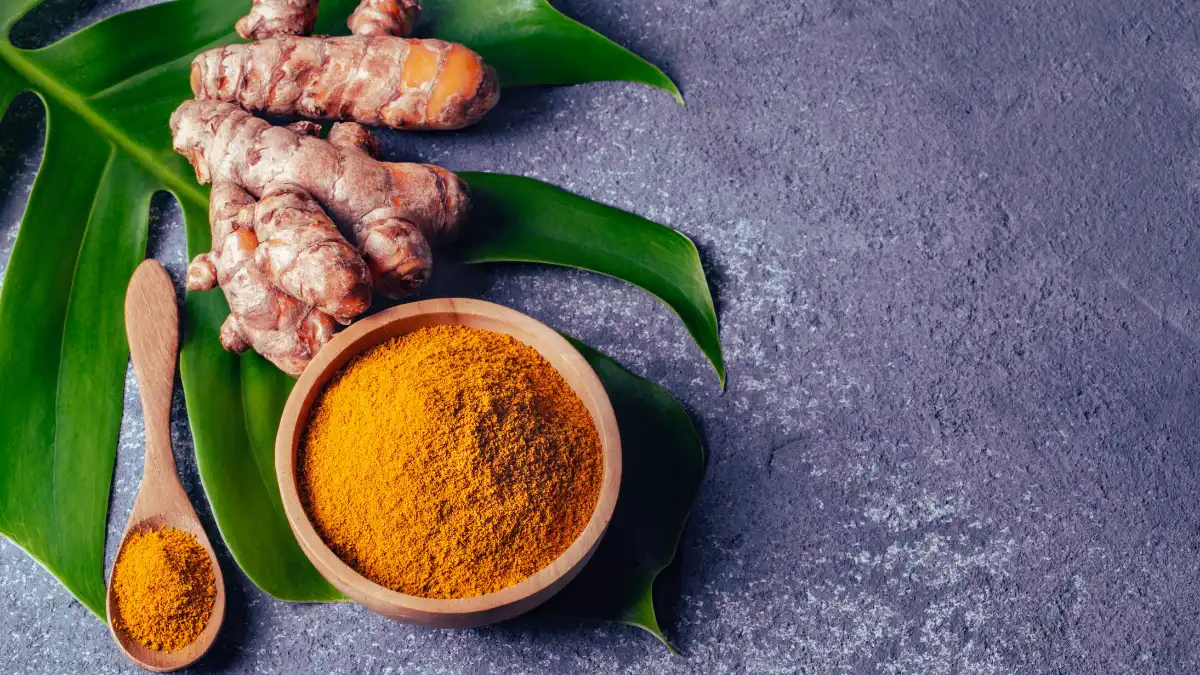
This golden spice contains curcumin, a compound with remarkable anti-inflammatory properties for digestive health. Turmeric helps reduce gut inflammation and supports the integrity of the intestinal barrier.
A 2015 study published in BioMed Research International demonstrated that curcumin strengthens tight junctions between intestinal cells, reducing leaky gut syndrome.
This prevents partially digested food and toxins from entering the bloodstream and triggering immune reactions. Turmeric also stimulates bile production, helping your body break down dietary fats and absorb fat-soluble vitamins.
For best absorption, combine turmeric with black pepper, which contains piperine that increases curcumin bioavailability by up to 2,000%.
Try golden milk made with turmeric, pepper, and coconut milk as an evening drink. Add turmeric to scrambled eggs, rice dishes, or roasted vegetables.
Even small amounts consumed regularly can help maintain gut comfort and function. Fresh turmeric root, grated into foods, provides even more active compounds than dried powder.
11. Oats
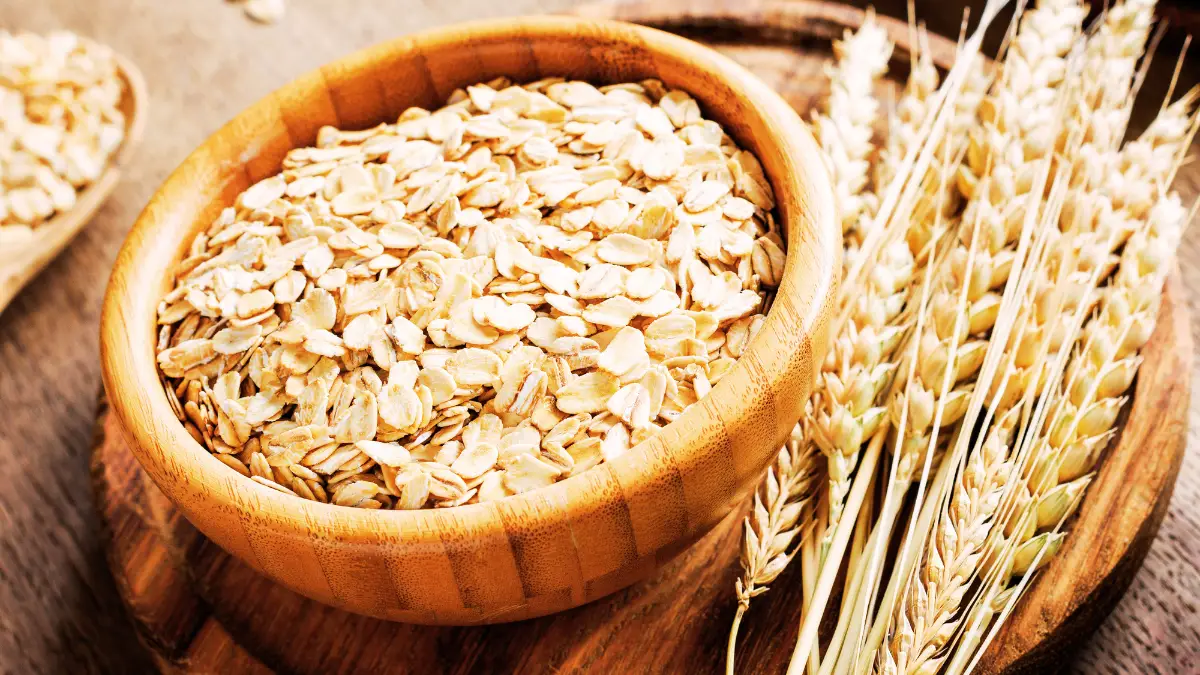
The humble oat offers exceptional gut support through its rich beta-glucan content. This soluble fiber forms a gel-like substance in your digestive tract, slowing food passage and feeding beneficial bacteria.
Beta-glucans act as powerful prebiotics, specifically nourishing Bifidobacteria and Lactobacilli species in your colon. These bacteria then produce short-chain fatty acids that heal and strengthen the gut lining.
The slow-digesting carbohydrates in oats help maintain steady blood sugar levels, reducing inflammation that can damage intestinal tissue.
Steel-cut oats provide the most gut benefits, though rolled oats work well too. Soak them overnight to reduce phytic acid and improve nutrient absorption.
Try topping morning oatmeal with berries and walnuts for added fiber and anti-inflammatory fats. Oat flour can replace wheat in baking for those with gluten sensitivities. Even a small daily serving—just half a cup—can improve digestion and regularity within weeks.
12. Ginger
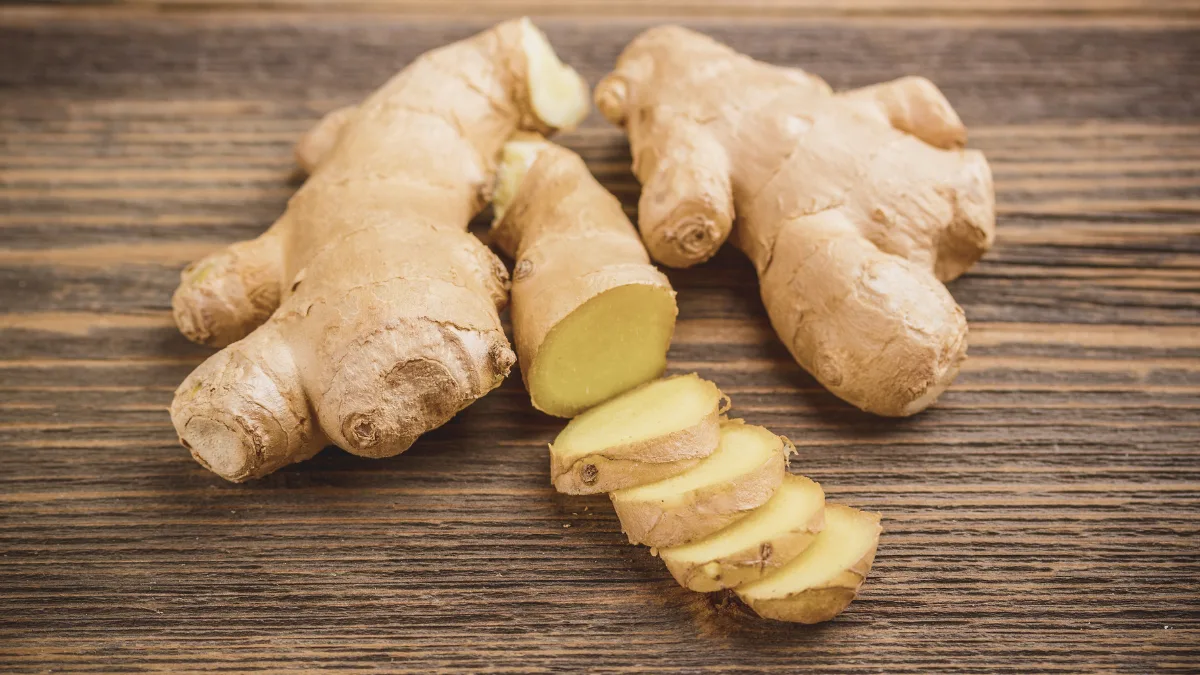
This knobby root brings more than bold flavor to your meals—it actively soothes and repairs your digestive system.
The compounds in ginger reduce inflammation along the intestinal tract while stimulating muscle contractions that move food through your system.
Gingerols and shogaols, the active components in ginger, help increase stomach acid production and bile flow, improving the breakdown of proteins and fats.
These compounds also calm nausea and reduce gas by relaxing the intestinal muscles when they’re cramping. Fresh ginger contains higher levels of these beneficial compounds than dried versions.
Start your day with grated ginger in warm water to wake up your digestive system. Add thin slices to stir-fries, soups, or smoothies. Steep fresh ginger in hot water for a soothing tea that calms upset stomachs and reduces bloating.
For ongoing gut health maintenance, aim for about one inch of fresh ginger daily. The root freezes well, so you can always keep some on hand—simply grate it frozen directly into foods.
13. Wild-Caught Salmon

The rich omega-3 fatty acids in wild-caught salmon provide powerful anti-inflammatory support for your digestive tract.
These essential fats help repair damaged gut tissue and reduce the inflammation that drives many digestive disorders.
EPA and DHA, specific omega-3s found abundantly in salmon, strengthen the intestinal barrier by supporting tight junction proteins between cells.
This helps prevent leaky gut syndrome, where partially digested food particles slip through the intestinal wall. The high-quality protein in salmon provides the building blocks needed to regenerate the rapidly renewing gut lining, which replaces itself every few days.
Bake or gently poach salmon to preserve its delicate oils. Try adding herbs like dill or rosemary for extra flavor without harsh spices that might irritate sensitive digestive systems.
Canned wild salmon offers similar benefits at a lower cost—mix it with avocado for a gut-healing lunch. Even consuming salmon twice weekly can significantly reduce intestinal inflammation and improve overall digestion.
14. Apples
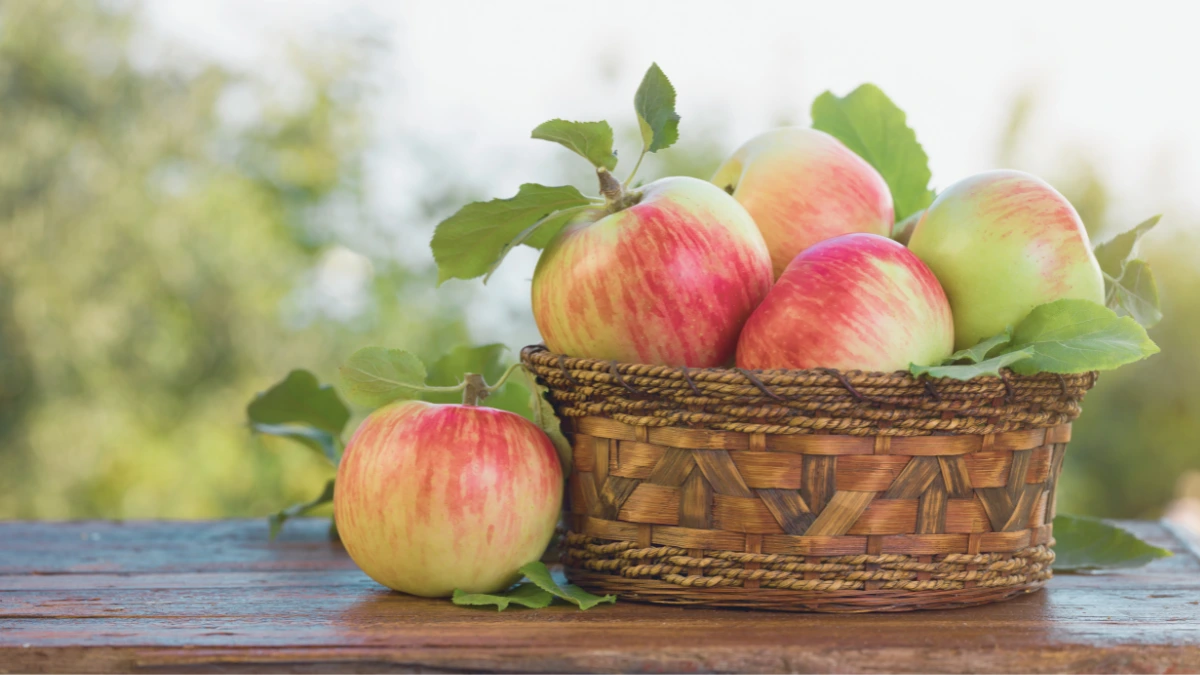
The old saying about apples keeping doctors away holds true for gut health too. Their skin contains quercetin, an antioxidant that reduces intestinal inflammation, while their flesh offers pectin, a soluble fiber that feeds beneficial bacteria.
Apple pectin acts as a prebiotic, promoting the growth of Bifidobacteria and other helpful species. As these bacteria ferment pectin, they produce short-chain fatty acids like butyrate that nourish colon cells and strengthen your intestinal barrier.
The combination of soluble and insoluble fiber in apples helps regulate bowel movements without causing gas or bloating.
Choose organic apples when possible and eat them with the skin on them to get maximum benefits. Try grating apples into morning oatmeal, slicing them onto salads, or baking them with cinnamon for a gut-friendly dessert.
Different varieties offer slightly different fiber profiles, so mix them up throughout the week. Even one small apple daily can improve digestive function and regularity within a short time.
15. Miso

This fermented soybean paste brings concentrated probiotic power to your meals. The fermentation process creates live cultures that support digestive health while breaking down soy proteins into forms that are easier to digest.
The enzymes in unpasteurized miso help your body extract more nutrients from other foods eaten alongside it.
Beyond probiotics, miso contains beneficial compounds called isoflavones that reduce intestinal inflammation and support the growth of beneficial bacteria.
The savory, salty flavor comes from beneficial microorganisms transforming the beans over months or years. Add a tablespoon of miso to soups after removing from heat—high temperatures kill the beneficial bacteria.
Mix miso with olive oil and lemon juice for a probiotic-rich salad dressing. Look for refrigerated varieties that haven’t been pasteurized for maximum living cultures.
Light-colored miso has a milder flavor for beginners, while darker varieties aged longer offer a more intense taste and higher probiotic counts. Just watch the sodium content if you have high blood pressure.