

Struggling to balance flavor and health in your meals? Many diets sacrifice taste for nutrition, leaving you bored or craving takeout.
But what if vibrant, satisfying food could boost your longevity? The Mediterranean diet flips the script, its staples aren’t just nourishing, they’re bursting with rich, sun-soaked character.
Imagine meals where every bite fights inflammation, supports your heart, and delights your palate. Forget complicated rules; this is about simple ingredients that fueled cultures for centuries.
Ready to transform your plate? Discover 11 unexpected staples from wild greens to fermented gems that make eating well effortless and exciting. Let’s turn “healthy” into a flavor celebration, not a chore.
1. Purslane
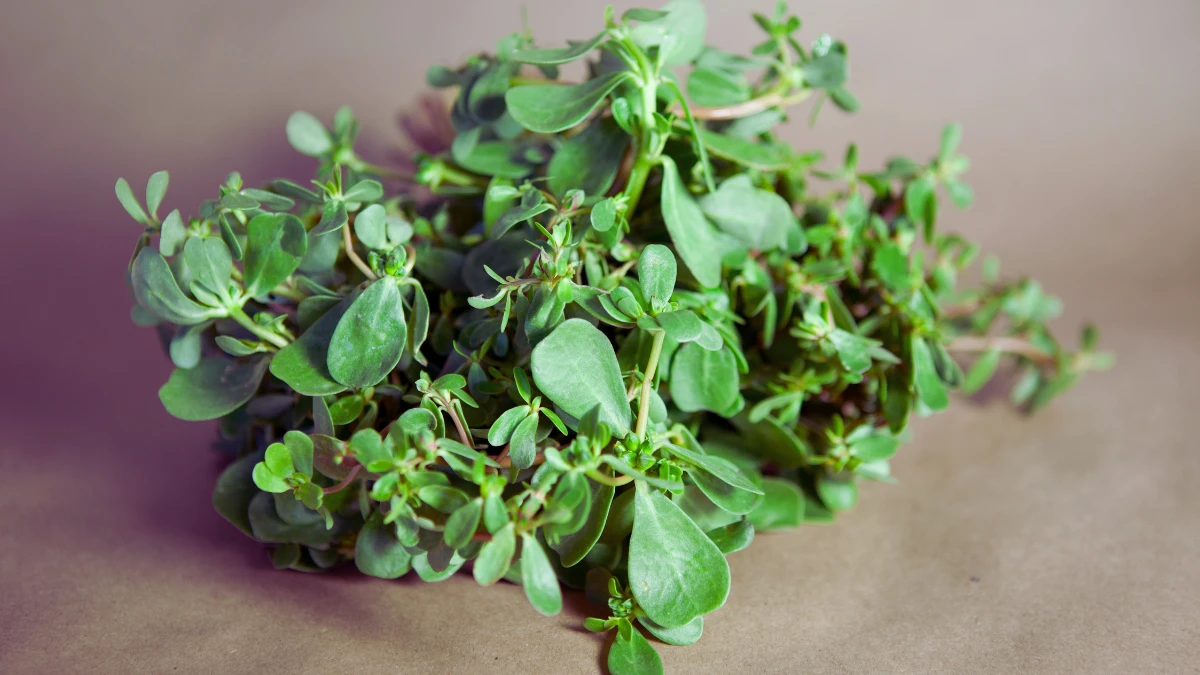
Often dismissed as a weed, purslane is a succulent green quietly thriving in Mediterranean gardens. Its slightly tangy, lemony crunch makes it a salad favorite, but its real power lies in nutrition.
Surprisingly, it’s one of the few plants rich in omega-3 fatty acids, typically associated with fish. A single cup provides nearly as much as some salmon servings, making it a boon for brain and heart health.
It’s also packed with magnesium and antioxidants like glutathione. Farmers in Crete have long tossed it into stews or sautéed it with garlic, but it shines raw in salads.
Foraging for it? Look for thick, paddle-shaped leaves. Unlike spinach, it retains texture when cooked, adding a refreshing bite to warm dishes.
2. Pomegranate Molasses

This syrupy reduction of pomegranate juice, lemon, and sugar isn’t just for drizzling over desserts. Its bold tang cuts through rich dishes, balancing everything from roasted vegetables to grilled meats.
Traditional Lebanese cooks stir it into *muhammara* dip, while Syrian recipes use it to glaze chicken. Beyond flavor, it’s loaded with polyphenols linked to reduced inflammation.
A tablespoon delivers roughly 15% of your daily vitamin C, supporting immunity. Look for brands without added sugars to keep it authentic.
Pro tip: Mix with olive oil and crushed garlic for a salad dressing that’s both bright and complex.
3. Labneh
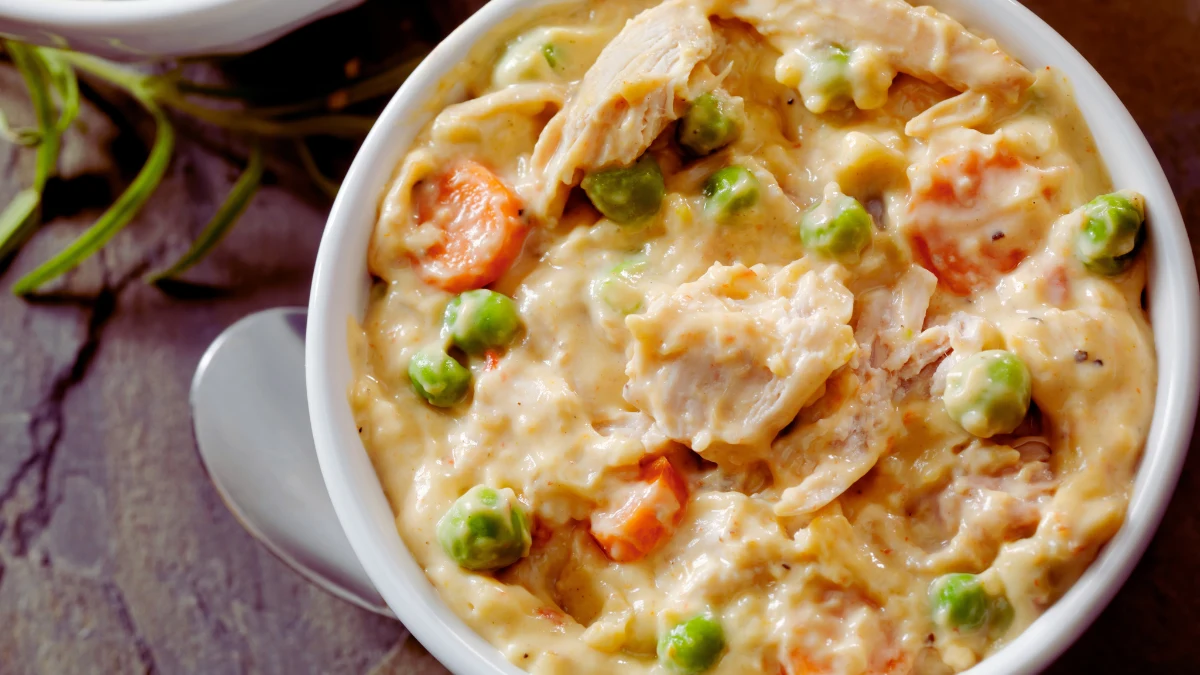
Thicker than Greek yogurt and creamier than ricotta, labneh is a strained yogurt cheese common from Turkey to Tunisia.
Making it requires nothing more than draining yogurt overnight, resulting in a spreadable texture with a mild tang.
It’s a probiotic powerhouse, that promotes gut health with live cultures. Spread it on flatbreads, swirl with honey for breakfast, or roll into balls preserved in olive oil.
In Lebanese mezze, it’s paired with mint and olives. Low in lactose yet high in protein, it’s a versatile alternative to dairy-heavy cheeses. For a twist, blend in herbs like dill or za’atar before serving.
4. Salt-Cured Anchovies
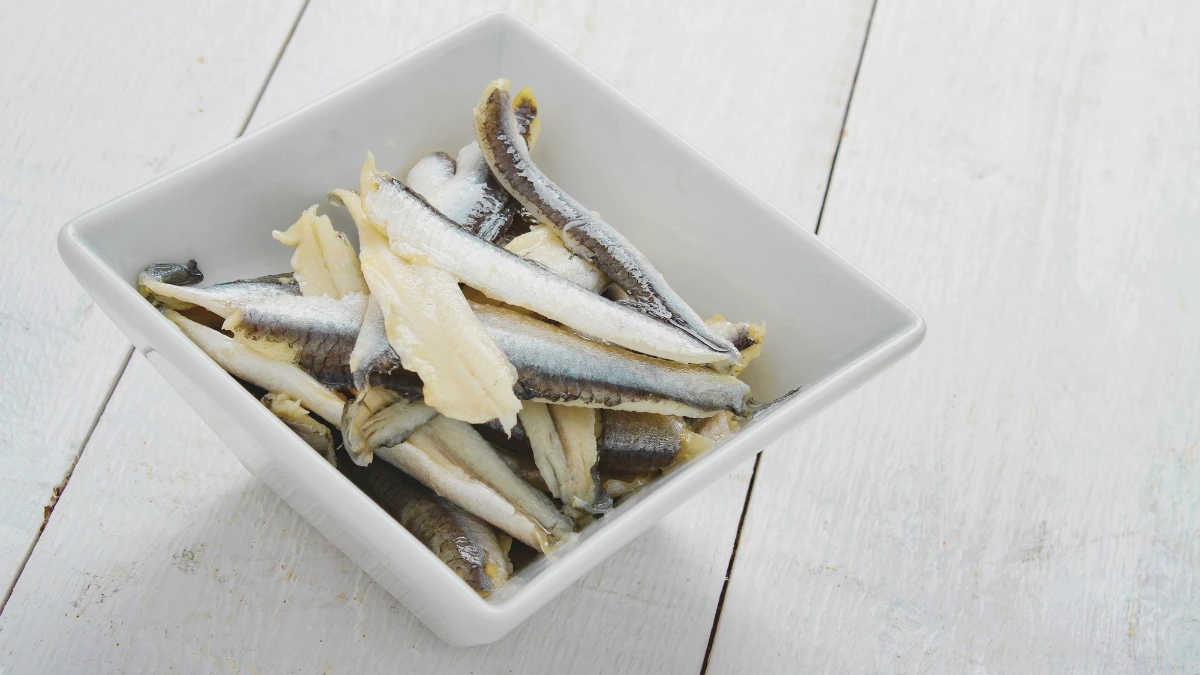
These tiny fish pack a punch of umami, transformed by months of curing in salt. Unlike their oil-packed cousins, salt-cured anchovies develop a deeper, briny flavor that dissolves into sauces or dressings.
A staple in southern Italy, they’re mashed into pasta *puttanesca* or layered on pizza. Nutritionally, they’re calcium champions—the bones soften during curing, offering a mineral boost.
Just two fillets provide 10% of your daily calcium needs. Sustainably caught anchovies also rank low on the food chain, making them an eco-friendly protein.
Rinse briefly to reduce saltiness, then chop into salads for a savory kick.
5. Capers
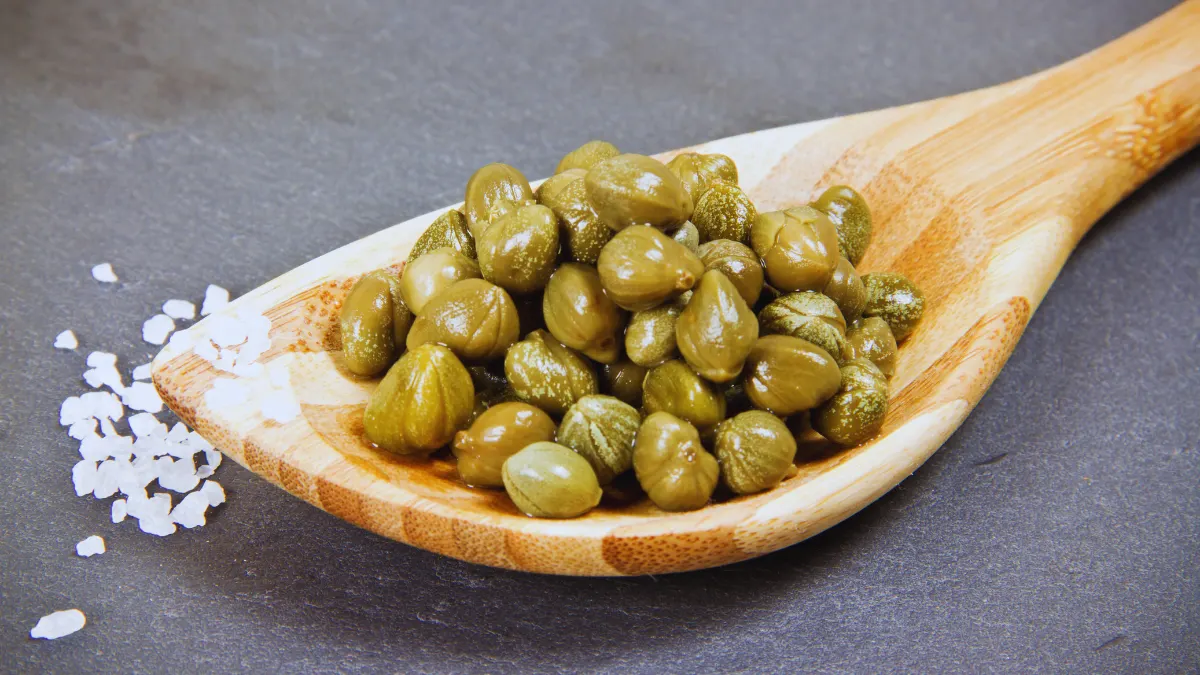
Capers, the unopened buds of a Mediterranean shrub, add a peppery zing to dishes. Brined or salt-packed, they’re rich in quercetin, a flavonoid known to ease allergy symptoms by acting as a natural antihistamine.
Sicilian capers from Pantelleria, sun-dried on volcanic soils, are prized for their intense flavor. Toss them into pasta puttanesca, scatter over smoked salmon, or mix into tapenade.
Their acidity pairs well with fatty foods like lamb or rich cheeses, cutting through heaviness. Low in calories but high in flavor, a teaspoon elevates simple meals without overpowering.
Store brined ones in their liquid to maintain crunch.
6. Sun-dried Tomatoes in Olive Oil
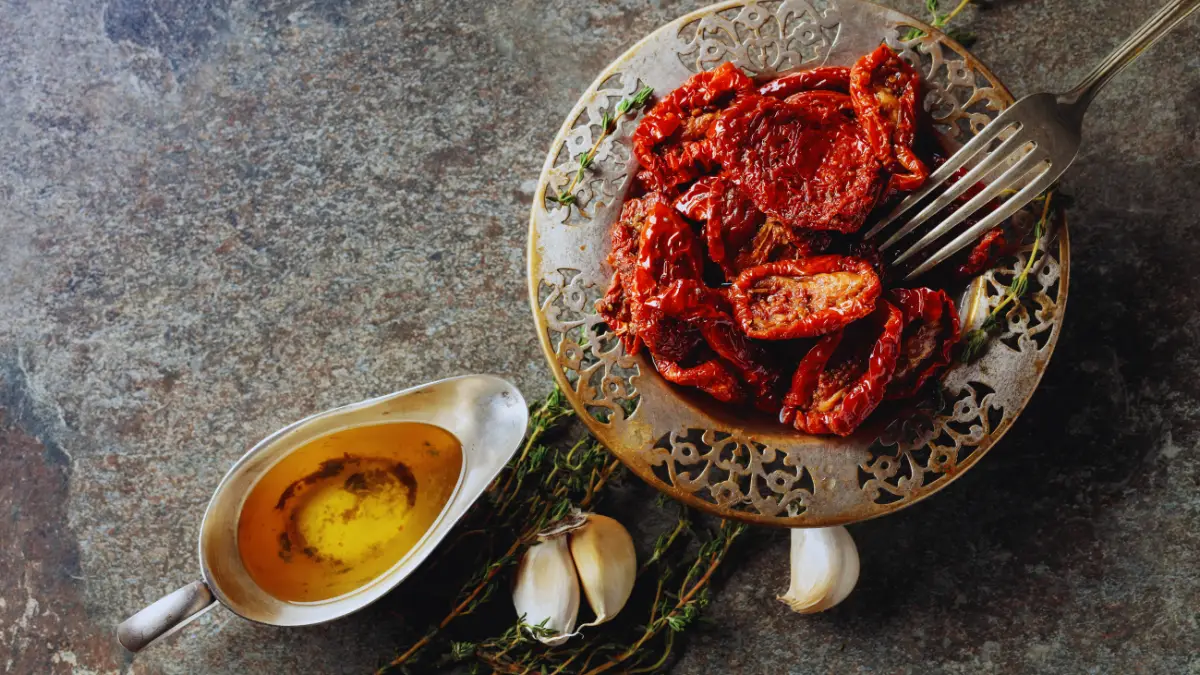
Sun-drying tomatoes concentrate their flavor and nutrients, creating chewy, sweet-tart morsels. This process increases lycopene levels—a carotenoid linked to lower heart disease risk—by up to 60% compared to fresh tomatoes.
Preserved in olive oil, they absorb healthy fats, enhancing nutrient absorption. A 2019 study in Food Chemistry found that oil-packed varieties retain more antioxidants than air-dried ones.
Use the oil itself in dressings for added depth. Chop them into grain bowls, blend them into pesto, or layer on sandwiches.
Opt for jars without preservatives; the oil should taste fruity, not rancid. Refrigerate after opening to keep them fresh for months.
7. Za’atar
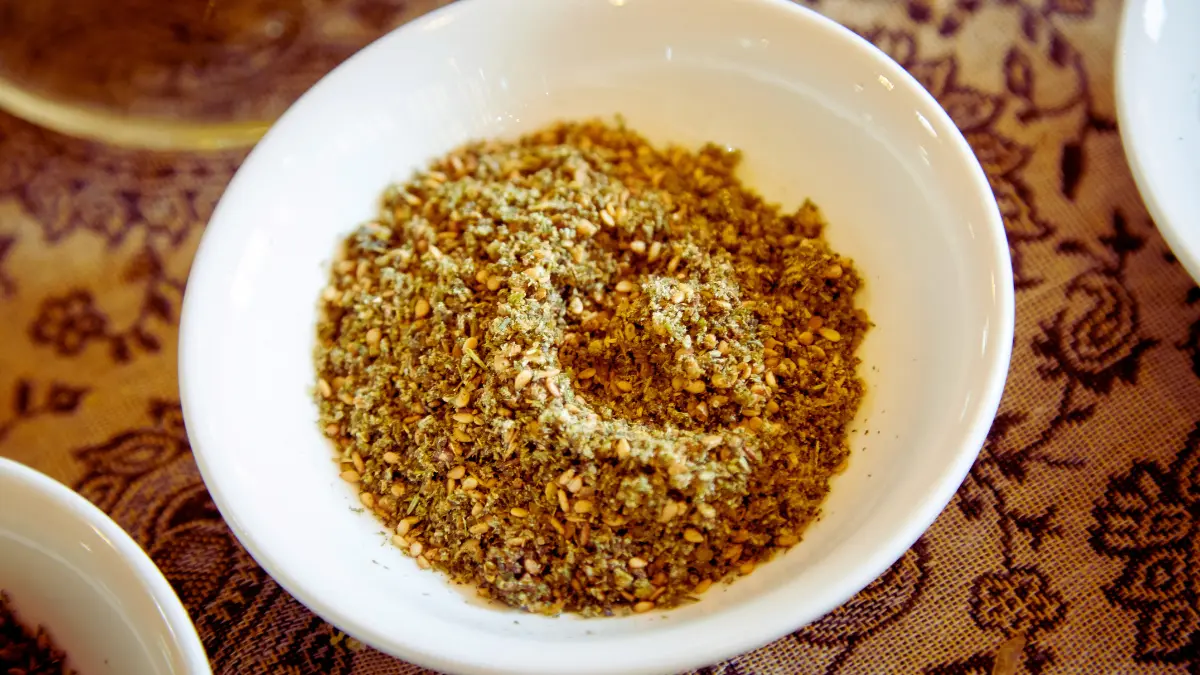
Crumbling a pinch of this aromatic blend releases earthy thyme, citrusy sumac, and nutty sesame seeds—a trifecta rooted in Levantine tradition.
Nutritionists suggest thyme, a key component, may enhance memory retention due to its carvacrol content. Sumac contributes tartness and antioxidants, while sesame seeds add calcium.
Palestinians sprinkle it over mana’eesh (flatbread) with olive oil for breakfast, but it’s equally transformative on roasted vegetables or avocado toast.
Unlike single-note spices, za’atar offers layered complexity without overwhelming dishes. Seek blends without fillers like wheat; authentic versions use wild thyme.
For a quick snack, dip fresh figs in labneh and dust with za’atar. Its versatility bridges ancient kitchens and modern pantries effortlessly.
8. Preserved Lemons
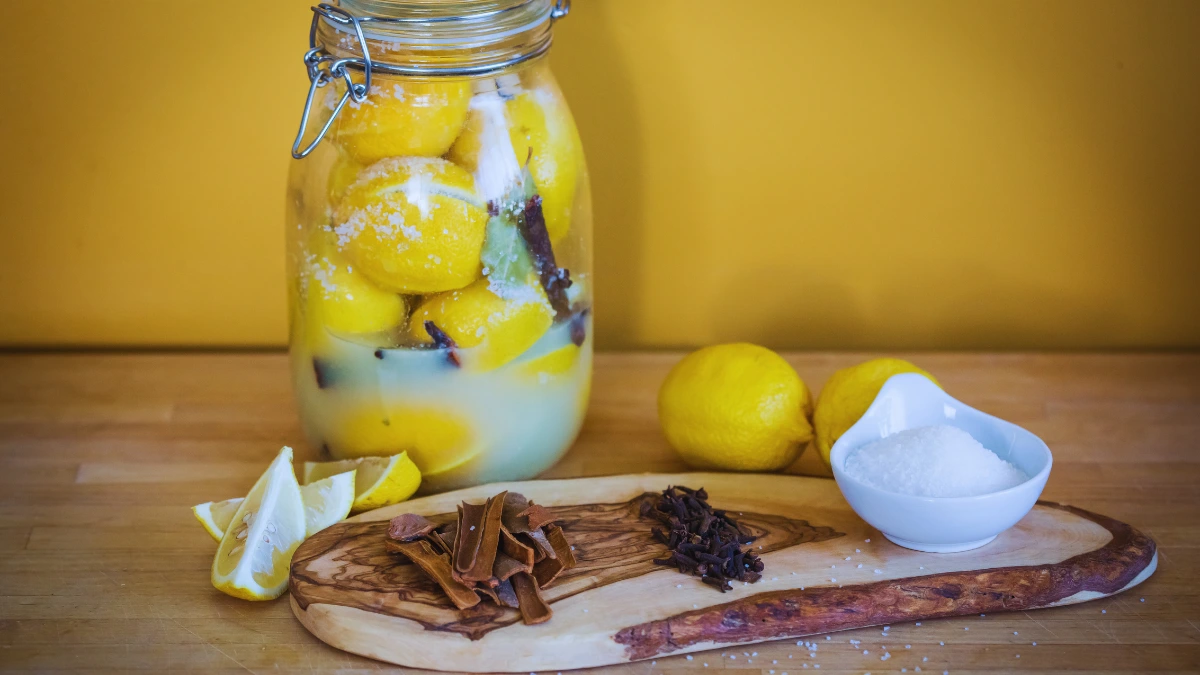
Fermenting lemons in salt and their juices transforms bitter rinds into tender, tangy gold. North African tagines rely on their punchy depth, but they’re equally bold when minced into salad dressings or grain bowls.
The lacto-fermentation process creates gut-friendly bacteria, aiding digestion. Unlike vinegar pickles, preserved lemons mellow over months, developing an almost sweet undertone.
Use only the rind—discard the pulp—for concentrated flavor. Slice thinly into couscous or mash into compound butter for grilled fish.
Making them at home? Meyer lemons work best, but regular varieties suffice. Store in a cool, dark spot; they’ll keep for years, becoming more complex with time.
9. Freekeh
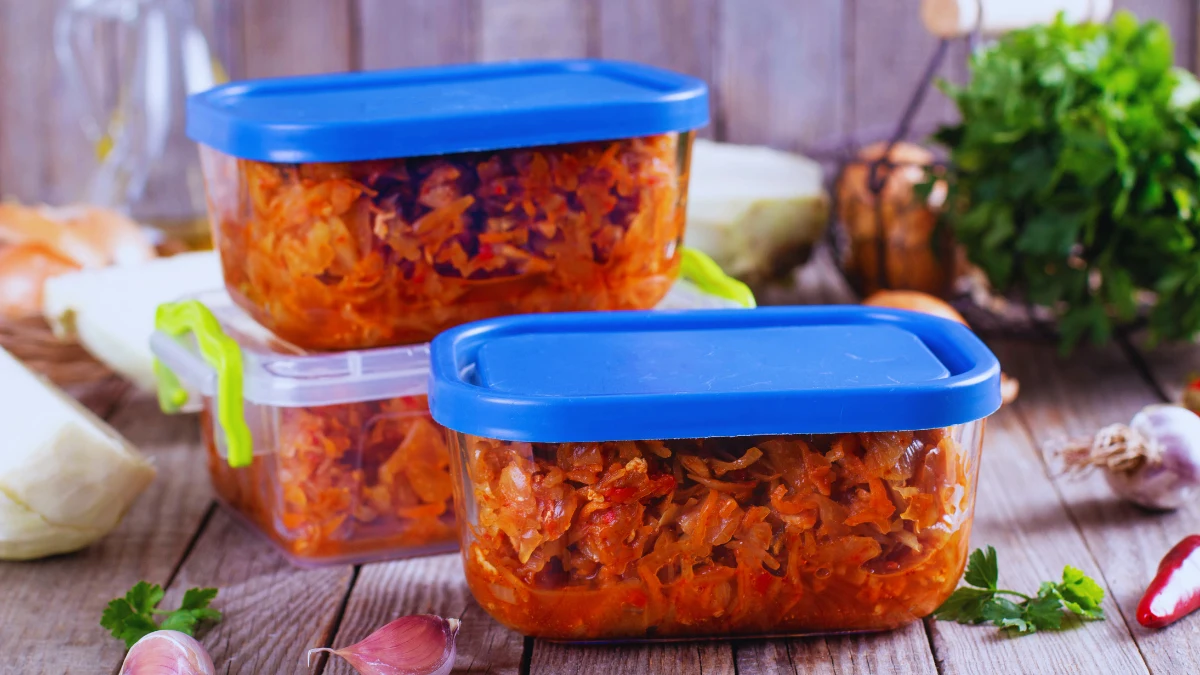
Ancient Mesopotamians toasted green wheat over open flames, creating freekeh’s signature smoky essence. Higher in fiber than quinoa and protein than brown rice, it’s a prebiotic powerhouse, feeding beneficial gut bacteria.
Its chewy texture holds up in soups, pilafs, or breakfast bowls. Syrian cooks simmer it with lamb and apricots, while Tunisians toss it into spicy salads.
Unlike refined grains, freekeh retains its germ and bran, locking in nutrients like iron and zinc. Cook it like pasta—boil, drain, and fluff—for a 20-minute side.
Pair with roasted squash or bitter greens to balance its earthiness. A forgotten grain revived, it’s a rustic upgrade to modern meals.
10. Sardines
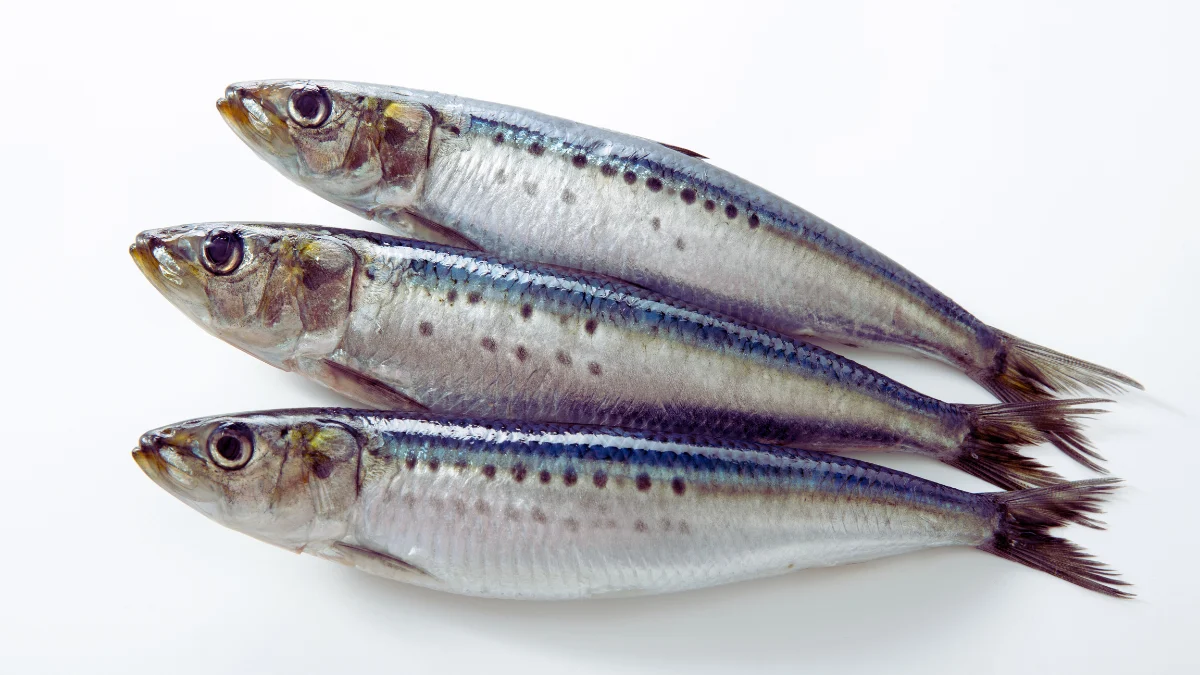
Forget stale crackers—fresh sardines grilled whole with lemon and oregano embody coastal Mediterranean simplicity.
These oily fish are among the most sustainable seafood choices, packed with omega-3s that support brain function and mood regulation.
Canned versions, a pantry staple, deliver a hefty dose of vitamin B12 (one tin covers 200% of daily needs). Portuguese chefs grill them with coarse salt, while Italians layer them on bruschetta with chili flakes.
The soft, edible bones provide calcium comparable to dairy. Mash into spreads with capers and parsley, or toss into pasta with garlic and breadcrumbs.
Their bold flavor requires minimal embellishment, making them a quick, nutrient-dense protein.
11. Carob
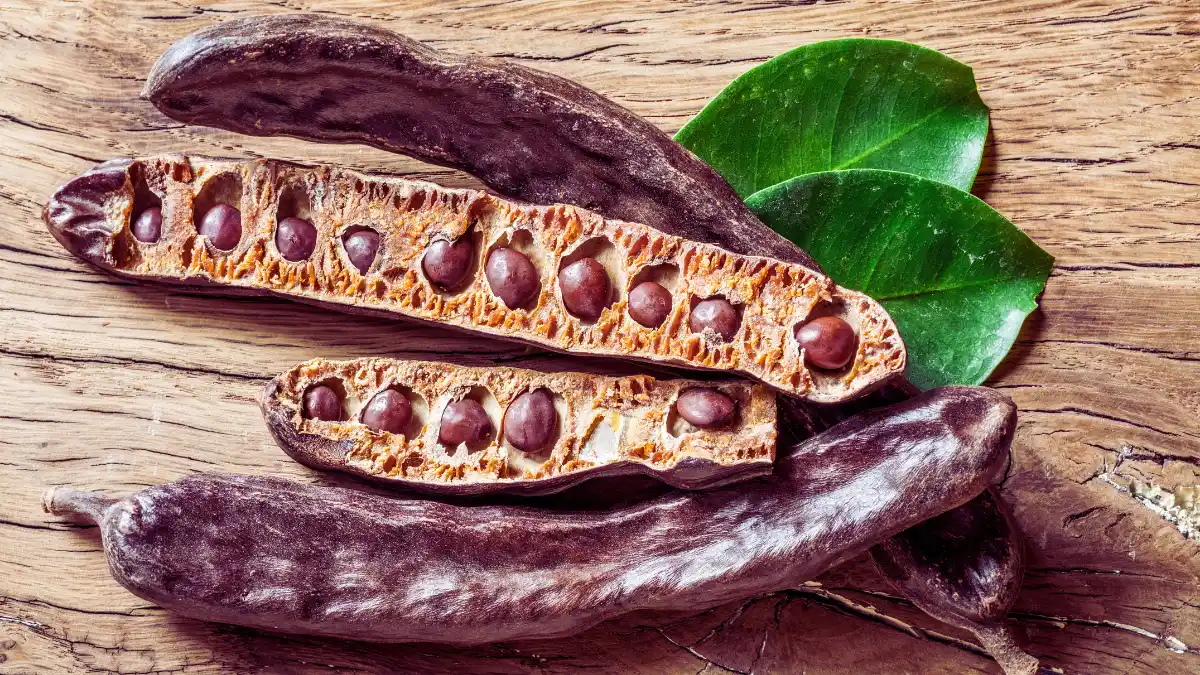
Dubbed “black gold” in Cyprus, carob pods sweeten desserts without caffeine or theobromine, making them gentle on sensitive stomachs.
The pulp, ground into powder, mimics cocoa but with three times more iron per serving. Maltese bakers stir it into kinnie (a local soda), while Greeks blend it into “pastelli” bars with sesame.
Its natural sweetness comes from sucrose, requiring less added sugar in recipes. Swap cocoa for carob in baked goods for a nuttier, caramel-like profile.
Unlike chocolate, it won’t seize when heated, ideal for smooth sauces. Hunt for stone-ground varieties; ultra-processed versions lose their earthy nuance.
A relic of frugal times, carob bridges health and heritage in every bite.