

Tired of fad diets that leave you hungry and unsatisfied? The secret to lasting health might be sitting at a Japanese family’s dinner table.
Japanese people enjoy some of the longest lifespans on earth, and their everyday meals play a huge role in this remarkable achievement.
These 15 Japanese-inspired dishes bring together centuries of wisdom about eating for vitality and balance. From umami-rich miso soup to probiotic powerhouses like natto, each recipe offers delicious flavors while supporting your body’s natural systems.
Ready to eat your way to better health? Let’s explore these simple yet profound meals that could change how you think about food forever.
1. Miso Soup with Tofu & Seaweed
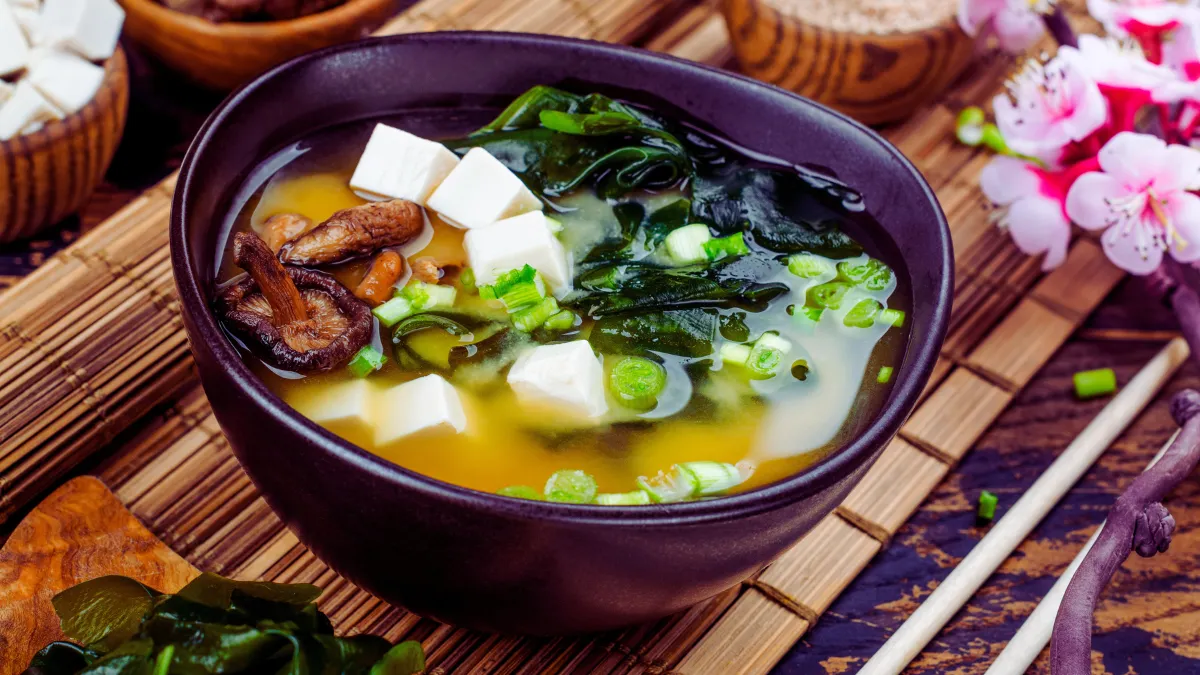
A good day in Japan often begins with a steaming bowl of miso soup. The base comes from dashi broth, typically made from kombu and bonito flakes.
Miso paste, created from fermented soybeans with salt and koji culture, gives the soup its signature flavor and brings beneficial probiotics that support gut health.
Soft tofu cubes float in the broth, offering plant-based protein and isoflavones linked to heart health. Wakame seaweed adds minerals, especially iodine for thyroid function.
Many Japanese families serve this warming soup with breakfast, which helps hydrate and prepare the digestive system for the day ahead.
The soup takes just minutes to make yet delivers complex flavors and nutrition. Its light, warming qualities make it suitable for any time of day.
This simple bowl represents the Japanese approach to eating—balanced, gentle on the stomach, and focused on quality ingredients that nourish rather than simply fill.
2. Sashimi (Raw Fish)
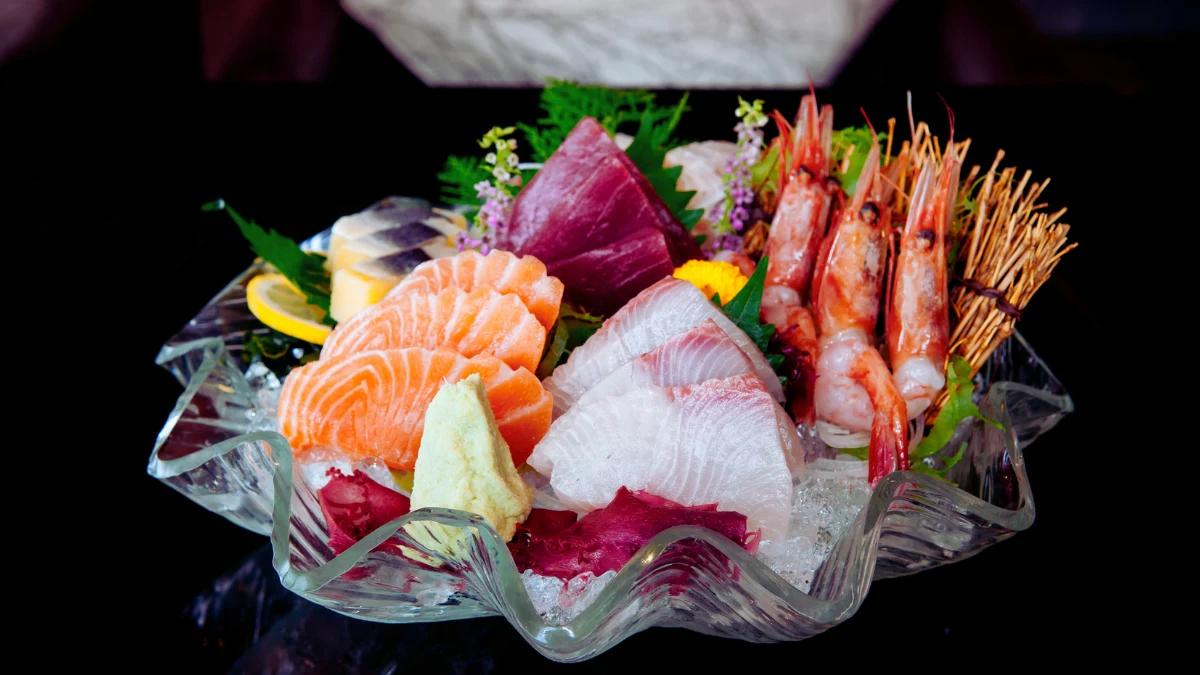
Fresh fish, thinly sliced and served raw, stands as one of Japan’s culinary treasures. Common choices include salmon with its rosy hue, yellowtail, deep red tuna, and silver-skinned mackerel.
Each fish brings its own character to the plate, always served at peak freshness. The clean protein comes without added fats or cooking oils.
Fatty fish like salmon and mackerel offer omega-3s that fight inflammation and support brain health. Alongside the fish, you’ll find freshly grated daikon radish, which contains enzymes that aid digestion and add brightness to each bite.
Japanese chefs train for years to master the knife skills needed for proper sashimi cutting. The tradition honors each ingredient by presenting it in its purest form.
This minimal approach preserves nutrients that might vanish with heat. Fish consumption remains a cornerstone of Japanese longevity, bringing protein and healthy fats to the diet without heavy processing.
3. Grilled Mackerel (Saba Shioyaki)
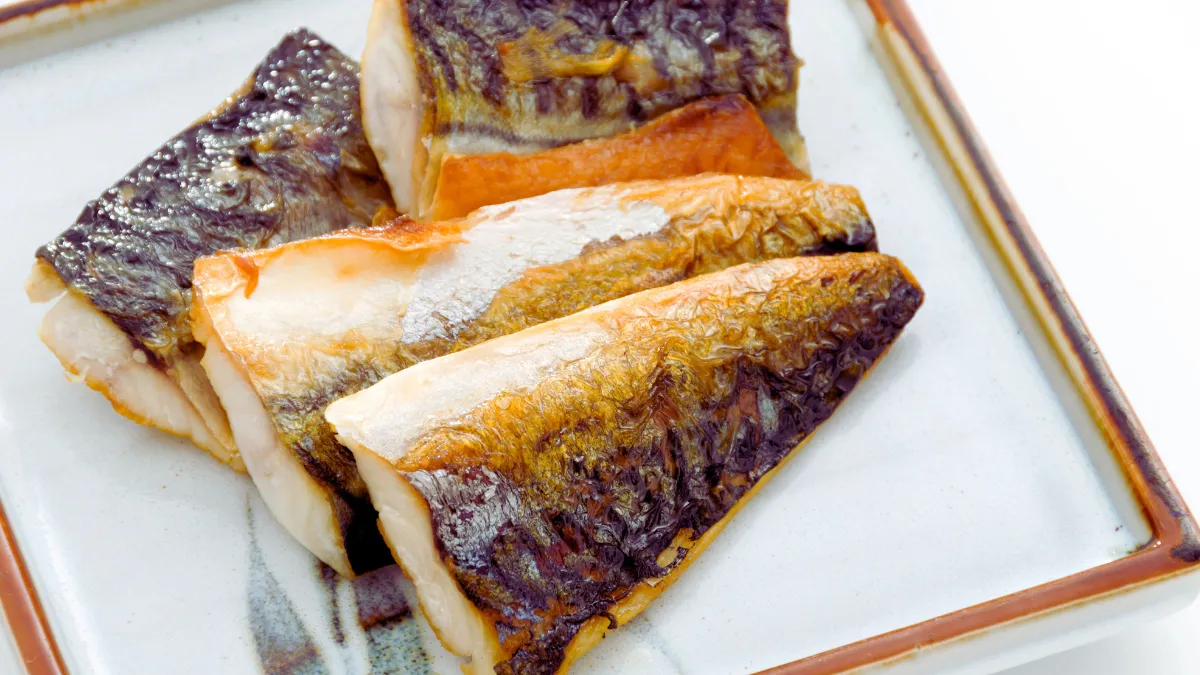
Salt and fire transform mackerel into a meal of stunning simplicity. Chefs salt whole mackerel fillets and grill them until the skin crisps while the flesh stays moist.
A squeeze of lemon cuts through the richness, balancing the flavor. This oily fish packs more omega-3 fatty acids than almost any other food.
These compounds cool inflammation in the body and support heart and brain function. Mackerel also supplies vitamin D, often lacking in indoor lifestyles.
The high oil content means the fish stays juicy even with the dry heat of grilling. Coastal Japanese communities have eaten this dish for generations.
The cooking method allows excess fat to drip away while keeping the beneficial oils. Families often serve it with grated daikon, which helps cut through the richness and aids digestion. Few dishes deliver so much nutrition with so little fuss—just fresh fish, salt, heat, and lemon.
4. Natto over Brown Rice
Strange strings stretch between chopsticks when you lift these sticky, fermented soybeans. Natto comes from soybeans transformed by Bacillus subtilis bacteria.
Japanese breakfast tables feature it mixed with mustard and soy sauce, then stirred vigorously until the strings form.
The beans develop an earthy, cheese-like smell and taste during fermentation. This process creates nattokinase, an enzyme that supports heart health.
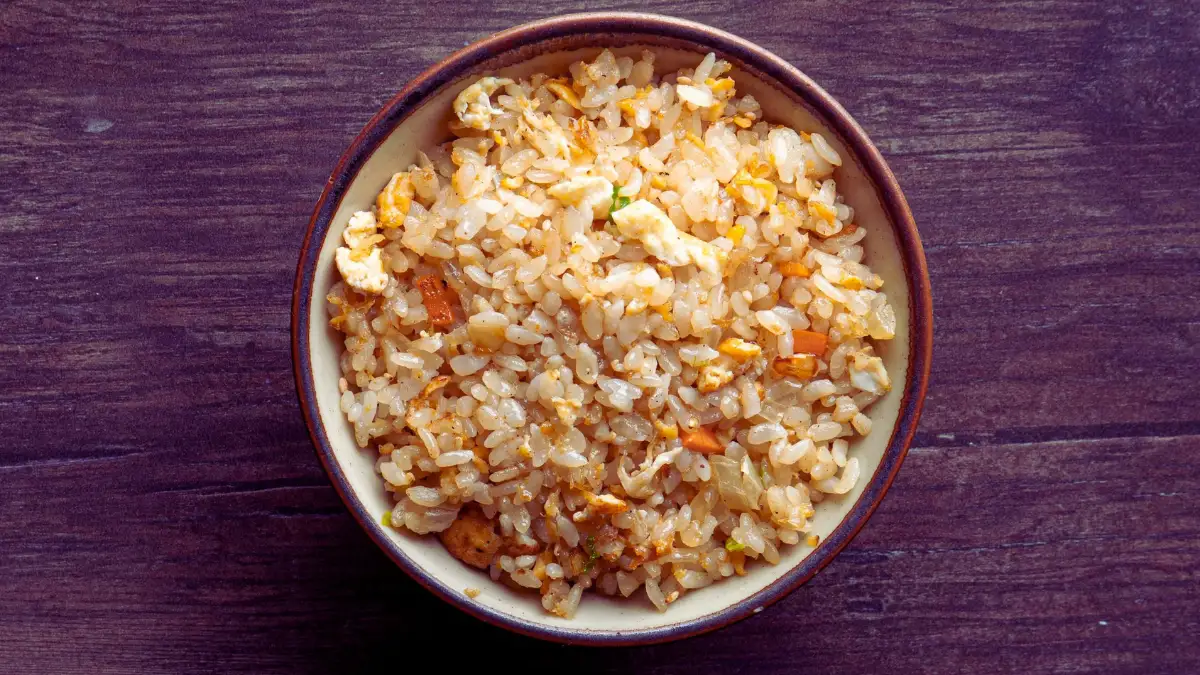
Natto contains more vitamin K2 than almost any other food, helping move calcium into bones rather than arteries. Brown rice adds fiber and complex carbs for sustained energy.
Many Westerners struggle with natto’s strong personality, but Japanese people across generations enjoy it daily. The sticky texture feels unusual at first but becomes oddly satisfying with time.
This humble food shows how bacterial transformation creates nutrients beyond what exists in the original beans—turning a simple legume into a nutritional giant.
5. Seaweed Salad (Kaiso Salad)

Green and slippery strands of ocean vegetables make up this vibrant salad. Several seaweed varieties like wakame, hijiki, and kombu get a quick blanch before meeting sesame oil, rice vinegar, and soy sauce.
The result offers bright flavors and a satisfying texture with each bite. Sea vegetables contain minerals often missing from land plants.
The iodine content supports thyroid function, while high levels of calcium and iron boost bone and blood health.
Seaweeds also provide unique compounds not found in land plants. The high soluble fiber content fills the stomach and helps maintain stable blood sugar.
Japanese coastal communities have eaten seaweed for centuries. This salad brings together foods from both land and sea, creating nutritional balance through variety.
Modern nutritional science now confirms what traditional wisdom long understood—sea vegetables provide concentrated nutrition in small portions. Many sushi restaurants serve this salad as a starter, introducing diners to the pleasures of ocean plants.
6. Tofu & Vegetable Stir-Fry

Quick cooking preserves nutrients in this colorful meal. Cubes of tofu soak up savory flavors while remaining tender inside.
The protein-rich bean curd pairs with seasonal vegetables like bok choy, shiitake mushrooms, and bell peppers to create a complete meal in minutes.
Ginger and garlic add aromatic warmth and bring their anti-inflammatory properties to the dish. A light sauce made from soy sauce, mirin, and a touch of sesame oil coats each ingredient without drowning them.
Many Japanese home cooks keep this meal in regular rotation because it accommodates whatever vegetables look best at the market that day.
The balance of protein from tofu, fiber from vegetables, and complex carbohydrates from optional brown rice creates steady energy without blood sugar spikes.
This makes the meal suitable for active days and restful evenings alike. The cooking method itself promotes health—vegetables retain their bright colors, crisp textures, and heat-sensitive vitamins through quick, high-heat cooking rather than long simmering.
7. Matcha Green Tea Latte

Vibrant green powder whisked into steaming milk creates a frothy, energizing drink. Matcha comes from shade-grown tea leaves and is ground into fine powder.
This means you consume the whole leaf, not just water steeped from leaves as with regular tea. The traditional preparation involves a bamboo whisk and careful attention to temperature.
Modern versions often include a small amount of honey or maple syrup to balance matcha’s natural bitterness.
The resulting beverage provides sustained energy without the crash associated with coffee. L-theanine, an amino acid abundant in matcha, promotes calm alertness rather than jitters.
A 2020 study by Kyoto University found that matcha extended lifespan in test subjects by activating antioxidant and detoxification pathways. Researchers credit EGCG (epigallocatechin gallate), a potent antioxidant found in high concentrations in matcha.
8. Ochazuke (Green Tea over Rice)
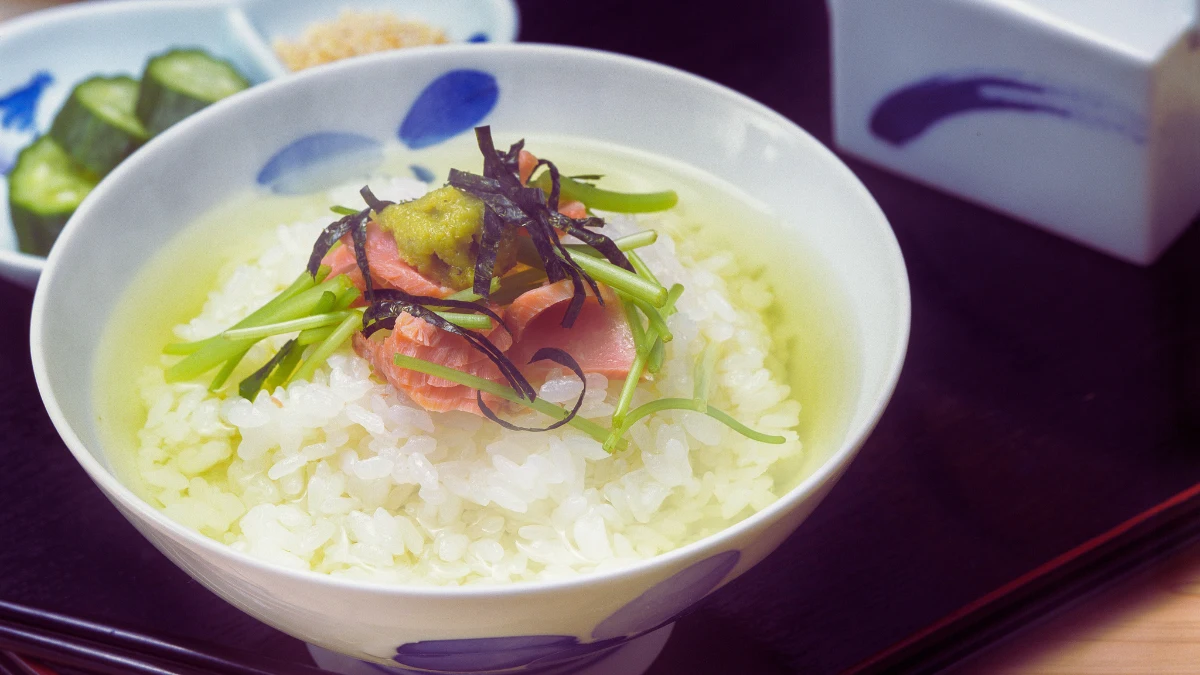
Comfort arrives in a bowl when hot green tea meets warm rice. This gentle meal combines simplicity with subtle flavor.
White or brown rice forms the base, while toppings might include salmon flakes, pickled vegetables, or strips of nori seaweed.
The steaming tea softens everything in the bowl, creating a porridge-like consistency that soothes the stomach.
Salt comes from the fish or pickles rather than being added directly. Many Japanese people turn to ochazuke when recovering from illness or after a night of celebration when the stomach needs something mild yet nourishing.
This meal demonstrates the Japanese talent for transforming basic ingredients into something greater than their parts. The tea infuses the rice with a gentle flavor while making nutrients more available.
Served in a small bowl, ochazuke follows the principle of hara hachi bu—eating until 80% full. This approach gives the body time to register satisfaction before overeating occurs, supporting long-term weight management and digestive health.
9. Soba Noodles with Dipping Sauce
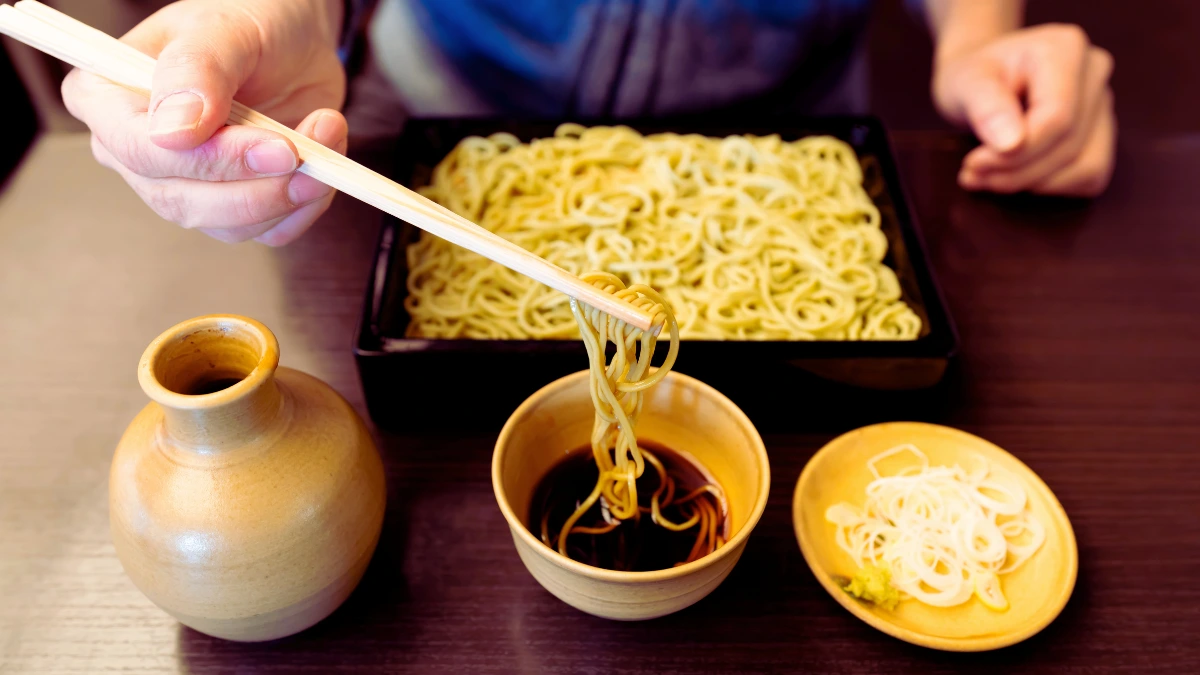
Thin buckwheat strands cool the body during hot months. Soba noodles contain more protein and fiber than wheat pasta, giving them a satisfying chew and nutty flavor.
The best versions contain at least 80% buckwheat flour, with wheat flour making up the difference to help bind the dough.
After cooking, the noodles get rinsed under cold water to firm their texture and remove excess starch. They arrive at the table with a separate cup of tsuyu, a concentrated dipping sauce made from dashi, soy sauce, and mirin.
Each bite gets dunked briefly before eating, allowing you to control how much flavor coats each mouthful. Buckwheat brings unique benefits to the table.
The grain contains rutin, a compound that supports blood vessel health. Being naturally gluten-free, these noodles suit many dietary needs.
Japanese people have valued soba for centuries, appreciating both its flavor and its ability to provide steady energy without heaviness. The act of dipping each bite brings mindfulness to the meal, slowing consumption and enhancing enjoyment.
10. Simmered Daikon Radish (Furofuki Daikon)
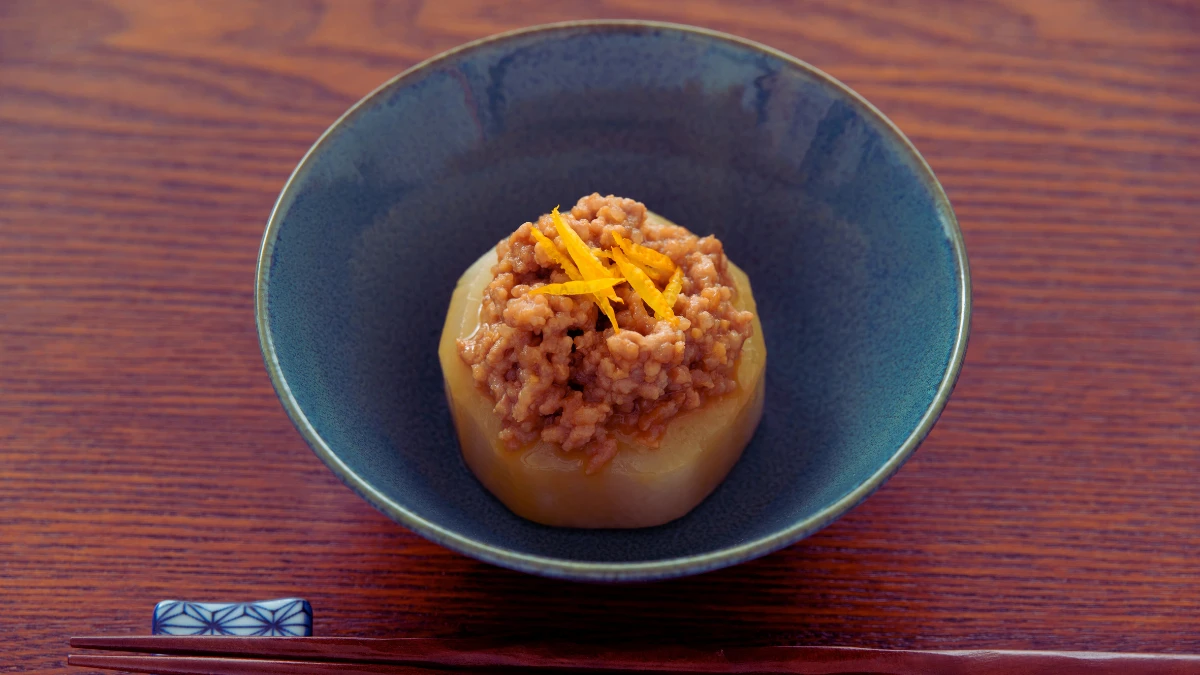
Winter brings these giant white radishes to Japanese tables in a deceptively simple preparation. Thick rounds of daikon simmer gently in dashi broth until fork-tender throughout.
The long cooking transforms the sharp, peppery vegetable into something mild and comforting. After simmering, each piece gets topped with miso sauce, often mixed with ground sesame seeds for richness.
The sauce melts into the hot radish, infusing it with savory depth. Despite its humble appearance, this dish showcases the Japanese talent for coaxing maximum flavor from minimal ingredients through proper technique.
Daikon contains compounds that aid digestion and may help break down fats. Low in calories but high in volume, it fills the stomach without excessive energy intake.
The radish also delivers vitamin C and various minerals while its fiber feeds beneficial gut bacteria. This dish typically appears alongside grilled fish and rice, creating a meal that satisfies without overwhelming the system—supporting the cultural value of balance in both flavor and nutrition.
11. Sesame Spinach (Goma-ae)
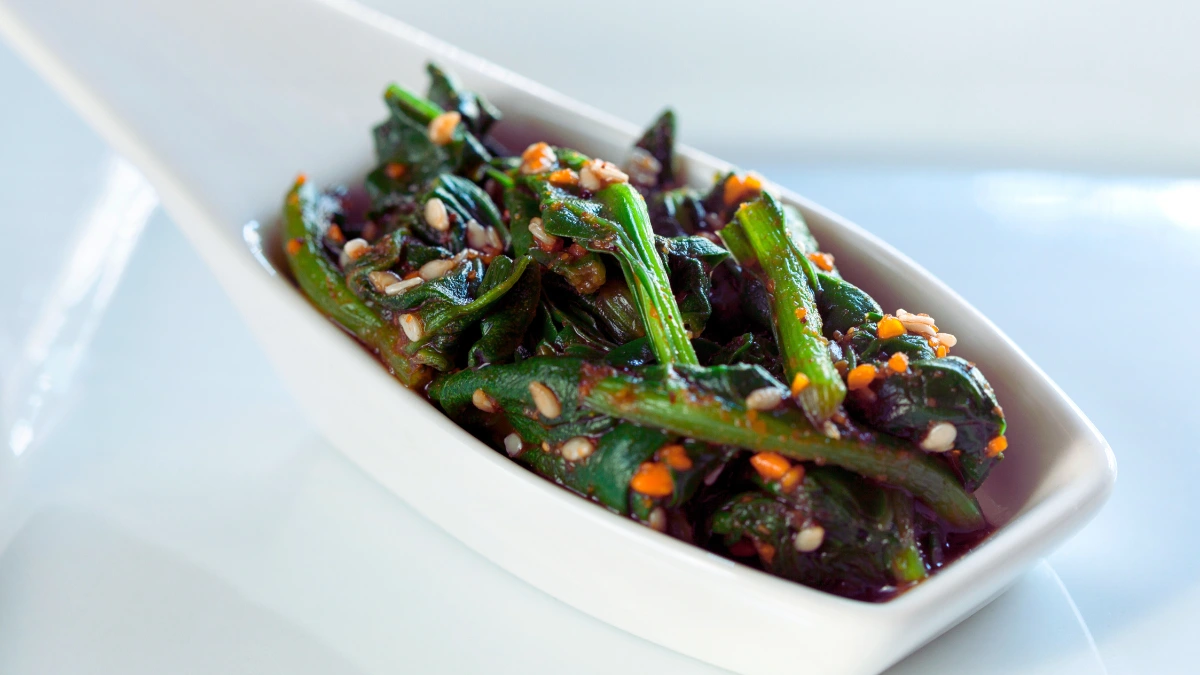
Briefly, blanched spinach meets a rich sesame dressing in this deceptively simple side dish. Fresh spinach leaves cook for just 30-60 seconds before plunging into cold water, preserving their bright color and nutrients.
After squeezing out excess moisture, the greens form tight bundles ready for the distinctively nutty sauce. Ground toasted sesame seeds mix with soy sauce, a touch of sugar, and sometimes dashi to create a creamy dressing that clings to each leaf.
The combination brings together iron from the spinach and calcium from the sesame seeds—two minerals that often lacking in modern diets. This nutritional synergy happens naturally within traditional Japanese cooking patterns.
Served cold or at room temperature, goma-ae appears at family meals throughout Japan. The dish works well as part of a larger spread or as a quick afternoon snack.
Many Japanese households prepare extra to enjoy throughout the week, as the flavors continue to develop over time.
The balance of bitter greens with sweet, nutty dressing exemplifies how Japanese cuisine uses contrasting elements to create satisfying food experiences.
12. Pickled Vegetables (Tsukemono)

Small bowls of colorful pickled vegetables brighten Japanese tables year-round. Crisp cucumber, purple shiso leaves, yellow daikon, and bright orange carrots transform salt, rice bran, or fermentation.
The process not only preserves seasonal abundance but creates entirely new flavors and textures. Traditional methods often use nukazuke—vegetables buried in rice bran beds cultivated with beneficial bacteria.
Others rely on salt, vinegar, or miso as preserving agents. Beyond extending shelf life, pickling creates probiotics that support digestive health.
The sour, salty flavor profile stimulates saliva production and primes the digestive system for the upcoming meal.
Japanese meals typically include at least one type of tsukemono, usually served in small amounts. This follows the cultural wisdom of eating a wide variety of foods in moderate portions.
The sharp flavors cleanse the palate between bites of richer foods, allowing full appreciation of each component.
Even a spoonful of well-made pickles brings complex flavor, gut-supporting bacteria, and enzymes that aid nutrient absorption.
13. Mushroom & Barley Soup

Earthy mushrooms float alongside chewy barley grains in this restorative soup. Shiitake and maitake mushrooms form the base, each bringing unique compounds to support immune function.
Their woodland flavor deepens with long, slow cooking in a clear kombu broth that lets each ingredient shine. Barley adds satisfying texture while providing soluble fiber that helps maintain healthy cholesterol levels.
Carrots, onions, and sometimes burdock root round out the vegetable profile. The soup often features minimal seasoning beyond a touch of soy sauce and perhaps ginger, allowing the natural umami of the mushrooms to lead the flavor experience.
Many Japanese people turn to this soup during transitional seasons when the body needs extra support. Served in modest portions, often as part of breakfast, it warms the body without feeling heavy.
The combination of mushrooms and whole grains creates a meal that satisfies hunger while supporting long-term health.
This soup represents how Japanese cuisine uses food as preventative medicine—building resilience through daily eating habits rather than corrective measures after illness arrives.
14. Brown Rice Bowl with Umeboshi
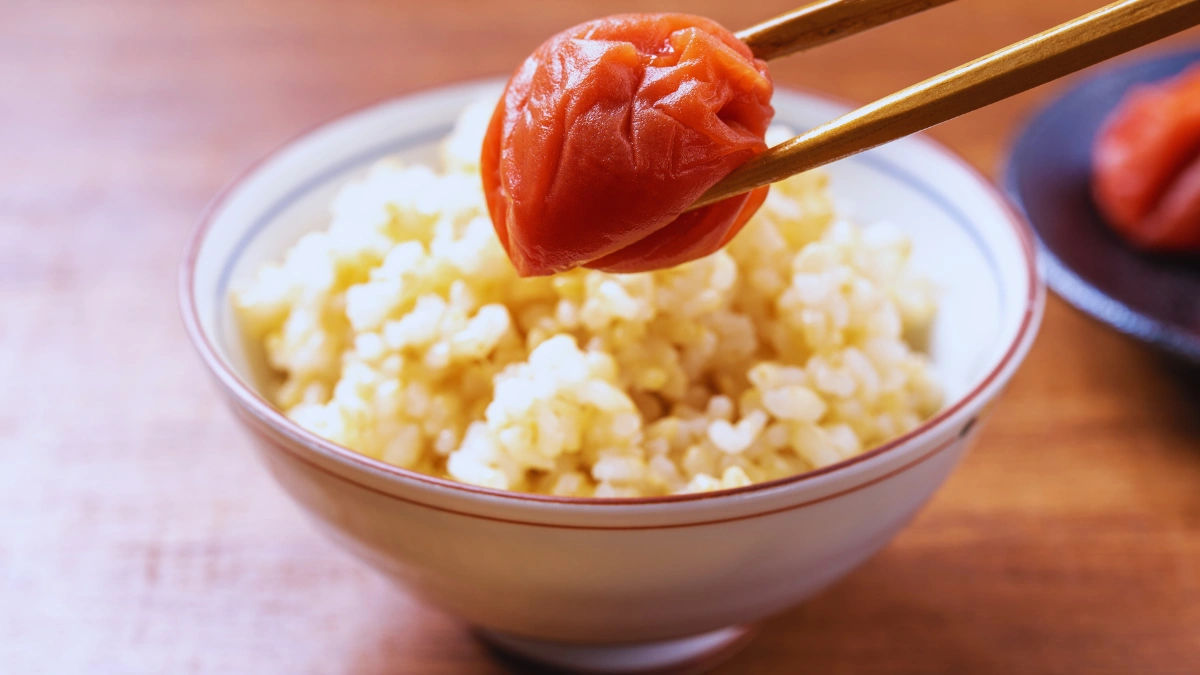
Rustic brown rice provides the canvas for this striking visual and flavor combination. Whole grain rice offers more fiber, vitamins, and minerals than its polished white counterpart.
A wrinkled, salt-preserved plum sits atop the steaming grains, often surrounded by a sprinkle of black sesame seeds and perhaps strips of nori seaweed.
Umeboshi plums pack intense sour and salty notes that stimulate digestion. These preserved fruits undergo several months of fermentation with salt and sometimes shiso leaves, which turn them into a distinctive pink-red color.
Breaking apart the plum and mixing it through the rice transforms a plain grain bowl into a complex flavor experience with each bite slightly different from the last.
This meal embodies the Japanese concept of balance through contrasts. The bland, hearty rice meets the sharp, medicinal plum.
Together they create something greater than either component alone. Japanese traditional medicine values umeboshi for its alkalizing effect on the body and its ability to fight fatigue. The simple preparation belies the profound nutritional impact of pairing whole grains with fermented foods.
15. Dark Chocolate & Green Tea Pairing

Small squares of high-cacao chocolate find their match in properly brewed green tea. The bitter complexity of 70%+ dark chocolate creates fascinating flavor harmony with the grassy, slightly sweet notes of quality sencha or gyokuro tea.
Together they offer a sophisticated alternative to sugary desserts. Cacao brings theobromine and flavanols that support heart health and circulation.
The antioxidants in green tea complement these compounds, potentially offering greater benefits together than either alone.
This pairing satisfies sweet cravings while avoiding the blood sugar spike associated with conventional desserts. Just a small amount of each creates a fulfilling end to a meal.
Many Japanese adults enjoy this combination as an afternoon ritual or after dinner. The mindful approach involves savoring each bite of chocolate and sip of tea rather than consuming them quickly.
This practice turns a simple snack into an exercise in presence and appreciation. The bitterness in both chocolate and green tea helps train the palate away from excessive sweetness, gradually shifting preference toward more complex flavors that support health goals without sacrifice.