

Have you ever noticed you’re always thirsty, tired, or taking frequent bathroom trips? Millions of Americans walk around with prediabetes without knowing it.
This silent condition creeps up slowly, showing subtle signs most people brush off as normal aging or stress. Left unchecked, prediabetes leads straight to type 2 diabetes, heart disease, and other serious health problems.
But here’s the good news: catching it early means you can stop or even reverse the progression. Let’s look at 11 warning signs your body might be sending you right now—and exactly what you can do about them.
1. Increased Thirst and Frequent Urination

Your body starts sending clear signals when blood sugar levels rise too high. Kidneys work overtime to filter out excess glucose, pushing it into your urine.
This process pulls water from your tissues, leaving you feeling constantly parched. No matter how much water you drink, that dry mouth sensation persists.
You might notice yourself refilling your water bottle throughout the day and still feeling thirsty. This leads to another telltale sign – bathroom trips increase dramatically.
Many people find themselves waking up multiple times at night to urinate. The medical term for this excessive urination is polyuria.
It creates a vicious cycle: more urination causes more dehydration, which triggers more thirst. Pay attention if you suddenly need to drink and urinate much more than usual. These changes often happen gradually, making them easy to miss or dismiss as normal.
2. Fatigue

Unusual tiredness that doesn’t improve with rest can signal prediabetes. Your cells need glucose for energy, but insulin resistance prevents this fuel from entering properly.
This creates a frustrating situation where energy remains trapped in your bloodstream while your cells starve. Many people describe this fatigue as different from normal tiredness.
You might feel completely drained despite getting adequate sleep. Simple tasks become exhausting. This happens because your muscle cells, which normally use glucose for movement and activity, can’t access the fuel they need to function properly.
The exhaustion often worsens after meals, especially carbohydrate-heavy ones. Your pancreas produces more insulin to manage blood sugar spikes, causing energy crashes.
This pattern creates afternoon slumps that coffee can’t fix. If previously manageable activities leave you unusually tired, check your blood sugar.
3. Blurred Vision

Your eyesight can temporarily worsen when blood sugar levels fluctuate. High glucose causes fluid shifts in your eye tissues, including the lens that helps focus light.
The lens swells and changes shape, affecting your ability to see clearly. Vision changes might come and go throughout the day.
You could wake up with a foggy vision that improves later or notice difficulty focusing while reading or driving.
Some people report seeing floating spots or having trouble distinguishing similar colors. These symptoms can be scary but often stabilize once blood sugar levels return to normal.
Long-term exposure to high blood sugar damages tiny blood vessels in your retina. This process happens silently in the background before you notice any visual problems.
The good news? Catching prediabetes early and bringing blood sugar levels under control typically reverses temporary vision changes and prevents permanent damage.
4. Slow Healing of Cuts or Sores

Wounds that linger longer than usual may point to blood sugar problems. High glucose levels impair circulation, reducing blood flow to injured areas.
This means fewer nutrients and immune cells reach the damaged tissue, slowing down the repair process. Your immune system also functions less effectively when blood sugar stays elevated.
White blood cells, your body’s infection fighters, become sluggish and less able to clear bacteria from wounds. A small cut or blister that would normally heal in days might take weeks instead.
This problem shows up most commonly on the feet and lower legs. Nerve damage starts in the prediabetic stage before full diabetes develops.
Even mild nerve impairment reduces sensation, making it easier to overlook injuries. This combination of poor circulation weakened immunity, and decreased sensation creates perfect conditions for persistent wounds. Watch for cuts that stay red, swollen, or fail to close properly.
5. Acanthosis Nigricans

Dark, velvety skin patches appearing on your neck, armpits, or groin areas serve as visible markers of insulin resistance.
These areas feel thicker than the surrounding skin and have a texture similar to velvet or very fine sandpaper. The color ranges from light brown to black depending on your natural skin tone.
This skin condition occurs because excess insulin circulating in your bloodstream stimulates skin cell growth. It also triggers increased melanin production in affected areas.
People often mistake these patches for dirt that won’t wash away or assume they need better hygiene. In reality, no amount of scrubbing removes these discolorations.
Acanthosis nigricans appears most commonly around skin folds and areas where skin rubs against skin. Children and adolescents with prediabetes frequently develop it around the nape of the neck.
Adults might notice darkening in less visible areas like armpits or under breasts. This skin change often appears years before other prediabetes symptoms, making it an important early warning sign.
6. Weight Gain, Especially Around the Waist

Excess pounds accumulating around your midsection strongly correlate with insulin resistance. This pattern of weight distribution, sometimes called “apple shape,” carries more health risks than weight gained elsewhere in the body. Your waist measurement provides valuable information about metabolic health.
A landmark study published in Diabetes Care by Wagenknecht and colleagues (2003) found that visceral fat—the kind that surrounds internal organs—directly drives insulin resistance regardless of overall body mass index.
This dangerous fat behaves differently from fat elsewhere, actively releasing inflammatory compounds and free fatty acids that interfere with normal insulin function throughout the body.
Men with waists measuring over 40 inches and women with waists over 35 inches face substantially higher prediabetes risk.
What makes this particularly challenging is that moderate weight gain—just 10-15 pounds—can push someone into the prediabetic range if those pounds concentrate around the abdomen. Regular waist measurements help track this risk factor more accurately than scale weight alone.
7. High Blood Pressure
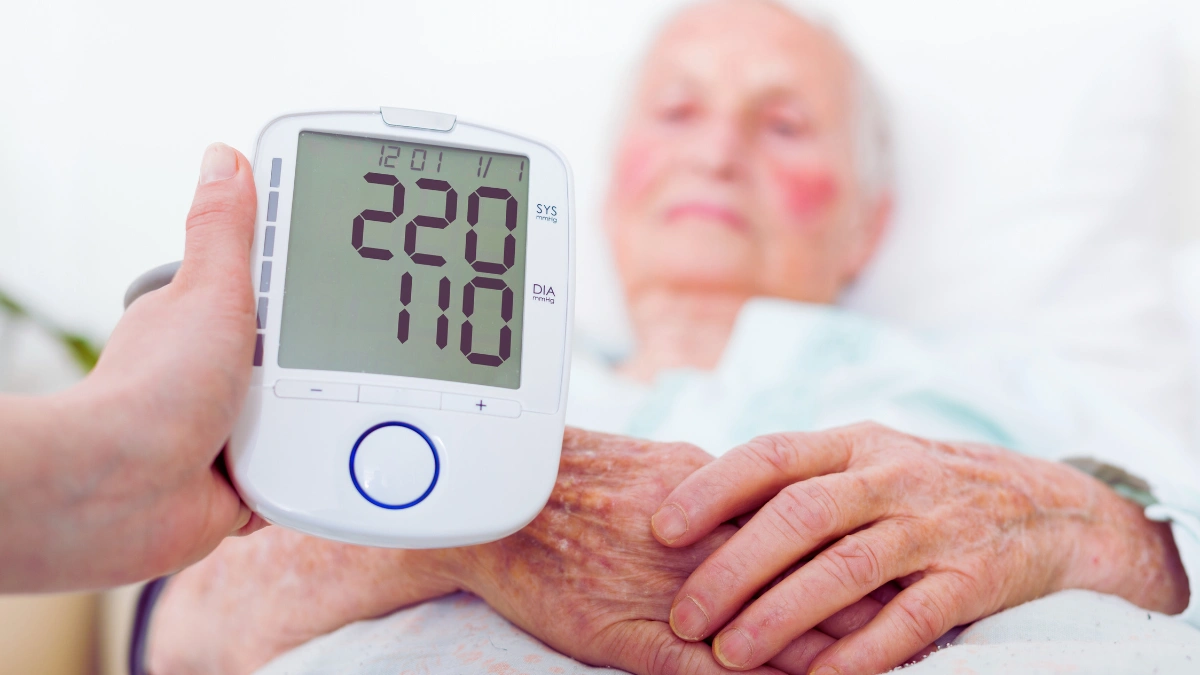
Blood pressure and blood sugar problems often show up together. Your arteries gradually stiffen when insulin doesn’t work properly in your body.
This makes your heart work harder to pump blood, raising your pressure readings at doctor visits. Many people have both conditions without realizing the connection between them. Insulin helps control sodium balance in your kidneys.
When insulin resistance develops, your body tends to retain more sodium and fluid, pushing blood pressure numbers even higher. This creates a harmful cycle where each condition makes the other worse.
Getting regular blood pressure checks becomes especially important if you have other prediabetes risk factors. Normal readings fall below 120/80 mmHg.
Numbers between 120-139/80-89 indicate prehypertension, which often accompanies prediabetes. Many people successfully lower both blood pressure and blood sugar through similar lifestyle changes—particularly reducing salt intake, losing weight, and staying physically active.
8. Family History of Type 2 Diabetes

Your genes play a significant role in determining diabetes risk. Having a parent or sibling with type 2 diabetes doubles or even triples your chances of developing the condition.
The closer the relative and the more family members affected, the higher your risk becomes. Genetic factors influence how your pancreas produces insulin and how effectively your cells respond to it.
Your body might inherit tendencies toward insulin resistance, poor glucose regulation, or inappropriate fat storage patterns.
These inherited traits don’t guarantee you’ll develop prediabetes, but they load the dice against you. Knowledge of your family health history gives you power.
People with strong family patterns should start screening earlier—typically by age 35 or even sooner if other risk factors exist. Awareness allows for proactive steps like regular testing and lifestyle modifications.
Family history can’t be changed, but knowing this risk factor exists means you can watch for early warning signs and take preventive action before blood sugar levels rise too high.
9. Polycystic Ovary Syndrome (PCOS)

Women with PCOS face substantially higher prediabetes risk due to hormonal imbalances. This common condition affects the ovaries and causes irregular periods, excess hair growth, acne, and often weight gain.
The hormonal chaos of PCOS and prediabetes reinforce each other in harmful ways. Insulin resistance sits at the core of both conditions.
High insulin levels trigger the ovaries to produce more testosterone, worsening PCOS symptoms. Meanwhile, the hormone imbalances from PCOS make insulin resistance worse.
Up to 70% of women with PCOS already have some degree of insulin resistance, even at normal body weights. Regular blood sugar testing becomes crucial for anyone diagnosed with PCOS.
Women with both conditions often benefit from similar treatments. Losing just 5-10% of body weight can improve both insulin sensitivity and PCOS symptoms.
Medications like metformin sometimes help manage both issues simultaneously. Exercise proves especially beneficial, improving hormone balance while enhancing cellular insulin response.
10. Sleep Issues Like Sleep Apnea

Poor sleep and breathing interruptions during the night significantly impact blood sugar control. Sleep apnea—where breathing repeatedly stops and starts during sleep—creates a particularly strong connection to prediabetes.
The frequent oxygen drops trigger stress hormone surges that raise blood sugar levels. Many people remain unaware they have sleep problems.
Common signs include loud snoring, morning headaches, excessive daytime sleepiness, and waking up gasping for air.
These disruptions prevent the deep, restorative sleep your body needs to properly regulate metabolism and hormone production.
Just one night of poor sleep can temporarily reduce insulin sensitivity in otherwise healthy people. The relationship works both ways.
Sleep problems raise prediabetes risk, while high blood sugar worsens sleep quality. Breaking this cycle often requires addressing both issues.
Treatment for sleep apnea, usually with a CPAP machine or other devices, can significantly improve blood sugar numbers.
Better sleep habits—consistent bedtimes, avoiding screens before bed, creating a cool dark bedroom—help both conditions improve simultaneously.
11. Increased Hunger (Polyphagia)

Unusual hunger that persists even after eating enough food often signals prediabetes. Your cells essentially starve despite plenty of glucose circulating in your bloodstream.
This happens because insulin resistance prevents cells from taking in the fuel they need from your blood. Your brain receives confusing signals when this occurs.
Despite consuming adequate calories, your body thinks it needs more food. Hunger hormones increase, driving cravings, particularly for quick-energy carbohydrates and sugars.
This creates a frustrating cycle where eating more carbs temporarily satisfies hunger but causes blood sugar spikes that worsen insulin resistance over time.
Many people notice specific patterns of this hunger. It might strike shortly after meals or hit hardest in the afternoon and evening hours.
Hunger levels often fluctuate wildly throughout the day rather than building gradually between meals. This differs from normal appetite patterns.
If you find yourself constantly hungry despite eating regular meals, consider this a potential warning sign worth discussing with your healthcare provider.