

Worried about memory slips becoming something worse? Many people over 50 face this fear. As we age, our brains become vulnerable to changes that can lead to dementia – but what if you could fight back with your fork?
Neurologists now point to specific foods with compounds that actively protect brain cells, clear harmful proteins, and reduce inflammation.
These foods are accessible, and affordable, and can be added to your meals starting today. From blueberries to chickpeas, here are 15 powerful foods that can help keep your mind sharp for years to come.
1. Blueberries
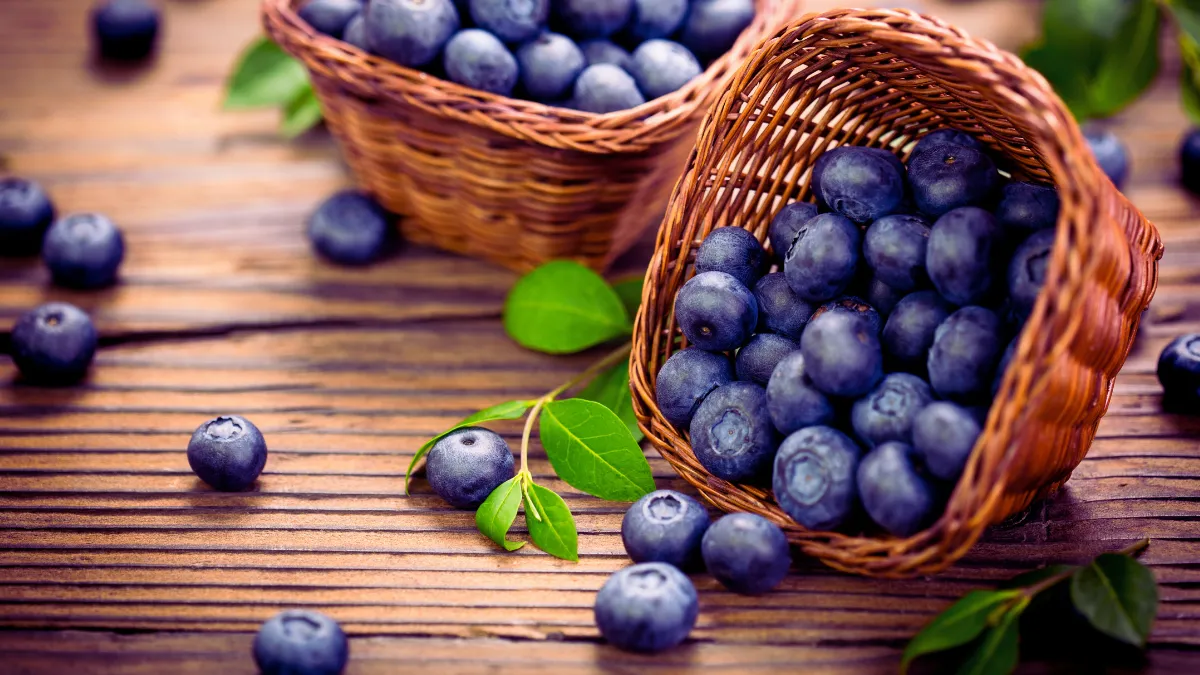
Blueberries pack a powerful punch against cognitive decline. Their rich anthocyanin content fights oxidative stress in the brain, a common factor in age-related memory problems.
These small berries work at the cellular level, protecting neurons from damage that accumulates over time. Regular consumption has shown remarkable benefits for memory function in older adults.
The antioxidants in blueberries help maintain healthy connections between brain cells, allowing for better communication and processing.
Many people notice sharper recall and thinking after adding a daily handful to their diet. Brain inflammation decreases with consistent blueberry intake, creating a protective environment for your cognitive health.
You can add them to yogurt, or oatmeal, or simply eat them as a snack. Fresh or frozen options work equally well, making blueberries an easy addition to your daily routine regardless of season.
2. Leafy Greens (Spinach, Kale)

Leafy greens contain essential nutrients that your brain craves. The vitamin K, folate, and lutein found in spinach and kale actively support brain structure and slow the natural decline that comes with aging.
These nutrients build a foundation for lasting brain health. Adding a salad or cooked greens to your daily meals can create what scientists call “brain youth.”
The MIND Diet specifically highlights these vegetables as crucial components for maintaining cognitive function. Your brain benefits most when you consume these foods consistently rather than occasionally.
Spinach and kale also contain antioxidants that fight free radical damage in brain tissues. This protection matters increasingly as we age past 50.
Try adding these greens to smoothies if you find the taste challenging. The brain-boosting effects work regardless of how you consume them, making them versatile allies in your fight against dementia.
3. Fatty Fish (Salmon, Mackerel)

Salmon and mackerel contain omega-3 fatty acids that build and maintain the very structure of your brain cells.
These essential fats, particularly DHA and EPA, keep neuron membranes healthy and reduce the formation of harmful amyloid plaques associated with Alzheimer’s disease.
Eating fish three times weekly creates significant protection against cognitive decline. Your brain uses these fats to repair cells and build new neural connections.
The benefits accumulate over time, with regular fish eaters showing much lower rates of memory problems as they age.
The omega-3s in fatty fish also reduce brain inflammation, a key factor in cognitive health after 50. Grilled, baked, or poached preparations preserve the beneficial nutrients while avoiding added fats.
Wild-caught options typically contain higher omega-3 levels than farm-raised alternatives. Consider starting with smaller portions if you’re not accustomed to eating fish regularly.
4. Walnuts
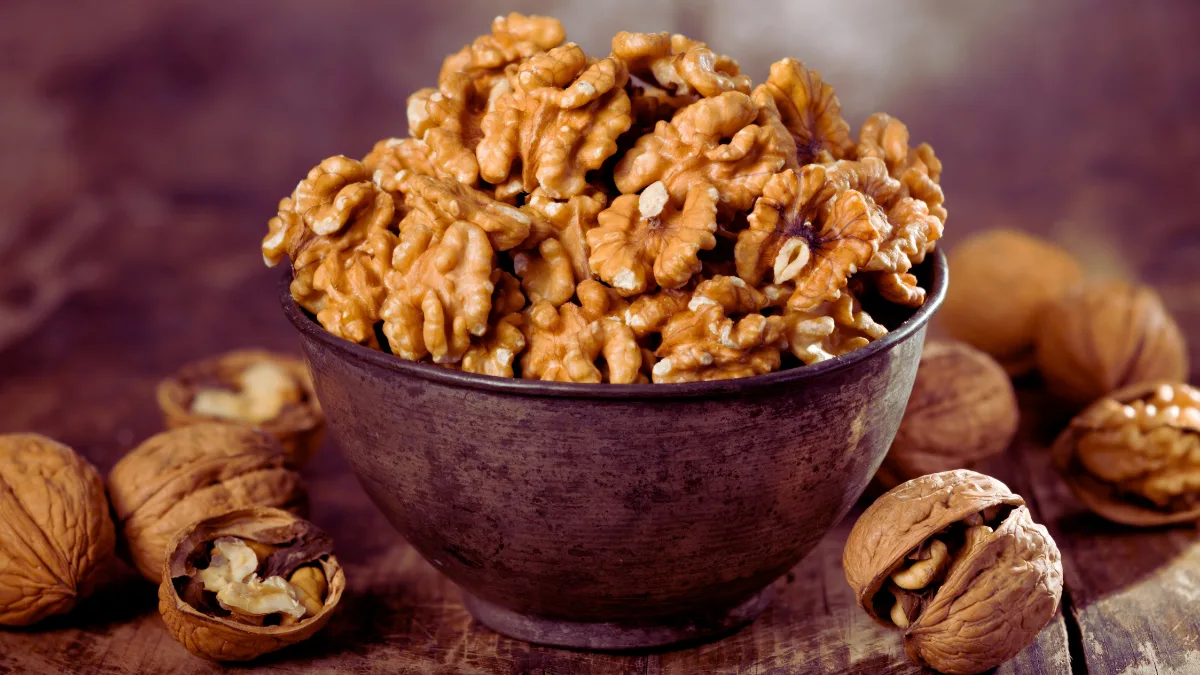
Walnuts contain alpha-linolenic acid, a plant-based omega-3 that supports brain function in unique ways. Their polyphenol content fights inflammation in neural tissues while protecting existing brain cells from damage.
The nut’s shape resembling a brain isn’t just a coincidence—it hints at its cognitive benefits. Eating a small handful of walnuts daily can boost memory and cognitive processing speed.
Your brain uses these nutrients to maintain healthy communication between cells while supporting new neural growth.
Many people find that adding walnuts to their morning routine provides sustained mental energy throughout the day.
The combination of healthy fats and antioxidants in walnuts creates comprehensive brain protection. You can sprinkle them on salads, blend them into smoothies, or eat them plain as a snack.
Storing walnuts in the refrigerator keeps their delicate oils fresh and preserves their brain-boosting properties. Their satisfying crunch makes them an enjoyable addition to your brain-healthy diet.
5. Turmeric

Turmeric contains curcumin, a compound that crosses directly into the brain where it helps clear harmful amyloid plaques.
This bright yellow spice actively reduces inflammation throughout the nervous system while supporting healthy brain cell function. Its effects build gradually with regular consumption.
Adding this spice to your cooking creates ongoing protection for your neural tissues. Curcumin works by targeting multiple pathways involved in cognitive decline, making it particularly valuable after age 50.
Combining turmeric with black pepper increases its absorption dramatically, enhancing its brain benefits. Memory improvements often follow consistent turmeric use.
This happens as inflammation decreases and cellular health improves throughout the brain. Try adding turmeric to soups, rice dishes, scrambled eggs, or even smoothies.
Golden milk—turmeric mixed with warm milk and honey—makes a soothing evening drink that supports brain health while you sleep.
6. Broccoli
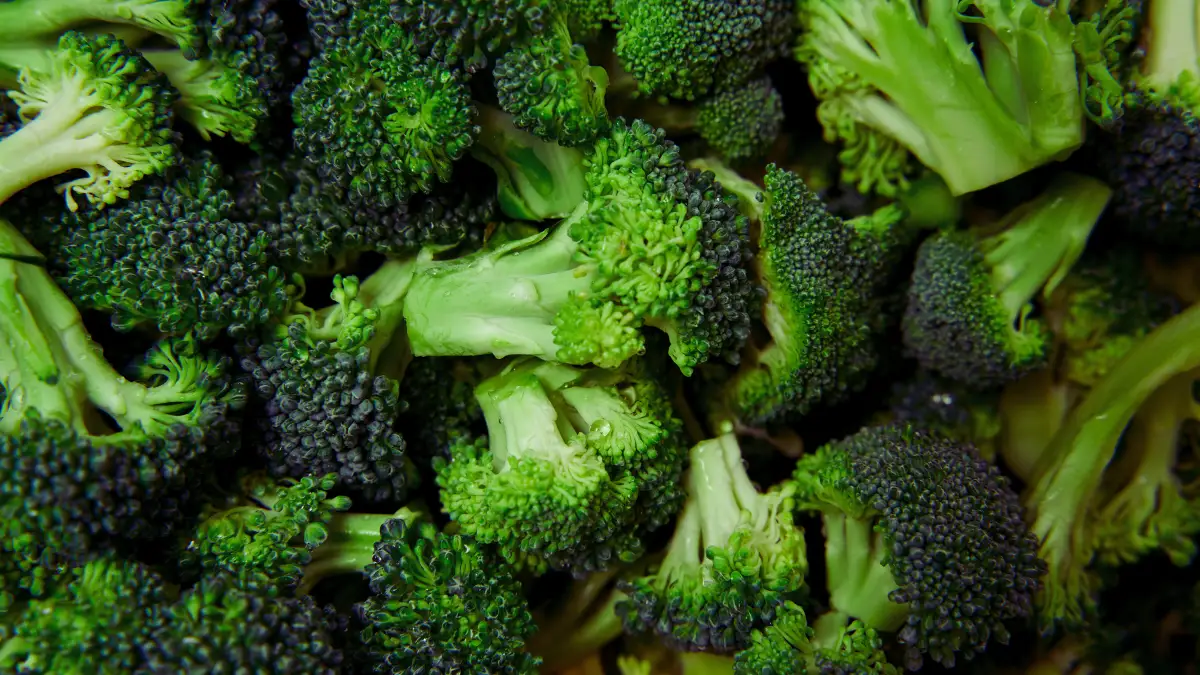
This green veggie contains sulforaphane, a powerful compound that fights brain inflammation and oxidative damage.
A 2014 study in Clinical Interventions in Aging by Johnson and colleagues found that sulforaphane boosts antioxidant enzymes that protect brain cells.
Sulforaphane activates the Nrf2 pathway in your brain, which turns on natural detoxification systems. This process helps clear harmful substances that accumulate with age.
Your neurons become more resistant to stress when you eat broccoli consistently, creating lasting protection against cognitive decline.
Steaming broccoli briefly preserves more of its brain-protective compounds than other cooking methods. You can add it to stir-fries, and soups, or eat it lightly steamed with a squeeze of lemon.
Frozen broccoli retains most benefits if fresh isn’t available. Many people find that eating broccoli 2-3 times weekly provides noticeable cognitive support as they age.
7. Pumpkin Seeds
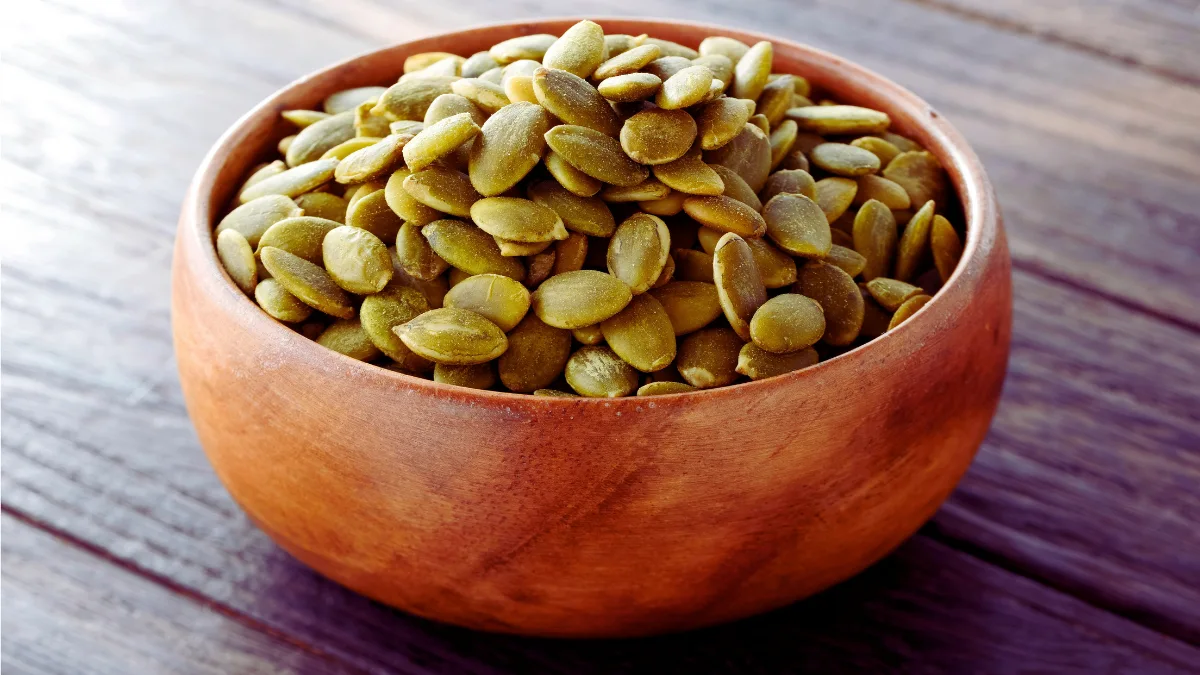
Small but mighty, pumpkin seeds pack an impressive array of brain-supporting minerals. Their high magnesium content helps regulate neurotransmitter function while zinc and copper support synaptic connections between brain cells.
These tiny seeds offer multiple layers of protection for your aging brain. Zinc deficiency has strong links to increased Alzheimer’s risk, making these seeds particularly valuable after 50.
Your brain uses these minerals for everyday functions, from forming memories to processing information. A handful provides a significant portion of your daily needs for these critical nutrients.
Copper in pumpkin seeds helps maintain myelin sheaths, the protective covering around nerve fibers that allows quick transmission of signals.
You can sprinkle them on salads, yogurt, or oatmeal for a brain-boosting crunch. Roasting them lightly enhances flavor without damaging their nutritional profile.
Many people carry a small container of these seeds for an on-the-go brain snack that satisfies hunger while supporting cognitive health.
8. Dark Chocolate (70%+ Cocoa)
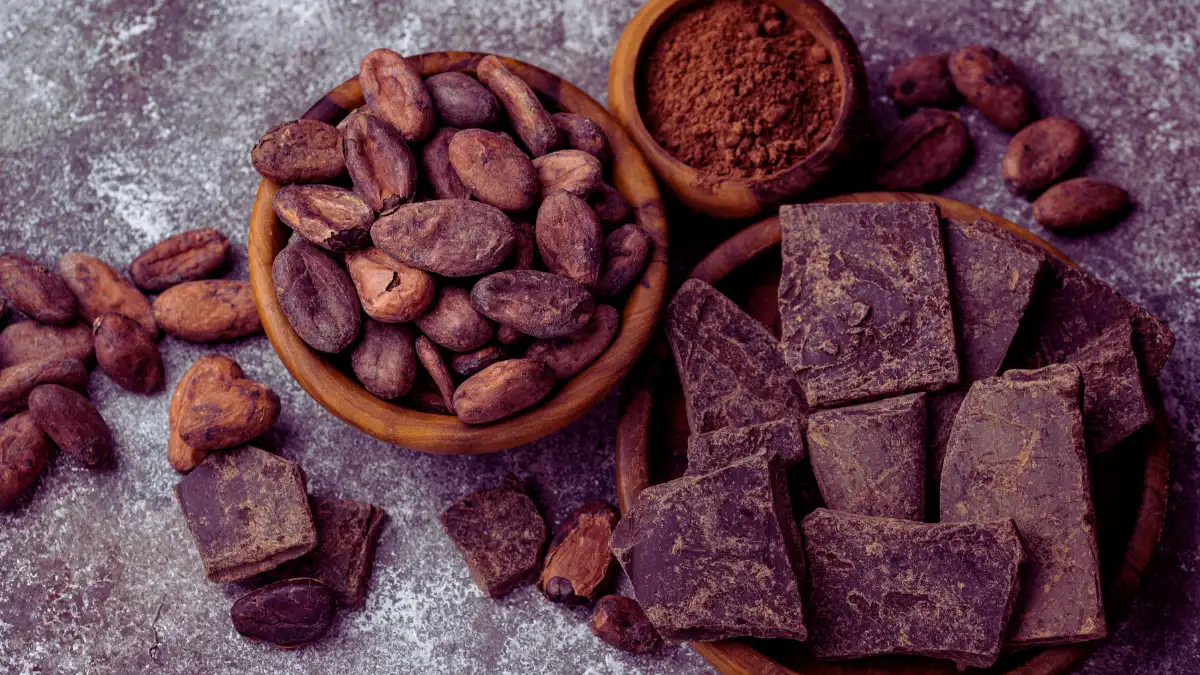
High-cocoa chocolate contains flavonoids that stimulate blood flow to the brain while supporting neuron growth.
These compounds cross the blood-brain barrier where they exert direct protective effects on brain cells. The benefits increase with cocoa percentage, which explains why darker varieties offer more cognitive support.
Blood vessels in your brain respond to chocolate’s flavonoids by expanding, allowing more oxygen and nutrients to reach hungry neurons.
This improved circulation creates immediate cognitive benefits while building long-term protection. Many people notice enhanced focus after consuming a small piece of quality dark chocolate.
Keeping consumption moderate maximizes benefits while minimizing sugar intake. Daily dark chocolate consumption improved cognitive flexibility in older adults.
Try having a small square after lunch as a daily brain-boosting ritual. Look for varieties with minimal added ingredients to get the purest brain benefits.
9. Oranges

Vitamin C from oranges works as a powerful brain protector, neutralizing free radicals that damage neurons. This essential vitamin supports the production of neurotransmitters that enable communication between brain cells.
Your brain needs consistent vitamin C intake since it can’t store this nutrient long-term. The antioxidant effects create both immediate and cumulative benefits for memory and cognition.
Your neural networks function more efficiently with adequate vitamin C levels, supporting everything from recall to problem-solving. Most people find that eating an orange provides hours of enhanced mental clarity.
Fresh oranges contain additional compounds that work alongside vitamin C to support brain health. The white pith between the peel and fruit contains flavonoids that cross into the brain, creating additional protection.
Whole oranges offer more benefits than juice due to their fiber content, which helps regulate blood sugar for steady brain energy. Try adding orange segments to salads or eating them as a mid-afternoon brain boost.
10. Eggs

This breakfast staple provides choline, an essential nutrient that your brain uses to make acetylcholine, a neurotransmitter critical for memory formation.
The Framingham Offspring Study by Ntlholang and colleagues found that higher choline intake strongly correlates with better verbal memory and reduced white matter hyperintensity, a known dementia risk factor.
Choline supports the integrity of myelin sheaths that wrap around nerve fibers, allowing for efficient signal transmission between brain regions.
This nutrient also helps reduce homocysteine, a neurotoxic amino acid that increases with age. Your brain requires sufficient choline daily for both maintenance and optimal function.
The yolks contain most of the brain-beneficial nutrients, so whole eggs provide the greatest cognitive support. You can prepare them in countless ways, making them one of the most versatile brain foods available.
Combining eggs with vegetables like spinach or broccoli creates synergistic brain benefits. Many neurologists recommend eating eggs 3-4 times weekly as part of a comprehensive brain-health strategy.
11. Extra Virgin Olive Oil

The polyphenols found in quality olive oil act as powerful brain protectors, particularly a compound called oleocanthal.
This natural substance helps clear harmful amyloid-beta proteins from brain tissues while reducing inflammation. Cold-pressed, extra virgin varieties contain the highest levels of these beneficial compounds.
Your brain cell membranes become more fluid and responsive when you consume olive oil regularly. This improved cellular function translates to better overall cognitive performance and protection against age-related decline.
Many Mediterranean communities with high olive oil consumption show remarkably low dementia rates. Using olive oil as your primary cooking fat creates cumulative brain benefits over time.
You can drizzle it over vegetables, use it in salad dressings, or even take a tablespoon directly for maximum absorption.
The monounsaturated fats help transport fat-soluble vitamins that support brain health. Most people find that replacing other cooking oils with extra virgin olive oil is an easy way to boost brain protection daily.
12. Avocado
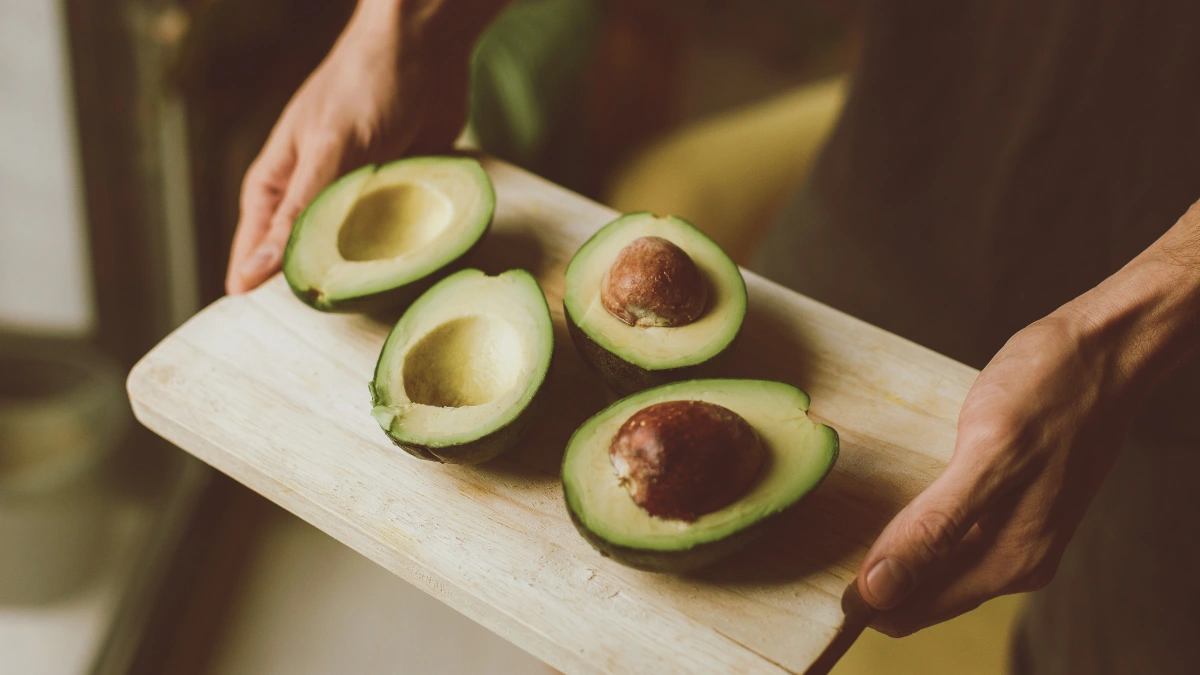
Rich in monounsaturated fats, avocados boost blood flow to the brain while providing vitamin E that shields cell membranes from oxidative damage.
These creamy fruits support healthy cholesterol levels, which play a key role in maintaining brain structure and function as we age.
Your neurons rely on fat for proper signaling and communication. Avocados provide exactly the right type of fat your brain needs for optimal performance.
The combination of nutrients in avocados supports both immediate cognitive function and long-term brain health.
Potassium in avocados helps maintain proper electrical gradients in brain cells, allowing for efficient neural transmission.
You can spread avocado on toast, add slices to salads, or blend it into smoothies for easy brain nutrition. Their mild flavor makes them versatile additions to many dishes. A quarter to half an avocado daily provides significant brain benefits without excessive calories.
13. Green Tea

L-theanine in green tea creates a state of alert relaxation by enhancing alpha brain waves. This unique amino acid works together with a modest amount of caffeine to improve attention and memory without causing jitters.
EGCG, another compound in green tea, helps prevent the clumping of proteins associated with Alzheimer’s disease. Drinking green tea regularly creates both immediate cognitive enhancement and cumulative protection.
Your brain benefits from improved blood flow and reduced inflammation with each cup. Many people find that replacing coffee with green tea provides steadier mental energy throughout the day.
The ritual of preparing and sipping tea can itself be brain-protective, creating a mindful break in your day. You can enjoy green tea hot or cold, with options ranging from delicate Japanese varieties to more robust Chinese types.
Two to three cups daily provides optimal brain benefits while staying within safe caffeine limits. Some people add a squeeze of lemon to increase the absorption of beneficial compounds.
14. Beets
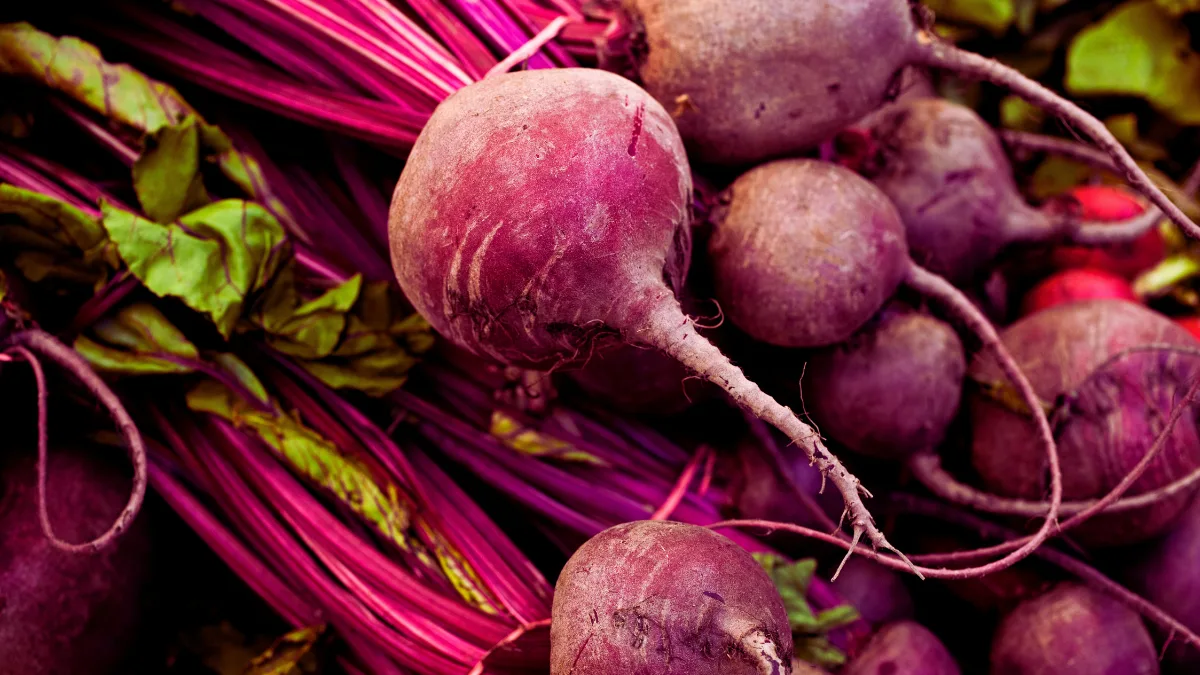
The natural nitrates in these ruby-red vegetables convert to nitric oxide in your body, expanding blood vessels and increasing oxygen flow to the brain.
This improved circulation helps deliver vital nutrients to brain tissues while removing waste products more efficiently. The unique combination of nutrients in beets supports cognitive function in multiple ways.
Betalains, the compounds that give beets their vibrant color, reduce inflammation throughout the brain and body.
Your neurons function better in this low-inflammation environment, supporting everything from memory to problem-solving. Many people notice improved mental clarity after adding beets to their diet.
Roasting brings out the natural sweetness of beets while preserving their brain-boosting compounds. You can add them to salads, blend them into smoothies, or simply enjoy them as a side dish.
Beet juice offers a concentrated source of nitrates if you find the whole vegetable challenging to prepare. Try having beets twice weekly for noticeable cognitive benefits, especially if you’re concerned about maintaining healthy brain function past 50.
15. Legumes (Lentils, Chickpeas)
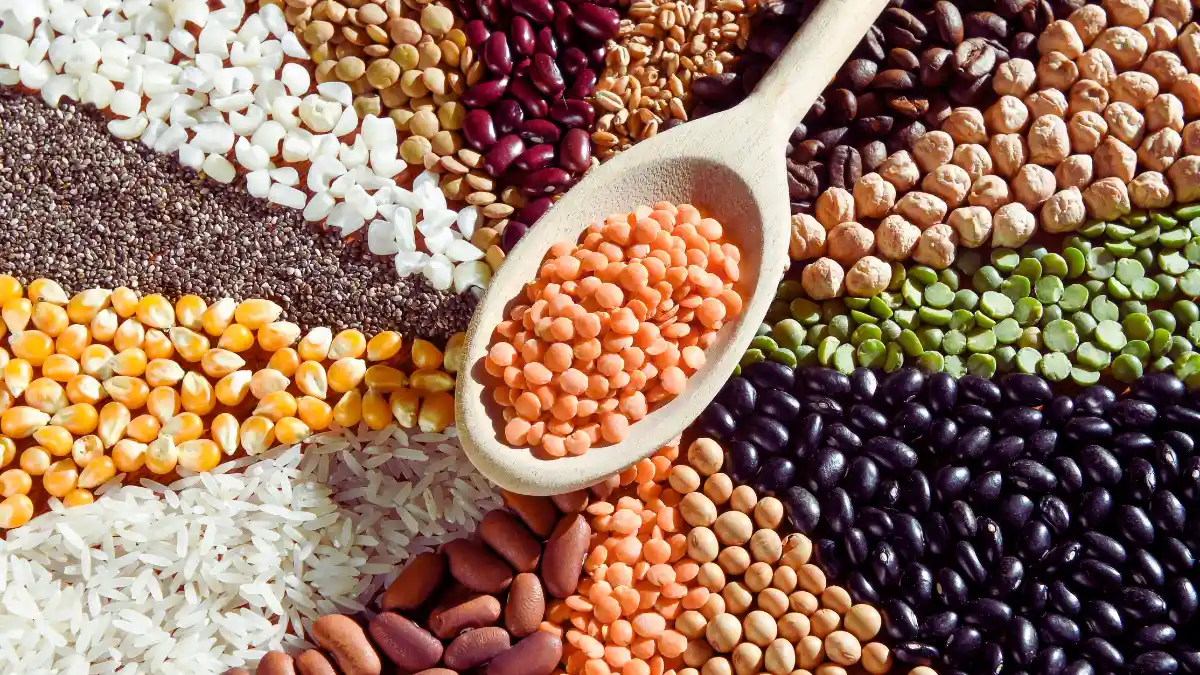
These humble foods provide B vitamins that help regulate homocysteine, a compound that can damage brain tissue when levels rise too high.
The fiber in legumes supports a healthy gut microbiome, which communicates directly with your brain through the gut-brain axis. This connection plays a crucial role in cognitive health as we age.
Your brain uses B vitamins to produce neurotransmitters that regulate mood, memory, and overall cognitive function.
Legumes provide these vitamins in a slow-releasing package that helps maintain steady levels throughout the day. Many cultures with high legume consumption show lower rates of cognitive decline.
Adding lentils or chickpeas to your meals several times weekly creates lasting brain benefits. You can use them in soups, salads, or as meat substitutes in many recipes.
Their versatility makes them easy to incorporate into your regular diet. The combination of protein and complex carbohydrates in legumes provides steady brain energy without blood sugar spikes that can damage neural tissues over time.