

Turning 50 changes how your body handles food. Blood sugar issues start creeping in, and suddenly those foods you’ve always enjoyed become risky.
Type 2 diabetes threatens millions of older adults, often striking silently until it’s too late. But here’s the good news – simple food swaps can dramatically cut your risk.
By eliminating 15 specific foods from your diet, you can help protect your health during these crucial years.
Ready to take control of your blood sugar? These everyday items might surprise you – and changing them could save your health.
1. Sugary Beverages

Sodas and sweet teas might taste good, but they can significantly harm your health after 50. These drinks contain massive amounts of sugar that enters your bloodstream quickly, causing dangerous spikes in blood glucose levels.
Your aging body processes these sugars less efficiently, increasing diabetes risk with each sip. Regular consumption leads to weight gain around the midsection, particularly dangerous for older adults.
The empty calories provide no nutritional value while training your taste buds to crave increasingly sweet flavors. Many people don’t realize they’re drinking 10+ teaspoons of sugar per serving.
Try switching to water infused with fresh fruit for flavor. Unsweetened tea offers antioxidant benefits without the sugar crash.
Sparkling water can satisfy the craving for carbonation without glucose spikes. Small changes like cutting out sugary drinks can dramatically reduce your Type 2 diabetes risk after 50.
2. Refined Grains
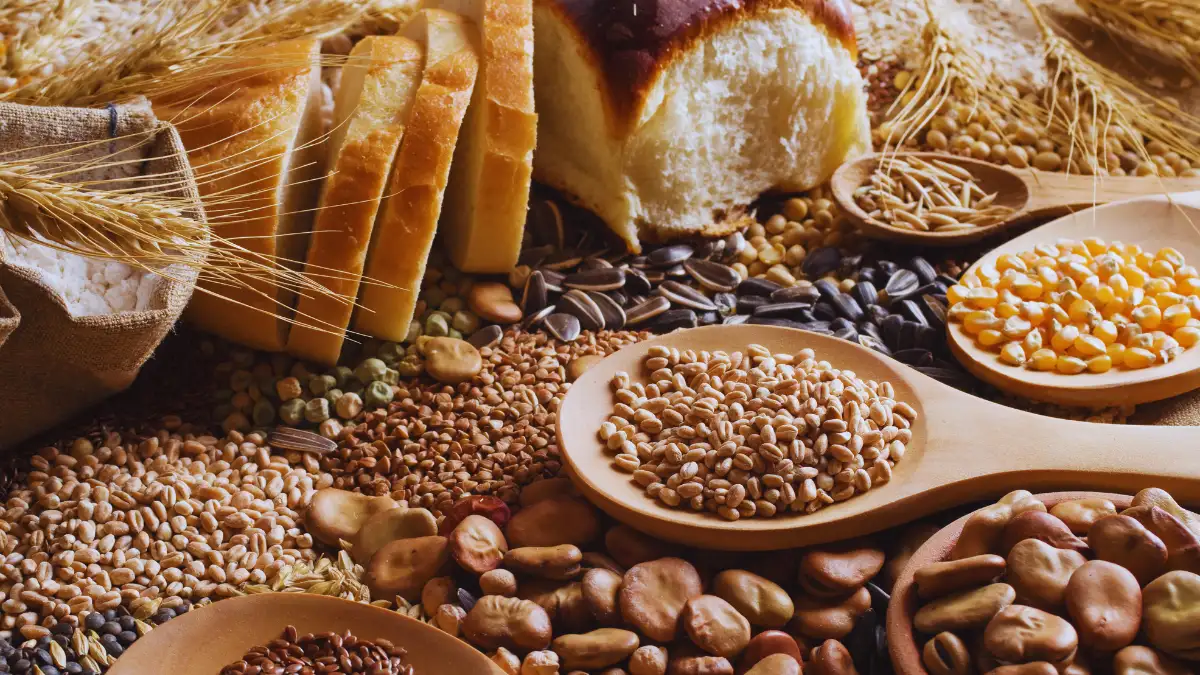
White bread, pasta, and rice might be pantry staples, but they pose serious problems for blood sugar control in older adults.
These refined carbohydrates have had their fiber and nutrients stripped away during processing, leaving little but starch that converts to glucose almost instantly in your system.
Your body treats these foods almost like pure sugar. Blood glucose levels shoot up rapidly after eating them, forcing your pancreas to pump out insulin.
Over time, this repeated stress weakens your insulin response. The lack of fiber means you’ll feel hungry again quickly, often leading to overeating.
Whole grain alternatives provide sustained energy without the blood sugar roller coaster. Brown rice, quinoa, and whole wheat products contain fiber that slows digestion and helps maintain stable glucose levels.
Barley and Farro make excellent substitutes in soups and salads. Your blood sugar will thank you for making the switch away from refined options.
3. Processed Snacks
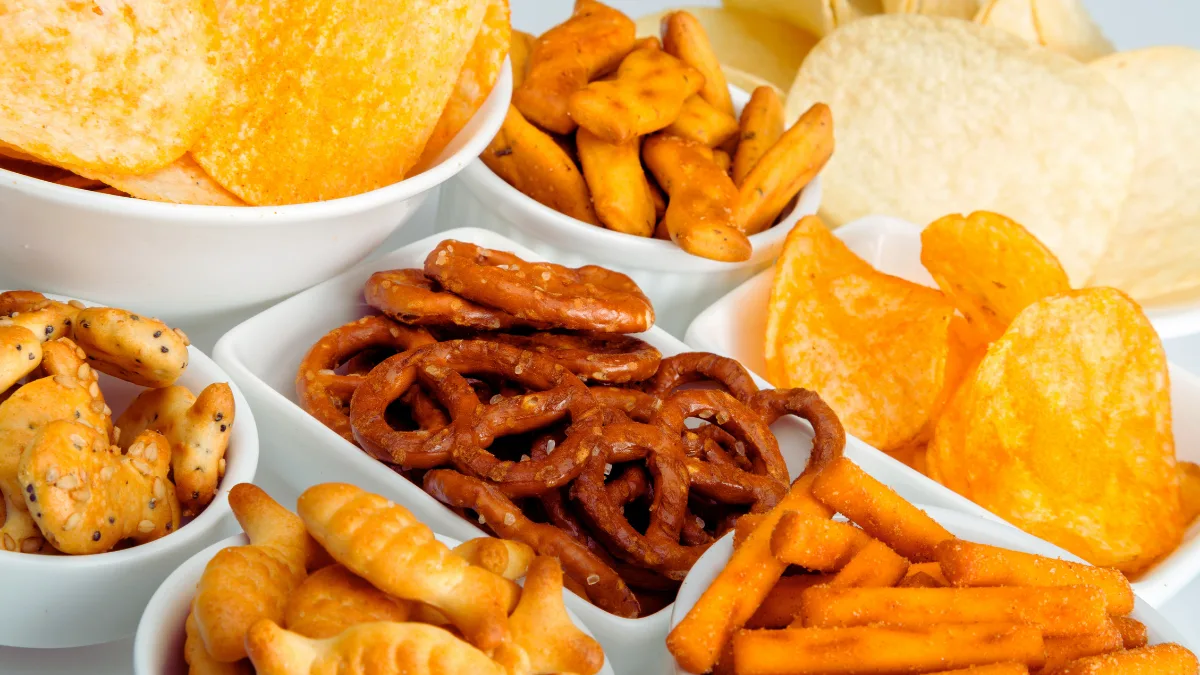
Chips, crackers, and similar packaged snacks create the perfect storm for diabetes risk after 50. These products typically combine refined carbs with unhealthy fats and excessive sodium—three factors that work against aging metabolism.
Most contain little to no fiber, protein, or nutrients that might offset their negative effects. The convenience factor makes these snacks particularly problematic.
They’re designed for mindless eating, making portion control difficult. Many contain hidden sugars or high-fructose corn syrup alongside artificial ingredients that may further impact insulin sensitivity.
Your body processes these highly processed foods differently than whole, natural options. Consider replacing these snacks with nuts, seeds, or veggie sticks paired with hummus.
Hard-boiled eggs make quick protein-rich alternatives that help stabilize blood sugar. Air-popped popcorn without butter can satisfy the craving for something crunchy. Smart snacking becomes increasingly important with age, as your metabolic flexibility naturally decreases.
4. Pastries and Sweets

Cakes, cookies, and other sweets deliver a troublesome combination of refined flour and concentrated sugars that can wreak havoc on older adults’ blood glucose levels.
These threats cause rapid spikes followed by crashes that stress your metabolic system and potentially damage blood vessels over time.
Many commercial baked goods also contain trans fats, which promote inflammation throughout the body and directly contribute to insulin resistance.
The highly palatable nature of these foods makes them easy to overeat, creating a cycle of cravings and blood sugar fluctuations. Your brain receives little signal of fullness from these calorie-dense options.
Fresh fruit offers a healthier way to satisfy sweet cravings with natural sugars packaged alongside fiber. Small amounts of dark chocolate with high cocoa content provide antioxidants with less sugar impact.
Yogurt topped with berries can feel indulgent while supporting gut health. Moderation becomes increasingly crucial after 50, when your pancreas may struggle to handle sugar loads effectively.
5. Sugary Breakfast Cereals
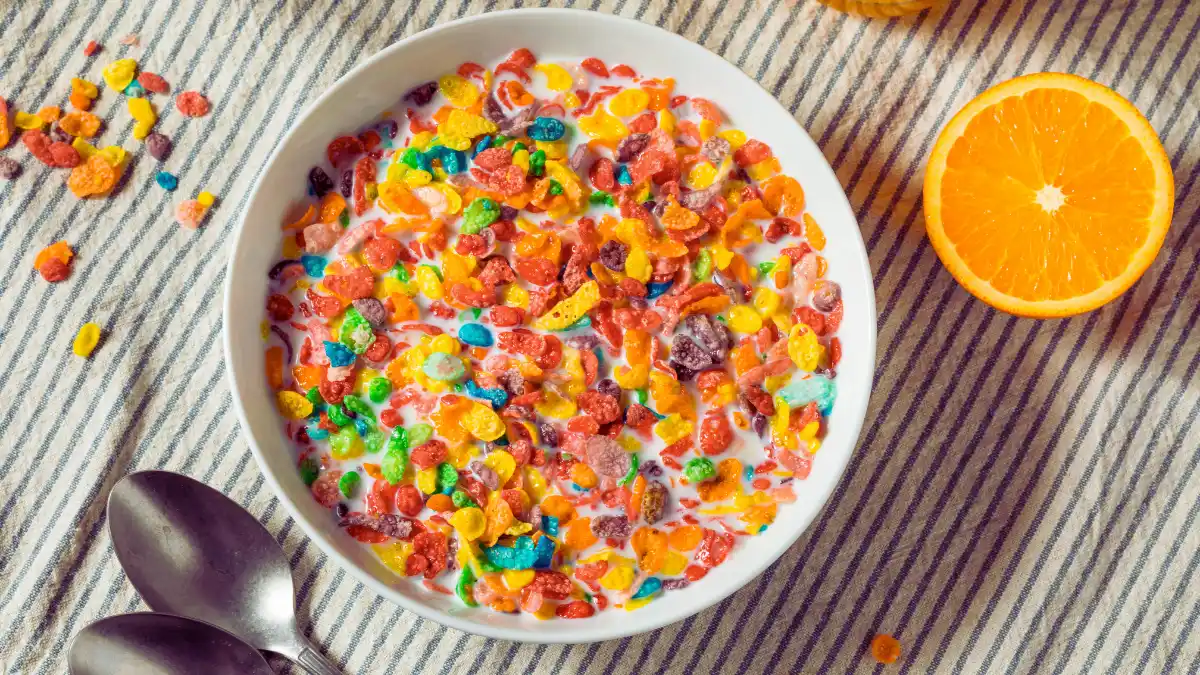
Morning meals high in sugar set your blood glucose on a wild ride for the entire day. Many breakfast cereals marketed as healthy contain shocking amounts of added sugars—sometimes more than desserts.
Starting your day this way creates immediate insulin demands when your fasting body is most vulnerable to glucose spikes.
The refined grains in these cereals digest quickly, leaving you hungry again within hours. This pattern often leads to snacking before lunch, creating additional blood sugar fluctuations.
Many older adults experience stronger glucose responses in the morning, making sugary breakfast choices particularly problematic after 50.
Oatmeal provides a better foundation with soluble fiber that helps regulate blood sugar. Adding protein through eggs or Greek yogurt creates staying power and supports muscle maintenance.
Unsweetened muesli with nuts and seeds offers texture variety with healthy fats that slow digestion. Your breakfast choices establish metabolic patterns that influence your diabetes risk substantially as you age.
6. Processed Meats

Bacon, salami, hot dogs, and deli meats might be convenient, but they carry significant health risks after 50. These products contain preservatives like nitrates and nitrites that can harm pancreatic cells responsible for insulin production.
The high sodium content raises blood pressure, creating additional stress on a body already fighting to maintain proper glucose levels.
Many processed meats also pack substantial saturated fat, which promotes inflammation and can worsen insulin resistance. Your aging metabolism handles these fats less efficiently than in your younger years.
The combination of salt, fat, and preservatives creates a triple threat for those concerned about diabetes risk.
Try building meals around fresh proteins instead. Grilled chicken, fish, or turkey provide lean protein without harmful additives.
Plant-based options like beans and lentils offer fiber alongside protein, helping to stabilize blood sugar. Even a simple egg makes a better choice than processed meats.
Small changes to your protein sources can significantly impact your long-term health outcomes and diabetes risk.
7. Full-Fat Dairy
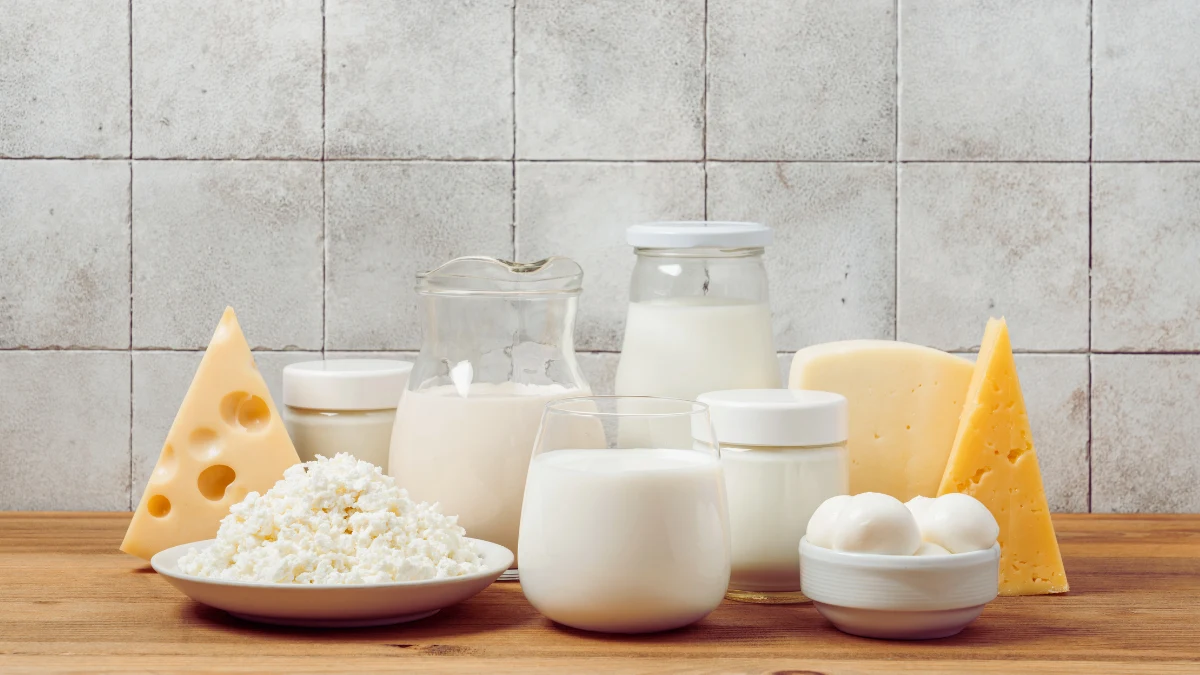
Butter, cream, whole milk, and full-fat cheese contain significant amounts of saturated fat that can undermine insulin sensitivity as you age.
Your body processes these fats differently after 50, making them more likely to accumulate in tissues and disrupt normal metabolic function. The calorie density also contributes to weight gain, especially around the abdomen.
Some people mistakenly believe all dairy products offer equal nutritional benefits. However, the fat content dramatically changes how these foods affect your blood sugar regulation.
Full-fat options provide minimal nutritional advantages over their lower-fat counterparts while carrying much higher risks for metabolic health.
Consider switching to low-fat dairy alternatives that retain the calcium and protein benefits without the saturated fat burden.
Unsweetened almond or oat milk works well in coffee and cereal. Greek yogurt offers protein without excessive fat when chosen in low-fat varieties.
Your bones still need calcium after 50, but you can find healthier sources that support rather than undermine your blood sugar goals.
8. Trans Fats

Foods containing artificial trans fats represent some of the most dangerous choices for adults over 50 concerned about diabetes.
Fried fast foods, certain margarines, and many packaged baked goods contain these modified fats that directly damage cell membranes and promote insulin resistance.
Your body has no good way to use these unnatural fat molecules. These harmful fats increase inflammation throughout your body, particularly in blood vessels and fat tissue.
This chronic inflammation interferes with normal insulin signaling. Trans fats also raise LDL (“bad”) cholesterol while lowering HDL (“good”) cholesterol, creating additional cardiovascular risks that often accompany diabetes.
Healthier fats exist in abundance. Olive oil, avocados, and nuts contain monounsaturated fats that may improve insulin sensitivity. Small amounts of butter are likely better than margarine containing trans fats.
Avocado oil tolerates high-heat cooking better than most oils. Your body needs fat—just the right kind to support metabolic health rather than undermine it.
9. Alcohol

Regular drinking becomes increasingly problematic for blood sugar control after 50. Alcohol interferes with your liver’s ability to release glucose during fasting periods, potentially causing dangerous blood sugar drops.
The calories from alcoholic beverages can also contribute to weight gain and abdominal fat accumulation, key factors in diabetes development.
Many alcoholic drinks contain hidden sugars and carbs that directly impact blood glucose. Sweet wines, cocktails, and beer deliver substantial carbohydrates that your aging metabolism processes less efficiently.
Alcohol consumption also tends to increase appetite and reduce inhibitions around food choices, leading to poor eating decisions.
Moderation proves crucial if you choose to drink. Limiting consumption to one drink daily for women or two for men represents the upper boundary of what might be safe.
Dry red wine contains less sugar and some beneficial compounds. Clear spirits mixed with soda water avoid added sugars. Your blood sugar stability might improve significantly by cutting back on alcohol as you age.
10. Fruit Juices

Store-bought oranges, apples, and other fruit juices might seem healthy, but they can raise blood sugar almost as quickly as soda.
The juicing process strips away fiber while concentrating sugars, creating a sweet liquid that delivers glucose directly to your bloodstream. One glass often contains the sugar equivalent of several whole fruits without the beneficial fiber.
Your body processes these concentrated sugars differently than when consuming whole fruit. Without fiber to slow digestion, juice causes rapid blood glucose spikes followed by crashes that stress your metabolic system.
These dramatic fluctuations become increasingly problematic after 50, as your natural insulin response typically weakens with age.
Whole fruits offer a superior alternative, providing natural sugars packaged with fiber that moderates their blood sugar impact. Water infused with cucumber, berries, or citrus delivers a refreshing flavor without the glucose surge.
Vegetable juices with minimal fruit content make better choices if you enjoy the convenience of beverages. Your thirst deserves satisfaction that supports rather than undermines your health goals.
11. Fast Food

Burgers, fries, and other quick-service meals combine nearly everything that raises diabetes risk after 50. These convenient options pack excessive calories, refined carbs, unhealthy fats, and sodium into single meals that overwhelm your aging metabolism.
Your body faces multiple challenges processing this combination, especially as insulin sensitivity naturally declines with age.
Most fast food lacks fiber and nutrients while delivering inflammatory compounds from high-heat cooking methods and poor-quality oils.
The portion sizes have grown dramatically over decades, encouraging overconsumption without providing satiety.
Many adults turn to these convenient options due to busy schedules, not realizing the long-term health costs. Preparing simple meals at home gives you control over ingredients and cooking methods.
Batch cooking on weekends can provide grab-and-go options for busy days. Rotisserie chicken with a bagged salad offers a quick, nutritious alternative when time runs short.
Your metabolism will respond positively to even small reductions in fast food consumption as you prioritize blood sugar health.
12. Flavored Yogurts

Those colorful yogurt cups might seem like healthy choices, but many contain shocking amounts of added sugar.
A single serving often packs more sugar than a candy bar, wrapped in marketing that emphasizes protein and calcium benefits.
Your blood glucose doesn’t distinguish between sugar sources—it responds with the same potentially harmful spike regardless of packaging.
The dairy industry has transformed a naturally fermented food with blood sugar benefits into a dessert-like product with questionable health value.
Fruit-on-the-bottom varieties typically contain fruit syrup rather than actual fruit pieces. Even varieties marketed for digestive health often undermine metabolic health with their high sugar content.
Plain Greek yogurt offers a protein-rich alternative without the added sugars. You can add fresh berries, cinnamon, or a small amount of honey for sweetness while maintaining control over the total sugar content.
Unsweetened plant-based yogurts work well for those avoiding dairy. Your taste buds will adjust to less sweetness over time, allowing you to appreciate yogurt’s natural tanginess while supporting stable blood sugar.
13. White Potatoes
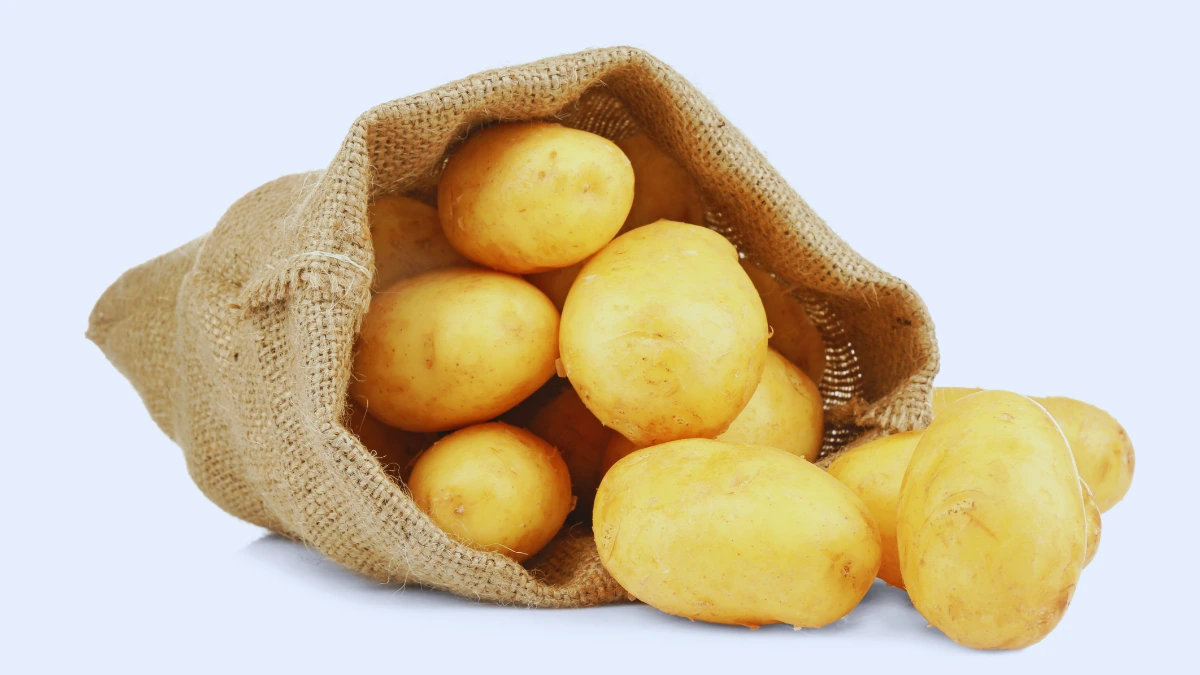
Baked, mashed, or especially fried potatoes can cause rapid blood sugar increases that become more problematic after 50.
These starchy vegetables break down quickly into glucose, particularly when prepared without their fiber-rich skins.
Your aging digestive system converts these simple starches to blood sugar almost as efficiently as it does table sugar.
The glycemic impact varies dramatically with the preparation method. French fries combine the blood sugar spike with unhealthy fats that further promote insulin resistance.
Mashed potatoes often include butter and cream, adding saturated fat to the carbohydrate load. Portion sizes at restaurants typically exceed what your metabolism can handle without significant glucose fluctuations.
Sweet potatoes provide a better option with more fiber, nutrients, and a lower glycemic impact. Cauliflower makes an excellent stand-in for mashed potatoes when seasoned well.
Roasted turnips or radishes can satisfy the craving for a starchy side dish with fewer carbs. Your plate doesn’t need to feel deprived when you replace white potatoes with more blood-sugar-friendly alternatives.
14. Sugary Condiments

Ketchup, BBQ sauce, and other common condiments hide surprising amounts of sugar in small servings. Just a tablespoon of ketchup contains a teaspoon of sugar, while BBQ sauce often contains even more.
These seemingly minor additions can significantly impact blood glucose when used liberally. Your diabetes risk increases with each hidden source of sugar in your diet.
Many people overlook condiments when assessing their sugar intake, focusing instead on obvious desserts and sweets. This oversight allows sugar to accumulate across multiple meals and snacks throughout the day.
The problem compounds when several condiments appear in a single meal, as with many sandwiches and burgers.
Mustard offers a nearly sugar-free alternative with bold flavor. Salsa provides vegetable benefits alongside minimal added sugars.
Making simple dressings with olive oil, vinegar, and herbs gives you complete control over ingredients. Your meals can remain flavorful and satisfying without the blood sugar impact of commercial, sugar-heavy condiments that contribute to diabetes risk.
15. Artificially Sweetened Foods

Diet sodas and “sugar-free” products might seem like smart choices, but they can disrupt the complex systems that regulate blood sugar.
These sweeteners confuse your body—the sweet taste triggers insulin release, but no actual sugar arrives in the bloodstream.
Over time, this mismatch may impair your glucose regulation mechanisms, especially problematic after 50. Recent evidence suggests artificial sweeteners alter gut bacteria in ways that may reduce glucose tolerance.
The intensely sweet flavor also maintains cravings for sweetness, making it harder to appreciate naturally sweet foods like fruit.
Many artificially sweetened products still contain refined carbohydrates that impact blood sugar regardless of sugar content.
Moderation with natural sweeteners like stevia or monk fruit represents a better approach. Gradually reducing sweetness in your diet allows taste buds to reset.
Water flavored with herbs like mint or basil can satisfy the desire for something special without sweeteners. Your body processes whole, minimally processed foods most efficiently, supporting blood sugar stability and reducing diabetes risk after 50.