

Feeling tired all the time? Those muscle cramps and sleep issues might not be just age they could be signs of low magnesium.
After 35, your body absorbs less of this vital mineral, and certain foods actively strip away what little you have left. The worst part?
Most people eat these magnesium-depleting foods daily without knowing the damage they cause. But here’s the good news: simple food swaps can restore your levels and energy.
Discover the 15 surprising culprits secretly stealing your magnesium and what to eat instead to feel better fast.
1. Processed Foods

Packaged foods with long ingredient lists strip your body of magnesium through their high sodium content. Most processed items contain preservatives and additives that increase how much magnesium you lose through urine.
This happens because your kidneys work harder to filter these substances, taking magnesium along with them.
The convenience of grabbing something ready-made comes at a nutritional cost. Frozen meals, packaged snacks, and fast food might save time but they gradually reduce your magnesium stores.
Your body needs this mineral for over 300 biochemical reactions, including muscle function and energy production.
Switch to whole foods instead. Fresh vegetables, nuts, and seeds naturally contain magnesium and don’t cause the same depletion.
Making this change becomes especially important after 35 when your body naturally absorbs less magnesium from food. Just replacing one processed meal daily with whole foods can help maintain healthy magnesium levels.
2. Sugary Snacks and Beverages

Sugar creates a chain reaction that forces magnesium out of your body. When you eat candy, or pastries, or drink soda, your insulin levels spike rapidly.
This insulin surge triggers your kidneys to excrete more magnesium through urine. Many people consume sugar multiple times daily, creating a constant drain on magnesium reserves.
Your sweet tooth might be secretly causing muscle cramps, sleep problems, or fatigue—all signs of low magnesium.
The average American consumes about 17 teaspoons of added sugar daily, far above recommended limits, according to the Nutrition Source. Each sugary treat contributes to depleting this essential mineral your body needs for nerve function and heart rhythm.
Try reaching for berries or a small piece of dark chocolate (70% cocoa or higher) when cravings hit. These alternatives satisfy sweetness while providing magnesium rather than depleting it.
Berries offer natural sugars that don’t cause the same insulin spike, while dark chocolate contains significant amounts of magnesium.
3. Alcohol

Your evening glass of wine might be washing away magnesium. Alcohol acts as a diuretic, increasing urine production and taking magnesium with it.
Even moderate drinking can significantly impact your magnesium levels over time. The depletion happens quickly but the replacement takes consistent effort.
Alcohol also damages the lining of your digestive tract, making it harder to absorb magnesium from food. This double effect—increased excretion and decreased absorption—creates a serious magnesium deficit.
Many adults notice symptoms like muscle tension or anxiety without connecting them to their drinking habits. Consider switching to herbal teas or sparkling water with lemon.
These alternatives keep you hydrated without depleting magnesium stores. If you do drink alcohol, balance each serving with extra water and magnesium-rich foods the next day.
Your body will thank you with better sleep, steadier energy, and improved mood—all benefits of maintaining healthy magnesium levels.
4. Coffee

Your morning cup of coffee starts a process that lowers magnesium levels throughout the day. Caffeine stimulates your kidneys to produce more urine, which carries magnesium out of your body.
Most coffee drinkers have multiple cups daily, compounding this effect and creating ongoing magnesium loss.
People who consume 3-4 cups daily might lose significant amounts of this crucial mineral without realizing it. The stimulating effects of coffee can mask fatigue and other symptoms of magnesium deficiency, making it hard to recognize the problem.
Coffee also speeds up digestion, reducing the time available for magnesium absorption. Consider switching some of your coffee intake to decaf or trying magnesium-rich herbal alternatives like chamomile tea.
If you must have your coffee, add almond milk (high in magnesium) instead of dairy milk. You can also boost magnesium intake at breakfast by adding nuts or seeds to your meal, helping offset the depletion from your brew.
5. Black Tea

Black tea contains compounds called tannins that bind to magnesium in your digestive tract. This binding prevents your body from absorbing the mineral, essentially making it unavailable for use.
The stronger you brew your tea, the more tannins it contains and the greater the magnesium-blocking effect becomes.
Many tea drinkers consume multiple cups throughout the day, creating an ongoing barrier to magnesium absorption.
The caffeine in black tea also increases urinary magnesium loss, similar to coffee but typically to a lesser degree.
This combination of decreased absorption and increased excretion gradually depletes your magnesium stores.
Try switching to green tea, which contains fewer tannins while still providing antioxidants and a gentle energy boost.
Rooibos tea offers another excellent alternative—it’s naturally caffeine-free and doesn’t contain tannins that block magnesium.
Adding a small amount of honey (not much) to either option provides a pleasant sweetness without the magnesium-depleting effects of refined sugar.
6. Soda (Cola)

That fizzy cola depletes magnesium through its phosphoric acid content. This acid binds to magnesium in your digestive tract, forming complexes your body can’t absorb.
Every can you drink essentially captures some magnesium and carries it out of your system unused. Most people don’t realize a daily soda habit gradually lowers magnesium levels over months and years.
The caffeine in many sodas acts as a mild diuretic, further contributing to magnesium loss. Try sparkling water with a splash of fruit juice instead.
This swap gives you bubbly satisfaction without the magnesium-binding phosphoric acid. Mineral waters sometimes contain small amounts of magnesium, making them a much better choice for quenching thirst.
After 35, your body becomes less efficient at absorbing magnesium, making these dietary choices even more important.
7. Unsoaked Legumes (e.g., Beans, Lentils)
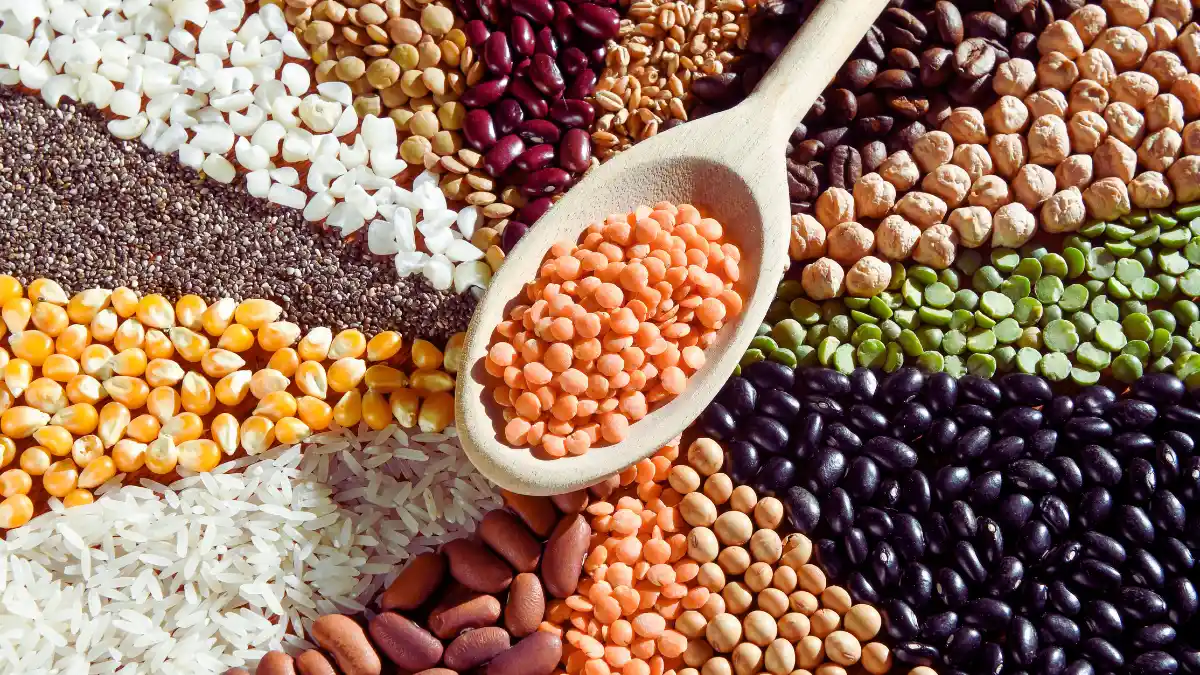
Beans and lentils contain natural compounds called phytates that lock up magnesium. These substances bind tightly to minerals in your digestive tract, preventing absorption into your bloodstream.
Eating unsoaked or improperly prepared legumes regularly can contribute to magnesium depletion despite their otherwise healthy profile.
A 2017 study in the Journal of Food Science and Technology confirmed that phytic acid significantly reduces how much magnesium your body can use from food.
The researchers found that soaking legumes before cooking reduced phytate content by up to 47%, dramatically improving mineral bioavailability. This simple preparation step makes a big difference in how these foods affect your magnesium status.
Soaking beans and lentils for 8-12 hours before cooking breaks down these problematic compounds. Simply place them in a bowl of water overnight, drain, rinse, and then cook as usual.
Sprouting works even better, reducing phytates while increasing nutrient content. This small effort transforms legumes from potential magnesium depleters into excellent sources of this vital mineral.
8. Spinach (Raw)

Raw spinach contains high amounts of oxalates that trap magnesium in your digestive system. These natural compounds bind to minerals, preventing their absorption and essentially making the magnesium unavailable to your body.
The leafy green paradoxically contains abundant magnesium but in a form, your body struggles to access. Most people don’t realize that cooking spinach breaks down these oxalates, improving magnesium availability.
Steaming or sautéing your spinach for just a few minutes can make a significant difference in how much magnesium you absorb. The oxalate content remains problematic even in smoothies where the spinach is blended but not cooked.
Consider low-oxalate greens like kale, bok choy, or romaine lettuce as alternatives when eating salads. These options provide similar nutrients without blocking magnesium absorption.
If you love spinach, enjoy it cooked rather than raw to maximize its benefits. After age 35, being selective about how you prepare foods becomes increasingly important for maintaining optimal magnesium levels.
9. Refined Grains (White Bread, Pasta)

White flour products lack magnesium because the mineral-rich portions get removed during processing. The bran and germ, which contain most of the grain’s magnesium, are stripped away to create the white flour used in most bread, pasta, and baked goods.
What remains is primarily starch with very little nutritional value. Consuming these refined carbohydrates causes blood sugar spikes that increase magnesium excretion through urine.
Your body needs magnesium to process carbohydrates, so eating refined grains uses up some of your stored magnesium.
This creates a double problem—less magnesium coming in and more going out with each serving of white bread or pasta.
Switch to whole grains like quinoa, brown rice, or whole wheat options that retain their natural magnesium content. These alternatives provide steady energy without depleting your mineral stores.
A simple change from white to whole-grain products can significantly improve your magnesium status over time. Your body will absorb more magnesium from food while losing less through metabolic processes.
10. High-Sodium Snacks (Chips, Pretzels)

Salty snacks force your kidneys to excrete more magnesium. The high sodium content in chips, pretzels, and similar foods disrupts your kidney function, increasing the amount of magnesium lost through urine.
Just one serving of these snacks can trigger increased magnesium excretion that lasts for hours. Many people snack throughout the day without realizing the cumulative effect on their magnesium levels.
The convenience and satisfying crunch make these foods particularly habit-forming. Labels often disguise sodium content, making it difficult to track your actual intake.
Processed snacks frequently contain other additives that further contribute to magnesium depletion. Unsalted nuts or roasted seaweed make excellent alternatives that satisfy cravings without depleting magnesium.
Nuts provide substantial amounts of this vital mineral while offering the same satisfying crunch. Homemade popcorn with minimal salt and healthy oil gives you the snacking experience without the magnesium-draining effects.
11. Soy Products (Unfermented)

Tofu, soy milk, and edamame contain phytic acid that blocks magnesium absorption in your digestive tract. This natural compound binds to minerals, creating complexes your body cannot use.
Regular consumption of unfermented soy foods can contribute to magnesium depletion over time despite their protein content.
A 2004 study in the Journal of Agricultural and Food Chemistry found that soy phytates significantly reduce mineral absorption in the gut.
The researchers discovered that these compounds can bind up to 80% of available magnesium in a meal, making it unavailable for your body’s needs.
This effect becomes more problematic after middle age when natural magnesium absorption decreases. Fermented soy products like tempeh, natto, and miso offer better alternatives.
The fermentation process breaks down phytic acid, improving magnesium bioavailability. These traditional foods provide protein without interfering with mineral status.
Making this simple switch can help maintain healthy magnesium levels while still enjoying the benefits of soy in your diet.
12. Dairy (High-Calcium Foods)

Milk, cheese, and yogurt can interfere with magnesium absorption through calcium competition. Both minerals use the same absorption pathways in your intestines, and calcium often wins this contest when consumed in large amounts.
A glass of milk with every meal might be gradually lowering your magnesium levels without you noticing. The calcium-to-magnesium ratio matters for the proper absorption of both nutrients.
Modern diets often contain excessive calcium compared to magnesium, creating an imbalance that affects multiple body systems.
Many people consume dairy products throughout the day while eating few magnesium-rich foods, worsening this ratio over time.
Balance your intake by pairing dairy with magnesium-rich foods or choosing alternatives. Seeds like pumpkin or chia provide substantial magnesium without competing calcium.
Leafy greens offer both minerals in healthier proportions. Small adjustments to your daily food combinations can significantly improve your magnesium status.
13. Fried Foods

French fries, fried chicken, and similar foods contain trans fats that disrupt magnesium absorption. These harmful fats alter cell membrane function throughout your digestive tract, making it harder for magnesium to enter your bloodstream.
Each serving of fried food creates a temporary barrier to proper nutrient absorption. The oils used in frying often become oxidized when heated to high temperatures.
These damaged fats trigger inflammatory responses in your body that further interfere with magnesium utilization.
Your cells need magnesium to manage this inflammation, creating a cycle where fried foods both increase magnesium needs and block its absorption.
Baked or air-fried alternatives provide similar flavors without depleting magnesium. Roasting vegetables with a small amount of olive oil gives you satisfying crispness while preserving nutrient absorption.
Fresh fish baked with herbs offers omega-3 fats that support magnesium status rather than diminishing it. These cooking methods become increasingly valuable when maintaining adequate magnesium requires more attention to food preparation.
14. Artificial Sweeteners (Aspartame, Sucralose)

Diet sodas and “sugar-free” products contain sweeteners that can disrupt gut bacteria essential for magnesium absorption.
These synthetic compounds alter your intestinal environment, potentially reducing the surface area available for mineral uptake. What seems like a healthier choice might be depleting your magnesium reserves.
An animal study published in Toxicology Letters linked aspartame consumption to increased urinary magnesium excretion.
The researchers found that subjects exposed to aspartame lost significantly more magnesium through urine compared to control groups. This suggests artificial sweeteners might directly affect kidney function related to magnesium conservation.
Natural alternatives like stevia or small amounts of raw honey support better magnesium status. These options don’t appear to interfere with gut bacteria or kidney function in the same way.
Gradual taste adjustment helps most people reduce their need for intense sweetness over time. With increasing age, your kidneys become less efficient at conserving magnesium, making dietary choices that support renal function increasingly important for maintaining healthy mineral levels.
15. High-Protein Diets (Excessive)
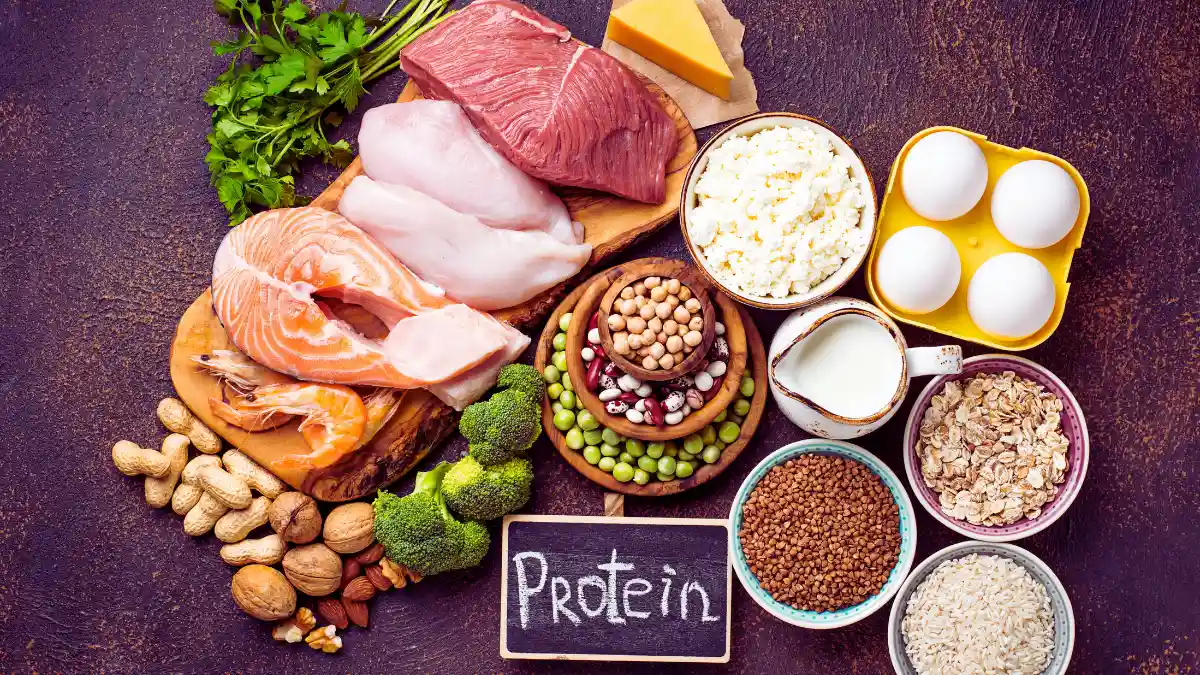
Protein-heavy meal plans can force your kidneys to excrete more magnesium than normal. When protein intake exceeds what your body needs for maintenance and repair, your kidneys must work harder to eliminate the excess nitrogen byproducts.
This increased filtration takes magnesium along with it, gradually depleting your reserves. Many adults following fitness or weight loss programs unknowingly create magnesium deficiencies through excessive protein consumption.
The popular notion that more protein is always better overlooks important mineral balances. Your body needs adequate magnesium to properly use protein for muscle building and repair, creating a complicated relationship between these nutrients.
A balanced approach works better for long-term health. Aim for moderate protein intake (about 1.2–1.6g per kg of body weight) while including plenty of magnesium-rich foods.
Green vegetables, nuts, seeds, and whole grains complement protein sources by providing the minerals needed for proper metabolism.