
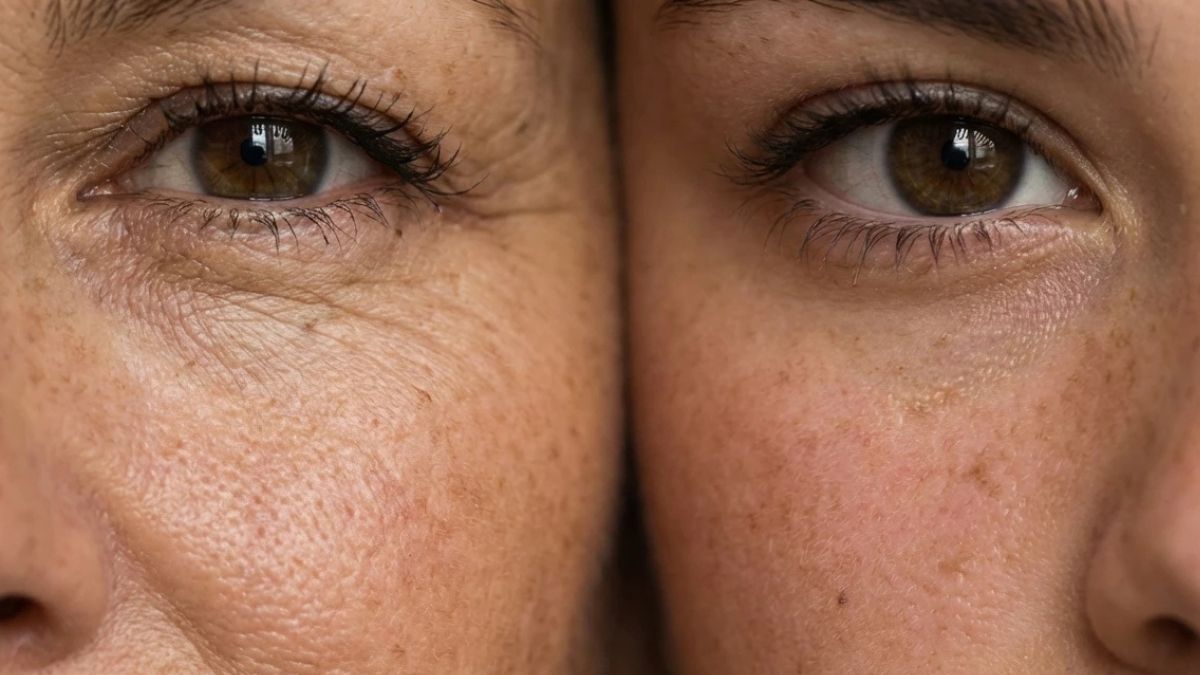
Feeling older than your years? Your nighttime routine might be letting your cells age faster than they should. Most anti-aging strategies focus on daytime habits, completely missing the powerful renewal that happens while you sleep.
Science shows that specific evening practices can reverse cellular aging, your body’s clock can turn backward, not just slow down.
From temperature tweaks to timing your last bite, these 12 simple rituals transform sleep from just rest into active rejuvenation. Your cells are ready to repair tonight. Are you ready to give them what they need?
1. Maintain a Consistent Sleep Schedule

Going to bed and waking up at the same times every day syncs your body with natural circadian rhythms. Your body operates on internal clocks that regulate countless biological processes, including those involved in cellular repair and regeneration.
When sleep patterns vary widely, these protective mechanisms get disrupted. The protective caps on your DNA called telomeres—closely linked to how quickly your cells age—can become compromised by irregular sleep. Your body expects consistency and responds positively when you provide it.
Try setting alarms not just for waking but for bedtime too. Start with small adjustments if your current schedule is erratic.
Even on weekends, staying within 30 minutes of your usual times helps maintain this biological harmony. Your cells will receive the steady, predictable environment they need to perform repairs efficiently.
2. Sleep in a Cool Room (60–67°F)

Lower temperatures at night do more than just make sleeping comfortable—they actively support your body’s anti-aging processes.
Your core temperature naturally drops as part of the sleep cycle, and a cooler room helps facilitate this important shift.
Cool sleeping environments boost your body’s production of brown fat, a metabolically active tissue that improves how efficiently your mitochondria work.
These tiny cellular powerhouses generate energy, and their health directly impacts aging. When mitochondria function well, cells remain younger and longer.
Consider using breathable bedding materials like cotton or bamboo. Fans or air conditioning help maintain optimal temperatures, but even opening windows during cooler months can work well.
Some people find cooling mattress toppers or pillows helpful for maintaining the right temperature throughout the night.
3. Avoid Blue Light Exposure

Electronic screens emit blue wavelength light that tricks your brain into thinking it’s still daytime. This artificial signal interrupts your natural production of melatonin, which does much more than just make you sleepy.
Melatonin acts as a powerful antioxidant that protects DNA while you sleep. When blue light suppresses it, your cells lose valuable repair time.
The harm accumulates night after night, accelerating how quickly your cells show signs of aging. Put phones away at least an hour before bed.
If you must use devices, try apps or glasses that filter blue light. Many phones now have built-in night modes that shift colors toward warmer tones.
Making your bedroom screen-free creates a sanctuary where your cellular repair mechanisms can work unhindered.
4. Take Magnesium or Melatonin Supplements
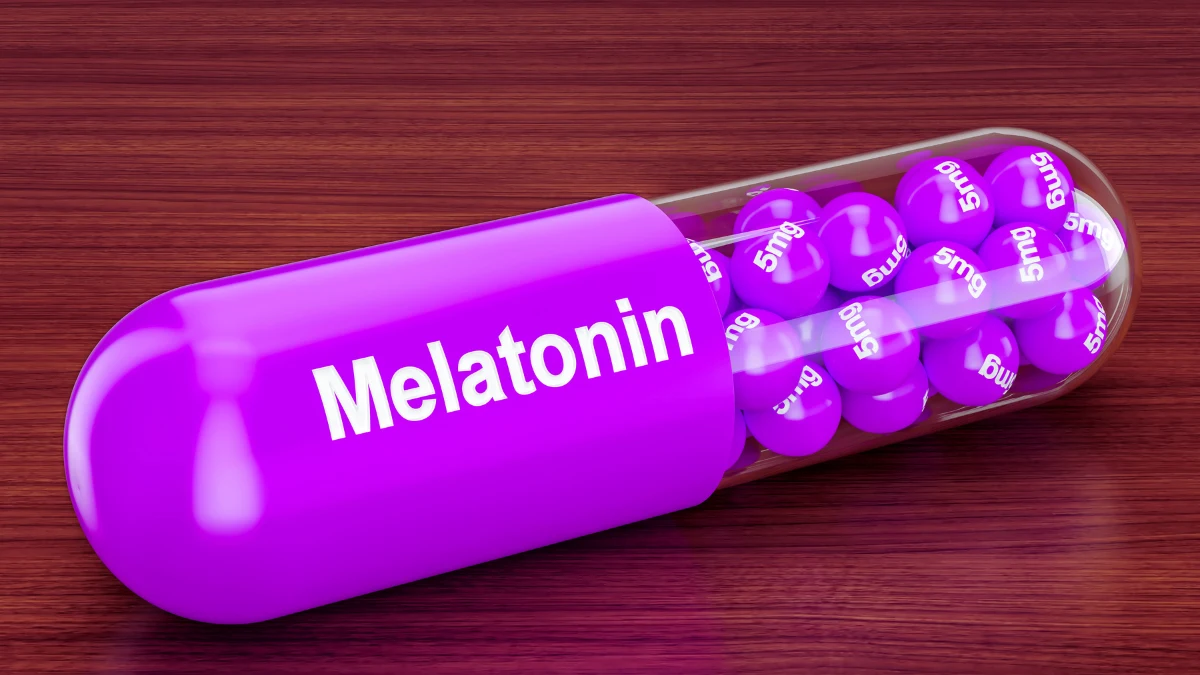
Magnesium plays a crucial role in hundreds of biochemical reactions, including those that repair DNA damage. Many people don’t get enough from diet alone.
This mineral helps activate enzymes that fix broken DNA strands—a common form of cellular damage that accumulates with age.
Melatonin supplements can boost your body’s natural levels of this hormone beyond what it produces naturally.
Beyond promoting sleep, melatonin works as an antioxidant throughout your body, neutralizing harmful free radicals that damage cells. These oxidizing molecules are major contributors to aging at the cellular level.
Start with low doses if you’re new to these supplements. Magnesium comes in various forms—glycinate and threonate are often better absorbed and cause less digestive discomfort than other types.
Melatonin is best taken 30-60 minutes before bedtime, but always consult a healthcare provider before adding new supplements to your routine.
5. Practice Mindfulness or Meditation

Stress accelerates aging through multiple biological pathways. Chronic stress raises cortisol levels, which directly shortens telomeres—those protective caps on your DNA that function as a cellular aging clock.
Mindfulness practices create a buffer against this damaging process. Regular meditation boosts the activity of telomerase, an enzyme that rebuilds and lengthens telomeres.
This happens because meditation activates the parasympathetic nervous system—your body’s rest-and-repair mode.
Just 10-15 minutes of practice before bed can shift your body’s biochemistry toward cellular renewal rather than breakdown.
Simple breathing exercises work well for beginners. Try counting four counts in, hold for seven, and out for eight.
Body scan meditations guide attention gradually from toes to head, releasing tension along the way. Apps can help establish consistency, though simply sitting quietly and focusing on your breath works too.
6. Use Retinoids or Antioxidant Skincare
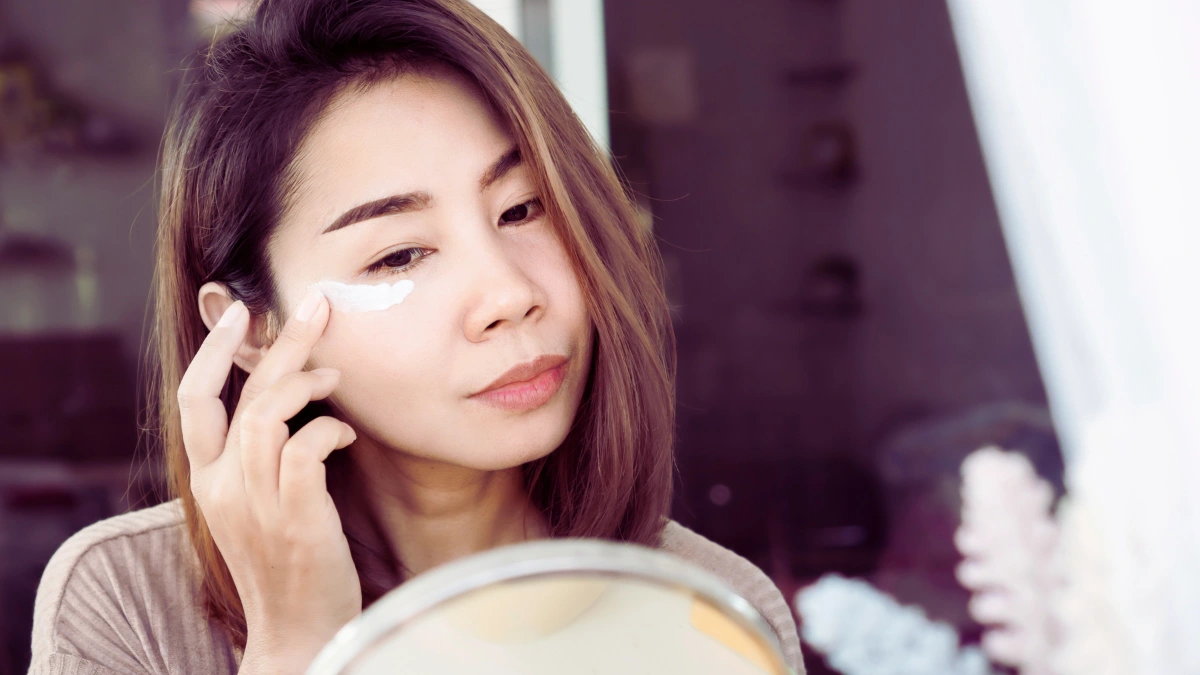
Nighttime is when skin cells repair themselves most actively. Retinoids, derived from vitamin A, penetrate skin cells and boost collagen production while accelerating cell turnover.
This process helps push damaged cells to the surface where they can be sloughed away, revealing fresher cells beneath.
Antioxidants like vitamin C neutralize free radicals caused by UV exposure, pollution, and normal metabolism. Free radical damage accumulates in skin cells throughout the day.
Applying antioxidants at night gives them time to work uninterrupted, countering damage that would otherwise accelerate visible aging.
Begin with lower concentrations of active ingredients to avoid irritation. Apply retinoids to completely dry skin to minimize sensitivity, waiting 20-30 minutes after washing your face.
Pairing them with moisturizers helps reduce potential dryness. Your skin develops tolerance over time, allowing you to gradually increase concentrations for better results.
7. Hydrate with Electrolytes
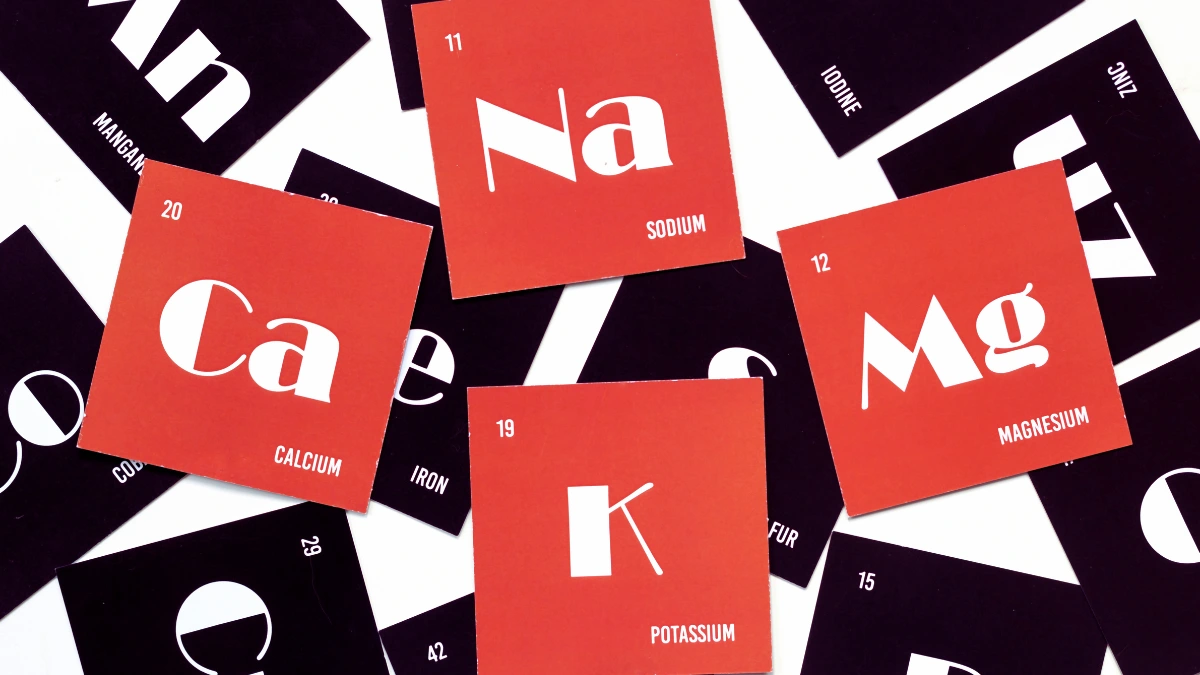
Water alone isn’t enough for optimal cellular function during sleep. Your body continues to use electrolytes—minerals like sodium, potassium, and magnesium—throughout the night for critical processes.
These minerals help maintain proper fluid balance across cell membranes. Cellular detoxification happens primarily during sleep.
Without adequate electrolytes, this process becomes inefficient, allowing waste products to accumulate and damage cells.
Many people wake up dehydrated simply because they’ve lost electrolytes through respiration and sweating overnight.
Try drinking a glass of electrolyte-enhanced water about an hour before bed. This timing helps prevent middle-of-night bathroom trips while ensuring your cells have what they need.
Natural sources work well: a pinch of sea salt, a squeeze of lemon, or a small amount of coconut water added to plain water. Some people benefit from electrolyte supplements specifically formulated for nighttime use.
8. Time-Restricted Eating (12–14-Hour Fast)

Giving your body a break from digestion triggers cellular cleanup processes. When you fast for 12-14 hours overnight, your cells switch from processing food to repairing themselves.
This shift activates autophagy—a mechanism where cells break down and recycle damaged components. Your body’s natural cleaning crew gets to work during these fasting windows.
Old, dysfunctional mitochondria get removed, and new, more efficient ones take their place. Insulin levels drop, allowing cells to focus on repair rather than storage. The benefits extend beyond just the digestive system to nearly every cell in your body.
A 2018 study published in Cell Metabolism found that time-restricted eating improved insulin sensitivity and reduced oxidative stress in adults with prediabetes—even without weight loss.
Researchers observed increased expression of autophagy-related genes, suggesting enhanced cellular cleanup.
Simply finishing dinner by 7 PM and waiting until 7-9 AM for breakfast can establish this pattern without demanding lifestyle changes.
9. Gentle Yoga or Stretching

Nighttime stretching creates multiple anti-aging benefits at the cellular level. Gentle movement stimulates blood flow to tissues that may have been compressed or inactive during the day.
This fresh circulation delivers nutrients and oxygen while removing waste products from cells. Yoga specifically reduces inflammatory markers in the bloodstream.
Chronic inflammation accelerates cellular aging and shortens telomeres. By lowering inflammation, regular stretching helps preserve these protective caps on your DNA.
The parasympathetic nervous system activates during gentle movement, shifting your body from stress mode to repair mode.
Try restorative poses like legs up-the-wall or gentle forward folds for 10-15 minutes before bed. These positions enhance lymphatic drainage—your body’s waste removal system—without raising heart rate or body temperature.
Focus on slow, deep breathing while holding poses to maximize the anti-inflammatory effects. No need for a full yoga session; even a few minutes of intentional stretching signals your body to begin recovery processes.
10. Red or Near-Infrared (NIR) Light Therapy
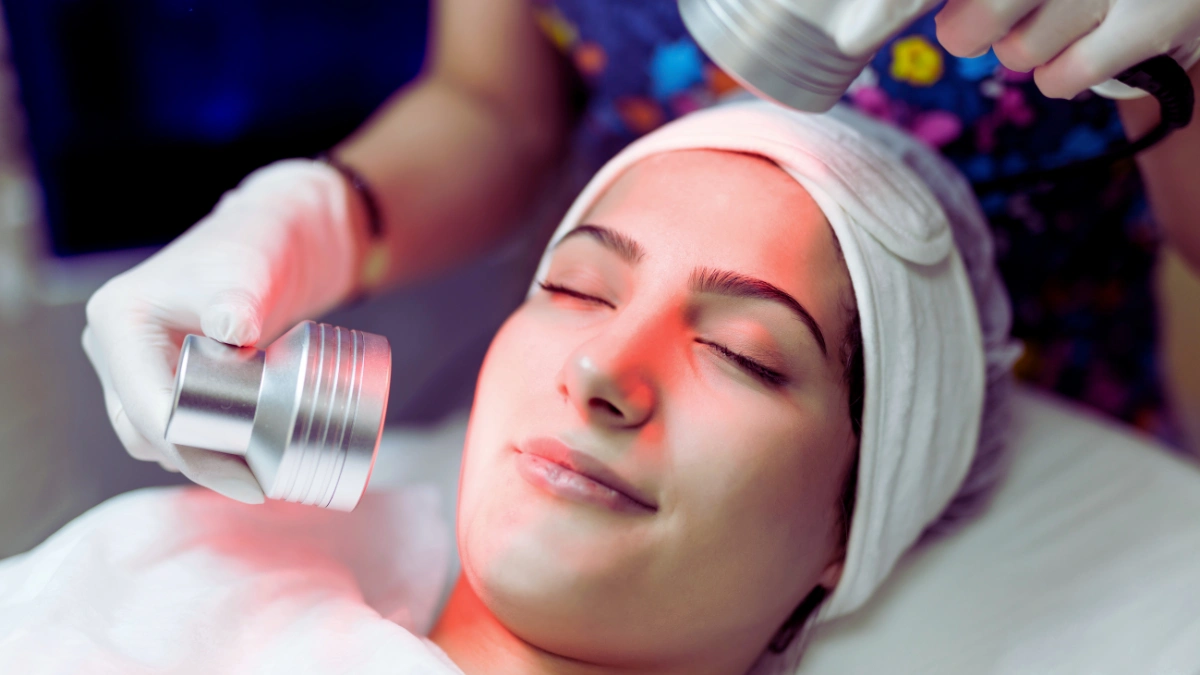
Light in the red and near-infrared spectrum (630-850 nm) penetrates skin cells and interacts directly with mitochondria.
This interaction stimulates ATP production—the energy currency cells need to repair and regenerate. Unlike ultraviolet light, which damages DNA, red wavelengths support cellular repair mechanisms.
The therapy works by activating cytochrome c oxidase, a key enzyme in the cellular energy production chain. When this enzyme absorbs red light, it works more efficiently.
Cells then produce more collagen, reduce inflammation, and clear damaged proteins. These effects combine to slow and potentially reverse visible signs of aging.
A 2013 study in Photomedicine and Laser Surgery demonstrated significant improvements in skin collagen density after 30 sessions of red light therapy.
Participants showed measurable reductions in wrinkles and improved skin texture. Home devices have become more affordable, making this therapy accessible for daily use. Just 5-10 minutes of exposure before bed can trigger these beneficial cellular responses.
11. Avoid Alcohol and Heavy Meals

Alcohol disrupts sleep architecture even if it makes falling asleep easier. The sedative effects wear off quickly, causing middle-of-night awakenings.
During these disruptions, your body misses critical slow-wave sleep phases when cellular repair peaks. Alcohol also depletes vitamins and minerals needed for DNA repair.
Heavy meals before bed force your body to focus on digestion rather than rejuvenation. Blood flow diverts to your digestive system instead of delivering repair resources to other cells.
This shift impairs autophagy—the cellular cleanup process that removes damaged components. Elevated insulin from late eating blocks many anti-aging pathways that would otherwise activate overnight.
Stop eating at least three hours before bedtime. If hunger strikes later, choose small protein-based snacks that won’t spike blood sugar.
Water or herbal tea can satisfy evening cravings without triggering digestive processes. Your cells will thank you with better repair efficiency and less oxidative stress by morning.
12. Aromatherapy with Lavender or Chamomile

Scent molecules travel directly to your brain’s limbic system, bypassing the usual neural pathways. This direct connection explains why lavender and chamomile can quickly shift your body from alert to relaxed states.
The calming effect reduces cortisol—a stress hormone that accelerates cellular aging when chronically elevated.
Lavender specifically increases slow-wave sleep activity. This deep sleep phase is when your body produces growth hormone, which stimulates cellular repair throughout your tissues.
Chamomile contains apigenin, a compound that reduces inflammation linked to premature aging. Both scents work through multiple pathways to create environments where cells can repair efficiently.
Essential oils can be used in diffusers placed near your bed or applied diluted to pulse points. Pillow sprays offer another simple application method.
Start with just a few drops, as concentration matters more than quantity. These natural compounds complement other sleep rituals without the side effects of synthetic sleep aids. The subtle scents signal your body that it’s time to begin cellular restoration processes.