

1. Oily Fish (Salmon, Mackerel, Sardines)
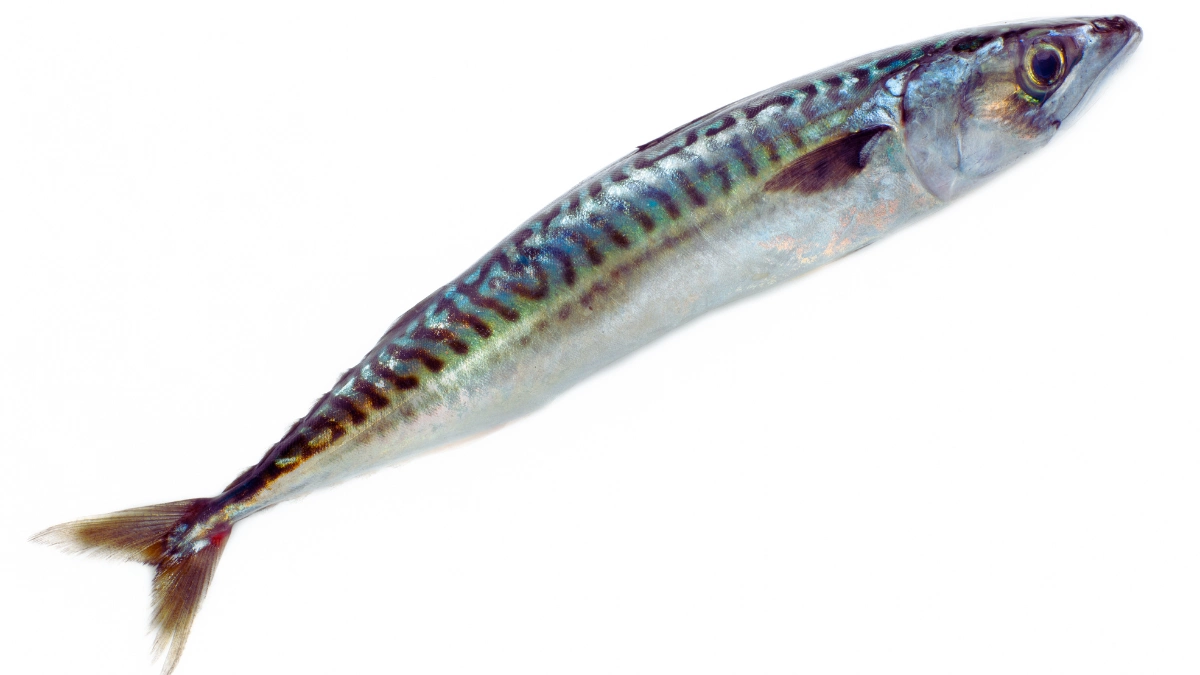
Fish like salmon, mackerel, and sardines contain essential omega-3 fatty acids that work hard to protect your heart.
These fats reduce inflammation throughout your body and help lower triglyceride levels in your blood. Eating fish 2-3 times weekly can significantly cut your risk of heart problems.
The oils found in these fish make your blood less likely to form clots and help maintain healthy heart rhythms.
They also improve the flexibility of your blood vessels, allowing better circulation. Your heart benefits most when you bake or grill fish rather than frying it.
Try adding salmon to your weekly meal plan, tossing sardines into a salad, or enjoying mackerel with lemon and herbs. Small changes to your diet that include these fish can make a big difference to your heart health.
2. Leafy Greens (Spinach, Kale, Swiss Chard)
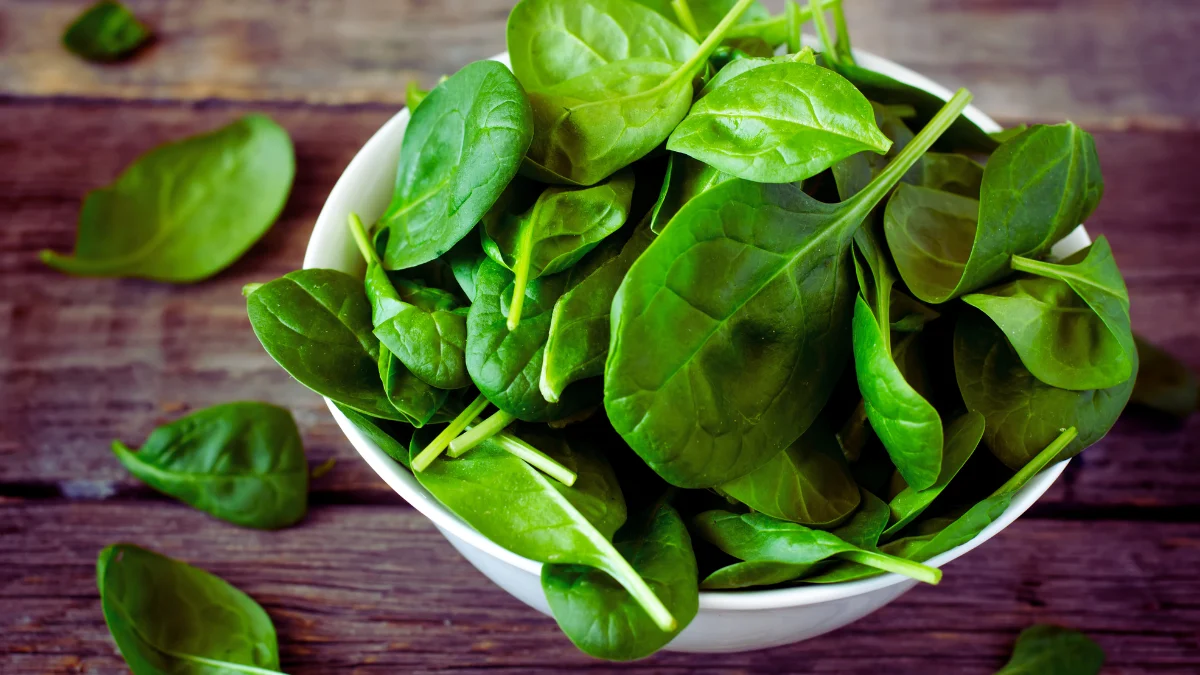
Greens like spinach, kale, and Swiss chard pack a powerful punch against heart disease. The natural nitrates in these foods help your blood vessels relax and reduce blood pressure, both key to preventing heart attacks.
These vegetables provide folate, a B vitamin that reduces levels of homocysteine, an amino acid linked to blood vessel damage when present in high amounts.
A simple spinach salad or smoothie with kale can deliver these benefits directly to your system. Swiss chard sautéed with garlic makes an easy side dish full of heart-protective nutrients.
Adding leafy greens to your daily meals requires little effort but offers substantial rewards. Their wide range of vitamins and minerals support overall heart function while their fiber content helps control cholesterol levels. Consider them essential tools in your heart health toolkit.
3. Berries (Blueberries, Strawberries)
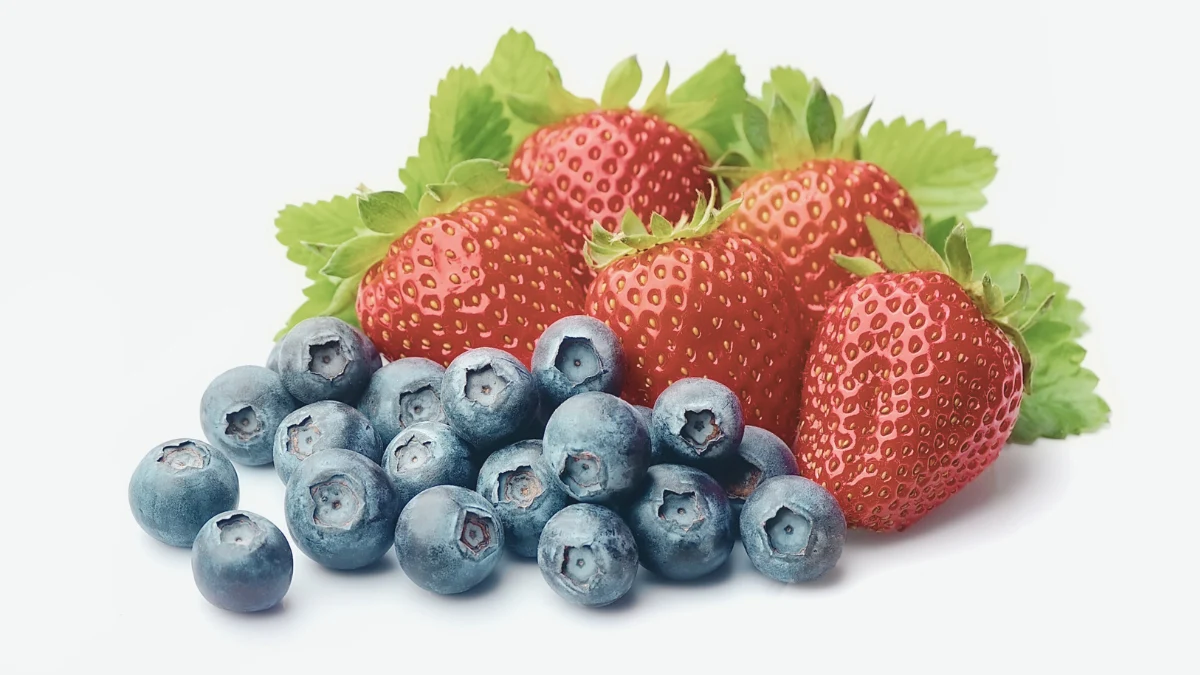
Berries stand out as heart heroes because of their potent antioxidant content. Blueberries and strawberries contain special compounds called anthocyanins that fight oxidative stress and inflammation – two major factors in heart disease development.
Women who eat berries regularly show a much lower risk of heart attacks compared to those who rarely consume them.
These fruits work by protecting the walls of your blood vessels from damage and helping them function better. Their fiber content also aids in managing cholesterol levels and blood sugar.
Fresh or frozen, berries make an easy addition to your heart-healthy diet. Sprinkle them on oatmeal, blend them into smoothies, or simply enjoy them as a sweet snack.
Their natural sweetness satisfies cravings while their heart benefits accumulate over time with consistent consumption.
4. Whole Grains (Oats, Quinoa, Brown Rice)
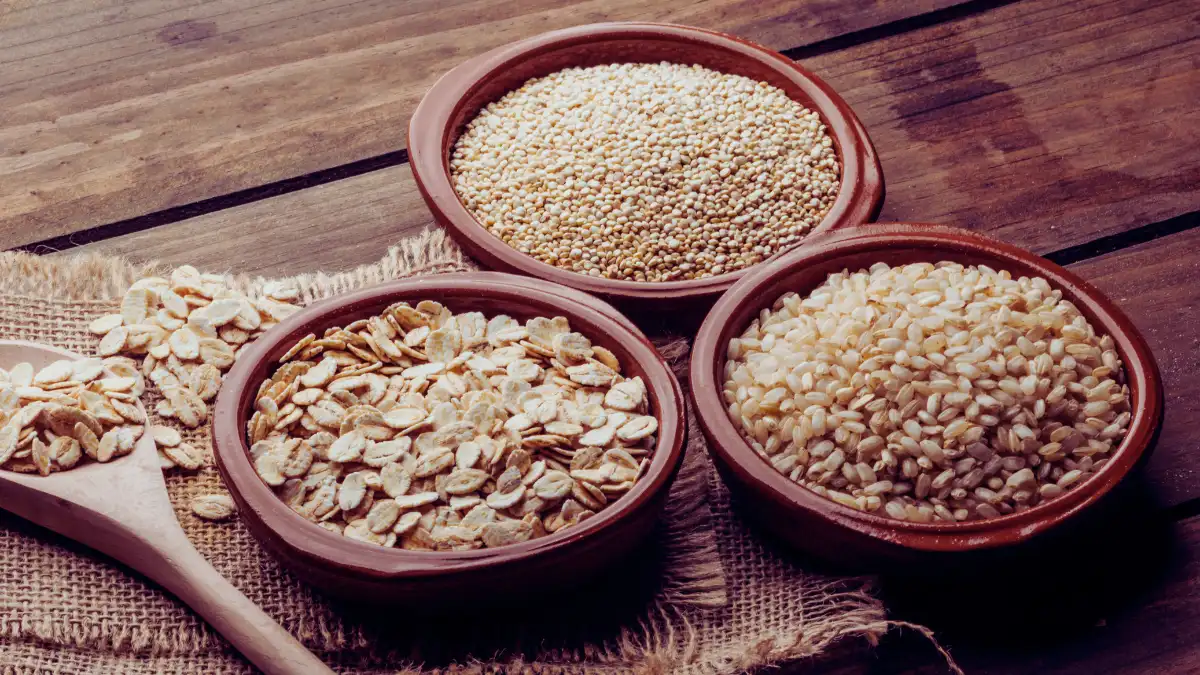
Oats, quinoa, and brown rice contain the complete grain kernel, providing fiber, nutrients, and plant compounds that processed grains lack. This intact structure helps your body manage cholesterol and blood sugar more effectively.
The fiber in whole grains attaches to cholesterol particles, moving them out of your body before they can clog arteries. Eating three servings daily creates a noticeable impact on your heart health risks.
Brown rice paired with beans or quinoa topped with vegetables offers complete nutrition while protecting your cardiovascular system.
Your heart benefits from the steady energy release these foods provide. They prevent blood sugar spikes that can stress your system over time.
The bran and germ layers in unprocessed grains contain compounds that reduce inflammation and oxidative damage to your blood vessels, creating multiple layers of protection against heart disease.
5. Nuts (Walnuts, Almonds, Pistachios)
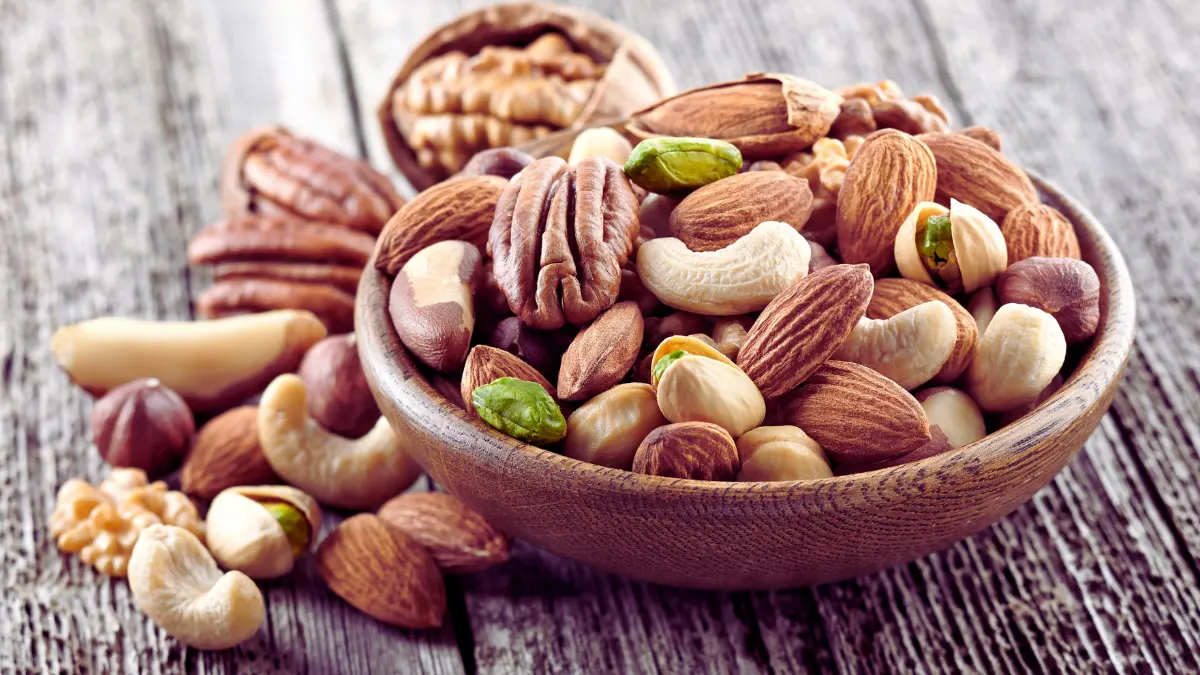
Nuts deliver heart protection through their unique mix of healthy fats, fiber, plant sterols, and minerals. Walnuts contain omega-3 fatty acids similar to those in fish, while almonds and pistachios provide monounsaturated fats that improve cholesterol profiles.
Just a handful of nuts several times weekly can measurably reduce your heart attack risk. They help by lowering LDL (bad) cholesterol, decreasing inflammation, and improving the function of your blood vessel linings.
Nuts also contain arginine, an amino acid that helps produce nitric oxide, which relaxes blood vessels. Snacking on raw or dry-roasted nuts gives you these benefits without added salt or oils.
Add them to salads, oatmeal, or yogurt for extra crunch and heart protection. Their satisfying texture and flavor make them an easy addition to your diet that pays big dividends for your heart health over time.
6. Legumes (Lentils, Chickpeas, Black Beans)

Beans and lentils work as heart protectors through their unique combination of soluble fiber and plant protein.
This pairing helps lower LDL cholesterol and stabilize blood sugar levels, reducing strain on your cardiovascular system.
The fiber in legumes acts like a sponge, absorbing cholesterol before it enters your bloodstream. Their low glycemic index prevents the blood sugar spikes that can damage blood vessels over time.
Black beans in your tacos, chickpeas in your salad, or lentil soup for lunch all contribute to this protection. Your heart benefits from the minerals in legumes too.
They contain potassium, which helps control blood pressure, and magnesium, which supports proper heart rhythm.
Adding just half a cup daily to your meals can create meaningful improvements in your heart health markers and reduce your overall risk of heart disease.
7. Extra Virgin Olive Oil
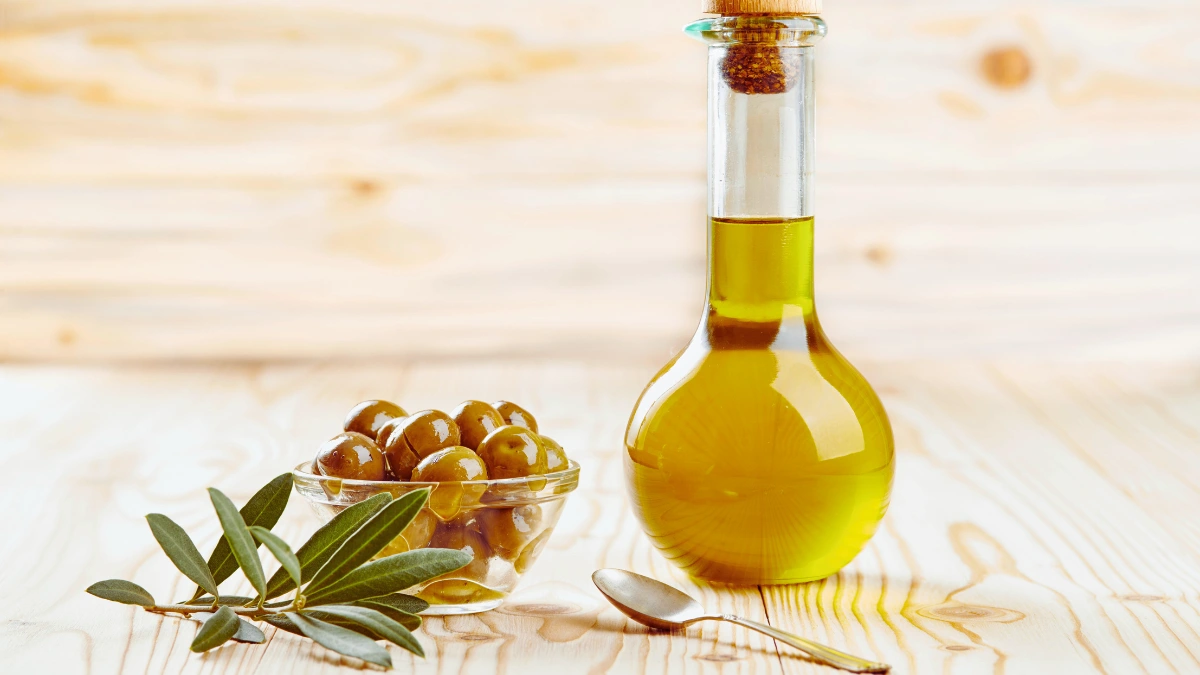
This golden liquid forms the backbone of the Mediterranean diet, widely recognized for its heart-protective benefits.
Extra virgin olive oil contains monounsaturated fats that help lower harmful LDL cholesterol while maintaining healthy HDL levels.
What makes this oil special are its polyphenols, powerful compounds that fight inflammation and prevent oxidation of LDL cholesterol—a key step in artery clogging.
Using it as your main cooking fat or drizzling it over vegetables maximizes these benefits. The antioxidants in olive oil also help protect your blood vessels from damage caused by free radicals.
Your heart gains protection when you replace less healthy fats with olive oil. It helps improve the function of your blood vessel linings, making them more responsive and less likely to develop dangerous clots.
Regular consumption supports healthy blood pressure levels and reduces overall cardiovascular risk factors, creating a shield against heart attacks.
8. Avocados

This creamy fruit offers unique heart benefits through its combination of monounsaturated fats and potassium.
Avocados help lower blood pressure and improve cholesterol profiles while providing fiber that supports overall heart health.
A 2022 study found that eating 2 servings of avocados weekly reduced coronary artery disease risk by 21%.
The healthy fats in avocados help your body absorb other nutrients and keep you feeling full longer, supporting weight management—another factor in heart disease prevention. Their potassium content helps balance sodium levels, controlling blood pressure naturally.
Your morning toast, lunchtime salad, or dinner bowl all become heart-protective meals with the addition of avocado. Beyond their fats and potassium, avocados contain lutein, an antioxidant that protects against atherosclerosis.
Their smooth texture and mild flavor make them versatile additions to almost any meal, allowing you to boost heart health without sacrificing taste.
9. Garlic

This pungent bulb contains allicin, a sulfur compound with powerful heart-protective properties. Crushing or chopping garlic activates this compound, which then works to lower total and LDL cholesterol levels in your bloodstream.
Garlic helps prevent blood platelets from sticking together too easily, reducing the risk of dangerous clots that can trigger heart attacks.
Daily consumption, whether raw in salad dressings or cooked in meals, gradually improves several markers of heart health. The compounds in garlic also support healthy blood pressure by relaxing blood vessels.
Your arterial walls benefit from garlic’s ability to slow plaque formation and reduce inflammation. Fresh garlic provides the strongest benefits, but aged garlic supplements have also shown effectiveness.
Adding this flavorful ingredient to your cooking routine delivers both culinary pleasure and cardiovascular protection, making it an easy addition to your heart health strategy.
10. Tomatoes
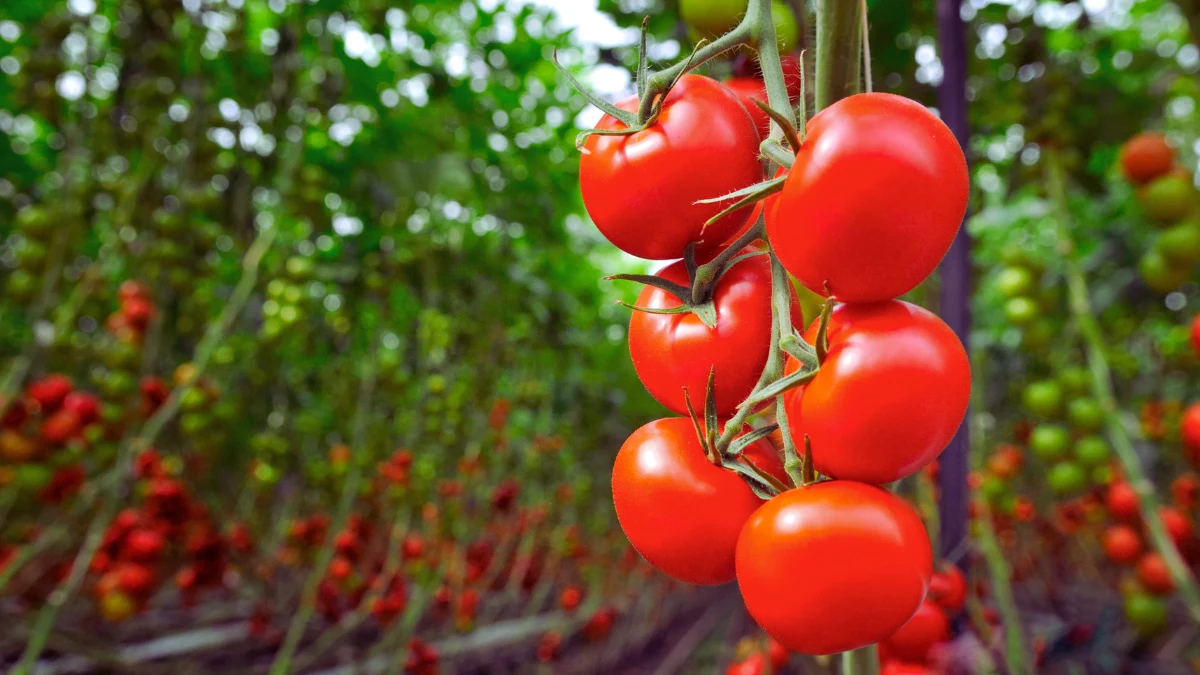
These vibrant red fruits fight heart disease effectively with their rich lycopene content. This carotenoid gives tomatoes their vibrant color and works as a potent antioxidant in your body, fighting inflammation in arterial walls.
Cooked tomatoes provide more accessible lycopene than raw ones, making pasta sauce, soup, or roasted tomatoes particularly beneficial.
The heating process breaks down cell walls, releasing more of this protective compound. Your body absorbs lycopene best when consumed with some healthy fat, so pairing tomatoes with olive oil creates a synergistic heart-healthy effect.
Your blood vessels gain protection as lycopene prevents oxidation of LDL cholesterol, a critical step in plaque development.
Tomatoes also provide potassium, which helps regulate blood pressure, and vitamin C, which supports blood vessel integrity. Regular consumption creates multiple layers of protection against the processes that lead to heart attacks.
11. Dark Chocolate (70%+ Cocoa)

This delicious treat contains flavonoids called flavanols that benefit your heart in several ways. Chocolate with 70% or higher cocoa content provides these compounds without excessive sugar, making it a smart choice for heart health.
The flavanols in dark chocolate help your arteries remain flexible and responsive, improving blood flow throughout your body.
They stimulate nitric oxide production, which signals your blood vessels to relax and widen. Small daily portions can contribute to lower blood pressure and improved cholesterol profiles over time, without medication side effects.
Your heart rhythm and blood clotting factors also improve with moderate dark chocolate consumption. The key lies in portion control—about one ounce daily provides benefits without excess calories.
Look for minimally processed chocolate with few ingredients to maximize the heart-protective compounds and enjoy it slowly, allowing both your taste buds and your cardiovascular system to benefit from this satisfying food.
12. Green Tea

This ancient beverage contains catechins that actively protect your heart and blood vessels. These plant compounds reduce inflammation, improve cholesterol levels, and help maintain healthy blood pressure—three critical factors in heart attack prevention.
A study highlighted in the European Heart Journal found that tea flavonoids reduce arterial plaque and improve blood vessel dilation, lowering stroke risk by 20%.
Green tea works partly by preventing the oxidation of LDL cholesterol, which keeps it from building up in artery walls. Regular consumption throughout the day maintains a steady level of these protective compounds in your bloodstream.
Your overall heart disease risk drops with consistent green tea drinking habits. The polyphenols in green tea also help regulate blood sugar levels, providing additional protection against metabolic problems that contribute to heart disease.
Enjoying several cups daily, either hot or cold, offers cumulative benefits that help shield your cardiovascular system from damage over time.