

1. Avocado
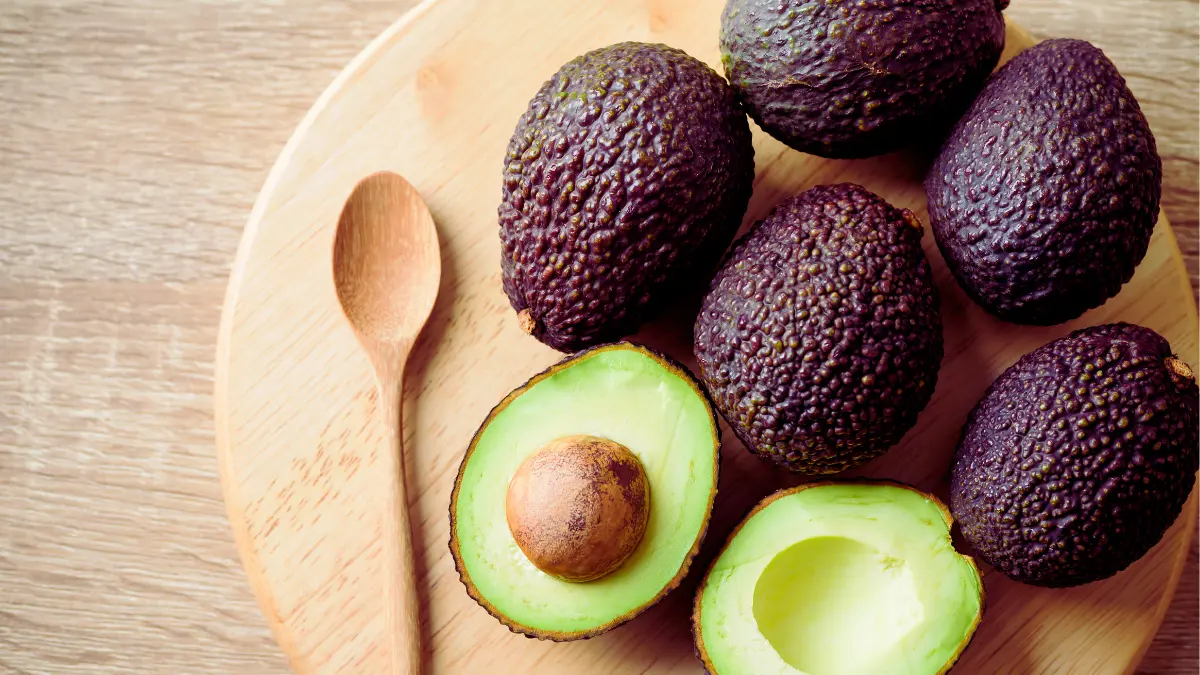
Avocados, with their rich potassium content, work wonders against bloating. This mineral actively counters sodium’s water-retaining effects in the body, helping to reduce puffiness and that uncomfortable full feeling.
The high fiber content in avocados supports digestive health by moving food through your system at an optimal pace.
When digestion flows smoothly, gas has less chance to build up and cause distension. Your gut bacteria also thrive on this fiber, creating a balanced microbiome that produces less gas.
Adding avocado to your meals can be as simple as spreading it on toast or tossing chunks into a salad. Many people notice improvements in bloating within days of regular consumption.
Just remember that portion control matters—half an avocado daily provides benefits without excess calories.
2. Cucumber

Cucumbers consist of about 95% water, making them natural diuretics that help flush excess fluids from your system.
This water content helps thin out sodium concentrations in your body, reducing water retention and that puffy feeling around your abdomen.
The quercetin in cucumbers acts as an anti-inflammatory agent that can calm digestive irritation. Your gut lining benefits from this compound, especially if you deal with IBS or sensitive stomach issues.
Cucumbers also contain silica, which supports connective tissue health throughout your digestive tract. You can enjoy cucumbers sliced in salads, blended into smoothies, or simply eaten as a crisp snack.
Their mild flavor makes them versatile for many dishes. Try adding cucumber to water with mint for a refreshing drink that combats bloating all day long.
3. Yogurt

Yogurt contains active cultures like Lactobacillus that restore balance to your gut microbiome. These beneficial bacteria help break down foods that might otherwise ferment in your intestines and cause gas and bloating.
The protein in yogurt supports digestive health by keeping you full without causing the gas that some other protein sources might create.
Your gut also processes the partially broken-down lactose in yogurt more easily than milk, especially in varieties that have been fermented longer.
Plain yogurt works best for fighting bloat since sweetened kinds can contain added ingredients that might cause digestive issues.
Greek yogurt offers extra protein benefits. Try having a small bowl of yogurt before meals or as a snack when bloating typically strikes—many people find this habit helps maintain comfort throughout the day.
4. Berries

Berries pack a powerful punch against bloating with their high polyphenol content. These compounds reduce inflammation throughout your digestive tract, calming irritation that can lead to gas production and discomfort.
The fiber in berries comes in a form that your body processes gently, avoiding the sudden fermentation that causes gas with other fiber sources.
Your gut bacteria feed on this fiber, producing short-chain fatty acids that improve intestinal health. Strawberries, blueberries, and blackberries all provide these benefits with slightly different nutrient profiles.
Morning smoothies offer an easy way to incorporate berries into your diet. You can also top yogurt with a handful of mixed berries for a double anti-bloating effect.
Fresh berries work best, but frozen options retain most benefits and allow year-round access to these bloat-fighting fruits.
5. Celery
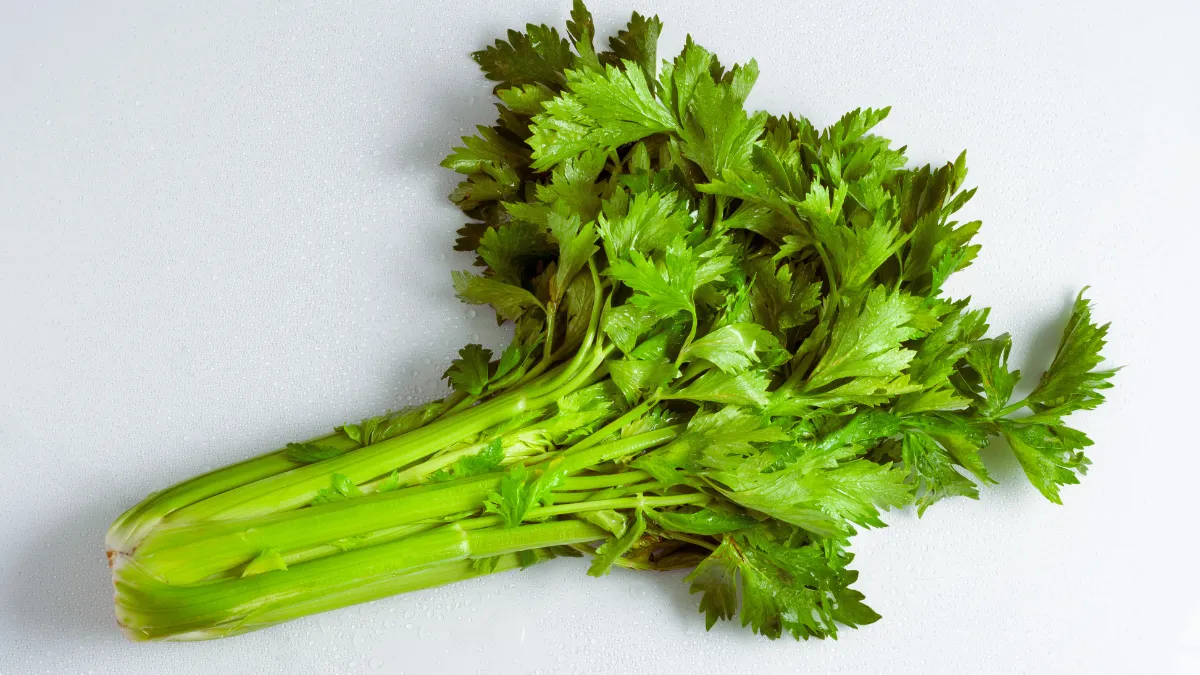
Celery acts as a natural diuretic in your body, helping eliminate excess fluid that contributes to bloating. The unique combination of minerals in celery helps balance electrolytes, which play a crucial role in proper fluid distribution throughout your tissues.
The mannitol in celery works as a gentle laxative, easing constipation that often leads to bloating. Your digestive system benefits from celery’s fiber content as well, which moves things along without causing excessive gas.
Celery also contains luteolin, an antioxidant that can reduce inflammation in your digestive tract. Raw celery sticks make a convenient snack that actively fights bloating as you eat.
You can also add chopped celery to soups and stews for similar benefits. Some people enjoy celery juice first thing in the morning, which many report helps maintain a flatter stomach throughout the day.
6. Ginger
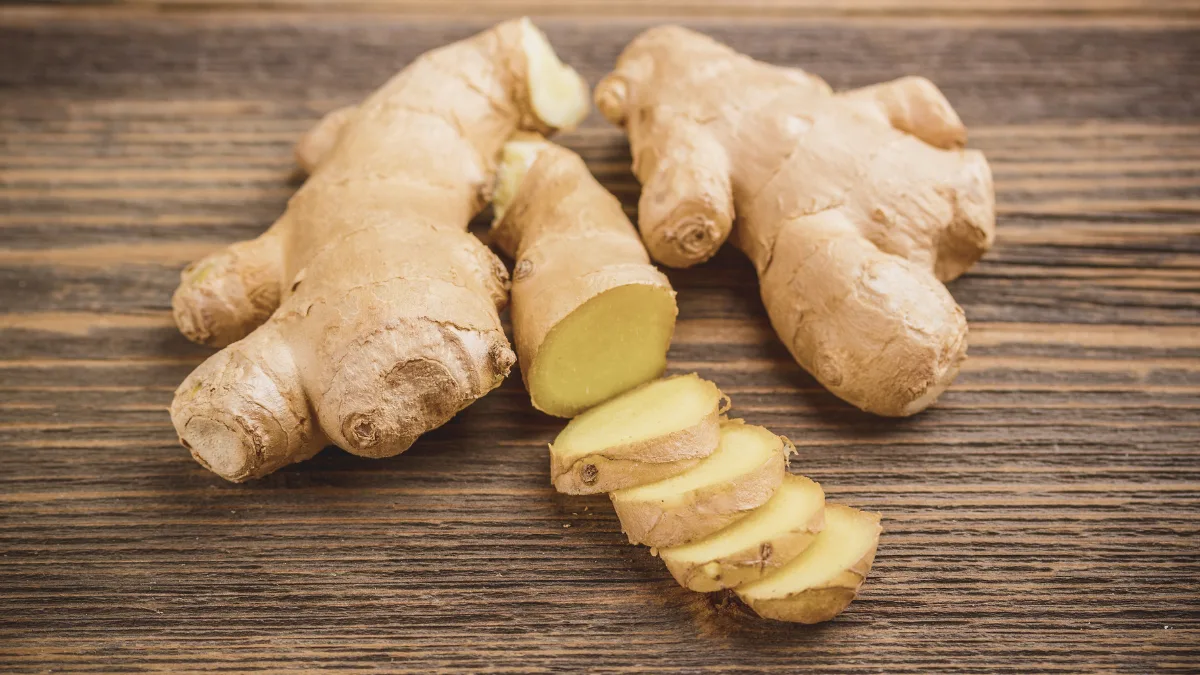
Ginger contains a powerful enzyme called zingibain that helps break down proteins in your food. This improves overall digestion and reduces the unprocessed food that can ferment and cause gas in your intestines.
The compounds in ginger relax your intestinal muscles, allowing trapped gas to move through your system more easily.
Your stomach emptying time improves with ginger consumption, meaning food spends less time sitting in your stomach where it can cause that uncomfortable full feeling.
Fresh ginger provides the most potent effects, though dried versions still offer benefits. Ginger tea is a simple remedy for immediate bloating relief.
You can also grate fresh ginger into stir-fries, smoothies, or salad dressings. Some people chew small pieces of raw ginger before meals to stimulate digestive enzymes. Just a small amount daily can make a noticeable difference in reducing bloating episodes.
7. Bananas
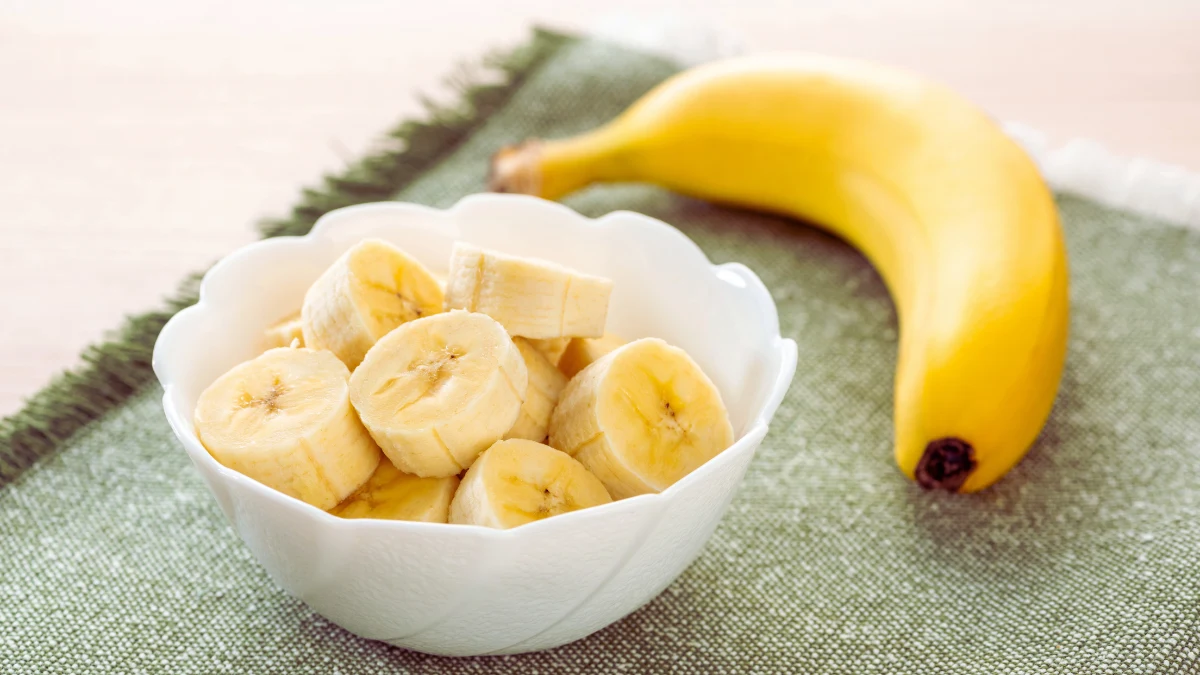
A single medium banana delivers about 9% of your daily potassium needs, making it an excellent choice for fighting sodium-induced bloating.
Potassium works actively in your body to balance sodium levels and regulate fluid balance, which helps reduce water retention around your abdomen.
The fiber content in bananas supports healthy digestion by promoting regular bowel movements that prevent the buildup of waste in your intestines.
Your gut bacteria also enjoy banana fiber, fermenting it into beneficial compounds that support intestinal health. Slightly underripe bananas contain resistant starch, which feeds good bacteria without causing excessive gas.
Many people find eating a banana between meals helps maintain stable blood sugar and prevents overeating which can lead to bloating.
You can add sliced bananas to oatmeal, blend them into smoothies, or simply enjoy them whole as a convenient on-the-go snack. Their natural sweetness makes them satisfying without added sugars that might upset your stomach.
8. Asparagus
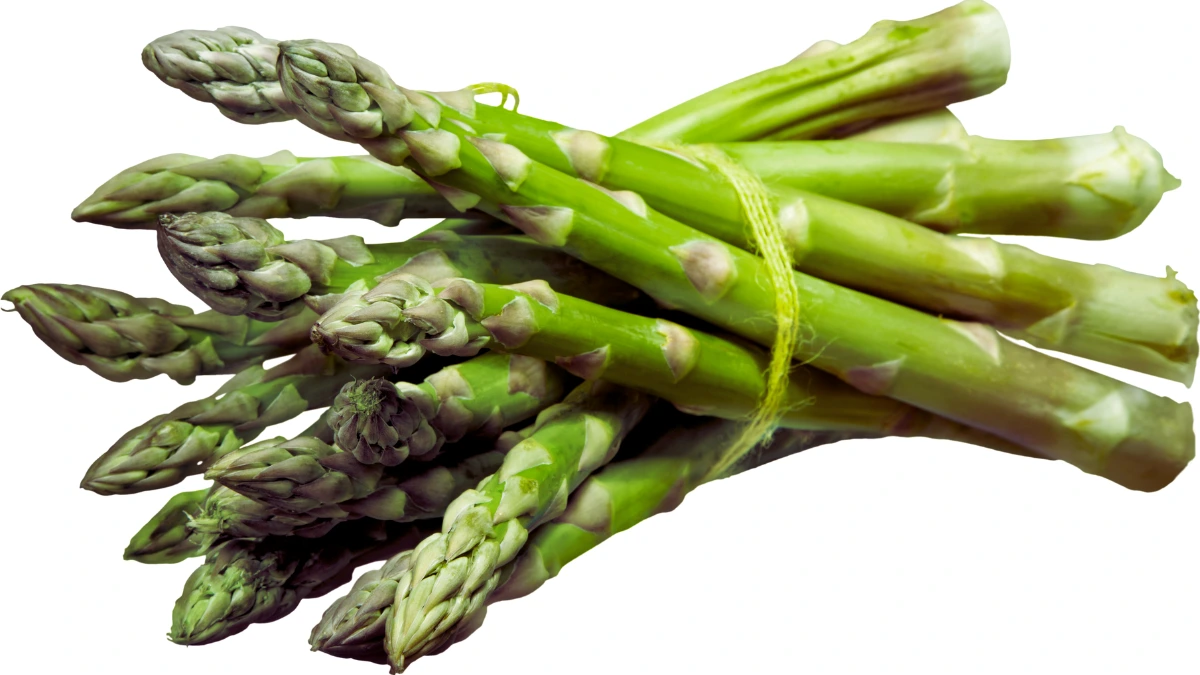
These green stalks serve as one of nature’s most effective anti-bloating foods thanks to their prebiotic fiber content.
Inulin, the specific type of fiber found in asparagus, selectively feeds beneficial gut bacteria while starving harmful microbes that produce excess gas.
A significant 2019 study published in the Journal of Gastroenterology found that regular consumption of inulin improved gut microbiota balance and reduced bloating symptoms in 87% of IBS patients over 8 weeks.
Your digestive system benefits from this prebiotic effect, with many people reporting less abdominal distension within days of adding asparagus to their diet.
Steaming asparagus lightly preserves most of its anti-bloating compounds while making it easier to digest. You can add asparagus to omelets, and salads, or enjoy it as a side dish with a protein source.
Some nutritionists recommend eating asparagus in the evening to take advantage of its overnight detoxifying effects on your digestive system.
9. Pineapple

This tropical fruit contains bromelain, a powerful enzyme that breaks down proteins and reduces inflammation throughout your digestive tract.
Bromelain helps your body process food more efficiently, preventing the partial digestion that can lead to gas and bloating.
The water and fiber content in pineapple work together to flush your system and support regular bowel movements.
Your intestines benefit from the combination of soluble and insoluble fiber, which helps move food through at an optimal pace while feeding beneficial gut bacteria.
Fresh pineapple offers the highest bromelain content, with the core containing the most concentrated amount. Try eating a few pieces of pineapple after protein-heavy meals to aid digestion.
Some people find that starting their day with pineapple chunks or juice helps set their digestive system up for better performance throughout the day, reducing bloating episodes before they start.
10. Fennel
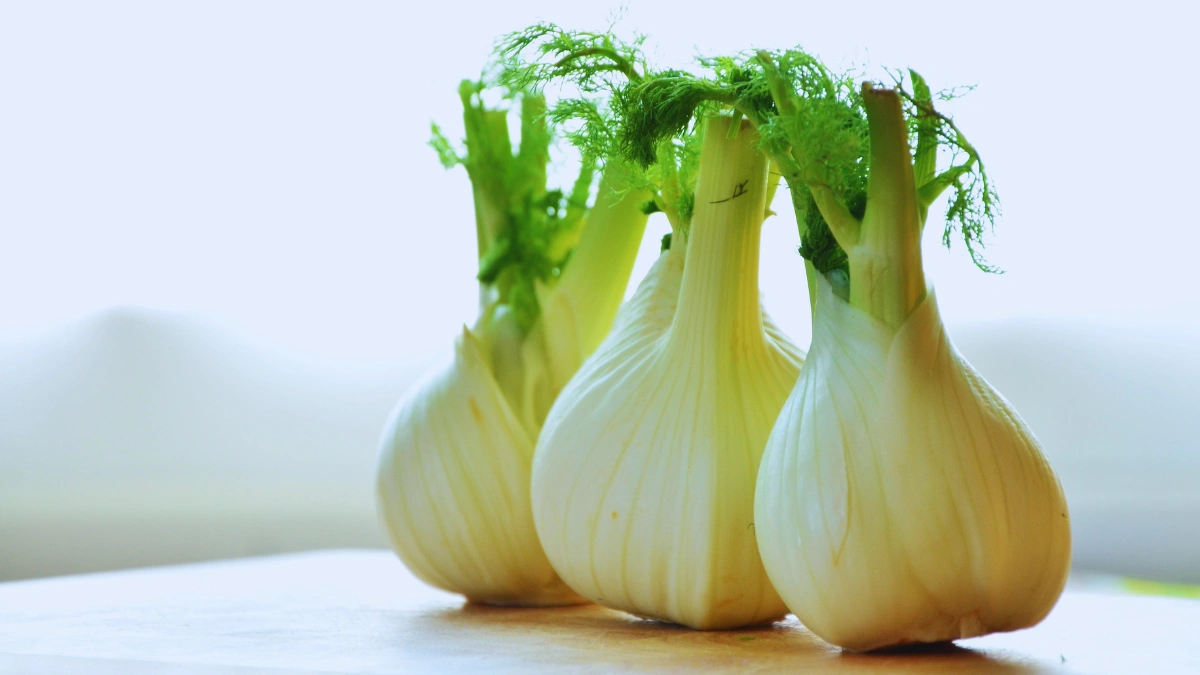
The seed of this Mediterranean plant contains anethole, a compound that relaxes the smooth muscles in your digestive tract.
This relaxation allows trapped gas to move through more easily, relieving the pressure and distension that causes bloating discomfort.
Fennel also stimulates the production of gastric juices, enhancing your overall digestive efficiency. Your stomach empties more completely when fennel is part of your diet, preventing the buildup of partially digested food that can ferment and cause gas.
The fiber in fennel bulbs adds another bloat-fighting benefit by supporting regular bowel movements. Chewing fennel seeds after meals have been a traditional digestive remedy for centuries in many cultures.
You can also brew fennel tea by steeping a teaspoon of crushed seeds in hot water for 5-10 minutes. The bulb can be sliced thinly into salads or roasted as a side dish.
Many people with chronic bloating find that incorporating fennel in some form daily makes a noticeable difference in their comfort level.
11. Peppermint Tea

This aromatic tea works by relaxing the muscles of your gastrointestinal tract, allowing gas to pass through more easily instead of getting trapped in painful pockets.
The menthol in peppermint also has mild numbing properties that can ease the discomfort associated with bloating.
Sipping peppermint tea stimulates bile flow from your liver, which helps digest fats more efficiently. Your digestive enzymes get a boost from the compounds in peppermint, enhancing overall food breakdown and reducing the chance of fermentation that leads to gas.
Many people experience almost immediate relief when drinking this tea during a bloating episode. Hot peppermint tea works best for most people, though some find cold peppermint tea refreshing in the summer months.
Brewing fresh leaves provides the strongest effect, but quality dried tea also works well. Try drinking a cup about 30 minutes after meals when bloating typically occurs.
For those with acid reflux, peppermint should be used cautiously as it can relax the lower esophageal sphincter.
12. Kefir

This fermented dairy drink contains a diverse array of probiotic strains that far exceed what’s found in typical yogurt.
These beneficial microorganisms help restore balance to your gut flora, crowding out gas-producing bacteria that contribute to bloating.
A groundbreaking study published in Gastroenterology tracked 127 patients with inflammatory bowel disease who consumed kefir daily for four weeks.
Researchers found that 78% of participants experienced a significant reduction in bloating symptoms, with average abdominal circumference decreasing by 1.8 inches.
Your gut lining also benefits from kefir’s short-chain fatty acids, which reduce inflammation and improve intestinal barrier function.
Traditional kefir has a slightly tangy, effervescent taste that many people enjoy plain. You can also blend it into smoothies or use it as a base for overnight oats.
Those with lactose sensitivity often tolerate kefir well since the fermentation process breaks down much of the lactose.
Start with small amounts (¼ cup) and gradually increase to allow your system to adjust to the powerful probiotic effects.