

Tired of the blood sugar rollercoaster? What if the solution wasn’t another restrictive diet, but simple foods already in your kitchen or hiding in plain sight?
From a slimy veggie water that controls glucose spikes to a forgotten ancient grain that outperforms quinoa, nature packs powerful blood sugar regulators most people overlook.
No extreme measures, just real food with proven results. Ready to eat your way to steadier sugar levels? Let’s explore the top 15.
1. Bitter Melon: The Anti-Diabetic Vine Fruit
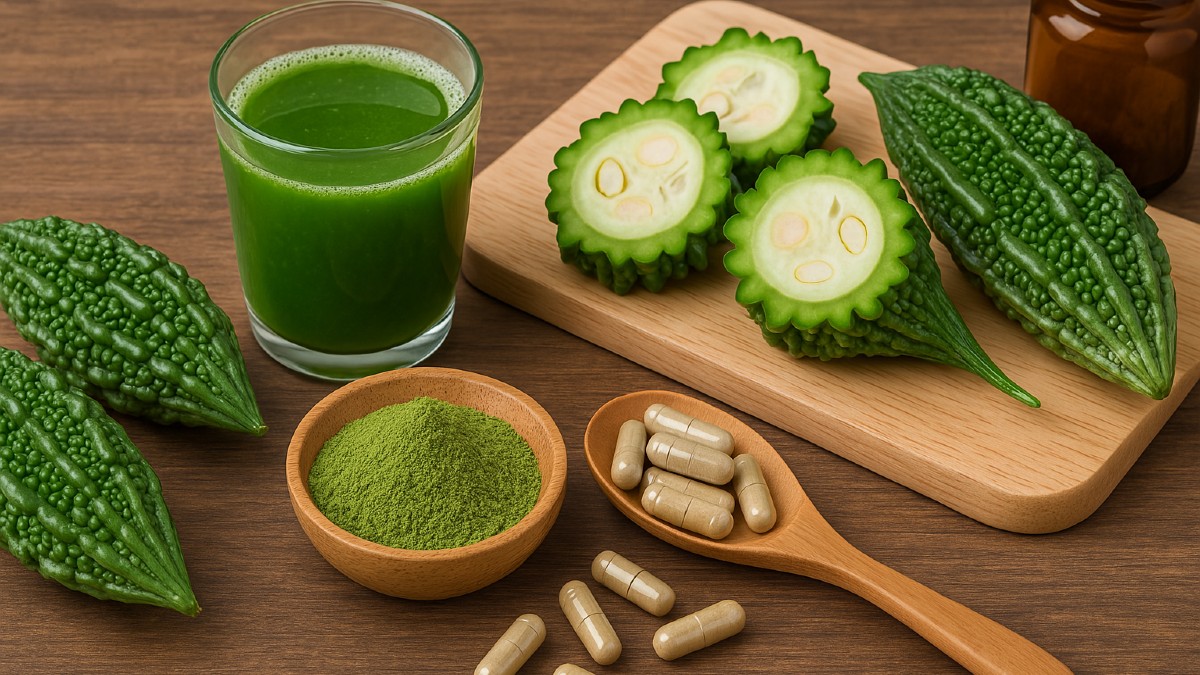
This unusual-looking fruit packs a powerful punch against high blood sugar. According to a 2011 study published in the Journal of Ethnopharmacology, bitter melon extract significantly reduced blood glucose levels in diabetic patients by enhancing insulin sensitivity (Source: Journal of Ethnopharmacology, 2011). Unlike many fruits, bitter melon has minimal impact on blood sugar levels while actively improving insulin sensitivity.
Raw bitter melon works best, though its strong taste may take getting used to. Try slicing it thin and soaking in salt water to reduce bitterness before stir-frying. Some people blend it into smoothies with green apple and ginger to mask the flavor.
For those who can’t handle the taste, bitter melon supplements are an option. Just ensure they contain enough active compounds to be effective.
2. Black Cumin (Nigella Sativa): The Ancient Seed for Glucose Control

These tiny black seeds have been used for centuries in traditional medicine. Modern science confirms thymoquinone, a key compound in black cumin, helps lower fasting blood sugar and improves HbA1c levels. It also reduces inflammation linked to insulin resistance.
Raw seeds or cold-pressed oil deliver the most benefits. Sprinkle crushed seeds over salads or mix a teaspoon of oil into yogurt. Some studies suggest taking it daily for at least two months to see significant changes.
Unlike some supplements, black cumin doesn’t just mask symptoms—it tackles root causes of poor glucose metabolism. Its antioxidant properties also protect pancreatic cells, which produce insulin.
3. Moringa Leaves: The Nutrient-Dense Glucose Modulator

Packed with chlorogenic acid, moringa leaves slow down sugar absorption in the gut. 2014 study in Acta Horticulturae reported that moringa leaf powder reduced post-meal blood sugar spikes by 21% in diabetic patients (Source: Acta Horticulturae, 2014).This prevents sharp spikes after meals, making them useful for both diabetics and prediabetics. They’re also rich in magnesium, a mineral many people with blood sugar issues lack.
Fresh leaves can be sautéed like spinach, but dried powder is more accessible. Stir a teaspoon into soups, smoothies, or tea. Research indicates regular intake improves fasting glucose levels within weeks.
Beyond blood sugar, moringa boosts energy without caffeine. Its high vitamin content supports overall metabolic health, making it a smart addition to any diet.
4. Cinnamon Bark (Not Just Powder): The True Blood Sugar Stabilizer
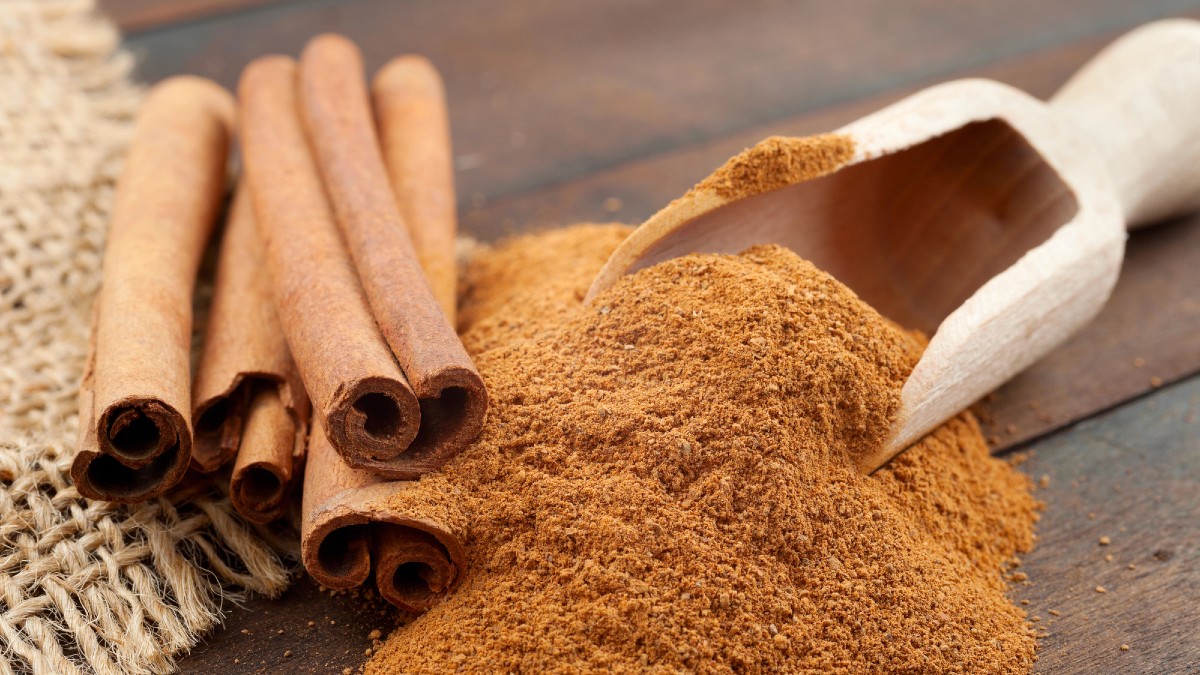
Most people use powdered cinnamon, but the whole bark contains higher concentrations of active compounds. Proanthocyanidins in cinnamon improve insulin sensitivity and slow carbohydrate breakdown.
Chewing a small piece of bark after meals helps curb sugar cravings. For a simpler option, steep bark sticks in hot water for a potent tea.
Avoid processed varieties with added sugar. True Ceylon cinnamon works best, as it’s lower in coumarin, a compound that can be harmful in large doses.
5. Fenugreek Seeds: The Fiber-Rich Insulin Booster
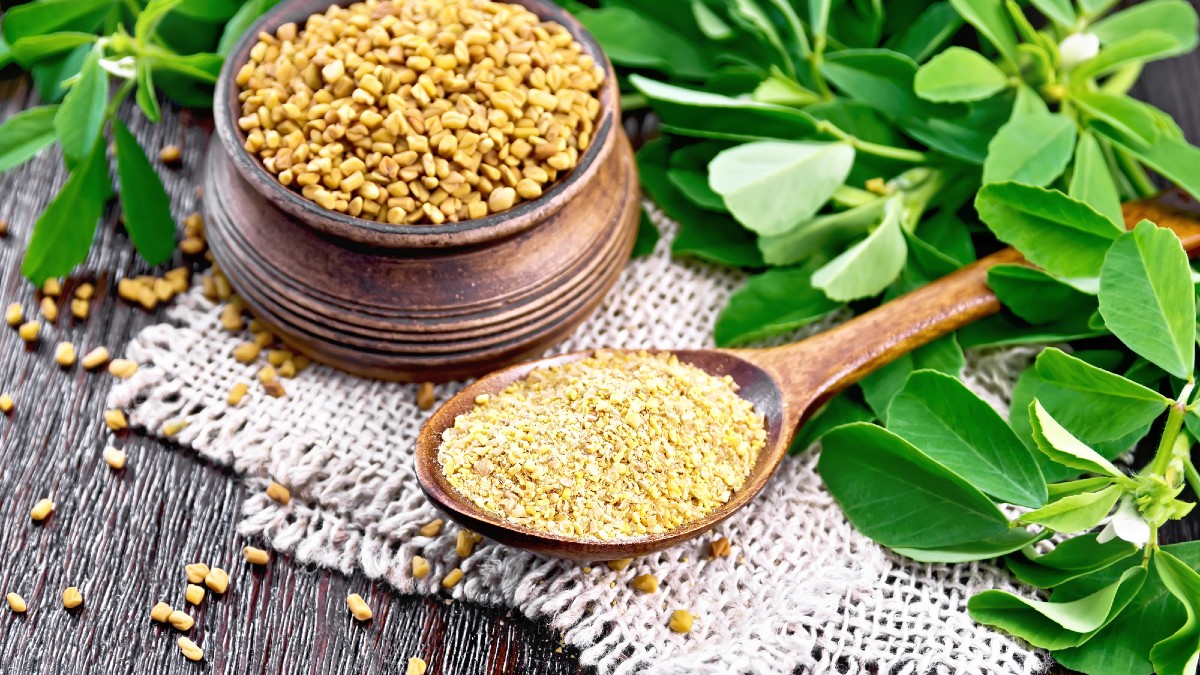
These aromatic seeds contain galactomannan, a soluble fiber that delays carbohydrate digestion. This leads to slower glucose release, preventing sudden blood sugar spikes. Fenugreek also stimulates insulin production, making it useful for type 2 diabetes.
Soaking a teaspoon of seeds overnight and drinking the water in the morning is a traditional remedy. Alternatively, roasted seeds can be ground into a spice for curries.
Some people notice a maple-like aroma in their sweat after regular use—this is harmless and just a sign of active compounds at work.
6. Okra Water: The Slimy Solution for Sugar Management

Most people toss away the viscous liquid when cooking okra, but that sticky substance holds surprising benefits.
Preparing okra water is simple. Soak a few sliced pods in room-temperature water overnight. Drink the liquid in the morning before breakfast. Some prefer adding lemon or ginger to improve the taste. Regular consumption may help lower fasting blood sugar within weeks.
Beyond glucose control, okra water provides soluble fiber that supports gut health. It’s an easy, low-cost method worth trying for those struggling with post-meal spikes.
7. Barley: The Forgotten Low-Glycemic Grain

While quinoa and brown rice get most attention, barley deserves a spot in blood sugar-friendly diets. Its high beta-glucan content forms a gel-like layer in the gut, delaying glucose absorption.
Swap out white rice for barley in soups and salads. Pearl barley cooks faster, but hulled barley retains more nutrients. Even barley flour makes a nutritious alternative for baking. Consuming it regularly may improve insulin sensitivity over time.
This ancient grain also keeps you full longer, reducing cravings for sugary snacks. It’s a simple swap with measurable benefits.
8. Chia Seeds: The Omega-3 Powerhouse for Steady Glucose

When soaked, these tiny seeds expand into a gel that slows carbohydrate breakdown. This unique property helps prevent rapid glucose surges after eating. Chia’s high fiber and protein content further stabilize energy levels throughout the day.
Add them to overnight oats or blend into smoothies for an easy boost. Their neutral taste makes them versatile for both sweet and savory dishes.
Beyond blood sugar benefits, chia provides more omega-3s than salmon by weight. This makes them particularly valuable for plant-based diets.
9. Amla (Indian Gooseberry): The Vitamin C-Rich Regulator

This tart berry contains chromium, a mineral that enhances insulin’s effectiveness.Research in Journal of Medicinal Food showed amla extract reduced fasting glucose by 18% in prediabetic adults (Source: J Med Food, 2011). Amla’s high antioxidant content also protects pancreatic cells from damage caused by high blood sugar. Traditional medicine has used it for centuries to manage diabetes.
Fresh amla can be eaten raw with a pinch of salt, though its sourness isn’t for everyone. Powdered versions mix well into juices or yogurt.
Its vitamin C content surpasses oranges, providing immune benefits alongside metabolic support.
10. Apple Cider Vinegar (With Mother): The Fermented Blood Sugar Hack

That murky sediment at the bottle’s bottom contains enzymes that improve insulin function. . The acetic acid appears to block starch digestion while increasing insulin sensitivity.
Mix one tablespoon in water and drink 15 minutes before eating. Some prefer using it in salad dressings for regular consumption. Consistent use shows the most benefit, particularly for those with insulin resistance.
Beyond blood sugar control, it may aid weight management by promoting satiety. Just remember to rinse your mouth afterward to protect tooth enamel.
11. Flaxseed Lignans: The Phytoestrogen That Balances Sugar
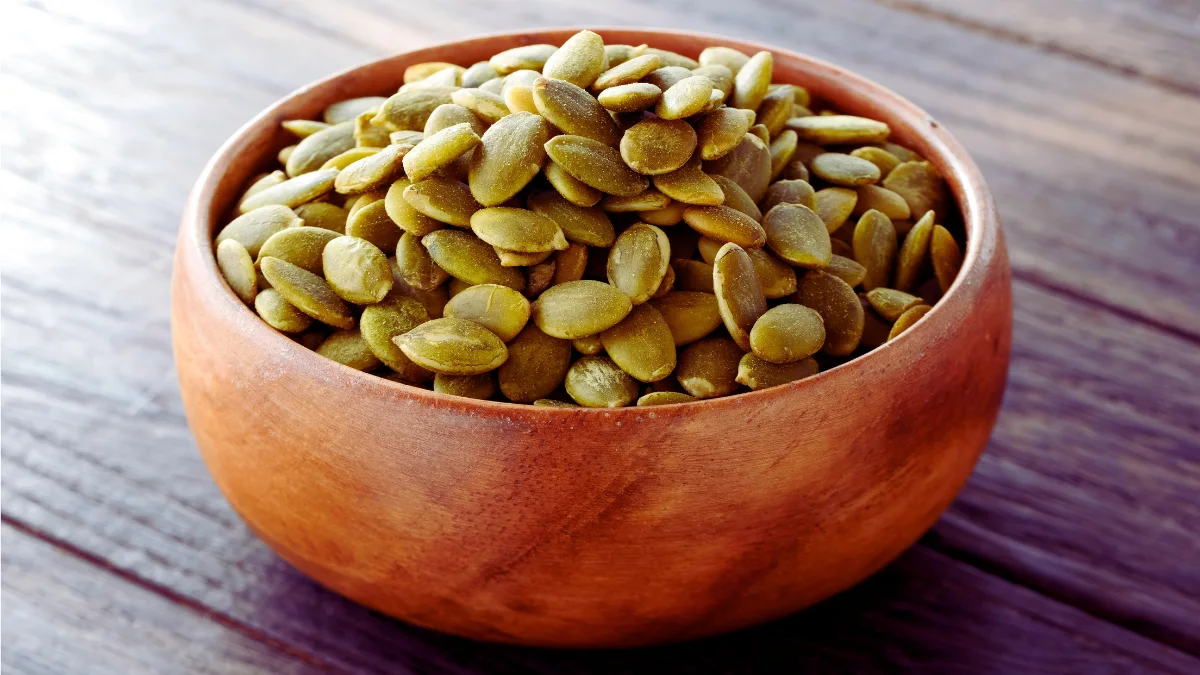
Ground flaxseed does more than add fiber to your diet. Its unique lignans, particularly SDG, help modulate blood sugar by improving insulin sensitivity. These plant compounds work gradually but effectively, with studies showing improved glycemic control after consistent use.
Sprinkle a tablespoon over oatmeal or blend into protein shakes. The key is using freshly ground seeds, as whole flax often passes through undigested.
Beyond glucose regulation, flax offers heart-healthy omega-3s. Its mild, nutty flavor makes it an easy addition to both sweet and savory dishes without overpowering other ingredients.
12. Seaweed (Like Wakame): The Unexpected Anti-Diabetic Superfood

That briny taste in your miso soup might be doing more than pleasing your palate. Wakame and other edible seaweeds contain fucoxanthin, a pigment that enhances fat metabolism and glucose uptake in muscles. This dual action makes it particularly valuable for metabolic health.
Add rehydrated seaweed to salads or stir-fries for a nutrient boost. Asian markets typically carry various dried options that keep for months. Regular consumption appears to help lower HbA1c levels while providing a rich source of iodine and magnesium.
The umami flavor profile means you’re getting blood sugar benefits without sacrificing taste.
13. Tiger Nuts (Not Actually Nuts): The Prebiotic Tuber for Insulin Health

Despite the name, these crunchy bites come from a root vegetable. Their resistant starch acts as a prebiotic, feeding gut bacteria linked to better glucose metabolism. Unlike regular nuts, tiger nuts provide soluble fiber that slows sugar absorption.
Enjoy them raw as a snack or make homemade horchata by blending soaked tiger nuts with cinnamon. Some diabetic patients report better fasting glucose levels after making them a regular part of their diet.
They’re naturally sweet without spiking blood sugar, making them a smart choice when cravings hit. The texture resembles almonds but with a subtly earthy aftertaste.
14. Black Garlic: The Fermented Garlic with Double the Benefits

Aged through controlled fermentation, black garlic develops compounds like S-allyl cysteine that enhance insulin secretion. The process also removes regular garlic’s pungency while amplifying its health benefits. Studies suggest it may help lower fasting blood glucose when consumed regularly.
Spread the soft cloves on whole grain toast or mix into dressings. Unlike fresh garlic, it won’t overwhelm dishes with sharpness. The flavor profile leans toward balsamic-like sweetness with umami undertones.
This ingredient works particularly well for those who want garlic’s benefits without digestive discomfort. The fermentation breaks down irritating compounds while preserving active nutrients.
15. Purslane: The Weed That Fights Insulin Resistance

Often dismissed as a garden pest, purslane packs more omega-3s than any other leafy green. These anti-inflammatory fats help combat insulin resistance at the cellular level. The plant also contains melatonin, which regulates metabolic hormones tied to glucose control.
Toss young leaves in salads or sauté like spinach. Its slightly tangy, lemony flavor pairs well with Mediterranean ingredients. Some traditional medicine systems have used it for generations to support metabolic health.
Best of all, it grows prolifically in warm climates, making it an accessible option for many. The succulent leaves retain crunch even when cooked briefly.