

1. Salmon

Salmon and other fatty fish are packed with omega-3s that help fight the inflammation that often causes acne flare-ups.
These healthy fats work to regulate oil production in your skin, helping prevent clogged pores that lead to blemishes.
The protein in salmon provides essential building blocks for skin repair and maintenance. What makes salmon particularly valuable for skin health is its ability to protect collagen from sun damage, which slows visible aging signs.
Regular consumption improves skin hydration, giving your complexion a more supple, youthful appearance. Salmon also contains astaxanthin, a potent antioxidant that helps reduce signs of aging.
Try incorporating salmon twice weekly into your meals through grilled fillets, salmon patties, or even smoked salmon with breakfast.
The combination of protein, healthy fats, and antioxidants makes this fish an excellent choice for anyone wanting to improve their skin from within.
2. Sweet Potatoes
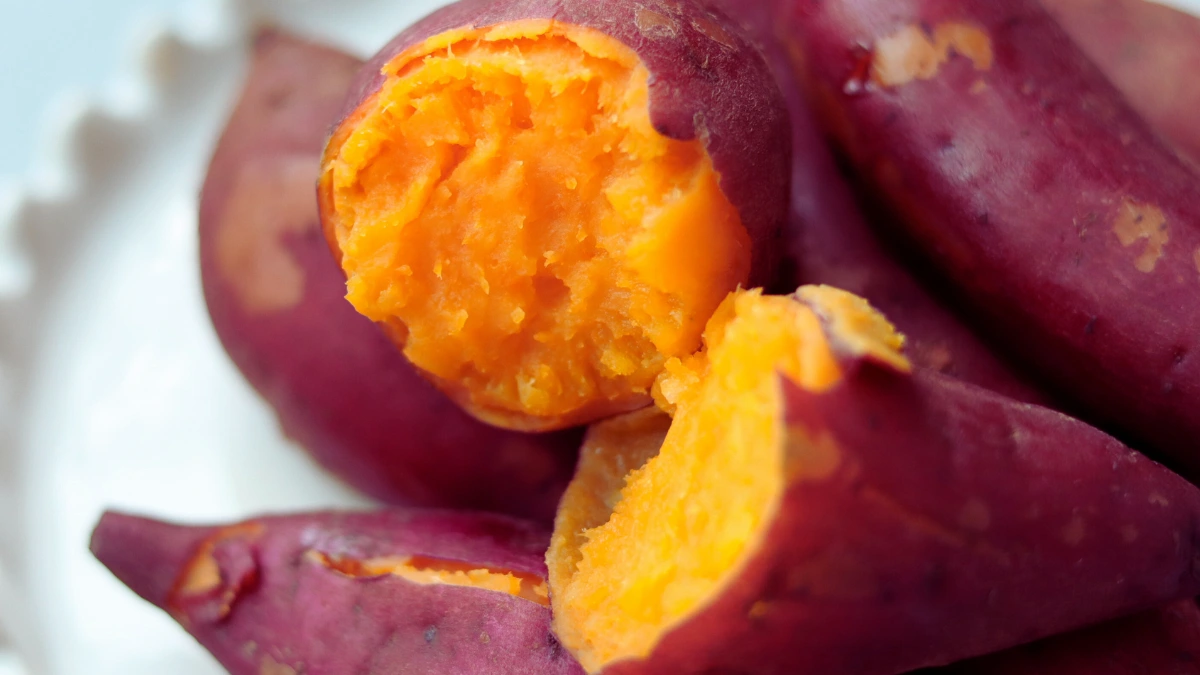
Orange-fleshed sweet potatoes pack a powerful punch of beta-carotene, which your body converts to vitamin A—a crucial nutrient for skin health.
This conversion process helps repair damaged collagen and reduce the appearance of fine lines and wrinkles. Sweet potatoes have a naturally low glycemic index, preventing the insulin spikes that can trigger acne flare-ups.
Their fiber content slows sugar absorption, further helping to maintain stable blood sugar levels. The vibrant orange color signals the presence of antioxidants that protect skin cells from damage.
These root vegetables also contain vitamins C and E, which work together to boost your skin’s natural protection against environmental stressors.
Baking, steaming, or roasting sweet potatoes preserves their nutritional value. Consider adding them to your diet as a side dish, in salads, or even in smoothies.
Their natural sweetness and skin-boosting nutrients make them a smart addition to any skin-focused eating plan.
3. Kale

This leafy green stands out as a true skin superfood, loaded with vitamins A, C, and K that directly support skin health.
Vitamin A promotes normal cell development while vitamin C stimulates collagen production—the protein responsible for skin’s elasticity and firmness.
Kale contains powerful antioxidants like lutein and zeaxanthin that neutralize harmful free radicals before they can damage skin cells.
The anti-inflammatory properties help calm existing acne while its vitamin K content aids in reducing persistent redness and speeding up the healing of acne scars.
Iron in kale helps improve circulation, bringing more oxygen and nutrients to your skin cells. A single cup provides more than enough vitamin K for your daily needs.
You can enjoy kale raw in salads, sautéed as a side dish, baked into chips, or blended into smoothies. This versatile vegetable offers an impressive nutritional profile that translates to clearer, younger-looking skin with consistent consumption.
4. Lemons
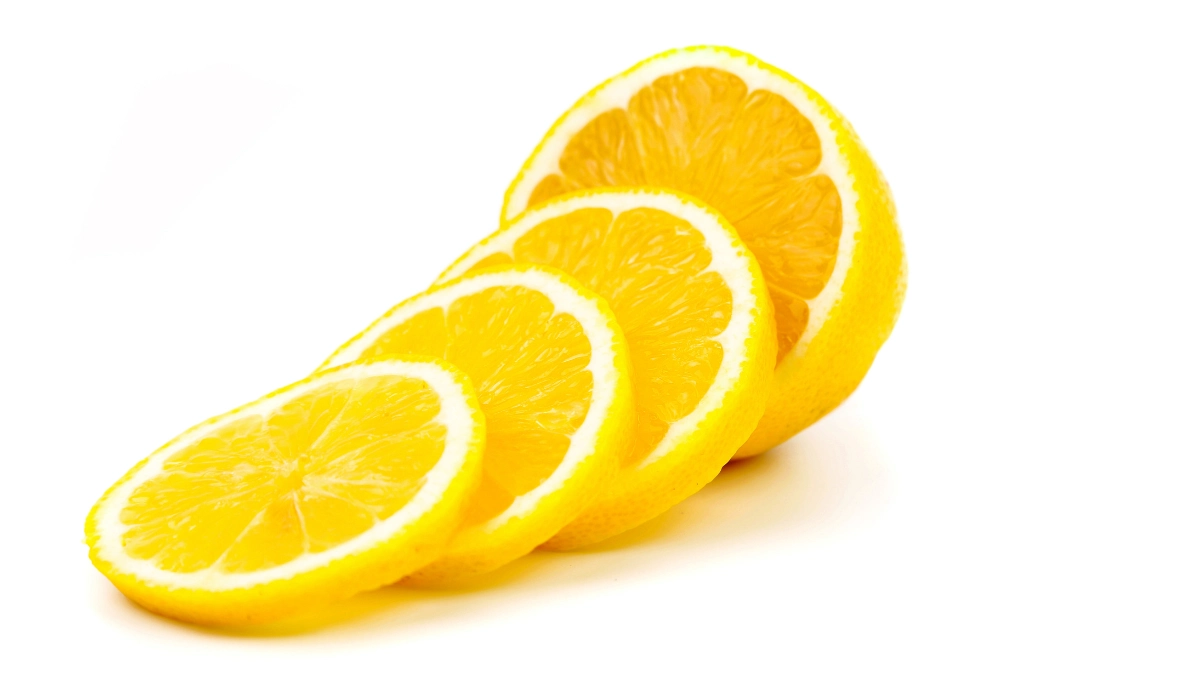
Citrus fruits like lemons boost skin health through their exceptional vitamin C content, which plays a vital role in collagen synthesis.
This increased collagen production improves skin elasticity and helps diminish the appearance of acne scars over time.
Lemons contain natural acids that promote cell turnover, gradually revealing fresher, brighter skin beneath. Their antioxidant properties fight oxidative stress—a major contributor to premature aging.
The vitamin C in lemons also helps lighten hyperpigmentation from past breakouts, creating a more even skin tone.
While direct application isn’t recommended due to their acidity, consuming lemons in water or using zest in cooking provides substantial benefits. Lemons help maintain your body’s pH balance, which some evidence suggests may reduce acne severity.
Starting your day with warm lemon water can kick-start your digestive system while providing skin-loving nutrients. Remember that consistent internal use yields the best results for skin clarity and youthful appearance.
5. Pumpkin
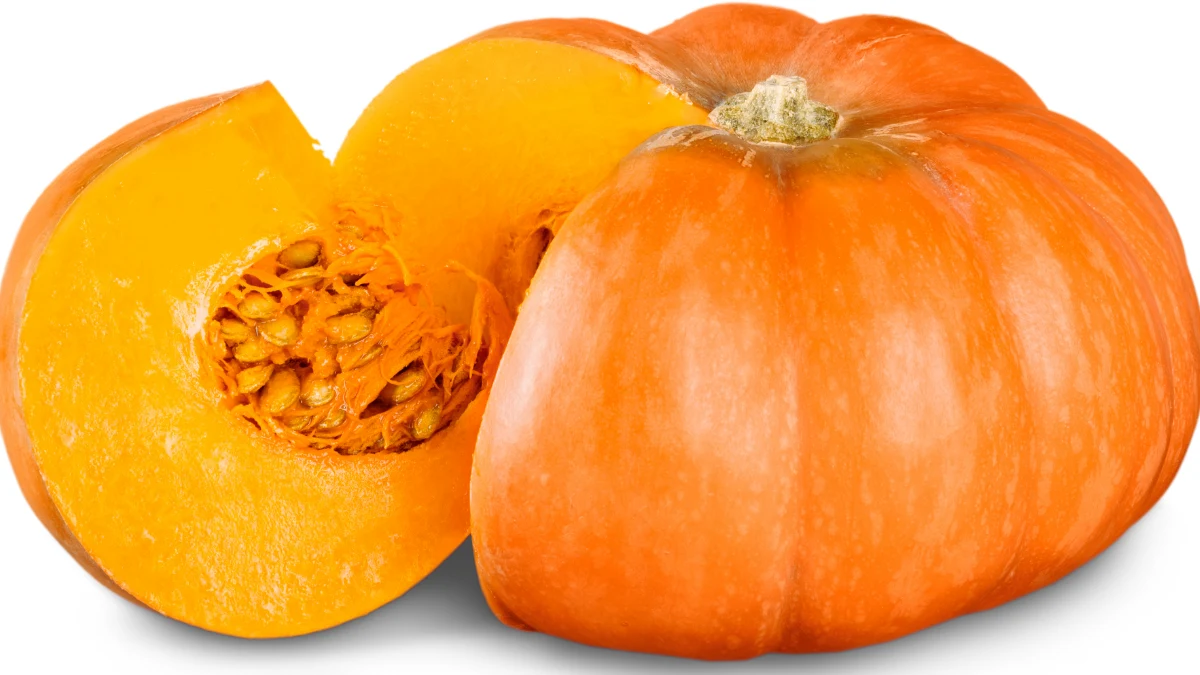
Often overlooked outside of the fall season, pumpkin offers remarkable skin benefits year-round. This orange gourd contains zinc—a mineral that regulates oil production and helps control hormone levels that can trigger acne.
Alpha hydroxy acids found naturally in pumpkin gently exfoliate dead skin cells that might otherwise clog pores.
The impressive beta-carotene content protects against UV damage and supports cell turnover for fresher-looking skin.
The vitamin E in pumpkin teams up with other nutrients to combat damage from free radicals that can make you look older faster. Pumpkin seeds provide additional zinc plus fatty acids that strengthen the skin barrier function.
The high water content in pumpkin flesh helps hydrate your skin from within, addressing both dryness and excess oil production.
You can incorporate pumpkin through soups, roasted chunks, smoothies, or even unsweetened pumpkin puree added to oatmeal.
Both the flesh and seeds deserve a place in your diet for maximum skin benefits, offering nutrients that target both acne prevention and age-related concerns simultaneously.
6. Berries
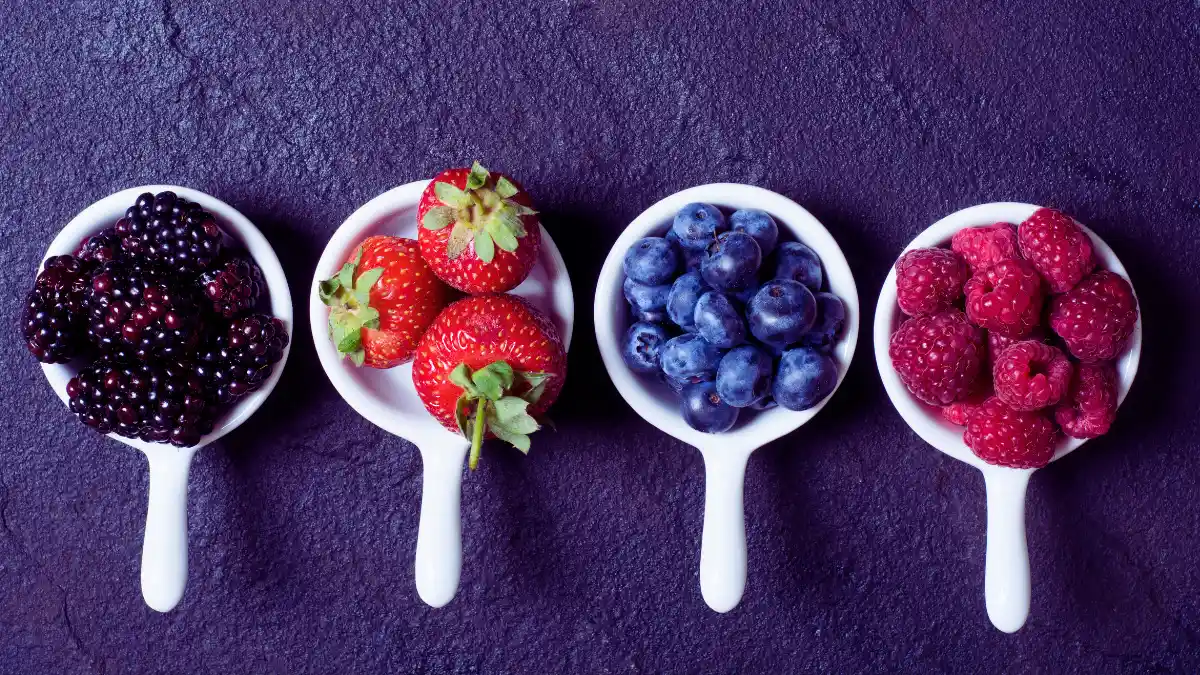
Small but mighty, berries pack an impressive array of skin-enhancing nutrients. Blueberries, strawberries, and raspberries contain anthocyanins—powerful antioxidants that combat inflammation associated with acne breakouts.
These compounds also protect against collagen degradation, helping maintain skin firmness and elasticity. The vitamin C abundant in berries supports collagen production and brightens dull skin.
Ellagic acid found particularly in strawberries has been shown to prevent collagen destruction after UV exposure.
Berries have a low glycemic index, meaning they won’t cause insulin spikes that trigger oil production and subsequent breakouts.
Their fiber content supports gut health, which increasingly appears connected to skin clarity. The seeds in raspberries and blackberries provide omega-3 fatty acids that help maintain properly hydrated skin cells.
Fresh or frozen, berries make excellent additions to breakfast bowls, smoothies, or as simple snacks. Their natural sweetness satisfies cravings while their nutritional profile works to keep your skin clear and youthful.
7. Legumes (Lentils, Chickpeas)

Beans, lentils, and chickpeas offer surprising benefits for skin health through their stable impact on blood sugar levels.
Their low glycemic index prevents insulin spikes that often trigger excess sebum production and subsequent breakouts.
The protein content supports skin cell repair and regeneration without the inflammatory effects that can come from animal proteins.
Fiber found abundantly in legumes helps clear toxins from your body, which often show up as skin issues when they build up.
Zinc in chickpeas helps regulate oil production and supports the healing of acne lesions. Iron content improves circulation, bringing oxygen and nutrients to skin cells for a healthier complexion.
Legumes also contain B vitamins that help reduce stress-related skin flare-ups. You can easily incorporate these skin-friendly foods through hummus, lentil soups, bean salads, or roasted chickpea snacks.
Just a half-cup serving several times weekly provides noticeable benefits for both acne reduction and a more youthful appearance.
8. Papaya

This tropical fruit contains papain, a powerful enzyme that naturally exfoliates dead skin cells and helps unclog pores that lead to acne.
Vitamin A and carotenoids in papaya promote cell turnover, bringing fresh skin cells to the surface for a naturally glowing complexion.
The fruit’s vitamin C content boosts collagen production, essential for maintaining skin elasticity and preventing premature wrinkles.
According to a 2014 study by Wang et al., the citrus peel flavonoids present in papaya demonstrated significant photoprotective effects against UV damage and showed anticarcinogenic properties. These compounds help in healing acne scars and protecting skin from environmental damage.
Papaya also contains magnesium, which helps reduce cortisol levels that can trigger acne breakouts during stressful periods. When you eat this fruit, its natural anti-inflammatory compounds work to soothe skin that’s red and irritated.
You can enjoy papaya fresh, in smoothies, or as a face mask ingredient for both internal and topical benefits that target acne and aging concerns simultaneously.
9. Quinoa
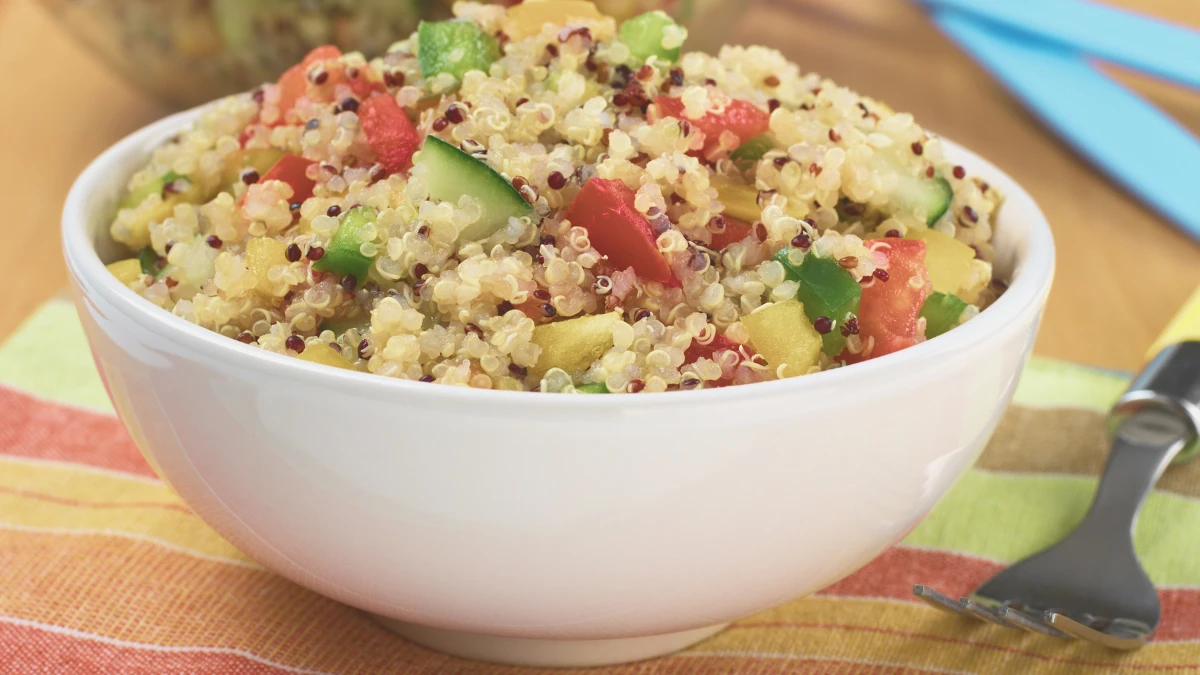
This ancient grain supports skin health through its impressive nutritional profile. The complete protein in quinoa provides all the essential amino acids needed for skin repair and regeneration.
Its high fiber content promotes detoxification, clearing potential acne-causing toxins from your system. Zinc found in quinoa helps regulate sebum production and reduces inflammation associated with acne breakouts.
The grain contains a variety of B vitamins that help reduce stress and its negative effects on the skin. Manganese in quinoa activates enzymes that protect skin cells against free radical damage, preventing premature aging signs.
Foods with a low glycemic index won’t cause your blood sugar to jump suddenly, which helps avoid the acne breakouts those spikes can cause.
Natural antioxidants help protect collagen from breaking down, maintaining skin elasticity and youthful appearance.
Quinoa can replace other grains in most recipes, working well in breakfast bowls, salads, or as a side dish. The grain cooks quickly and absorbs flavors well, making it an easy addition to your skin-friendly diet.
10. Dark Chocolate (70%+ Cocoa)

Good news for chocolate lovers—high-quality dark chocolate offers legitimate skin benefits. The key lies in choosing varieties with at least 70% cocoa content and minimal sugar.
Flavonoids abundant in dark chocolate act as antioxidants, protecting skin cells from free radical damage that accelerates aging.
These compounds improve blood flow to skin tissues, delivering more oxygen and nutrients while removing waste products more efficiently.
Cocoa butter naturally moisturizes skin from within, helping maintain hydration and elasticity. The caffeine content stimulates circulation and may temporarily tighten the skin.
Dark chocolate contains minerals like zinc and selenium that support healthy cell function and protect against UV damage. Some people notice reduced inflammation and redness with regular small servings.
The stress-reducing effects of chocolate can indirectly benefit the skin by lowering cortisol levels that often trigger breakouts.
Limiting yourself to a small square or two daily provides benefits without excess sugar or calories that could counteract the positive effects.
11. Spinach
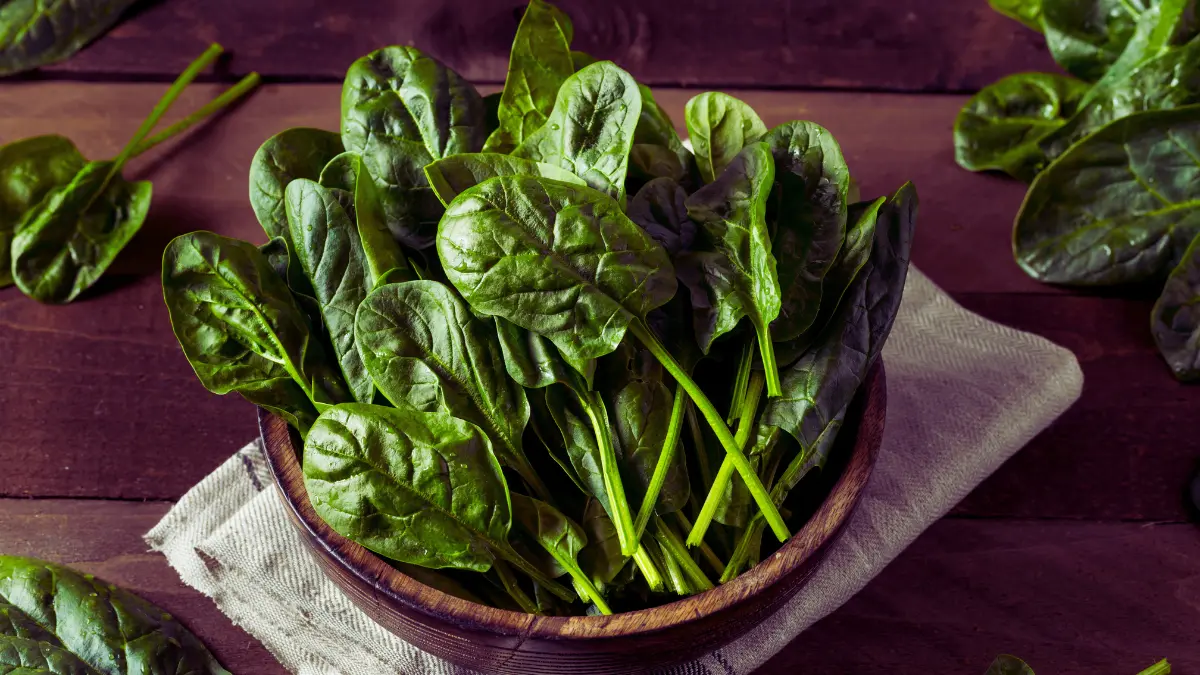
This leafy powerhouse delivers exceptional skin benefits through its concentrated nutrition. Beta-carotene in spinach converts to vitamin A in your body, regulating cell production and turnover for clearer skin.
Iron improves oxygen delivery to skin cells, creating a healthy glow that synthetic products can’t replicate. The vitamin C content boosts collagen synthesis, strengthening skin structure and reducing fine lines.
A groundbreaking 2017 study by Pullar et al. demonstrated that vitamin C plays a critical role in wound healing and collagen formation—both essential processes for reducing acne scars and maintaining youthful skin.
Spinach contains vitamin K, which helps reduce inflammation and the appearance of dark circles. Lutein and zeaxanthin protect against UV damage and blue light exposure from digital devices.
The high water content in spinach leaves helps maintain cellular hydration from within. You can easily incorporate spinach through salads, smoothies, sautés, or added to soups and pasta dishes for significant skin improvements over time.
12. Tomatoes
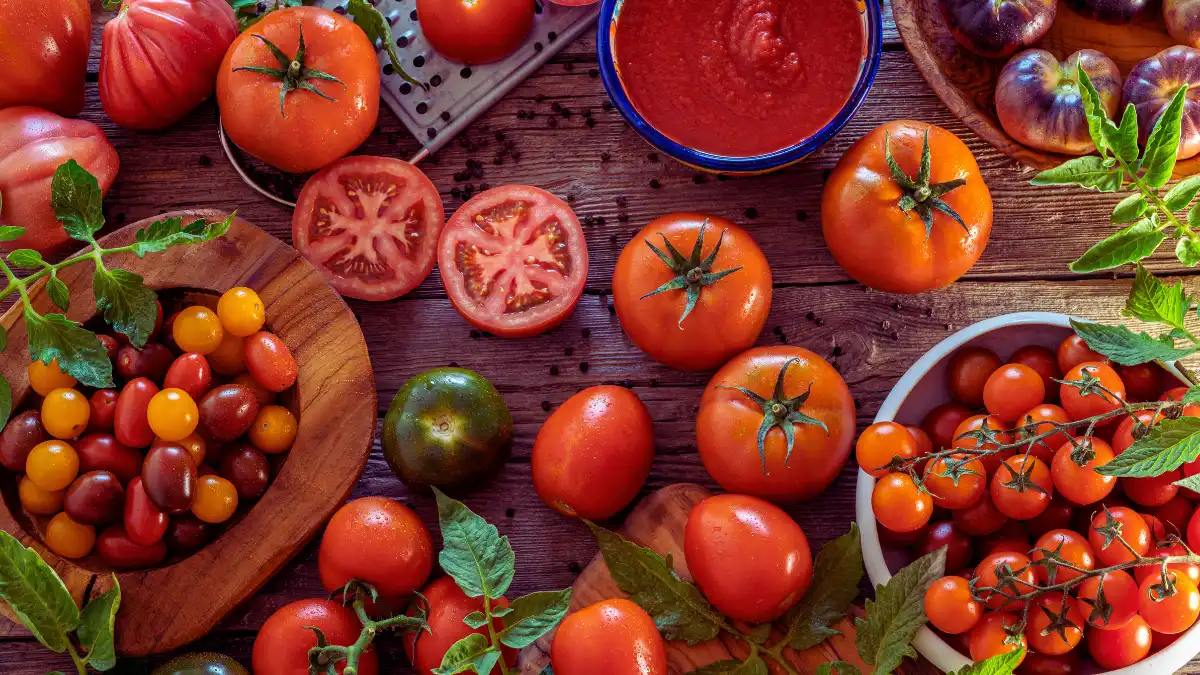
These common fruits (yes, botanically they’re fruits) contain lycopene, a powerful carotenoid that protects skin against UV damage and reduces redness associated with acne and inflammation.
Your body absorbs lycopene more effectively when tomatoes are cooked or paired with healthy fats like olive oil. Vitamin C in tomatoes supports collagen production, helping maintain skin structure and elasticity.
The natural acids gently exfoliate skin from within, promoting cell turnover and a brighter complexion. Potassium helps maintain proper cellular fluid balance, preventing dehydration that can worsen both acne and wrinkles.
Tomatoes contain vitamin A, which regulates oil production and prevents pore clogging. Their antioxidants neutralize free radicals that contribute to premature aging signs. The B vitamins present support overall skin health and stress management.
You can enjoy tomatoes in countless ways—fresh in salads, cooked in sauces, roasted as a side dish, or blended into juices. Eating tomatoes often builds up protection against acne over time while also helping to fight wrinkles and other aging signs.