

Spent too much time in the sun? Your skin shows the telltale signs – redness, wrinkles, and that leathery texture nobody wants. Regular sunscreen helps, but what about the damage that’s already done?
Here’s the good news: what you eat can help repair and protect your skin from within. Science confirms certain foods contain potent compounds that fight free radicals, reduce inflammation, and boost your skin’s natural repair systems.
This guide reveals 12 everyday foods that work like internal sunscreen, helping your skin bounce back while building resistance against future damage. Your path to healthier, more radiant skin starts in your kitchen.
1. Fatty Fish (Salmon, Mackerel)
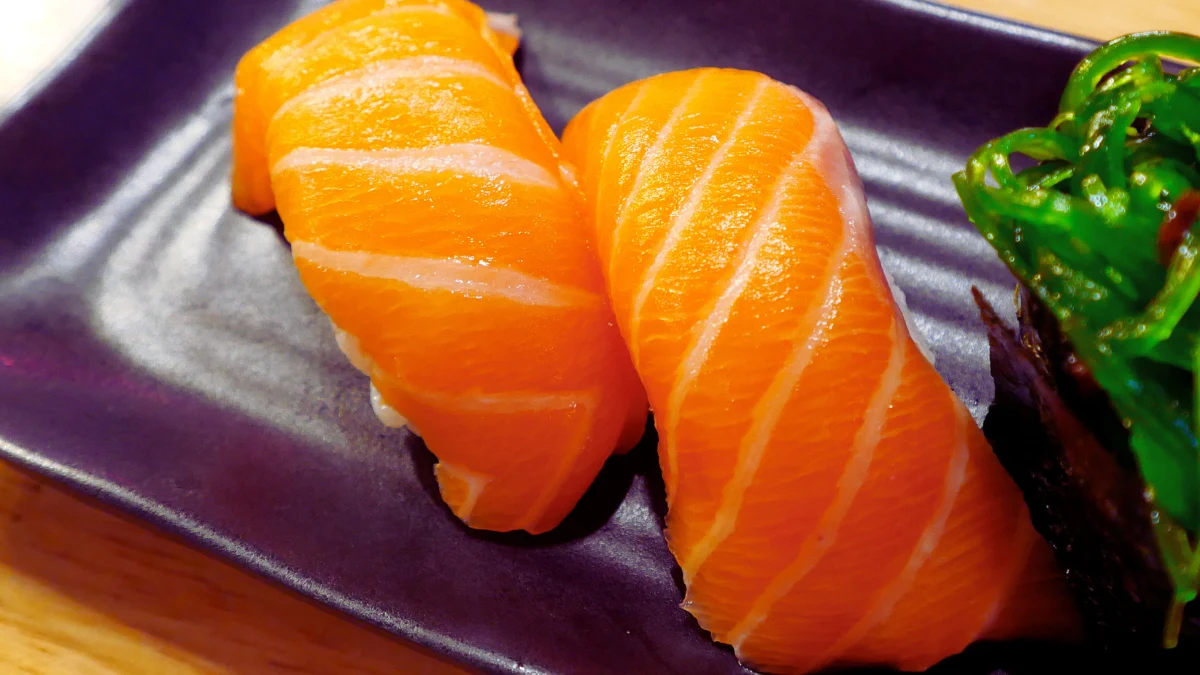
Salmon and mackerel stand out as powerhouses for skin repair due to their abundant omega-3 fatty acids. These essential nutrients work at a cellular level to combat inflammation caused by sun exposure.
Your skin benefits as these compounds strengthen its protective barrier against harmful UV rays. The proteins in fatty fish provide building blocks for repairing damaged skin cells.
Regular consumption helps maintain skin elasticity and suppleness even after sun exposure. Many people notice improvements in their skin tone within weeks of adding these fish to their weekly meals.
Omega-3s also support the skin’s natural healing processes by repairing DNA damage caused by ultraviolet radiation.
Fish oils enhance moisture retention in skin cells, giving you a natural glow while protecting against future damage. Try eating fatty fish twice weekly for noticeable skin benefits.
2. Tomatoes
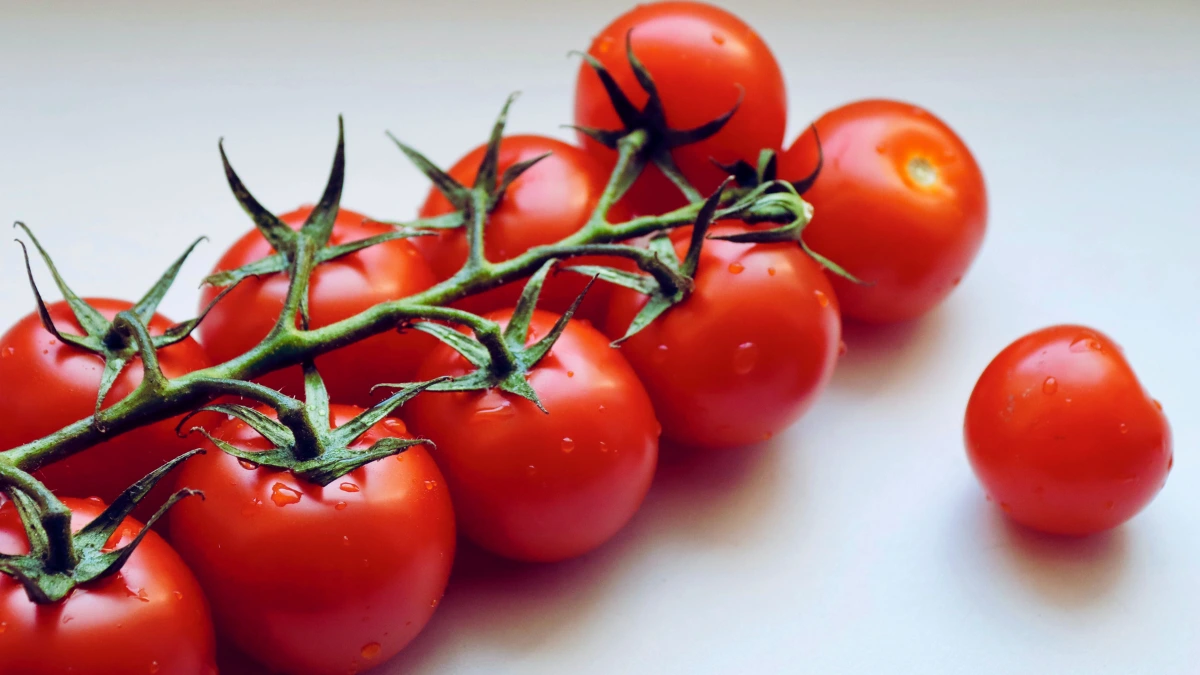
Tomatoes contain lycopene, a powerful carotenoid that acts as nature’s sunscreen from within. This bright red compound absorbs UV radiation and reduces your risk of sunburn.
Cooked tomatoes offer more bioavailable lycopene than raw ones, making pasta sauce and roasted tomatoes especially beneficial.
Your skin’s natural SPF gradually increases with regular tomato consumption. The antioxidants in tomatoes neutralize free radicals generated by sun exposure before they can damage skin cells.
Consuming tomato-based products with a small amount of olive oil enhances lycopene absorption. Tomatoes also provide vitamins A and C, which support skin repair and renewal.
People who eat tomatoes regularly often show less redness after sun exposure compared to those who don’t. Fresh, canned, or sun-dried varieties all offer skin-protective benefits, making tomatoes an easy addition to your daily diet.
3. Walnuts

Walnuts pack an impressive array of skin-supporting nutrients in their small packages. Alpha-linolenic acid (ALA), an omega-3 fatty acid found abundantly in walnuts, fights inflammation caused by excessive sun exposure.
The zinc content in these nuts helps maintain skin integrity and accelerates wound healing. Antioxidants present in walnuts combat oxidative stress that breaks down collagen and elastin.
Your skin maintains better elasticity when you include walnuts in your diet regularly. The vitamin E in walnuts works synergistically with other nutrients to protect cell membranes from UV damage.
Walnuts contain polyphenols that reduce inflammatory responses in skin cells after sun exposure. A handful daily provides enough nutrients to support your skin’s natural defense systems.
Their anti-inflammatory properties can also help alleviate conditions like eczema that might be aggravated by sun exposure.
4. Avocados
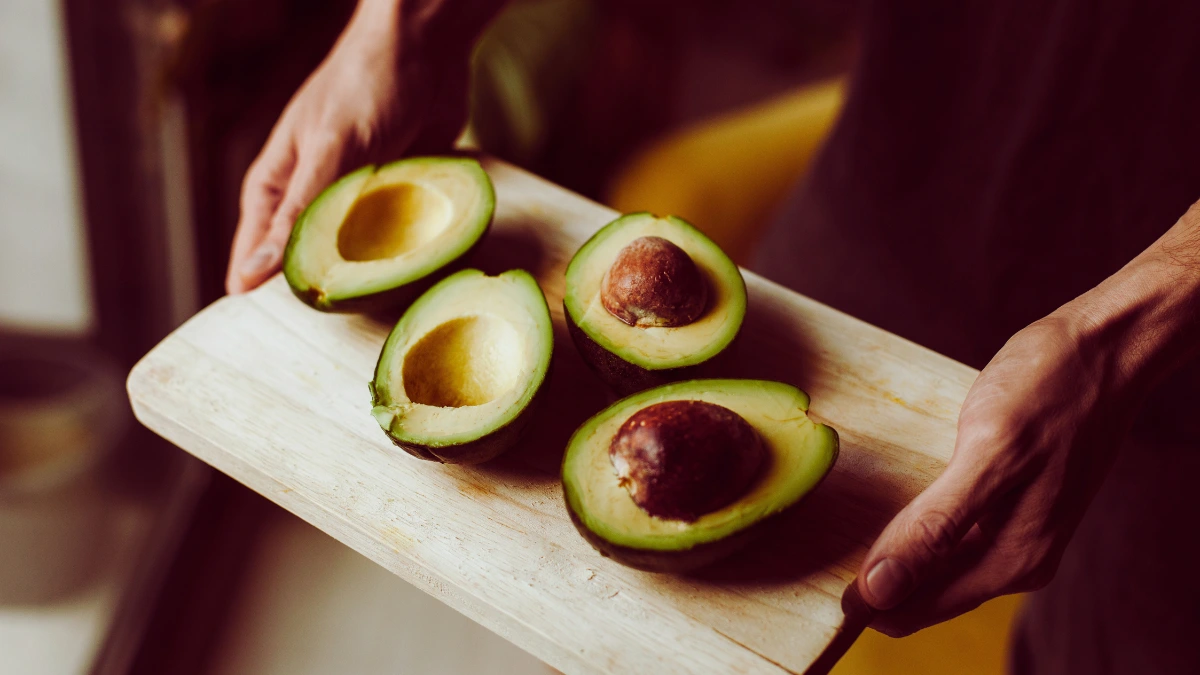
Avocados supply your skin with vitamins E and C, two potent antioxidants that work together to fight photoaging.
Vitamin E neutralizes free radicals while vitamin C supports collagen production, helping repair sun-damaged skin. The healthy fats in avocados allow your body to absorb these nutrients efficiently.
Consuming avocados helps maintain skin hydration from within by supporting cell membrane function. Your skin barrier becomes stronger, preventing moisture loss and environmental damage.
Avocados also contain lutein and zeaxanthin, carotenoids that filter harmful blue light and protect skin from oxidative damage.
Monounsaturated fats in avocados support overall skin health by reducing inflammation at a cellular level.
People who eat avocados regularly often notice improved skin texture and resilience against environmental stressors. Adding half an avocado to your daily diet can visibly improve skin quality within weeks.
5. Sweet Potatoes
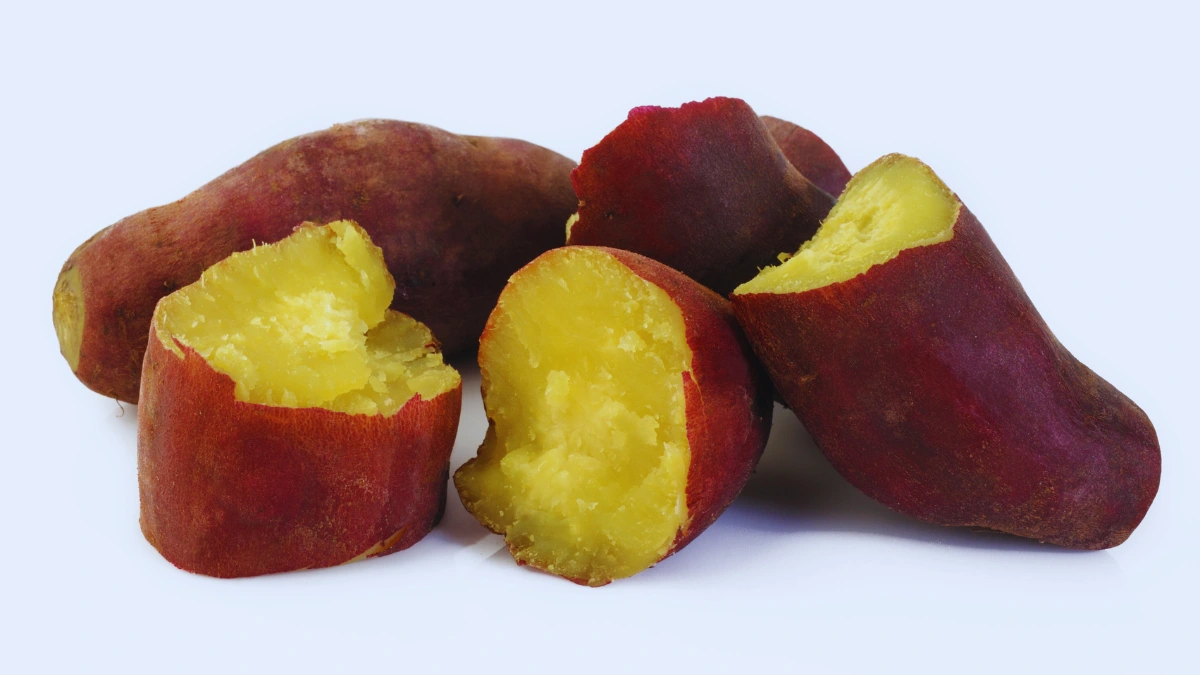
Sweet potatoes contain beta-carotene that gives them their orange color and provides remarkable skin protection benefits.
This compound converts to vitamin A in your body, supporting cell turnover and repair after sun exposure. Beta-carotene accumulates in the skin, acting as a natural sunblock from within.
Consuming sweet potatoes regularly helps reduce UV-induced hyperpigmentation and protects against photoaging.
Their high vitamin C content supports collagen synthesis, which maintains skin firmness and elasticity. Sweet potatoes also provide manganese and copper that aid in skin healing processes.
Anthocyanins in purple sweet potato varieties offer additional protection against sun damage through their antioxidant effects.
Your skin benefits from improved moisture retention and barrier function with regular consumption. Baked, steamed, or roasted sweet potatoes all provide these skin-protecting nutrients in an easily digestible form.
6. Pomegranates
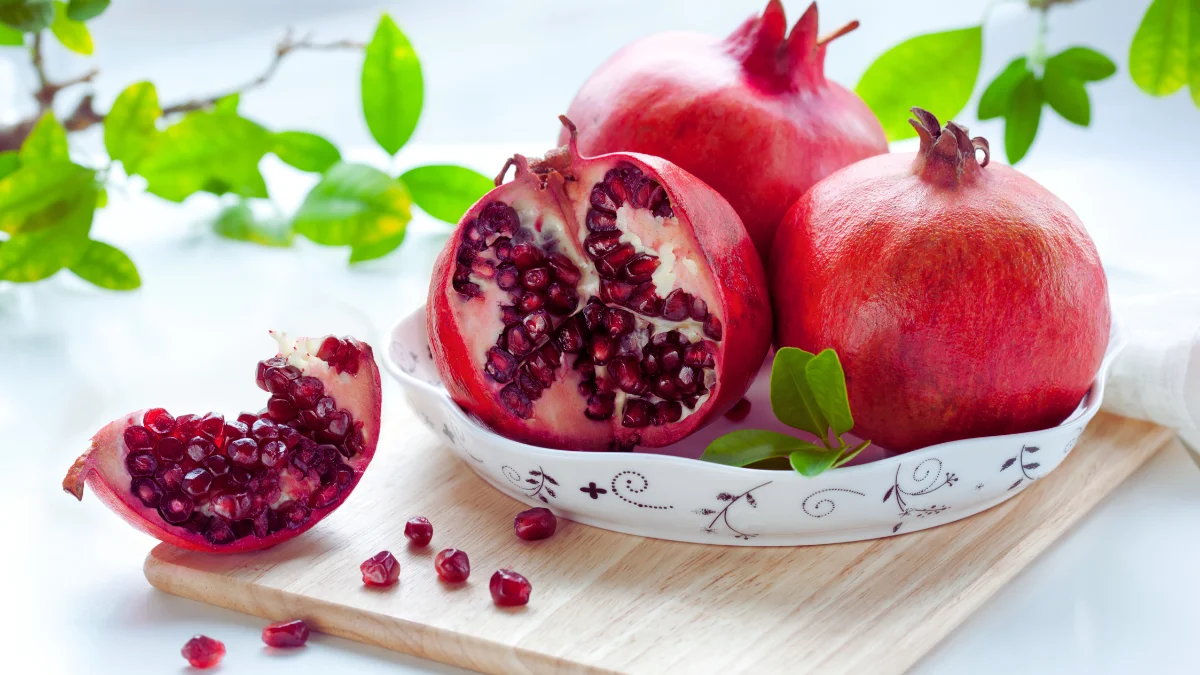
Pomegranates contain ellagic acid and punicalagins, powerful antioxidants that fight sun damage at multiple levels. These compounds prevent collagen breakdown and support skin structure after UV exposure.
The fruit also contains anthocyanins that reduce inflammation in sun-damaged skin. Consuming pomegranate juice or seeds boosts your skin’s resilience against photoaging.
The high vitamin C content supports collagen production while regenerating other antioxidants in your skin. Pomegranates also enhance blood flow to skin cells, delivering nutrients needed for repair and renewal.
Pomegranates inhibit enzymes that break down skin tissue after sun exposure. Their protective effects work both internally when consumed and externally when applied topically.
Adding pomegranate seeds to salads or drinking small amounts of pure pomegranate juice provides substantial skin protection benefits.
7. Green Tea

Green tea stands out for its remarkable skin-protective qualities thanks to its polyphenols, especially EGCG (epigallocatechin gallate).
These compounds actively reduce inflammation and DNA damage caused by UV radiation. Drinking green tea regularly can build your skin’s internal defense system against sun damage.
Drinking several cups throughout the day gives your skin continuous defense against the harmful free radicals caused by the sun.
The catechins in green tea also inhibit collagen breakdown, helping maintain skin firmness and elasticity after sun exposure. Many people notice improved skin texture within weeks of adding green tea to their daily routine.
A 2011 study published in the Journal of Nutrition found that women who consumed green tea daily for 12 weeks showed significant improvements in skin elasticity and hydration.
The research demonstrated a 25% increase in resistance to UV damage and reduced redness after sun exposure. This evidence supports green tea as one of the most effective beverages for skin protection against photoaging.
8. Watermelon
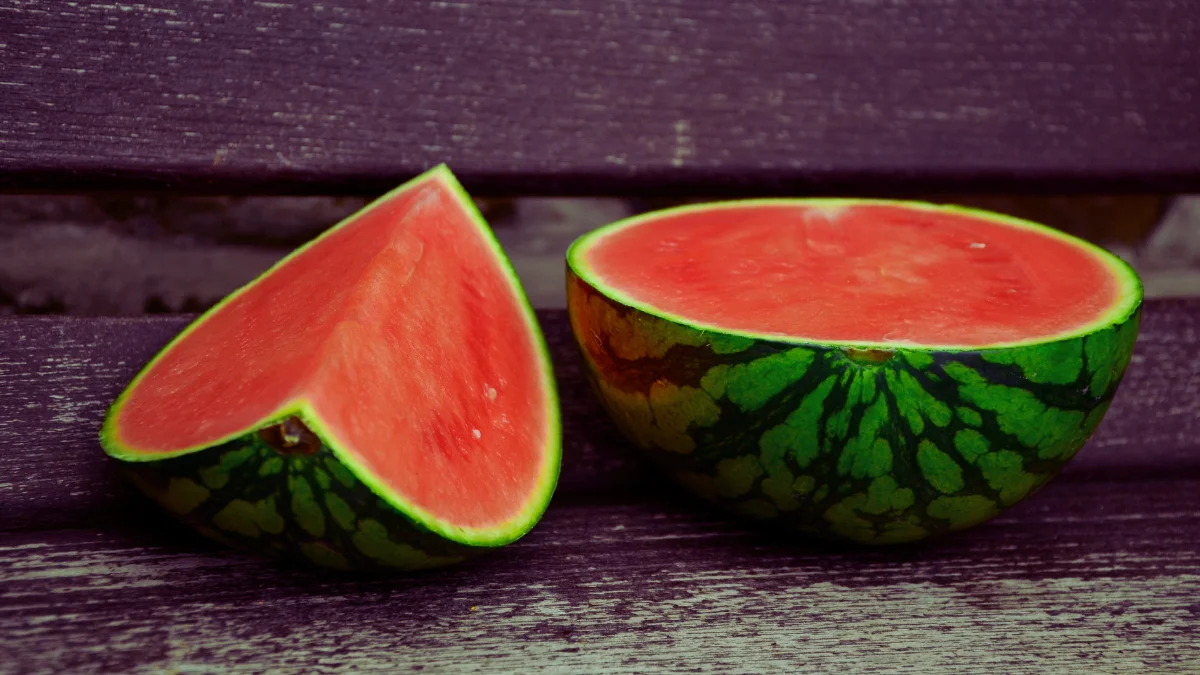
Watermelon delivers exceptional skin benefits through its high lycopene content, which works as a natural internal sunscreen.
This juicy fruit contains more lycopene than raw tomatoes, offering substantial protection against UV radiation damage. The high water content also helps maintain proper skin hydration during hot summer months.
Beyond lycopene, watermelon provides vitamin C supports collagen synthesis and repairs damaged skin tissues.
Your skin benefits from its citrulline content, an amino acid that improves blood circulation to skin cells. Better circulation means more nutrients reach your skin for repair and regeneration after sun exposure.
The combination of vitamins A, B6, and C in watermelon supports overall skin health while fighting oxidative stress.
These nutrients work together to reduce inflammation and redness caused by excessive sun exposure. Enjoying watermelon regularly during the summer months gives your skin added protection when UV exposure typically increases.
9. Carrot
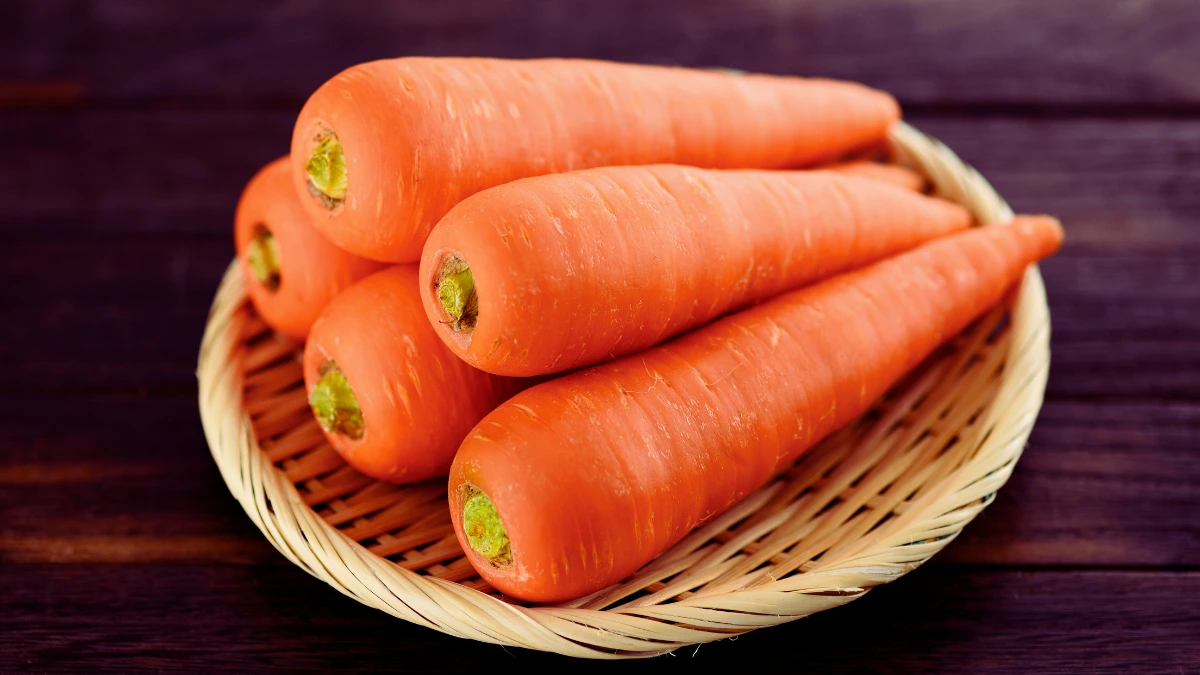
Carrots contain beta-carotene in abundance, giving them their bright orange color and powerful skin protective qualities.
Your body converts this compound to vitamin A, which supports cell regeneration and repair after sun exposure. Regular consumption can lead to a natural increase in your skin’s defense against UV damage.
The antioxidants in carrots neutralize free radicals before they can damage skin cells and break down collagen. Raw or lightly cooked carrots provide the most bioavailable nutrients for skin health.
People often see positive changes in how even and smooth their skin looks when they eat carrots regularly for just a few weeks.
Vitamin C and potassium in carrots further support skin health by maintaining proper moisture balance and promoting healing.
These nutrients work synergistically with beta-carotene to enhance skin resilience against environmental stressors.
Just one medium carrot daily provides significant protection against photoaging and supports your skin’s natural repair mechanisms.
10. Broccoli
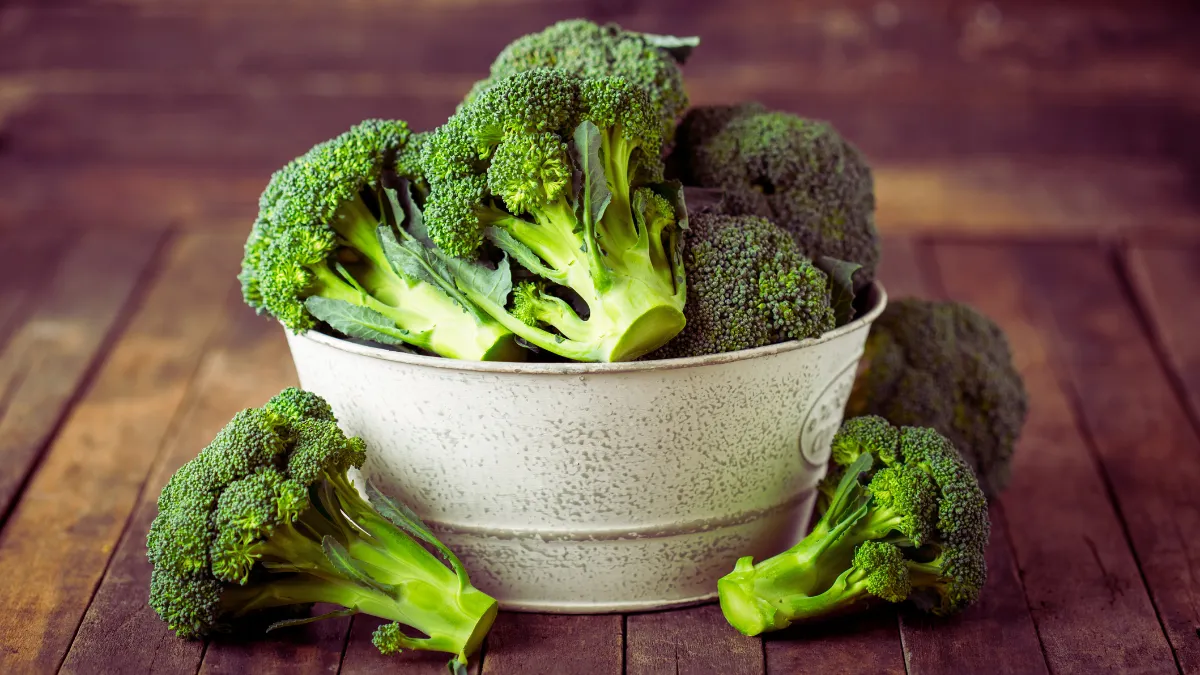
Broccoli contains sulforaphane, a powerful compound that activates protective pathways in skin cells. This unique substance boosts your skin’s natural detoxification systems, helping eliminate toxins generated by UV exposure.
The result is reduced inflammation and better recovery after sun damage. Vitamins A, C, and E in broccoli provide a triple defense against free radical damage while supporting collagen production.
Your skin benefits from improved elasticity and faster healing when these nutrients are abundant. The zinc content in broccoli helps regulate sebum production and promotes cellular turnover for fresher-looking skin.
Lutein and zeaxanthin in broccoli further protect against oxidative stress caused by blue light and UV radiation.
These carotenoids accumulate in skin tissue, creating an additional barrier against everyday sun exposure. Eating broccoli several times weekly, whether raw or lightly steamed, preserves these beneficial compounds for maximum skin protection.
11. Collagen Supplements

Collagen peptides taken orally can help rebuild skin structure damaged by sun exposure from within. These supplements provide the building blocks your body needs to repair compromised skin areas.
The peptides are absorbed into the bloodstream and distributed to skin tissues where repair is needed most. Taking collagen daily supports skin elasticity and hydration levels that typically decline with sun damage and aging.
Your skin’s moisture retention improves as collagen strengthens the barrier function. Many users report firmer, more resilient skin after consistent use of high-quality collagen supplements.
A groundbreaking 2014 study published in the Journal of Medicinal Food demonstrated significant improvements in skin elasticity and hydration after eight weeks of collagen supplementation.
Participants showed a 20% reduction in wrinkle depth and measurably increased collagen density in previously sun-damaged skin.
The research confirmed that 2.5-5g of collagen peptides daily can effectively reverse some visible signs of photodamage.
12. Sunflower Seeds
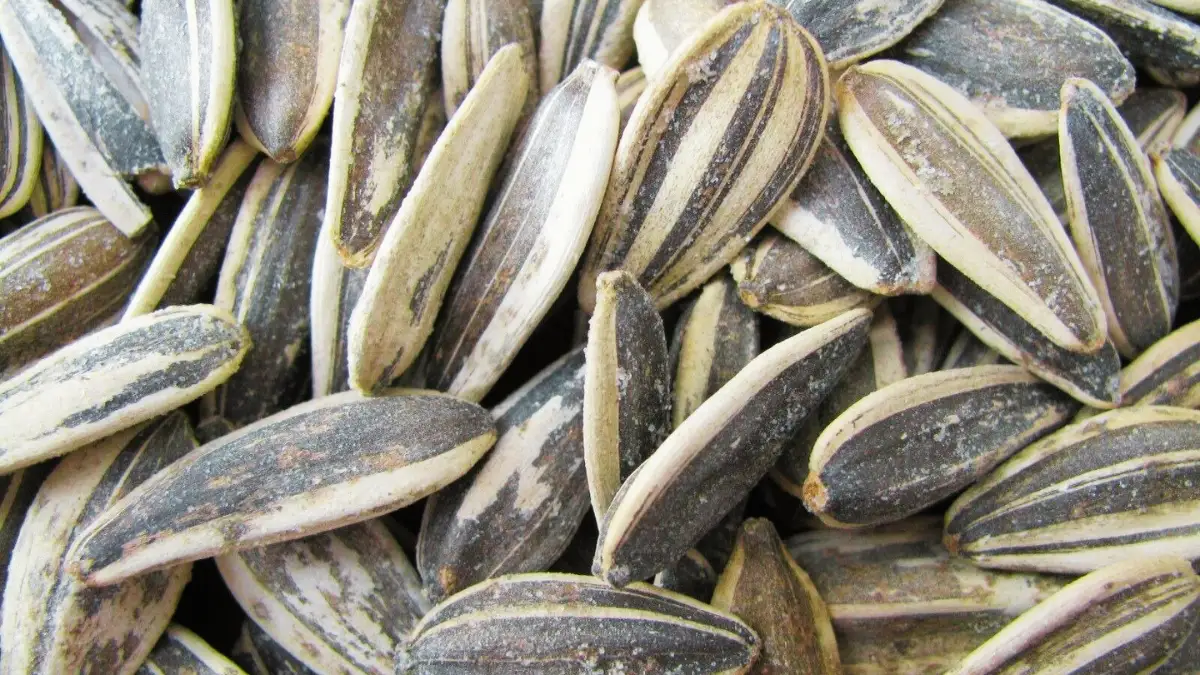
Sunflower seeds provide concentrated vitamin E, one of the most important nutrients for protecting skin cell membranes from UV damage.
This fat-soluble vitamin accumulates in the skin, creating a natural barrier against oxidative stress. Just a small handful daily delivers significant photoprotective benefits.
The selenium content in sunflower seeds works alongside vitamin E to support antioxidant enzymes in skin cells. Your skin’s natural defenses against sun damage become stronger with regular consumption.
These seeds also contain copper and zinc that help maintain the skin’s structural proteins and support wound healing after sun exposure.
Healthy fats in sunflower seeds enhance the absorption of fat-soluble vitamins from other foods in your diet. This synergistic effect maximizes the skin benefits of your overall nutrition.
Many people incorporate these seeds into smoothies, salads, or yogurt for an easy boost to their skin’s resilience against everyday sun exposure.