

Worried about memory loss as you age? Many of us fear cognitive decline, yet feel helpless against it. The growing threat of Alzheimer’s affects millions worldwide, with numbers rising yearly.
But what if your grocery list could become your brain’s best defense? Certain foods contain powerful compounds that protect neural connections and fight the inflammation linked to cognitive decline.
From antioxidant-rich berries to omega-packed fish, these 12 foods work together to shield your brain from damage. Ready to stock your kitchen with nature’s best brain protectors? Your memory will thank you.
1. Beans
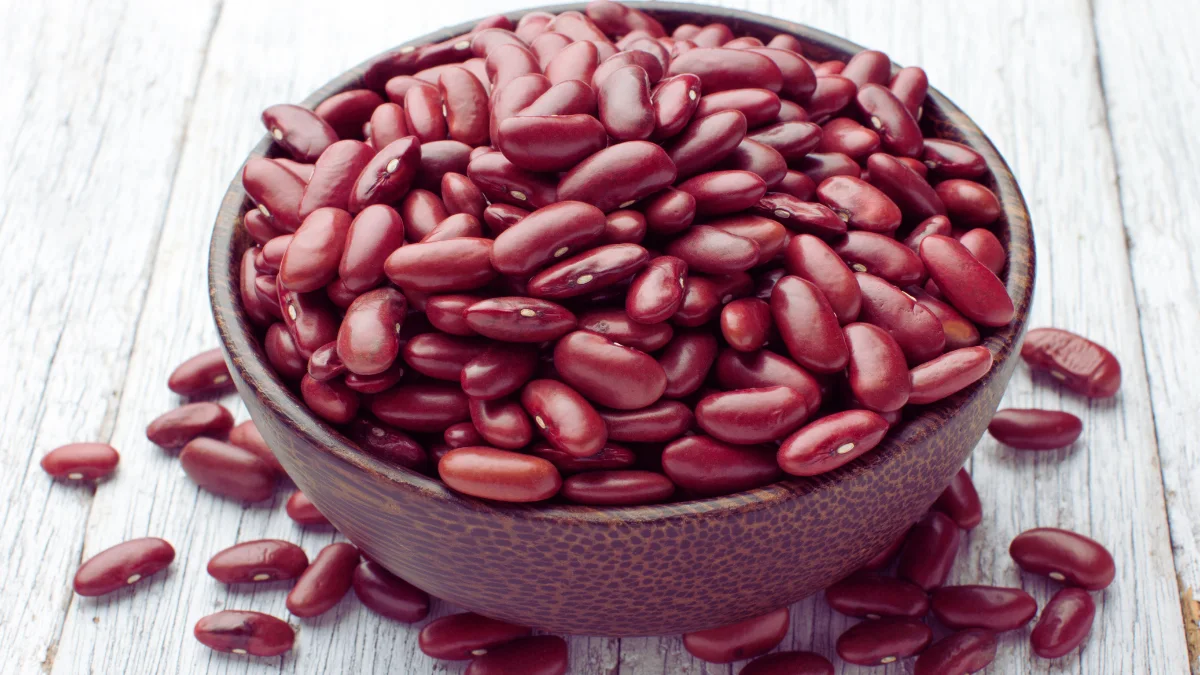
Beans pack a powerful punch for brain health with their unique combination of antioxidants, protein, and phytonutrients.
These nutrients work together to support vascular health by improving blood flow and fighting inflammation throughout the body, including the brain.
Regular consumption of beans helps regulate your circulatory system, which delivers oxygen and essential nutrients to brain cells.
The fiber in beans also supports gut health, which scientists now recognize as crucial for cognitive function through the gut-brain connection.
Adding beans to your weekly meals can be as simple as tossing some chickpeas into your salad or enjoying a bowl of lentil soup.
Black, pinto, and kidney varieties all offer similar benefits, so choose based on your taste preferences and cooking style.
2. Berries

Berries stand out as cognitive superstars due to their high antioxidant content, particularly compounds called anthocyanins that give them their vibrant colors.
These compounds fight oxidative stress, which can damage brain cells over time. Blueberries, strawberries, blackberries, and raspberries all contain these protective elements.
The antioxidants in berries help maintain the health of brain cells and support the connections between them, which is essential for memory and other cognitive functions.
You can enjoy berries fresh, frozen, or dried. Sprinkle them on your morning cereal, blend them into smoothies, or eat them as a sweet snack. For maximum benefit, aim for at least one serving of mixed berries several times per week.
3. Coffee

Coffee offers more than just a morning energy boost—it contains compounds that stimulate the production of acetylcholine, a chemical that protects neurons in your brain.
This makes your daily cup potentially helpful for long-term brain health. Moderate coffee consumption, about 1-3 cups daily, appears to benefit most people.
The caffeine and antioxidants in coffee support attention, and alertness, and possibly help reduce the risk of cognitive decline. Just be careful not to overdo it, as too much can affect sleep quality.
Black coffee provides the most direct benefits, but even with a splash of milk, you’ll still get the brain-protective elements.
Those sensitive to caffeine might consider half-decaf options to get the beneficial compounds with less stimulation.
4. Quinoa
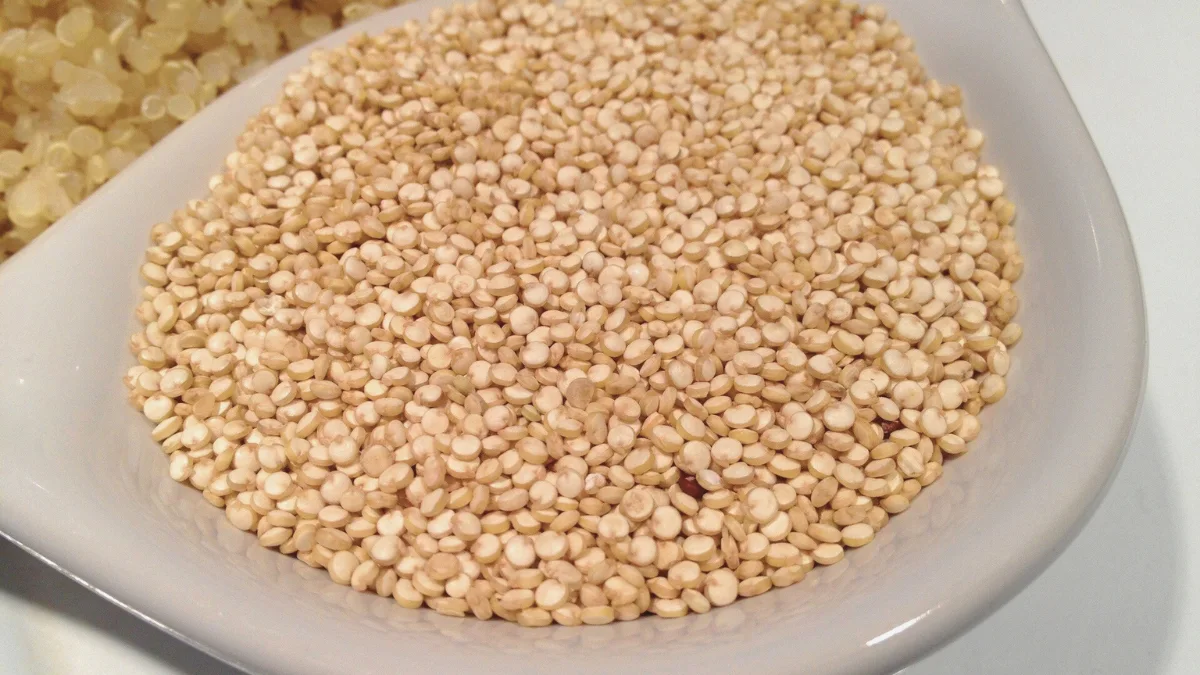
Quinoa serves as an exceptional brain food because it’s one of the few plant sources that provides complete protein with all essential amino acids.
These proteins help maintain the structure of neurons and support repair processes in the brain. This ancient grain also contains vitamin E, zinc, and fiber that work together to reduce oxidative damage and support overall brain function.
Its low glycemic index helps maintain stable blood sugar levels, which protects against insulin resistance that can harm cognitive health.
Cooking quinoa is straightforward—just use it like rice in your meals. It makes an excellent base for grain bowls, works well in soups, or can be eaten as a breakfast porridge with fruit. The mild flavor adapts to whatever seasonings you prefer.
5. Leafy Greens

Leafy greens such as kale, spinach, and collards contain an impressive array of nutrients that directly benefit brain health.
Their high levels of folate, lutein, and beta-carotene support cognitive function and help protect against age-related decline.
These vegetables work by reducing inflammation and oxidative stress in the brain. These greens also contain compounds that may help reduce the buildup of harmful proteins associated with Alzheimer’s disease.
This makes them particularly valuable for long-term brain protection. Try to include at least one serving of dark leafy greens in your diet daily.
They work well in salads, sautéed as side dishes, added to soups, or blended into smoothies. Even small amounts consistently consumed can contribute to better brain health over time.
6. Nuts
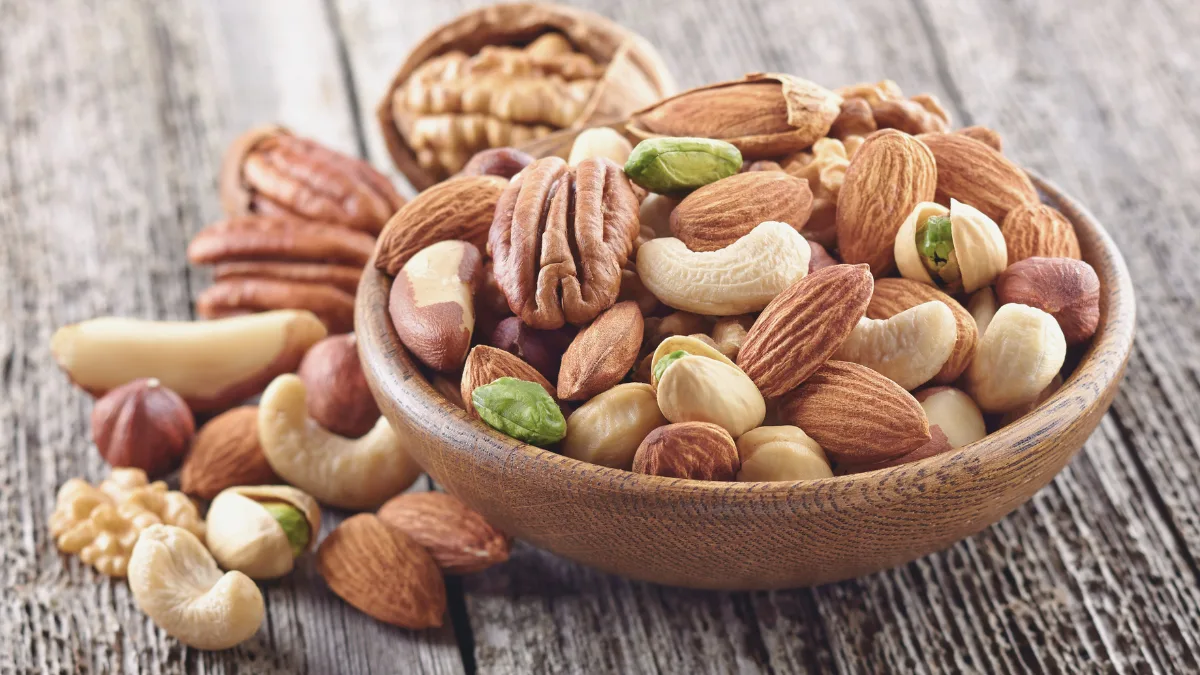
Nuts contain unsaturated fats and vitamin E that have strong neuroprotective properties. Walnuts, with their omega-3 content, and almonds, rich in vitamin E, stand out as particularly beneficial for brain health and function.
The beneficial compounds found in nuts support brain cell structure and decrease inflammatory responses throughout the body, including within brain tissue.
Regular nut consumption has been linked to better cognitive performance and may help slow aspects of brain aging.
A small handful (about 1 ounce) of mixed nuts makes an excellent daily snack. You can also add chopped nuts to oatmeal, yogurt, or salads.
Since nuts are calorie-dense, portion control matters, but their nutrient density makes them worth including in your regular diet.
7. Olive Oil

Olive oil stands as a cornerstone of the Mediterranean diet, replacing unhealthy saturated fats while reducing inflammation and improving blood flow to the brain.
The monounsaturated fats in olive oil help maintain cell membrane fluidity, allowing brain cells to communicate more effectively.
A Harvard study involving 6,000 women found that those who consumed more unsaturated fats like olive oil maintained better memory function over time.
Cold-pressed extra virgin olive oil offers the most benefits since it retains more polyphenols and antioxidants. Use it for low-heat cooking, or salad dressings, or drizzle it over cooked vegetables. Just two tablespoons daily can contribute significantly to your brain health regimen.
8. Omega-3s
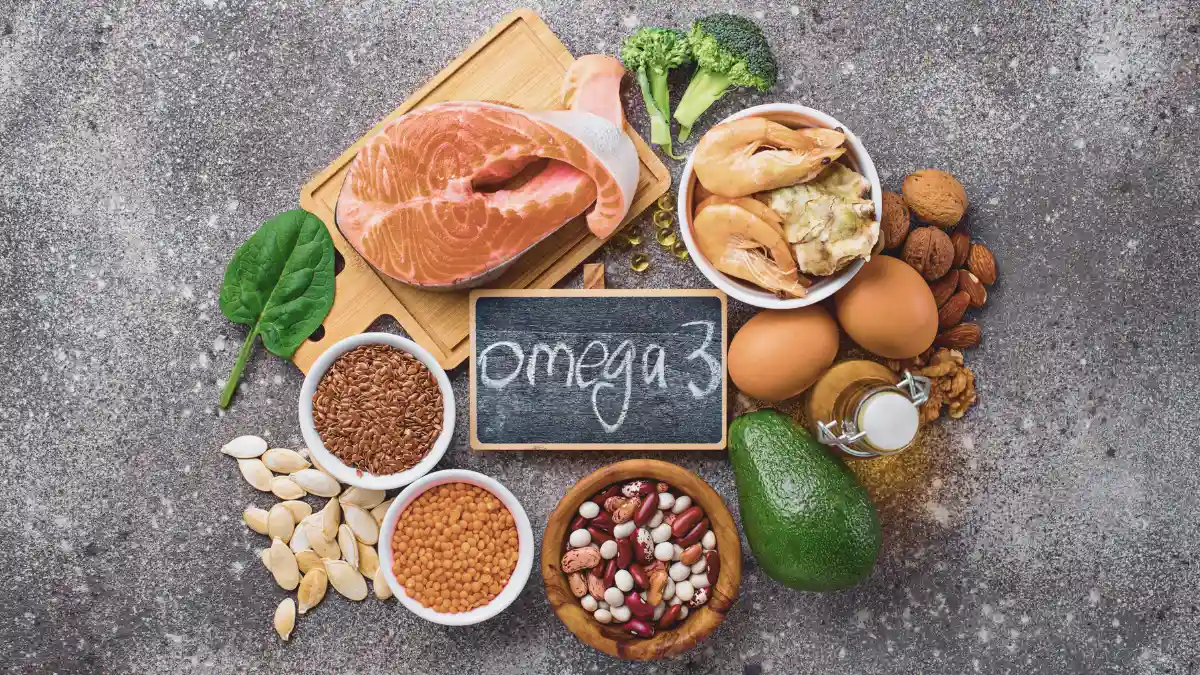
Fatty fish like salmon, mackerel, and sardines provide DHA and EPA, types of omega-3 fatty acids that your brain craves.
These essential fats form part of the structure of brain cells and help reduce inflammation that can damage neural tissue.
Your brain contains high concentrations of these fats, which it uses to build cell membranes and support communication between neurons.
Without adequate omega-3s, brain cells can become stiff and function less efficiently. The anti-inflammatory action of these fats also helps protect blood vessels that supply oxygen to the brain.
For those who don’t eat fish, plant sources like algae supplements offer a viable alternative. Even flaxseeds and walnuts contain ALA, a type of omega-3 that your body can partially convert to the forms it needs. Try to include omega-3-rich foods at least twice weekly for optimal brain support.
9. Other Vegetables

Beyond leafy greens, several other vegetables offer unique brain benefits. Avocados contain monounsaturated fats that boost blood flow to the brain, while their potassium helps regulate blood pressure for better overall circulation.
Cruciferous vegetables like broccoli, cauliflower, and Brussels sprouts contain compounds that help detoxify harmful substances that could damage brain cells.
These veggies also provide antioxidants that combat oxidative stress, a major contributor to brain aging. Mushrooms, though technically fungi, add to this protective effect by supporting immune function and reducing inflammation in neural tissue.
Colorful vegetables provide the widest range of protective compounds, so aim for variety. Roasting vegetables with herbs brings out their natural sweetness, making them more appealing. Even adding small amounts to omelets, soups, or pasta dishes can boost your brain health defenses.
10. Seeds
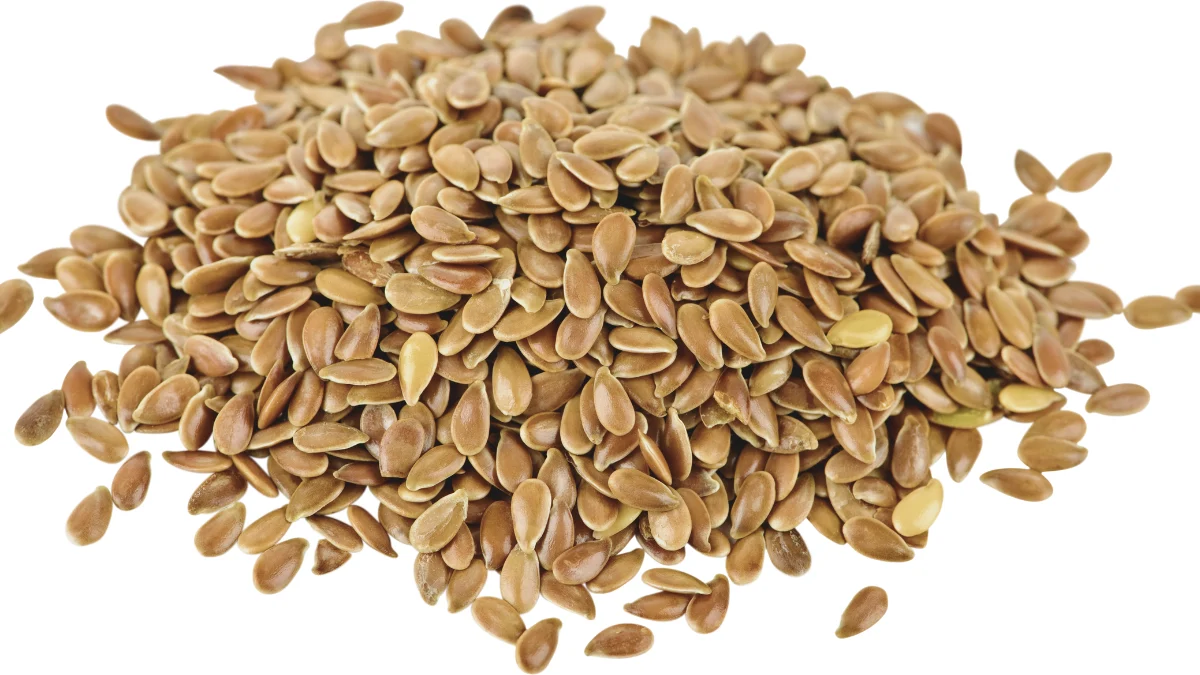
Small but mighty, seeds pack impressive brain benefits into tiny packages. Chia, flax, and pumpkin seeds deliver omega-3 fatty acids, vitamin E, and magnesium—nutrients that protect against oxidative damage and support healthy brain function.
The magnesium in seeds helps regulate neurotransmitters involved in learning and memory, while zinc supports overall brain health. Many seeds also contain antioxidants that fight free radical damage.
Their fiber content helps stabilize blood sugar levels, providing consistent energy to brain cells throughout the day.
Adding seeds to your diet requires minimal effort. Sprinkle them on yogurt or oatmeal, blend them into smoothies, or use them to top salads and soups.
A tablespoon or two daily provides meaningful benefits. Store seeds in the refrigerator to preserve their delicate oils and prevent rancidity.
11. Spices

Spices do more than flavor food—they actively protect your brain. Turmeric contains curcumin, a compound that crosses the blood-brain barrier and can help clear the protein buildup associated with Alzheimer’s disease.
Cinnamon helps regulate blood sugar, supporting consistent energy flow to the brain. Saffron shows promise for mood regulation, which affects cognitive function.
Black pepper enhances the absorption of turmeric’s beneficial compounds, making them work better together than separately. Even common herbs like rosemary and sage contain compounds that support memory.
You don’t need large amounts to benefit from spices. Adding just half a teaspoon of turmeric to soups, smoothies, or grain dishes provides a useful dose.
Experiment with different flavor combinations to find ones you enjoy. Fresh or dried herbs and spices both offer brain benefits, though some compounds are more concentrated in dried form.
12. Dark Chocolate

Dark chocolate with high cocoa content (70% or higher) contains flavonoids that increase blood flow to the brain, enhancing cognitive function.
These compounds help dilate blood vessels, allowing more oxygen and nutrients to reach brain tissues where they’re needed most.
A study published in Nature Medicine demonstrated that cocoa flavonoids improved memory function in older adults experiencing mild cognitive issues.
Researchers found that regular consumption of high-flavanol cocoa improved performance on memory tests and increased activity in the dentate gyrus, a part of the brain involved in forming new memories.
For brain health benefits, choose dark chocolate with minimal added sugar and enjoy small portions regularly. One or two squares daily provide beneficial compounds without excess calories. Let it melt slowly in your mouth to fully appreciate both the flavor and the cognitive boost it provides.