

Is your favorite fast food burger, fries, and milkshake just a tasty treat, or something far worse? The truth is, that seemingly innocent meal contains up to 11 hidden ingredients actively harming your health right now.
Your digestive issues, skin problems, and unexplained fatigue aren’t random – they’re directly linked to these dangerous additives.
What’s worse, food manufacturers intentionally hide these harmful substances behind innocent-sounding names.
Once you know what to look for, you can protect yourself and your family from these health-destroying ingredients. Here’s what’s hiding in your meal and what it’s doing to your body.
1. Starch + Sugar
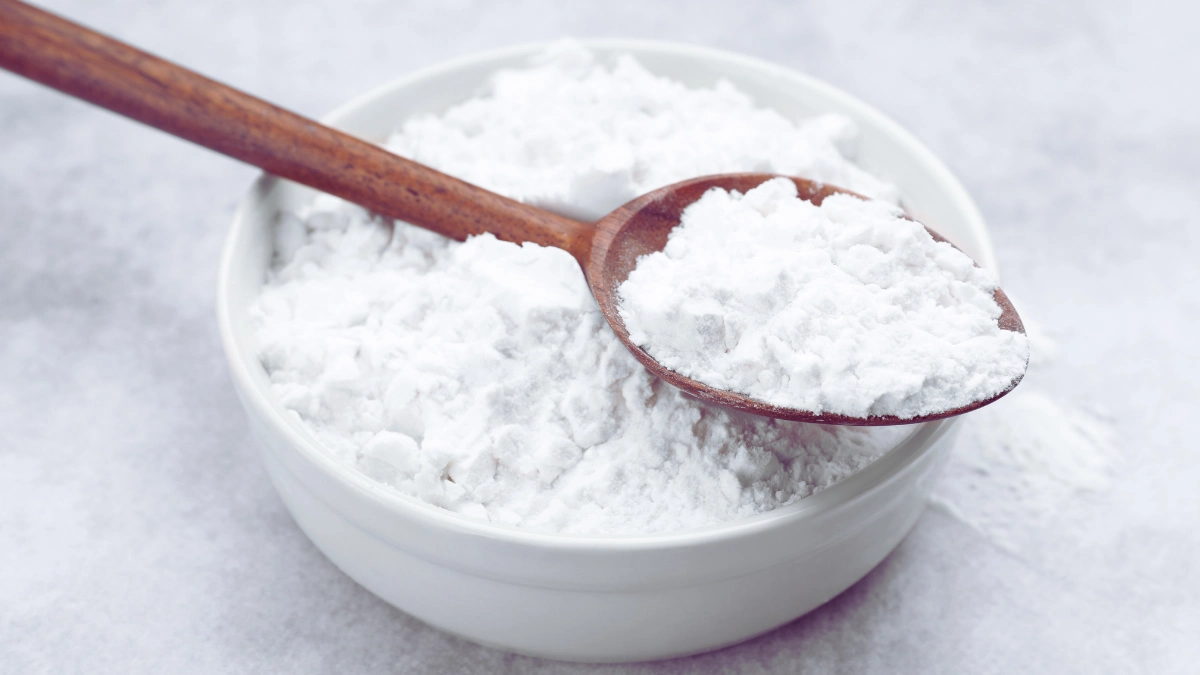
Your favorite comfort meal combines two silent attackers. Processed carbs like white bread and cornbread quickly convert to glucose, causing rapid blood sugar spikes.
This triggers insulin surges that eventually lead to insulin resistance when consumed regularly. Adding sugary sauces makes this worse. BBQ sauce, ketchup, and many dressings contain surprising added sugars.
The combination creates a metabolic nightmare in your body. Blood sugar rollercoasters drive inflammation, accelerate aging processes at the cellular level, and increase risk factors for chronic diseases.
The effects show on your body too. Sugar causes water retention, leading to facial puffiness and leg swelling.
It’s also linked to increased belly fat, acne breakouts, and other skin problems. Cutting these combinations can visibly improve your appearance within weeks.
2. High-Fructose Corn Syrup
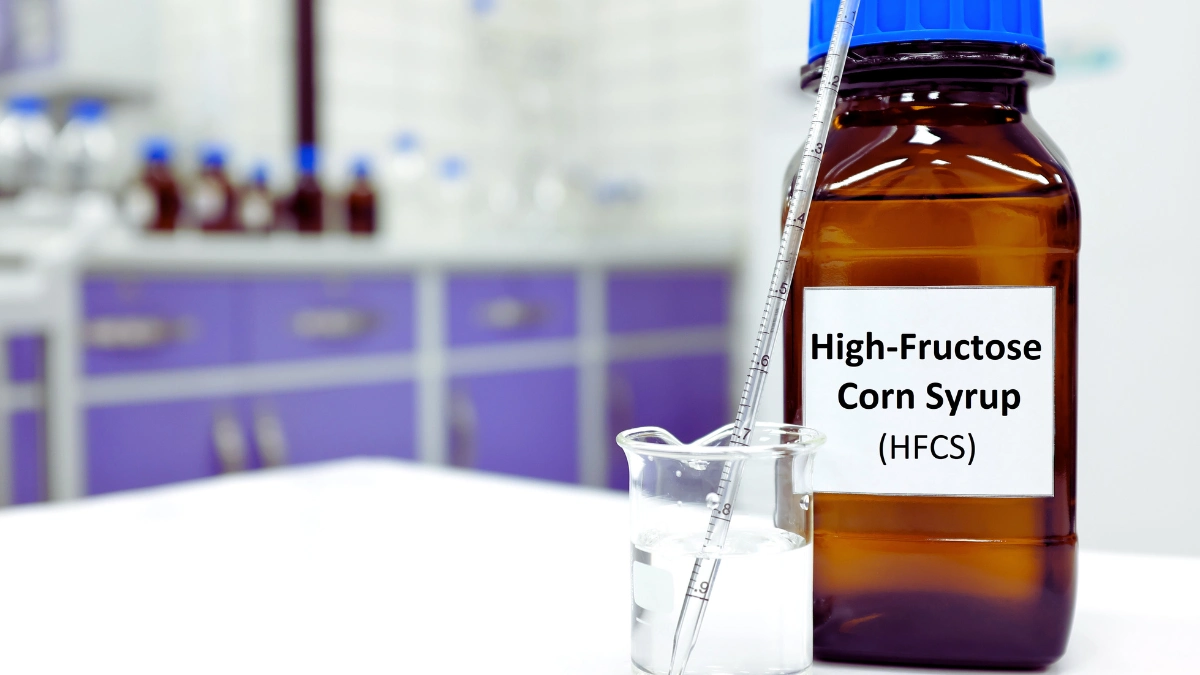
This sweetener hides in plain sight across your plate. Check the hamburger buns, BBQ sauce, ketchup, and cornbread mix labels – HFCS lurks in all of them.
Unlike glucose, which all cells can use, fructose must be processed exclusively by your liver. When your liver gets overwhelmed with fructose, it converts the excess into fat.
A Princeton University study found rats given HFCS gained significantly more weight than those given table sugar, even when consuming the same calories.
The researchers noted HFCS triggered abnormal increases in body fat, especially in the abdomen, and increased triglyceride levels.
Your body responds differently to HFCS than other sugars. It fails to trigger hormones that regulate appetite and feelings of fullness.
This explains why foods with HFCS leave you hungry soon after eating, creating a dangerous cycle of overconsumption and metabolic damage.
3. Grilled Meat

That appealing char on your burger or steak creates compounds called Polycyclic Aromatic Hydrocarbons (PAHs).
These form when fat drips onto hot coals or heating elements, creating smoke that coats your food with potential carcinogens.
Another problem comes from heterocyclic amines (HCAs) that form when meat proteins react with high heat. Both PAHs and HCAs can alter DNA structure in ways that might initiate cancer development.
The risk increases with how well done you prefer your meat and how frequently you consume it. Grilling techniques matter too. Direct exposure to flames creates more harmful compounds than indirect heat.
Smoking meats adds flavor but also increases exposure to these problematic substances. Your beloved smoky taste comes from compounds that may increase cancer risk over time, particularly colorectal, pancreatic, and prostate cancers.
4. Sodium Nitrates/Nitrites
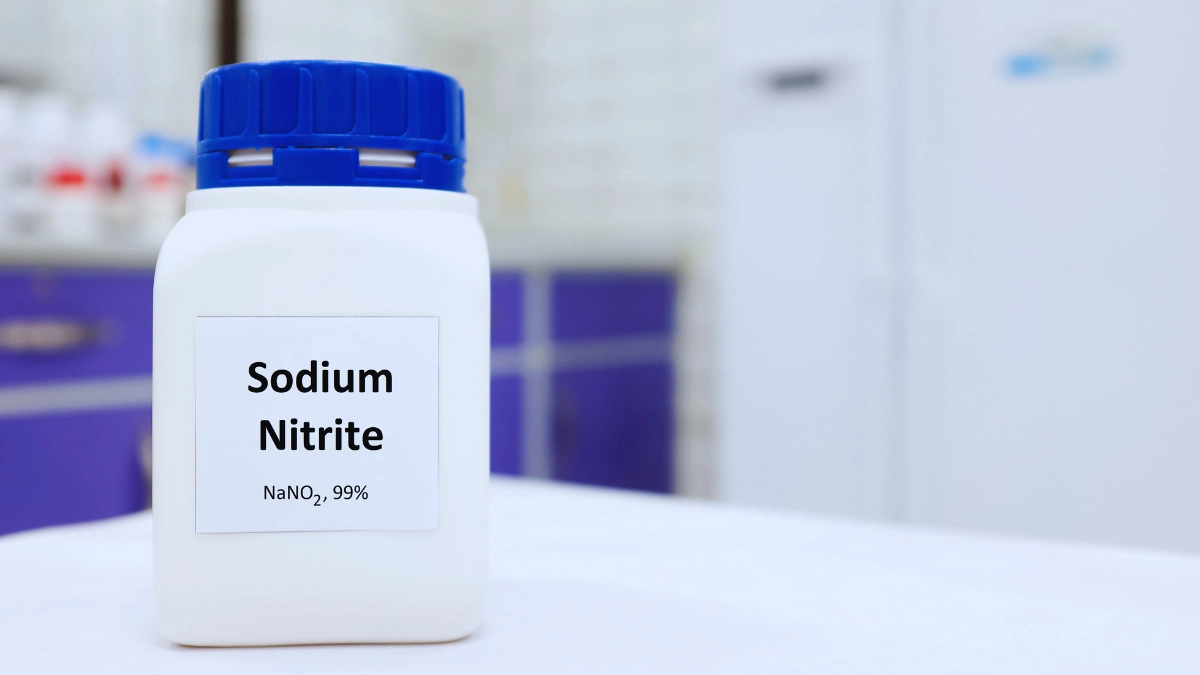
Bacon, sausages, and other cured meats rely on these preservatives to maintain color and prevent bacterial growth.
They seem innocuous on labels, often listed as cultured celery extract in “natural” products, but their health effects deserve attention.
When exposed to high heat during cooking, nitrates convert to nitrosamines – potent cancer-promoting compounds.
A meta-analysis published in the International Journal of Cancer examined data from different studies and found that each 50g daily serving of processed meat increased colorectal cancer risk by 18%. The researchers specifically noted nitrates as a likely culprit.
These compounds also affect blood vessel function. They reduce nitric oxide availability in your bloodstream, potentially raising blood pressure and increasing heart disease risk.
Regular consumption interferes with normal gut bacteria balance too, potentially damaging your digestive tract lining and weakening your immune system over time.
5. Glyphosate

This herbicide sounds far removed from your dinner plate, but residues commonly appear in wheat-based products, corn, and many other crops.
Farmers spray it extensively before harvest on many grains that become burger buns, taco shells, and breading.
The chemical disrupts the balance of beneficial bacteria in your gut. Since 70% of your immune system resides in your gut, this disruption weakens your body’s natural defenses.
Long-term exposure may contribute to various chronic health issues through this gut-immune connection. Testing reveals troubling exposure levels.
Urine samples show glyphosate residues in about 80% of Americans tested. Children often show higher levels than adults.
While individual exposures may be small, the cumulative effect of regular consumption raises serious health questions.
Organic foods significantly reduce exposure but can’t eliminate it due to widespread environmental contamination.
6. Artificial Sweeteners
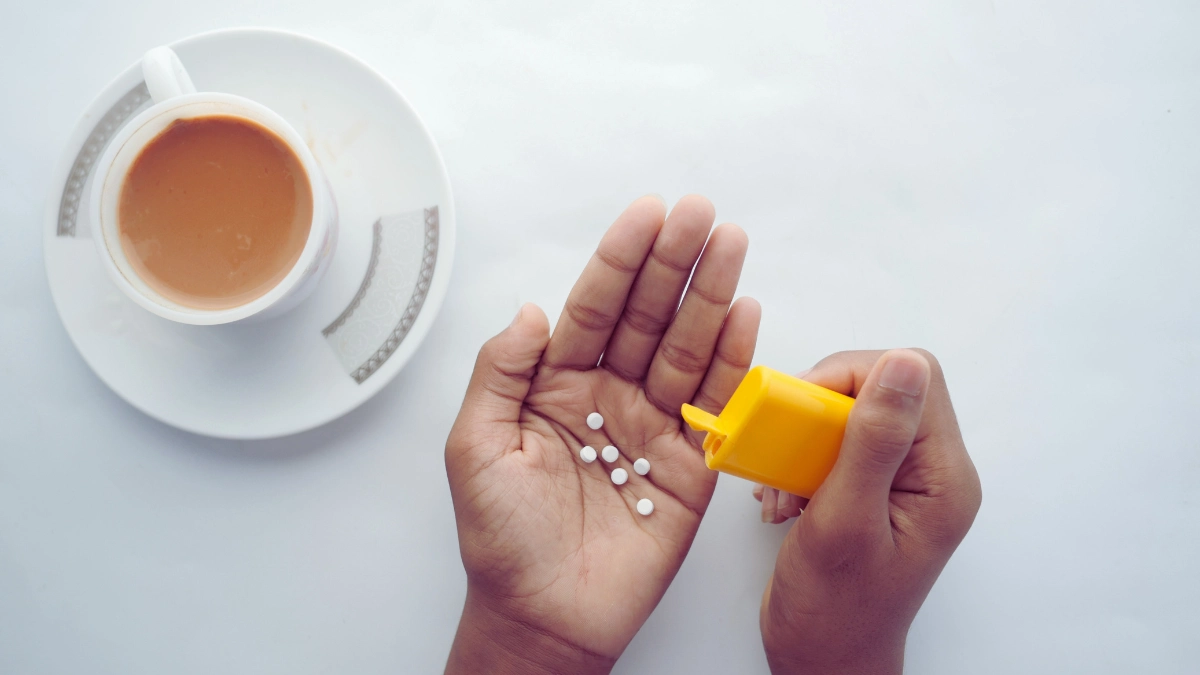
Those sugar-free sodas and “diet” foods often contain aspartame, sucralose, or saccharin. Marketed as healthier alternatives to sugar, these compounds might work against your weight loss goals.
They can disrupt gut bacteria balance and trigger insulin responses similar to real sugar. Your brain gets confused by the sweet taste without calories, potentially increasing cravings for actual sugar later.
Some people report headaches, dizziness, and mood changes after consuming these sweeteners. Long-term consumption has been linked to metabolic changes that may promote weight gain rather than prevent it.
Skip the fake sugars with your meal. Water, unsweetened tea, or coffee make better beverage choices.
When you do want sweetness, small amounts of natural options like honey or maple syrup provide flavor along with some nutrients. Your taste buds will gradually adjust to less sweetness overall.
7. Carrageenan

Check the ingredient list on your chocolate milk, almond milk, ice cream, or yogurt. This seaweed-derived thickener creates a creamy texture but causes significant gut inflammation in many people.
Food manufacturers add it to improve mouthfeel and prevent separation in liquid products. Scientists have observed its inflammatory effects for decades.
Animal studies show carrageenan causes intestinal ulcerations and gastrointestinal inflammation. Some researchers believe it may trigger or worsen inflammatory bowel conditions in susceptible individuals.
The compound damages intestinal cell walls, potentially allowing bacteria to enter tissue they shouldn’t reach. Several food companies have removed carrageenan from their products due to consumer concerns.
Alternative thickeners exist that don’t carry the same inflammatory risk. Watch for this ingredient in dairy and plant-based products, meal replacement shakes, and ready-to-drink protein beverages. Your digestive system will thank you for choosing products without this problematic additive.
8. Artificial Food Colors

The bright blues, reds, and yellows making food visually appealing come from petroleum-based chemicals. These synthetic dyes serve no nutritional purpose but appear in candy, cereals, sports drinks, baked goods, and even some meat products. They exist purely for visual appeal.
Children seem particularly sensitive to these compounds. Artificial colors are linked to behavioral issues, especially in kids already prone to hyperactivity.
Red 40, Yellow 5, and Blue 1 receive the most scrutiny for potential neurological effects. Many European countries restrict or ban colors still commonly used in American foods.
Look beyond the colorful exterior of processed foods. Natural foods have natural colors. Blueberries stain your fingers purple because they contain anthocyanins with actual health benefits.
Artificial colors offer nothing beneficial while potentially triggering problems for sensitive individuals. Natural foods show their true colors without needing fake dyes to catch your eye.
9. Trans Fats

Fast food, fried items, and many packaged baked goods often contain these manufactured fats. Created through hydrogenation (adding hydrogen to liquid oils), they extend shelf life but wreak havoc on your cardiovascular system.
Even small amounts raise LDL cholesterol while lowering protective HDL. Your heart suffers with each serving.
The Harvard School of Public Health estimates that trans fat consumption causes thousands of premature deaths annually from heart disease.
While many countries have banned these fats, they still lurk in the food supply. Manufacturers can label products “zero trans fat” if they contain less than 0.5 grams per serving.
Watch for “partially hydrogenated oils” on ingredient lists. This term signals trans fat presence regardless of nutrition label claims.
Restaurant fried foods often contain significant amounts. Your arteries will benefit from choosing foods fried in healthier oils or prepared using different cooking methods altogether. Small changes add up to major health protection over time.
10. Bisphenols (BPA)

That takeout container or plastic water bottle might leak more than just your drink. Bisphenol A and related compounds can migrate from packaging into your food and beverages.
These chemicals mimic estrogen in your body, potentially disrupting hormonal balance and metabolic function.
Heat accelerates leaching. Microwaving food in plastic containers significantly increases your exposure. Acidic foods like tomato sauce pull more BPA from container walls.
Even handling receipts can transfer these compounds through your skin. They accumulate in your body over time, potentially affecting reproductive health, brain development, and metabolism.
Transfer foods to glass or stainless steel containers when possible. Avoid microwaving in plastic even when containers claim to be microwave-safe.
Choose fresh foods over canned options when possible, as linings often contain bisphenols. Small changes to food storage and preparation habits can significantly reduce your exposure to these widespread hormone disruptors.
11. Titanium Dioxide
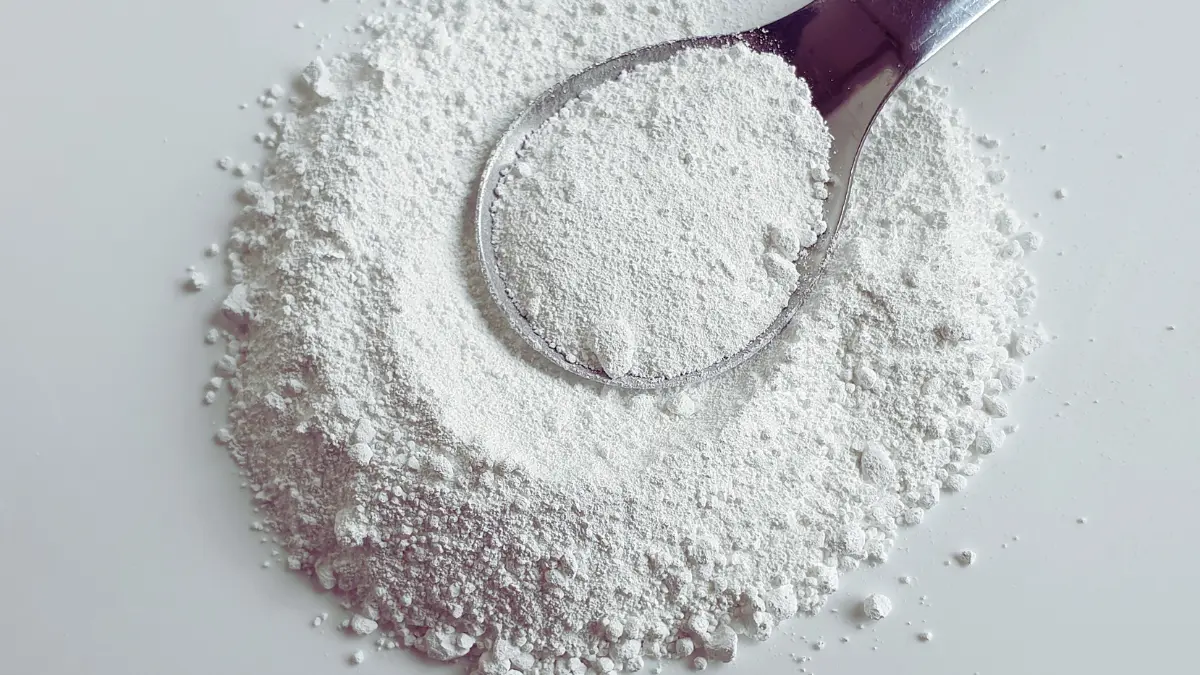
Many white foods get their bright appearance from this common additive. From ranch dressing and powdered donuts to chewing gum and candy coating, titanium dioxide creates an appealing white color.
Food manufacturers also use it in light-colored sauces and non-dairy creamers. Safety concerns have mounted in recent years.
The European Food Safety Authority no longer considers it safe as a food additive, citing potential DNA damage and cellular toxicity.
Nanoparticle forms may cross cell membranes and accumulate in organs. Your body struggles to eliminate this substance once it enters tissues.
Foods with natural ingredients rarely need whitening agents. Cream, milk, and other naturally white foods have an appealing appearance without additives.
Check labels for “titanium dioxide” or “E171” and choose products without this potentially problematic ingredient. Your body doesn’t need engineered whiteness with your meal.