

That morning bowl of cereal or toast might feel like a healthy start, but it could be doing more harm than good.
Many popular breakfast staples are secretly packed with hidden sugars and inflammatory ingredients that drain your energy and spike your insulin.
If you want to protect your long-term wellness, it is time to look closer at your plate. Discover which common food is sabotaging your health today.
1. Sugary Breakfast Cereals

Those colorful boxes in the grocery aisle might seem like a quick morning solution, but they’re often nutritional nightmares.
Many popular cereals contain up to 15g of added sugar per serving, which can throw your blood sugar into chaos before you’ve even started your day.
The lack of fiber and protein in these processed options means you’ll likely feel hungry again within an hour or two after eating.
Your body burns through these simple carbs quickly, leaving you with less energy when you need it most. This creates a cycle of hunger and cravings throughout the day.
A smarter approach? Look for cereals with less than 5g of sugar per serving and at least 3-5g of fiber. Adding some nuts or Greek yogurt boosts protein content, helping you stay full longer. Your morning routine doesn’t need to change completely—just the contents of your bowl.
2. Flavored Yogurts

The yogurt section of your supermarket hides a surprising truth. Those convenient, fruit-flavored cups can pack up to 22g of added sugar per 100g serving—almost as much as dessert.
The health benefits of yogurt get overshadowed by what amounts to spoonfuls of sugar. Low-fat varieties are often worse offenders.
When manufacturers remove fat, they typically add extra sugar or artificial sweeteners to maintain flavor, creating products that work against your health goals. Your gut microbiome, which thrives on natural foods, suffers from these sweetened options.
Plain Greek yogurt offers a better foundation for your morning meal. It contains nearly twice the protein of regular yogurt, helping control hunger until lunch.
Add your fresh berries for natural sweetness and antioxidants, or a small drizzle of honey if you need extra sweetness. This simple switch puts you back in control of your breakfast.
3. Processed Breakfast Pastries

Those tempting donuts, muffins, and croissants sitting by the coffee counter come with a cost far beyond their price tag.
A single store-bought muffin can contain 400+ calories with minimal nutrients, essentially offering your body empty fuel that burns out quickly.
The combination of refined flour, sugar, and unhealthy fats creates a morning meal that sets you up for an energy crash.
Your blood sugar spikes rapidly, then plummets, often leading to mid-morning fatigue and cravings. Many of these pastries also contain artificial preservatives and additives your body struggles to process.
Making your own baked goods gives you control over the ingredients. Try baking batches of healthier muffins using almond flour, oats, or mashed bananas for natural sweetness.
These can be prepared ahead and frozen for busy mornings, giving you a quick option that supports your health rather than undermining it.
4. Fruit Juice

That glass of orange juice might seem like a healthy choice, but it’s missing a crucial component of whole fruit: fiber. Without fiber, the natural sugars in fruit juice hit your bloodstream all at once.
A small 150ml serving contains about 12g of sugar, comparable to some sodas. Your liver processes these concentrated sugars similarly to the way it handles soda.
Regular consumption has been linked to an increased risk of fatty liver disease and tooth decay. Many commercial juices also undergo pasteurization processes that destroy heat-sensitive vitamins, reducing their nutritional value even further.
Eating whole fruits gives you all the benefits without the downsides. The fiber in a whole orange or apple slows sugar absorption and keeps you feeling full.
If you enjoy the convenience of a drink, try blending whole fruits with leafy greens and seeds for a more complete nutritional package that includes fiber, healthy fats, and protein.
5. Energy Bars
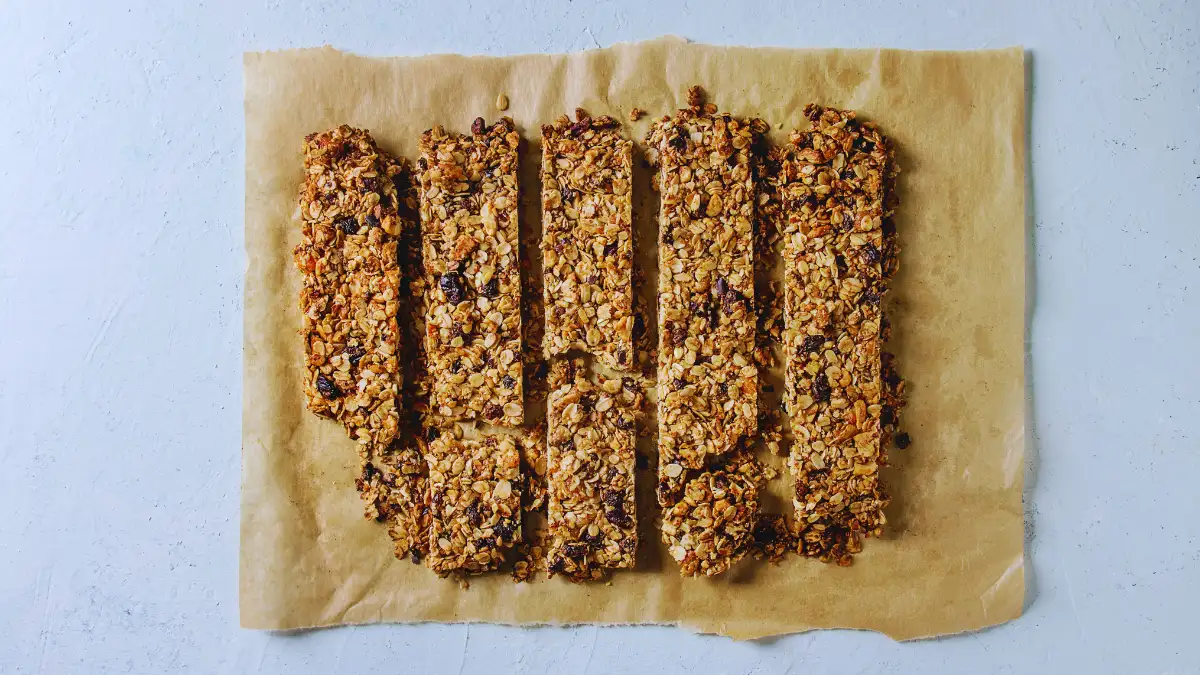
Those conveniently wrapped bars in your pantry might say “healthy” on the package, but a closer look tells a different story.
Many popular energy bars contain up to 15g of sugar per serving along with a list of ingredients you might need a chemistry degree to understand.
These bars were originally designed for athletes needing quick energy during or after workouts, not as everyday breakfast for people heading to desk jobs.
Without the intense physical activity to burn through that quick energy, your body often stores it as fat. The high sugar content can also trigger cravings later in the day.
If you need grab-and-go options, look for bars with less than 5g of added sugar and ingredients you recognize.
Good choices contain whole foods like oats, nuts, and seeds, plus at least 10g of protein to keep you satisfied. Even better, make your bars at home where you control exactly what goes into your morning fuel.
6. Processed Meats

Bacon, sausage, and ham might smell amazing in the morning, but they come with serious health concerns. These breakfast staples contain high amounts of sodium, nitrates, and saturated fats that tax your cardiovascular system right at the start of your day.
Your body processes these preserved meats differently than fresh proteins. The sodium content can cause water retention and blood pressure spikes, while nitrates used as preservatives have been linked to increased cancer risk.
Just two slices of bacon can contain nearly a quarter of your daily recommended sodium intake, putting stress on your kidneys before you’ve even left for work.
Try swapping your morning bacon for smoked salmon, which offers heart-healthy omega-3 fatty acids. Tofu scrambles seasoned with turmeric and black salt provide a protein-rich alternative with an egg-like flavor.
Even avocado toast with a poached egg gives you satisfying fats and proteins without the processed meat downsides.
7. Sweetened Coffee Drinks
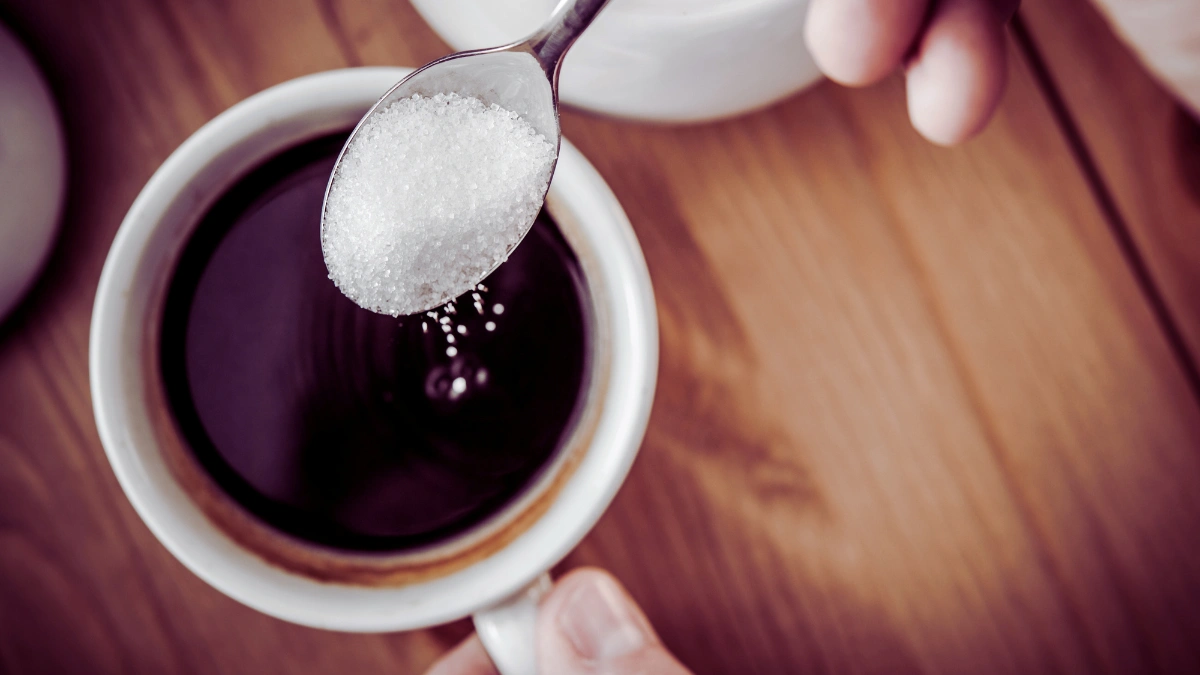
Your morning coffee shop run might be sabotaging your health goals without you realizing it. Specialty coffee drinks like frappuccinos and flavored lattes can contain up to 70 grams of sugar and 280 calories in a single serving, essentially turning your coffee into a dessert.
Sugar in liquid form hits your bloodstream particularly fast. Your pancreas responds by pumping out insulin, which not only creates an energy crash later but also promotes fat storage.
Many of these drinks also contain artificial flavorings and thickeners that add no nutritional value but plenty of empty calories.
Black coffee offers health benefits, including antioxidants and improved mental focus. If you need something more exciting, try adding cinnamon for natural sweetness or a splash of unsweetened almond milk.
Matcha lattes made with high-quality green tea powder provide a gentler caffeine release and additional antioxidants without the sugar overload.
8. Refined Carbohydrates

White toast, bagels, and other refined carbs might seem like breakfast classics, but they can trigger problematic metabolic responses.
These foods have had their fiber and nutrients stripped away during processing, leaving mainly starch that converts rapidly to sugar in your bloodstream.
A 2018 study highlighted in Healthline found that refined carbohydrate breakfasts cause significant insulin surges that increase hunger and promote fat storage.
Research participants who ate eggs instead of refined carbs consumed fewer calories at lunch, showing how protein-rich breakfasts help control appetite throughout the day.
Switching to sprouted grain bread or steel-cut oatmeal provides complex carbohydrates that break down slowly, giving you steady energy instead of spikes and crashes.
Adding protein sources like eggs or nut butter further stabilizes blood sugar levels. These simple swaps help transform breakfast from a potential metabolic disruptor into actual fuel for your day.
9. Store-Bought Smoothies

The smoothie shop’s colorful menu masks a surprising nutritional reality. Many commercial smoothies rely on fruit concentrates, syrups, and fruit juices rather than whole ingredients, stripping away fiber while concentrating sugars.
A medium-sized store-bought smoothie can contain over 50 grams of sugar. Without adequate protein or fiber, these liquid meals cause rapid blood sugar fluctuations.
Your body processes them more like desserts than balanced meals. The absence of healthy fats also means you miss out on fat-soluble vitamin absorption and staying power that could keep you full until lunch.
Creating smoothies at home gives you complete control over what goes in your glass. Start with a protein base like Greek yogurt or plant protein powder, add a handful of spinach or kale for nutrients, and include some avocado or nut butter for healthy fat.
Finish with a small amount of whole fruit for fiber and natural sweetness. This balanced approach turns a potential sugar bomb into a genuinely nutritious meal.
10. Granola
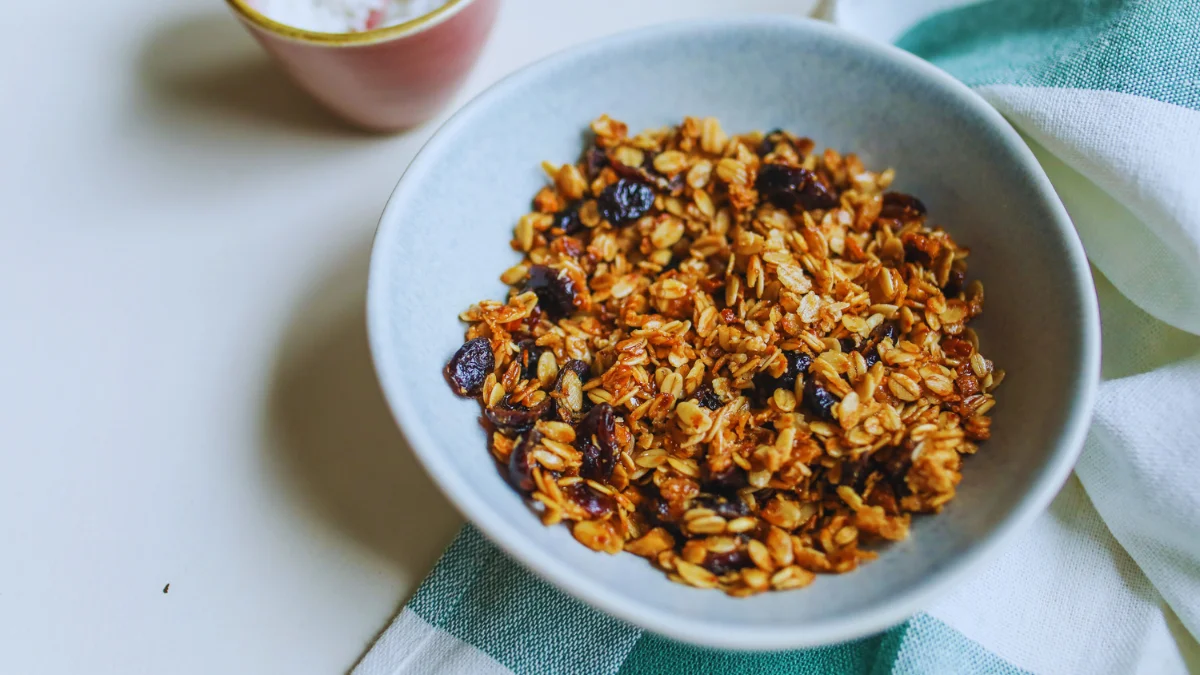
The health halo surrounding granola masks its true nutritional profile. This crunchy breakfast option typically contains surprising amounts of added sugars and oils, making it more of a dessert than the health food many believe it to be.
A small 45-gram serving often contains 12 grams of sugar and can pack up to 600 calories per cup. The combination of oats, nuts, and dried fruit sounds nutritious in theory, but commercial preparations add honey, maple syrup, brown sugar, and oils during baking.
These additions dramatically increase the calorie density while reducing the overall nutritional value. Portions matter too—most people pour much more than the recommended serving size.
You can enjoy granola more healthfully by making your version with oats, unsweetened coconut flakes, raw nuts, and cinnamon baked with minimal honey or maple syrup.
Serving size awareness helps too—use granola as a topping for plain yogurt rather than as the main component of your breakfast. This approach gives you a satisfying crunch without the sugar overload.
11. Toaster Pastries

Those convenient, colorful pastries that pop from your toaster might save you time, but they cost your body in other ways.
A single toaster pastry contains up to 20 grams of sugar (about 5 teaspoons) along with refined flour, corn syrup, and artificial colors that offer virtually no nutritional benefits.
Your body processes these ultra-processed foods differently than whole foods. The combination of simple carbs and sugar creates a quick energy surge followed by an equally dramatic crash, often leaving you hungry and foggy-headed by mid-morning.
Children are particularly vulnerable to these effects, with studies linking such breakfast choices to difficulty concentrating in school.
Faster alternatives exist that don’t compromise health. Whole grain toast topped with almond butter and sliced banana offers protein, healthy fats, and complex carbs in about the same preparation time.
For busier mornings, overnight oats prepared in advance provide grab-and-go convenience with actual nutritional value, supporting sustained energy rather than undermining it.