
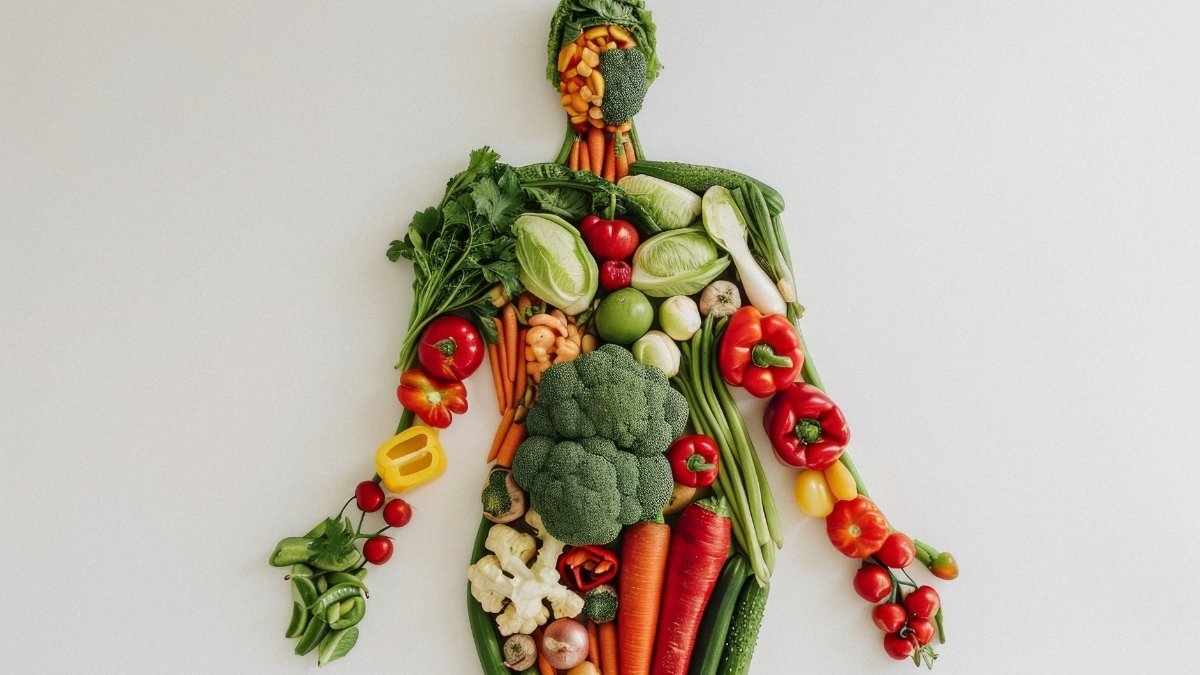
1. Prioritize Whole Foods
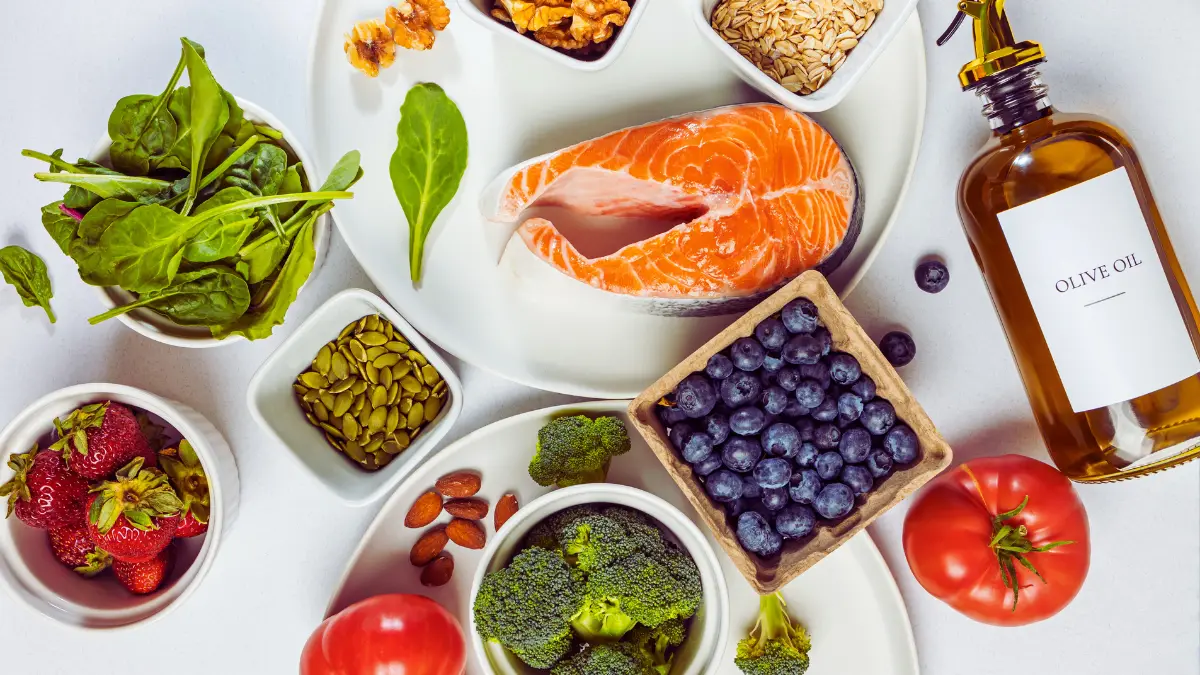
Your body works best when you feed it properly. Fruits, vegetables, whole grains, and lean proteins give your body what it needs to clear out unwanted substances naturally.
Broccoli, cauliflower, and other cruciferous vegetables contain compounds that help your liver process toxins. Berries pack antioxidants that protect cells while they clean up.
Garlic and onions provide sulfur compounds that support detoxification enzymes. Leafy greens offer chlorophyll, which helps bind and remove certain harmful compounds from the bloodstream.
Foods high in fiber like apples, oats, and legumes help move waste through your digestive tract more efficiently.
Try adding more colorful produce to your meals. Replace processed snacks with nuts, seeds, or fruit. Start small by swapping one refined grain with a whole grain option each day. Your body handles the complex work of detoxification – good food just gives it the tools to do its job well.
2. Stay Hydrated

Water plays a crucial role in helping your body eliminate waste. Your kidneys filter your blood all day long, removing toxins and sending them out through urine.
Without enough water, this process becomes less efficient. Think of water as the rinse cycle for your internal filtering system.
Proper hydration also helps your liver transform toxins into substances that can be expelled. It keeps your digestive system moving, preventing constipation that can allow harmful compounds to linger in your body longer than they should. Water also helps maintain the right balance of fluids in your tissues and bloodstream.
Most adults should aim for 2-3 liters daily, but your needs may vary based on your activity level, climate, and overall health. Listen to your body’s signals.
Clear or light yellow urine usually indicates good hydration. Carry a reusable water bottle as a reminder to sip throughout the day rather than trying to drink large amounts all at once.
3. Engage in Regular Physical Activity

Moving your body stimulates circulation and helps toxins exit more efficiently. Exercise increases blood flow to your liver, enhancing its filtering capabilities.
Sweating during activity releases certain waste products through your skin. Your lymphatic system, which collects cellular waste, lacks its pump – it relies on your movement to flow properly.
Different forms of exercise offer various benefits. Cardiovascular activities like walking, jogging, or swimming boost circulation and increase sweat production.
Strength training builds muscle, which improves metabolic health and helps process nutrients more effectively. Yoga and stretching can stimulate lymphatic flow in areas that might not get much movement during regular activities.
Even light activity helps. Taking a 10-minute walk after meals supports digestion. Standing and moving throughout the day prevents stagnation in your systems.
The goal isn’t extreme workouts but consistent movement. Find activities you enjoy so you’ll stick with them. Your body was designed to move, and doing so regularly supports all its natural cleansing processes.
4. Ensure Adequate Sleep

Sleep gives your body time to repair and clear out cellular waste. During deep sleep, your brain activates its cleanup system, removing proteins and waste products that build up during waking hours.
This nighttime maintenance is essential for cognitive function and overall health. Poor sleep disrupts hormone balance, which can affect everything from hunger signals to stress levels.
This imbalance makes it harder for your body to regulate itself and can slow detoxification processes. Sleep also allows your liver – your primary detoxifying organ – to focus on processing toxins rather than handling the energy demands of waking activities.
Creating a consistent sleep schedule helps optimize these natural cleaning processes. Aim for 7-8 hours each night. Turn off screens an hour before bed since blue light can interfere with sleep hormones.
Keep your bedroom cool, dark, and quiet. Consider sleep not as downtime but as active recovery – your body works hard while you rest, especially when it comes to removing cellular waste and toxins.
5. Manage Stress Effectively

Chronic stress puts your body in a constant state of alert, disrupting natural cleansing processes. When stress hormones stay elevated, they can interfere with digestion, sleep quality, and immune function – all systems involved in keeping your body clean from the inside.
Your body prioritizes immediate survival over maintenance and detoxification when stress signals persist. Stress management looks different for everyone.
Some find relief through mindfulness meditation or deep breathing exercises. Others benefit from time in nature, journaling, or talking with friends.
Physical activities like yoga combine movement with breathing techniques that activate your relaxation response.
Taking brief breaks throughout your day can prevent stress buildup. Even five minutes of focused breathing can shift your nervous system from fight-or-flight mode to rest-and-digest mode, where detoxification works best.
Notice what triggers your stress and develop strategies to address those situations. Your body’s natural cleansing systems work most efficiently when your stress response isn’t constantly activated.
6. Limit Alcohol Consumption

Alcohol taxes your liver, which must prioritize breaking down this toxin above its other important functions. Your liver can typically process about one standard drink per hour.
Anything beyond that creates a backup in your detoxification pathways. Regular heavy drinking forces your liver to work overtime on alcohol rather than handling other toxins that come it’s way.
Giving your liver a break allows it to catch up on its regular duties. This includes processing medications, hormones, and environmental toxins you encounter daily.
When you reduce alcohol intake, you often see improvements in sleep quality, which further supports natural detoxification processes. Many people notice clearer skin and more stable energy levels as their bodies regain balance.
Consider tracking your alcohol consumption for a week to see your actual intake. Try having alcohol-free days each week. When you do drink, alternate alcoholic beverages with water to slow consumption and stay hydrated.
Setting limits before social situations helps maintain moderation. Remember that supporting your body’s cleansing systems doesn’t require complete abstinence – just mindful consumption that gives your liver room to handle all its responsibilities.
7. Reduce Intake of Processed Foods

Packaged and ultra-processed foods often contain preservatives, artificial colors, and flavor enhancers that add to your body’s toxic load. Many of these substances require extra work from your liver and kidneys to break down and eliminate.
The high sugar and refined carbohydrate content in these foods can also lead to blood sugar spikes and inflammation, which further burden your natural detoxification systems.
Whole, unprocessed foods provide nutrients without the added chemicals. Fresh produce, beans, nuts, seeds, and minimally processed whole grains support your body instead of taxing it.
These foods contain fiber and phytonutrients that actively help your digestive system remove waste more efficiently.
Transitioning away from processed foods doesn’t have to happen overnight. Start by reading ingredient labels and avoiding products with long lists of additives you don’t recognize.
Cook simple meals at home when possible. Prep whole foods in advance for convenient grab-and-go options. Your taste buds will adjust over time, and many people find they no longer crave heavily processed items after a few weeks of eating cleaner.
8. Support Gut Health

Your gut houses trillions of bacteria that play crucial roles in detoxification and immune function. These microbes help break down toxins, produce beneficial compounds, and prevent harmful substances from entering your bloodstream.
The balance of bacteria in your digestive tract affects how well your body handles toxins. Fermented foods introduce beneficial bacteria directly into your system.
Yogurt, kefir, sauerkraut, kimchi, and kombucha all contain live cultures that can improve your gut microbiome.
Fiber-rich foods like beans, oats, and vegetables feed your good bacteria, allowing them to thrive and multiply. Limiting sugar and artificial sweeteners helps prevent the overgrowth of harmful species.
A 2019 study published in the Journal of Environmental Research found that certain gut bacteria can help break down environmental toxins, potentially reducing their harmful effects on the body.
The researchers noted that people with more diverse gut microbiomes showed an enhanced ability to neutralize certain chemicals compared to those with less microbial diversity.
Building a healthy gut isn’t complicated—focus on variety in your diet, include fermented options regularly, and minimize gut-disrupting factors like alcohol and unnecessary antibiotics.
9. Incorporate Antioxidant-Rich Foods
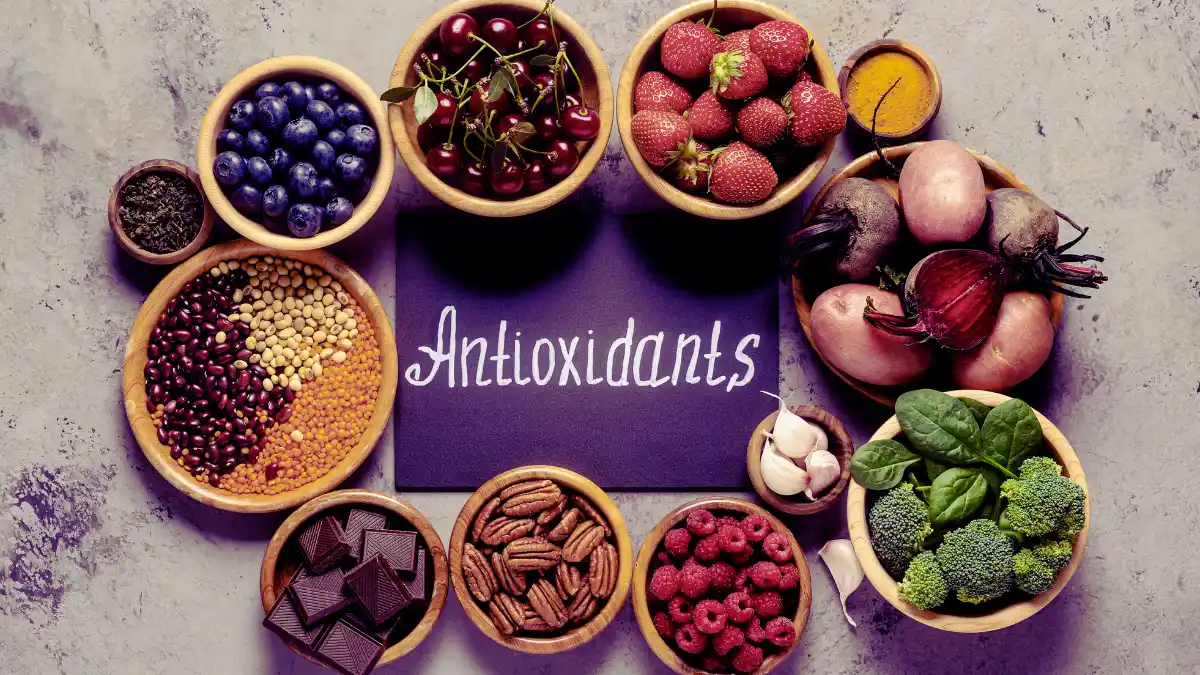
Free radicals are unstable molecules that can damage cells and contribute to inflammation. They form naturally during metabolism but increase with exposure to pollution, processed foods, and stress.
Antioxidants neutralize these harmful compounds before they can cause cellular damage, essentially “cleaning up” your internal environment.
Colorful fruits and vegetables contain thousands of different antioxidant compounds. Berries, cherries, and dark leafy greens rank especially high in these protective substances.
Herbs and spices like turmeric, cinnamon, and oregano pack even more antioxidant power in small amounts. Green tea, coffee, and dark chocolate also contribute significant antioxidants to your diet.
Eating a variety of antioxidant foods works better than focusing on just one “superfood.” Different antioxidants target different types of free radicals and work in various parts of your body.
Aim to include several colors of produce at each meal. Add herbs and spices liberally to your cooking. Cold-pressed oils like extra virgin olive oil and avocado oil also provide antioxidants that support your body’s natural cleansing processes.
10. Practice Deep Breathing Exercises

Most people breathe shallowly, using only a small portion of their lung capacity. Deep, intentional breathing activates your full lungs and stimulates your lymphatic system, which collects cellular waste products from throughout your body.
Without adequate movement, lymph fluid can stagnate, slowing the removal of toxins. Breathing exercises also trigger your parasympathetic nervous system—the “rest and digest” mode where your body can focus on maintenance and repair rather than responding to stress.
This state allows your digestive organs to function optimally and supports liver detoxification. Blood oxygen levels increase with deep breathing, which helps cells operate efficiently and clear waste more effectively.
Try simple box breathing: inhale for four counts, hold for four, exhale for four, and pause for four before starting again. Practice for just five minutes daily to start.
Another approach is belly breathing—place one hand on your stomach and breathe so that your hand rises with each inhale. You can do these exercises anywhere: at your desk, in traffic, or before bed. Consistent practice builds the habit of breathing more fully throughout your day.
11. Use Natural Cleaning and Personal Care Products

Conventional household cleaners and personal care items often contain chemicals that add to your body’s toxic burden.
Many of these substances can be absorbed through your skin or inhaled, bypassing your digestive system’s protective barriers.
Common ingredients like phthalates, parabens, and synthetic fragrances have been linked to hormone disruption and other health concerns.
Switching to natural alternatives reduces your exposure to these potentially harmful compounds. For cleaning, simple ingredients like vinegar, baking soda, and lemon juice handle most household jobs effectively.
For personal care, look for products with recognizable ingredients derived from plants rather than petroleum. Many companies now make safer options that work just as well as their conventional counterparts.
Making the switch doesn’t need to happen all at once. Replace items as they run out, starting with products you use most frequently or those that stay on your skin the longest, like moisturizers and deodorants.
Check labels and avoid “fragrance” (which can contain dozens of undisclosed chemicals), triclosan, sodium lauryl sulfate, and formaldehyde-releasing preservatives.
Your home environment greatly impacts your body’s toxic load, so creating a cleaner space supports your internal detoxification processes.
12. Maintain Regular Bowel Movements

Your digestive tract serves as a primary elimination route for toxins processed by your liver. When waste moves too slowly through your intestines, certain compounds can be reabsorbed into your bloodstream—essentially recycling toxins your body was trying to remove.
Regular, complete bowel movements help ensure these substances exit your body efficiently. Fiber plays a starring role in this process by adding bulk to stool and speeding transit time through your colon.
Both soluble fiber (found in oats, beans, and fruits) and insoluble fiber (abundant in whole grains and vegetables) contribute to healthy elimination. Adequate water intake works with fiber to create a well-formed stool that passes easily.
A 2020 study in the American Journal of Gastroenterology found that people with chronic constipation showed higher levels of certain toxins in their bloodstream compared to those with regular bowel habits.
The researchers concluded that improved bowel regularity correlated with better detoxification markers overall.
Aim for comfortable, complete bowel movements—most health experts suggest anything from three times a day to three times a week falls within the normal range, as long as the pattern is consistent for you and produces no discomfort.