
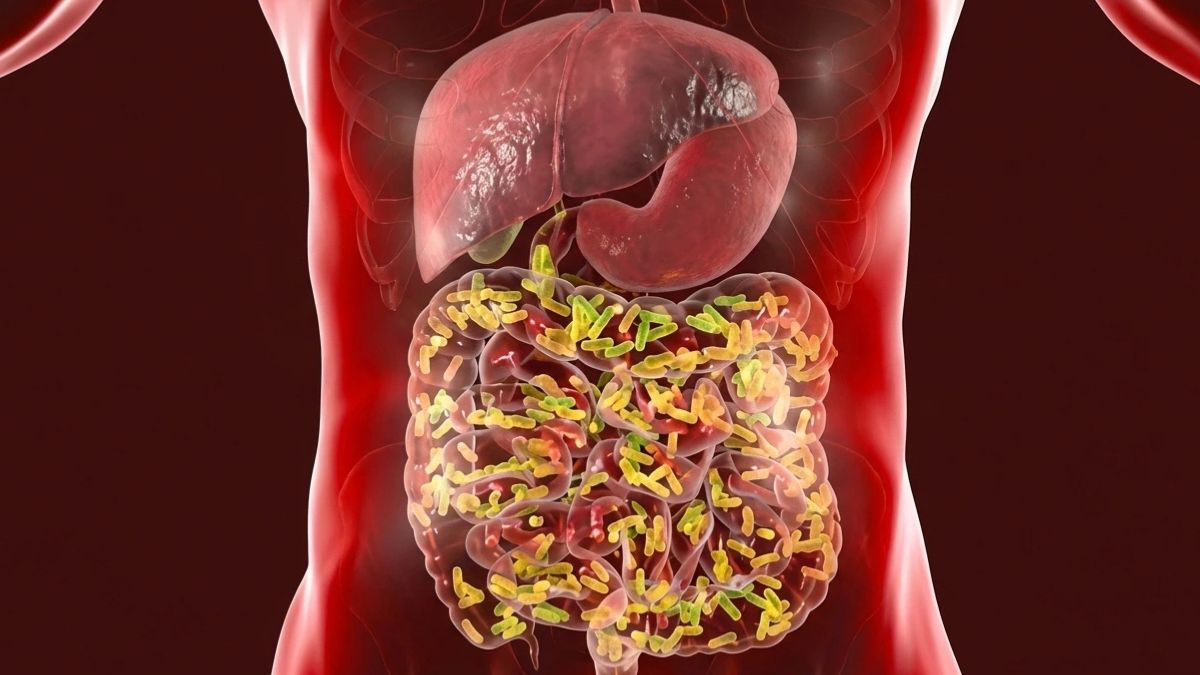
Feel foggy, anxious, or just “off” lately? Your gut might be sending distress signals to your brain. Scientists now know that our digestive system acts as a second brain, constantly communicating with the one in our head.
This gut-brain connection explains why stress causes stomach aches and why certain foods can tank your mood.
The good news? You can transform your mental health by feeding the trillions of bacteria living in your gut. Simple food choices can reduce anxiety, boost mood, and sharpen thinking—no prescriptions needed.
Here’s what science reveals about nurturing your second brain for a happier, calmer mind.
1. Kefir, and Yogurt

These foods deliver a powerful punch of probiotics to your gut microbiome. The live bacteria in fermented foods help build a diverse community of beneficial microorganisms in your digestive system. This diversity supports proper digestion and helps your body produce mood-regulating neurotransmitters.
A 2023 study published in the British Journal of Nutrition found that regular consumption of fermented foods can increase beneficial gut bacteria and potentially reduce symptoms of anxiety and depression.
The researchers noted that participants who ate fermented foods daily showed improved markers of gut health after just four weeks.
Your gut produces about 90% of your body’s serotonin, often called the “happiness hormone.” By eating fermented foods like kimchi, kefir, and yogurt regularly, you support the microorganisms that help create these feel-good chemicals.
2. Bananas

Bananas contain resistant starch, a type of carbohydrate that acts as food for good bacteria in your large intestine. This prebiotic effect makes bananas excellent for gut health.
They also contain tryptophan, an amino acid that converts to serotonin in your body. The fiber in bananas helps maintain regular bowel movements, which prevents waste and toxins from sitting too long in your system.
Good elimination is key to both gut and mental health. Many people notice improved mood when their digestive system works well.
Ripe bananas are easier to digest, while slightly green ones contain more resistant starch that feeds your gut bacteria. Try adding a banana to your breakfast or eating one as an afternoon snack for steady energy and gut support.
3. Onions
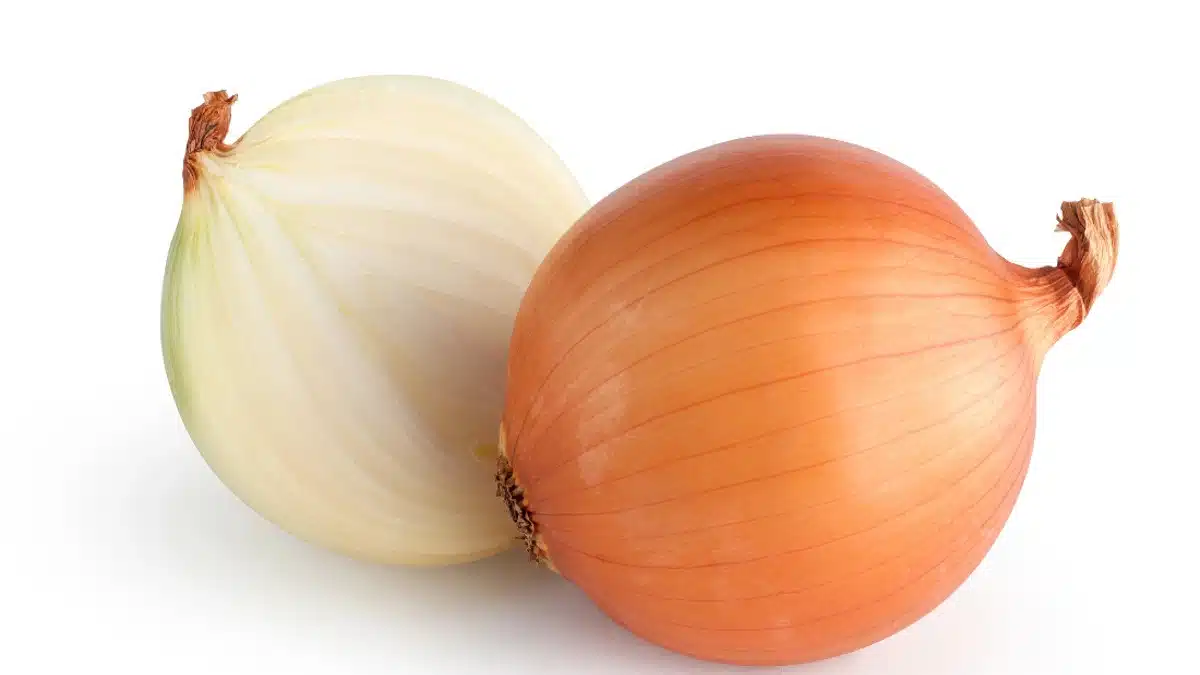
Onions pack a prebiotic punch thanks to their high levels of inulin fiber. This special type of fiber passes through your digestive system undigested until it reaches your colon, where it becomes food for beneficial bacteria.
The sulfur compounds in onions also support detoxification processes. Raw onions offer the most prebiotic benefits, but even cooked onions support gut health.
Adding them to soups, stews, and stir-fries increases both flavor and nutritional value. The quercetin in onions acts as a natural anti-inflammatory, helping calm an irritated gut lining.
Many cultures around the world use onions for their health benefits. Their gut-supporting properties might explain why they appear in so many traditional recipes.
Try to include some form of onions in at least one meal each day to feed your gut bacteria consistently.
4. Leeks
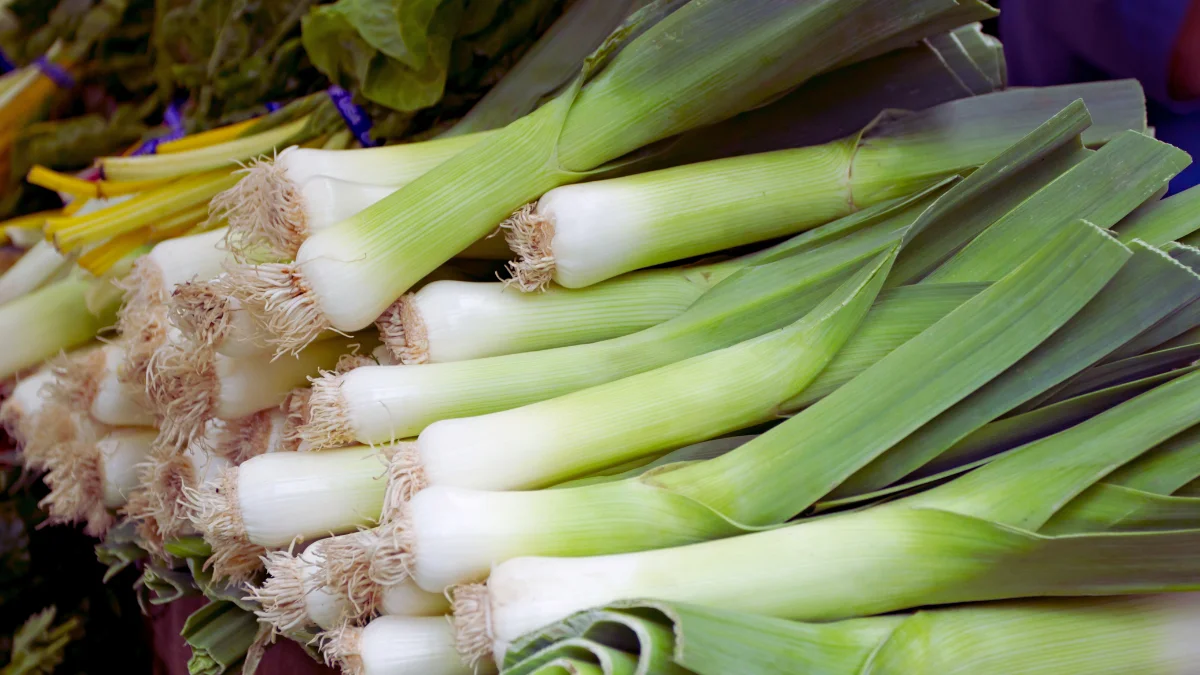
Leeks belong to the same family as onions and garlic, sharing many of their gut-friendly properties. They contain a mix of soluble and insoluble fiber that promotes healthy digestion and feeds beneficial bacteria.
The prebiotic fibers in leeks help increase populations of Bifidobacteria and Lactobacillus. The mild flavor of leeks makes them versatile for cooking.
You can add them to soups, sauté them as a side dish, or use them as a base for stocks and broths. Their fibrous structure also helps move food through your digestive tract at an optimal pace.
Leeks contain antioxidants that protect both gut cells and brain cells from oxidative damage. This protection creates a healthier environment for your microbiome to thrive.
Regular consumption of leeks supports not just gut health but overall immune function connected to your gut barrier.
5. Jerusalem Artichokes
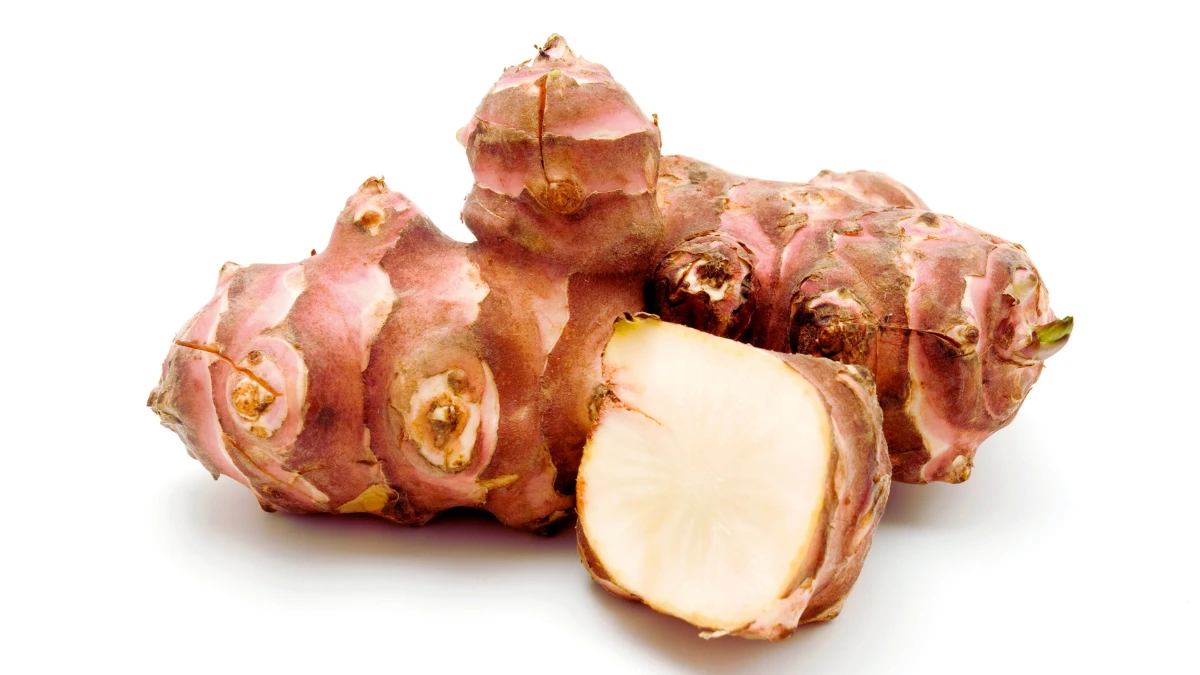
Jerusalem artichokes, also known as sunchokes, contain one of the highest concentrations of inulin fiber found in any food. This makes them exceptional gut supporters.
The inulin in these knobby tubers acts as a powerful prebiotic, selectively feeding beneficial bacteria. Some people notice increased gas when first adding Jerusalem artichokes to their diet.
This is a sign that the fiber is feeding your gut bacteria, which produce gas as they feast. Start with small amounts and gradually increase to give your system time to adjust.
You can enjoy these versatile tubers roasted, mashed, or sliced thin and eaten raw in salads. Their slightly sweet, nutty flavor pairs well with herbs and olive oil.
For maximum benefits, try to include Jerusalem artichokes in your meals once or twice a week during their growing season.
6. Apples
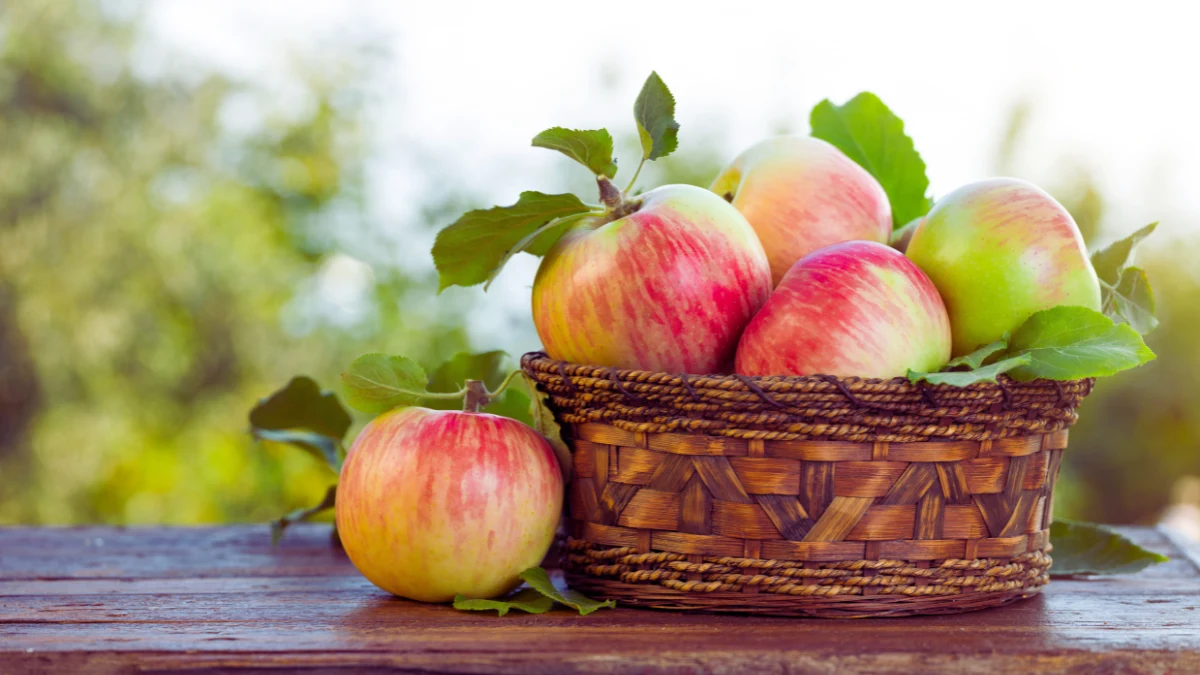
Apples contain pectin, a soluble fiber that feeds beneficial gut bacteria and helps maintain the mucous layer that protects your intestinal lining.
The old saying about an apple a day holds wisdom about gut health. Pectin acts as food for beneficial bacteria while helping to eliminate toxins.
The skin of apples contains most of the fiber and many polyphenols that act as antioxidants in your digestive system.
These compounds help reduce inflammation and support the integrity of your gut barrier. Eating the whole apple provides the most gut benefits.
Apple variety matters for gut health. Different types contain varying amounts of fiber and polyphenols. Red apples typically contain more antioxidants than green varieties. Try eating seasonal apples for the freshest, most nutritious options that support your gut microbiome.
7. Garlic
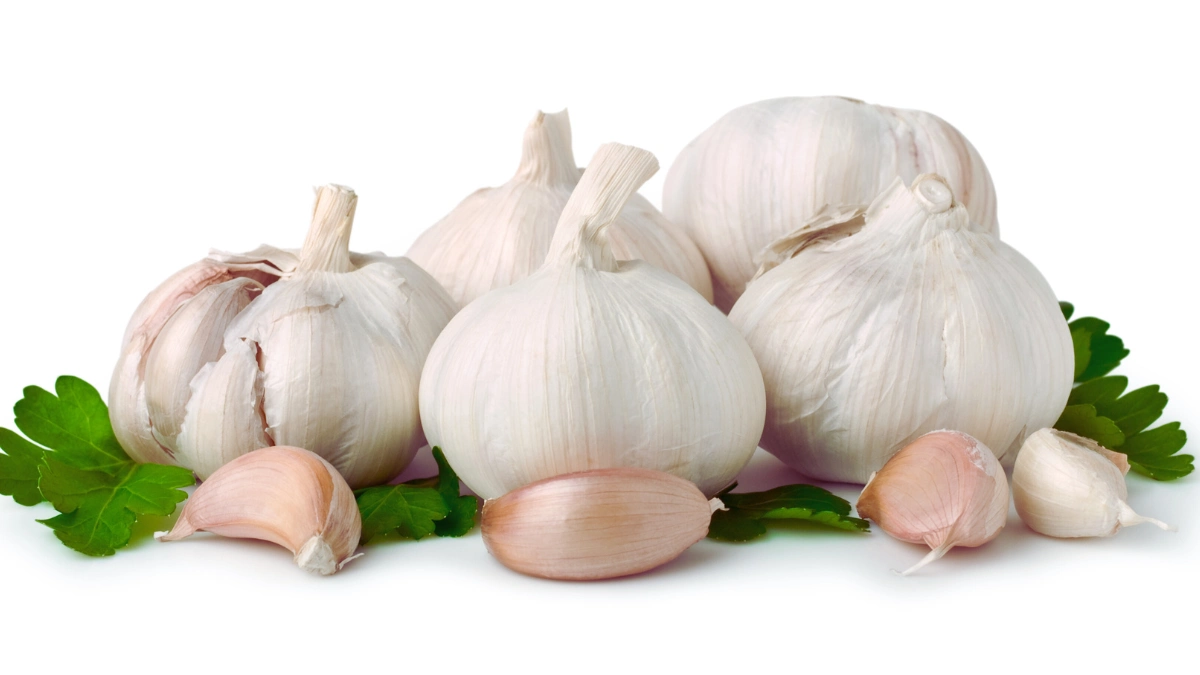
Raw garlic contains powerful prebiotic compounds that feed the good bacteria in your gut. These compounds, including inulin and fructooligosaccharides (FOS), pass undigested through your stomach and small intestine until they reach the colon, where they nourish beneficial bacteria.
Allicin, the compound that gives garlic its distinctive smell, has antimicrobial properties that help balance your gut microbiome by reducing harmful bacteria while allowing beneficial ones to thrive.
This balancing act creates an optimal environment for healthy digestion and nutrient absorption. Many people notice improved digestion after adding more garlic to their diet.
You can maximize the gut benefits of garlic by crushing or chopping it and letting it sit for 10 minutes before cooking. This allows the beneficial compounds to develop fully.
Try adding fresh garlic to salad dressings, stir-fries, or roasted vegetables several times a week to support your gut health.
8. Chicory Root
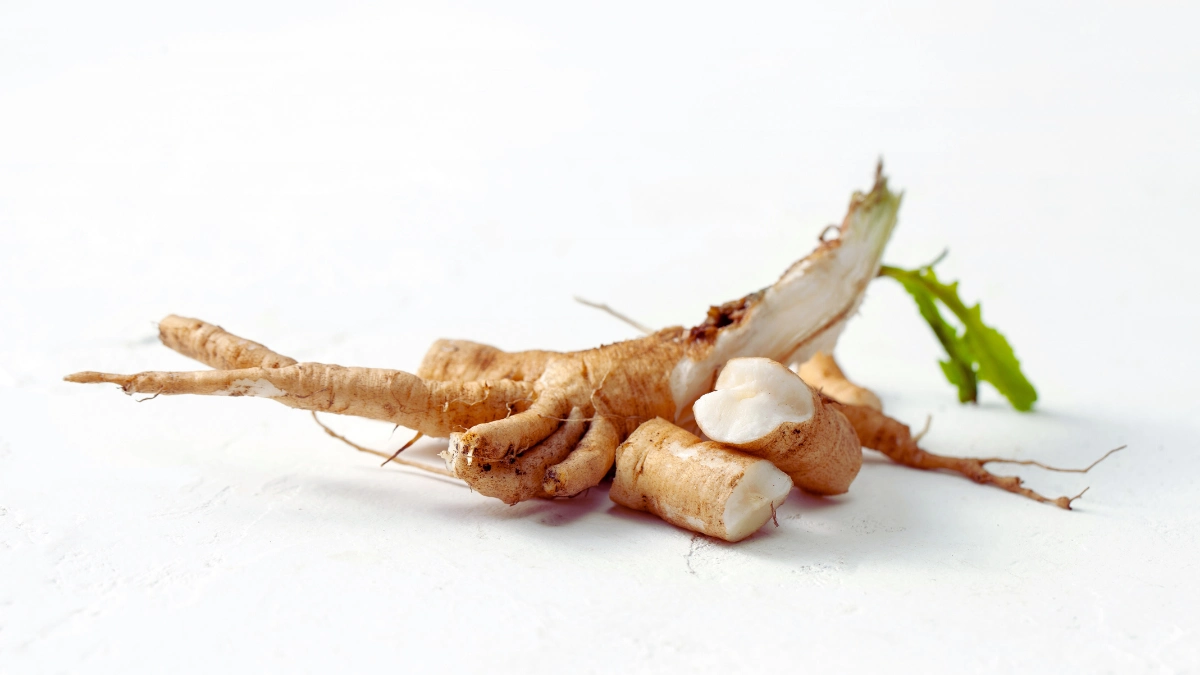
Few foods match the prebiotic power of chicory root. Up to 68% of its fiber comes in the form of inulin, making it one of the richest natural sources of this gut-supporting compound.
The prebiotic fiber in chicory selectively feeds Bifidobacteria and other beneficial gut microbes. Chicory root can be roasted and ground as a coffee substitute, offering a gut-friendly alternative to regular coffee.
The bitter compounds in chicory also stimulate bile production, which helps break down fats and supports healthy digestion. Many traditional European cultures have used chicory for digestive health for centuries.
The inulin in chicory helps regulate blood sugar levels, creating a more stable environment for your gut microbiome.
This stability supports consistent energy and mood throughout the day. Start with small amounts of chicory to let your system adjust to its strong prebiotic effects.
9. Barley

Barley contains special compounds called beta-glucans, which are soluble fibers that nourish your good gut bacteria and create a gentle gel in your digestive system.
This gel slows digestion, stabilizes blood sugar, and helps you feel full longer, supporting both gut and brain health.
Whole barley takes longer to cook than processed versions, but offers more gut benefits. The intact grain contains the bran, where most of the prebiotic fiber is found.
When barley is cooked and then allowed to cool, its resistant starch levels go up, which gives your gut bacteria extra nourishment to feast on.
Many soups, stews, and grain bowls taste better with barley’s nutty flavor and chewy texture. The versatility of this grain makes it easy to include in your diet regularly.
Barley water, made by boiling and straining the grain, has been used as a digestive remedy in many cultures and offers a simple way to get its benefits.
10. Flaxseeds
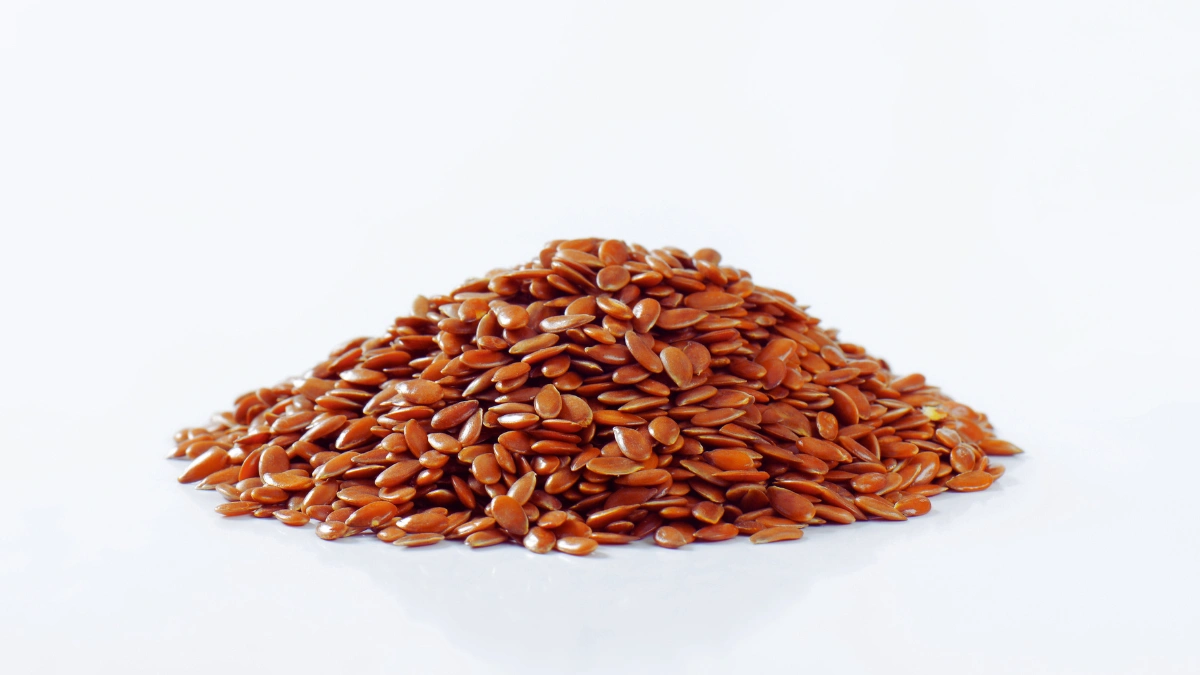
Ground flaxseeds supply both soluble and insoluble fiber to your digestive system, creating the perfect environment for beneficial bacteria to flourish.
Just a few tablespoons daily can significantly increase your fiber intake and support a diverse gut microbiome.
The omega-3 fatty acids in flaxseeds help reduce inflammation in your gut lining, creating a healthier habitat for good bacteria.
These healthy fats also support brain health directly, enhancing the gut-brain connection. Many people notice improved digestion and reduced digestive discomfort after adding flaxseeds to their diet.
Store ground flaxseeds in the refrigerator to preserve their healthy oils, and sprinkle them on yogurt, oatmeal, or salads.
You can also mix them into smoothies or use them in baking. The mild, nutty flavor blends well with many foods, making them an easy addition to your daily meals.
11. Seaweed
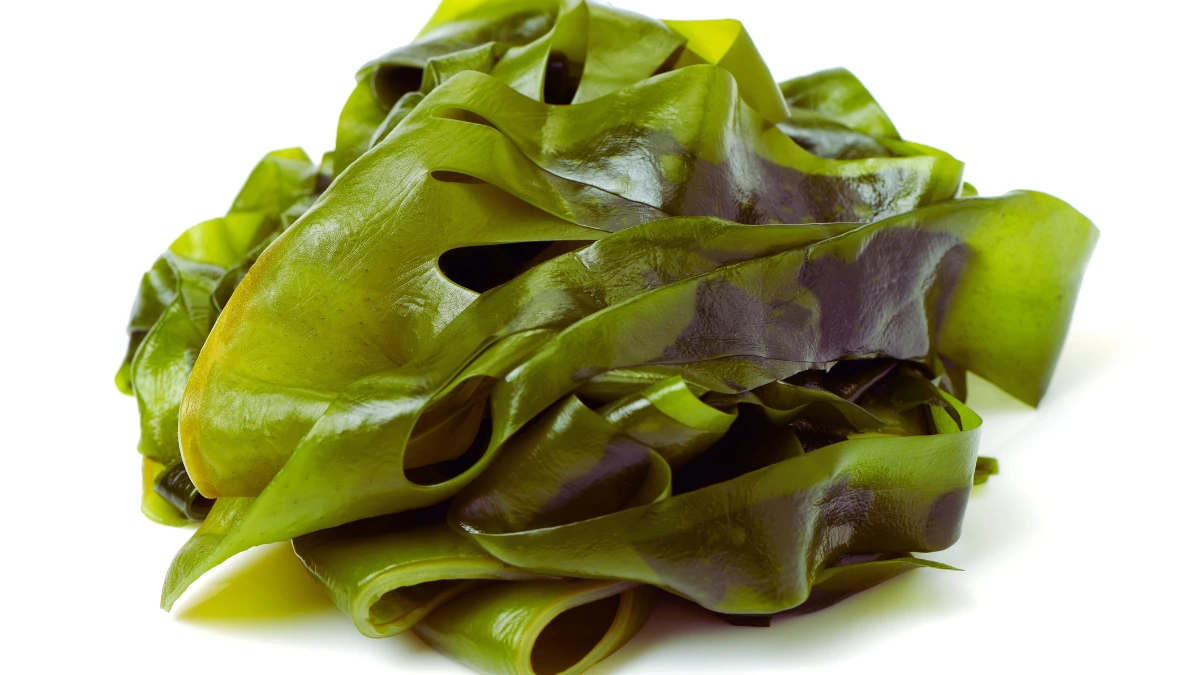
Marine vegetables contain unique fibers and compounds not found in land plants. The sulfated polysaccharides in seaweed act as powerful prebiotics, feeding beneficial bacteria in your colon.
These compounds can help increase the populations of Bifidobacteria and other beneficial microbes. Seaweed also provides iodine and other minerals that support thyroid function, which affects gut motility and overall digestive health.
The connection between thyroid health and gut function highlights how interrelated our body systems truly are.
Various types of seaweed offer different benefits, with nori, kombu, and wakame being among the most commonly available.
Adding seaweed to soups, salads, and grain bowls brings both flavor and gut-supporting compounds to your meals.
Even occasional consumption can help diversify your gut microbiome. Try keeping dried seaweed on hand for easy addition to various dishes, or enjoy nori sheets as a mineral-rich snack.
12. Almonds
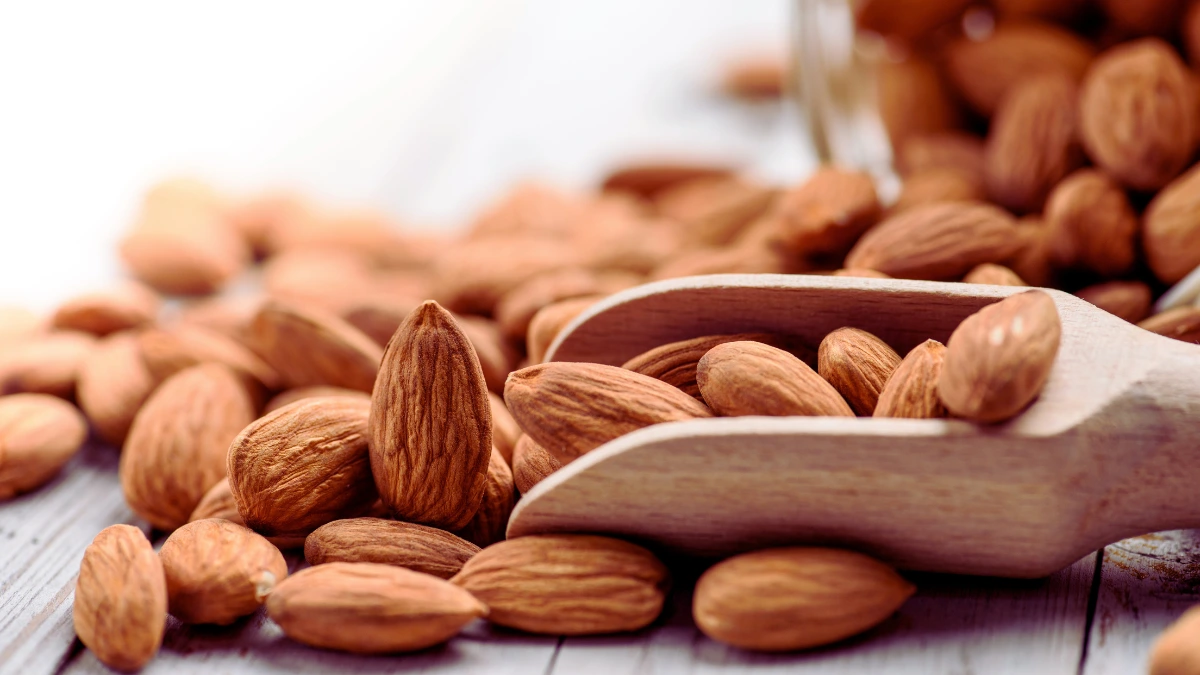
These nuts provide a rich combination of fiber, healthy fats, and plant proteins that support optimal gut function.
The fiber content feeds beneficial bacteria, while the fats help absorb fat-soluble vitamins that support gut lining health.
Almonds contain polyphenols that can reach the colon and interact with gut bacteria, promoting the growth of beneficial species.
MDPI study shows that regular almond consumption increases Bifidobacteria levels in the gut, supporting immune function and reducing inflammation.
The skin of almonds contains most of these beneficial compounds, so choose whole almonds rather than blanched.
Soaking almonds overnight makes their nutrients more bioavailable and easier to digest. A small handful daily provides gut benefits without excessive calories.
Try adding almonds to morning oatmeal, afternoon snacks, or evening salads for consistent gut support throughout the day.
13. Legumes and Whole Grains
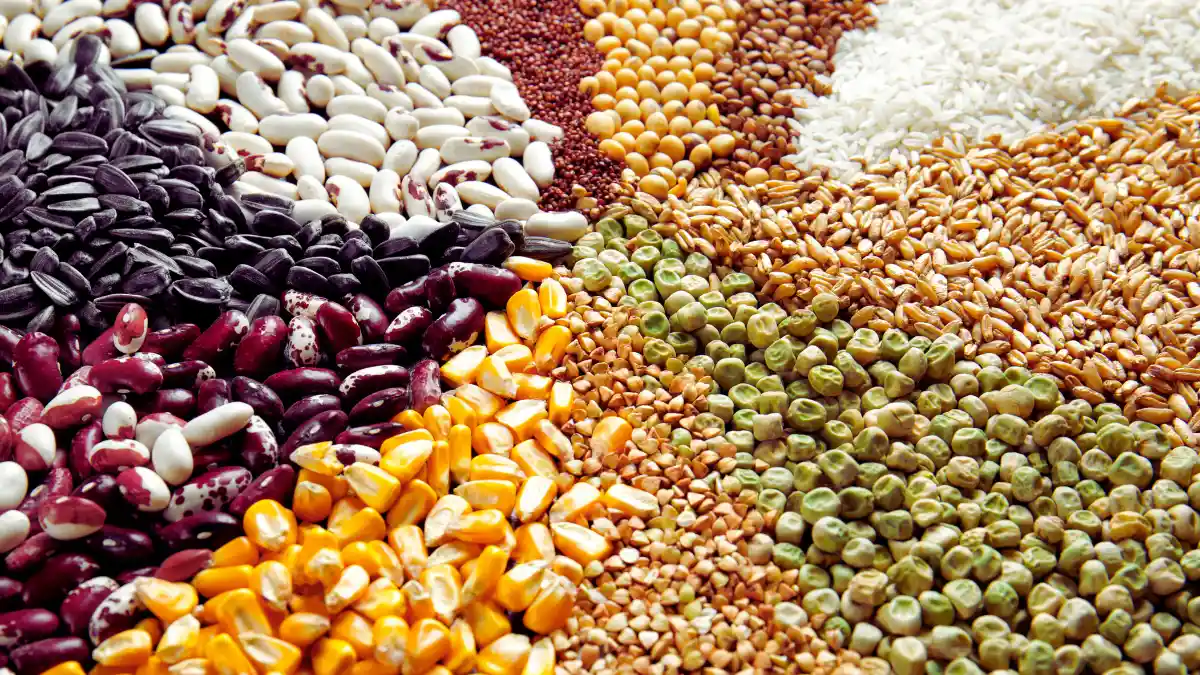
Beans, lentils, and whole grains contain resistant starch and various types of fiber that feed beneficial gut bacteria.
A 2022 study published in the Journal of Nutritional Biochemistry found that participants who consumed legumes daily for 8 weeks showed significant increases in Bifidobacteria and Lactobacillus species, along with improved markers of mood and reduced inflammation.
The fiber in these foods moves slowly through your digestive system, giving gut bacteria plenty of time to ferment it into beneficial short-chain fatty acids (SCFAs).
These SCFAs, particularly butyrate, serve as the main energy source for cells lining your colon and help maintain the gut barrier.
A strong gut barrier prevents inflammatory compounds from entering your bloodstream and affecting your brain.
Variety matters when it comes to legumes and whole grains. Each type contains different fibers and nutrients that support diverse bacterial species.
Try rotating between chickpeas, black beans, lentils, quinoa, brown rice, and oats throughout your week. Cooking and cooling these foods increases their resistant starch content, providing even more food for your gut bacteria.