

Feeling crushed by stress that never seems to let up? Your body knows it—from brain fog and fatigue to that stubborn weight around your middle.
And it gets worse: chronic stress silently damages cells throughout your body, accelerating aging and setting the stage for serious health issues.
What if an ancient herb could repair this damage? Ashwagandha, used for over 3,000 years in Ayurvedic medicine, isn’t just another supplement.
Modern science now confirms what traditional healers always knew: this remarkable root can lower cortisol while rebuilding your body’s stress-response system from the inside out.
The Roots of Ashwagandha in Ayurvedic Tradition
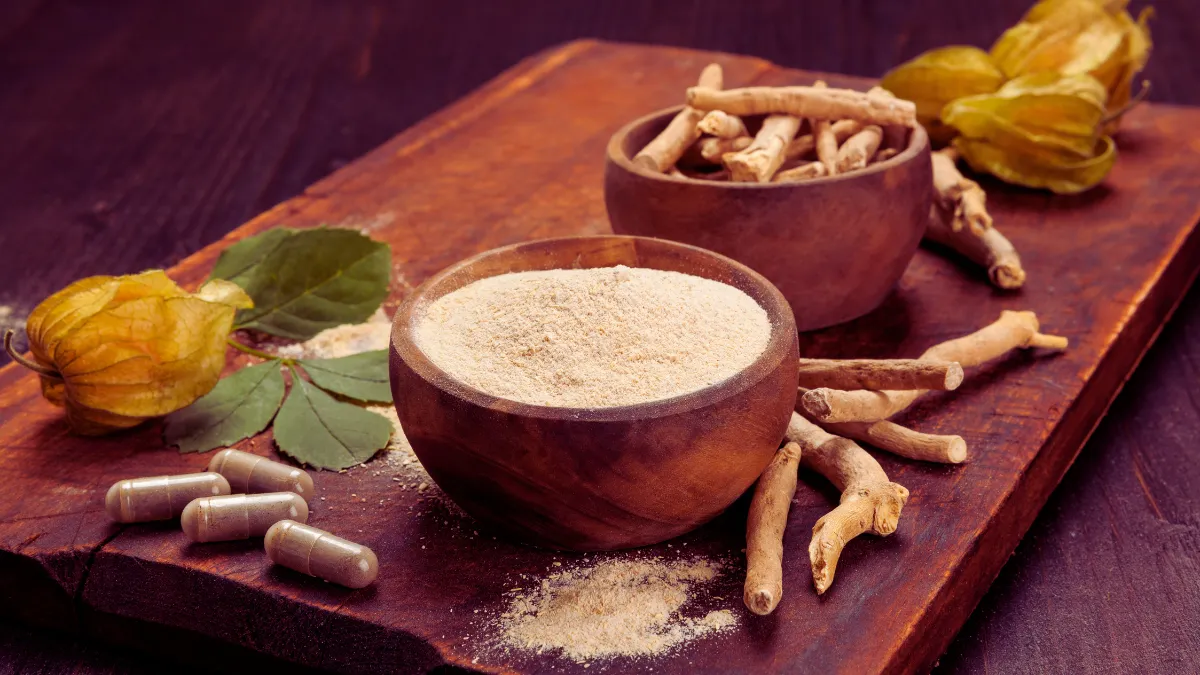
Ashwagandha has graced the pages of ancient Ayurvedic texts for over three millennia. Sanskrit writings from 6000 BCE mention this herb as a prized rasayana—a class of substances that rejuvenate the body and extend lifespan.
Early healers treasured its root powder for treating warriors after battle and supporting royal families through seasonal changes.
The name tells a story of its own. “Ashwa” means horse, and “gandha” means smell in Sanskrit, referring both to the root’s distinct odor and its reputation for imparting horse-like vigor.
This symbolism runs deep in Indian culture, where the herb became synonymous with vitality and endurance. Farmers and laborers often took it during harvest seasons when physical demands peaked.
Traditional uses evolved to include more than physical strength. Ayurvedic doctors prescribed ashwagandha to sharpen memory in scholars, calm nervous patients, and restore youth in the elderly.
They observed its ability to build what they called “ojas”—the vital essence that supports immunity and spiritual strength. These applications formed a foundation for the herb’s enduring legacy that continues into modern times.
How Ashwagandha Reverses Stress Damage at the Cellular Level?

Chronic stress floods your body with cortisol, creating a destructive cascade. This hormone, when constantly elevated, damages tissues, shrinks brain cells, disrupts sleep, and weakens immunity.
Your body essentially stays locked in “fight or flight” mode, burning resources faster than they can be replaced. Cell membranes become damaged, inflammation spreads, and energy production falls.
Ashwagandha works through several pathways to interrupt this cycle. It regulates the hypothalamic-pituitary-adrenal (HPA) axis, your central stress response system.
A groundbreaking 2022 study in the Journal of Psychopharmacology found that participants taking ashwagandha experienced a 28% reduction in cortisol levels.
This explains why users report feeling calmer without sedation—the herb isn’t masking symptoms but normalizing fundamental stress physiology.
Beyond cortisol regulation, ashwagandha activates powerful cellular protection mechanisms. It increases antioxidant enzymes like glutathione peroxidase and superoxide dismutase that neutralize free radicals created during stress.
It also reduces inflammatory cytokines and supports neurogenesis—the creation of new brain cells. Blood tests from clinical trials reveal improvements in C-reactive protein levels and oxidative stress markers, confirming its ability to repair stress-induced cellular damage even after years of chronic pressure.
Beyond Stress: Ashwagandha’s Role in Energy and Vitality
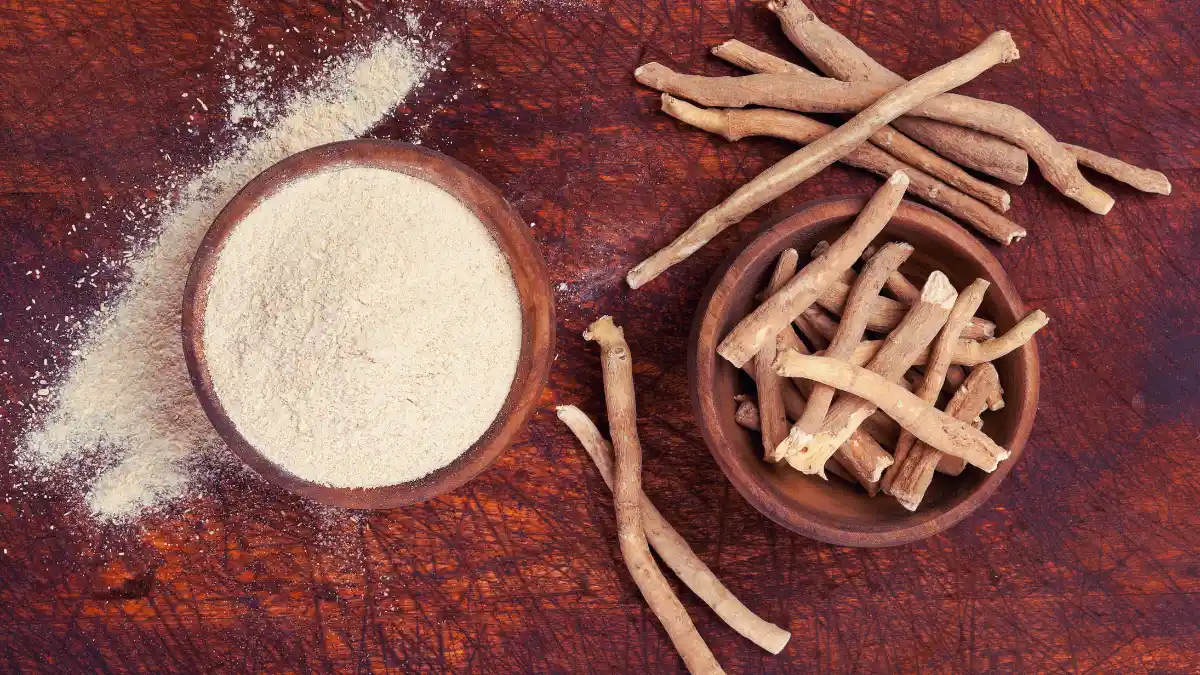
Your mitochondria serve as tiny power plants inside each cell, converting nutrients into ATP—your body’s energy currency. When stress damages these structures, fatigue follows.
A groundbreaking 2021 NIH study revealed that ashwagandha contains compounds that repair and strengthen mitochondrial membranes, leading to measurably higher ATP output. This explains why many users notice improved energy without the jitters or crashes associated with stimulants.
Physical performance changes become apparent within weeks of consistent use. Athletes report being able to train longer before exhaustion sets in.
Recovery times shorten as muscles repair more efficiently after exertion. These effects stem from ashwagandha’s ability to increase blood flow to working tissues while reducing exercise-induced inflammation. Studies show improvements in VO2 max, the gold standard measurement for cardiorespiratory fitness.
Mental benefits parallel these physical changes. Users commonly report clearer thinking and sharper focus as brain cells receive more consistent energy.
The fog that often accompanies chronic stress begins to lift. Emotional stability improves as the brain receives steady fuel regardless of external pressures.
This cognitive enhancement likely stems from both the direct mitochondrial support and reduced cortisol interference with brain function.
Harnessing Ashwagandha’s Power: Practical Guidelines
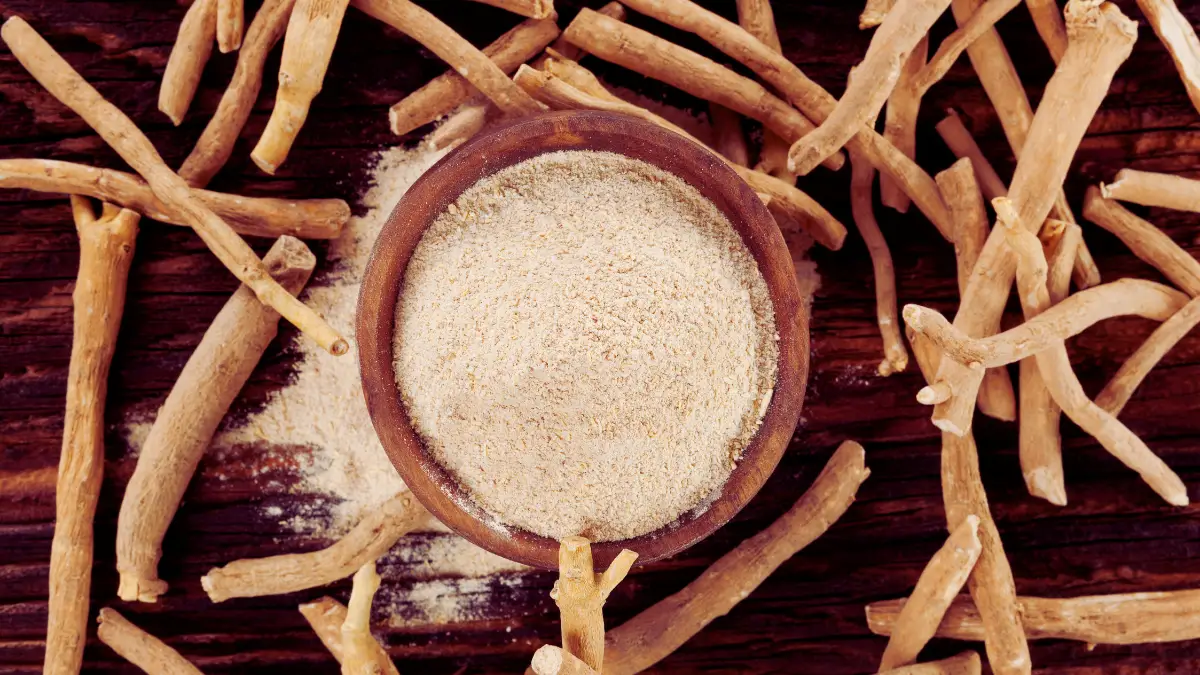
Sweet spot for dosage falls between 300-500mg daily of standardized extract. This amount provides therapeutic levels of withanolides—the active compounds responsible for ashwagandha’s benefits.
Lower amounts may not reach the threshold needed for significant effects, while higher doses rarely offer additional advantages.
Absorption matters just as much as dosage. Black pepper extract containing piperine can increase bioavailability by up to 30% by slowing liver metabolism of ashwagandha’s active compounds.
Your body simply uses more of what you take. Fat also helps transport these compounds into cells, making meals containing healthy fats an excellent time for supplementation.
Choosing between forms affects both potency and experience. Standardized extracts offer consistent withanolide content, making effects more predictable.
Raw powder preserves the full spectrum of plant compounds but requires higher doses and has a strong taste. KSM-66 and Sensoril represent two popular standardized extracts with slightly different properties—KSM-66 better supports energy, while Sensoril excels at anxiety reduction. Morning dosing works best for energy support, while evening use can promote restful sleep.
Who Should (and Shouldn’t) Use Ashwagandha

Best Candidates for Ashwagandha:
- People with chronic stress show elevated cortisol levels
- Adults experiencing fatigue without a clear medical cause
- Athletes seeking natural performance enhancement
- Anyone with stress-related sleep disruptions
- Office workers dealing with mental fatigue and brain fog
- Individuals looking to support healthy aging
When to Avoid Ashwagandha:
- Pregnant or breastfeeding women should avoid use due to the risk of uterine stimulation
- Those taking thyroid medications need medical supervision, as ashwagandha may alter thyroid hormone levels
- People with hormone-sensitive conditions should exercise caution
- Individuals with autoimmune diseases may experience unpredictable immune responses
- Anyone taking sedatives or immunosuppressants should consult a doctor first
- Children under 18 have not been adequately studied for safety
Usage Guidelines:
- Always consult a healthcare provider before starting, especially with existing health conditions
- Start with lower doses to assess individual response
- Monitor for rare side effects like digestive upset or drowsiness
- Consider cycling use (6-8 weeks on, 2-4 weeks off) for optimal benefit