

Looking for the real secret behind those enviable Mediterranean lifespans? You’ve probably tried adding olive oil to everything, cutting carbs, or loading up on fish, but your results don’t match the legendary longevity of Sardinian elders.
That’s because most health experts have missed the most powerful element of Mediterranean living. It’s not what they eat, but how they eat that makes all the difference.
Research now shows that eating together with others could be the hidden longevity secret we’ve been missing all along.
Scientists now say this one simple habit could add years to your life, and you can start today—no special ingredients required.
The Overlooked Longevity Hack: Daily Social Connection Through Meals
What if the secret to living longer isn’t found on your plate but in who sits across from you at the table? Actually, we’ve been missing something crucial about why Mediterranean communities enjoy such long lives.
The Mediterranean Tradition of Communal Dining
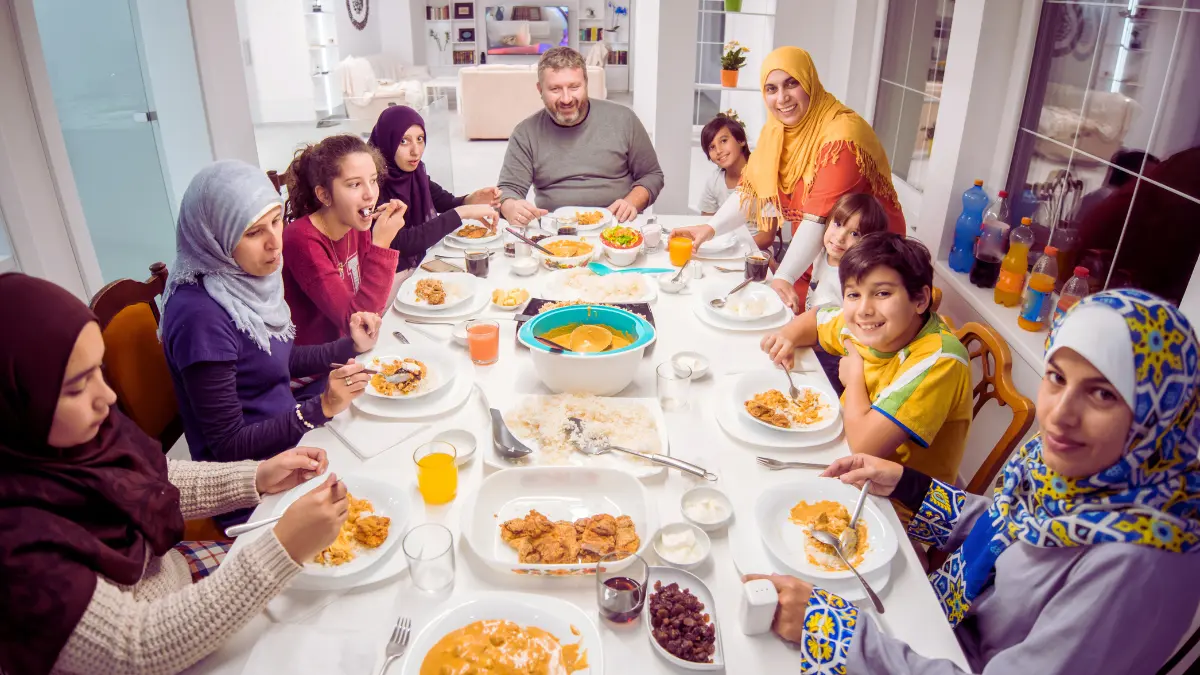
In places like Sardinia and Ikaria, meals aren’t just about food—they’re central life events. Families gather around tables laden with fresh, seasonal dishes, but what matters most is the gathering itself. These meals can stretch for hours as three generations share stories, solve problems, and strengthen bonds.
Blue Zones research has documented how these daily social meals change human biology. When people eat together in relaxed settings, stress hormones drop significantly.
This physiological change improves nutrient absorption and digestion. Food shared with others nourishes the body better than the same food eaten alone or in stressful conditions.
The connection runs deeper than nutrition. Communities with strong mealtime traditions show lower rates of depression and anxiety.
In Sardinia, where afternoon lunches regularly bring together extended families, researchers found that social isolation was rare among elders—a factor strongly linked to their remarkable longevity.
Why Modern Life Misses This Ritual

Our current eating habits look nothing like those in Mediterranean blue zones. Many Americans eat over half their meals alone.
We consume 20% of our food in cars. The average American family dinner lasts just 20 minutes, compared to 90+ minutes in places like Ikaria.
Fast food culture has trained us to value efficiency over connection. We eat while working, scrolling through phones, or watching TV.
This disconnected eating pattern raises stress hormones, which inhibit proper digestion and contribute to inflammation.
The traditional Mediterranean approach sees mealtime as a sacred space, never to be rushed or multitasked. Food is a reason to pause, connect, and reset.
This fundamental difference might explain why mimicking Mediterranean diets alone, without adopting their social customs, fails to produce the same health outcomes in studies. The magic happens when we combine both.
How Social Eating Enhances Health (And Why It Works)
Eating together isn’t just pleasant—it creates measurable biological changes that boost longevity. The body responds differently to food consumed in social settings compared to meals eaten alone or on the go.
Mental Health: Combating Loneliness and Building Bonds
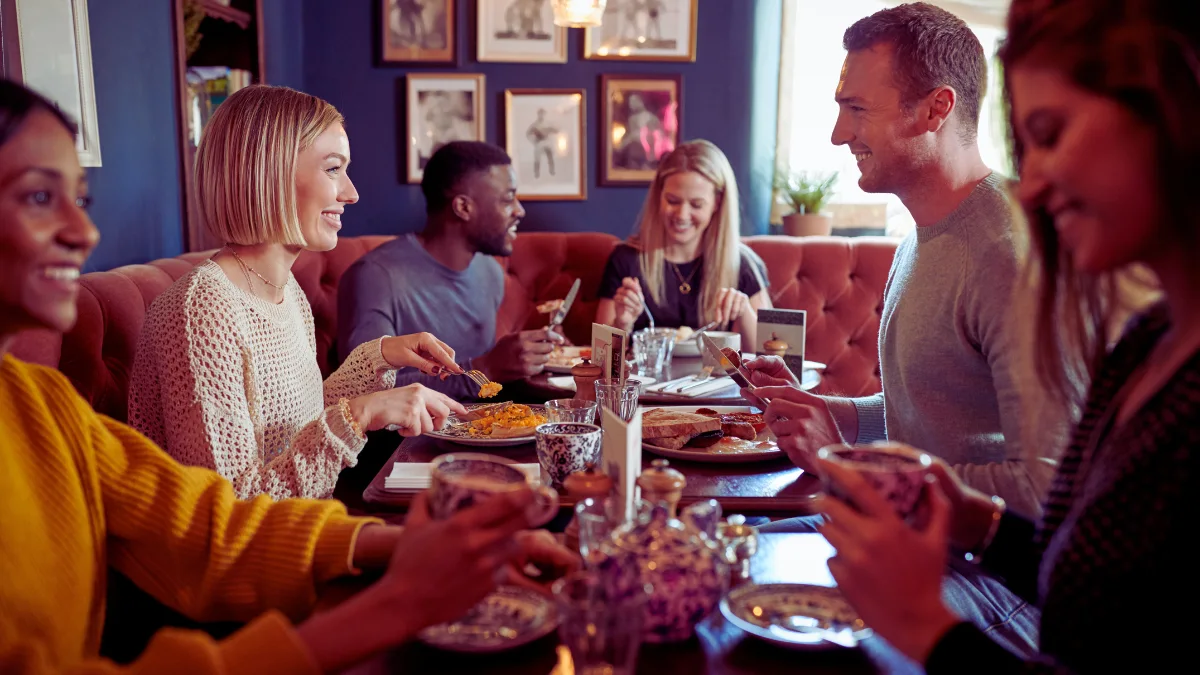
Shared meals trigger the release of oxytocin, often called the “bonding hormone.” This chemical response strengthens social connections and creates feelings of trust and belonging. When we eat with others regularly, our brains get steady doses of this natural mood booster.
NIH Study tracking depression rates finds that people who eat most meals alone have nearly twice the risk of developing depressive symptoms compared to those who eat with family or friends. This protective effect is especially powerful for older adults, who often face increasing isolation.
The conversation and laughter that naturally occur during group meals also reduce cortisol levels. This stress hormone, when chronically elevated, contributes to anxiety, sleep problems, and cognitive decline.
Sharing food creates an environment where troubles are discussed, solutions found, and burdens shared, offering both emotional and practical support through life’s challenges.
Physical Health: Better Digestion and Portion Control
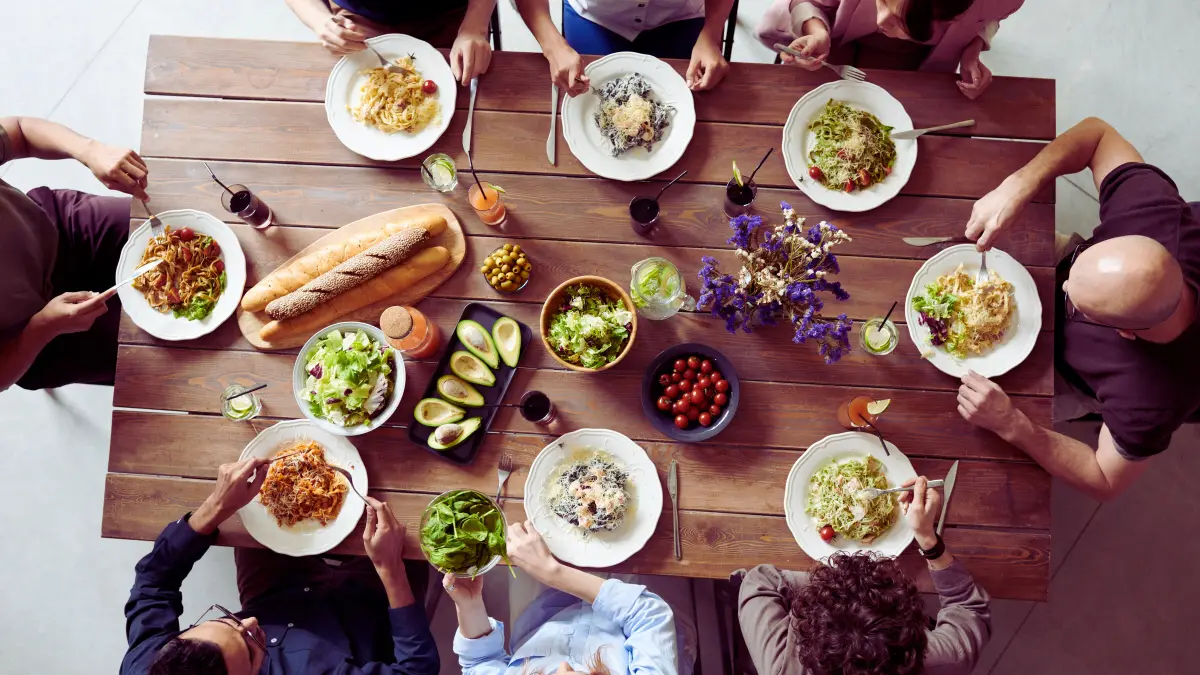
Our bodies digest food more efficiently in calm, social environments. The parasympathetic nervous system—responsible for “rest and digest” functions—activates more fully when we eat slowly and without stress. This improves nutrient absorption and reduces inflammation.
A groundbreaking 2022 study in the British Medical Journal found something unexpected: the same Mediterranean foods yielded better health outcomes when consumed in traditional social settings.
Researchers observed that polyphenol-rich foods like red wine, nuts, and olive oil created more beneficial gut bacteria during leisurely, shared meals.
Portion control happens naturally in social settings, too. People tend to eat 30% less when conversing, automatically extending mealtime and giving satiety signals time to register.
In Sardinia, where centenarians abound, large lunches are social affairs that last hours, not hurried refueling stops squeezed between activities.
Making the Mediterranean Ritual Work in Everyday Life
Adopting Mediterranean social eating habits doesn’t require moving to Greece. Small, consistent changes can bring these benefits into any lifestyle.
Simple Strategies for Daily Shared Meals

Start with just one shared meal daily. Many families find breakfast works better than dinner, given busy schedules.
Morning meals need not be elaborate—simple foods served at a table without devices can create a meaningful connection in just 15 minutes.
Planning helps tremendously. Sunday batch cooking prepares staples for the week. A pot of beans, roasted vegetables, or grain salad simplifies weeknight meals.
Some families designate cooking roles—one person chops, another sets the table, creating systems that make daily gathering possible.
Looking at schedules realistically matters too. Some weeks allow only three shared dinners—that’s still valuable. Quality counts more than quantity.
Even short meals with genuine conversation and eye contact deliver benefits. Consistency builds the habit, turning shared eating from a special occasion to a daily ritual.
Building Community Beyond the Family Table
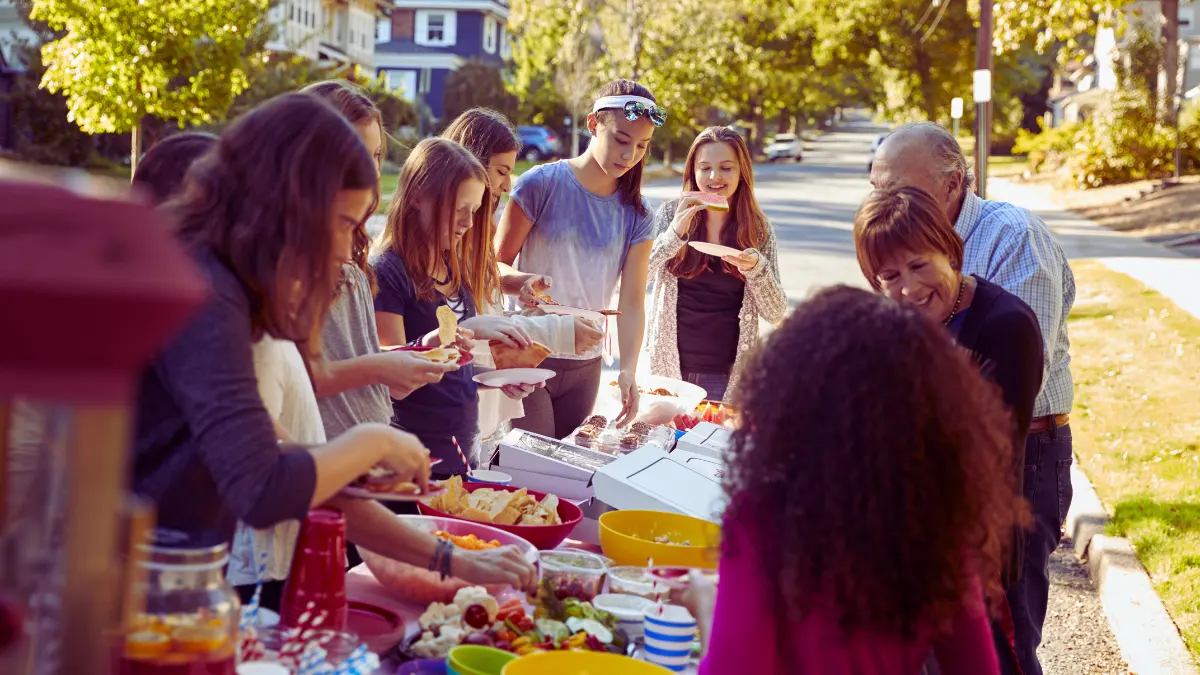
Solo dwellers can create social eating spaces too. Weekly potlucks with neighbors require minimal individual effort while building community.
Everyone brings one dish, creating varied, interesting meals without overwhelming any single host. Lunch groups at work offer another opportunity. Instead of eating at desks, colleagues can gather in break rooms or outdoor spaces. These micro-communities foster professional relationships while providing health benefits.
Community organizations frequently host meals, too. Religious groups, community centers, and volunteer organizations offer regular gatherings centered around food.
These provide connection points for people without nearby family. Some neighborhoods organize progressive dinners, with each course at a different home, spreading both the work and the social benefits across households.
Mindful Eating to Amplify Benefits

The 20-minute meal practice transforms eating habits. Our bodies need this time to register fullness. By extending meals beyond the typical American 11-minute average, we naturally eat less while enjoying food more.
Practical steps make mindfulness easier. Setting the table properly signals the brain that this is a proper meal, not just refueling. Putting phones away eliminates distractions. Even lighting a candle can shift the atmosphere from rushed to relaxed.
Chewing thoroughly changes everything. Try counting 20 chews per bite—this simple practice improves digestion and slows eating naturally.
Taking small pauses between bites to taste flavors and textures makes ordinary meals sensory experiences. These techniques bring Mediterranean eating culture into any kitchen, creating moments of connection in even the busiest lives.