

What if your kitchen held the secret to slowing time? Science says certain foods act like biological armor, fighting the cellular damage that accelerates aging. Forget expensive creams or questionable supplements. Nature packed everything you need into everyday ingredients.
These aren’t just healthy choices, they’re your body’s allies against inflammation, memory loss, and chronic disease.
You probably already enjoy some of them. Let’s explore what makes these foods so powerful and how to use them. Your future self will thank you.
1. Sour Cherries

Tart cherries pack more antioxidants than their sweet counterparts. According to a 2019 study in the Journal of Functional Foods, tart cherry juice reduced oxidative stress and inflammation markers in athletes by 23% post-exercise.These compounds may help reduce muscle soreness and improve recovery after exercise.
Unlike regular cherries, sour cherries also provide melatonin, a hormone that regulates sleep. Studies suggest drinking tart cherry juice could enhance sleep quality. They’re harder to find fresh but are often sold frozen or dried.
Adding them to smoothies or oatmeal boosts antioxidant intake without much sugar. Their tangy flavor works well in both sweet and savory dishes. Regular consumption may support heart health by lowering blood pressure and cholesterol.
2. Blackberries, Raspberries & Strawberries
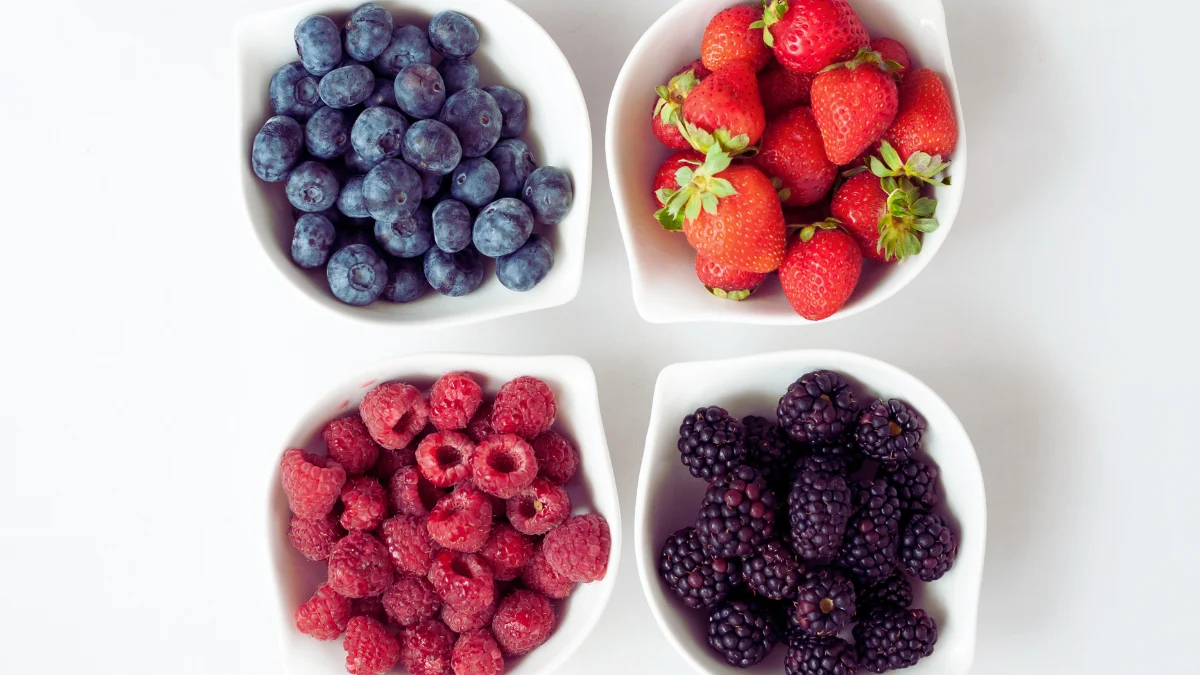
Deeply colored berries rank among the top antioxidant-rich foods.A 2021 meta-analysis in Nutrients reported that berry anthocyanins reduced cancer risk by 15% in populations with high intake.
Blackberries lead with one of the highest ORAC scores, a measure of free radical-fighting power. Raspberries contain ellagic acid, a compound linked to cancer prevention.
Strawberries provide a hefty dose of vitamin C, which protects skin from aging. All three berries help reduce inflammation tied to chronic diseases. Frozen versions retain nearly the same benefits as fresh ones.
Eating a mix of these berries ensures a range of polyphenols. They’re low in sugar compared to other fruits, making them a smart choice for blood sugar control. Try them in yogurt, salads, or as a simple snack.
3. Dried Apricots
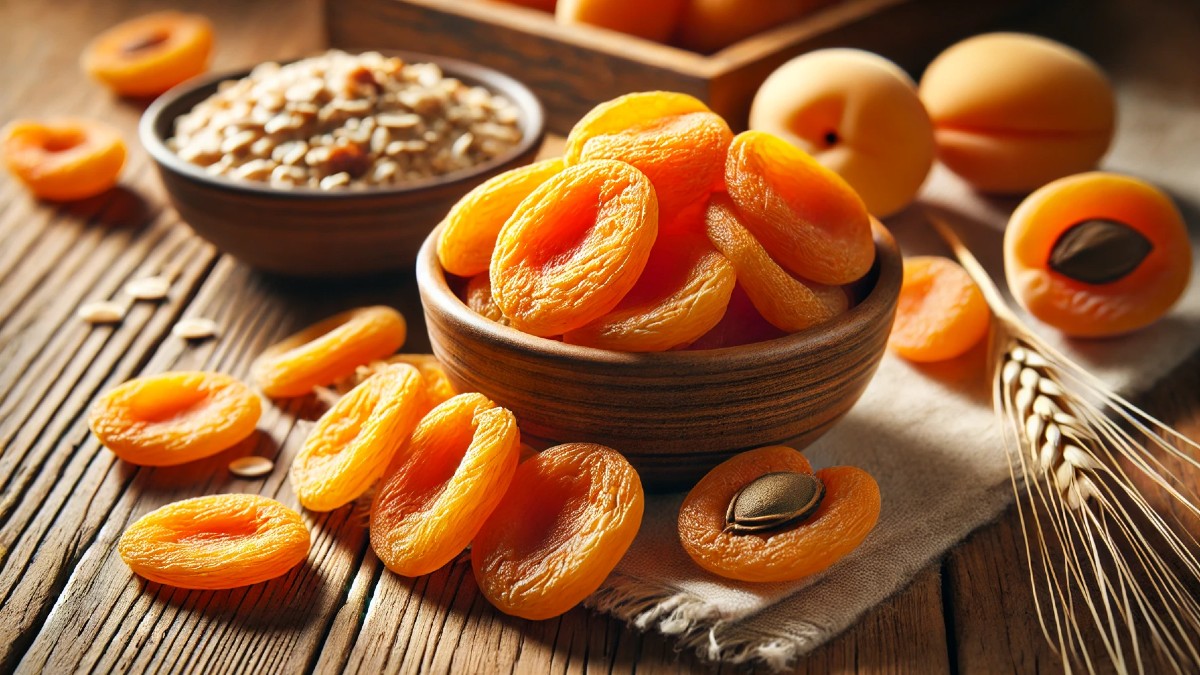
When apricots are dried, their nutrients become more concentrated. They contain three times the antioxidants of fresh apricots, including beta-carotene and lutein. These compounds support eye health and may slow age-related vision decline.
Their natural sweetness makes them a great alternative to sugary snacks. Fiber content aids digestion and keeps blood sugar stable. Unlike some dried fruits, unsweetened versions have no added sugars.
Eating a small handful provides potassium, which helps regulate blood pressure. They’re also rich in iron, making them useful for preventing anemia. Add them to trail mixes or chop them into oatmeal for extra nutrition.
4. Prunes (Dried Plums)

Prunes are loaded with polyphenols that protect cells from damage. Their high fiber content promotes gut health and prevents constipation.
Despite their sweetness, prunes have a low glycemic index. This means they won’t cause sharp blood sugar spikes. They also contain boron, a mineral that supports joint health.
Regular intake may lower LDL cholesterol, benefiting heart health. Their chewy texture and rich taste work well in both sweet and savory recipes. Soaking them in water before eating can make them easier to digest.
5. Dried Goji Berries
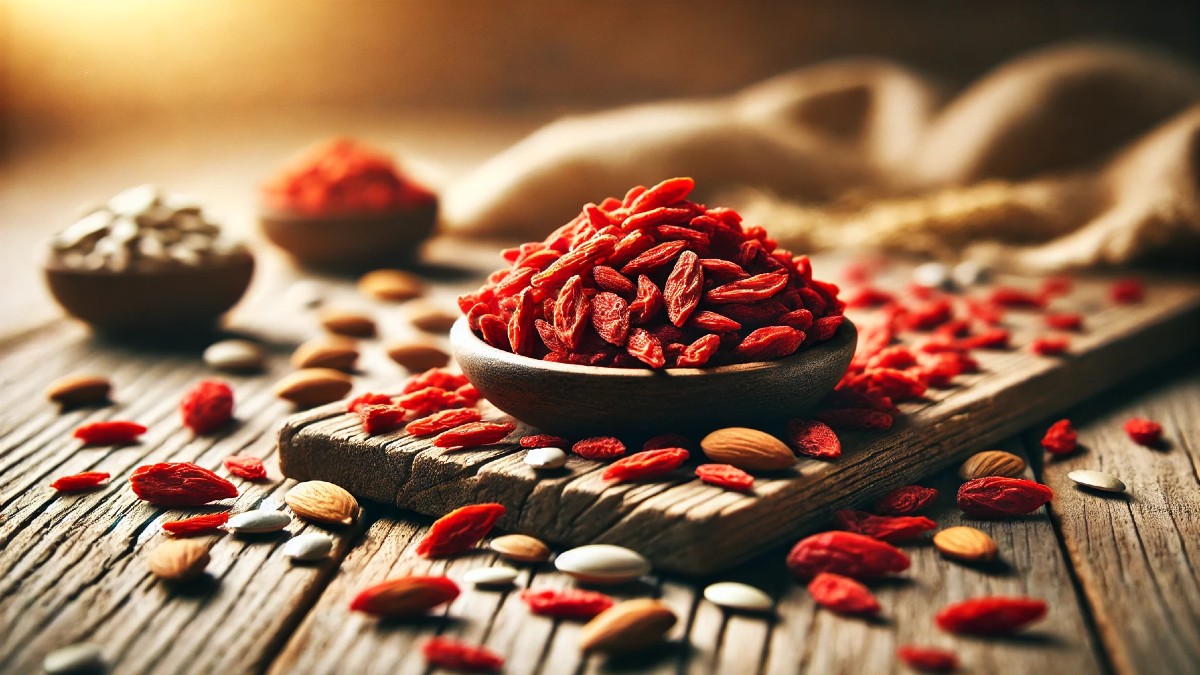
These small red berries have been used in traditional medicine for centuries. They’re exceptionally high in zeaxanthin, which protects eyes from blue light damage. Goji berries also contain unique polysaccharides that may boost immunity.
Their sweet-tart flavor pairs well with nuts and seeds. Just a small serving provides a significant amount of vitamin A, essential for skin health.
Unlike many dried fruits, goji berries retain most of their nutrients when dehydrated. They’re easy to add to smoothies, teas, or homemade energy bars. Eating them regularly may support liver function and overall vitality.
6. Pomegranate
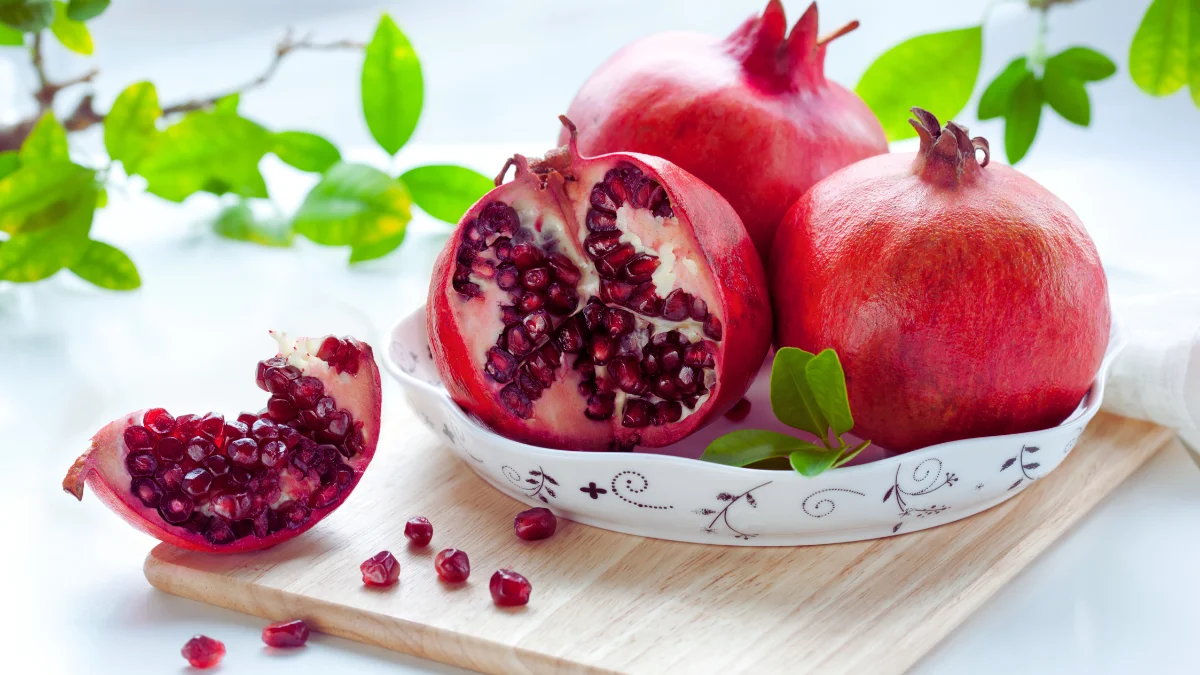
The ruby-red seeds of this ancient fruit burst with antioxidants called punicalagins. Every aril contains a mix of fiber, vitamin C, and anti-inflammatory compounds.
The fruit’s unique blend of nutrients supports joint health and may ease arthritis discomfort. Its slightly tart flavor adds brightness to both sweet and savory dishes.
Peeling can be messy, but the effort pays off in nutritional benefits. The juice stains easily, but its potent antioxidants make it worth the trouble. Try sprinkling the seeds over salads or blending them into smoothies for extra crunch.
7. Purple Grape Juice (Concord Grapes)
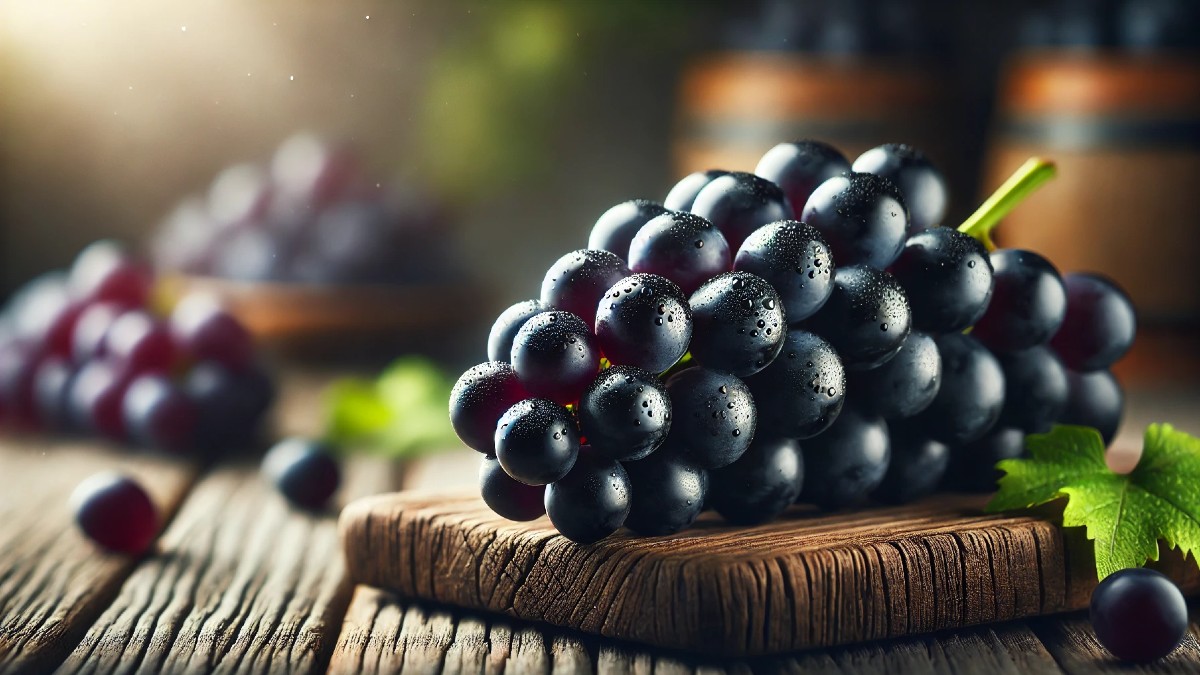
Dark purple grapes pack resveratrol, the same antioxidant found in red wine.Research in Applied Physiology, Nutrition, and Metabolism (2022) found Concord grape juice improved memory recall in older adults by 20% over 12 weeks.
Unlike wine, the juice provides these benefits without alcohol. Concord grape varieties contain higher concentrations of polyphenols than other types.
Regular consumption may improve blood vessel function and circulation. The natural compounds in these grapes help protect brain cells from oxidative damage. Some research indicates potential memory-boosting effects in older adults.
Look for 100% juice with no added sugars to maximize benefits. While fresh grapes work too, the juicing process concentrates certain antioxidants. Keep servings moderate since even natural fruit juices contain sugars.
8. Guava

Tropical guava outshines oranges in vitamin C content, with a single fruit providing double the daily requirement. Its pink flesh contains lycopene, the same antioxidant found in tomatoes. The seeds add beneficial fiber that supports digestion.
The fruit’s unique combination of nutrients makes it particularly good for skin health. Its floral aroma and sweet-tart flavor work well in both juices and savory sauces.
Unlike many tropical fruits, guava remains relatively low in natural sugars. The peel is edible and contains additional antioxidants, though some prefer to remove it.
9. Acai Berries
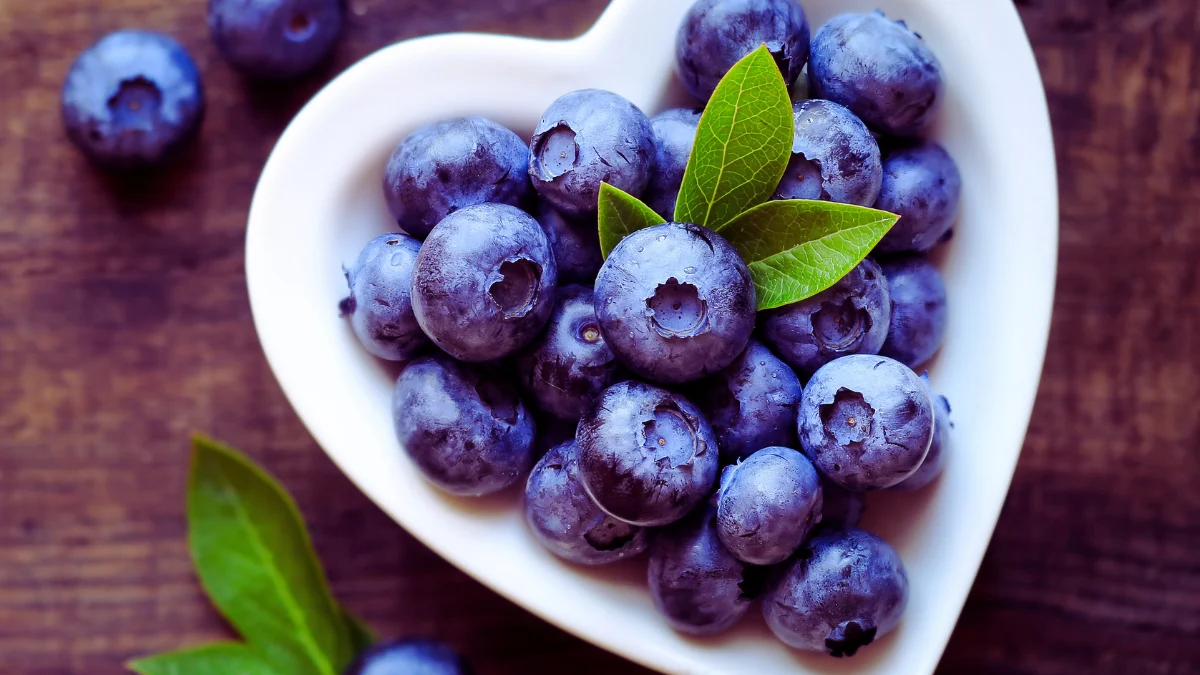
These dark purple berries from the Amazon rainforest contain anthocyanins that combat cellular aging. Traditional cultures have used them for centuries as both food and medicine. Modern research confirms their exceptional antioxidant capacity.
Freeze-dried powder retains most of the fresh berry’s nutritional value. The berries’ healthy fats help the body absorb their fat-soluble antioxidants. Some athletes use acai as a natural recovery food after intense training.
Their rich, chocolate-like flavor makes them popular in smoothie bowls. Unlike many superfoods, acai has a mild taste that blends well with other ingredients. Look for unsweetened versions to avoid unnecessary added sugars.
10. Black Garlic

Through fermentation, ordinary garlic transforms into this antioxidant powerhouse. The aging process doubles its free radical-fighting compounds while mellowing the sharp flavor.
Unlike raw garlic, black garlic doesn’t cause bad breath. Its soft, chewy texture resembles dried fruit with a subtle umami taste. The fermentation creates new compounds not found in fresh garlic.
The sticky cloves work well in sauces, spreads, or eaten alone as a snack. Look for properly fermented versions with a deep black color and jelly-like consistency.
11. Sumac Spice
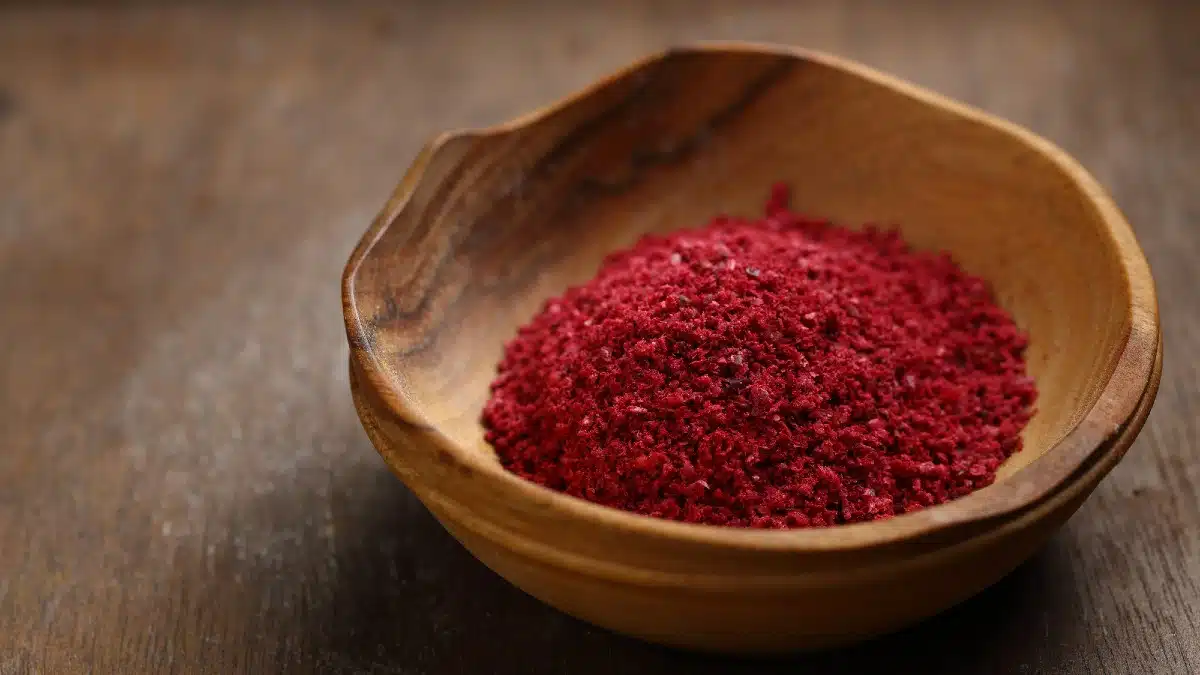
This crimson-hued Middle Eastern spice brings more than just tartness to dishes. Research in Pharmaceutical Biology (2020) showed sumac lowered fasting blood sugar by 13% in type 2 diabetics over 3 months.
The vibrant powder comes from crushed wild berries that grow in Mediterranean regions.
Sumac contains flavonoids that may help regulate blood sugar. Its lemony flavor makes it a great salt alternative for heart-healthy seasoning. Sprinkle it over hummus, grilled meats, or roasted vegetables for a nutritional boost.
Traditional medicine has used sumac for its anti-inflammatory properties. The spice retains its potency for months when stored in a cool, dark place. Unlike many antioxidants, sumac’s benefits aren’t diminished by cooking.
12. Cacao Nibs

Raw cacao offers a more concentrated antioxidant punch than processed chocolate. These crunchy bits contain flavanols that support healthy blood flow and brain function. Unlike sweetened chocolate products, they deliver benefits without added sugar.
Their bitter, earthy flavor pairs well with nuts and dried fruit. Just a small handful provides significant amounts of magnesium and iron.
The nibs make an excellent topping for oatmeal or yogurt. Look for organic varieties to avoid potential pesticide residues. Some studies indicate regular consumption could help lower blood pressure.
13. Aronia Berries (Chokeberries)

Often overlooked, these dark berries contain some of nature’s highest antioxidant concentrations. Native Americans traditionally used them for both food and medicine.
Aronia’s astringent taste mellows when cooked or blended with other fruits. Their deep purple color signals high levels of anthocyanins.
These hardy berries grow well in cold climates where other fruits struggle. Frozen aronia berries retain nearly all their nutritional value. Their juice mixes well with apple or grape for a more palatable antioxidant drink.
14. Pecans

Among nuts, pecans stand out for their remarkable antioxidant content. The buttery kernels contain vitamin E in a form particularly beneficial for skin health. Regular consumption may help lower LDL cholesterol levels.
Their natural sweetness means they need no added sugar for enjoyment. Pecans provide healthy monounsaturated fats similar to olive oil. The nuts’ magnesium content supports muscle and nerve function.
Toasting enhances their flavor without significantly reducing antioxidants. Store them in the freezer to prevent the oils from going rancid. Just a small handful makes a satisfying snack that curbs hunger for hours.
15. Cloves
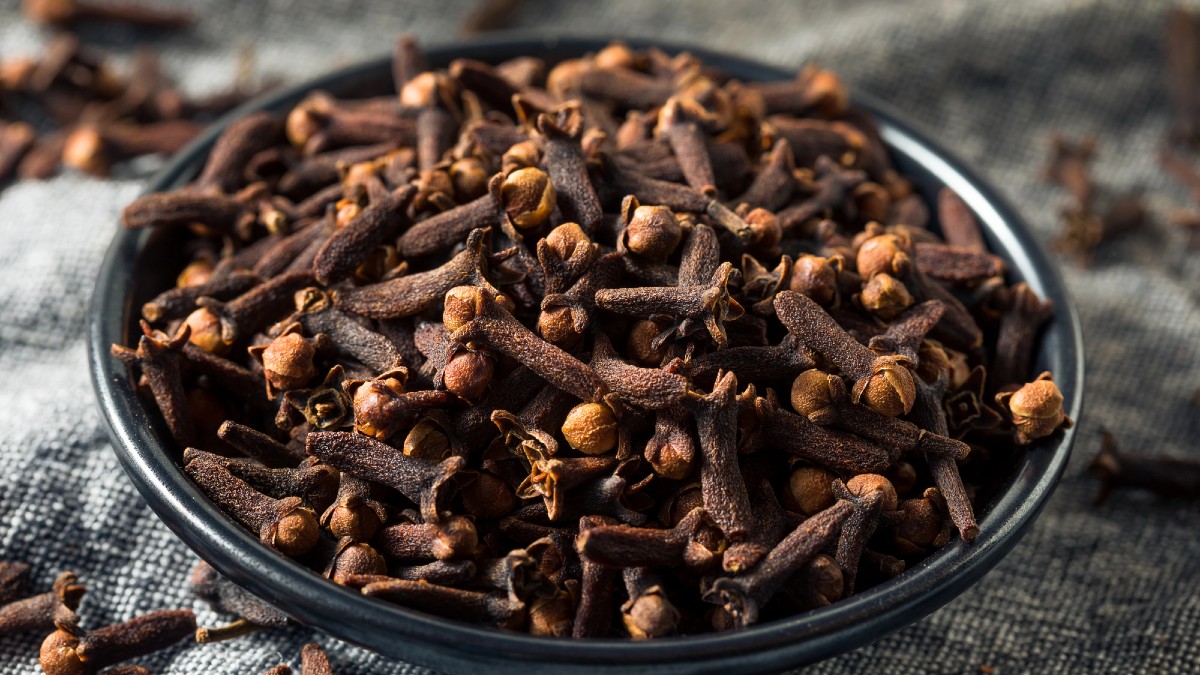
This aromatic spice tops the ORAC chart for antioxidant potency. The dried flower buds contain eugenol, a compound with natural pain-relieving properties. Traditional medicine has used cloves for digestive issues and oral health.
Their intense flavor means a little goes a long way in cooking. The spice pairs equally well with sweet and savory dishes.
Ground cloves lose potency faster than whole buds. Steeping them in hot water makes a soothing tea that may relieve throat irritation. Their antimicrobial properties make them a natural food preservative.