

What if your best body wasn’t built in the gym but through tiny, effortless choices? No grueling workouts. No strict diets. Just smart habits woven into your day.
The secret? People with naturally attractive bodies don’t rely on willpower—they move differently, eat mindfully, and turn everyday moments into mini workouts. From strategic sitting to “micro-movements,” these small shifts add up to big results.
Ready to reshape your routine? Here’s how to stay lean, strong, and energized—without ever stepping on a treadmill.
1. The “Micro-Movement” Mindset

People with naturally toned bodies rarely rely on long workouts. Instead, they move in small ways all day. According to a Mayo Clinic study, people who fidgeted more burned up to 350 extra calories daily without formal exercise.
While brushing their teeth, they do heel raises. Waiting for coffee? They shift weight from foot to foot. These tiny actions add up, keeping muscles engaged without effort.Even tapping a foot burns extra calories over time. The key is consistency, not intensity.
Try adding micro-movements to daily routines. Stand on one leg while washing dishes. Do seated leg lifts during meetings. Over weeks, these habits build strength and definition without stepping into a gym.
2. Strategic Sitting

Sitting for hours weakens posture and tightens hips. Those with lean physiques avoid this by changing how they sit. They perch on the edge of chairs, keeping spines straight. Some swap chairs for stability balls to engage their core.
Even better, they stand often. A two-minute stroll every hour keeps muscles active. If standing isn’t possible, they shift positions frequently—crossing and uncrossing legs or sitting tall.
This approach prevents slouching and keeps metabolism humming. Small adjustments make sitting work for the body, not against it.
3. Eating for Posture

What you eat affects how you stand. Foods high in magnesium and potassium, like leafy greens and bananas, reduce muscle cramps. Omega-3s from fish or flaxseeds fight inflammation, easing joint stiffness.
People with great posture also hydrate well. Water keeps spinal discs supple, preventing that hunched-over look. They avoid excess salt, which causes bloating and stiffness.
A diet rich in anti-inflammatory foods supports a naturally upright stance. Stand taller by feeding your body what it needs.
4. The 2-Minute Stretch Rule

Stiffness kills muscle tone. Smart movers stretch briefly but often. After an hour at a desk, they reach overhead or twist their torso. The Journal of Physical Therapy Science reports that brief hourly stretching breaks can increase range of motion by 18% and reduce muscle stiffness.
These mini-sessions keep muscles long and limber.Stretching boosts blood flow, helping the body recover faster. It also prevents the tightness that leads to poor posture.
Set a reminder to stretch for two minutes every hour. Touch your toes, roll your shoulders, or twist gently. Over time, this habit maintains flexibility and a leaner look.
5. Non-Exercise Activity Thermogenesis (NEAT) Mastery

Daily movement burns more calories than a weekly gym trip. Fidgeting, pacing, or taking stairs keeps metabolism active. According to research in Obesity Reviews, NEAT can account for up to 50% of daily calorie expenditure in active individuals.
People with fit bodies use this to their advantage.They walk while talking on the phone. They choose the farthest parking spot. Little actions like these add hundreds of extra calories burned each week.
NEAT works because it’s effortless. The body stays active without feeling like exercise. Move more, sit less—it’s that simple.
6. Sleep Optimization for Body Composition

Quality sleep does more than just recharge your brain—it reshapes your body. People who stay lean prioritize deep, uninterrupted rest because that’s when fat metabolism kicks into high gear. Growth hormone release peaks during sleep, helping muscles recover and tighten naturally.
They avoid late-night screen time since blue light disrupts melatonin. Instead, they wind down with dim lighting or light reading. A cooler room temperature also helps the body burn calories more efficiently overnight.
Seven to nine hours isn’t just a suggestion—it’s a non-negotiable for maintaining a toned physique without grueling workouts.
7. Breathing for Core Strength
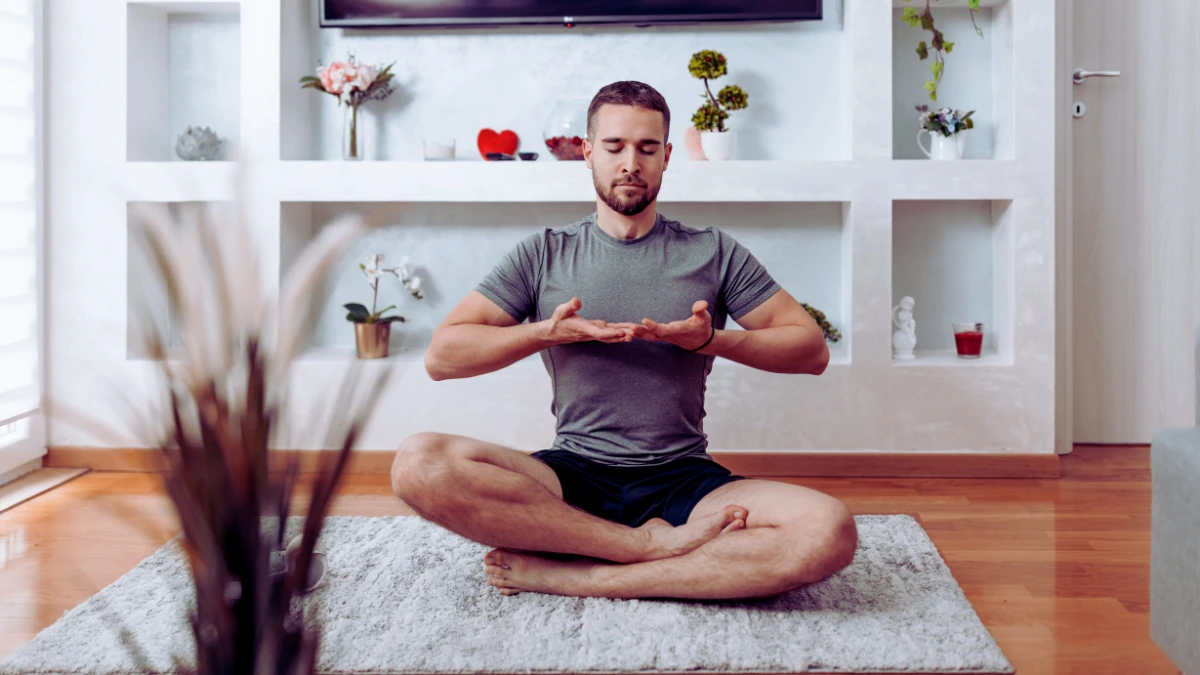
Most people barely use their diaphragm when breathing, missing out on passive core engagement. Those with naturally strong midsections practice deep belly breaths—inhaling through the nose, letting the abdomen expand fully.
This isn’t just relaxation; it’s stealth core training. Controlled breathing activates the transverse abdominis, the body’s built-in weight belt. Try it right now: exhale slowly like you’re fogging a mirror. Feel that tension? That’s your core working.
8. Cold Exposure Habits

A quick blast of cold water isn’t just invigorating—it forces the body to generate heat, ramping up calorie burn. Some people take it further with brief outdoor walks in cooler weather or ice-cold face splashes.
Cold exposure also triggers brown fat activation, a type of fat that burns energy instead of storing it. No need for extreme ice baths—just turning the shower cold for the last 30 seconds can make a difference over time.
9. The “No Chair” Challenge

Chairs are modern inventions our bodies weren’t designed for. People who avoid them when possible stay more mobile. Sitting on the floor in different positions—cross-legged, kneeling, or squatting—engages stabilizer muscles most never use.
At work, they swap chairs for standing desks or stability balls. Even perching on the edge of a seat instead of slouching back keeps the core subtly engaged. The less time spent fully relaxed in a chair, the better the body holds its shape.
10. Protein-Paced Eating

Muscle maintenance isn’t just about total protein—it’s about timing. Instead of loading up at dinner, balanced eaters spread their intake evenly. A solid 20-30 grams per meal keeps amino acids flowing steadily, preventing muscle breakdown.
They pair protein with fiber at breakfast (like eggs and avocado) to stay full longer. Snacks might include Greek yogurt or a handful of nuts. This approach keeps metabolism humming without drastic diet changes.
11. Dynamic Walking

Walking doesn’t have to be mindless pavement pounding. People with naturally toned bodies turn their daily strolls into full-body workouts without breaking a sweat. They change speeds unexpectedly, mixing brisk bursts with casual ambling. Hills and stairs become opportunities, not obstacles.
Some add resistance by carrying light groceries or wearing a slightly weighted vest. Others focus on posture—shoulders back, core gently engaged. The goal isn’t distance; it’s making each step count. Twenty minutes of varied walking beats an hour on the treadmill for functional fitness.
12. Household Isometric Exercises

Kitchens and living rooms double as gyms for the resourceful. Waiting for toast? They press palms together overhead in a silent strength battle. Brushing teeth becomes a balance challenge on one leg. These hidden workouts build endurance where it matters.
Wall sits during phone calls strengthen thighs without equipment. Countertop push-ups while coffee brews maintain arm tone. The secret lies in turning downtime into muscle time, one static hold at a time.
13. Hydration with a Twist

Plain water works, but strategic drinkers add electrolytes for better results. A pinch of sea salt in lemon water helps muscles contract smoothly. Coconut water replaces lost minerals after activity without sugary sports drinks.
They sip steadily rather than guzzling, keeping cells plump and metabolism humming. Herbal teas count too—peppermint soothes digestion while ginger fights bloat. Hydration becomes a subtle body-sculpting tool.
14. Mindful Chewing for Digestion

Wolfing down meals sabotages even the healthiest diets. Those who stay lean chew slowly, giving their gut time to signal fullness. They put forks down between bites, turning eating into a conscious act rather than a race.
This simple shift prevents overeating while improving nutrient absorption. Food becomes fuel rather than something to mindlessly consume. Digestion starts in the mouth—better breakdown means less bloating and better energy.
15. Social Fitness

Active people don’t just exercise—they live actively. Weekend hikes replace brunch dates. Dance floors trump movie couches. Even shopping becomes a walking adventure rather than online scrolling.
They choose friends who move naturally, making fitness social rather than solitary. Laughter burns calories too—a night of dancing or beach volleyball leaves everyone energized, not exhausted. Movement woven into relationships stays enjoyable long after gym memberships expire.