

Ever notice how some people breeze through flu season while others catch every bug going around? Getting sick disrupts your work, family time, and daily routine—often at the worst possible moments.
Those missed days, uncomfortable symptoms, and canceled plans add up to frustration and lost productivity. But what if staying healthy isn’t just luck?
Epidemiologists have identified specific habits that consistently protect people from illness, and behaviors that practically guarantee you’ll get sick.
9 Habits of People Who Rarely Get Sick
Some people sail through cold and flu season without a sniffle, while others catch everything. The difference often comes down to daily habits that strengthen immunity. These nine practices can significantly reduce your chances of getting sick.
1. Prioritize Quality Sleep

Your body repairs itself during sleep, producing critical proteins called cytokines that fight infections. People who consistently get 7-9 hours of sleep have much stronger immune responses compared to those who skimp on rest.
Sleeping less than 6 hours nightly increases your chances of catching a cold by about 30%. Sleep quality matters just as much as quantity.
Creating a consistent bedtime routine helps signal to your body it’s time to wind down. Keep your bedroom cool, dark, and quiet. Remove electronic devices or use blue light filters in the evening to improve melatonin production.
Many people underestimate how sleep affects immunity. During deep sleep phases, your body concentrates on healing tissues and strengthening defenses against pathogens.
If you often feel exhausted when you wake up or seem to get sick whenever something’s circulating, take a closer look at how you’re sleeping. Making small adjustments to your sleep environment can dramatically boost your resistance to illness.
2. Stay Hydrated

Water forms the foundation of every bodily function, including your immune response. Proper hydration helps flush toxins through your system and maintains the lymphatic fluid that carries immune cells throughout your body.
Well-hydrated mucous membranes in your nose, mouth, and lungs form stronger barriers against invading pathogens.
Most experts suggest drinking about half your body weight (in pounds) in ounces daily. For a 150-pound person, that’s roughly 75 ounces of water.
Your needs increase with exercise, hot weather, or illness. Listen to your body—thirst is a lagging indicator that you’re already becoming dehydrated.
Carrying a reusable water bottle helps track intake and serves as a visual reminder to drink regularly. Morning hydration seems particularly beneficial after hours without fluid during sleep.
Many people notice improved energy, better skin, and fewer headaches when they maintain consistent hydration.
Your immune system simply works better when you give it adequate fluid to transport cells and clear waste products.
3. Exercise Regularly

Moving your body stimulates circulation of both blood and lymphatic fluid, which helps immune cells patrol more efficiently.
Moderate activity for 30-60 minutes daily boosts levels of natural killer cells, B cells, and T cells—your body’s defense team. This level of exercise can reduce upper respiratory infections by up to 46%.
Outdoor exercise provides additional benefits through natural light exposure and vitamin D production, which further supports immunity.
Walking, cycling, swimming, or dancing all count toward your movement goals. The key is consistency rather than intensity. Very strenuous workouts can temporarily suppress immunity, so balance is important.
Incorporating movement throughout your day matters more than a single workout followed by hours of sitting.
Taking brief walking breaks, stretching, or doing quick bodyweight exercises helps maintain immune function. Exercise also improves sleep quality and reduces stress, creating a positive cycle that strengthens overall health and resistance to illness.
4. Practice Rigorous Hand Hygiene
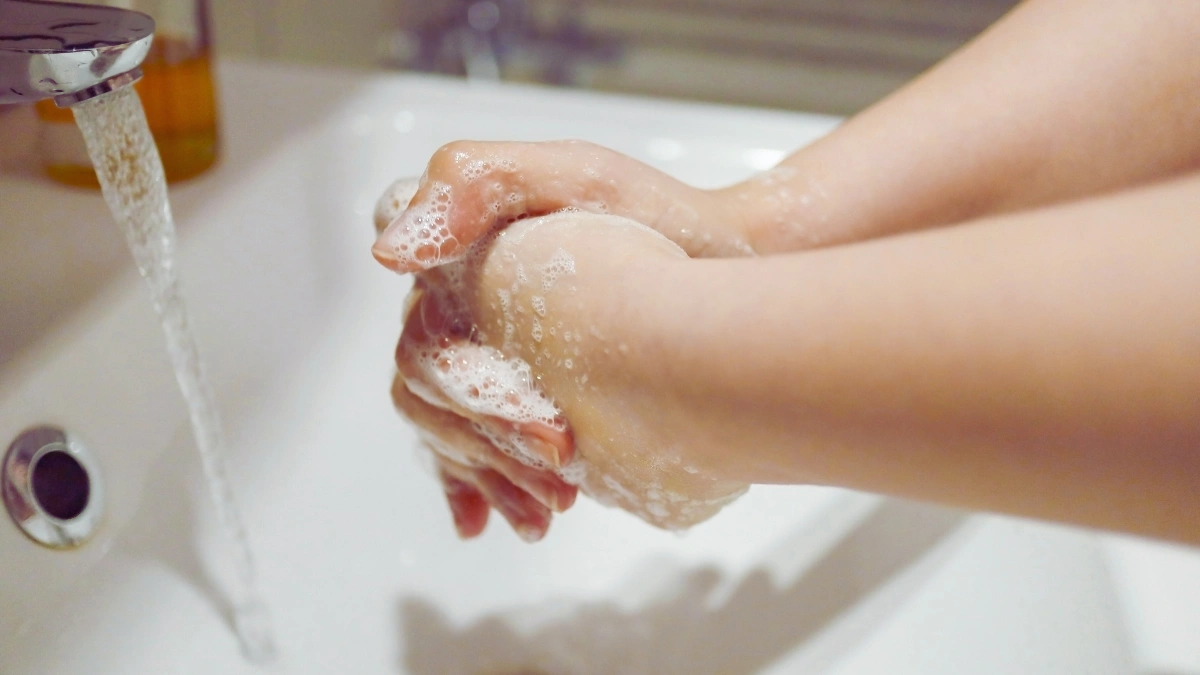
Your hands touch countless surfaces covered with microbes, then transfer those germs to your face about 16 times per hour on average.
Proper handwashing removes potential pathogens before they can enter your body through the eyes, nose, or mouth. Using soap and water for at least 20 seconds reduces germ transmission by approximately 50%.
When soap isn’t available, alcohol-based sanitizers containing at least 60% alcohol provide an effective alternative. Pay attention to commonly missed areas: fingertips, between fingers, and thumbs.
Creating habits around handwashing helps ensure consistency—always wash before eating, after using restrooms, and upon returning home.
Nail length affects germ collection, too. Shorter nails harbor fewer microbes. Beyond handwashing, becoming aware of face-touching habits can dramatically reduce infection risk.
Many people unconsciously touch their faces constantly, creating direct pathways for viruses and bacteria to enter the body. Simply increasing awareness of this habit can significantly boost your protection against common illnesses.
5. Cultivate a Positive Mindset

Your mental state directly impacts your physical health through complex neuroimmune pathways. Chronic negativity and pessimism increase stress hormones like cortisol, which suppress immune function when elevated long-term.
A 2024 study published on WebMD examined the connection between mindfulness practices and resistance to infection. Participants who meditated regularly showed 30% lower rates of getting sick compared to non-meditators.
Gratitude practices, positive social connections, and finding meaning in daily activities all contribute to emotional well-being that supports physical health.
Your brain and immune system communicate constantly through shared chemical messengers. When you feel good emotionally, your body produces more protective compounds and fewer inflammatory ones.
Social connections matter tremendously for both mental and physical health. People with strong relationships get sick less often and recover faster when they do fall ill.
Finding ways to connect meaningfully with others, whether in person or virtually, provides both emotional support and immune benefits.
Laughter improves immune function by decreasing stress hormones and increasing protective natural killer cell activity.
6. Eat a Diverse, Nutrient-Rich Diet

Your gut houses approximately 70% of your immune cells, making food choices central to immune function. Plant-centric diets that include at least 30 different varieties weekly support a diverse microbiome, which trains and strengthens your immune responses.
Colorful fruits and vegetables provide antioxidants that combat cellular damage and inflammation. Specific nutrients play key roles in immunity.
Vitamin C (found in citrus, berries, and bell peppers) can reduce cold duration when consumed regularly at levels around 500mg daily.
Zinc helps shorten colds by about 33% when taken within 24 hours of symptoms. Probiotic foods like yogurt, kimchi, and sauerkraut support beneficial gut bacteria that communicate with immune cells.
Limiting sugar intake benefits immunity significantly. Sugar consumption can suppress immune cell activity for hours afterward. Focus instead on whole foods with natural fiber that feed beneficial bacteria.
Garlic, onions, mushrooms, berries, and leafy greens all contain compounds that support various aspects of immune function. Small, consistent dietary changes often yield better results than radical short-term approaches.
7. Manage Stress Effectively

Chronic stress acts like a slow poison to your immune system. When stress hormones stay elevated, your body prioritizes immediate survival over long-term health maintenance.
This evolutionary response helps in true emergencies but damages health when activated constantly. Finding effective ways to process and release stress makes you dramatically less susceptible to illness.
Physical approaches often work fastest to reset your nervous system. Deep breathing triggers parasympathetic relaxation within minutes.
Regular yoga, tai chi, or dance gives your body ways to process stress hormones through movement. Nature exposure significantly lowers cortisol and inflammation markers, with benefits appearing after just 20 minutes outdoors.
Setting boundaries around work, news consumption, and digital devices prevents stress overload before it happens.
Many people find that planning recovery time proves just as important as managing work demands. Simple activities like reading, listening to music, or spending time with pets activate relaxation responses.
Your immune system functions optimally during periods of calm, when resources can focus on surveillance and protection rather than crisis management.
8. Stay Up-to-Date on Vaccinations
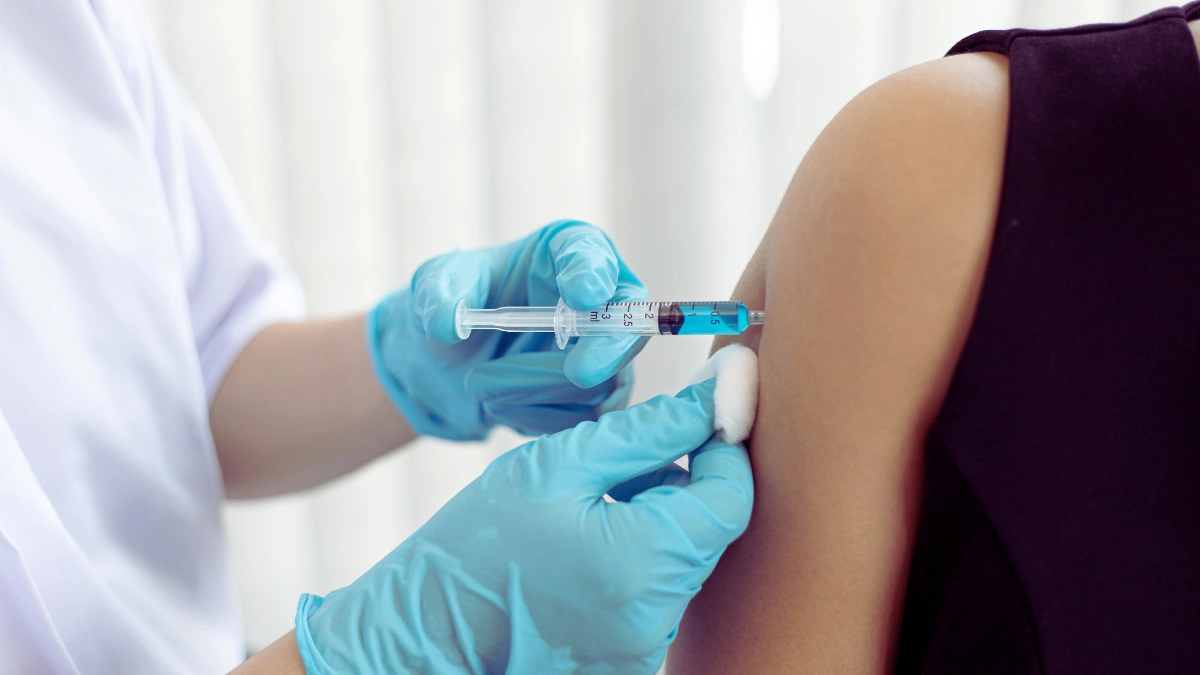
Vaccines train your immune system to recognize and respond quickly to specific threats without experiencing the full disease.
Annual flu shots reduce symptom severity and hospitalization risks by approximately 40-60%, even in years when they don’t perfectly match circulating strains. COVID-19 and other boosters provide crucial protection, especially for vulnerable populations.
The protection extends beyond individual health to community immunity. When enough people maintain current vaccinations, diseases have fewer opportunities to spread and mutate.
This protective effect becomes particularly important for those who cannot receive certain vaccines due to age or medical conditions.
Vaccines work by stimulating your natural immune responses in a controlled way. Your body creates memory cells that remember how to fight specific pathogens, allowing for a rapid response if exposure occurs later.
Keeping records of your vaccination history helps ensure you don’t miss important boosters. Many health systems now offer electronic tracking through patient portals, making it easier to stay current on recommended immunizations throughout life.
9. Avoid Smoking and Limit Alcohol

Tobacco damages nearly every aspect of immune function, starting with the protective cilia lining your respiratory tract. These tiny hairs sweep out pathogens, but smoking paralyzes and destroys them.
According to 2025 data reported by Medical Aid, countries with high smoking rates show correspondingly high rates of respiratory infections. Bulgaria tops the list with 35.5% of adults smoking regularly.
Alcohol disrupts immune function even at moderate levels, with effects worsening at higher consumption. It impairs white blood cell activity, making it harder for your body to identify and neutralize threats.
The same 2025 data shows Latvia with particularly high alcohol consumption at 12.9 liters per person annually, correlating with increased infection rates.
Both substances create ongoing inflammation that drains immune resources. Your body prioritizes addressing the constant damage from these substances over fighting external pathogens. People who quit smoking see significant improvements in immune function within weeks.
Similarly, reducing alcohol consumption to occasional moderate amounts allows immune resources to recover and function properly. These changes provide some of the most significant and immediate boosts to natural disease resistance.
4 Behaviors That Invite Illness
While building healthy habits strengthens immunity, certain behaviors can undermine your body’s defenses. Epidemiologists have identified these four common practices that significantly increase vulnerability to infections and disease. Avoiding these behaviors can be just as important as adopting positive habits.
1. Sedentary Lifestyle

Sitting for hours without movement creates the physiological equivalent of an immune system slowdown. Blood circulation diminishes, reducing the movement of white blood cells throughout your body.
This stagnation makes it harder for immune cells to detect and respond to potential threats. Countries with high physical inactivity rates, like Saudi Arabia, where 55% of adults are sedentary, show correspondingly higher rates of immune-related health problems.
Even brief periods of complete inactivity can trigger inflammatory responses that tax your immune resources. Your lymphatic system, which transports immune cells, lacks its pump and relies on body movement to flow properly.
Without regular activity, this crucial system becomes sluggish, compromising immune function throughout your body.
The accumulated effects of sedentary behavior extend beyond immunity to overall health. Metabolism slows, insulin sensitivity decreases, and muscle mass diminishes.
These changes create favorable conditions for chronic inflammation, which diverts immune resources away from fighting pathogens.
Breaking up periods of sitting with even short movement breaks every 30 minutes can substantially mitigate these negative effects and help maintain proper immune function.
2. Excessive Alcohol and Tobacco Use

Alcohol consumption, particularly heavy or binge drinking, directly suppresses multiple aspects of immune function.
It reduces the ability of white blood cells to surround and kill bacteria and viruses, interferes with cytokine production, and damages the gut barrier that prevents pathogens from entering your bloodstream.
Even moderate drinking can temporarily reduce immune function in the hours following consumption. Tobacco smoke contains thousands of chemicals that damage protective barriers in your respiratory system.
The cilia—tiny hair-like structures that sweep away pathogens—become paralyzed and eventually destroyed. Smoke also triggers inflammation in lung tissue, creating an environment where infections establish more easily and persist longer.
Smokers typically experience more severe and prolonged respiratory infections compared to non-smokers. Both substances contribute to micronutrient deficiencies that further compromise immunity.
Alcohol interferes with nutrient absorption in the digestive tract, while smoking increases metabolic requirements for protective nutrients like vitamin C.
Using these substances together multiplies their negative effects on immune function. The good news is that immune function begins improving within days of stopping either substance, with significant recovery possible within weeks to months of cessation.
3. Poor Sleep Hygiene

Sleep serves as your immune system’s critical maintenance period. During quality sleep, your body produces and releases cytokines that target infection and inflammation.
Disrupted or insufficient sleep throws this process into disarray. People who regularly sleep less than six hours face quadruple the risk of catching colds compared to those getting seven or more hours.
Restless, fragmented sleep proves nearly as detrimental as short sleep duration. Modern habits contribute significantly to sleep problems. Blue light exposure from screens suppresses melatonin production, delaying sleep onset.
Inconsistent sleep schedules confuse your circadian rhythm, making both falling asleep and waking difficult. Late caffeine consumption and evening alcohol use might help you fall asleep initially, but severely reduce sleep quality throughout the night.
The resulting sleep debt creates a cascade of immune-compromising effects. Stress hormones rise, inflammation increases, and the number and activity of natural killer cells decrease.
These changes happen quickly—just a few nights of poor sleep measurably weaken immune responses. The body prioritizes alertness over immune function when sleep-deprived, making you more vulnerable precisely when your lifestyle has reduced your defenses.
Creating a consistent sleep routine with proper sleep hygiene represents one of the most powerful ways to restore immune function.
4. Overusing Antibacterial Products

Our skin naturally hosts beneficial bacteria that protect against harmful microbes, but excessive use of antibacterial soaps, sanitizers, and household cleaners disrupts this protective microbiome.
The resulting imbalance creates opportunities for problematic organisms to establish themselves. Your skin becomes more vulnerable to infection, not less, as the natural microbial ecosystem collapses.
This principle extends beyond skin to all body systems. Overuse of antibiotics and antimicrobial products contributes to the development of resistant bacteria while simultaneously reducing beneficial organisms.
Children raised in overly sanitized environments typically develop more allergies and autoimmune conditions as their immune systems lack proper education through microbial exposure during critical developmental periods.
Regular soap and water remove pathogens effectively without destroying beneficial microbes. Strategic use of antibacterial products makes sense in specific situations, such as when caring for immunocompromised individuals or during disease outbreaks.
For everyday cleaning and hygiene, however, gentler approaches better support long-term health. Your immune system develops strength through appropriate microbial exposures, not from attempting to eliminate all microbes from your environment. This balanced approach builds resilience against truly harmful pathogens when encountered.