

Worried about brittle bones that break too easily? Millions face declining bone density as they age, yet calcium supplements and milk alone won’t solve the problem.
Nature has provided us with powerful bone-building foods that most people completely overlook.
These 17 forgotten superfoods contain unique compounds that actively strengthen your skeleton from within – no prescription needed.
From common kitchen staples to exotic options you can find at any grocery store, these foods work better than many supplements. Your future self will thank you for discovering these natural bone builders today.
1. Prunes (Dried Plums)
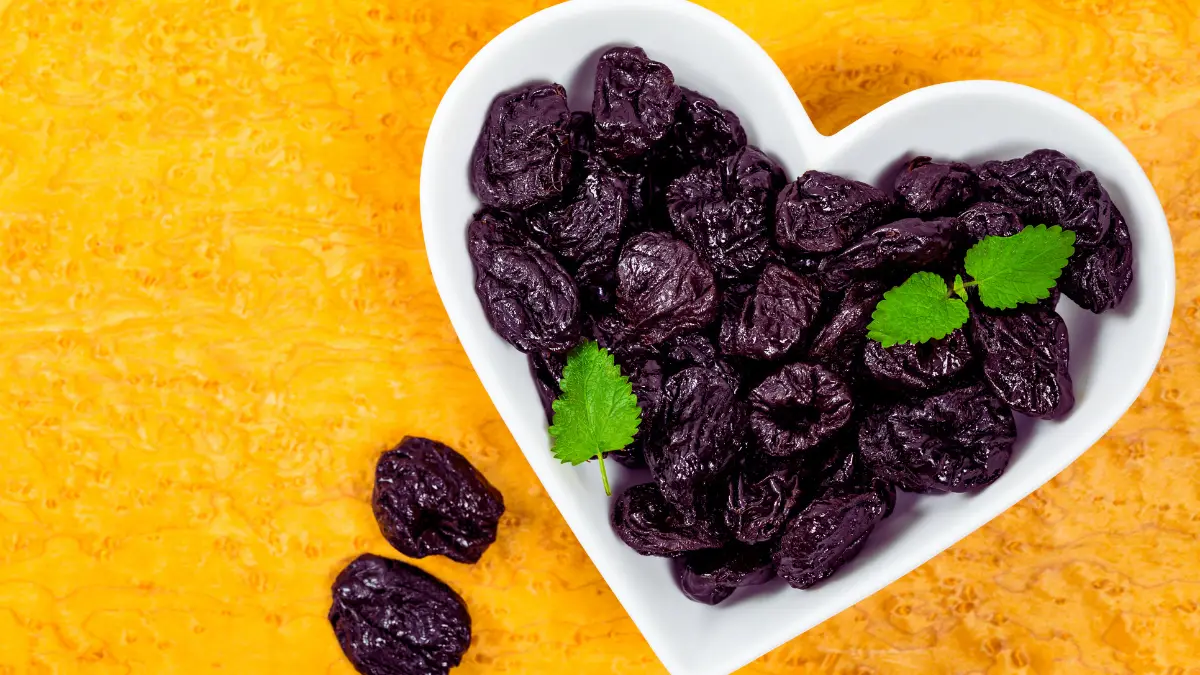
These wrinkled fruits pack an unexpected punch for bone health. Loaded with polyphenols and vitamin K, prunes actively fight against bone loss by reducing resorption markers in your body.
Women going through menopause should take special note. Eating just 5-6 prunes daily for one year significantly slows down bone loss in older women.
This makes prunes one of the simplest additions to your diet for maintaining hip bone density. You can enjoy prunes straight from the package, chop them into oatmeal, or blend them into smoothies.
Their natural sweetness makes them an excellent substitute for processed sugars while giving you bone-strengthening benefits that most sweet treats lack.
2. Canned Salmon (with Bones)

Canned salmon offers a budget-friendly way to boost bone strength. The soft, tiny bones inside provide an incredible 180 mg of calcium in just a 3-ounce serving – about 18% of your daily needs.
What makes salmon special is its combination of calcium and vitamin D. Very few foods naturally contain vitamin D, which your body needs to properly absorb calcium.
This dual-action support makes salmon twice as effective for bone health compared to many calcium-only foods.
Try salmon patties, salmon salad sandwiches, or add it to pasta dishes. The bones are soft enough to eat without noticing them, especially when mixed into recipes. Your wallet and your skeleton will thank you for this affordable protein option.
3. Tofu (Calcium-Set)

Tofu stands out as a plant-based calcium powerhouse when prepared using calcium sulfate. A 4-ounce portion delivers a whopping 430 mg of calcium – more than a glass of milk.
Beyond calcium, tofu contains isoflavones that mimic some of estrogen’s bone-protective effects. This makes it particularly valuable for women after menopause when estrogen levels decrease naturally. Eating this food often could help keep your bones strong when they’re most at risk.
Firm tofu works well in stir-fries and grilled dishes, while silken varieties blend smoothly into sauces and desserts.
The mild flavor absorbs whatever seasonings you pair it with, making it incredibly versatile. Check the label when shopping to confirm it’s made with calcium sulfate for maximum bone benefits.
4. Almonds & Almond Butter

Almonds offer multiple bone-building nutrients in a small package. A half-cup serving provides 190 mg of calcium along with magnesium, which helps with calcium absorption and bone mineralization.
The healthy fats in almonds fight inflammation throughout your body. Since chronic inflammation can accelerate bone loss, this anti-inflammatory effect creates additional protection for your skeleton. Almonds also contain protein, which builds the collagen matrix that gives bones their flexibility.
Sprinkle chopped almonds on salads or yogurt, spread almond butter on whole grain toast, or grab a handful as a portable snack.
Their satisfying crunch and versatility make them easy to incorporate into almost any meal plan. Store them in the refrigerator to keep their oils fresh.
5. Dried Figs

Figs contain an impressive nutrient profile for bone maintenance. Two dried figs provide about 65 mg of calcium, along with magnesium, potassium, and vitamin K – all critical for skeletal health.
Potassium in figs helps neutralize acid load in your body, which can come from protein-heavy diets. This acid-balancing effect prevents calcium from being leached out of your bones. The fiber in figs promotes gut health, which improves overall nutrient absorption.
Add chopped figs to morning cereal, bake them into whole grain muffins, or pair them with nuts for a bone-building snack.
Their natural sweetness satisfies sugar cravings while providing actual nutritional value. Fresh figs work too when in season, but dried ones offer convenience year-round.
6. White Beans (Cannellini/Navy)
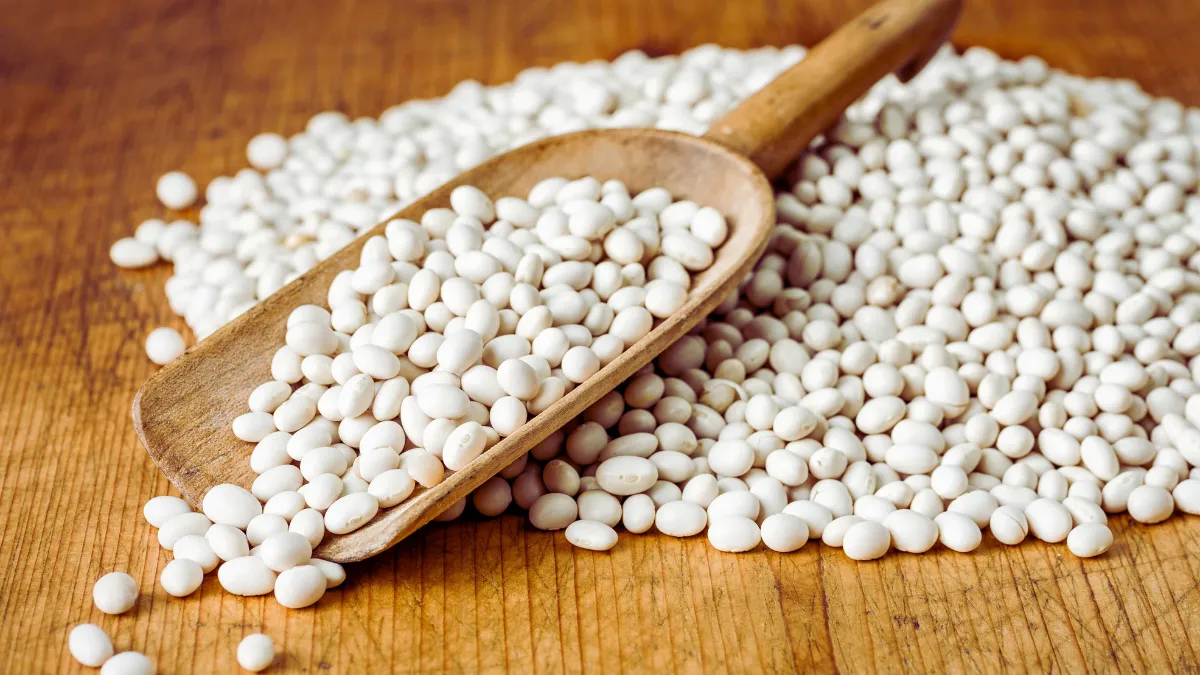
White beans serve as an unsung hero for bone strength. One cup of cooked beans provides 190 mg of calcium alongside magnesium, potassium, and plant-based protein, creating a complete bone support package.
Soaking beans before cooking reduces their phytate content. This matters because phytates can block mineral absorption.
The simple step of soaking overnight increases how much calcium your body can use from each serving.
White beans also contain zinc, which helps build collagen for bone flexibility. These versatile legumes work well in soups, salads, pasta dishes, or pureed as a spread.
Their creamy texture and mild flavor make them an excellent base for many recipes. Canned varieties offer convenience, but look for low-sodium options and rinse them before use.
7. Collard Greens

Collard greens stand apart from other leafy vegetables for bone health. A cooked cup delivers 268 mg of calcium with minimal oxalates – compounds that can block calcium absorption in spinach and some other greens.
The vitamin K content in collards deserves special attention. This vitamin activates proteins that bind calcium to bone tissue, essentially helping your body place calcium where it belongs.
Regular consumption of vitamin K-rich foods correlates with fewer fractures and stronger bones. Quick-cooking methods preserve nutrients best.
Steam collards briefly or sauté them with garlic and olive oil. The sturdy leaves also work well as wraps for sandwiches or burritos.
Southern-style slow-cooked collards remain popular, but shorter cooking times maintain more nutrients.
8. Sesame Seeds & Tahini
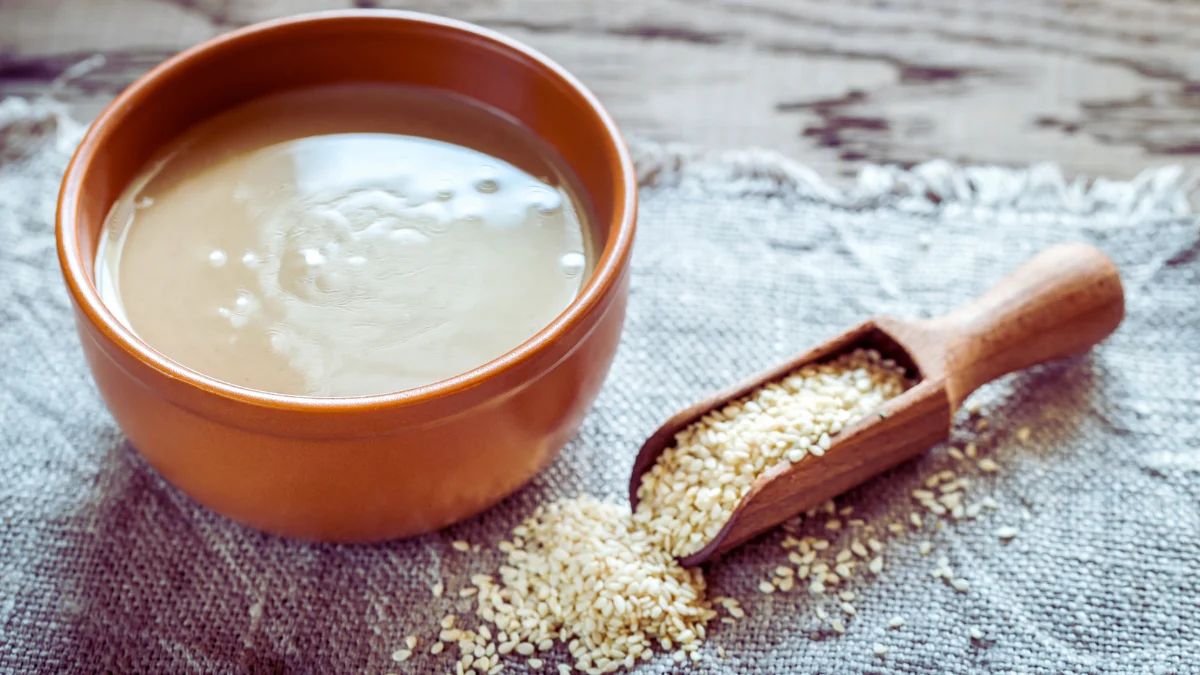
Sesame seeds contain remarkable amounts of calcium for their tiny size. Just one tablespoon provides 88 mg of calcium along with magnesium, zinc, and copper – minerals that work together for optimal bone formation.
A 2023 clinical trial published in the NIH database showed significant improvements in bone turnover markers among postmenopausal women who consumed sesame daily.
The researchers noted that sesame consumption increased serum calcium levels while reducing bone resorption activity, suggesting a protective effect against osteoporosis.
Sprinkle toasted sesame seeds on vegetables or rice dishes for texture and nutrition. Tahini (sesame paste) works well in dressings, dips, and sauces.
The nutty flavor enhances both savory and sweet recipes. Store seeds and tahini in cool, dark places to preserve their healthy oils and prevent rancidity.
9. Okra

Okra brings unique benefits to bone health with its calcium and vitamin K content. One cup of cooked okra contains 123 mg of calcium alongside other bone-supporting nutrients like manganese and vitamin C.
The mucilage fiber in okra supports gut health by feeding beneficial bacteria in your digestive tract. This can improve overall nutrient absorption, including calcium and other bone-building minerals.
The plant compounds in okra may also have anti-inflammatory properties that protect against bone loss. Roast okra pods whole for a crispy texture that minimizes the mucilage.
Quick-cooking methods like stir-frying or grilling work well too. Many cuisines feature okra in stews and curries where its thickening properties enhance the dish. Frozen okra offers convenience when fresh isn’t available.
10. Fortified Plant Milks
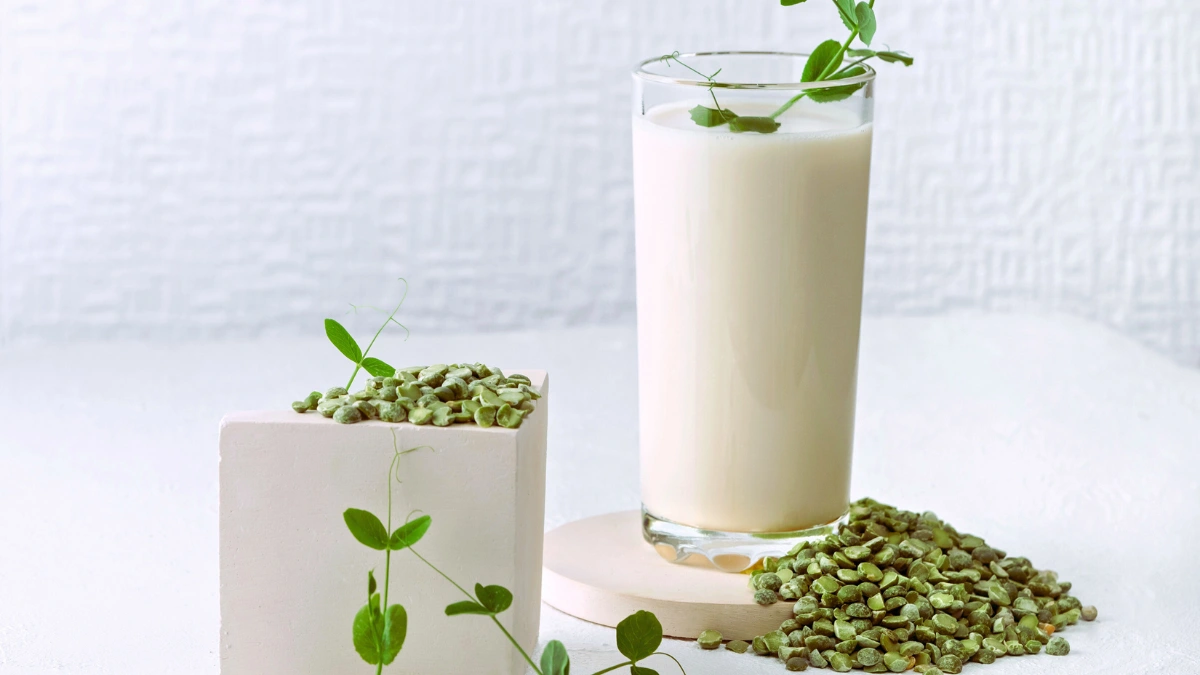
Plant-based milk alternatives have become calcium powerhouses through fortification. Most brands contain 300-400 mg of calcium per cup, matching or exceeding dairy milk levels while offering options for those avoiding animal products.
What sets quality plant milks apart is their vitamin D content. This critical addition helps your body absorb and use calcium effectively.
Manufacturers typically add both calcium and vitamin D to mimic the natural pairing found in dairy products. Look for unsweetened varieties with short ingredient lists for the most nutritional value.
Almond, soy, oat, and rice milks each offer unique flavor profiles and nutritional benefits beyond calcium. Use them in smoothies, coffee, cereal, or baking.
Not all brands fortify equally, so check labels for calcium content of at least 30% Daily Value per serving. Store-bought options work better for calcium than homemade versions, which lack fortification.
11. Edamame
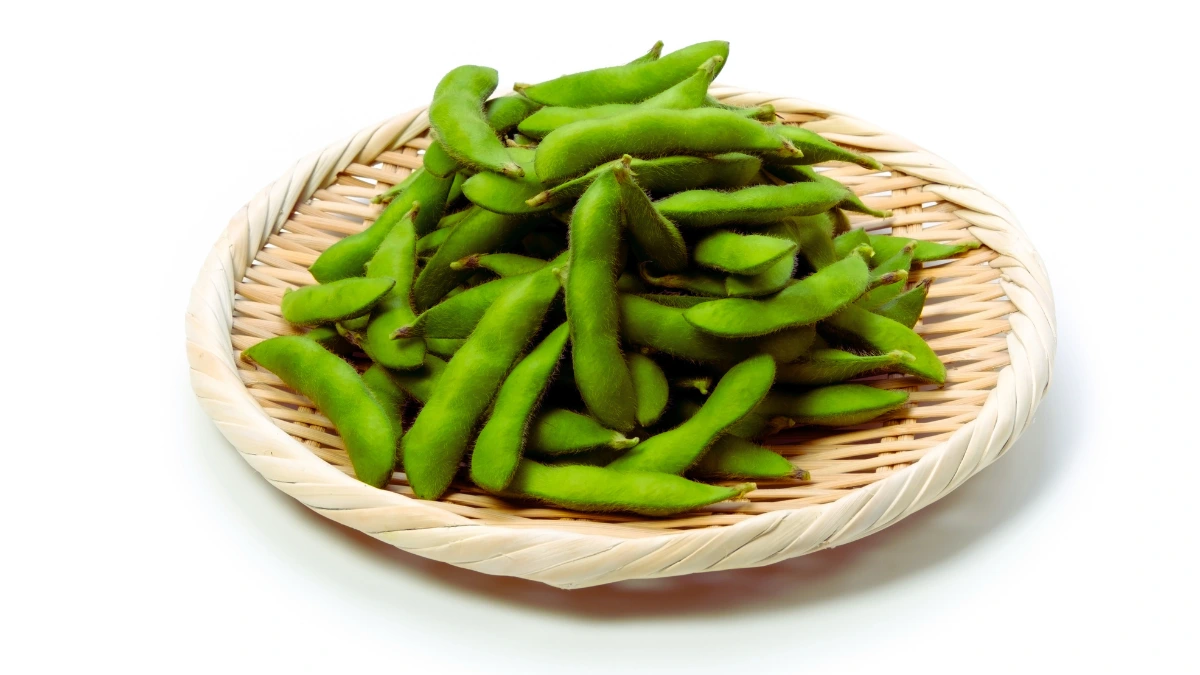
Young soybeans offer substantial bone-building nutrients in a tasty package. Each cup of edamame provides 98 mg of calcium along with magnesium, vitamin K, and isoflavones that work together to support skeletal health.
The plant compounds in edamame deserve special attention for women experiencing menopause. These natural phytoestrogens can help slow bone loss when declining estrogen levels put bones at risk.
Regular consumption may help maintain density during this vulnerable period. Men benefit too from the complete protein and mineral content.
Steam fresh edamame pods for a quick snack, add the beans to salads and grain bowls, or puree them into dips. Their mild, slightly sweet flavor makes them appealing even to picky eaters.
Frozen varieties offer year-round convenience with minimal nutrient loss compared to fresh. Buy organic when possible to avoid pesticide exposure.
12. Bone Broth
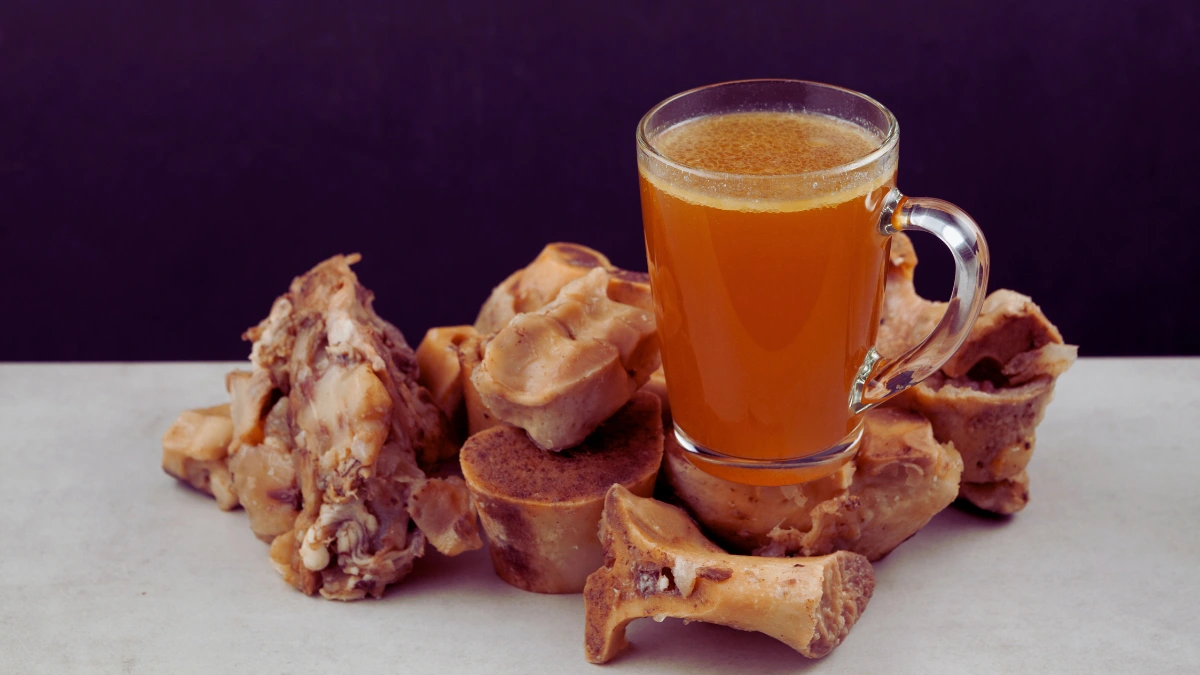
Slow-cooked bone broth contains nutrients extracted directly from animal bones. The collagen peptides released during long cooking stimulate osteoblast activity, cells responsible for building new bone tissue.
Collagen supplements led to measurably lower bone turnover markers in women after menopause, according to findings.
Bone broth provides these collagen peptides naturally, along with calcium, magnesium, phosphorus, and amino acids that serve as building blocks for bone matrix. The gelatin content supports gut health, which improves nutrient absorption overall.
Make broth at home by simmering beef, chicken, or fish bones with a splash of vinegar to extract minerals. Commercial options work too, but check for added sodium.
Use it as a base for soups and stews, cook grains in it for added nutrition, or sip it straight as a warming beverage. Quality matters—bones from pasture-raised animals provide more nutrients.
13. Sardines (with Bones)

Small but mighty, sardines offer exceptional bone-building nutrition. A single can contains about 325 mg of calcium because you eat the tiny bones along with the fish meat.
These little fish contain a rare combination of vitamin D and omega-3 fatty acids alongside calcium. This nutrient trio works synergistically—vitamin D improves calcium absorption, while omega-3s reduce inflammation that can lead to bone loss.
Few foods provide all three critical nutrients together naturally. The protein content further supports bone matrix formation.
Try sardines on whole grain crackers, chopped into pasta dishes, or mixed into fishcakes. The canned format makes them portable, affordable, and ready to eat.
If the flavor seems strong at first, try milder varieties packed in olive oil rather than water, and add lemon juice to brighten the taste. Your bones will thank you for overcoming any initial hesitation.
14. Broccoli
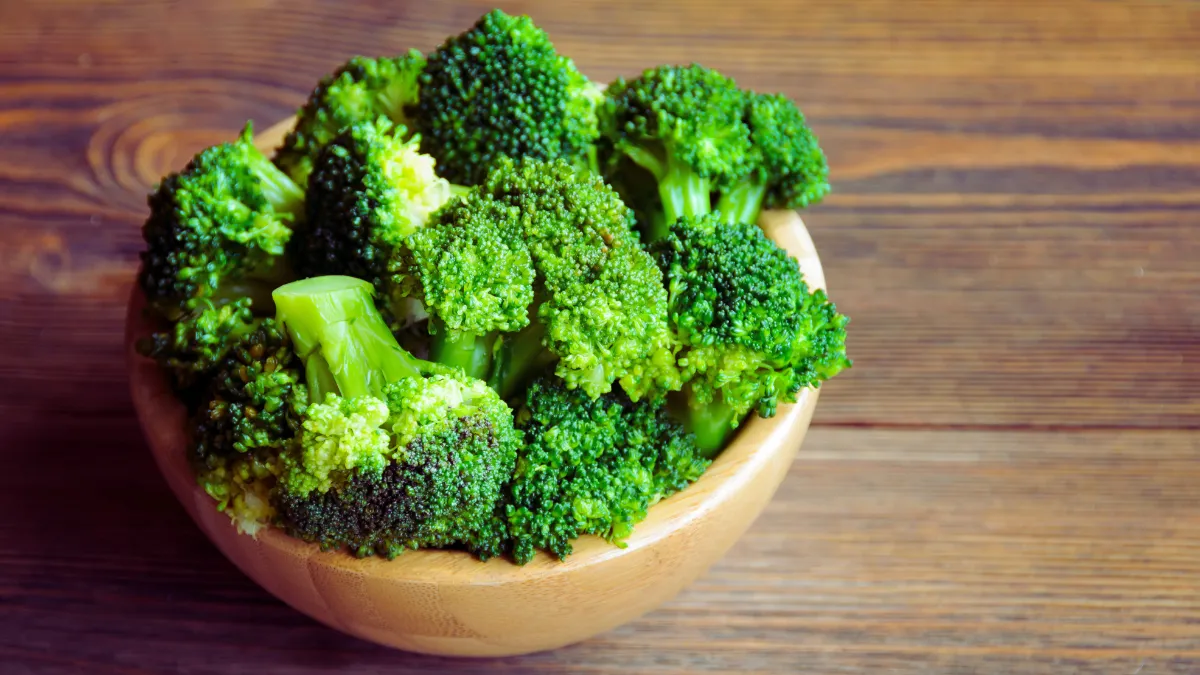
This common vegetable brings uncommon benefits for bone health. One cup of broccoli provides 89 mg of vitamin C, essential for collagen production that gives bones their flexible strength.
Beyond vitamin C, broccoli contains vitamin K, which activates proteins involved in bone mineralization. The calcium content may seem modest at 43 mg per cup, but its high absorption rate makes it more bioavailable than some higher-calcium foods.
Sulforaphane, a plant compound in broccoli, may inhibit osteoclasts—cells responsible for breaking down bone tissue.
Quick cooking preserves most nutrients in broccoli. Steam it briefly until bright green and slightly tender, roast it with olive oil for caramelized edges, or enjoy it raw in salads and with dips.
The stems contain as many nutrients as the florets—just peel and slice them thinly. Buy broccoli with tight, dark green florets and firm stalks for maximum nutritional value.
15. Mushrooms (UV-Exposed)

Common mushrooms transform into vitamin D factories when exposed to ultraviolet light. This unique ability makes them the only plant-based food that naturally produces significant vitamin D, essential for calcium absorption and bone metabolism.
A 2024 study published in the PMC database demonstrated remarkable improvements in bone mineral density among elderly adults consuming vitamin D-enriched mushrooms daily.
Researchers found that participants taking 10 micrograms of mushroom-derived vitamin D2 daily for six months showed measurable increases in spinal and hip bone density compared to control groups.
Look for packages labeled “UV-treated” or “vitamin D-enhanced” at grocery stores. Conventional mushrooms contain very little vitamin D unless specially treated.
Add them to omelets, stir-fries, pasta dishes, or roast them as a side dish. White button, cremini, and portobello varieties all respond to UV treatment with increased vitamin D levels. Even dried mushrooms retain their vitamin D content.
16. Seaweed (Kelp)
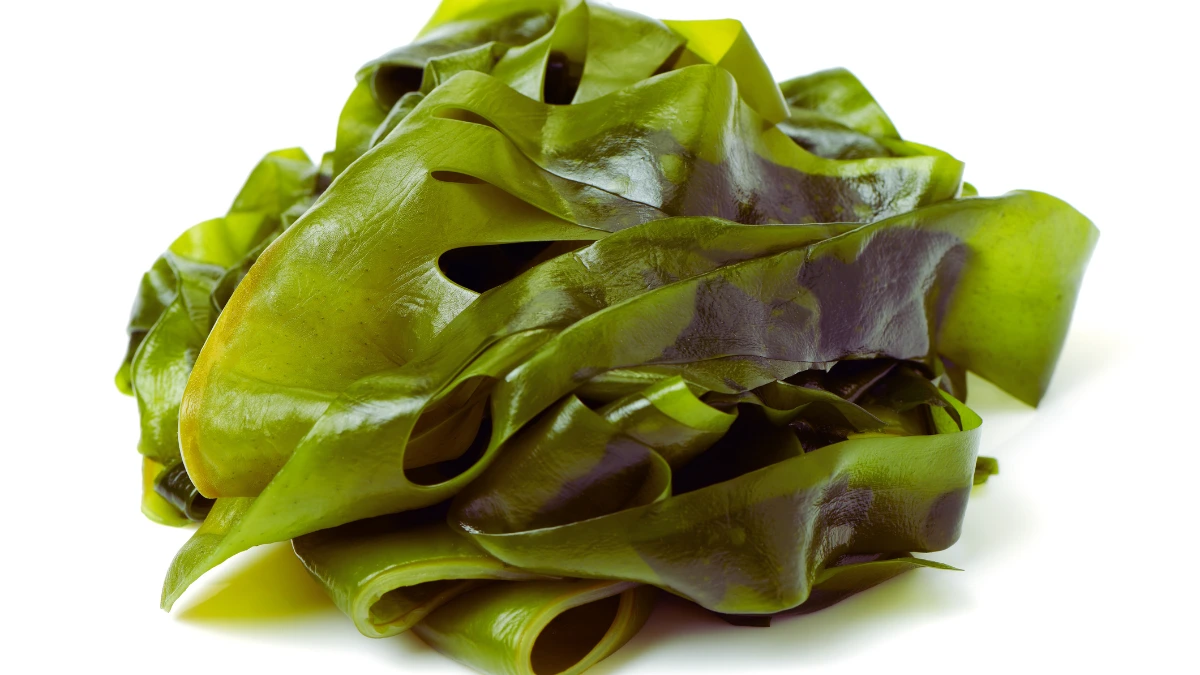
Sea vegetables contain an unmatched mineral profile for bone support. Kelp and other seaweeds offer calcium, magnesium, and trace minerals like vanadium that are rare in land-grown foods but crucial for skeletal health.
Japanese populations with regular seaweed consumption show higher bone mineral density in long-term studies. The iodine content supports thyroid function, which regulates bone turnover rates.
Fucoidans, unique compounds found only in brown seaweeds, may stimulate bone formation according to laboratory research.
Sprinkle dried seaweed flakes on rice dishes, salads, or soups. Wrap sushi in nori sheets, add wakame to miso soup, or try kelp noodles as a low-carb pasta alternative.
Many grocery stores now carry dried seaweed products in the international foods section. Start with small amounts if new to the taste—the ocean flavor can be potent, but grows on most people over time.
17. Pumpkin Seeds
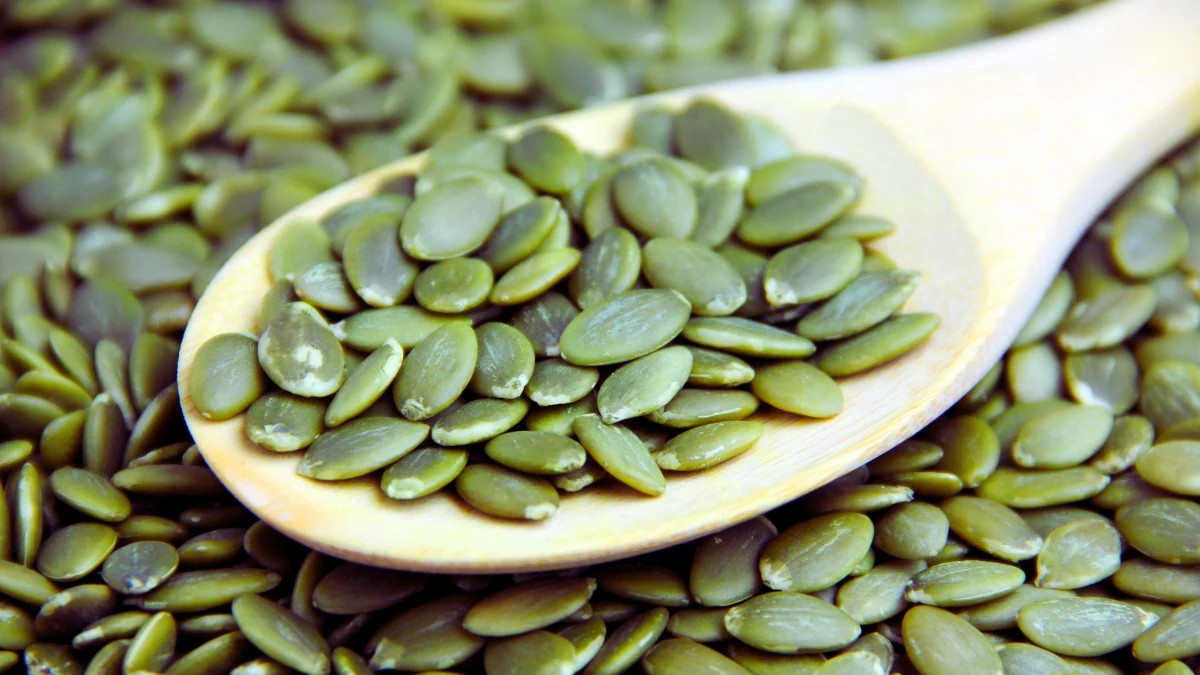
These green seeds rank among the highest food sources of magnesium, with 168 mg per ounce. Magnesium plays a critical role in converting vitamin D to its active form, which then facilitates calcium absorption.
About 60% of your body’s magnesium resides in your skeleton, forming part of the crystal structure of bone.
Low magnesium status correlates strongly with osteoporosis risk, yet many people consume below recommended levels. Pumpkin seeds also provide zinc and protein, which support collagen production for the bone matrix.
Eat them raw or lightly toasted for a crunchy snack, sprinkle them on salads and roasted vegetables, or grind them into seed butter.
Their nutty flavor complements both sweet and savory dishes. Shell-less pepitas offer convenience, while in-shell varieties stay fresh longer. Store them in the refrigerator to prevent their healthy oils from oxidizing.