
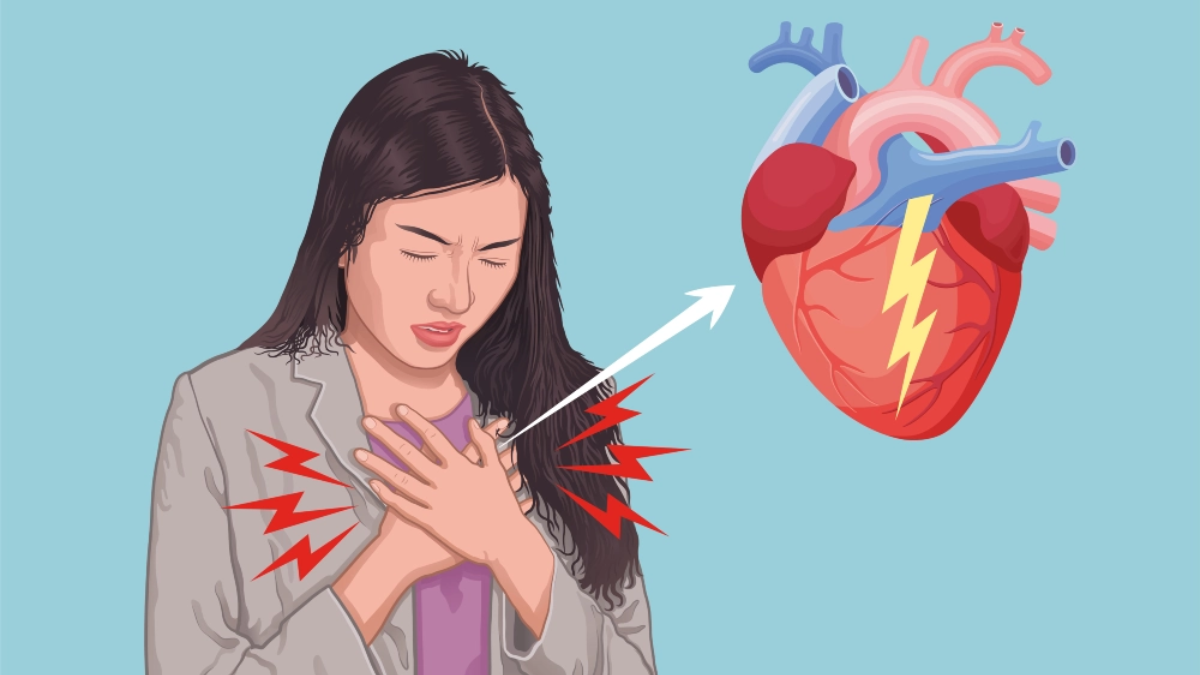
Heart attacks in women often don’t look like what you see in movies. No dramatic chest clutching, no sudden collapse. Instead, your body sends quiet signals that are easy to brush off as stress, aging, or just being busy.
This silence kills. Women wait 40-60 minutes longer than men to get help during heart attacks, drastically reducing survival chances.
But you can change these odds. ER doctors reveal that knowing just seven warning signs could save your life – subtle clues your heart sends weeks before a major event.
What makes these symptoms so dangerous is that most women miss them entirely. Here’s what doctors want you to know.
1. Persistent Fatigue and Sleep Disturbances

Many women experience unusual tiredness months before a heart attack occurs. This isn’t ordinary exhaustion that goes away after resting.
Your body feels heavy, making simple tasks like making the bed seem impossible. You might wake up feeling as if you never slept.
Sleep patterns often change too. Some women struggle to fall asleep despite feeling exhausted. Others wake frequently throughout the night.
These disruptions happen because your heart works harder to pump blood when arteries narrow, causing your body to feel constantly drained.
Women typically brush off these symptoms as stress, aging, or busy schedules. The warning signs hide in plain sight, appearing gradually rather than suddenly.
Your body whispers before it screams. Pay attention if fatigue persists without explanation or if sleep problems develop suddenly when you’ve never had them before.
2. Upper Body Discomfort (Jaw, Neck, Back, or Arms)

Heart attack pain often travels beyond the chest in women. You might feel an ache in your jaw that comes and goes, similar to a toothache but without dental issues.
Your neck might hurt or feel strangely tight on one side. Arms – particularly the left one – can experience anything from mild discomfort to intense pain.
Back pain between the shoulder blades often surprises women who expect chest pain instead. This sensation might feel like a burning, tingling, or pressure that moves around your upper body.
What makes these symptoms tricky: they often appear during rest or even while sleeping, not just during physical activity.
Women frequently attribute these signals to muscle strain, arthritis, or stress. The pain might appear intermittently for days or weeks before a cardiac event.
Unlike injury pain, it typically doesn’t worsen when you press on the area. Watch for discomfort that appears with exertion and eases with rest – a classic cardiac warning sign.
3. Indigestion or Nausea Without Clear Cause
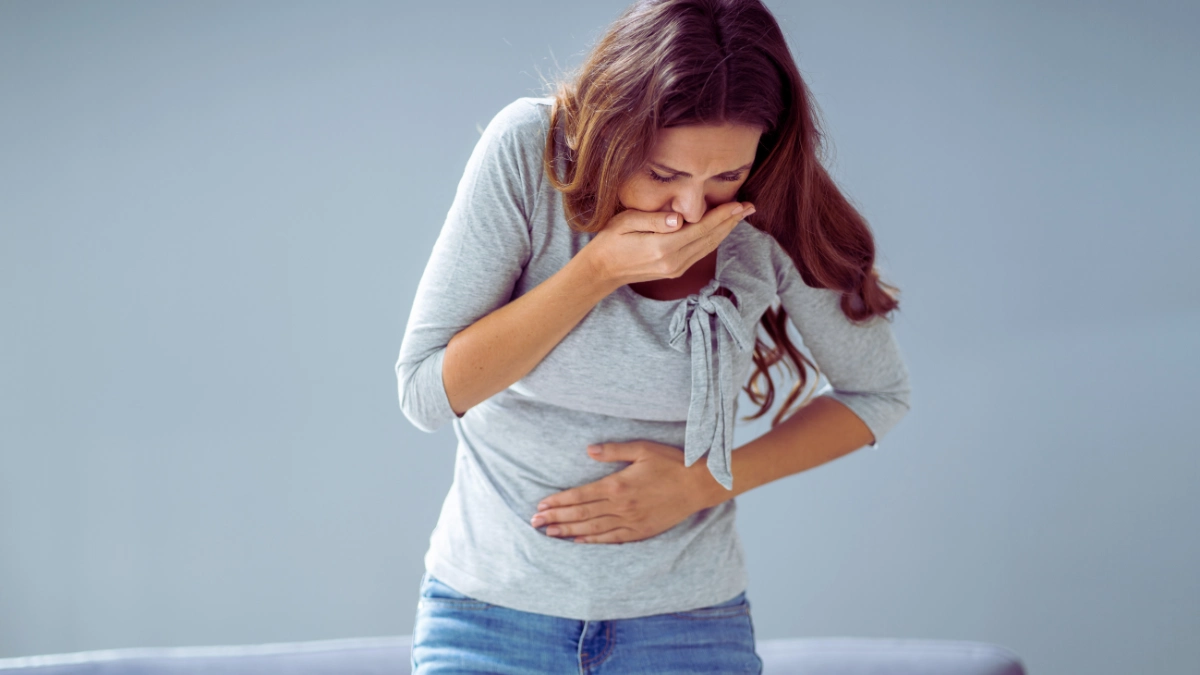
Stomach upset often tricks women into thinking they have a minor illness rather than heart trouble. Your chest or throat might burn after meals, similar to what happens with acid reflux.
Some women experience intense nausea or even vomiting without any digestive cause. Your stomach might bloat uncomfortably for days.
These symptoms often worsen after physical activity or during stressful situations when your heart needs more oxygen. Many women report feeling unusually full after eating small amounts of food.
Cold sweats or clammy skin might accompany the digestive discomfort, signaling something beyond simple indigestion.
Doctors note that women experience gastrointestinal symptoms during cardiac events nearly twice as often as men. Some women wait days thinking they have a stomach virus or food poisoning.
The key difference: heart-related digestive symptoms often occur sporadically over weeks or months, without clear dietary triggers, and may happen alongside subtle breathlessness or fatigue.
4. Shortness of Breath or Lightheadedness
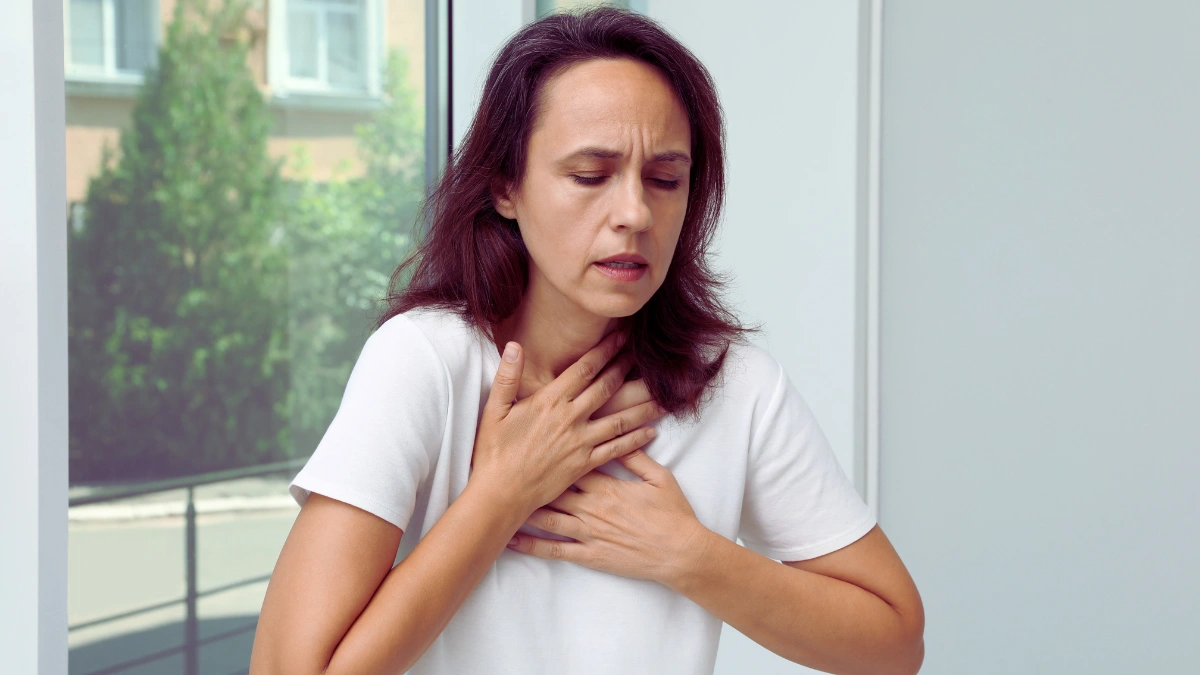
Suddenly struggling to catch your breath while folding laundry or climbing a short flight of stairs often signals reduced blood flow.
Your heart and lungs work together; when one system struggles, the other shows signs. This breathlessness might feel like you can’t get enough air despite breathing deeply.
Dizziness or lightheadedness often accompanies breathing troubles. You might need to sit down unexpectedly or feel unsteady on your feet.
Some women describe a swimming sensation in their head that comes without warning. These symptoms occur because your brain isn’t receiving enough oxygen-rich blood.
Research confirms how common these warning signs are. A 2018 study published in Circulation examined 2,009 women hospitalized for heart attacks and found that nearly 62% experienced three or more non-chest symptoms, with shortness of breath being particularly prevalent.
Most women in the study initially dismissed these feelings as anxiety or attributed them to being out of shape, delaying lifesaving care by hours or even days.
5. Cold Sweats and Flu-like Symptoms

Strange sweating episodes with no connection to temperature or activity level often occur weeks before a heart attack. Your body might suddenly feel clammy or damp, especially on your upper body.
These sweats happen because your nervous system activates as your heart struggles, triggering your sweat glands unexpectedly.
The overall sensation closely mimics having the flu. Your body might ache all over, you feel unusually tired, and chills come without fever.
Some women report feeling generally unwell without being able to pinpoint exactly what’s wrong. These sensations might come and go over several days.
Women typically reach for cold medicine rather than considering heart issues. The deceptive nature of these symptoms leads many to wait until severe chest pain occurs before seeking help.
Your body temperature regulation connects directly to your cardiovascular system. Unusual sweating, particularly at night or when not physically active, warrants attention, especially when paired with fatigue or mild discomfort elsewhere in your body.
6. Subtle Chest Pressure or Tightness
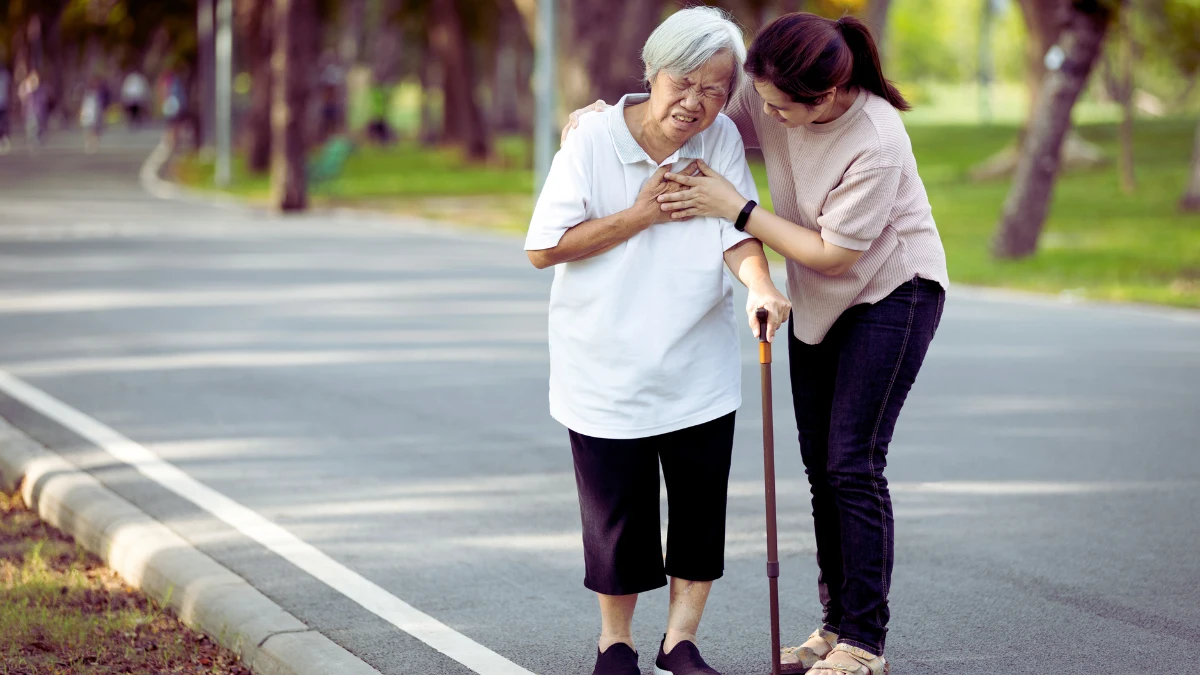
Chest discomfort during heart attacks often feels different for women than the dramatic, crushing pain commonly portrayed. You might feel mild pressure, tightness, or squeezing that comes and goes.
Many women describe it as a weight on their chest or a tight band around their torso. The sensation might last only minutes before disappearing, then return hours or days later.
This inconsistent pattern confuses many women who expect continuous, severe pain. The pressure might radiate outward or remain in one spot.
Some describe it as similar to indigestion or muscle soreness after exercise. Breathing deeply sometimes intensifies the sensation.
A 2019 JAMA Cardiology study revealed concerning data about these subtle symptoms. Researchers followed 935 adults and discovered that unrecognized heart attacks – those with mild chest discomfort often dismissed as heartburn or stress – carried identical long-term mortality risks as recognized attacks.
This finding underscores the importance of investigating even minor chest symptoms, especially when they appear alongside other warning signs like fatigue or shortness of breath.
7. Unexplained Anxiety or Mental Fog

Your brain often signals cardiac distress through psychological symptoms. Sudden, intense anxiety without an obvious cause might stem from your heart.
This isn’t ordinary worry – it’s a sense of doom or panic that appears without warning. Your heart and brain communicate constantly; when your heart struggles, your brain sounds alarms.
Mental confusion or inability to concentrate often accompanies this anxiety. You might forget familiar names, struggle to follow conversations, or feel unusually disoriented.
Making decisions becomes surprisingly difficult. Some women report feeling “not themselves” for days or weeks before a cardiac event.
These cognitive changes happen because your brain receives less oxygen when your heart functions poorly. Blood flow restrictions affect thinking before causing physical pain.
Women frequently attribute these symptoms to stress, menopause, or lack of sleep. The key difference is the sudden onset without clear triggers.
Pay attention if mental clarity changes coincide with physical symptoms like fatigue or mild discomfort anywhere in your upper body.