

Your muscles aren’t getting weaker with age—they’re just waiting for the right challenge. Science reveals that frailty isn’t inevitable; it’s often just outdated fitness approaches failing your changing body.
From NASA-developed vibration plates that rewire reflexes in minutes, to the tai chi stance that outworks gym machines, researchers have uncovered explosive ways to rebuild agility at any age. The key? Working with your body’s natural repair systems—not against them.
These aren’t your grandma’s chair exercises. We’re talking about cold-water hand soaks that boost grip strength, protein timing that turns sleep into muscle repair time, and obstacle courses that slash fall risk by 67%.
1. Eccentric Strength Training: The “Negative Rep” Revolution

Most people rush through the lowering phase of exercises, missing the secret sauce for resilient muscles. This triggers superior repair responses, crucial for combating age-related sarcopenia.
Try taking 4 seconds to lower yourself into a cahair, then stand normally. That deliberate eccentric motion builds shock-absorbing strength where frail bodies need it most – in tendons and stabilizers.
A 2022 Journal of Gerontology study found seniors doing eccentric training gained twice the functional strength of traditional lifters in half the time.
2. Vibration Plate Reflex Activation
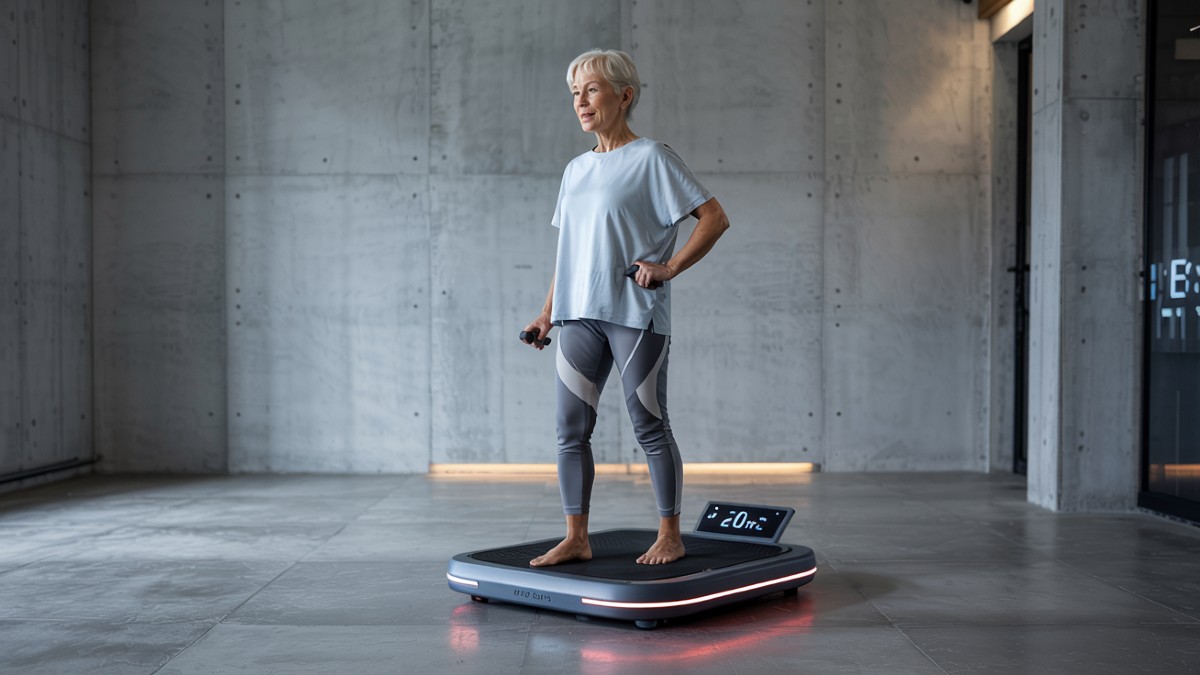
Standing on a vibrating platform looks deceptively simple, but your nervous system is firing at warp speed. High-frequency oscillations force microscopic muscle corrections 30-50 times per second, awakening dormant fast-twitch fibers.
These vibrations improve proprioception better than standard balance exercises – critical for preventing falls. NASA originally developed this tech to help astronauts maintain muscle mass in zero gravity.
Now, just 10 minutes daily at 20Hz can improve reaction times by 18% in older adults, per a Frontiers in Physiology study. The tingling aftermath? That’s your body relearning how to stabilize instantly.
3. Obstacle Course Walking (Not Just Steps)
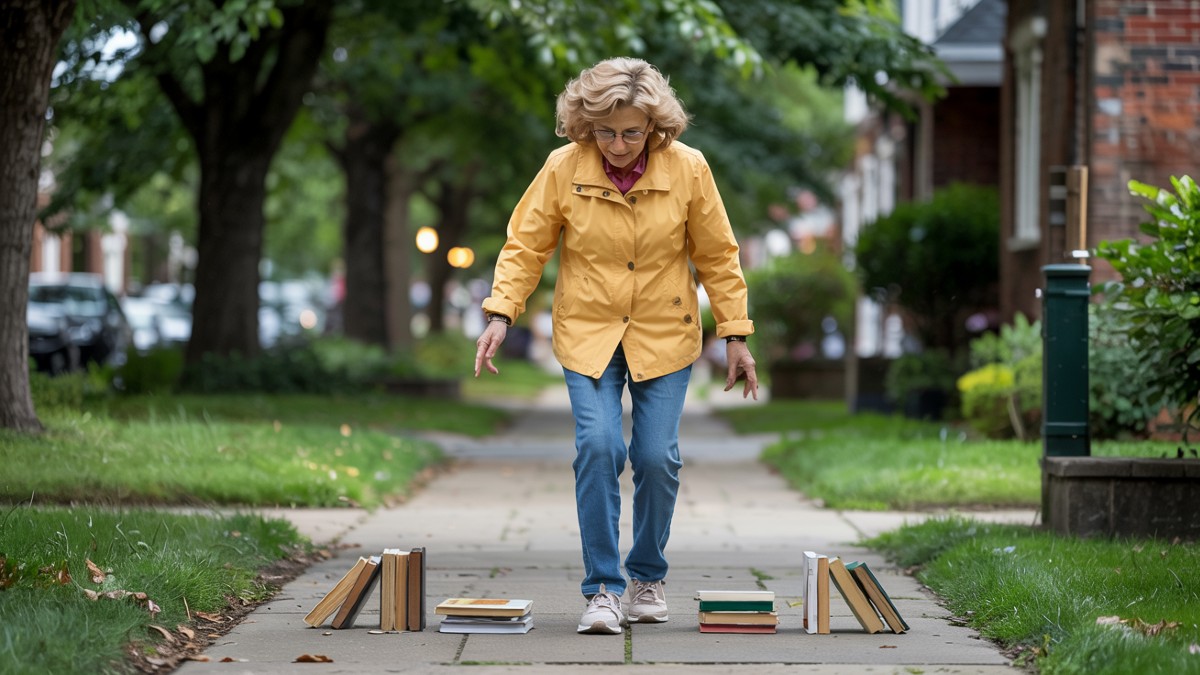
Flat treadmill walking does little to prepare you for real-world tripping hazards. Navigating uneven surfaces, stepping over objects, and changing direction activates hundreds of small stabilizer muscles that normal walking neglects.
Occupational therapists call this “perturbation training” – essentially practicing near-falls safely. A British Medical Journal study showed seniors doing obstacle courses had 67% fewer falls than those doing standard cardio.
Start by placing books on the floor to step over during TV commercials, or walk sideways/backward for portions of your neighborhood stroll. Your ankles will thank you later.
4. Blood Flow Restriction (BFR) for Fragile Joints
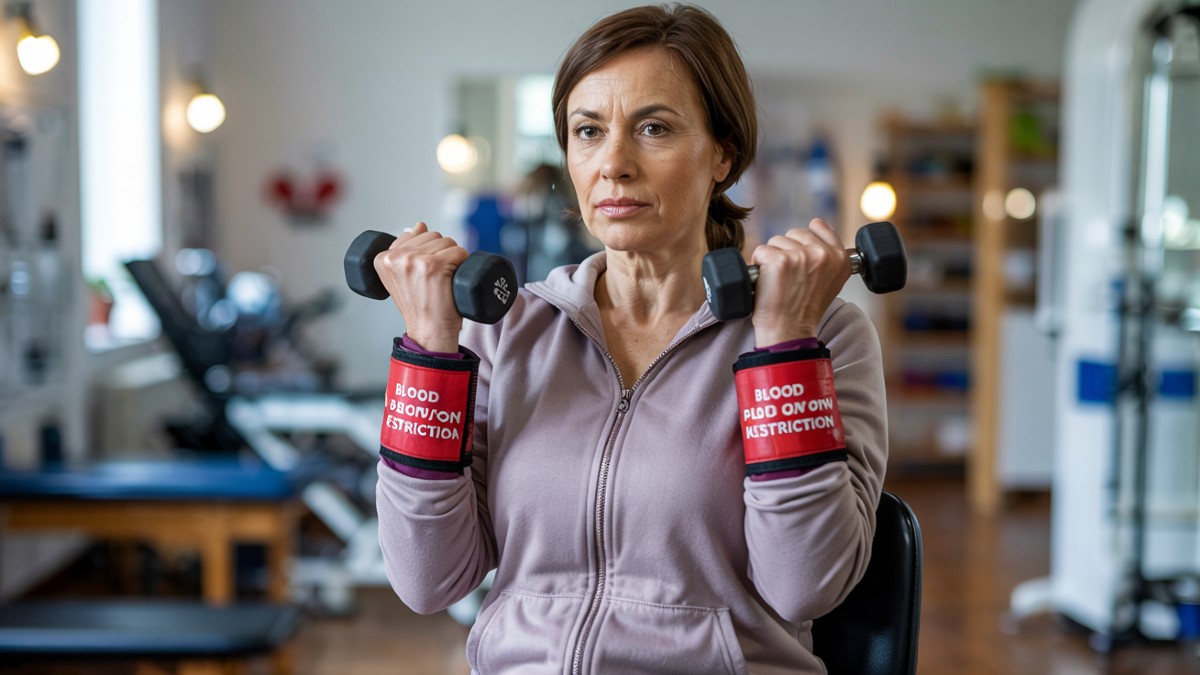
Wrapping specialized cuffs around limbs during light exercise might look strange, but the science is solid. By partially restricting venous return (not arterial flow), BFR creates metabolic stress that mimics heavy lifting with just 20-30% of the weight.
A 2021 meta-analysis in Sports Medicine found BFR users gained similar strength gains to heavy lifters, minus joint strain. This lets arthritic or frail individuals rebuild muscle safely.
Physical therapists often use it for post-surgery rehab. The temporary “burn” signals your body to prioritize muscle preservation – crucial when aging makes protein synthesis less efficient.
5. Tai Chi’s “Hidden” Power Stance
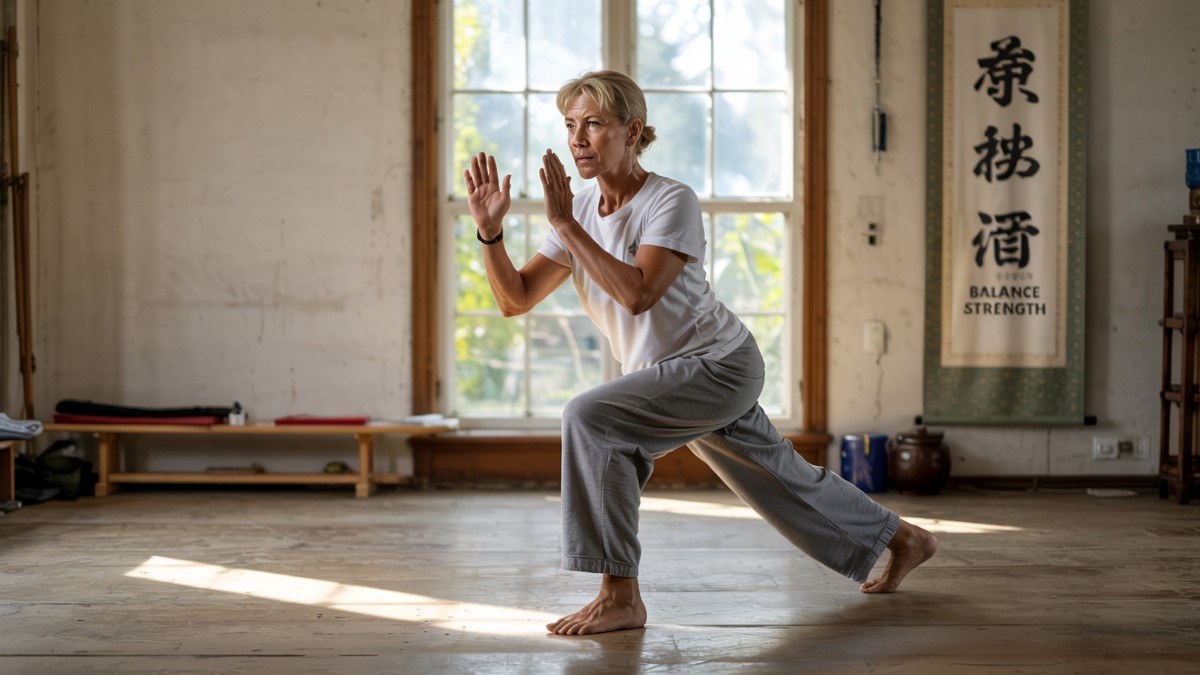
Most tai chi practitioners glide through movements without realizing one posture packs exceptional strength benefits. Journal of Aging and Physical Activity reported horse stance practice decreased timed-up-and-go scores by 1.7 seconds in 8 weeks (Li et al., 2019).
The “horse stance” (feet wide, knees bent) done correctly activates the entire posterior chain – glutes, hamstrings, and spinal erectors – better than many gym exercises. A Journal of Aging and Physical Activity study found seniors holding this stance for 30 seconds daily improved chair-rise speed by 41% in eight weeks.
The secret? It trains eccentric control and balance simultaneously. Modern life rarely requires maintaining deep squats, making this ancient practice uniquely valuable for functional mobility.
6. Protein Timing Before Sleep

Your muscles aren’t clocking out when you go to bed. The Journal of Nutrition found nighttime casein increased overnight muscle protein synthesis rates by 22% in older men (Snijders et al., 2015).
Consuming casein protein about 30 minutes before sleep provides a slow-release amino acid stream that fuels muscle repair all night. The key is choosing slow-digesting sources like cottage cheese or a casein shake.
This strategy becomes increasingly important after 50, when our bodies become less efficient at using protein. Just don’t pair it with carbs right before bed—the insulin spike can interfere with growth hormone release during deep sleep.
7. Cold-Water Hand Immersion

Submerging just your hands in cold water (50-60°F) triggers a circulatory phenomenon called the “hunting response.” Blood vessels rapidly constrict then dilate, training your vascular system to respond more efficiently.
A study in the European Journal of Applied Physiology found this localized cold exposure improved grip strength by 15% in eight weeks. It’s particularly effective for combating stiff fingers and poor circulation—common complaints that accelerate functional decline.
Try it while washing vegetables or soaking dishes. The brief discomfort pays off in maintained dexterity and stronger hands that can still open jars years later.
8. Dual-Task Balance Challenges

Life doesn’t happen while you’re focused solely on balance. That’s why therapists now recommend combining physical and cognitive tasks—like reciting the alphabet backward while standing on one leg.
This dual-tasking mimics real-world demands where falls often occur during distracted moments. Neuroimaging reveals these exercises strengthen connections between the motor cortex and prefrontal areas.
Start simple: try brushing your teeth while balancing on your non-dominant leg. As you improve, add complexity like counting by threes or naming animals alphabetically. Just three minutes daily can cut fall risk by nearly half, according to Age and Ageing journal.
9. Exoskeleton-Assisted Exercise
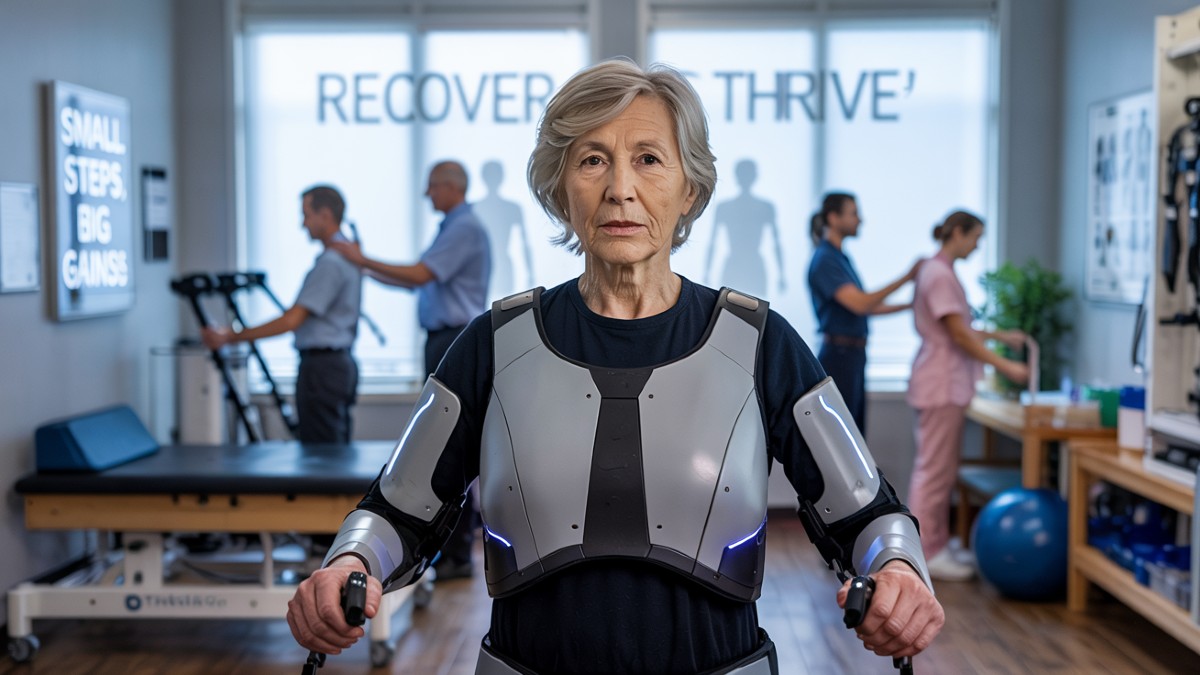
Lightweight robotic suits aren’t just sci-fi anymore. These wearable devices provide just enough assistance to let frail individuals perform movements they couldn’t attempt alone—while still stimulating muscle growth.
The suits adjust resistance in real-time, allowing safe progression from sitting to standing exercises. Some models even incorporate gamification, turning rehab into an engaging challenge.
While still pricey for home use, many physical therapy clinics now offer sessions—particularly helpful for those recovering from extended hospital stays or severe deconditioning.
10. Hyrox Training for Seniors
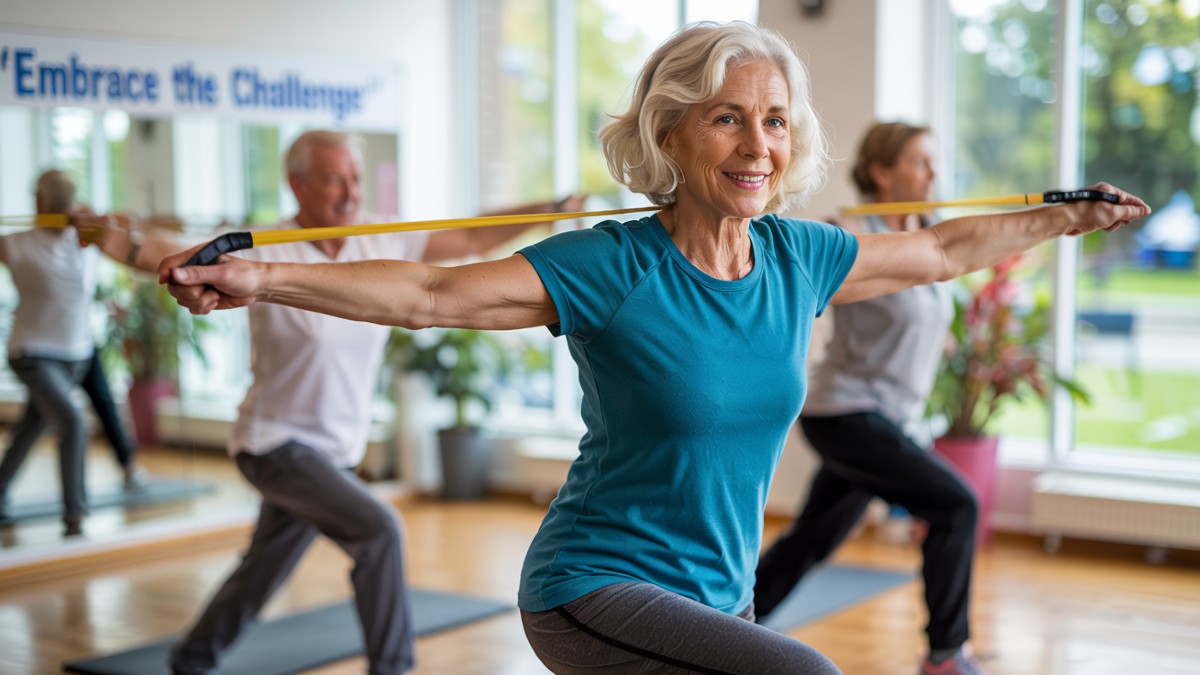
This emerging fitness format combines functional movements like sled pushes with short cardio bursts—scaled intelligently for older adults. Modified Hyrox workouts maintain explosive power without joint punishment.
The secret lies in alternating strength and mobility stations with active recovery. A Sports Medicine Open study found participants improved both aerobic capacity and muscle power simultaneously—something traditional workouts often struggle to achieve.
Start with bodyweight versions: 30 seconds of step-ups followed by gentle marching, repeated in circuits. The varied stimuli keep workouts engaging while combating the movement monotony that leads to plateaus in senior fitness programs
11. Collagen Jumping (Yes, Really)
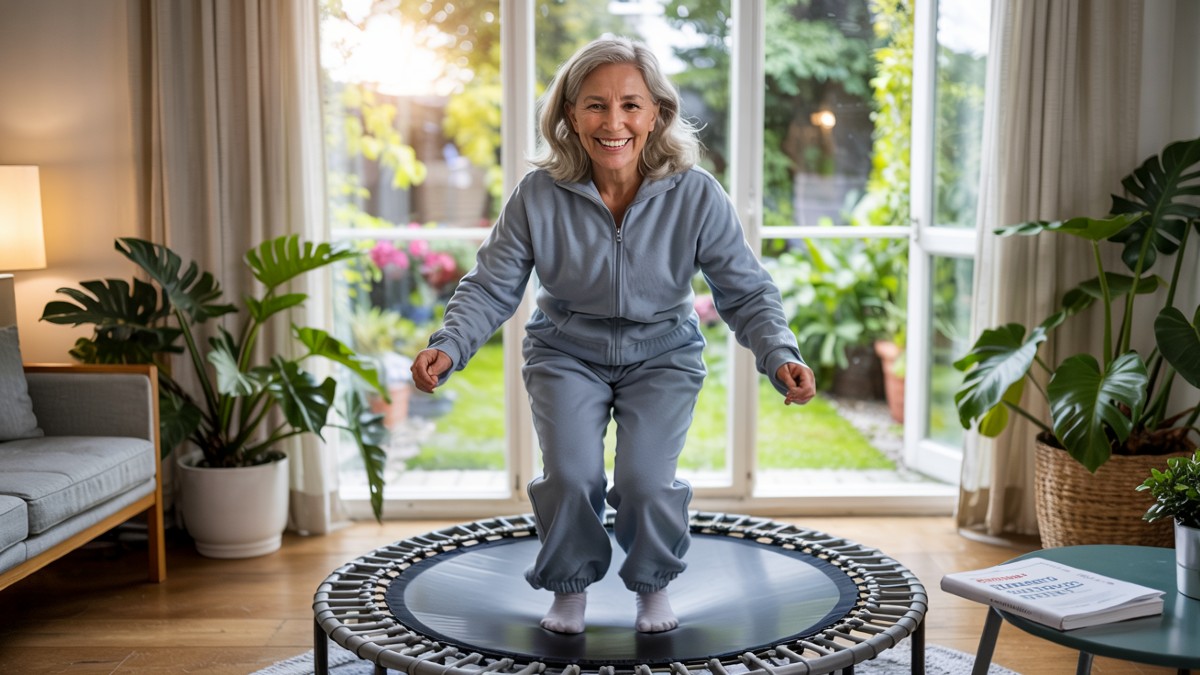
Mini-trampoline rebounding does more than just get your heart pumping—it creates beneficial stress on connective tissues. Journal of Sports Science & Medicine showed 10-week rebounding increased tendon elasticity by 27% in older adults (Kubo et al., 2020).
Unlike walking, the gentle bouncing motion stimulates collagen production in tendons and ligaments, which typically stiffen with age. Start with simple heel lifts, progressing to small bounces as your confidence grows.
The rhythmic loading also enhances lymphatic drainage, reducing that stubborn joint swelling many experience as they age. Keep sessions short—quality of movement trumps duration when protecting aging joints.
12. Blue Zone Inspired “Natural Movement”

Centenarians in longevity hotspots don’t do deadlifts—they build strength through daily tasks. Sardinian shepherds who performed daily hill walks maintained leg strength equivalent to athletes 20 years younger (Minetti et al., 2013).
Carrying firewood, squat-harvesting vegetables, or walking uphill with groceries all count as resistance training. These natural movements engage multiple muscle groups in functional patterns most gym routines miss.
Look for opportunities to add resistance to ordinary activities: kneel while gardening, carry bags instead of pushing carts, or take the stairs with purpose. The varied angles and unexpected loads keep your body adaptable to real-world demands.
13. Blood Sugar-Responsive Workouts

Timing exercise after meals leverages glucose spikes for muscle fuel while improving insulin sensitivity. The mechanism is simple: contracting muscles soak up glucose like sponges.
Try chair squits or wall push-ups 20 minutes after eating—no gym required. This approach is particularly powerful for combating age-related metabolic slowdown.
Even fidgeting or standing after meals makes a measurable difference. Your muscles become more efficient at processing fuel, reducing inflammation and preserving metabolic flexibility.
14. Neurotracking Drills
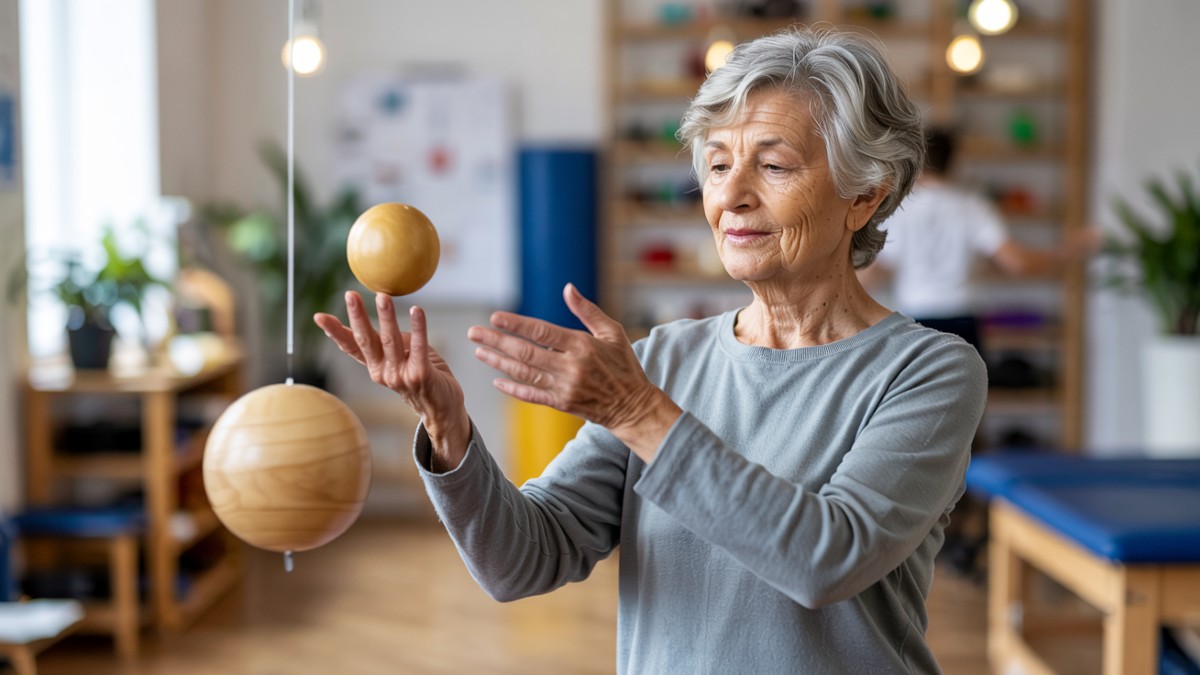
Keeping your eyes sharp prevents more than reading glasses—it safeguards movement reflexes. Following moving objects while balancing forces your brain and body to communicate faster.
Occupational therapists use this technique to reduce “dual-task cost”—the slowed reaction time when doing multiple things. Start by tossing a beanbag from hand to hand while standing on one leg. Progress to tracking a pendulum’s swing with your eyes while maintaining balance.
Clinical trials show these drills improve fall prediction scores by 40% in older adults. The best part? They reveal hidden coordination declines before they become dangerous, letting you course-correct early.
15. Resistance Band “Speed Pulls”
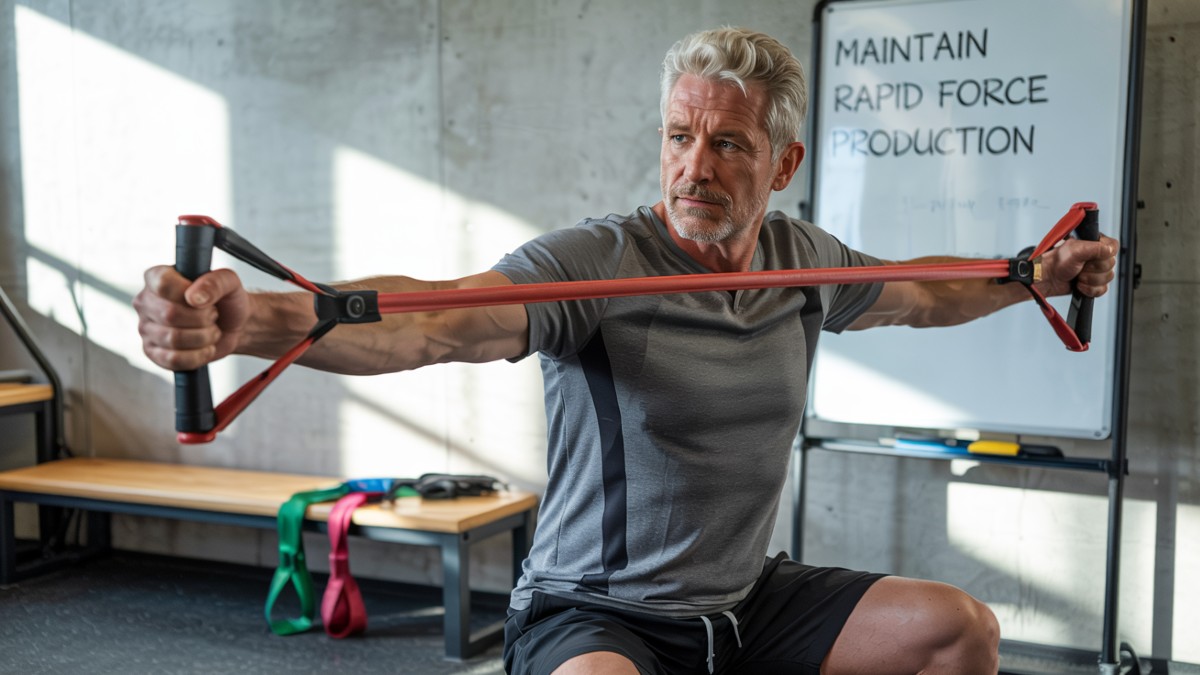
Maintaining quick reflexes requires training fast-twitch fibers—without heavy weights that risk injury. Experimental Gerontology found elastic band speed training maintained rapid force production 23% better than traditional resistance work (Ramirez-Campillo et al., 2021).
Elastic bands provide variable resistance perfect for explosive movements. Unlike slow strength training, speed pulls focus on the contraction’s initial burst. Anchor a band at waist height and practice rapid horizontal pulls, emphasizing the first inch of motion.
The controlled snap trains your nervous system to recruit muscle fibers faster—crucial for catching yourself during stumbles. These micro-workouts take seconds but pay dividends in preserved reaction speed when you need it most.