

What if your grocery list could help turn back time? Longevity researchers are stocking their kitchens with unexpected foods that fight aging where it starts—inside your cells. Forget expensive supplements; these 17 staples work quietly to repair DNA, clear cellular debris, and protect your mitochondria.
That jar of capers in your fridge? It’s loaded with a compound that zaps “zombie cells.” Even humble sardines, when packed in olive oil, can shave years off your biological age. The best part? These aren’t exotic potions—they’re everyday ingredients hiding in plain sight.
From a Japanese fermented food that keeps arteries young to a tart berry that repairs sun damage from within, these foods deliver real results. Here’s what longevity experts keep on hand—and how to use them so your cells stay younger, longer. No pills required. Just smarter choices at the grocery store.
1. Black Garlic – The Fermented Longevity Booster

Most people know garlic is healthy, but black garlic takes it further. According to a 2020 study in Nutrients, fermented black garlic showed 3x higher antioxidant activity than raw garlic, with S-allyl-cysteine bioavailability increasing by 5-7 times after fermentation.
Through fermentation, ordinary cloves transform into a sweet, umami-rich superfood. This process increases S-allyl-cysteine, a compound that enhances mitochondrial function and reduces oxidative stress. Longevity researchers value black garlic for its ability to support cellular repair. Unlike raw garlic, it’s gentler on digestion while delivering more bioavailable antioxidants.
Adding it to meals is simple. Use it in dressings, spreads, or even as a topping for soups. Its deep, molasses-like flavor pairs well with savory and sweet dishes. For those focused on slowing cellular aging, keeping black garlic on hand is a smart move.
2. Capers – Tiny but Mighty Senolytics
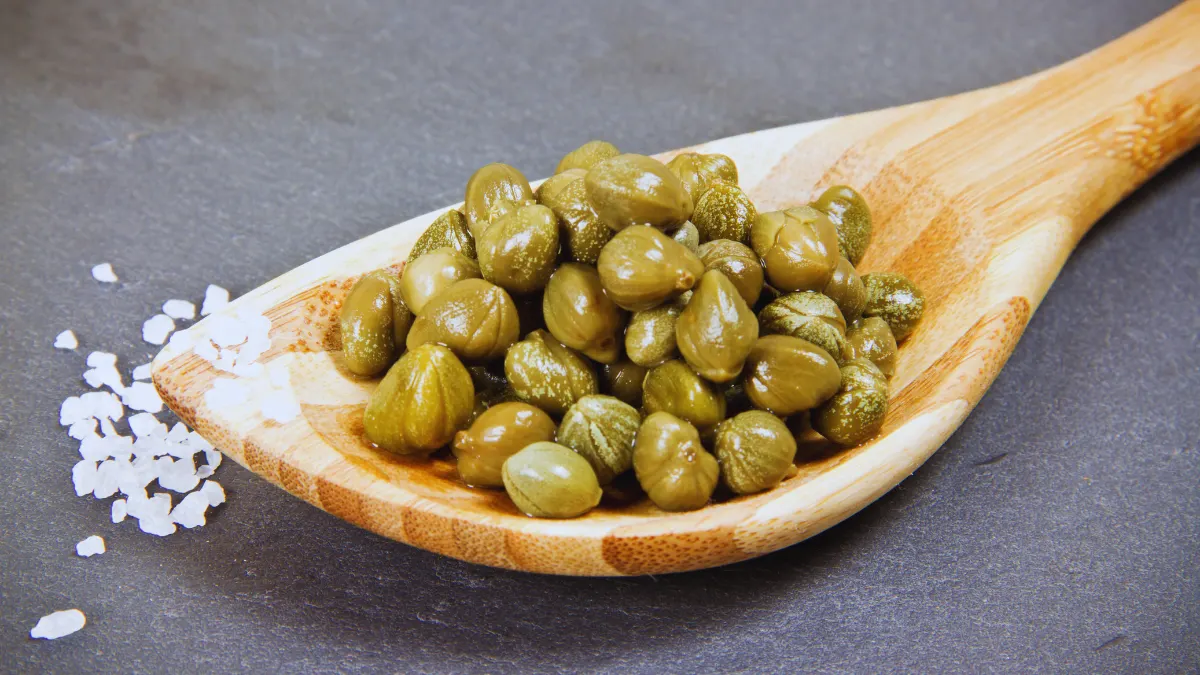
These small, pickled flower buds pack a surprising punch. Capers rank among the best food sources of quercetin, a flavonoid with strong senolytic properties. Quercetin helps clear out senescent cells—those “zombie” cells that accelerate aging.
Beyond fighting cellular decay, capers also support heart health and reduce inflammation. Their brine-packed form means they’re rich in probiotics, aiding gut health too. Just a teaspoon can elevate a dish while delivering anti-aging benefits.
Try them in Mediterranean salads, pasta, or as a garnish for fish. Their tangy, salty kick makes them a versatile kitchen staple.
3. Sardines (in Olive Oil) – The Underrated Longevity Protein

Packed with marine peptides and omega-3s, sardines are a longevity researcher’s secret weapon. A 2021 study in Aging Cell reported that adults eating oily fish 2x/week had longer telomeres (markers of cellular aging) equivalent to 3.2 fewer biological years. Unlike larger fish, they’re low in mercury and high in nutrients like taurine, which supports telomere health.
The olive oil they’re preserved in adds extra polyphenols, boosting their anti-inflammatory effects. Regular consumption may help maintain muscle mass and cognitive function as we age. Their soft bones also provide calcium and vitamin D.
Eating them straight from the can is easy, or mash them into spreads and salads. Their rich, savory flavor makes them a satisfying addition to meals. For cellular longevity, few foods deliver as much benefit in such a small package.
4. Maitake Mushrooms – The Autophagy Activator
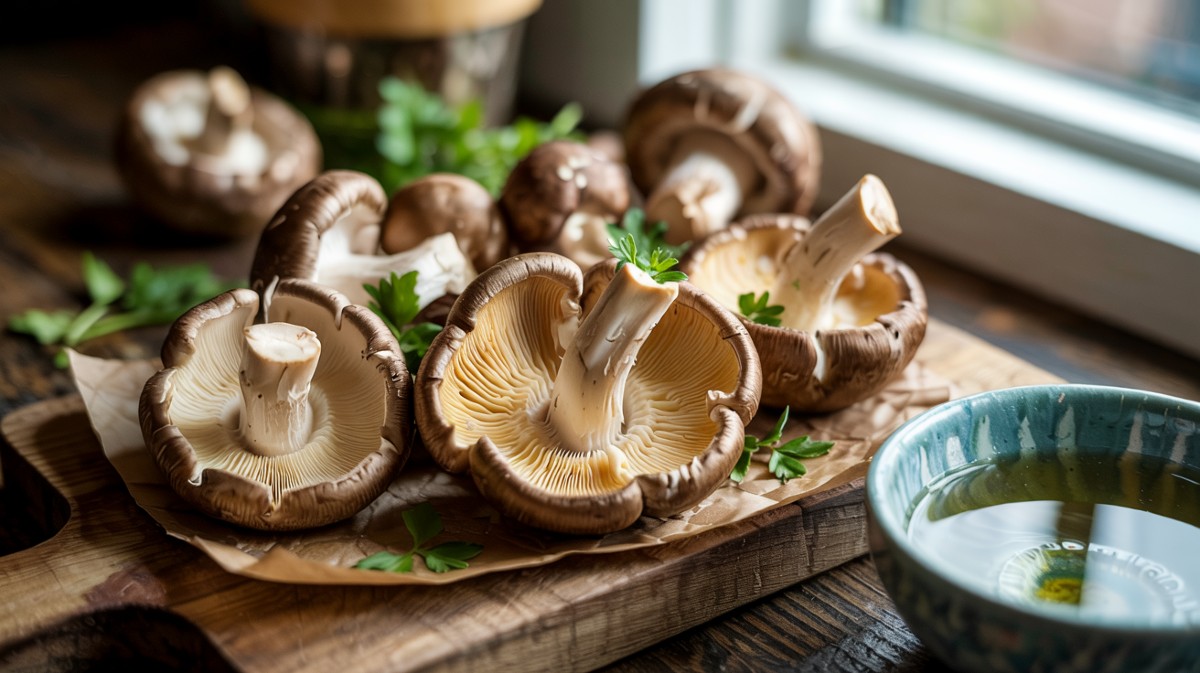
Known as the “dancing mushroom,” maitake has powerful effects on cellular health. Its beta-glucans stimulate autophagy, the body’s way of recycling damaged cells. This process is crucial for slowing aging.
These mushrooms also help balance blood sugar and strengthen immunity. Their earthy, slightly nutty taste works well in stir-fries, soups, or even roasted as a meat substitute.
Keeping dried or fresh maitake in the kitchen ensures a steady supply of compounds that fight cellular decline. For those serious about aging well, they’re a must-have.
5. Watercress – The Detoxifying Supergreen

This peppery leafy green is a powerhouse against aging. Research in American Journal of Clinical Nutrition found daily watercress consumption reduced DNA damage in lymphocytes by 22.9% in smokers. It contains phenethyl isothiocyanate (PEITC), a compound that activates the Nrf2 pathway—a key regulator of detox and antioxidant defenses.
Watercress also provides more vitamin K than kale, supporting bone and heart health. Its high nitrate content boosts circulation, enhancing oxygen delivery to cells.
Tossing it into salads, blending it into smoothies, or using it as a garnish adds a crisp, fresh bite. For a food that fights aging at the cellular level, watercress is hard to beat.
6. Hemp Seeds – The Forgotten Protein Powerhouse

Most seeds get attention for fiber or fats, but hemp stands out for something else. It contains edestin, a rare plant protein that closely resembles human globulin, making it easy to digest and highly bioavailable. Beyond protein, these tiny seeds deliver gamma-linolenic acid (GLA), an anti-inflammatory omega-6 that most diets lack.
The magnesium and zinc in each serving also support enzyme functions tied to DNA repair. Unlike flax or chia, hemp doesn’t need grinding for nutrient absorption.
Sprinkle them on yogurt, blend into smoothies, or fold into energy bars. Their mild, nutty flavor won’t overpower dishes. For a plant-based longevity food that covers multiple cellular needs, hemp seeds deserve shelf space.
7. Turmeric (with Black Pepper) – The Golden Longevity Trigger
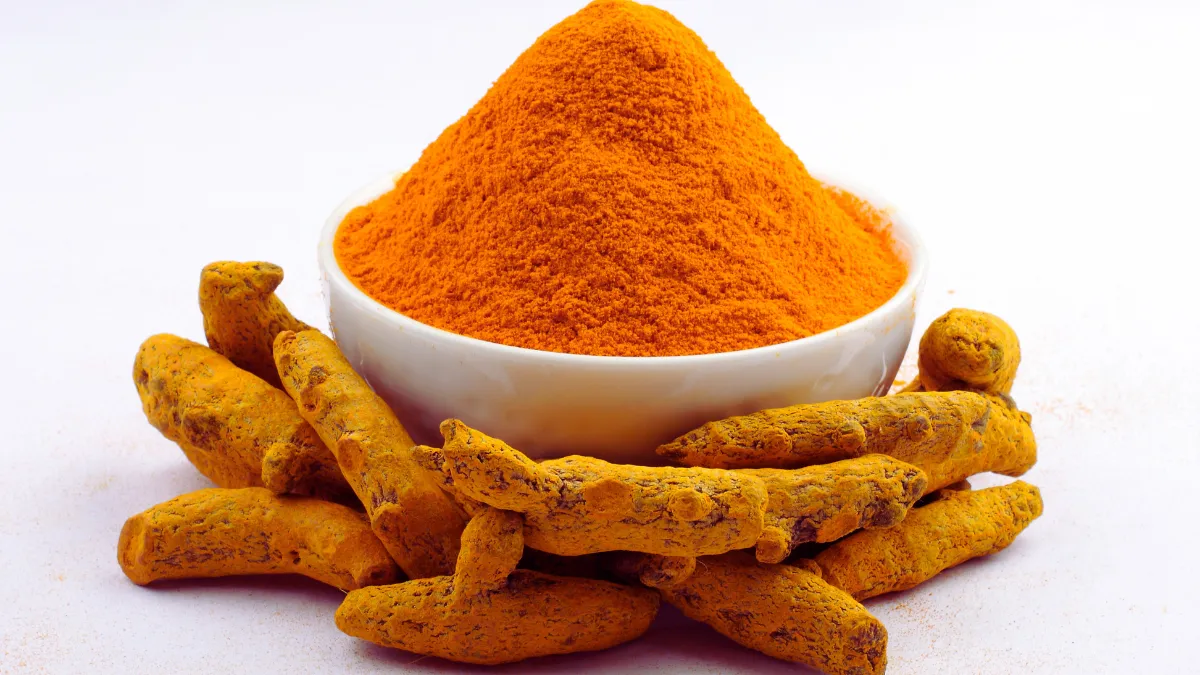
Raw turmeric gets hype, but without black pepper, most of its benefits go to waste. Piperine in pepper boosts curcumin absorption by 2000%, unlocking its full potential. Curcumin activates FOXO3, a gene linked to stress resistance and longer cell life.
Beyond joint health, this combo helps silence inflammatory pathways like NF-kB, which accelerates aging. Fresh turmeric root works best, but high-quality powdered versions still deliver if paired properly. Even small daily amounts—think a pinch in soups or scrambled eggs—add up over time.
Golden milk isn’t the only option. Try whisking it into salad dressings or roasting veggies with a dusting. For a spice that tangibly slows cellular decay, this duo is non-negotiable.
8. Green Tea (Matcha Preferred) – The Quiet Cellular Regulator

Not all teas work equally against aging. Matcha, stone-ground green tea leaves, delivers concentrated EGCG—a catechin that gently inhibits mTOR, a pathway tied to accelerated aging when overactive. Unlike coffee, its L-theanine provides calm alertness without stressing adrenals.
The ritual matters too: whisking matcha forces a mindful pause, reducing cortisol. Even standard sencha works if matcha’s too strong.
Cold-brewing preserves more antioxidants than boiling water. Try it iced with lemon or blended into oats. For a daily habit that defends cells quietly, few options beat this.
9. Anchovies – The Salty Spermidine Secret

Nobody expects these oily little fish to be longevity heroes. Yet anchovies pack more spermidine per gram than almost any food. This compound triggers autophagy, clearing cellular debris linked to aging. Their bones also dissolve when cooked, adding calcium without supplements.
The saltiness means a little goes far—mash one fillet into dressings or pasta sauces for umami depth. Unlike larger fish, they’re low in toxins but high in selenium, which protects thyroid function. Even haters can benefit by using them as a background flavor.
Keep a jar in the fridge for quick boosts. For a food that fights aging at the microscopic level, they’re shockingly effective.
10. Purple Sweet Potatoes – The Glycation Fighters

Orange sweet potatoes get love, but purple ones bring something extra. Their anthocyanins—the same pigments in blueberries—block AGEs (advanced glycation end products), which stiffen tissues and age skin. The deeper the hue, the more protective compounds they hold.
Fiber content stays high even after cooking, feeding gut microbes tied to immunity. Unlike white potatoes, their natural sugars release slowly, avoiding blood sugar spikes. Roast them whole, mash with coconut milk, or slice into fries.
Their earthy sweetness works in both savory and dessert dishes. For a carb that actively resists aging’s structural damage, purple beats orange every time.
11. Ceylon Cinnamon – The Insulin Sensitizer

Most cinnamon sold in stores is the cheaper cassia variety, which contains high levels of coumarin—a compound that can stress the liver in large doses. Ceylon cinnamon, the “true” variety, offers the same warming sweetness without the risk. More importantly, its unique polyphenols improve insulin sensitivity, helping to prevent age-related metabolic slowdown.
Just half a teaspoon daily has been linked to better fasting glucose levels. Its delicate flavor works in both sweet and savory dishes—stirred into coffee, sprinkled on roasted squash, or mixed into nut butters.
For those looking to maintain metabolic flexibility as they age, keeping Ceylon cinnamon on hand is a simple yet powerful move.
12. Natto – The Fermented Vascular Protector
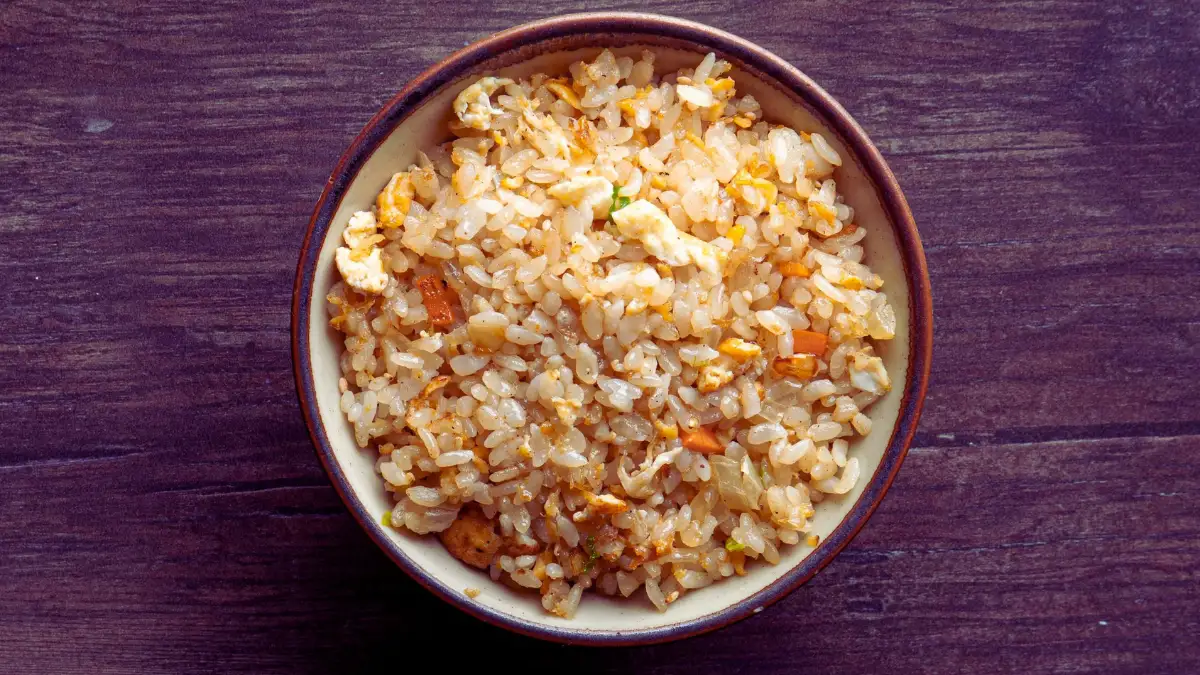
Love it or hate it, this sticky Japanese fermented soybean dish delivers unique anti-aging benefits. Natto contains nattokinase, an enzyme that supports healthy blood flow by breaking down fibrin, a protein involved in clot formation. It’s also one of the richest food sources of vitamin K2, which directs calcium into bones rather than arteries.
The fermentation process creates bioactive peptides that may help lower blood pressure. While the strong aroma and slimy texture challenge newcomers, mixing it with mustard or green onions helps. Traditional breakfasts pair it with rice, but blending it into dressings or soups works too.
For long-term cardiovascular and bone health, few foods match natto’s potency.
13. Black Sesame Seeds – The Mitochondrial Shiel
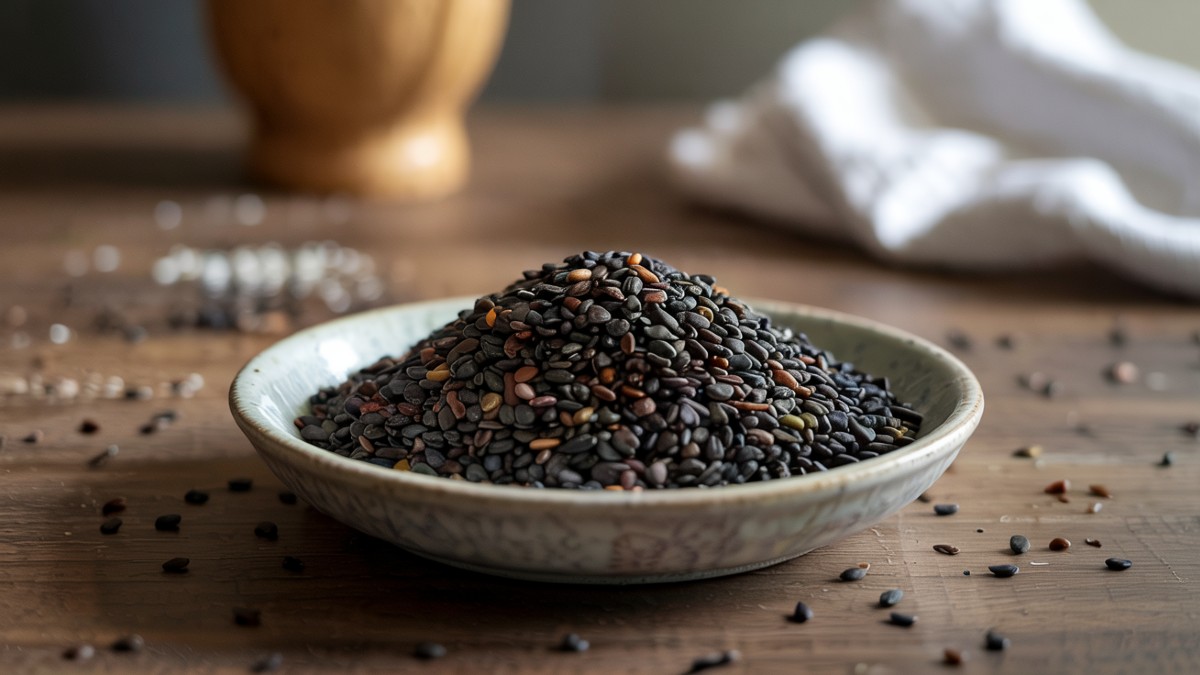
These tiny black seeds outshine their white counterparts in longevity benefits. Packed with sesamin, a lignan rarely found in other foods, they enhance mitochondrial function—the energy powerhouses of cells. Sesamin also helps protect skin from UV damage by reducing oxidative stress in deeper layers.
Their nutty, slightly bitter flavor adds depth to both Asian and Western dishes. Toast them lightly to intensify their aroma, then sprinkle over noodles, salads, or avocado toast. Ground into tahini, they make a richer, more complex spread than regular sesame paste.
A tablespoon daily provides meaningful amounts of copper and zinc, two minerals critical for enzyme systems that repair cellular damage.
14. Sea Buckthorn Berries – The Skin Regenerators

Tart and citrusy, these bright orange berries are a rarity in Western kitchens but prized in traditional medicine. Their standout nutrient is palmitoleic acid (omega-7), a fatty acid that supports mucous membrane health—key for gut lining, eyes, and skin hydration.
Unlike supplements, whole berries also provide flavonoids that improve microcirculation, giving skin a healthier glow. Their sour punch works best blended into smoothies or made into jams with a touch of honey. Even the oil, extracted from seeds, can be drizzled over dishes for extra benefits.
For combating dryness and maintaining tissue integrity as we age, sea buckthorn is a hidden gem.
15. Bone Broth – The Collagen Reservoir
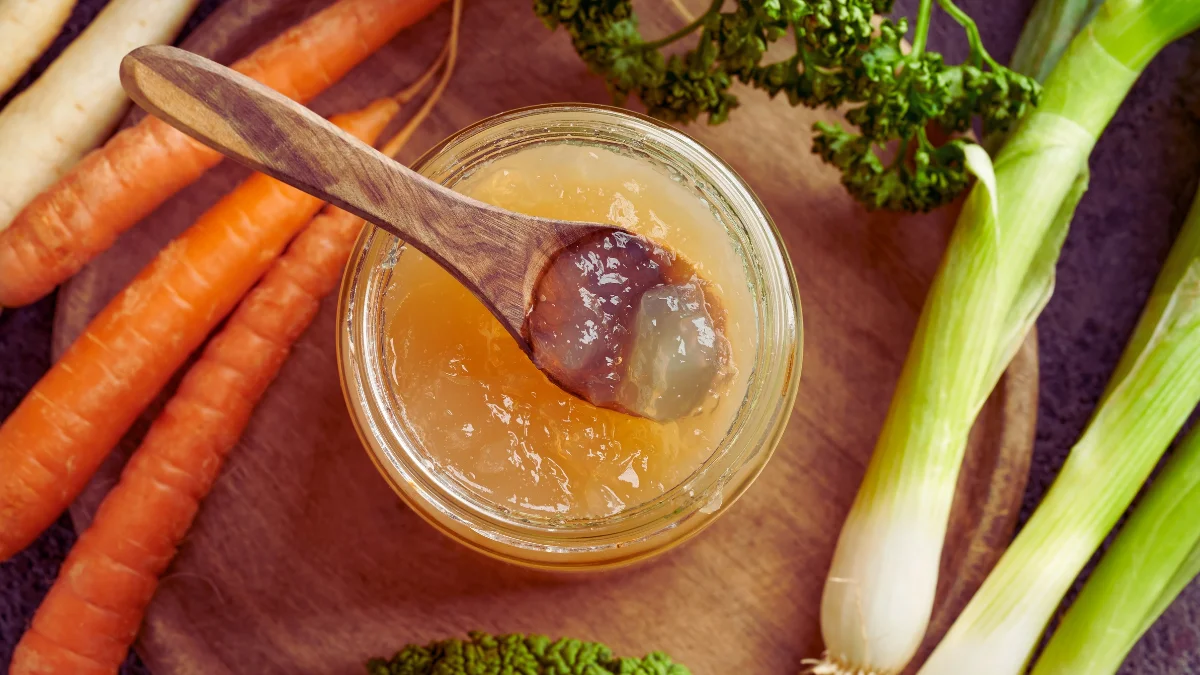
Simmering bones for hours extracts minerals and amino acids that modern diets often lack. Glycine, the most abundant amino acid in collagen, supports detoxification and helps maintain muscle during aging. Proline, another key component, aids in repairing connective tissues.
Homemade versions using knuckles and joints provide the most gelatin, but quality store-bought options work too. Sipping it plain is classic, but reducing it into a glaze for vegetables or grains adds depth. The glutamine in broth also helps strengthen the gut barrier, reducing inflammation.
For a food that actively rebuilds the body’s structural proteins, broth is unmatched.
16. Dandelion Greens – The Gut’s Best Friend
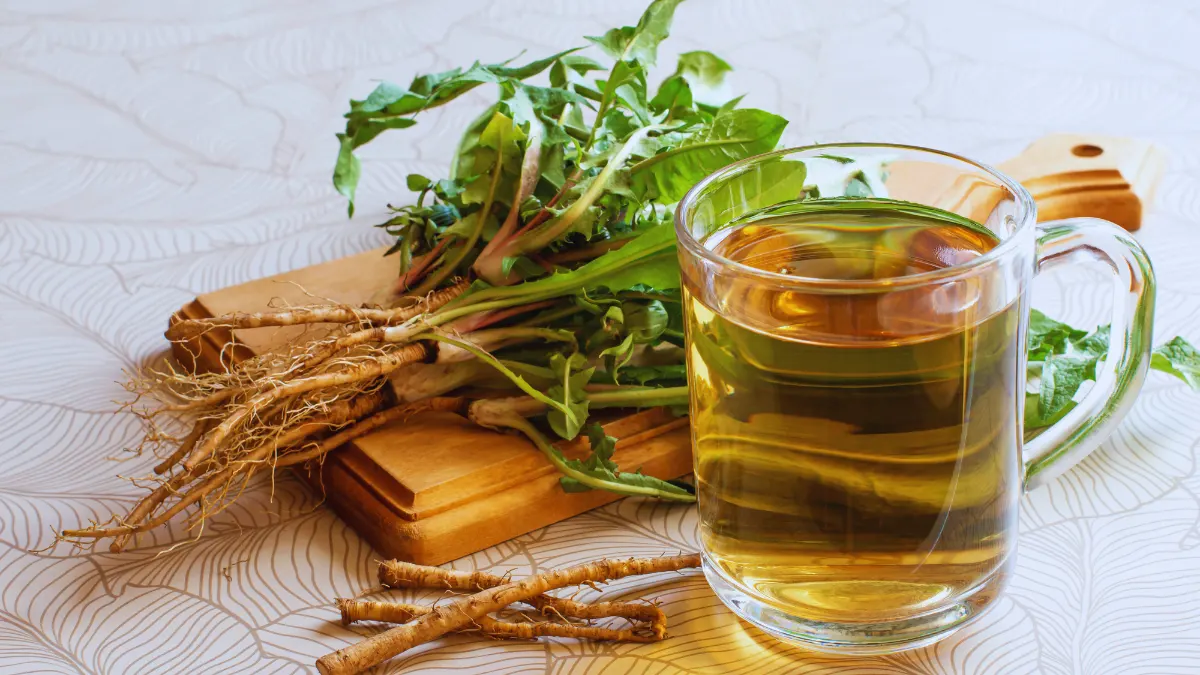
Most weeds don’t get respect, but these bitter greens deserve it. Their prebiotic fibers, particularly inulin, feed beneficial gut bacteria that produce butyrate—a short-chain fatty acid linked to reduced “inflammaging.” The higher mineral content compared to kale (especially magnesium and potassium) supports cellular hydration.
Sautéing them with garlic tames their bitterness, while raw young leaves work in salads. Some even roast the roots for a coffee substitute. Traditional medicine values them for liver support, likely due to their ability to stimulate bile flow.
For a leafy green that does more than just provide vitamins, dandelion greens are worth foraging or buying.
17. Pomegranate Molasses – The Mitochondrial Cleaner

This thick, tangy syrup concentrates the best parts of pomegranates. Its ellagitannins convert into urolithin A in the gut—a compound that enhances mitophagy, the process of clearing dysfunctional mitochondria. As these cellular “batteries” decline with age, this cleanup becomes crucial.
Just a drizzle over roasted vegetables, grilled meats, or yogurt adds a sweet-sour kick. In Middle Eastern cooking, it’s a staple for balancing rich dishes. Unlike juice, the molasses form avoids excess sugar while delivering more polyphenols per teaspoon.
For supporting cellular energy efficiency long-term, this underused pantry item deserves a spot in every longevity-focused kitchen.