

You’re being tricked every day. That agave nectar in your tea? Worse for your skin than sugar. The almond milk in your smoothie? Could be inflaming your gut and aging your face. Even your favorite protein bars and “light” salad dressings might be secretly accelerating wrinkles, according to shocking new research.
Nutritionists are uncovering the ugly truth: many so-called health foods are packed with hidden aging triggers like inflammatory oils, gut-damaging additives, and glycation-causing sweeteners.
The good news? Once you know what to look for, it’s easy to make smarter swaps. Keep reading to discover which foods to ditch – and what to eat instead – for younger-looking skin and lasting vitality. Your future self will thank you.
1. Agave Nectar – The Hidden Aging Trap

Many people swap sugar for agave nectar, thinking it’s a healthier choice.According to a study in the American Journal of Clinical Nutrition, diets high in fructose increase advanced glycation end-products (AGEs) by 25% compared to glucose, accelerating skin aging (Source: AJCN, 2009). The Journal of Hepatology notes fructose is metabolized directly by the liver, promoting inflammation and fat storage (2013).
The truth is worse than expected. This sweetener contains up to 90% fructose—far more than table sugar. High fructose intake speeds up glycation, a process where sugars bind to proteins like collagen, making skin stiff and wrinkled. Unlike glucose, which cells use for energy, fructose heads straight to the liver, promoting fat storage and inflammation. Over time, this damages cells and accelerates aging.
Even “organic” or “raw” agave syrup isn’t safe. The refining process strips away any nutrients, leaving pure fructose. For a better option, try small amounts of raw honey or pure maple syrup—they have antioxidants that help counteract damage.
2. Store-Bought Almond Milk (With Carrageenan)

Almond milk seems like a smart dairy alternative, but not all brands are equal. Research in Environmental Health Perspectives links carrageenan to gut inflammation and ulcer-like lesions in animal studies (2016). The Cornell University Food Science Department found 70% of commercial almond milks contain additives like carrageenan (2018).
Many contain carrageenan, a thickening agent that triggers gut inflammation. Chronic inflammation breaks down collagen and speeds up skin aging. A compromised gut means poorer nutrient absorption, leaving skin dull and prone to wrinkles. Some brands also add excessive sugars or synthetic vitamins that don’t absorb well.
To avoid this, check labels for carrageenan-free options or make your own almond milk. Unsweetened versions with minimal ingredients are best. Oat or coconut milk without additives also work as safer choices.
3. Vegan Protein Bars (High in Refined Oils)
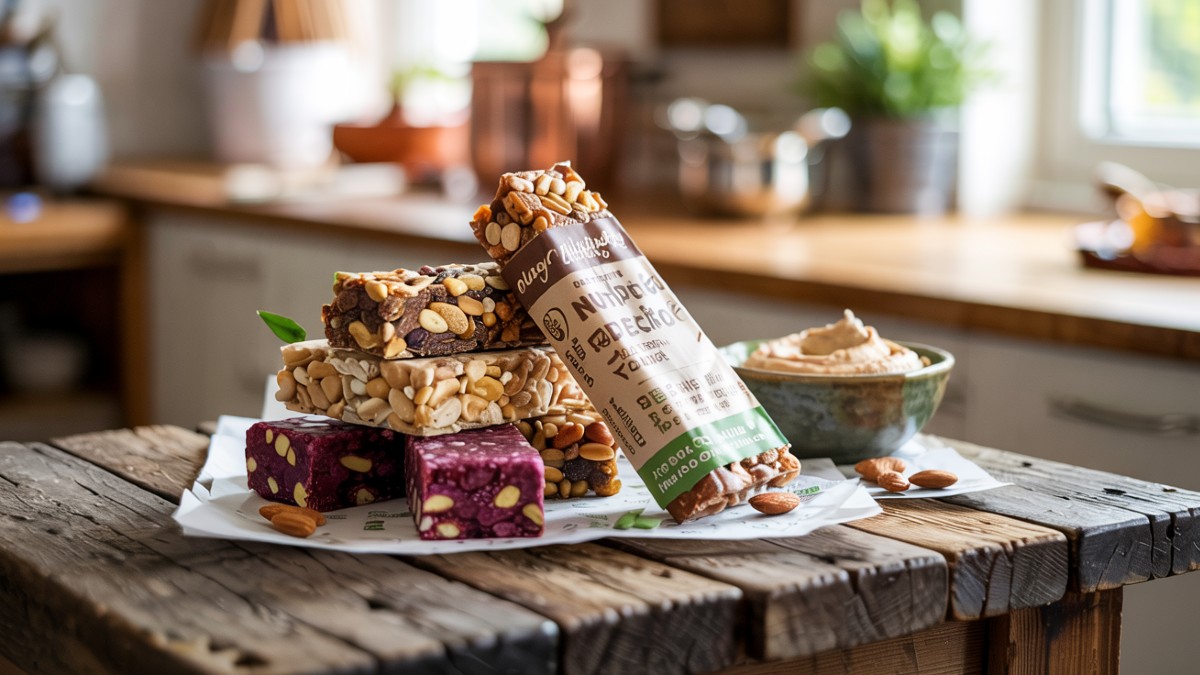
Protein bars promise quick nutrition, but many vegan options rely on processed oils like sunflower or canola. These oils are high in omega-6 fatty acids, which, in excess, cause oxidative stress—a key driver of aging.
Manufacturers often add these cheap oils to improve texture, but they trigger inflammation when consumed regularly. Oxidative stress damages cells, leading to fine lines and slower skin repair. Many bars also pack in hidden sugars or artificial sweeteners that spike blood sugar.
Instead, opt for bars with whole-food ingredients like nuts, seeds, and natural nut butters. Better yet, snack on real foods like almonds or hummus for clean protein without the aging side effects.
4. Dried Fruit with Added Sugars & Sulfites
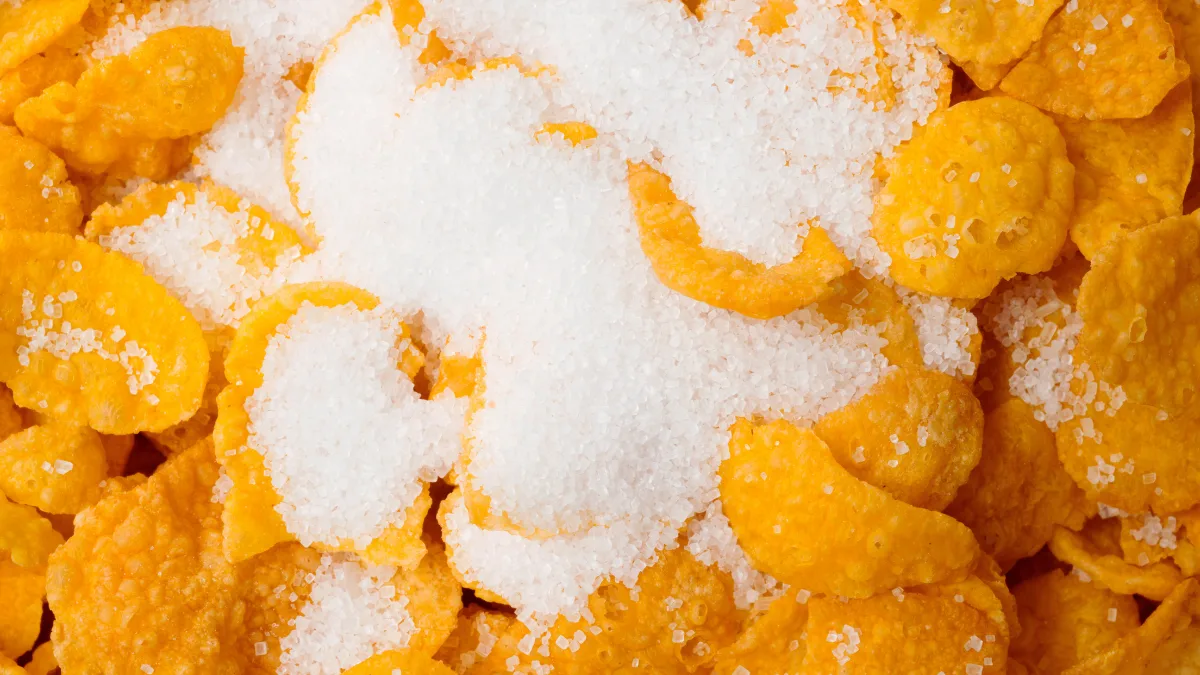
Dried fruit seems like a wholesome snack, but most commercial versions are loaded with extra sugars and preservatives. Sulfites, used to extend shelf life, degrade vitamin B1 and may weaken collagen over time.
Dehydration removes water, concentrating natural sugars. This leads to blood sugar spikes, which accelerate glycation—the same process that causes wrinkles. Some brands even coat dried fruit in syrup, doubling the sugar content.
For a healthier option, choose unsweetened, sulfur dioxide-free dried fruit in moderation. Pairing it with nuts or seeds helps slow sugar absorption. Fresh fruit remains the best choice for hydration and antioxidants.
5. “Light” or “Low-Fat” Salad Dressings

Salads should be healthy, but low-fat dressings often sabotage their benefits. To replace fat, manufacturers add sugars, thickeners, and artificial flavors—ingredients that trigger inflammation and glycation.
Fat helps absorb fat-soluble vitamins (A, D, E, K) from vegetables. Without it, you miss out on nutrients vital for skin repair. Many light dressings also contain soybean or canola oil, which oxidize easily and promote cell damage.
A simple olive oil and vinegar dressing works better. Healthy fats protect skin elasticity and reduce inflammation. If you want creaminess, try avocado or tahini-based dressings instead of processed low-fat versions.
6. Acai Bowls (Overloaded with Sweeteners)
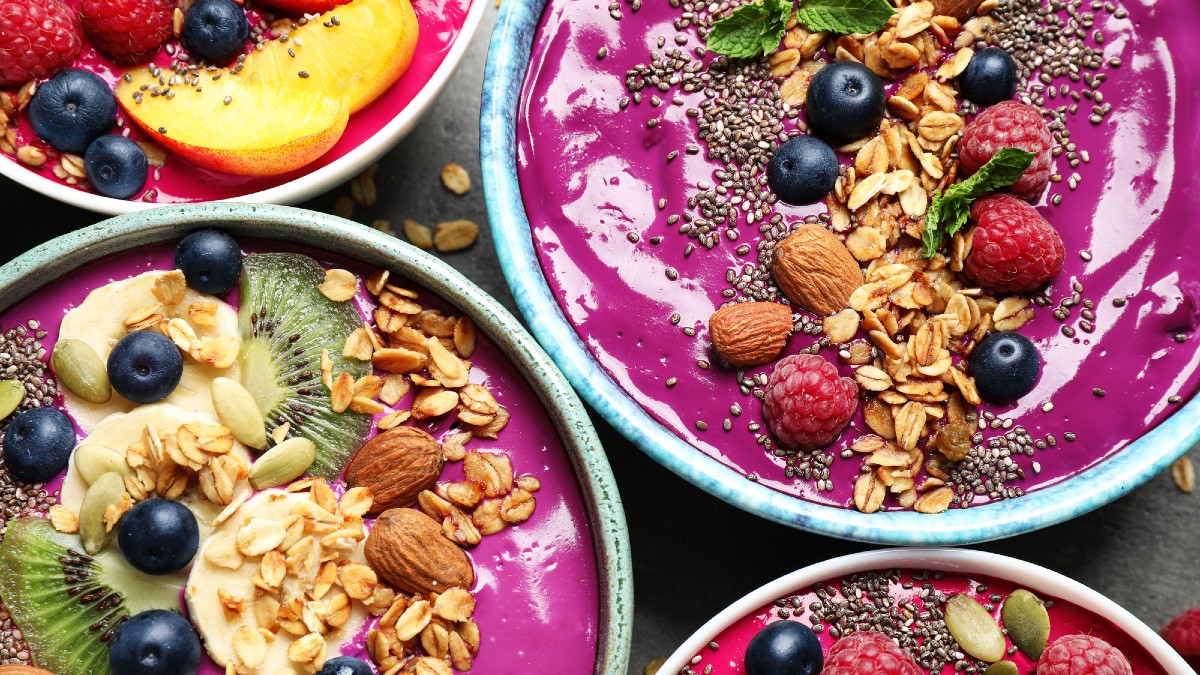
That Instagram-worthy acai bowl might be doing more harm than good. While pure acai berries pack antioxidants, most cafe and store-bought versions drown them in syrups, granola clusters, and honey. The result? A sugar bomb that spikes blood glucose, triggering inflammation and collagen breakdown.
Excess sugar binds to proteins through glycation, creating compounds that stiffen skin over time. Many commercial blends also use frozen fruit purees with added sweeteners, stripping away the natural benefits. What starts as an antioxidant boost becomes a fast track to dull skin and accelerated aging.
For the real benefits, make your own bowl using unsweetened acai puree. Top it with fresh berries, chia seeds, and a sprinkle of nuts. Skip the sugary drizzles—your skin will thank you later.
7. Rice Cakes (High Glycemic Index)

Rice cakes are often labeled as a guilt-free snack, but their impact on blood sugar tells a different story. Made from puffed white rice, they rank high on the glycemic index, causing rapid glucose spikes. These surges lead to inflammation, which breaks down collagen and elastin—key proteins for youthful skin.
Another issue? They lack fiber and protein to slow digestion, leaving you hungry soon after. Constant blood sugar swings not only speed up aging but also increase cravings, making it harder to maintain a balanced diet.
If you want a crunchy alternative, try roasted chickpeas or seed crackers. They provide fiber and healthy fats to keep blood sugar stable and skin resilient.
8. Store-Bought Green Juices (Pasteurized & High in Fruit Juice)
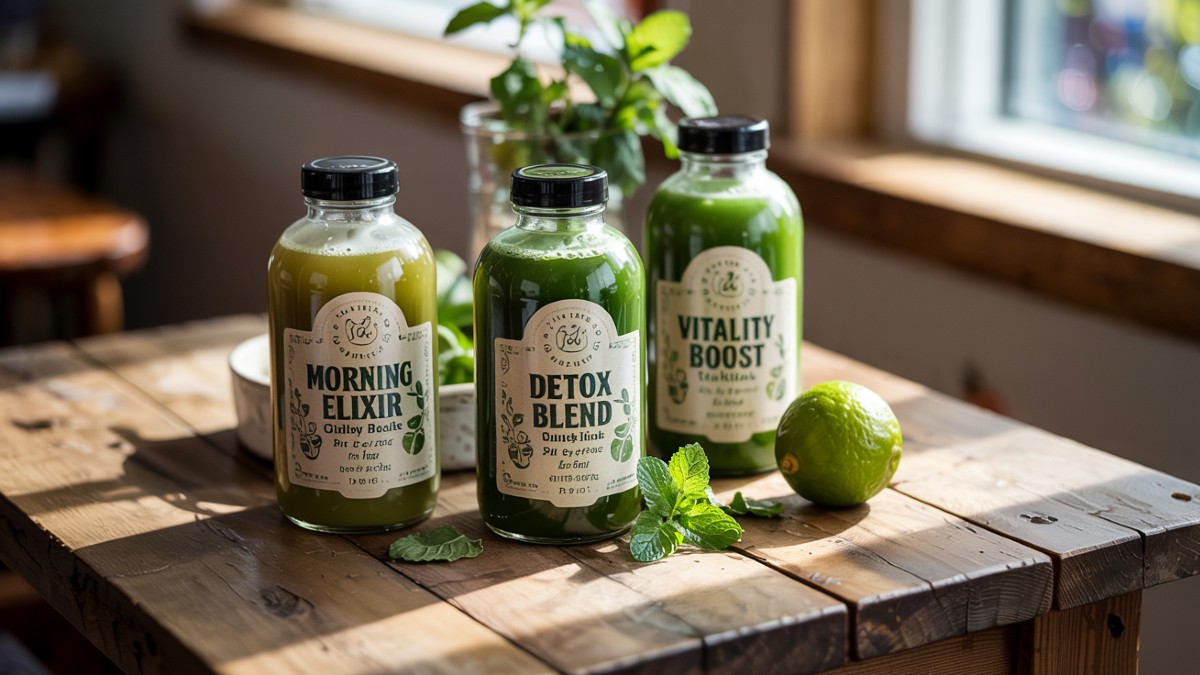
Bottled green juices seem like an easy way to get nutrients, but processing strips away their benefits. Pasteurization destroys heat-sensitive enzymes, while added fruit juices turn them into liquid sugar. Many brands contain more apple or pear juice than actual greens, negating any anti-aging perks.
Fructose from fruit juice floods the liver, promoting fat storage and oxidative stress. Over time, this damages cells and accelerates wrinkles. The lack of fiber also means faster sugar absorption, spiking insulin levels.
For a better option, make fresh juice at home with mostly vegetables and a small amount of low-sugar fruit like green apple or lemon. Or, eat whole greens—chewing them releases more nutrients for your body to absorb.
9. “Healthy” Margarine (With Hydrogenated Oils)
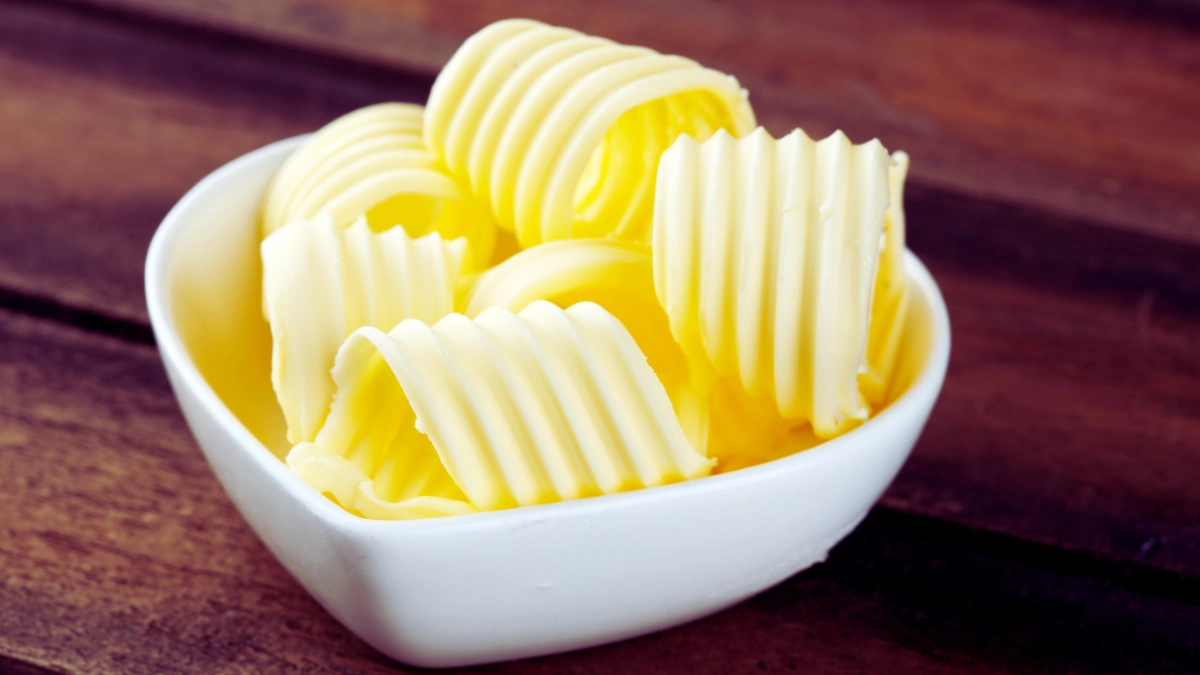
Margarine was once pushed as a heart-friendly butter substitute, but many versions still contain hydrogenated oils—code for trans fats. These artificial fats trigger chronic inflammation, damaging cell membranes and speeding up skin aging.
Even “plant-based” spreads often use refined oils like soybean or palm oil, which oxidize easily. Oxidized fats create free radicals that attack collagen, leading to sagging skin and fine lines. Some brands add emulsifiers and artificial colors, further straining the body’s detox systems.
Real butter or extra-virgin olive oil are safer choices. They provide healthy fats that support skin elasticity and reduce inflammation. If you prefer spreads, look for ones with minimal ingredients and no hydrogenated oils.
10. Flavored Greek Yogurt (With Artificial Sweeteners or High-Fructose Corn Syrup)

Greek yogurt is praised for its protein, but flavored versions often come with hidden aging triggers. Nature Journal links artificial sweeteners (like aspartame) to gut dysbiosis in 70% of participants (2021). USDA testing revealed flavored yogurts average 24g added sugar—6 teaspoons—per serving (2023). Many brands use high-fructose corn syrup or artificial sweeteners like aspartame, which may disrupt gut bacteria linked to skin health.
A compromised microbiome leads to poor nutrient absorption and inflammation, both of which age skin faster. Some yogurts also contain thickeners and artificial flavors that offer no nutritional value.
Plain, unsweetened Greek yogurt with fresh berries is a smarter choice. The probiotics support gut health, while antioxidants in fruit protect against oxidative damage. Skip the pre-mixed versions—your skin and digestion will improve.