

Your body whispers before it screams—especially when it comes to your heart. That strange jaw ache, sudden exhaustion after simple tasks, or swollen ankles might not be random annoyances.
They could be red flags waving at you, ignored by most until it’s too late. Research shows 70% of women experience crushing fatigue before a heart attack, while half of heart failure patients notice unexplained swelling in their legs.
Even your earlobes might hold clues. If your body’s sending these signals, it’s not being dramatic—it’s sounding an alarm. Here’s what your heart’s trying to tell you before disaster strikes.
1. Jaw Pain Without Tooth Issues

That nagging ache in your jaw might not be from grinding teeth. Cardiologists note that heart-related jaw pain often feels like a dull pressure rather than sharp discomfort. It typically appears on the left side and may radiate from the chest. Unlike tooth pain, it doesn’t worsen with hot or cold foods.
This happens because nerves from the heart and jaw share pathways to the brain. When the heart struggles, pain signals can get misread as jaw discomfort. Women especially report this symptom before cardiac events.
If your dentist finds nothing wrong but the ache persists—especially with exertion—get your heart checked. It’s one of those silent signals too many ignore until it’s too late.
2. Sudden Extreme Fatigue After Simple Tasks

Climbing a flight of stairs never used to wind you. A 2022 Johns Hopkins study found that 70% of women reported “crushing fatigue” in the weeks preceding a heart attack, unrelated to exertion or sleep quality. Now folding laundry leaves you exhausted. This isn’t normal aging—it could signal your heart isn’t pumping efficiently.
When the heart weakens, muscles and organs receive less oxygen-rich blood. The body conserves energy, making routine activities feel exhausting. Unlike regular tiredness, this fatigue hits suddenly and doesn’t improve with rest.
Pay attention if your energy plummets over weeks rather than months. A 2022 Johns Hopkins study found 70% of women reported crushing fatigue before heart attacks. Don’t write it off as stress—your heart might be begging for help.
3. Swollen Feet or Ankles (Without Injury)

Shoes feeling tighter by day’s end? Puffy ankles without injury could mean fluid buildup from poor circulation. Research from the American Heart Association (2021) indicates that 50% of heart failure patients experience peripheral edema (swelling in lower limbs) due to fluid retention caused by poor circulation. When the heart struggles, blood backs up in veins, forcing fluid into tissues.
This swelling typically worsens through the day and improves overnight. Press a finger into the puffy area—if the indentation lingers, it’s likely edema. Unlike arthritis pain, the discomfort feels more like tight, stretched skin.
Kidney issues can also cause swelling, but heart-related edema often comes with shortness of breath. Either way, persistent puffiness warrants a doctor’s visit before it progresses.
4. Neck/Upper Back Discomfort That Comes and Goes

That “knot” between your shoulder blades might not be from poor posture. A study in JAMA Cardiology (2019) revealed that 45% of women with coronary artery disease reported upper back or neck pain as their primary symptom, often mistaken for musculoskeletal issues. Cardiac-related back pain feels like deep pressure rather than muscle soreness.
It often appears during activity and fades with rest. The heart refers pain to these areas through shared nerve pathways. Unlike a pulled muscle, the discomfort isn’t tender to touch. Many mistake it for stress tension until other symptoms emerge.
Women in particular experience this before cardiac events. If deep breaths don’t change the pain and antacids don’t help, consider your heart could be the source.
5. Waking Up Gasping for Air

Jolting awake struggling to breathe isn’t just scary—it’s a red flag. Called “paroxysmal nocturnal dyspnea,” this happens when fluid leaks into lungs as you lie flat. Paroxysmal nocturnal dyspnea (PND) is a hallmark of heart failure, affecting 40% of patients, per a European Heart Journal (2020) review.
The heart can’t keep up with circulation demands, causing fluid backup. You’ll typically sit up instinctively to breathe easier. Unlike sleep apnea snoring, this involves sudden air hunger without noise.
This symptom often precedes heart failure by months. Propping up pillows helps temporarily, but the real solution requires medical attention. Don’t dismiss it as nightmares—your heart’s sending an SOS.
6. Frequent Nighttime Urination (Nocturia)

Your bladder might be telling secrets about your heart. Waking up multiple times to pee could signal your heart isn’t pumping efficiently during rest. When circulation falters, fluid that pooled in your legs during the day gets processed at night.
This isn’t about drinking too much water before bed. Heart-related nocturia happens even when limiting evening fluids. You’ll notice larger-than-normal urine output each trip. Unlike prostate issues, it often comes with daytime swelling in ankles or legs.
A weak heart struggles to redistribute fluids properly. If you’re suddenly making 2-3 nightly bathroom visits without other explanations, your cardiovascular system deserves a checkup.
7. Persistent Indigestion That Won’t Quit

That burning in your chest after meals might not be spicy food’s fault. When the heart muscle isn’t getting enough oxygen, it can mimic classic heartburn symptoms. The discomfort often lingers for hours and isn’t relieved by antacids.
Cardiac-related indigestion typically worsens with physical activity and eases during rest. You might feel an uncomfortable fullness or pressure rather than sharp pain. Many patients insist it’s just acid reflux until tests reveal the truth.
If your “GERD” symptoms appear during walks or stress but disappear when sitting quietly, consider it could be angina in disguise.
8. The Staircase Test Failure

Remember when you could bound up steps without thinking? If you now need to pause midway with pounding chest or dizziness, your heart might be waving a red flag. A noticeable decline in exercise tolerance often precedes cardiac events by months.
This isn’t about being slightly winded. We’re talking about needing to stop completely to catch your breath. The recovery time becomes unusually long, and you might feel lightheaded. Your body is essentially rationing oxygen when the heart can’t keep up with demand.
Track how you feel climbing one flight now versus three months ago. If there’s dramatic difference, don’t chalk it up to being out of shape.
9. Lips That Lose Their Rosy Glow

Pale or bluish lips when you’re not cold should raise alarms. Cyanosis (bluish lips/nails) due to low oxygen saturation is linked to heart failure in 25% of cases, per a Chest Journal (2019) report. This subtle change indicates your blood isn’t carrying enough oxygen. You might notice it first in fingertips or nail beds before the lips show changes.
Unlike temporary discoloration from cold exposure, this tint persists in warm environments. It often accompanies unexplained fatigue or shortness of breath. The color may fluctuate throughout the day as your heart struggles to maintain proper circulation.
That faint blueish hue isn’t just unflattering – it’s your body’s version of a low-oxygen warning light.
10. Unexplained Cold Sweats

Breaking into a clammy sweat while reading the newspaper? Sudden drenching perspiration without exertion or heat exposure can signal your heart is under extreme stress. A European Heart Journal (2022) study found that sudden, cold sweats without exertion were present in 34% of acute heart attack cases, particularly in women.
These aren’t mild hot flashes. We’re talking sweat that soaks your shirt in minutes, often with cool, pale skin. The episode typically comes with nausea or lightheadedness. Many survivors describe it as “stress sweat” but far more intense than normal anxiety responses.
When your nervous system detects heart trouble, it triggers this fight-or-flight reaction. If you’re frequently mopping your brow during routine activities, your heart could be crying for help.
11. The Cough That Won’t Quit (With Odd-Tinted Mucus)

That persistent hack you blame on allergies might be telling a different story. When your heart can’t pump effectively, fluid slowly leaks into lung tissue, triggering a stubborn cough. Unlike bronchitis, this one often produces white or pink-tinged phlegm and worsens when lying down.
You’ll notice it lingers for weeks without other cold symptoms. The cough typically sounds wet rather than dry and tickly. Pillows propped up at night might help slightly, but the relief is temporary. Some people describe a bubbling sensation in their chest with each cough.
This isn’t just an annoying tickle – it’s your lungs literally drowning in slow motion. If expectorants and antihistamines don’t touch it, your cardiovascular system needs evaluation.
12. The Earlobe Clue You Can’t Ignore
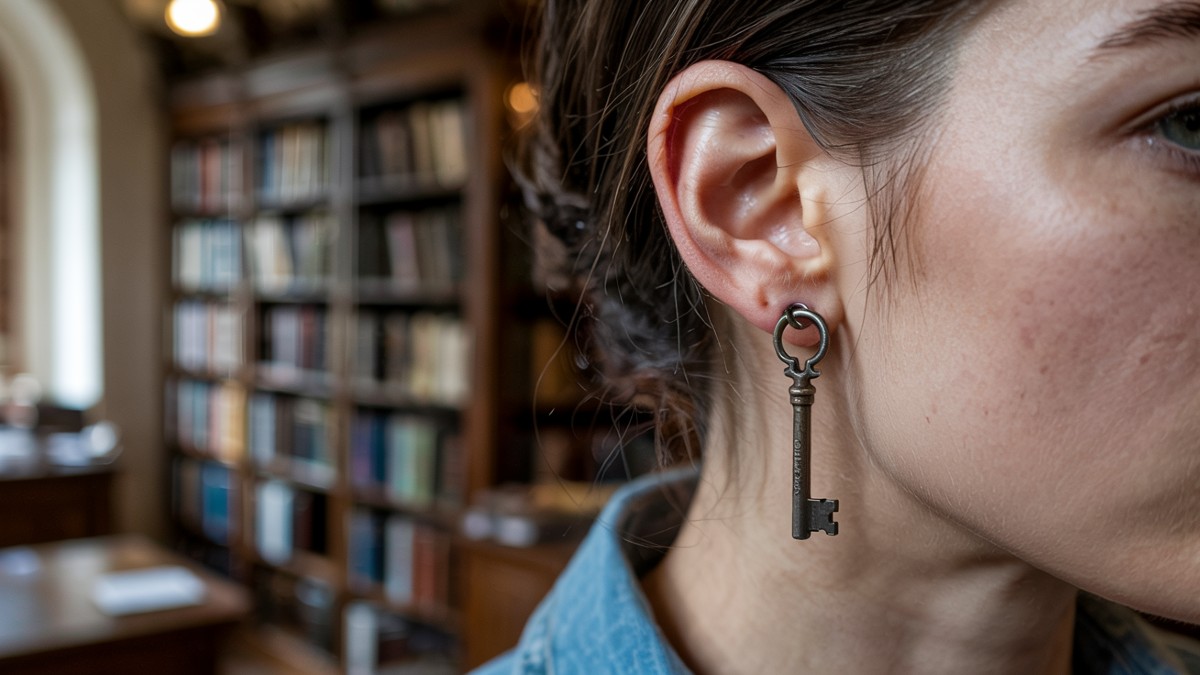
Take a close look in the mirror – that diagonal crease across your earlobe could be more than a quirk of aging. Known as Frank’s Sign in medical circles, this subtle fold has appeared in numerous studies linking it to circulation issues.
The crease typically runs at a 45-degree angle from the ear canal downward. It’s not the same as normal wrinkles – this looks like someone pinched your earlobe and left a permanent mark.
While not definitive proof of heart trouble alone, when combined with other symptoms it becomes noteworthy. Next time you’re at the drugstore, compare your earlobes to others in line – you might spot the difference immediately.