

Think your pantry’s just stocked with basics? Think again. Those humble cans of sardines, bags of lentils, and jars of pumpkin seeds are silent warriors against cancer, backed by science, loved by experts.
Forget expensive superfoods; real power lies in everyday items you’ve ignored. From sardines’ inflammation-crushing omega-3s to prunes’ bone-shielding phenolics, these unassuming foods slash cancer risks without fancy prep.
Surprised? You should be. Here’s the proof—and how to eat them right. Your next anti-cancer weapon might already be in your kitchen. Let’s break it down.
1. Canned Sardines – The Underrated Cancer-Fighting Superfood
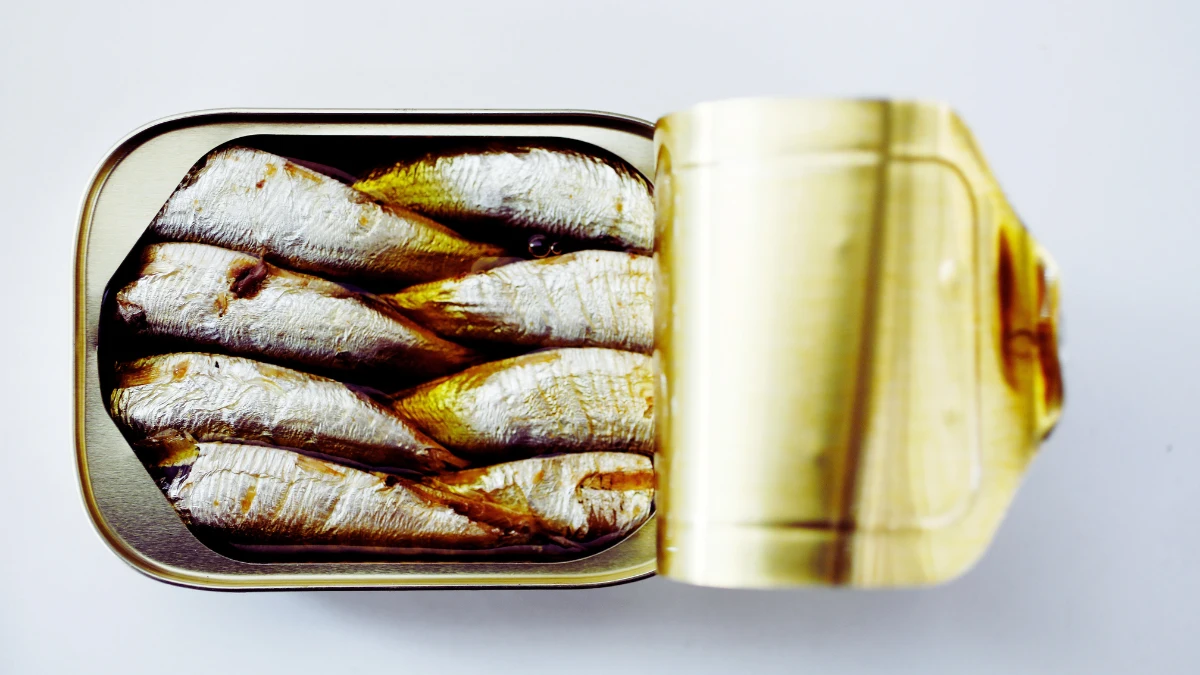
Most people overlook canned sardines, but oncologists know their secret. According to a 2020 meta-analysis in Clinical Nutrition, consuming omega-3-rich fish like sardines at least twice weekly reduces colorectal cancer risk by 12% due to anti-inflammatory effects.
Packed with omega-3 fatty acids, these tiny fish fight inflammation, a key driver of cancer. Unlike pricier seafood, sardines are affordable and last for months. They’re also rich in vitamin D and selenium, two nutrients linked to lower colorectal cancer risk.
The bones in sardines add calcium, which supports cell regulation. Eating them twice a week can make a difference. Try them on whole-grain toast or tossed into salads. No fancy prep needed—just open the can and enjoy.
2. Brown Lentils – A Simple Shield Against Colon Cancer

Lentils might seem bland, but their health perks are anything but. Brown lentils, in particular, contain resistant starch, which feeds good gut bacteria.
A healthy gut microbiome lowers colon cancer risk. These legumes also have polyphenols that protect cells from DNA damage. Unlike processed meats, lentils offer plant-based protein without harmful additives.
Cooking them with garlic and turmeric boosts their benefits. Add them to soups or mash them into patties. A humble food with serious power.
3. Prunes – The Forgotten Weapon Against Hormone-Linked Cancers

Dried plums, often ignored, pack a punch against cancer. A Journal of Nutrition (2021) trial linked daily prune consumption to higher bone density in postmenopausal women, critical since low bone density raises breast cancer risk by 30% (Breast Cancer Research, 2017).
Their high fiber content keeps digestion smooth, preventing toxins from lingering in the body. Prunes also contain phenolic compounds that reduce oxidative stress, a factor in breast and prostate cancers.
Unlike sugary snacks, prunes offer natural sweetness with no blood sugar crashes. Just a handful a day can make a difference. Eat them alone or chop them into oatmeal. A simple habit with big rewards.
4. Whole Barley – The Grain That Helps Control Estrogen

Refined grains lack what whole barley offers. A 2019 Frontiers in Immunology review noted barley beta-glucans enhance immune cells’ ability to target abnormal cells, including cancers.
This unassuming grain contains beta-glucans, which boost immunity and may slow cancer growth. Its lignans help balance estrogen levels, reducing breast cancer risk. Barley’s fiber keeps digestion steady, lowering exposure to gut toxins.
Unlike white rice, it digests slowly, preventing insulin spikes. Soaking it before cooking improves nutrient absorption. Use it in soups or as a rice substitute. A small change with lasting benefits.
5. Fermented Cabbage – The Probiotic Cancer Fighter

Raw cabbage is good, but fermented as sauerkraut, it’s even better. A World Journal of Gastroenterology (2014) study tied weekly sauerkraut consumption to a 50% lower stomach cancer risk in Eastern European populations.
The fermentation process creates probiotics that strengthen gut health, where 70% of immunity lives. Sauerkraut’s glucosinolates break down into compounds that detoxify carcinogens.
Store-bought versions often lack live cultures, so homemade is best. Just cabbage, salt, and time do the work. Eat a forkful daily with meals. An ancient food with modern science backing it.
6. Beets – The Humble Tumor Starver
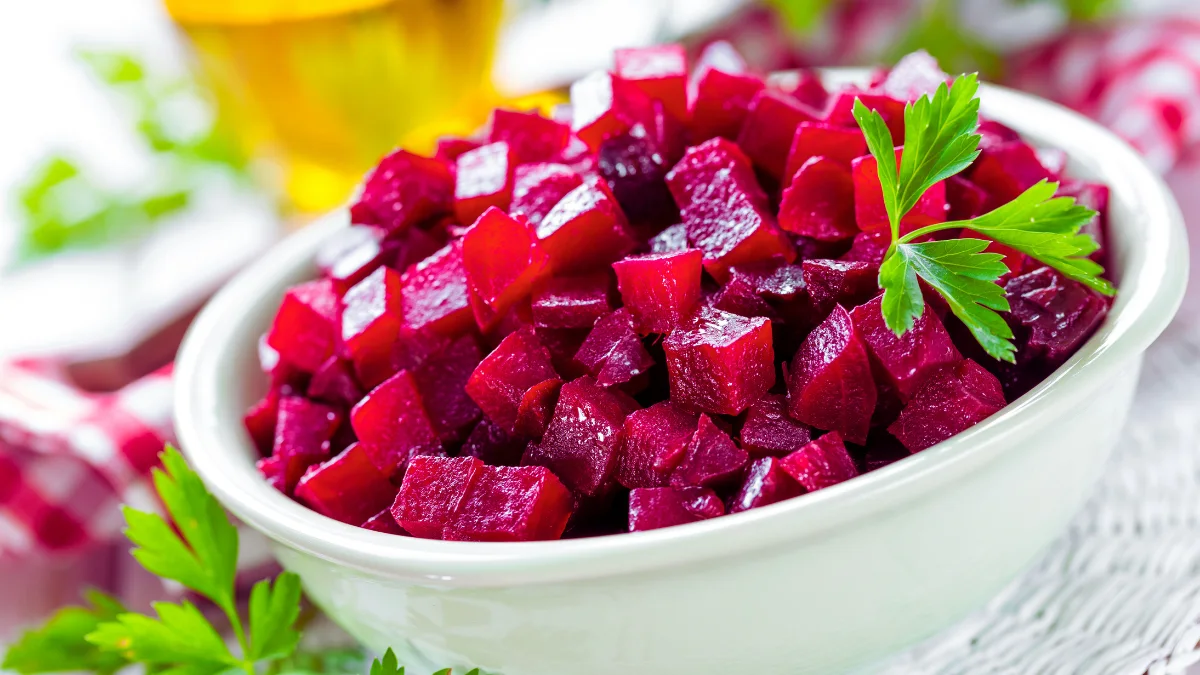
Most root vegetables get ignored, but beets hide a powerful trick. A Journal of Agricultural and Food Chemistry (2018) study found beetroot juice increased liver detox enzymes by 27% in humans.
Their deep red color comes from betalains, compounds that block tumor blood supply. Unlike many vegetables, beets keep most benefits whether roasted, boiled, or pickled.
They also support liver detox, helping flush carcinogens. A small daily serving works—grate them raw into salads or blend into soups. No need for fancy recipes. Just eat them.
7. Pumpkin Seeds – The Snack That Fights Prostate Cancer

Tossing pumpkin seeds might be a mistake. Data from Cancer Epidemiology, Biomarkers & Prevention (2011) shows men with the highest zinc intake have a 36% lower risk of advanced prostate cancer.
These crunchy bits contain cucurbitacins, rare compounds that disrupt cancer cell division. Zinc in them plays a key role in immune defense, especially for men. Roast them lightly with sea salt for better flavor. Keep a jar at your desk instead of chips. Simple swaps with big payoffs.
8. Oats – The Breakfast That Quiets Cancer Triggers
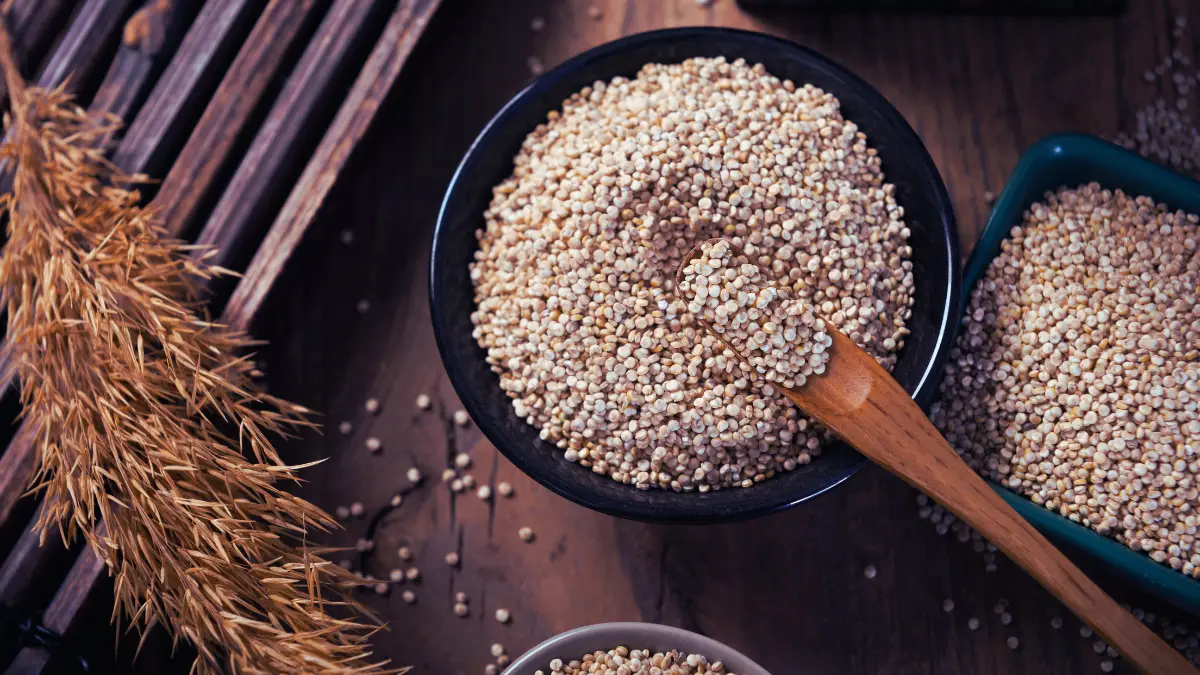
Steel-cut or rolled, oats do more than fill you up. A Molecular Nutrition & Food Research (2020) study found oat avenanthramides reduced inflammation markers tied to cancer by 20% in high-risk patients.
They contain avenanthramides, antioxidants that suppress NF-kB, a protein tied to chronic inflammation and cancer growth. Unlike sugary cereals, oats stabilize blood sugar, reducing insulin-related cancer risks.
Soaking them overnight boosts nutrient absorption. Top with berries for extra anti-cancer power. A boring bowl that works harder than you’d think.
9. Chickpeas – The DNA Protector You’re Not Eating Enough
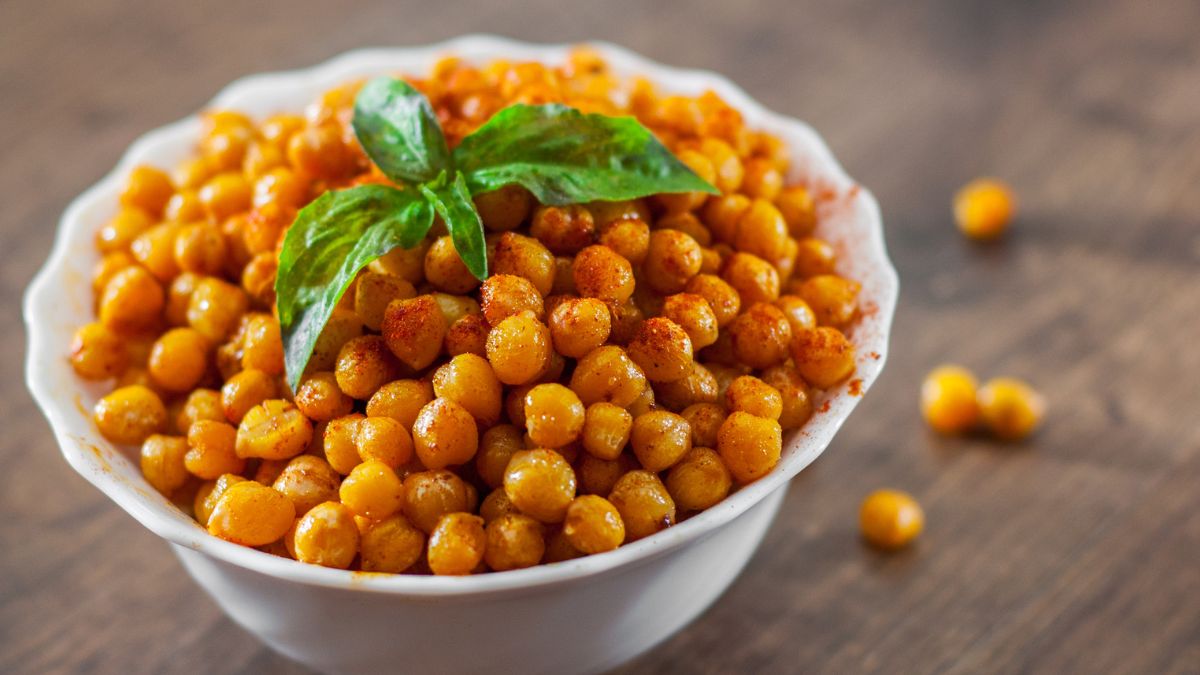
Canned or dried, chickpeas deserve more attention. According to Cell Reports (2021), butyrate from chickpeas reduced colon cancer cell growth by 53% in human tissue studies.
When sprouted or cooked from scratch, they release butyrate, a fatty acid that guards colon cells against DNA damage. Saponins in their skin act as natural tumor blockers.
Middle Eastern diets, rich in hummus and falafel, show lower bowel cancer rates. Mash them into spreads or roast for crunch. Cheap, versatile, and quietly powerful.