

You take your medications faithfully, trusting they’re helping your health. But what if some of these trusted drugs are secretly aging you faster than time itself?
Every day, millions swallow pills that quietly steal their youthful appearance, weaken their muscles, and fog their minds.
Your prescription bottle might hold the very thing that’s making you look and feel decades older. Most doctors never warn you about these hidden aging effects.
Pharmacologists have uncovered 11 common medications that accelerate aging through specific biological pathways. Here’s what they don’t want you to know about your daily pills and how to protect yourself.
1. Corticosteroids (e.g., Prednisone)
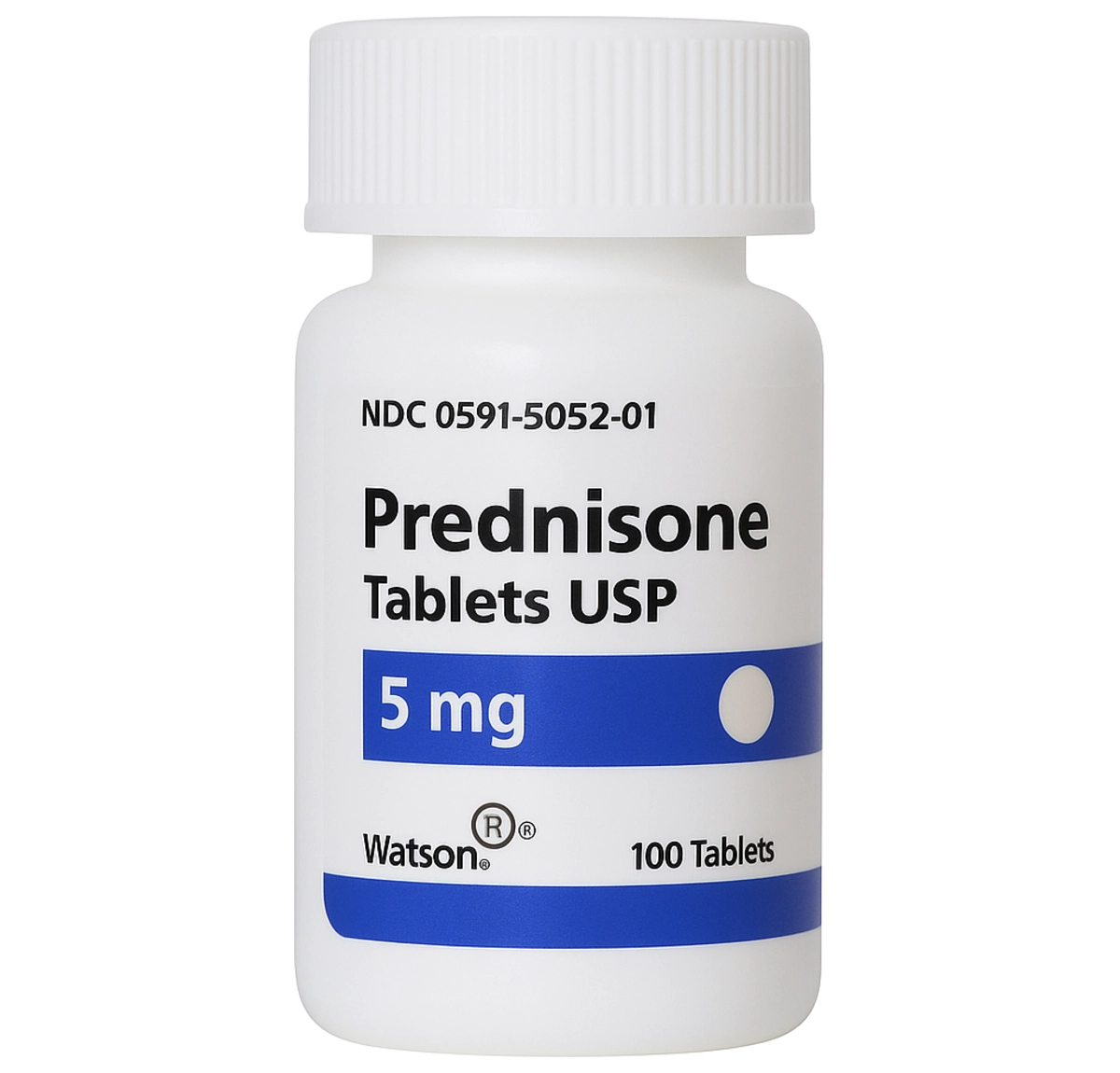
These powerful anti-inflammatory drugs work by suppressing your immune system and reducing inflammation throughout the body.
While effective for treating conditions like asthma, arthritis, and autoimmune disorders, they come with significant aging consequences when used long-term.
Chronic corticosteroid use breaks down collagen production in your skin and connective tissues. Your body starts producing enzymes that destroy the structural proteins responsible for keeping skin firm and elastic. This process mimics what happens during natural aging but occurs much faster.
The drugs also interfere with bone formation by blocking calcium absorption and reducing bone-building cell activity. Muscle tissue breaks down more rapidly, while fat accumulates around your midsection.
This combination creates a cascade of inflammatory reactions that age multiple body systems simultaneously. Even short courses can trigger these effects in some people.
2. Proton Pump Inhibitors (PPIs: e.g., Omeprazole)
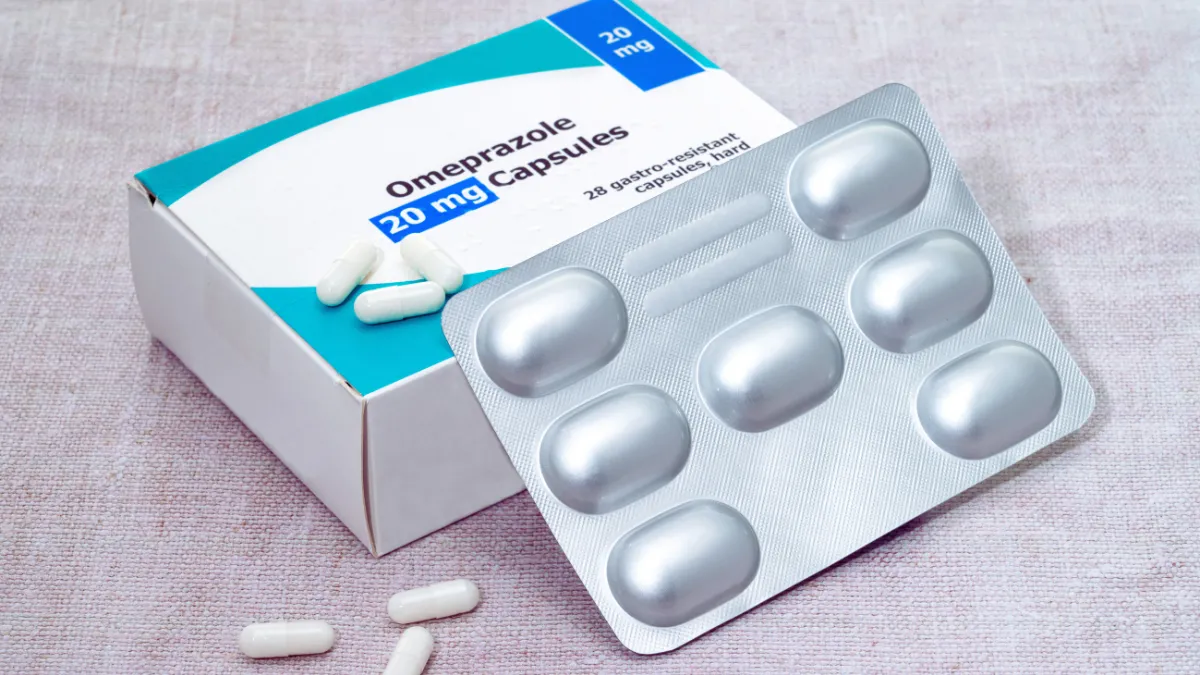
Millions take these acid-blocking medications daily for heartburn, ulcers, and acid reflux. They work by shutting down the stomach’s acid production, providing relief from digestive discomfort.
However, stomach acid serves critical functions beyond digestion that become compromised with long-term use.
Your stomach needs acid to absorb vital nutrients like vitamin B12, magnesium, and calcium from food. When acid production stops, your body struggles to extract these aging-fighting compounds.
Magnesium deficiency particularly affects cellular energy production, while B12 shortages impact brain function and nerve health.
The altered stomach environment also disrupts beneficial gut bacteria that support immune function and inflammation control.
This bacterial imbalance triggers chronic low-grade inflammation that accelerates cellular aging. Bone density decreases due to poor calcium absorption, increasing fracture risk. Cognitive function may decline as B12 levels drop over months or years of continuous use.
3. Statins (e.g., Atorvastatin)

Cholesterol-lowering medications help prevent heart attacks and strokes by reducing blood cholesterol levels. They block an enzyme your liver uses to make cholesterol, effectively lowering cardiovascular risk.
However, this same enzyme produces other compounds your cells need for healthy aging. Coenzyme Q10 production drops significantly when statins block cholesterol synthesis.
This antioxidant protects cellular powerhouses called mitochondria from damage. Without adequate levels, your cells struggle to produce energy efficiently and become more vulnerable to oxidative stress that accelerates aging.
Muscle cells are particularly affected because they require enormous amounts of energy to function properly. Many statin users experience muscle weakness, fatigue, and pain as their cellular energy systems become compromised.
The protective structures at chromosome ends may also shorten more rapidly, affecting cellular repair and regeneration. These effects accumulate over time, potentially speeding up the aging process despite cardiovascular benefits.
4. Insulin (High-Dose Exogenous)
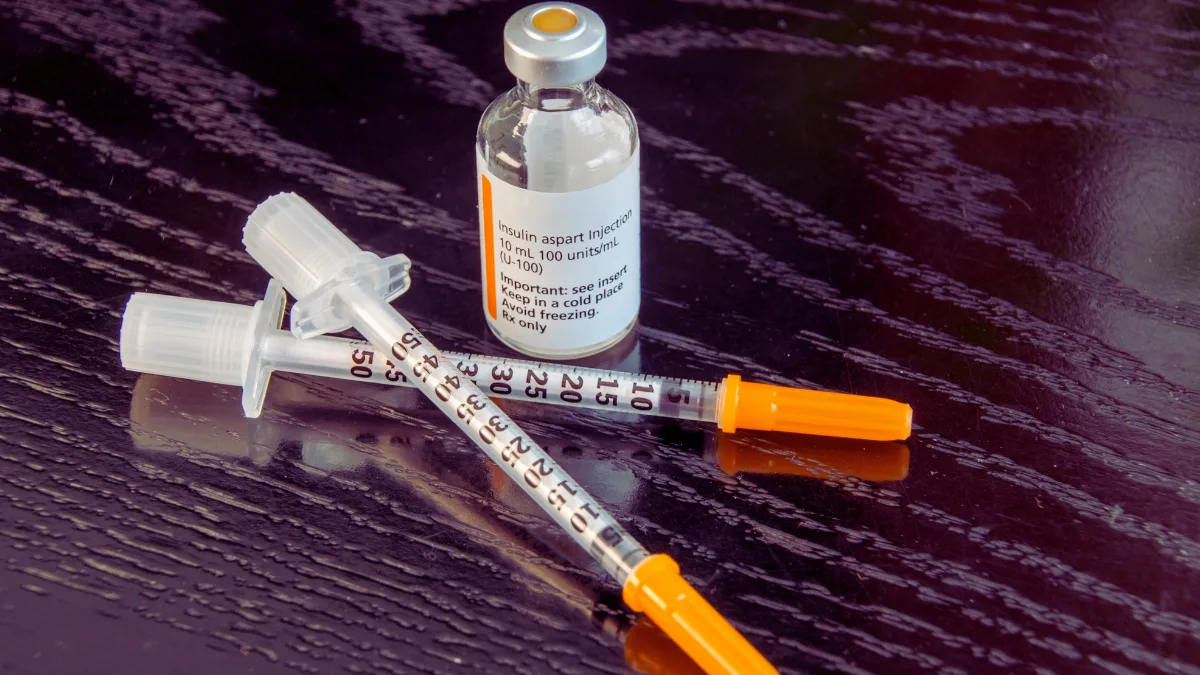
Diabetics often require insulin injections to control blood sugar levels and prevent serious complications. This hormone helps cells absorb glucose for energy production.
When doses are high or blood sugar remains elevated, insulin can trigger aging processes beyond its intended metabolic effects.
Excess insulin promotes the formation of advanced glycation end products, which are sticky compounds that attach to proteins throughout your body.
These substances make tissues stiff and less flexible, particularly affecting skin elasticity and blood vessel function. They accumulate over time and resist removal by normal cellular cleanup processes.
High insulin levels also activate growth pathways that can accelerate cellular aging when constantly stimulated. Blood vessels become more rigid as these compounds accumulate in their walls.
Skin develops a leathery texture and loses its natural suppleness. Chronic inflammation increases as immune cells react to these abnormal protein structures.
Managing blood sugar levels tightly helps minimize these aging effects while maintaining metabolic health.
5. ARBs (Angiotensin Receptor Blockers: e.g., Losartan)

Blood pressure medications in this class block receptors for angiotensin II, a hormone that constricts blood vessels and raises blood pressure.
They effectively lower cardiovascular risk and protect kidney function in many patients. However, angiotensin II also plays roles in cellular maintenance that become disrupted with long-term blocking.
This hormone system helps regulate cellular energy production and stress responses. When completely suppressed, cells may struggle to maintain their internal powerhouses and repair mechanisms.
Muscle tissue particularly relies on these signals for regeneration and strength maintenance. Long-term users sometimes experience unexpected frailty despite good blood pressure control.
The cellular structures responsible for chromosome protection may also function less effectively. While these medications provide significant cardiovascular benefits, some patients develop muscle weakness or reduced exercise tolerance over time.
Balancing blood pressure control with cellular health requires careful monitoring and sometimes dose adjustments to maintain optimal aging trajectories.
6. Antidepressants (Tricyclics: e.g., Amitriptyline)
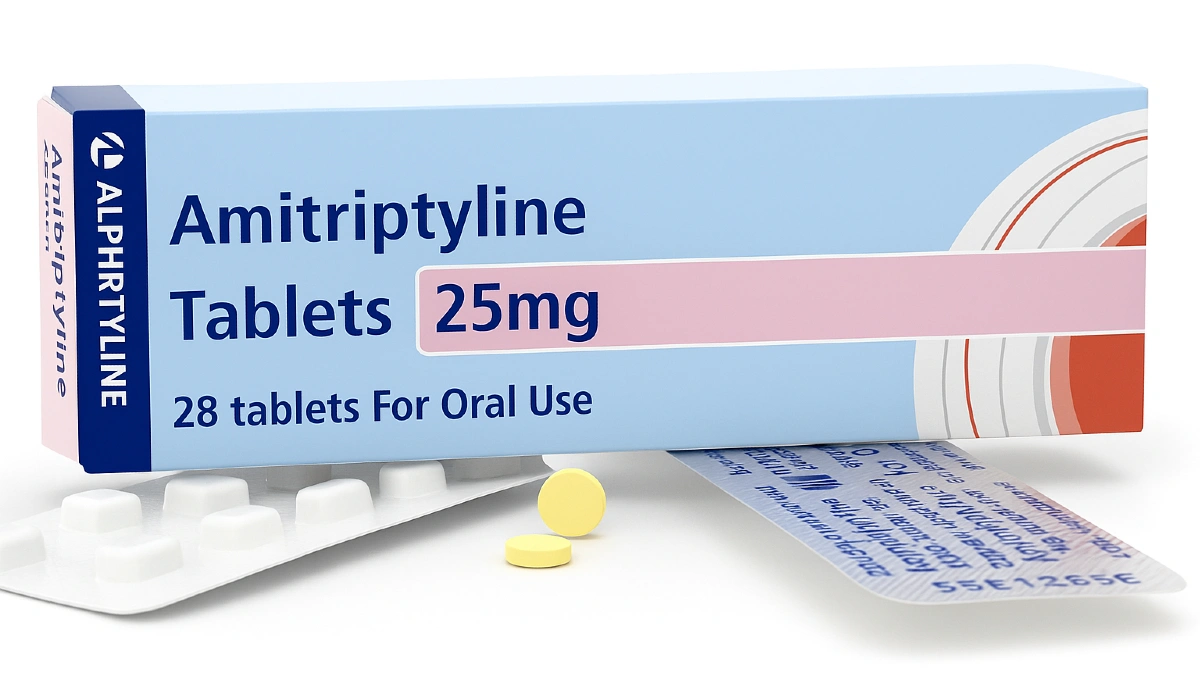
These older antidepressants work by blocking the reuptake of mood-regulating brain chemicals like serotonin and norepinephrine. They remain effective for treating depression and certain pain conditions.
However, they also block acetylcholine, a brain chemical crucial for memory, learning, and muscle function. Acetylcholine helps maintain cognitive sharpness and supports communication between brain cells.
When blocked chronically, memory formation becomes impaired, and thinking processes slow down. The brain may shrink in areas responsible for learning and memory formation, mimicking changes seen in normal aging, but happening faster.
These medications also interfere with cellular energy production in brain cells, increasing oxidative damage that accumulates over time.
Dry mouth, constipation, and blurred vision are immediate signs of acetylcholine blocking, but cognitive effects develop more slowly.
Some users notice difficulty concentrating or remembering new information after months of treatment. Newer antidepressants often provide similar mood benefits without these aging-related side effects.
7. Anticholinergics (e.g., Diphenhydramine, Oxybutynin)
Common allergy medications, sleep aids, and bladder control drugs block acetylcholine, a crucial brain chemical responsible for memory formation and muscle coordination.
While providing symptom relief, these medications create significant aging effects in the brain and body when used regularly over extended periods.
Memory centers in the brain rely heavily on acetylcholine for proper function. Blocking this neurotransmitter causes brain tissue to shrink, particularly in areas controlling learning and recall.
A major study published in JAMA Internal Medicine followed nearly 59,000 patients for over two decades and found that daily anticholinergic use for three or more years increased dementia risk by 50 percent.
Physical aging accelerates as these drugs interfere with cellular energy production throughout the body. Mouth tissues become dry and prone to infection, while digestive function slows considerably.
The brain experiences oxidative damage similar to what occurs during normal aging, but at an accelerated pace.
Users often notice difficulty remembering names or recent conversations after months of regular use, signaling potential long-term cognitive changes.
8. Anticoagulants (Warfarin)

Blood-thinning medications prevent dangerous clots that can cause strokes and heart attacks. Warfarin works by blocking vitamin K, which helps blood clot normally.
However, vitamin K serves other critical functions in maintaining healthy bones and blood vessels that become compromised during treatment.
Vitamin K activates proteins that keep calcium in bones and out of arteries. When blocked, calcium begins to deposit in blood vessel walls instead of strengthening bone tissue.
This process creates rigid, calcified arteries that resemble those found in much older individuals, even in younger patients taking warfarin long-term.
Bone density decreases as vitamin K-dependent proteins cannot function properly to build a strong skeletal structure.
Skin bruises easily and heals slowly because blood vessels become fragile without adequate vitamin K support. Joint cartilage may also deteriorate faster, leading to stiffness and discomfort.
While preventing life-threatening clots, warfarin essentially trades cardiovascular protection for accelerated vascular and skeletal aging that requires careful monitoring and management.
9. Chemotherapy Agents (Anthracyclines: e.g., Doxorubicin)

Cancer treatments in this class work by interfering with cancer cell DNA replication, effectively stopping tumor growth.
Unfortunately, they also damage healthy cells throughout the body, creating widespread aging effects that persist long after treatment ends. Hair follicles, heart muscle, and brain cells are particularly vulnerable to this damage.
Free radicals generated by these drugs attack cellular structures indiscriminately, causing oxidative damage similar to what accumulates during decades of normal aging.
Heart muscle cells become senescent and stop dividing properly, leading to weakened pumping function. Protective caps on chromosomes shorten dramatically, affecting the body’s ability to repair and regenerate tissues.
Cognitive function often declines during and after treatment, a condition patients call “chemo brain.” Hair may grow back gray or white due to damaged pigment-producing cells.
Skin ages rapidly, developing wrinkles and losing elasticity as collagen production decreases. While these medications can save lives by eliminating cancer, they essentially compress years of aging damage into months of treatment, requiring ongoing monitoring for long-term health effects.
10. Opioids (e.g., Morphine)
Pain medications in this category provide relief by binding to opioid receptors in the brain and spinal cord. Beyond pain control, they suppress hormone production systems that regulate aging processes throughout the body.
Research published in the Journal of Clinical Endocrinology showed that chronic opioid users develop hormone deficiencies equivalent to those seen in much older adults.
Testosterone and estrogen levels drop significantly in both men and women taking opioids regularly. These hormones maintain muscle mass, bone density, and skin elasticity.
Without adequate levels, muscles waste away while bones become brittle and prone to fractures. Sexual function declines, and energy levels plummet as the body struggles with hormonal imbalances.
Immune system function deteriorates as opioids interfere with infection-fighting cells. Wounds heal slowly, and users become more susceptible to infections that younger, healthier individuals would easily overcome.
Digestive function slows dramatically, creating gut bacteria imbalances that promote inflammation. While managing pain effectively, long-term opioid use essentially creates an aged physiological state that affects multiple body systems simultaneously.
11. Stimulants (Amphetamines, ADHD Medications)
Attention deficit medications increase dopamine and norepinephrine levels in the brain, improving focus and concentration.
However, chronic stimulation creates oxidative stress that damages cells throughout the body. Blood vessels constrict repeatedly, reducing nutrient delivery to tissues and accelerating visible aging signs.
Dental health deteriorates rapidly in long-term stimulant users as reduced saliva production allows bacteria to flourish. Teeth become discolored and brittle, while gums recede prematurely.
Skin develops fine lines and wrinkles earlier than expected because blood flow to facial tissues decreases with chronic vasoconstriction.
The heart muscle experiences constant stress from elevated heart rate and blood pressure, leading to premature wear and potential scarring.
Sleep patterns become disrupted, preventing the body from completing essential repair processes that normally occur during rest.
Appetite suppression can lead to nutritional deficiencies that further compromise cellular health. While improving cognitive performance in the short term, chronic stimulant use may accelerate multiple aging processes that become apparent years after starting treatment.