

You’ve been religiously eating kale, downing green tea extracts, and grilling salmon, thinking you’re bulletproofing your health. But what if these so-called superfoods are quietly sabotaging your DNA?
Geneticists are raising red flags about foods we’ve been told are nutritional gold mines. That morning smoothie packed with “healthy” ingredients?
It might be creating genetic chaos at the cellular level. Your weekend BBQ ritual? Those char marks spell trouble for your DNA repair systems.
Before you take another bite, discover which 14 beloved superfoods are triggering genetic damage and learn how to protect yourself without sacrificing nutrition.
1. Grilled Red Meats (Beef, Pork)

High-temperature grilling transforms proteins into dangerous compounds that attack your genetic material. When beef or pork is cooked on a hot grill, amino acids and creatine react to form heterocyclic amines (HCAs).
These chemical troublemakers bind directly to DNA strands, creating harmful modifications that can trigger cellular chaos.
Polycyclic aromatic hydrocarbons (PAHs) add another layer of risk. They form when fat drips onto flames, sending toxic smoke back onto your meat.
Your body struggles to process these foreign invaders, which then lodge themselves into cellular structures. Red meat contains heme iron, a compound that becomes problematic when combined with heat damage.
This iron acts as a catalyst, accelerating oxidative processes that break down DNA molecules. The darker the char marks on your steak, the higher the concentration of these genetic saboteurs becomes.
2. Wild-Caught Salmon (Contaminant Risk)
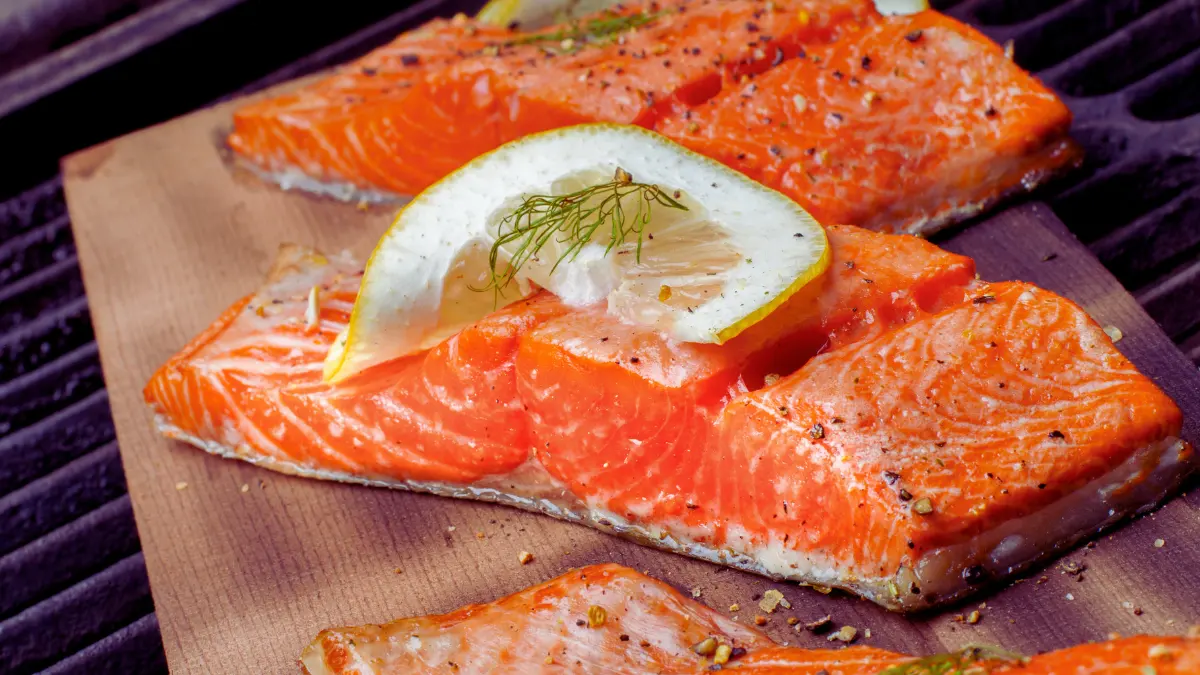
Ocean pollution turns this omega-3 powerhouse into a potential genetic threat. Fish swimming in contaminated waters absorb methylmercury, a neurotoxic compound that doesn’t just affect brain function.
This heavy metal creates oxidative stress inside cells, causing DNA strands to break apart like damaged rope fibers.
Polychlorinated biphenyls (PCBs) present an even more insidious problem. These industrial chemicals accumulate in salmon tissue over time, building up concentrated levels that human bodies weren’t designed to handle. Once consumed, they trigger inflammatory cascades that overwhelm cellular defense systems.
Farmed salmon often carry higher contaminant loads than their wild counterparts. Fish farms use concentrated feed that can contain more pollutants per serving.
The confined environment also means less opportunity for natural detoxification processes that occur in open ocean environments.
3. Processed Meats (Bacon, Sausages)

Nitrite preservatives give processed meats their appealing pink color, but they create a genetic nightmare inside your digestive system.
These chemicals transform into N-nitroso compounds when they meet stomach acid and gut bacteria. The resulting molecules act like molecular scissors, cutting and modifying DNA bases in ways that confuse cellular machinery.
Bacon and sausages undergo multiple processing steps that compound the damage. Salt-curing, smoking, and chemical preservation create a cocktail of harmful substances.
Each processing method adds new layers of compounds that your body must detoxify, often unsuccessfully.
The gut environment becomes a chemical battlefield when these preserved meats arrive. Beneficial bacteria struggle to survive while harmful compounds multiply.
This disruption affects how well your intestinal cells can repair genetic damage, creating a cycle where DNA problems accumulate faster than they can be fixed.
4. Dairy (High-Temperature Pasteurized)
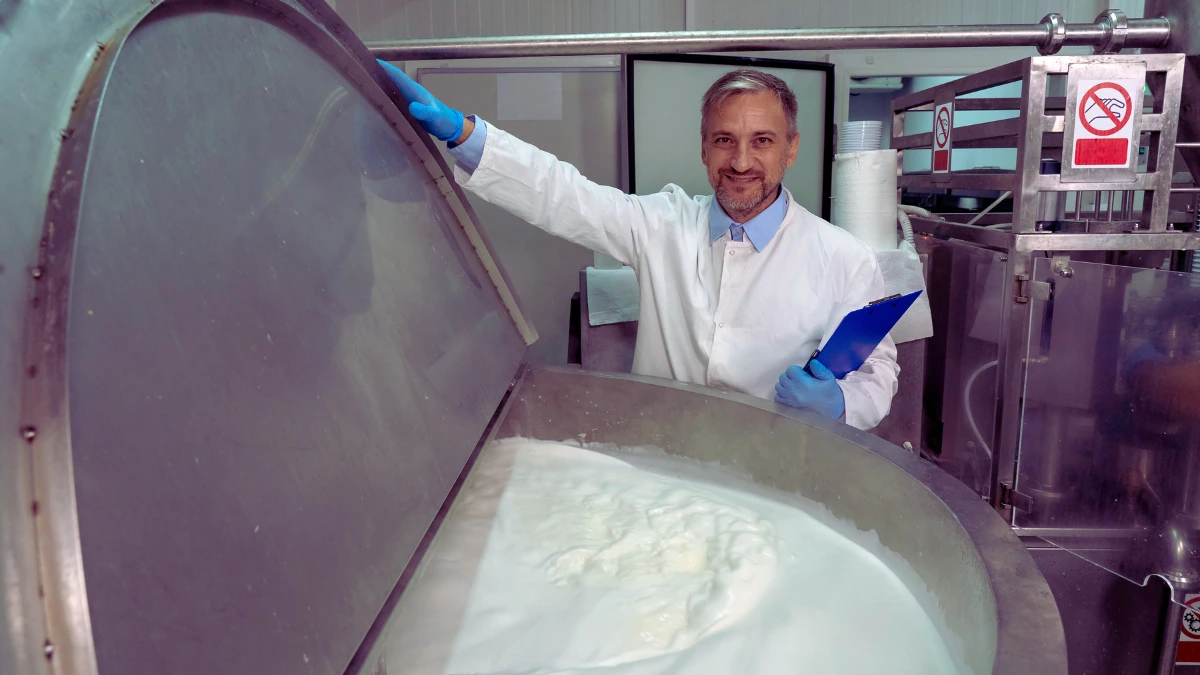
Heat treatment designed to kill bacteria also creates unexpected genetic hazards. When milk proteins and lactose encounter high temperatures during pasteurization, they undergo chemical changes that produce advanced glycation end products (AGEs).
These sticky molecules attach to cellular receptors, triggering inflammatory responses that damage DNA. Ultra-high temperature processing makes the problem worse.
The extreme heat needed for extended shelf life breaks down protective compounds while creating more harmful ones.
Calcium and protein structures change in ways that make them harder for your body to process safely. Fresh, minimally processed dairy products contain natural antioxidants that protect against genetic damage.
High-heat treatment destroys many of these protective elements while concentrating the problematic ones. The result is a food product that looks the same but carries hidden risks to your cellular health.
5. Broccoli Sprouts (Isothiocyanate Overload)
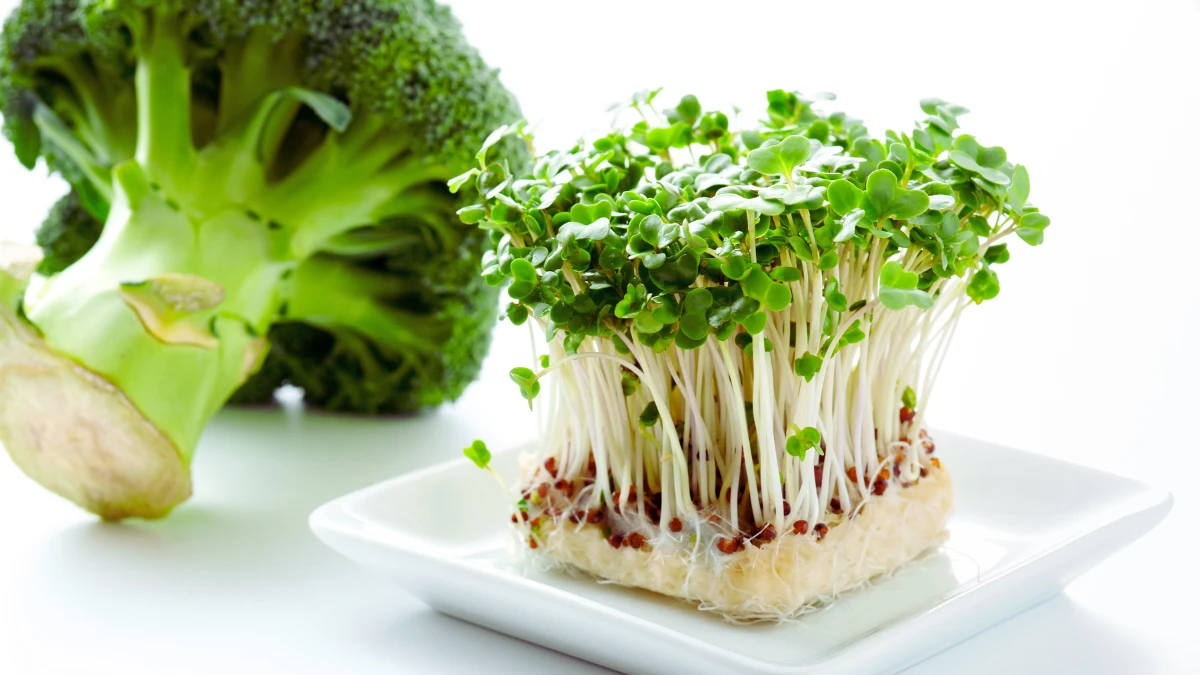
These tiny green powerhouses pack concentrated doses of sulforaphane, a compound that can backfire when consumed excessively.
Small amounts boost your body’s natural detoxification systems, but large quantities overwhelm cellular defenses. The same mechanism that protects against cancer can cause DNA breaks when pushed too far.
Sprouting concentrates these compounds to levels far higher than mature broccoli. What seems like a concentrated health benefit becomes a cellular burden.
Your liver works overtime trying to process the flood of bioactive compounds, sometimes failing to prevent damage to genetic material. Raw consumption amplifies the problem because cooking reduces isothiocyanate concentrations.
Many health enthusiasts consume large portions of raw sprouts daily, not realizing they’re pushing their cellular systems beyond safe limits. The line between beneficial and harmful becomes dangerously thin with these nutrient-dense sprouts.
6. Chlorella (Poorly Processed)
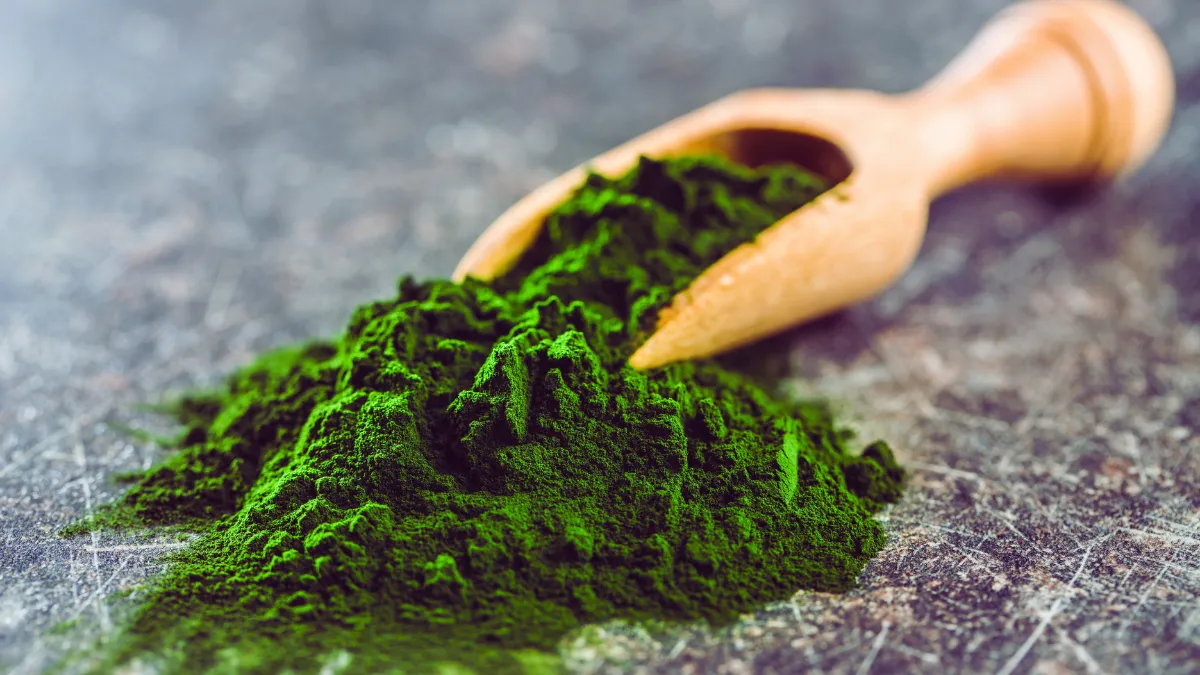
This green algae promises detoxification benefits, but can deliver the opposite when processing goes wrong. Chlorella cells have tough walls that protect against contamination in nature.
When supplement manufacturers fail to properly break down these walls, they trap dangerous microcystin toxins inside.
These toxins sabotage your cellular repair systems by blocking protein phosphatases. These enzymes play crucial roles in DNA maintenance and repair processes.
When they can’t function properly, genetic damage accumulates while repair mechanisms fail to keep up.
Quality varies dramatically between chlorella products. Some undergo proper cell wall cracking and toxin testing, while others skip these expensive steps.
Consumers often can’t tell the difference until they’ve been taking contaminated supplements for months. The promised health benefits become genetic liabilities when corners are cut during production.
7. Green Tea Extract (Supplement Form)
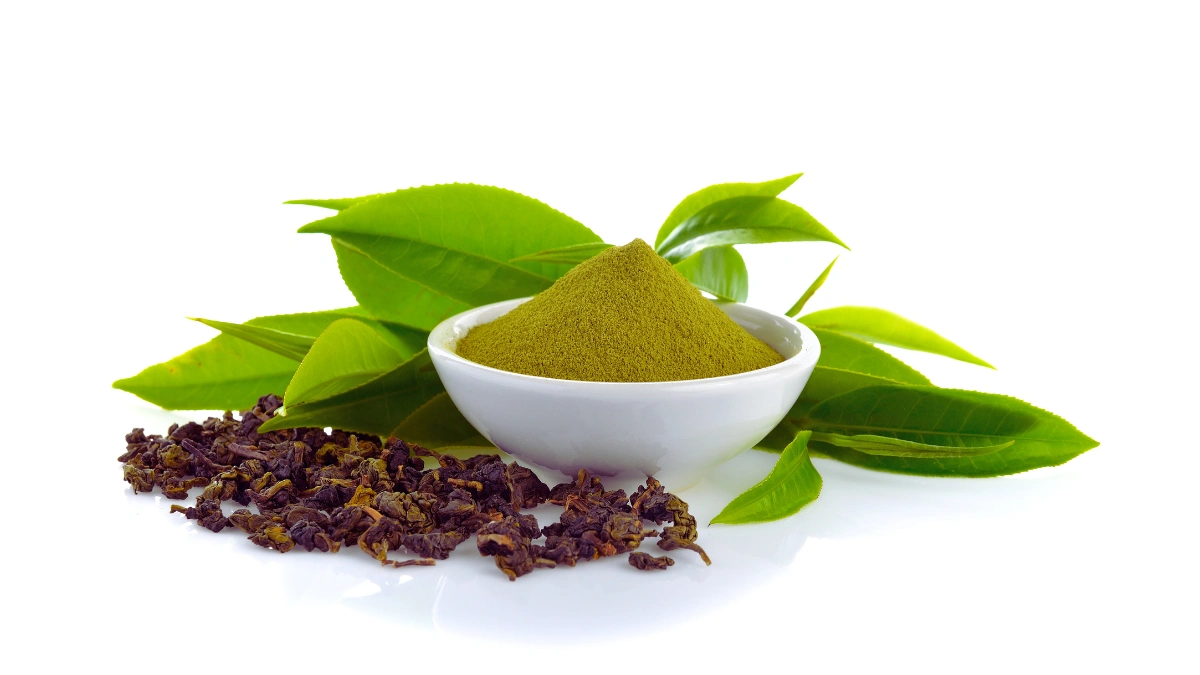
Concentrated EGCG in supplement form creates problems that don’t occur with regular tea consumption. High doses act as topoisomerase II inhibitors, blocking enzymes that help DNA unwind for replication and repair.
This mechanism explains why some people experience liver problems after taking concentrated green tea supplements.
Regular tea drinking provides moderate EGCG levels that offer benefits without overwhelming cellular systems.
Supplements can deliver 800mg or more in a single capsule, far exceeding what you’d consume from even heavy tea drinking. This concentration creates a pharmaceutical effect rather than a nutritional one.
The liver bears the brunt of processing these concentrated compounds. While small amounts support liver function, large doses stress the organ’s detoxification pathways.
Some people develop serious liver problems that require medical intervention, turning a supposed health supplement into a medical emergency.
8. Fried Potatoes & Crispy Snacks
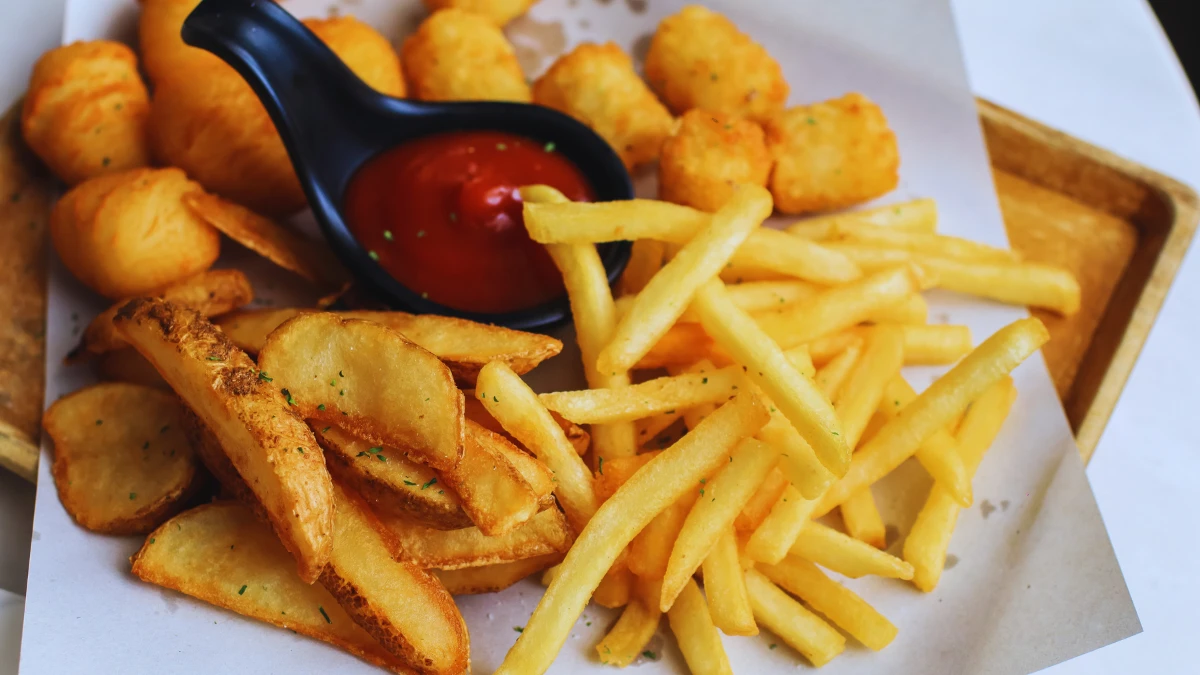
High-temperature cooking transforms innocent starches into genetic threats through acrylamide formation. When potatoes exceed 120°C during frying or baking, sugars and amino acids create this harmful compound.
Your body converts acrylamide into glycidamide, which then binds directly to guanine bases in DNA, creating dangerous modifications.
Roasting amplifies the damage beyond what most people realize. A 2023 Stanford/NIST study revealed that roasted potatoes cause more uracil deamination than boiled ones. This process fundamentally alters DNA structure, making it harder for cells to function properly.
Crispy textures come at a cellular cost. French fries, potato chips, and baked snacks all carry concentrated levels of these DNA-damaging compounds.
The golden-brown color that signals “done” actually indicates peak acrylamide formation. Every crunchy bite delivers compounds that your genetic repair systems must work overtime to address.
9. Citrus Fruits (Grapefruit-Drug Interactions)
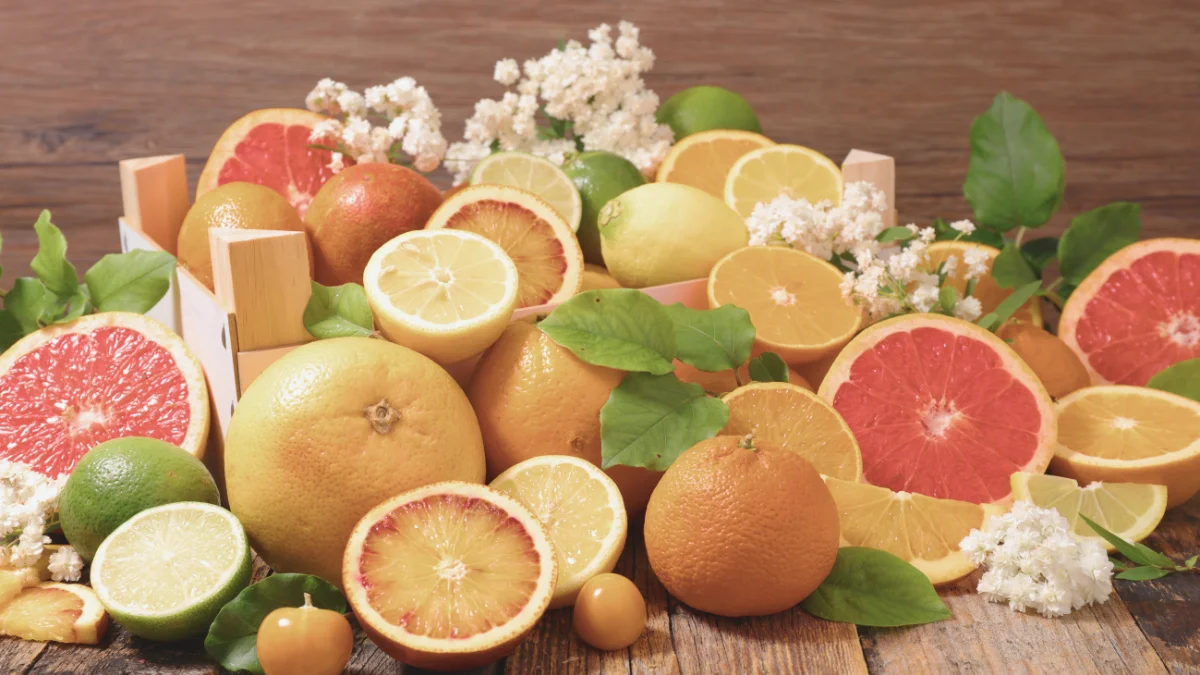
Grapefruit contains furanocoumarins that shut down crucial detoxification enzymes in your liver. These compounds block cytochrome P450 pathways, preventing your body from breaking down certain medications properly.
When drugs can’t be processed normally, their concentrations spike to dangerous levels in your bloodstream.
Elevated drug levels create unexpected genetic risks. Medications like statins or antivirals can become genotoxic when their concentrations exceed safe ranges.
Some drugs intercalate between DNA base pairs when present in high amounts, disrupting normal cellular processes.
Other citrus fruits carry similar risks but to a lesser degree. Seville oranges and limes contain related compounds that affect drug metabolism.
Even small amounts of grapefruit juice can alter medication effectiveness for up to 72 hours, turning routine prescriptions into potential genetic hazards.
10. Refined Sugars & Sweeteners
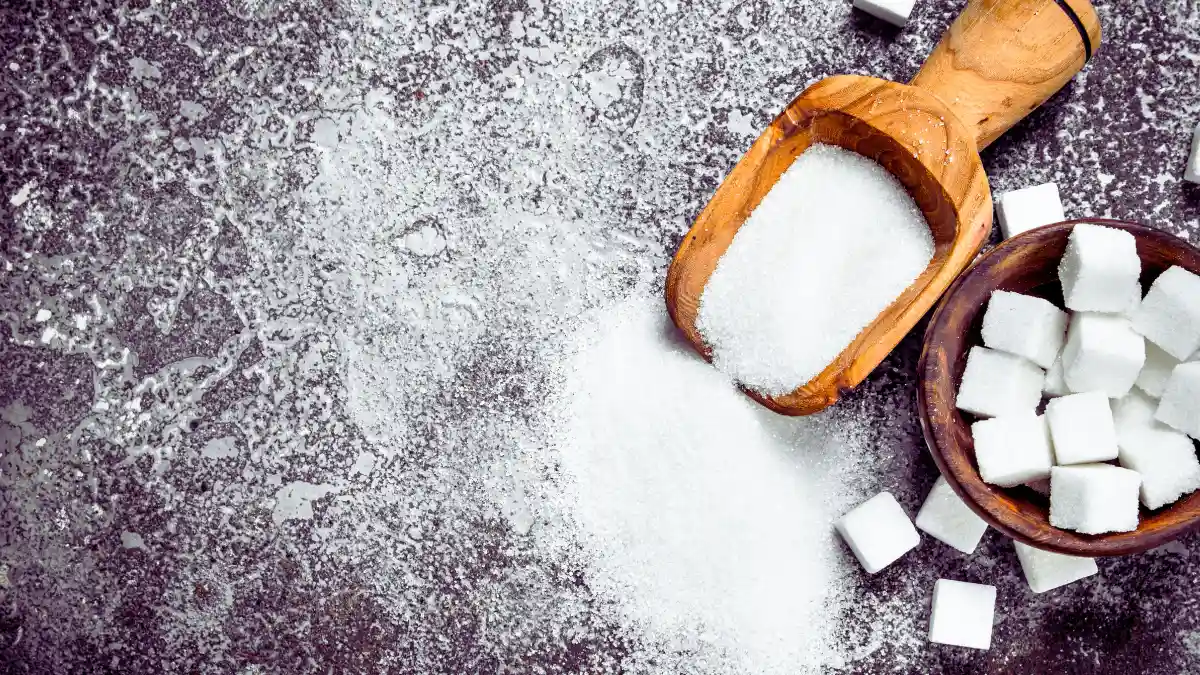
Chronic high sugar intake creates a metabolic storm that damages DNA through multiple pathways. Blood sugar spikes trigger insulin and IGF-1 surges, which accelerate cell division while reducing time available for genetic repair.
Cells rushing through replication cycles make more copying errors that accumulate over time. Fructose presents unique problems by depleting cellular energy stores.
This sugar bypasses normal glucose regulation, consuming ATP faster than cells can produce it. DNA repair processes require substantial energy, so depleted ATP levels mean genetic damage goes unfixed for longer periods.
Artificial sweeteners don’t escape genetic consequences either. Some alter gut bacteria populations that normally help process toxins and support immune function.
When beneficial bacteria decline, harmful compounds circulate longer in your system, increasing opportunities for DNA damage throughout your body.
11. Seed Oils (Deep-Fried)
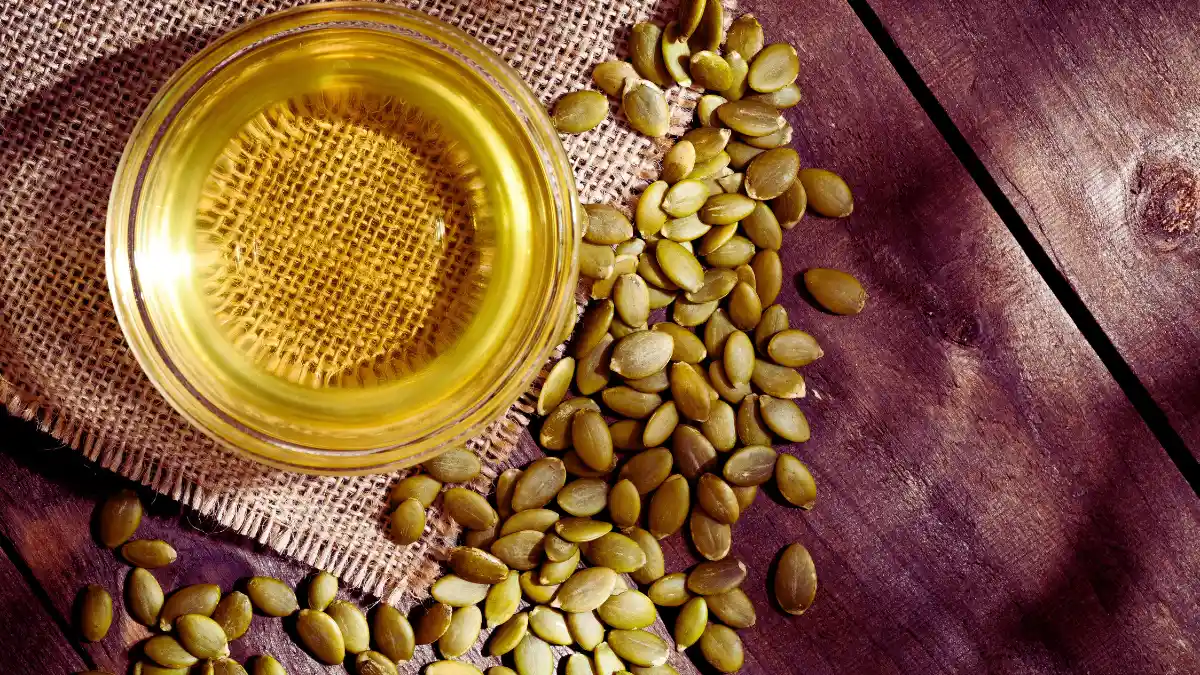
Repeated heating transforms cooking oils into factories for DNA-damaging compounds. Each heating cycle breaks down oil molecules, creating lipid peroxides and acrolein that attack genetic material.
These reactive molecules form permanent attachments to DNA bases, blocking normal replication processes. Restaurants often reuse fryer oil multiple times, concentrating harmful breakdown products.
Fresh oil becomes increasingly toxic with each use, but cost considerations keep degraded oil in service longer than safety warrants. Customers consume accumulated toxins without knowing the oil’s heating history.
Acrolein deserves special concern because it forms stable DNA adducts. These attachments jam replication machinery, forcing cells to make errors or stop dividing altogether.
The damage persists long after the meal ends, creating lasting genetic modifications that cells struggle to repair.
12. Charred Meats (BBQ, Smoked)

Blackened surfaces on grilled meats contain more than just burnt proteins. Charring breaks down DNA within the meat itself, creating fragments that your body absorbs during digestion.
A 2023 Stanford study demonstrated that heat-damaged DNA components from charred beef integrated into intestinal cell DNA, causing strand breaks.
Damaged nucleotides become 300 times more abundant in roasted versus raw meat. These broken DNA pieces don’t just pass through your system harmlessly.
Instead, they incorporate into your cellular DNA, bringing their structural problems along with them. Smoking adds another layer of genetic risk through PAH exposure.
Wood smoke contains dozens of compounds that bind to DNA, while the prolonged low heat still generates HCAs. The combination creates a complex mixture of genetic threats that accumulate with each barbecue meal.
13. Almonds (Over-Roasted)
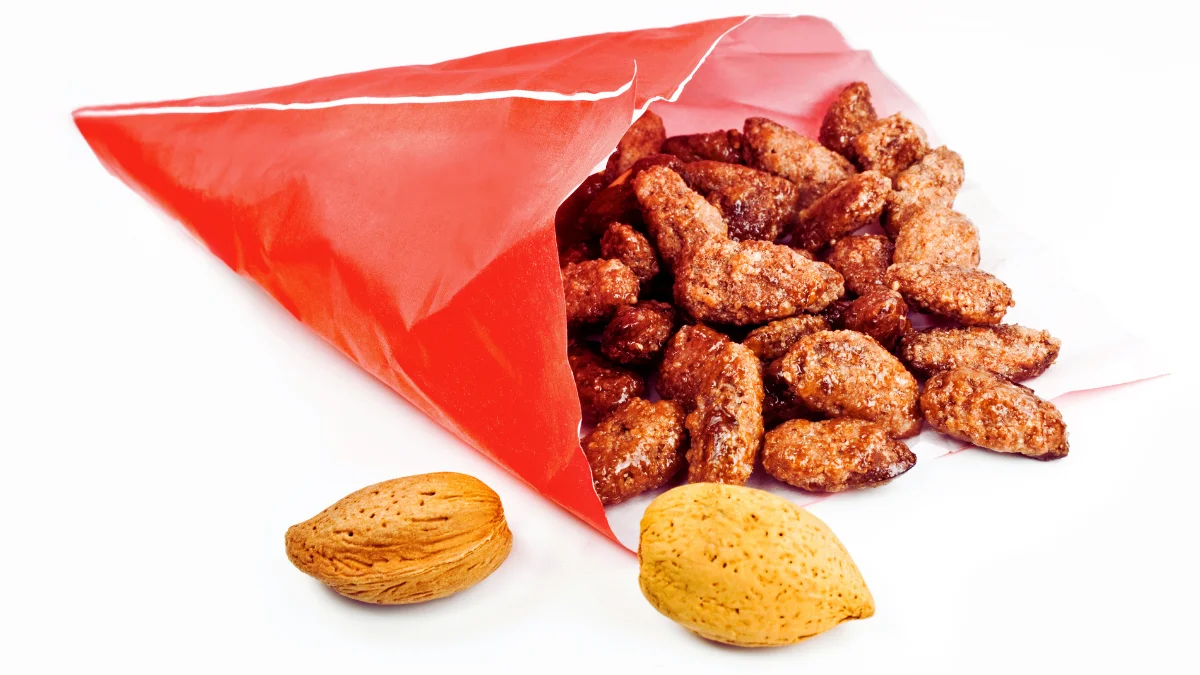
Excessive roasting temperatures destroy protective compounds while creating harmful ones. When almonds exceed 150°C during processing, vitamin E breaks down rapidly.
This antioxidant normally shields DNA from oxidative damage, so its loss leaves genetic material vulnerable to attack.
Acrylamide formation occurs in nuts just like in potatoes when amino acids meet high heat. Almonds contain asparagine, which readily converts to acrylamide under roasting conditions.
The longer and hotter the roasting process, the higher the concentration of these DNA-binding compounds becomes.
Raw or lightly roasted almonds retain their protective properties while minimizing harmful compound formation.
The difference in processing temperature determines whether these nuts support or threaten genetic health. Many commercial roasting operations prioritize shelf life and flavor over minimizing genetic risks.
14. Dark Chocolate (High Lead/Cadmium)

Cocoa plants act like sponges for heavy metals present in soil and water. Lead and cadmium accumulate in cocoa beans over the years of growth, concentrating in the final chocolate products.
These metals don’t just cause neurological problems; they actively sabotage DNA repair systems. Lead exposure inhibits FANCD2, a protein critical for repairing DNA cross-links.
When this repair system fails, genetic damage accumulates faster than cells can fix it. Cadmium creates similar problems by interfering with zinc-dependent repair enzymes that maintain genetic stability.
Quality varies dramatically between chocolate brands based on sourcing and testing practices. Some companies test for heavy metals and source from cleaner regions, while others skip these expensive steps.
Consumers rarely know which products carry the highest contamination risks without independent testing data.