

You’ve been paying double for organic groceries, believing you’re making the healthier choice. But what if food scientists have been quietly documenting evidence that some organic foods pose greater risks than their conventional counterparts?
Recent laboratory findings reveal disturbing patterns. Higher pathogen levels in organic leafy greens. Dangerous mycotoxins in organic corn. Heavy metal accumulation in organic mushrooms. The data paints a troubling picture that the organic industry would rather you not see.
Here are 11 organic foods where conventional versions might be the smarter, safer choice for your family.
1. Leafy Greens (Spinach/Kale)

Fresh spinach and kale grown through organic methods face unique contamination challenges. Manure-based fertilizers create conditions where harmful bacteria like E. coli and Salmonella thrive.
These pathogens can penetrate the plant tissue through the root systems and leaf pores. Washing helps remove surface contaminants, but bacteria that have migrated inside remain untouched.
Raw organic salads carry higher risks than many consumers realize. The problem becomes worse during warmer months when bacterial growth accelerates.
Conventional leafy greens undergo different treatment protocols that reduce pathogen survival. While pesticide residues concern some shoppers, the actual contamination levels typically fall well below safety thresholds. Choosing between systems means weighing microbial risks against chemical exposure preferences.
2. Potatoes
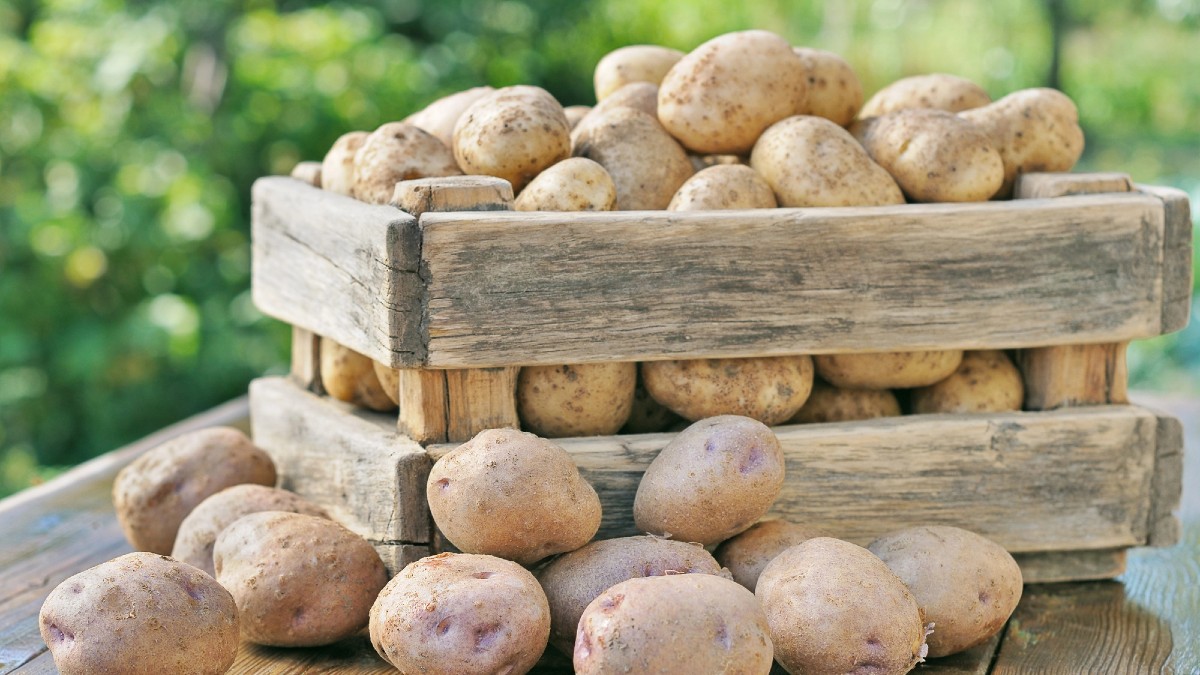
Organic potato cultivation presents storage and quality challenges that affect consumers long after harvest. Without synthetic sprout inhibitors, organic potatoes develop eyes and green spots more quickly.
This rapid deterioration forces growers to rely heavily on copper-based fungicides. Repeated copper applications build up in the soil over time, creating environmental concerns.
The metal persists for years and can affect beneficial soil organisms. Some organic farms now show copper levels that exceed recommended agricultural limits.
Storage life differs significantly between the two farming approaches. Conventional potatoes maintain quality for months using controlled sprouting agents.
Organic varieties often reach markets with shorter shelf lives, leading to more frequent spoilage and food waste at both retail and household levels.
3. Strawberries
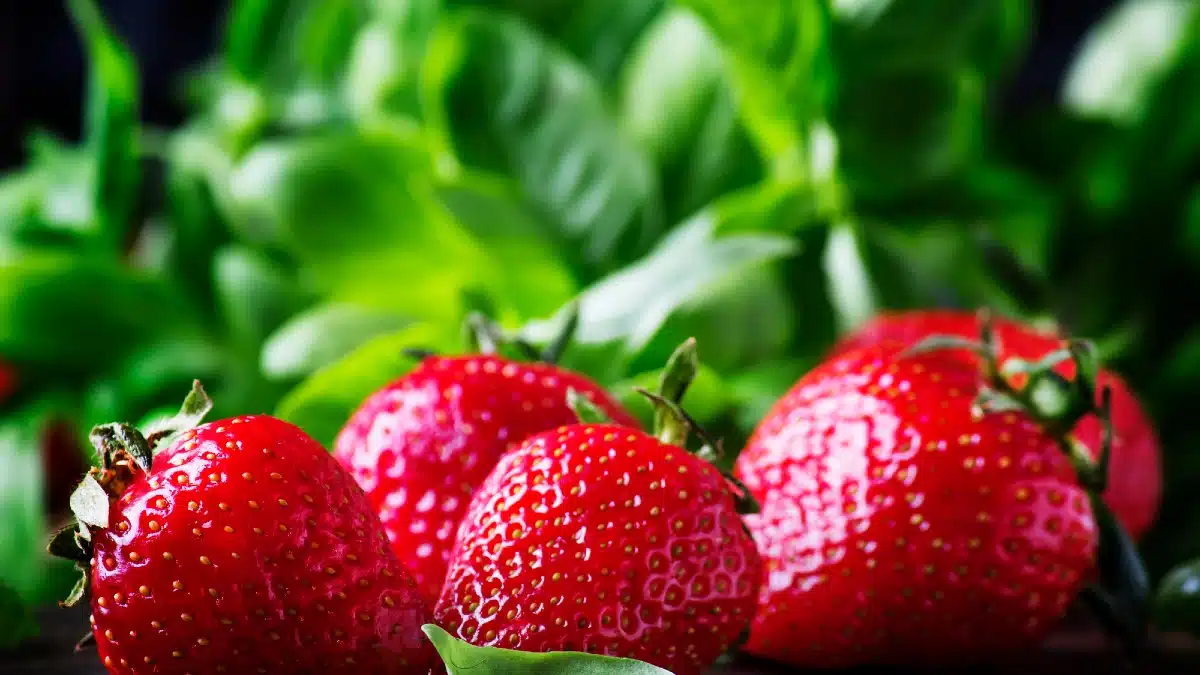
Sweet strawberries present unique challenges for organic growers fighting fungal diseases. Without synthetic fungicides, these delicate fruits become vulnerable to mold and rot.
Spoilage rates increase dramatically, especially in humid growing regions. Shorter shelf life means organic strawberries often arrive at stores already showing signs of deterioration.
Consumers frequently find themselves discarding moldy berries within days of purchase. This rapid spoilage contributes to significant food waste throughout the supply chain.
Fungal contamination can produce natural toxins that washing cannot remove. Some molds create compounds more concerning than synthetic pesticide residues found on conventional berries.
The trade-off between avoiding synthetic chemicals and preventing natural toxins creates complex decision-making for health-conscious consumers.
4. Apples
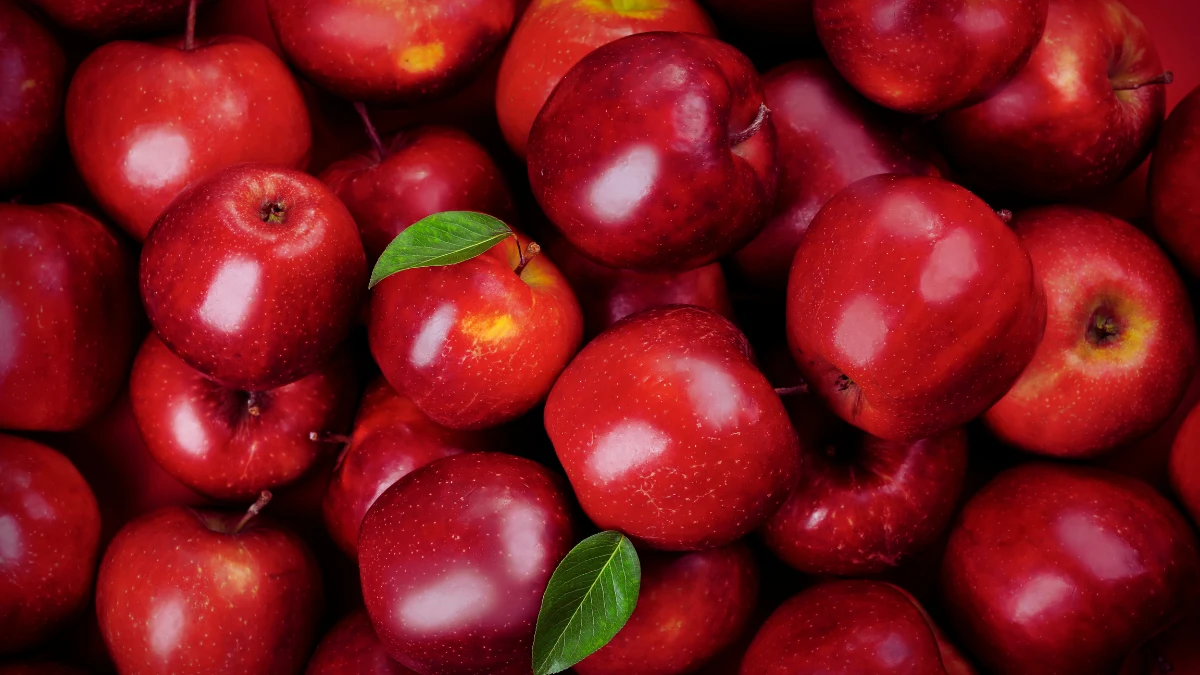
Crisp apples grown organically face constant battles with insect pests and fungal diseases. Without synthetic treatments, orchards experience higher rates of cosmetic damage from apple maggots, codling moths, and other insects.
Surface blemishes and brown spots become common features. Visual quality issues lead to higher rejection rates at packing facilities.
Many organic apples that would otherwise be nutritious get diverted to juice production or discarded entirely. This waste affects both economic efficiency and environmental sustainability.
Nutritional content shows little meaningful difference between organic and conventional apples. Vitamin C levels, antioxidant capacity, and mineral content remain largely similar regardless of growing method.
The choice often comes down to personal preferences about appearance, cost, and farming philosophy rather than nutritional advantages.
5. Broccoli
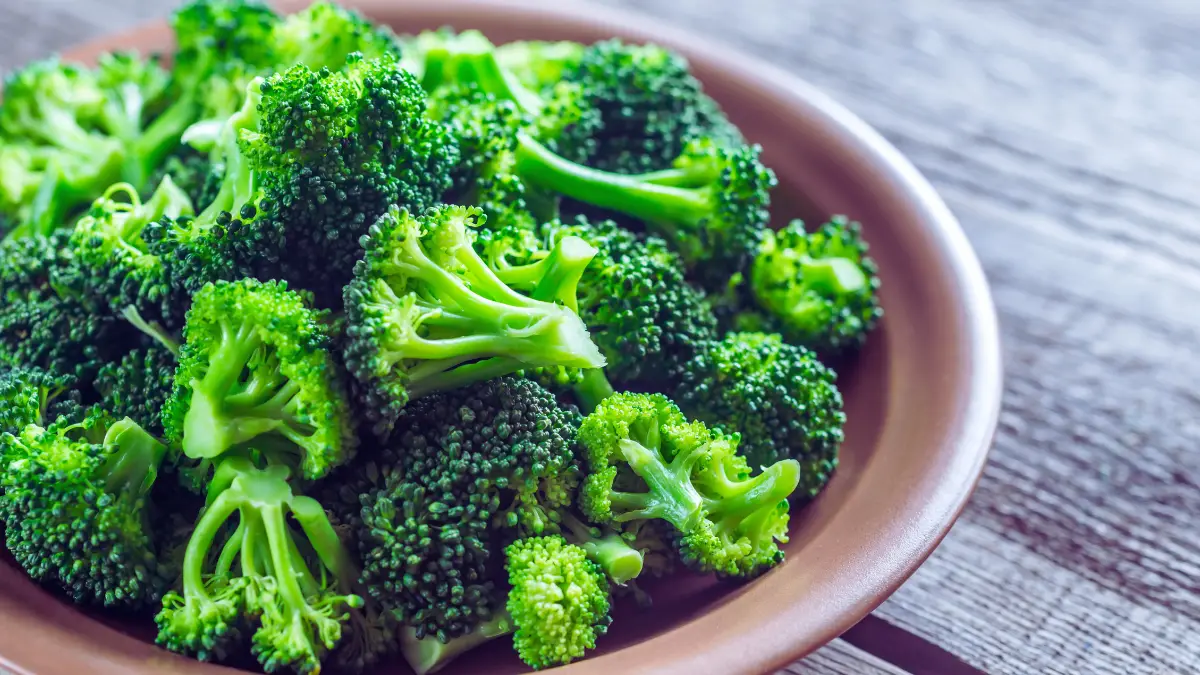
Green broccoli heads face severe pest pressure without synthetic insecticides. Cabbage worms, aphids, and flea beetles can devastate organic crops, reducing both yield and quality.
Damaged florets often harbor insects that are difficult to remove completely. Nitrogen limitations in organic systems affect the development of glucosinolates, the sulfur compounds that give broccoli its cancer-fighting reputation.
These beneficial compounds form when plants have adequate nitrogen availability during critical growth periods.
Harvest timing becomes more critical with organic broccoli since natural pest control methods work more slowly than synthetic alternatives.
Delayed harvesting can result in overripe heads with tough stems and opened flower buds, reducing both nutritional value and consumer appeal.
6. Soybeans
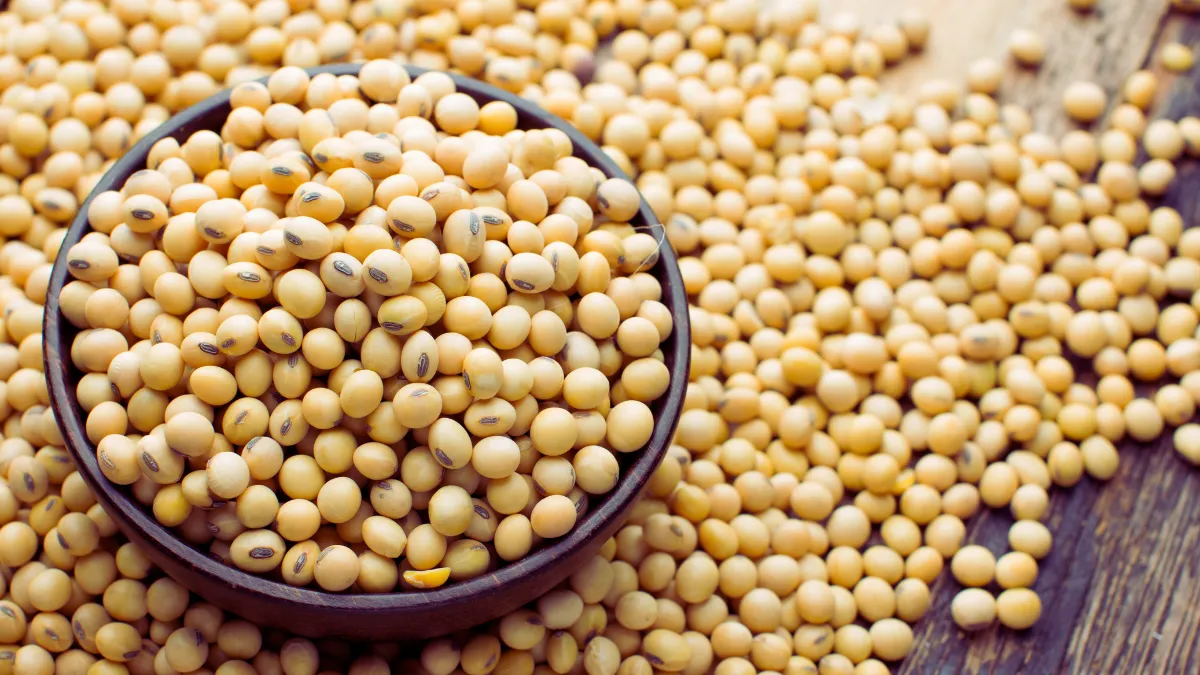
Protein-rich soybeans grown organically often contain lower protein concentrations than conventional varieties. Nitrogen availability limits protein synthesis during pod development.
This reduction affects both human food products and animal feed applications. Antinutrients like phytic acid tend to be higher in organic soybeans.
These compounds bind to minerals like iron, zinc, and calcium, reducing their absorption in the digestive system. The effect is particularly concerning for vegetarians who rely on soy as a primary protein source.
Processing costs increase when protein content varies significantly between batches. Food manufacturers prefer consistent protein levels for products like tofu, tempeh, and soy milk.
Lower protein content means more soybeans are needed to achieve the same nutritional targets, affecting both cost and sustainability.
7. Corn
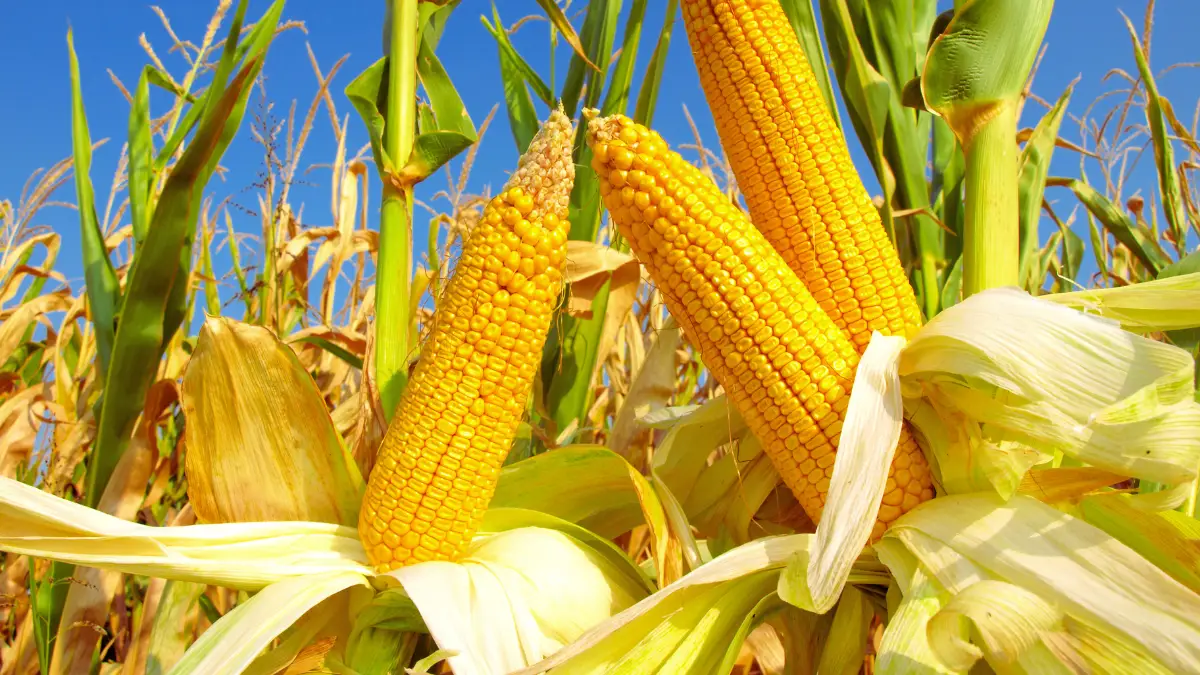
Golden kernels grown through organic methods face serious mycotoxin contamination issues. Organic corn shows higher fumonisin levels (carcinogenic mycotoxins) due to ineffective natural pest control against corn borers.
Insect damage creates entry points for dangerous fungi that produce these carcinogenic compounds. Corn borers tunnel through stalks and ears, leaving behind wounds that become infection sites.
Natural pesticides often prove insufficient against heavy infestations during peak growing seasons. Storage conditions compound the problem since organic corn reaches facilities with existing fungal contamination.
Temperature and moisture control become critical, but damage has already occurred in the field. Consumers face higher exposure risks to these naturally occurring toxins that can cause liver damage and other health problems over time.
8. Rice
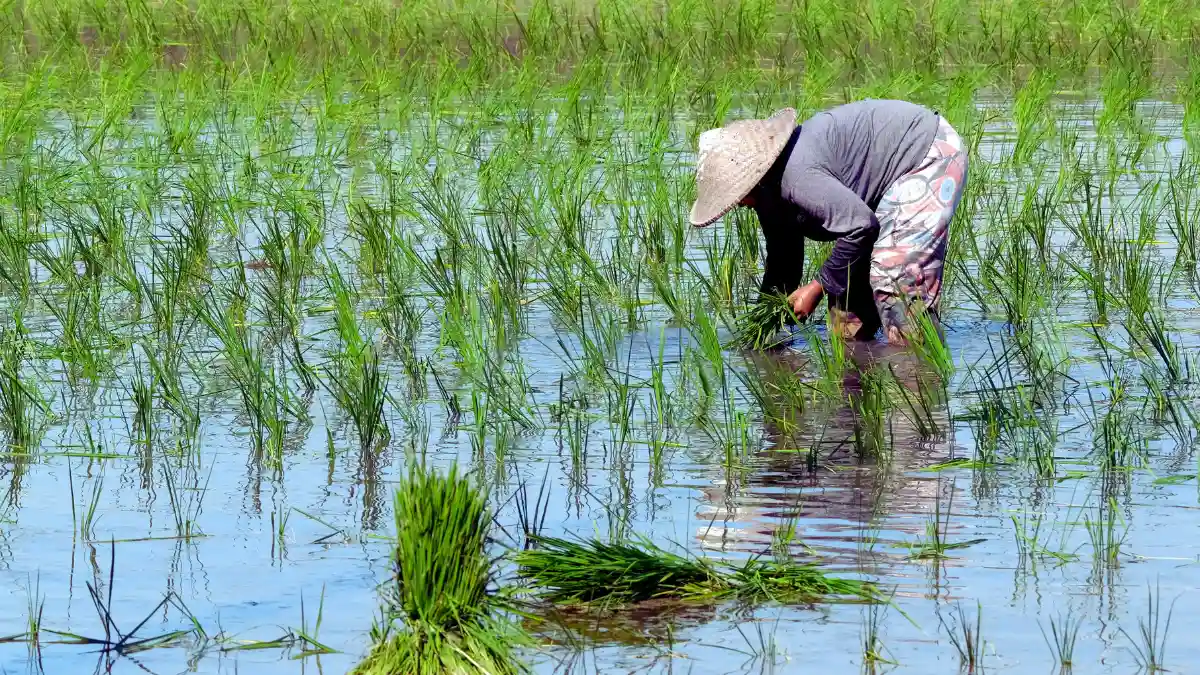
White and brown rice varieties show similar arsenic accumulation regardless of farming method. Soil composition and water management practices determine uptake levels more than organic versus conventional approaches.
Flooded paddies concentrate naturally occurring arsenic from groundwater sources. Yield differences create environmental concerns that many consumers overlook.
Organic rice production requires 25 to 30 percent more land and water resources to achieve the same output, according to MDPI. This inefficiency puts pressure on natural ecosystems and water supplies in rice-growing regions.
Processing and storage present additional challenges for organic rice farmers. Without synthetic preservatives, stored grain becomes vulnerable to insect infestations and mold growth.
Quality degradation happens faster, leading to economic losses and potential food safety issues throughout the supply chain.
9. Mushrooms
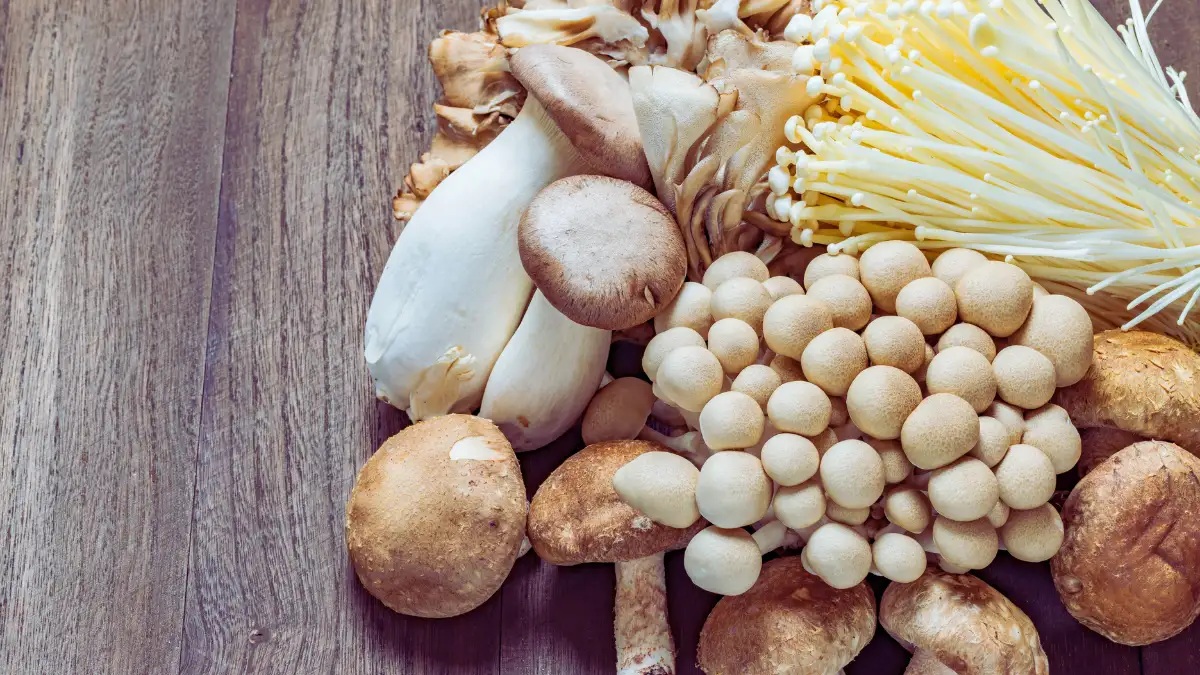
Cultivated varieties like shiitake concentrate heavy metals from their growing mediums at concerning rates. Lead and cadmium accumulation reach higher levels in organic mushrooms compared to conventional production.
Growing substrates used in organic operations often contain these contaminants from natural sources. Conventional mushroom production rarely requires pesticide applications, making the organic premium questionable.
Controlled indoor environments eliminate most pest issues naturally. Temperature, humidity, and sanitation protocols provide adequate protection against contamination and disease problems.
Nutritional profiles remain virtually identical between organic and conventional mushrooms. Protein content, B vitamins, and mineral levels show no meaningful differences.
The choice between systems comes down to personal preference rather than health benefits, while cost differences can be substantial for regular consumers.
10. Grapes
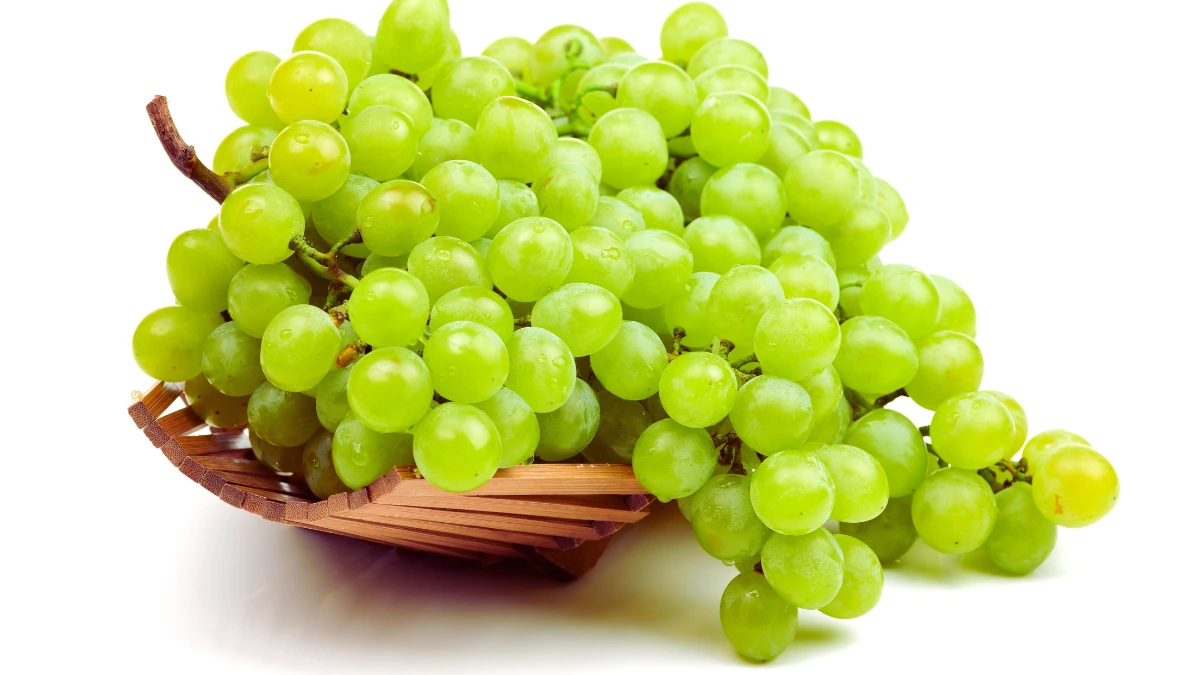
Purple and green varieties demonstrate reduced antioxidant levels under organic growing conditions. Resveratrol concentrations drop when plants experience less stress from targeted pest management.
Sulfur applications reach excessive levels in organic vineyards, often five times higher than conventional operations.
This elemental sulfur causes soil acidification over time, affecting root health and nutrient uptake. Long-term soil damage becomes a serious environmental concern in wine-growing regions.
Harvest quality varies significantly due to inconsistent pest control effectiveness. Organic grapes often show more insect damage, fungal infections, and uneven ripening patterns.
These quality issues affect both fresh consumption and wine production, leading to higher rejection rates during processing and sorting operations.
11. Basil
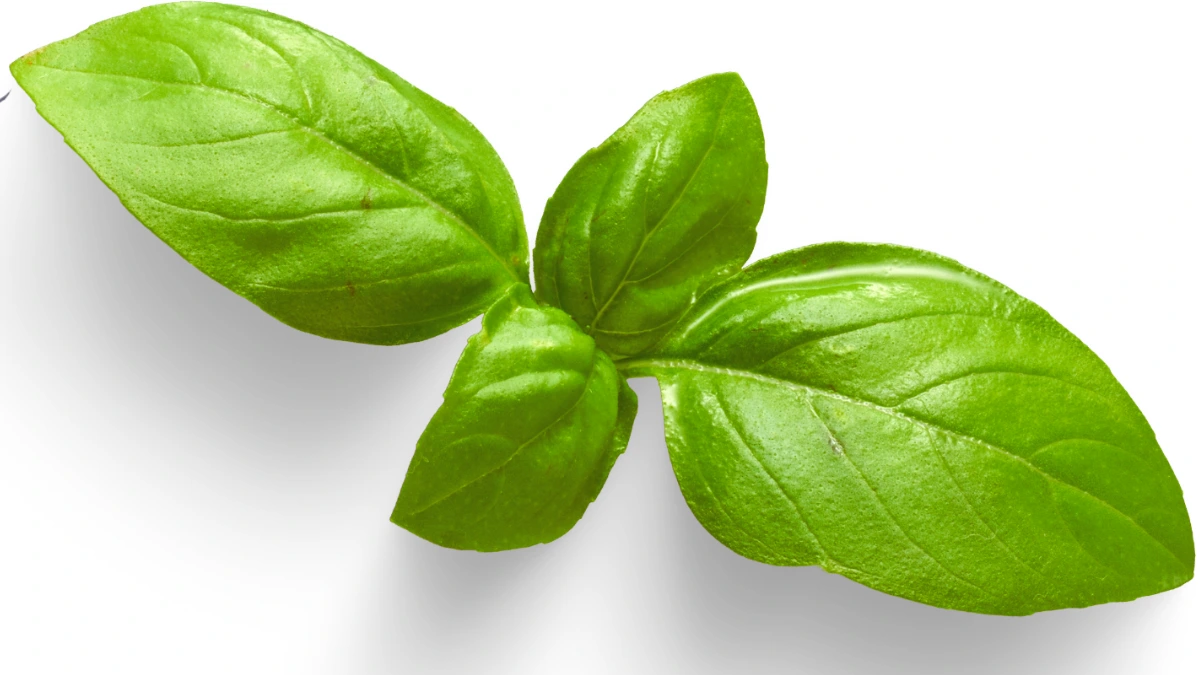
Fresh herbs grown organically exhibit unpredictable essential oil concentrations that affect flavor and aroma. According to NIH, linalool and other key compounds fluctuate by 30 to 50 percent depending on pest pressure and growing conditions. This variability creates challenges for culinary applications and commercial processing.
Leaf surface texture differs between organic and conventional basil varieties. Ruffled organic leaves provide more surface area for bacterial attachment and retention.
Washing becomes less effective at removing contaminants from these complex leaf structures compared to smoother conventional varieties.
Storage life decreases significantly without synthetic preservation methods. Organic basil wilts faster and develops black spots within days of harvest.
Restaurants and home cooks face higher spoilage rates, leading to increased food waste and more frequent purchasing requirements for consistent kitchen supplies.