You stepped on the scale this morning and couldn’t believe the number staring back at you. Despite eating the same foods and staying active, the pounds continue to creep on since menopause began. Your clothes feel tighter, your energy feels lower, and nothing seems to work as well as it used to.
This weight gain isn’t your fault. Hormonal changes during menopause slow your metabolism and change how your body stores fat.
The good news? Gynecologists have identified 9 proven strategies that can help restart your metabolism and get your body working with you again, not against you.
1. Increase Protein Intake
Photo Credit: Depositphotos
Women lose muscle mass as estrogen levels drop during menopause. This decline slows your metabolism since muscle tissue burns more calories at rest than fat tissue.
Higher protein consumption helps preserve existing muscle and can even help build new muscle when combined with exercise.
Your body also works harder to digest protein compared to carbs or fats. This process, called the thermic effect of food, burns extra calories.
Protein keeps you feeling full longer, which naturally reduces snacking and overeating throughout the day.
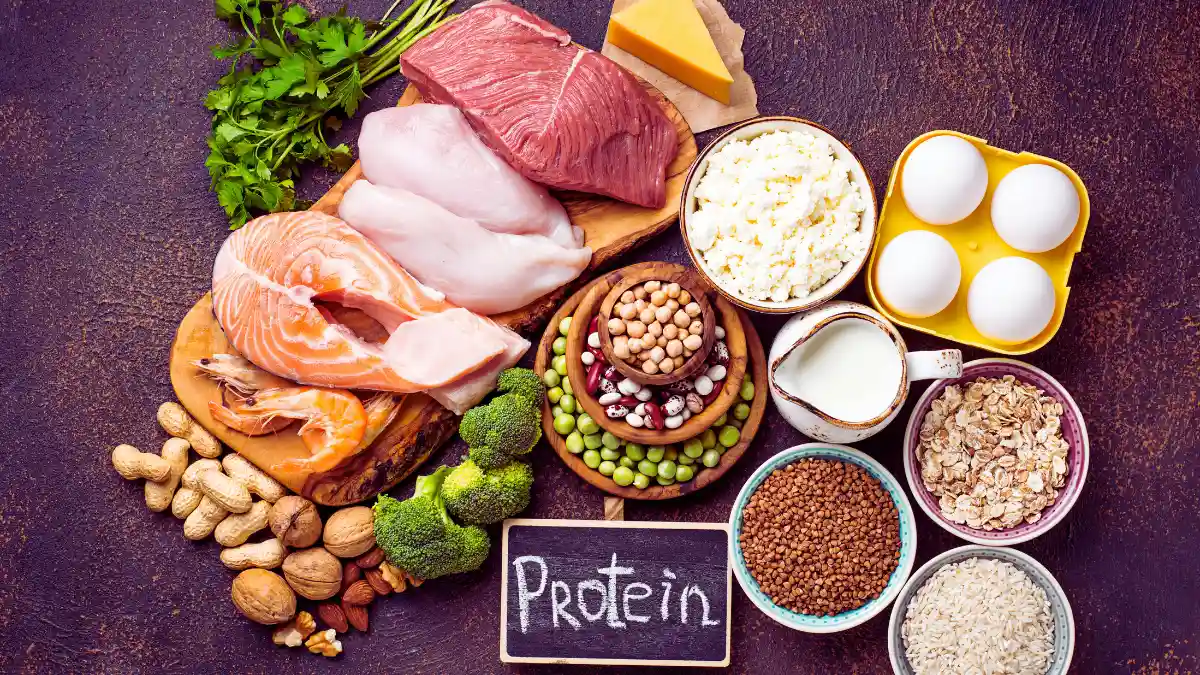
Aim for 25-30 grams of protein per meal. Good sources include lean meats, fish, eggs, Greek yogurt, beans, and quinoa.
Spreading protein across all meals helps your body use it more effectively than eating large amounts at once.
2. Prioritize Strength Training
Photo Credit: Depositphotos
Resistance exercise becomes crucial after menopause because it directly fights muscle loss. Lifting weights, using resistance bands, or doing bodyweight exercises like push-ups and squats all count.
Even small increases in muscle mass can boost your daily calorie burn significantly. Strength training also improves bone density, which often declines after menopause.
Strong bones and muscles work together to keep you active and prevent injuries. Regular resistance work can also help improve insulin sensitivity, making it easier to maintain a healthy weight.
Start with two to three sessions per week, focusing on major muscle groups. You don’t need heavy weights to see benefits.
Consistency matters more than intensity when you’re beginning. Progressive overload means gradually increasing weight, reps, or sets over time.
3. Choose a Mediterranean-Style Diet
Photo Credit: Depositphotos
This eating pattern emphasizes whole foods that naturally support metabolism and reduce inflammation.
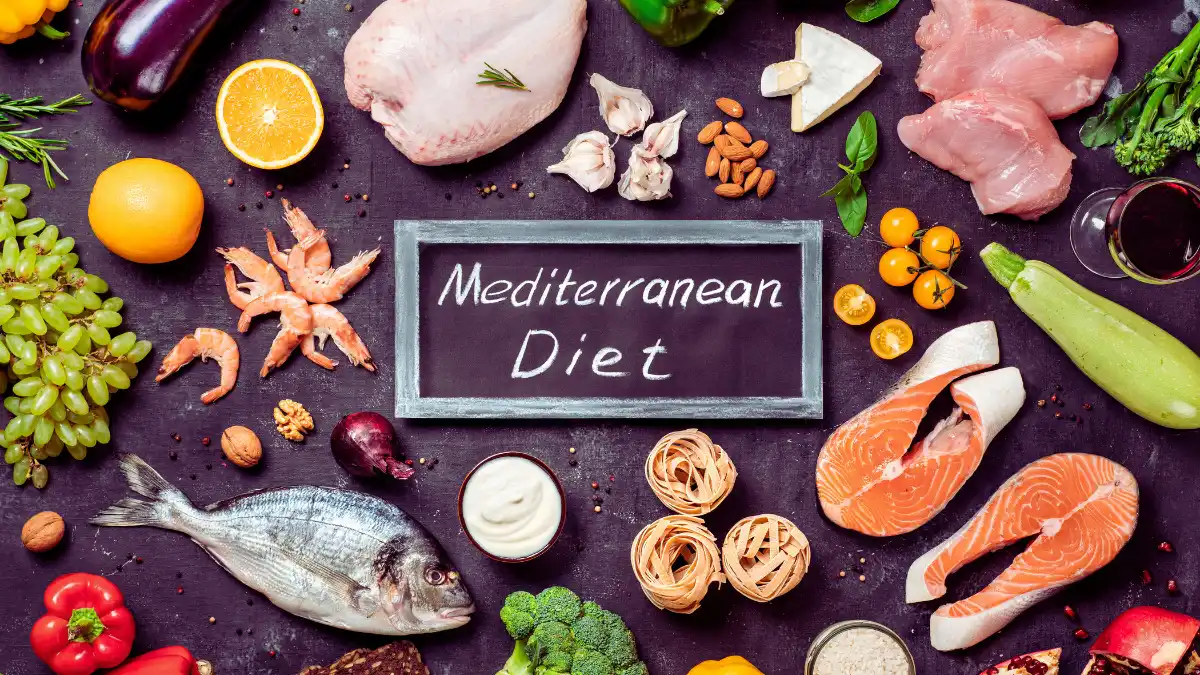
The Mediterranean approach includes plenty of vegetables, fruits, whole grains, fish, and healthy fats like olive oil and nuts. These foods provide steady energy without causing blood sugar spikes.
Anti-inflammatory foods in this diet help combat the chronic inflammation that often increases during menopause.
Chronic inflammation can interfere with hormones that regulate hunger and metabolism. The healthy fats from olive oil, fish, and nuts support hormone production and help you feel satisfied.
Mediterranean eating also limits processed foods, refined sugars, and excessive red meat. These foods can worsen insulin resistance and promote weight gain around the midsection. Focus on preparing meals with fresh ingredients and using herbs and spices for flavor instead of salt.
4. Manage Stress and Sleep
Photo Credit: Depositphotos
Poor sleep and chronic stress create a perfect storm for weight gain after menopause. Both conditions raise cortisol levels, which promote fat storage, especially around your waist.
Cortisol also increases appetite and cravings for high-calorie comfort foods. Sleep deprivation disrupts hormones that control hunger and fullness.
Ghrelin, which signals hunger, increases when you’re tired, while leptin, which signals fullness, decreases. This imbalance makes it much harder to stick to healthy eating habits and portion sizes.
Quality sleep requires a consistent bedtime routine and a cool, dark room. Stress management techniques like deep breathing, meditation, or gentle yoga can help lower cortisol levels.
Even short walks or listening to calming music can make a difference in how your body responds to daily stressors.
5. Address Hormonal Changes and Insulin Resistance
Photo Credit: Depositphotos
Estrogen decline during menopause fundamentally changes how your body processes and stores energy. Lower estrogen levels shift fat storage from hips and thighs to the abdominal area, creating the “menopause belly” many women experience.
This abdominal fat is particularly stubborn and increases health risks. Insulin resistance often develops alongside these hormonal changes.
Your cells become less responsive to insulin, making it harder to control blood sugar and easier to store calories as fat. This creates a cycle where weight gain becomes increasingly difficult to reverse through diet alone.
A comprehensive review in the journal Metabolites found that estrogen deficiency leads to lipid metabolic disorders, increased visceral fat, and a higher risk of metabolic syndrome.
The study emphasizes preventing muscle loss as key to addressing postmenopausal weight gain. Working with healthcare providers to monitor hormonal changes and consider appropriate interventions can help break this cycle.
6. Boost Fiber Intake
Photo Credit: Depositphotos
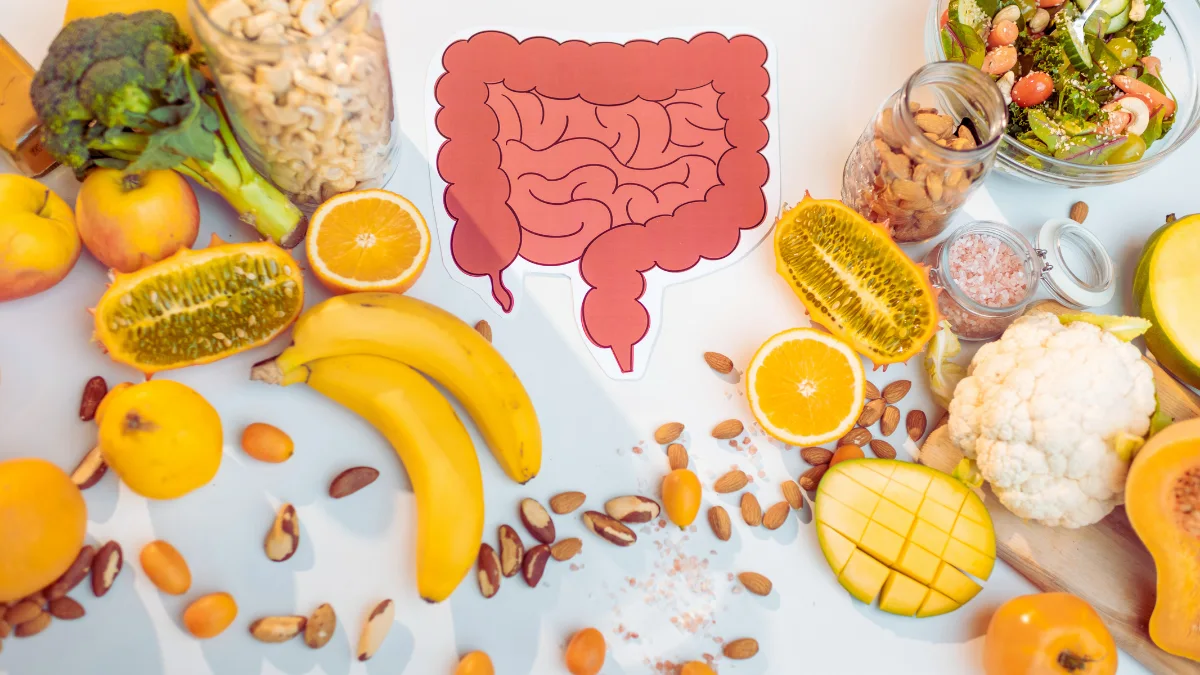
Soluble fiber slows digestion and helps you feel full longer, naturally reducing calorie intake. It also feeds beneficial gut bacteria, which play a role in metabolism and weight regulation.
Most women need about 25 grams of fiber daily, but many fall short of this target. High-fiber foods like vegetables, fruits, beans, and whole grains require more energy to digest.
This means you burn more calories processing these foods compared to refined alternatives. Fiber also helps stabilize blood sugar levels, preventing energy crashes that lead to overeating.
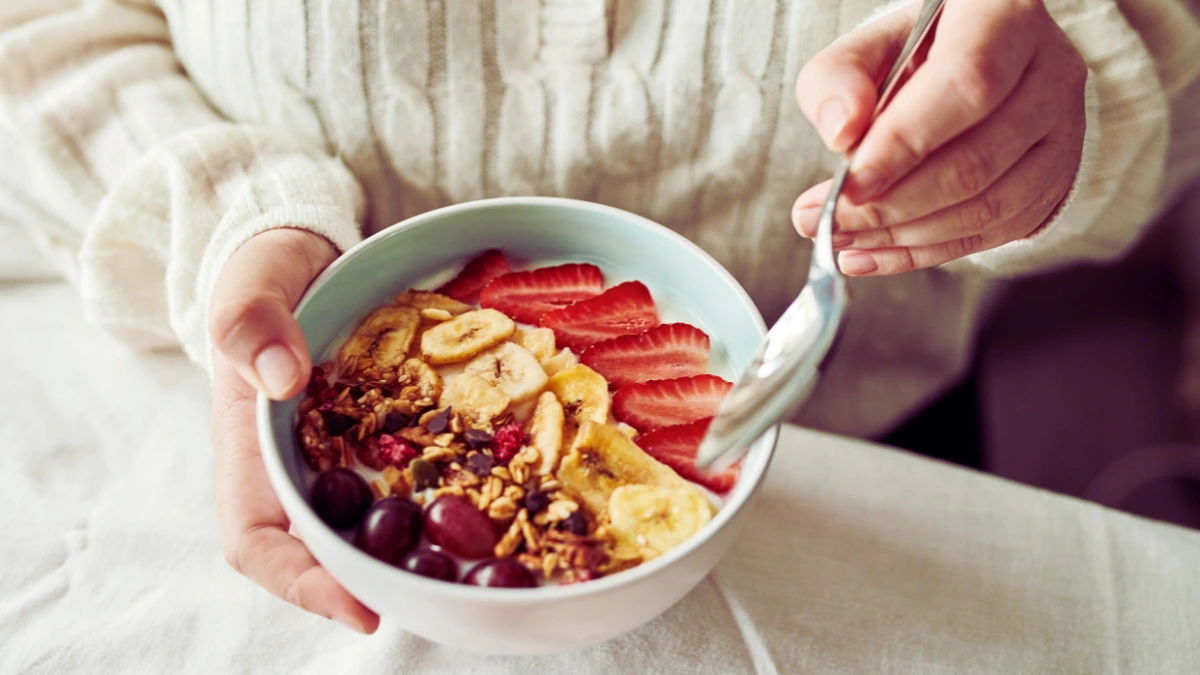
Increase fiber gradually to avoid digestive discomfort. Add berries to breakfast, choose whole grain bread over white, and include vegetables at every meal.
Drinking plenty of water becomes more important as you increase fiber intake to help it work effectively in your digestive system.
7. Consider Probiotics for Gut Health
Photo Credit: Depositphotos
Menopause can alter the balance of bacteria in your gut, potentially slowing metabolism and affecting weight regulation.
A healthy gut microbiome helps extract nutrients from food efficiently and may influence how your body stores fat. Certain bacterial strains can even help with weight management.
Probiotic foods like yogurt, kefir, sauerkraut, and kimchi introduce beneficial bacteria to your digestive system. These foods also tend to be nutrient-dense and lower in calories than processed alternatives.
Prebiotic foods like garlic, onions, and asparagus feed existing good bacteria. Gut health connects to overall inflammation levels in your body.
A balanced microbiome may help reduce the chronic inflammation that contributes to weight gain during menopause.
While supplements are available, getting probiotics from food sources also provides other nutrients that support overall health.
8. Try Green Tea Extract
Photo Credit: Depositphotos
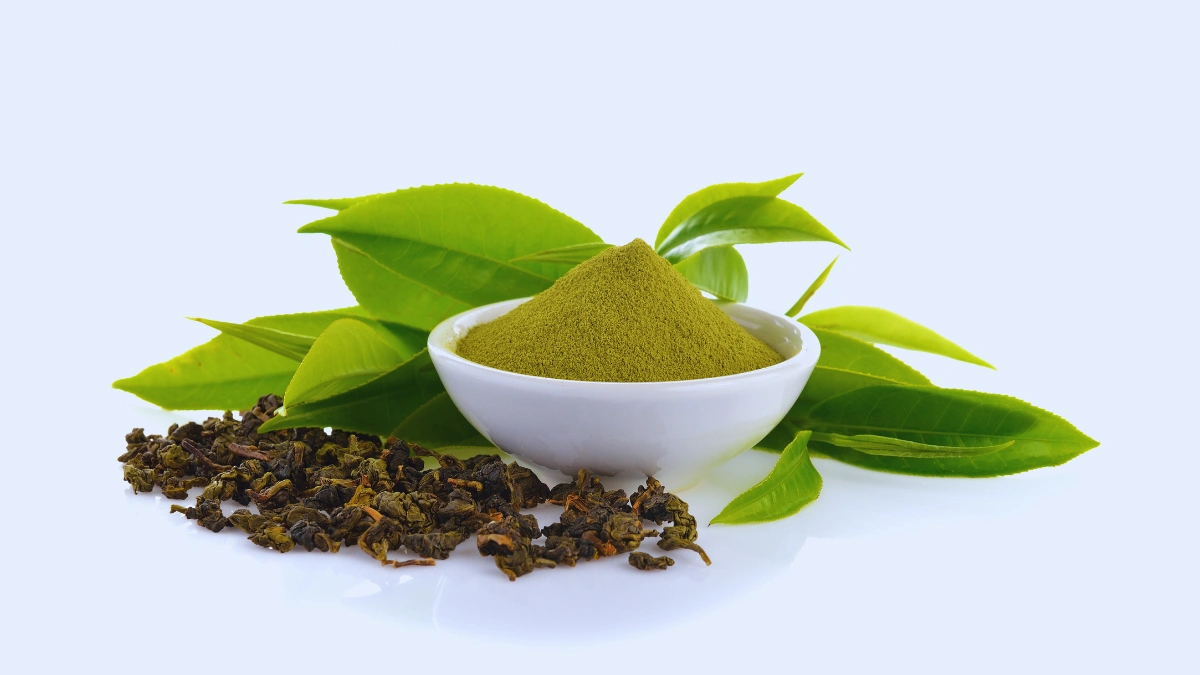
Green tea contains compounds called catechins that may help boost metabolism and support fat burning. The most studied catechin, EGCG, appears to increase energy expenditure and may be particularly effective for reducing abdominal fat. Green tea also provides a modest amount of caffeine, which can enhance these effects.
Research specifically on postmenopausal women shows promising results. A clinical study found that supplementing with green tea extract for 60 days led to reduced waist circumference and improvements in metabolic markers. Women in the study saw measurable changes in body composition without making other major lifestyle changes.
You can get these benefits from drinking green tea regularly or taking standardized extracts. Three to four cups of green tea daily provide therapeutic amounts of catechins.
If you choose supplements, look for products standardized for EGCG content and take them between meals for better absorption.
9. Stay Consistently Active
Photo Credit: Depositphotos
Regular movement becomes even more important after menopause because it directly counters the natural slowing of metabolism with age.
Aerobic exercise burns calories during the activity and can keep your metabolism elevated for hours afterward. Even moderate activities like brisk walking make a difference.
Combining different types of exercise provides the best results. Cardio exercises like swimming, cycling, or dancing improve heart health and burn calories.
Strength training builds muscle mass that burns calories around the clock. Flexibility work, like yoga or stretching, helps prevent injuries that could derail your routine.
Consistency trumps intensity for long-term success. Find activities you enjoy so you’re more likely to stick with them.
Even 30 minutes of movement most days can help maintain a healthy weight and improve overall well-being during menopause and beyond.