

You probably think your diet is pretty healthy. You skip the donuts at work. You eat salads sometimes. You’re doing fine.
You might be consuming foods every single day that are accelerating your aging process. And you don’t even know it.
Your skin looks older than it should. Your energy crashes by 2 PM. Your joints hurt more than they used to. These aren’t just random problems. They’re connected to what you eat.
A groundbreaking 2025 study from the University of Jyväskylä tracked 826 young adults between the ages of 21-25. The researchers used something called “epigenetic clocks” to measure biological age.
What they found was shocking: people eating diets high in fast food, processed meat, and sugary drinks were biologically older than their actual age. Meanwhile, those who eat more fruits and vegetables? Their bodies were aging more slowly.
You could be 35 but have the cells of a 45-year-old. Or you could be 50 with the body of a 40-year-old. Your food choices decide which one you become.
Let me show you the 16 biggest mistakes people make. And more importantly, how to fix them.
1. You’re Eating Too Much Sugar (And It’s Destroying Your Skin)
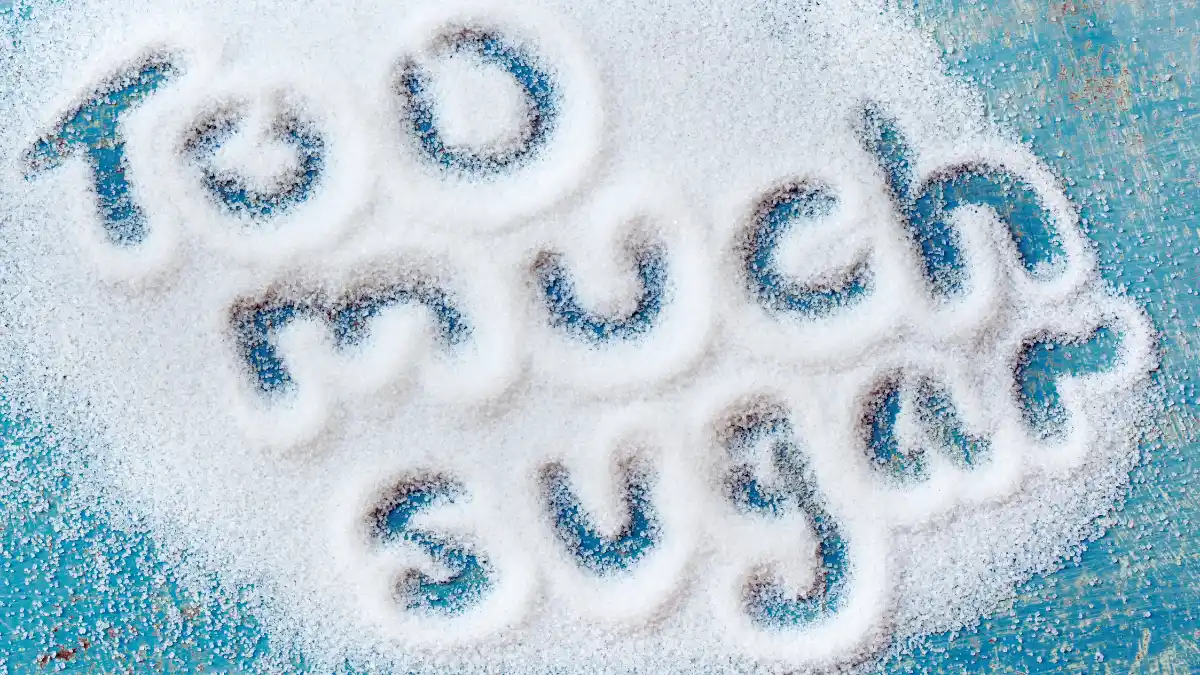
Sugar doesn’t just make you fat. It makes you look old.
Here’s what happens inside your body: Sugar molecules stick to proteins in your skin. This creates something called Advanced Glycation End Products, or AGEs.
Think of it like rust forming on metal. AGEs make your collagen stiff and brittle. Your skin loses its bounce. Wrinkles show up earlier. Your face starts to sag.
But here’s what really scared me: sugar also shortens your telomeres. These are like little caps on the ends of your DNA. When they get too short, your cells can’t repair themselves anymore. That’s aging at the DNA level.
The good news? Controlling your blood sugar for just four months can cut glycosylated collagen by 25%. Your body can bounce back.
Start here: Cut added sugars to less than 10% of your daily calories. That’s about 50 grams for most people. Check labels. Sugar hides in everything from pasta sauce to “healthy” granola bars.
2. Your Daily Wine Habit Is Aging Your Face

I get it. You like your evening glass of wine. Or two. Or three.
But alcohol is a diuretic. That means it pulls water out of your body. Your skin dries out. Fine lines appear. Dark circles get darker. Your face looks puffy in the morning.
Worse, alcohol stops your body from making collagen properly. Remember collagen? It’s what keeps your skin firm. Without it, everything starts to droop.
And here’s something most people don’t know: alcohol raises your blood sugar. That creates more of those AGEs we just talked about. Double trouble.
People who quit drinking notice changes in 2-4 weeks. Their skin looks brighter. Puffiness goes down. Fine lines soften.
Try this: For every drink, have a full glass of water. Better yet, limit yourself to 7 drinks per week total. Your face will thank you.
3. You’re Not Eating Enough Protein
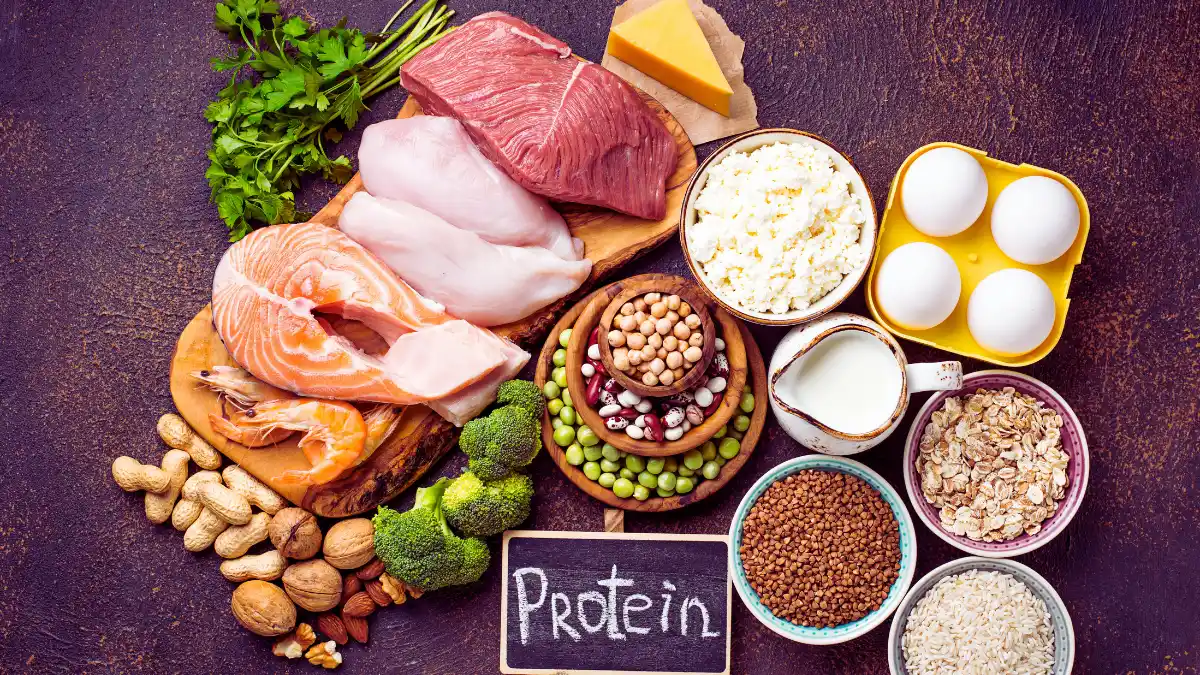
Your muscles are disappearing. Right now. As you read this.
It’s called sarcopenia. After age 30, you lose 3-8% of your muscle mass every decade. By age 60, about 30% of people have it. By age 80? It’s 50%.
Why does this matter? Muscle is the organ of longevity. Less muscle means you’re weaker. You fall more easily. You can’t do the things you love. You age faster.
The problem? Most people don’t eat enough protein. Around 46% of adults over 51 fall short of their protein needs.
Here’s what older adults actually need: 25-30 grams of high-quality protein per meal. Not just at dinner. At every meal.
That’s roughly:
- 4 ounces of chicken breast
- 5 large eggs
- 1.5 cups of Greek yogurt
- 6 ounces of fish
A 70kg person (about 154 pounds) needs 70-84 grams of protein every day. More if you’re active or recovering from illness.
Don’t skip breakfast. Don’t just eat a salad for lunch. Get protein at every meal.
4. Trans Fats Are Quietly Destroying You
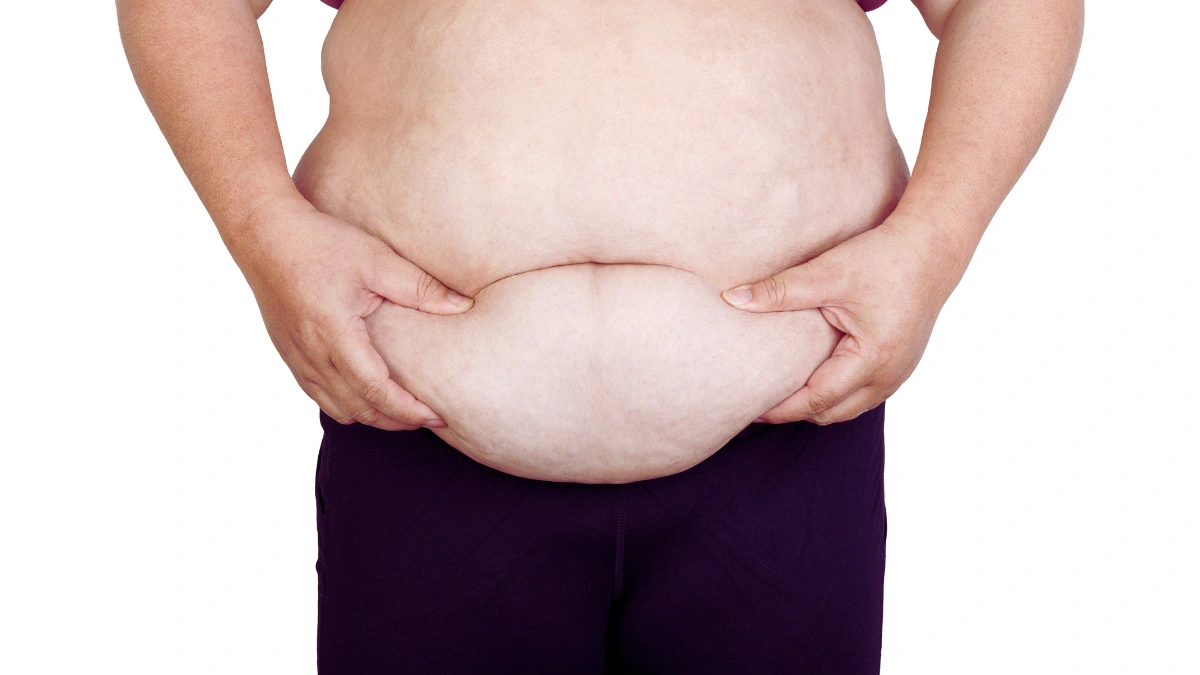
Trans fats are poison. I don’t say that lightly.
These are the partially hydrogenated oils in packaged baked goods, fried foods, and margarine. They increase inflammation throughout your entire body. They damage the lining of your blood vessels. They mess with your cholesterol.
Trans fats raise inflammatory markers by 12% in just 16 weeks. Inflammation is linked to pretty much every disease of aging: heart disease, diabetes, arthritis, and dementia.
Even worse, a 2% increase in trans fat intake raises your heart disease risk by 23%. That’s huge.
The FDA banned artificial trans fats in 2018. But they’re still in older products. And restaurants can still use them.
Check labels for “partially hydrogenated oil.” If you see it, put it back. Cook with olive oil, avocado oil, or real butter instead.
5. You’re Low on Antioxidants
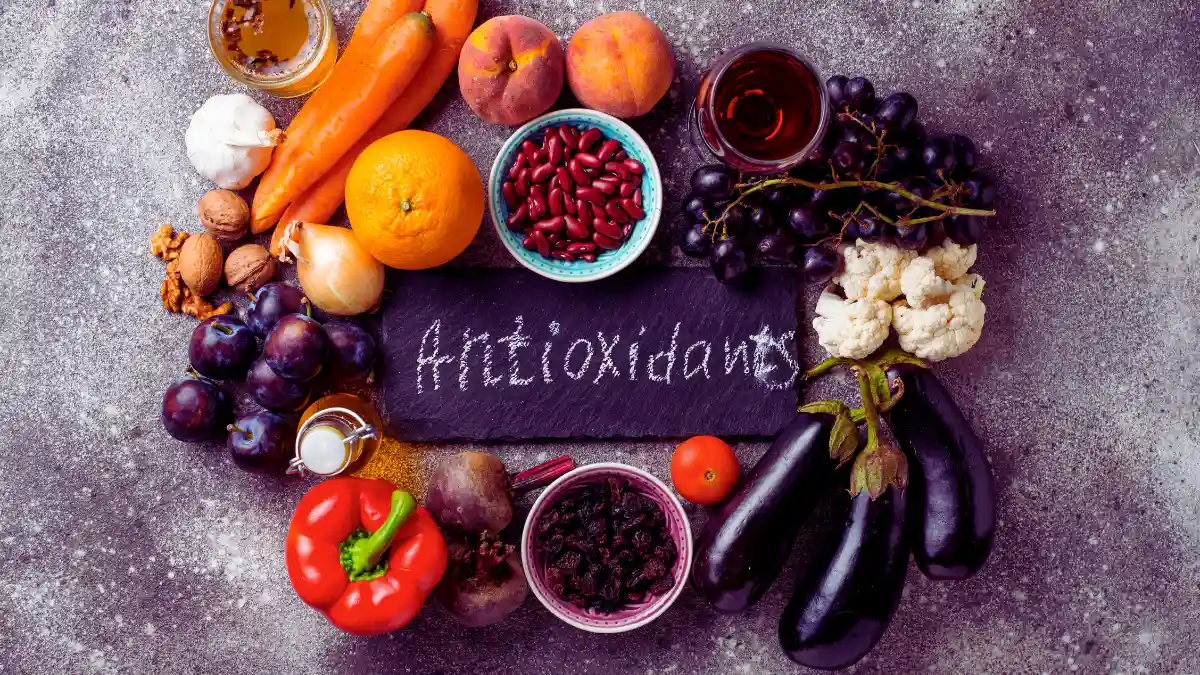
Free radicals are attacking your cells right now. They damage your DNA, break down your collagen, and speed up aging.
Your body makes antioxidants to fight back. But as you age, you make less. You need to get them from food.
Vitamins C and E are your first line of defense. Vitamin C stops free radicals in your blood. It helps make collagen. It protects your skin from sun damage. Vitamin E protects your cell membranes from oxidation.
There’s also Coenzyme Q10. Your body makes it naturally. But levels drop as you age. Low CoQ10 is linked to chronic diseases.
In 2025, U.S. News surveyed 53 health experts about what matters most for healthy aging. These were doctors, dietitians, and researchers. Their top supplement recommendations? Vitamin D (28% chose it), multivitamins (19%), and omega-3 fatty acids (15%). The experts agreed: most people don’t get enough of these basic nutrients.
Get your antioxidants from:
- Berries (especially blueberries and strawberries)
- Dark leafy greens
- Nuts and seeds
- Dark chocolate (yes, really)
- Green tea
Eat a rainbow. Different colors mean different antioxidants.
6. Processed Foods Are Making You Old
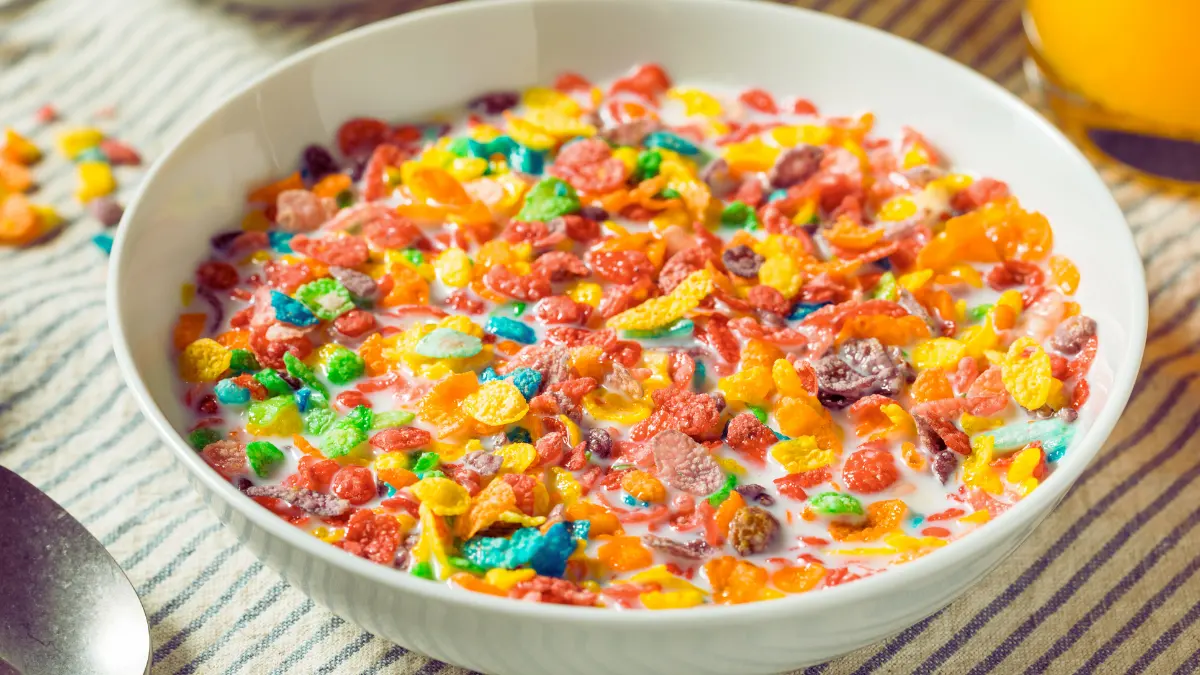
Ultra-processed foods are everywhere. They’re cheap. They’re convenient. And they’re aging you fast.
These are foods with ingredients you can’t pronounce. High fructose corn syrup. Artificial flavors. Preservatives. Emulsifiers. They’re made in factories, not kitchens.
The 2025 study I mentioned earlier? It found that young adults who eat more processed foods had faster biological aging. Even at age 21-25. That’s scary.
Processed foods drive inflammation. They spike your blood sugar. They’re loaded with sodium and damaged fats. They crowd out real food.
And here’s the thing: 30% of health experts say eating processed foods is a top mistake that speeds up aging. These are the experts. They know what they’re talking about.
Start replacing:
- Breakfast cereal → Oatmeal with berries
- Chips → Nuts or cut vegetables
- Frozen meals → Batch-cooked real food
- Candy → Fresh fruit
You don’t have to be perfect. Just start shifting toward real food.
7. You’re Not Drinking Enough Water

Dehydrated skin looks old. Period.
Water keeps your skin plump. It helps nutrients reach your cells. It flushes out toxins. When you’re dehydrated, your skin gets dry and dull. Fine lines look deeper. Your face looks tired.
Water is also essential for making collagen and elastin. These proteins keep your skin firm.
Most adults need 8-10 glasses a day. More if you exercise or drink alcohol.
But drinking water alone isn’t enough. Eat water-rich foods too:
- Cucumber
- Watermelon
- Tomatoes
- Lettuce
- Strawberries
Keep a water bottle with you. Set reminders if you have to. Your skin will look better in weeks.
8. Grilled and Fried Foods Are Loading You with AGEs
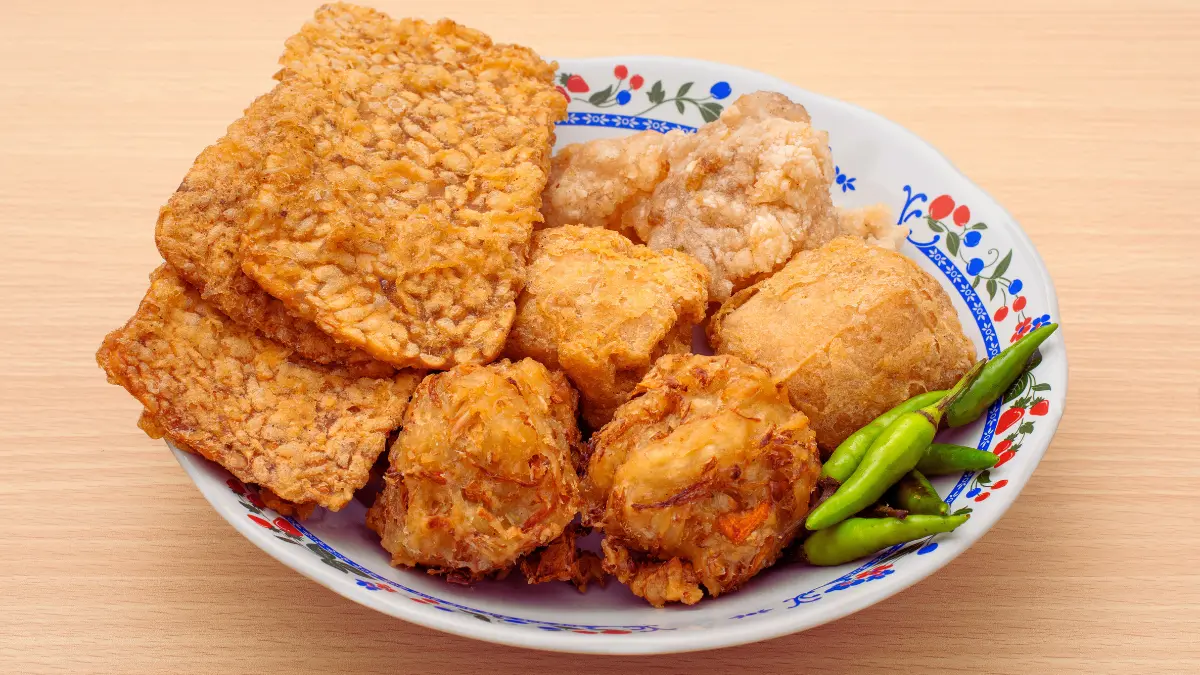
Remember those AGEs from the sugar section? You can also eat them directly.
When you cook meat at high temperatures—grilling, frying, roasting—you create tons of AGEs. Dry heat creates 10-100 times more AGEs than the raw food does.
Charred meat is the worst. That black, crispy part? It contains heterocyclic amines. These are linked to cancer and faster aging.
High-AGE diets cause inflammation. They damage your blood vessels. They speed up aging in every organ.
But here’s the good news: Change how you cook, and you can cut AGEs by up to 50%.
Use these methods instead:
- Steaming
- Boiling
- Poaching
- Slow cooking
- Braising
Marinate meat in lemon juice or vinegar before cooking. This cuts AGE formation significantly. Add herbs like rosemary and oregano. They help too.
9. Your Omega-3 Levels Are Too Low

Omega-3s are essential fats. Your body can’t make them. You have to eat them.
They reduce inflammation throughout your body. They protect your brain. They keep your joints working. They help your skin stay moist and flexible.
Low omega-3s? You’ll see more inflammation, brain fog, joint pain, and dry skin. All signs of faster aging.
Omega-3s combined with vitamin D and exercise lower your risk of cognitive decline. That’s your brain staying sharp as you age.
Best sources:
- Fatty fish (salmon, sardines, mackerel)
- Walnuts
- Flaxseeds
- Chia seeds
- Hemp seeds
Aim for fatty fish 2-3 times per week. If you don’t eat fish, consider a quality fish oil or algae supplement.
10. Too Much Salt Is Wrinkling Your Skin
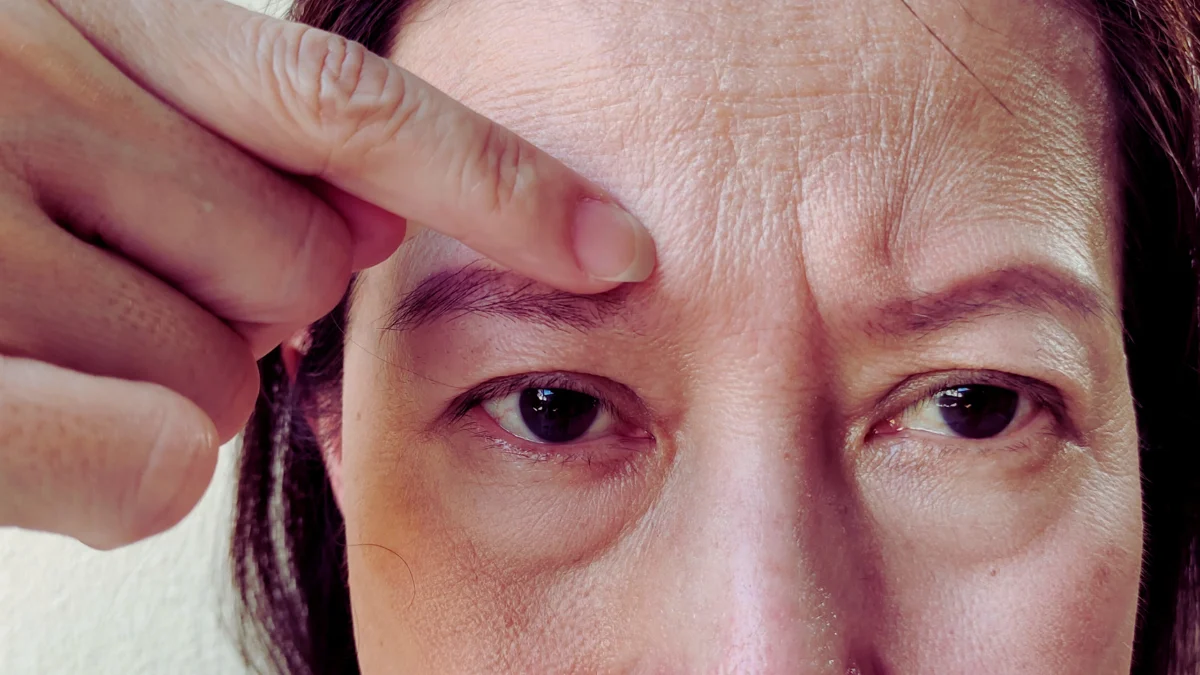
Salt pulls water out of your cells. This includes your skin cells.
The result? Dry, dehydrated skin. More wrinkles. Less elasticity. Puffy eyes and face.
High sodium also raises your blood pressure. This stresses your whole cardiovascular system. It speeds up aging from the inside out.
The problem is that most salt doesn’t come from your shaker. It’s hidden in processed foods. Bread, cheese, deli meat, canned soup, and restaurant meals. It’s everywhere.
Limit yourself to 2,300mg daily. That’s about one teaspoon. Read labels. Choose fresh foods over packaged ones.
Your skin will look better. Your blood pressure will drop. You’ll feel lighter.
11. Extreme Diets Are Backfiring
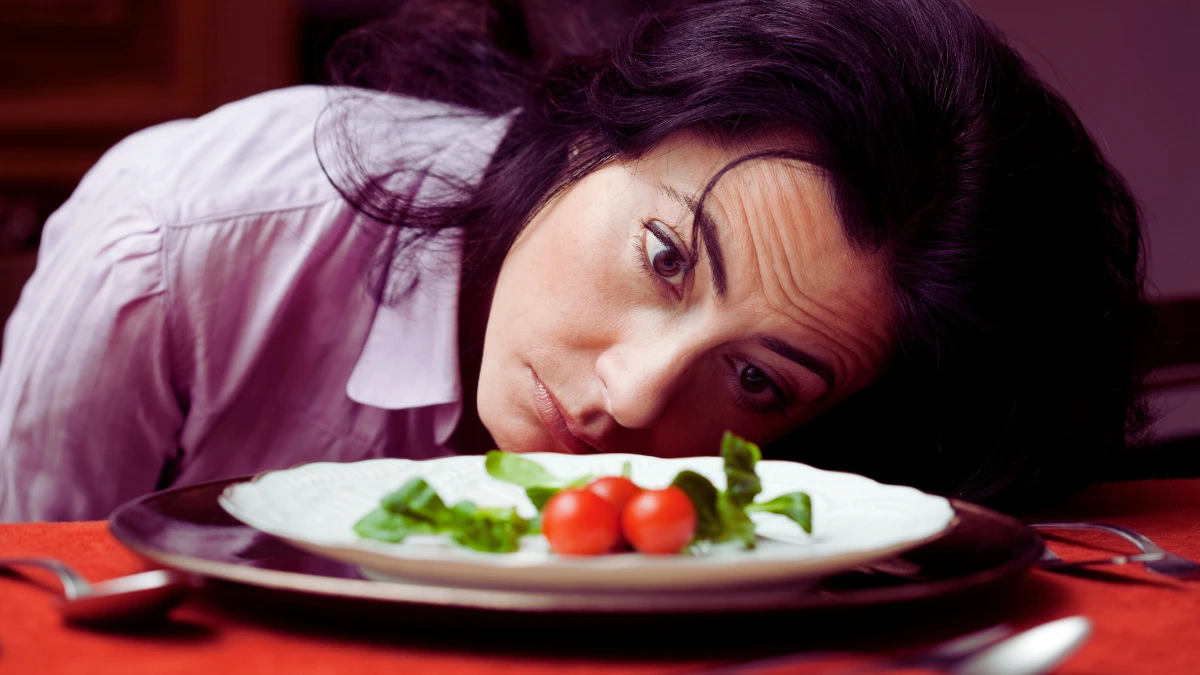
Keto. Carnivore. Juice cleanses. Whatever the latest trend is.
Extreme diets cause problems. They cut out entire food groups. You miss important nutrients. Your body goes into stress mode. You might lose muscle along with fat.
Long-term carb restriction actually promoted skin aging. The skin got thinner. Inflammation increased. Aging sped up.
Here’s the truth: No single diet is perfect for everyone. Many different eating patterns support healthy aging. Mediterranean. DASH. MIND. They all work. They all include variety.
What matters most:
- Eat whole foods
- Include lots of plants
- Get enough protein
- Don’t eliminate entire food groups
Forget the extreme diets. Focus on balance and variety.
12. You’re Not Eating Your Vegetables
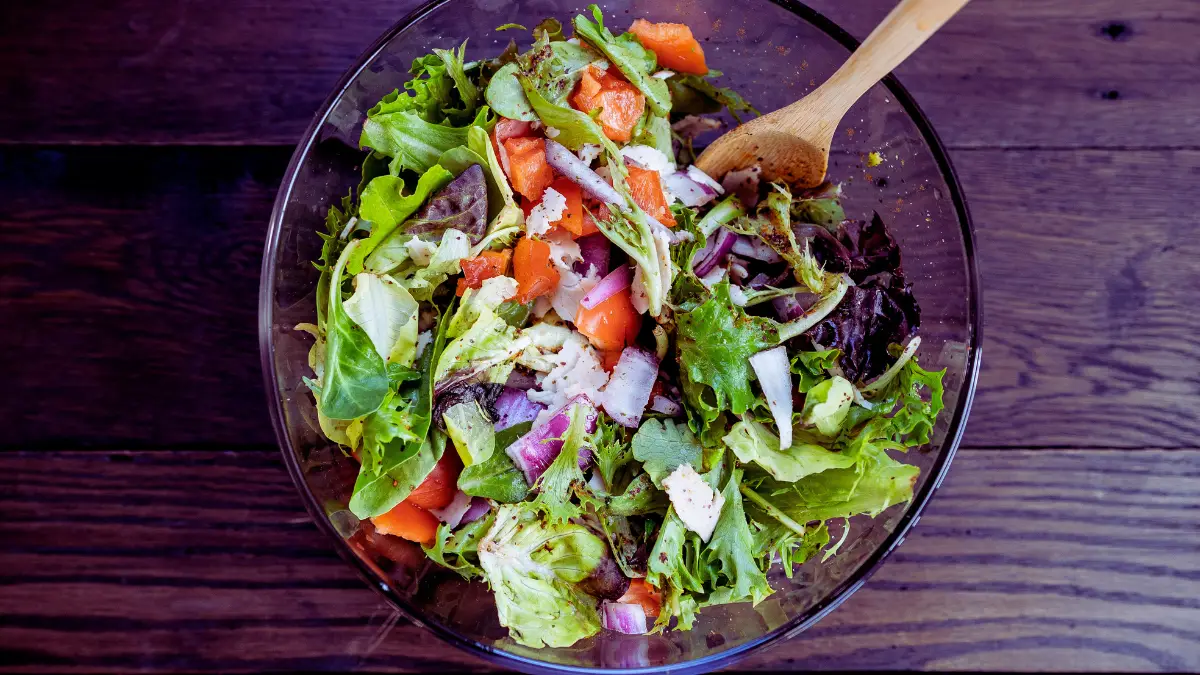
Your mom was right.
Vegetables and fruits are packed with antioxidants, fiber, vitamins, and minerals. They fight inflammation. They protect your cells. They feed your good gut bacteria.
Diets rich in fruits and vegetables were linked to slower biological aging. The people eating more produce literally had younger cells.
Every major study on healthy aging says the same thing: Eat more plants. The Mediterranean diet, DASH diet, and MIND diet all emphasize vegetables and fruits. These patterns are proven to help people stay healthy into their 70s and beyond.
Most people don’t even come close to the recommended 5-9 servings daily.
Make it easier:
- Add berries to breakfast
- Snack on carrots and hummus
- Make half your plate vegetables at dinner
- Keep frozen vegetables on hand
Different colors give you different nutrients. Eat the rainbow.
13. Sugary Drinks Are Pure Aging
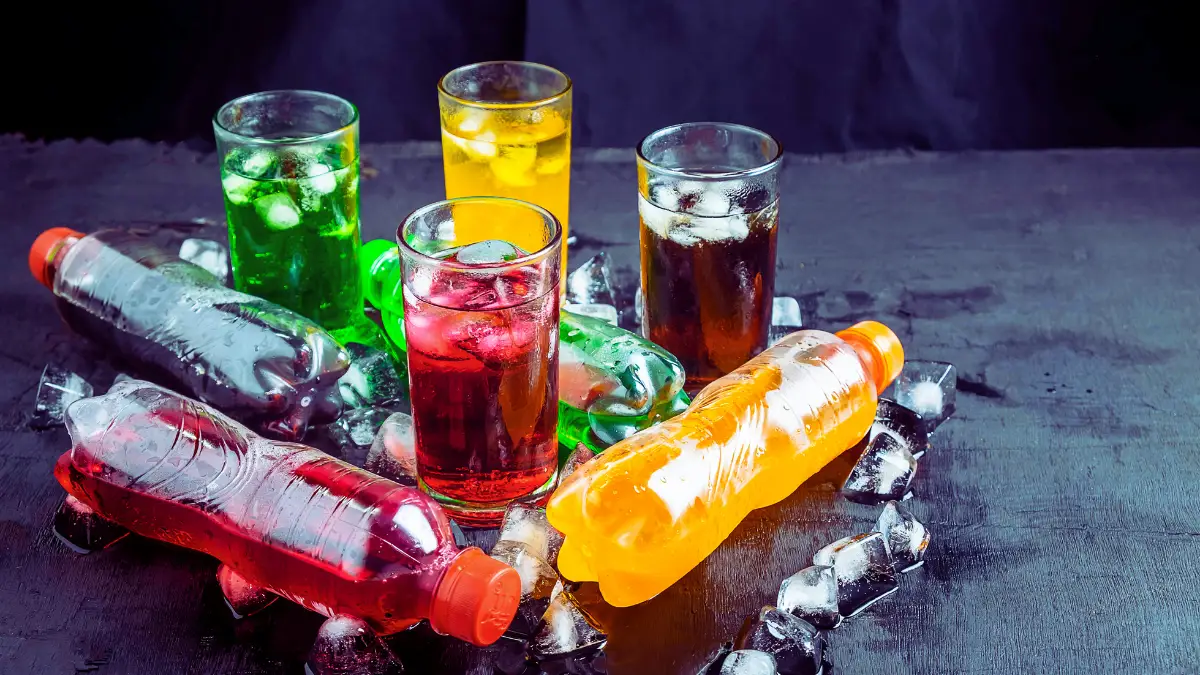
Soda. Sweet tea. Energy drinks. Fancy coffee drinks. Even fruit juice.
These are sugar bombs with zero nutrition. They spike your blood sugar faster than anything else. No fiber to slow it down. No nutrients to balance it out. Just liquid sugar rushing into your bloodstream.
High fructose corn syrup—the sweetener in most sodas—creates more AGEs than any other type of sugar. It’s the worst of the worst.
One can of soda has 39 grams of sugar. That’s more than your total daily limit right there.
And because they’re liquid, sugary drinks don’t fill you up. You drink the calories and still eat your normal meal. This leads to weight gain and insulin resistance.
Switch to:
- Plain water with lemon
- Unsweetened iced tea
- Sparkling water with fresh fruit
- Black coffee
Your skin will clear up. Your energy will stabilize. You’ll age more slowly.
14. Skipping Meals Is Hurting You
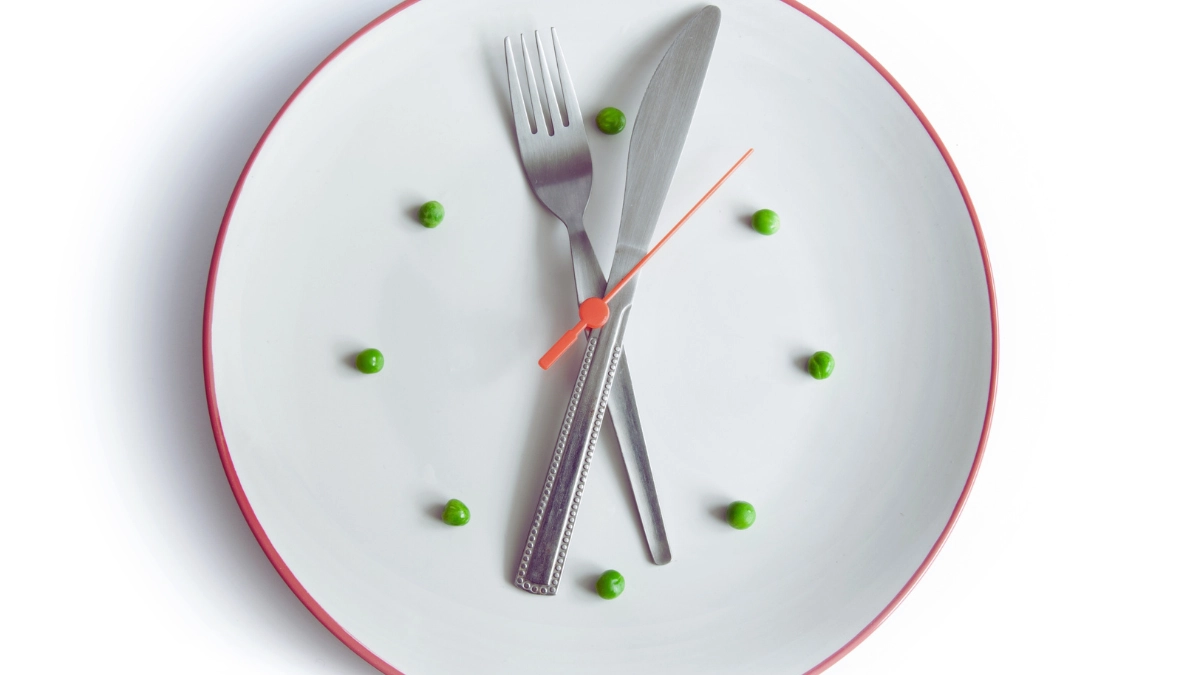
You think skipping breakfast saves calories. Or you’re “too busy” for lunch. Bad idea.
Your body needs protein distributed throughout the day. Not just a huge dinner. You need 25-30 grams per meal to maintain muscle mass. One big meal at night doesn’t cut it.
Skipping meals also causes blood sugar crashes. Then you get ravenous and overeat later. Usually junk food because you’re desperate.
Irregular eating messes with your metabolism. It disrupts your body’s natural rhythms. It can lead to muscle breakdown if you’re not eating enough protein regularly.
Eat 3 balanced meals or 5-6 smaller ones. Include protein at each one. Keep your energy stable. Protect your muscles.
15. Your Vitamin D Is Probably Low
Vitamin D isn’t just for bones. It’s essential for your immune system. It helps regulate calcium. And here’s the big one: It helps maintain your telomeres.
Remember telomeres? Those protective DNA caps that shorten as you age? Vitamin D helps keep them long. That means slower cellular aging.
Most adults are deficient. Especially if you live in a northern climate or don’t get much sun.
The health experts in that 2025 survey? 28% of them ranked vitamin D as the #1 supplement for healthy aging. More than any other supplement.
You can get some from:
- Fatty fish
- Egg yolks
- Fortified milk
- Sunlight (15-20 minutes daily)
But most people need a supplement. Talk to your doctor about testing your levels. Many people need 1,000-2,000 IU daily.
16. Too Much Red and Processed Meat
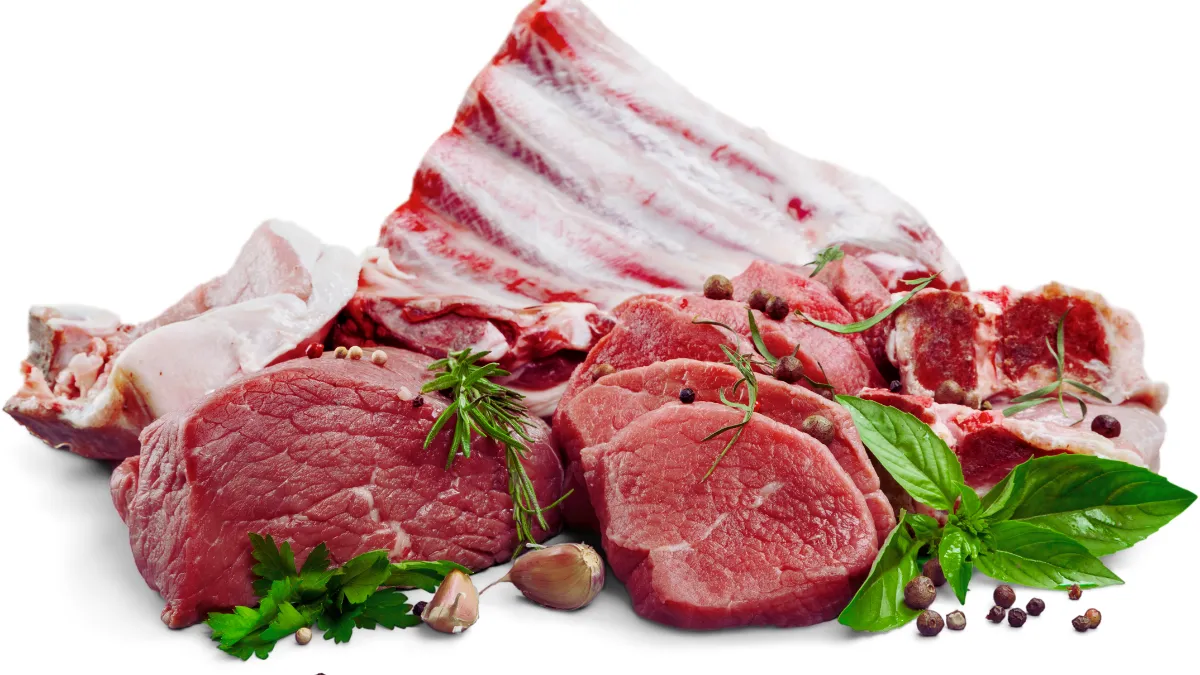
A burger every day isn’t doing you favors.
High red meat intake was linked to faster aging. The more red meat people ate, the older their cells looked.
Processed meats are even worse. They’re loaded with sodium, nitrates, and saturated fat. They increase inflammation and disease risk.
And when you grill that steak? You’re creating those AGEs again. High-heat cooking of meat produces the most age-accelerating compounds.
This doesn’t mean you can never eat red meat. Just eat less of it.
Try this:
- Limit red meat to 1-2 times per week
- Choose lean cuts
- Cook with moist heat (braising, slow cooking)
- Swap in fish, chicken, or plant proteins
Fish is especially good. It’s high in protein and omega-3s. Legumes give you protein plus fiber. Turkey and chicken are leaner options.