

You’ve tried the perfect diet. The intense workout plan. The strict sleep schedule. How long did any of them last?
Most health advice sets you up to fail. It demands perfection. And when you can’t maintain it, you quit everything.
But what if living longer didn’t require perfection? What if just 20% of your efforts could deliver 80% of the results?
This isn’t wishful thinking. It’s called the Pareto Principle, and people around the world have used it to live past 100, without even knowing they were doing it.
What Is the 80/20 Rule and Why It Matters for Your Lifespan

The 80/20 rule is simple: 80% of your results come from 20% of your efforts.
An Italian economist named Vilfredo Pareto discovered this pattern in the late 1800s. He noticed 80% of Italy’s land belonged to 20% of the population. Then he saw the same pattern everywhere. 80% of his peas came from 20% of his pods.
Here’s where it gets interesting for your health.
A study from Harvard researchers found that only 20% of how long you live comes from your genes. The other 80%? That’s your lifestyle. This means you have way more control than you think.
But here’s the problem: most people try to control everything. They attempt 50 different health habits at once. They burn out in three weeks.
The 80/20 rule flips this approach. Focus on the 20% of habits that actually matter. Ignore the rest.
Why does this work better? Because your brain can only handle so much change at once. When you try to be perfect, you create stress. And stress kills people faster than missing a workout.
Flexible eating habits beat strict dieting every single time. People who allow themselves some freedom stick with healthy eating longer. They feel less guilty. They don’t give up after one bad meal.
Think about it this way. Would you rather be 80% healthy for 30 years, or 100% perfect for 30 days before quitting?
How Blue Zones Prove the 80/20 Rule Extends Life

Five places on Earth have something special. People there reach 100 years old at rates 10 times higher than in the United States.
Scientists call these places Blue Zones: Okinawa (Japan), Sardinia (Italy), Ikaria (Greece), Nicoya (Costa Rica), and Loma Linda (California).
The people living there aren’t trying to be healthy. They don’t count calories or track their steps. They just live in a way that naturally follows the 80/20 rule.
Let’s look at Okinawa. The people there practice something called “hara hachi bu.” It means “eat until you’re 80% full.”
They’ve done this for almost a thousand years. Not because some doctor told them to. It’s just part of their culture.
And it works incredibly well.
Okinawans have one-fifth the heart disease of Americans. One-fifth the breast and prostate cancer. Less than half of the dementia.
Here’s why the 80% rule works: Your brain runs 10 to 20 minutes behind your stomach. When you feel 80% full, you’re actually satisfied. You just haven’t realized it yet.
The average Okinawan man eats about 1,800 calories per day. The average American eats 2,500. That difference adds up over decades.
But here’s what matters most: They’re not miserable. They’re not hungry all the time. They just stop a little sooner than you might.
Researcher Dan Buettner studied all five Blue Zones and found they share nine common behaviors. Not 99 behaviors. Just nine. That’s the 20% that delivers 80% of their longevity.
They don’t go to gyms. They move naturally throughout the day. They don’t follow strict diets. They eat mostly plants with occasional meat. They don’t eliminate stress. They just have daily routines to reduce it.
This is the 80/20 rule in action. A few key habits, done consistently, without the pressure of perfection.
The 20% That Delivers 80% of Longevity Benefits
If you could only change five things about your health, these would give you the biggest payoff. Focus here first. Everything else is just extra credit.
1. Sleep Quality: The Foundation Everything Else Builds On

Most people chase better food and more exercise. They ignore the one thing that powers both: sleep.
A 2024 study published in Sleep Health tracked over 172,000 people and found something remarkable. Men who hit all five quality sleep factors lived 4.7 years longer. Women lived 2.4 years longer.
What are those five factors? Getting 7 to 8 hours. Falling asleep easily. Staying asleep through the night. Not needing medication. Feel rested at least five days per week.
That’s it. Nothing fancy.
But about one-third of adults cut their sleep short. And it shows. Less sleep means a higher risk of heart attacks, dementia, and diabetes.
Your body does critical work while you sleep. It clears waste from your brain. It repairs your muscles. It balances your hunger hormones.
Skip sleep, and suddenly you crave junk food. You feel too tired to exercise. You snap at people you love.
Good sleep isn’t one habit. It’s the habit that makes all your other habits possible.
2. Moderate, Consistent Exercise: Why Less Can Be More

Forget the “no pain, no gain” mentality. It’s keeping you from living longer.
Elite athletes discovered something that changes everything. They train 80% of the time at low intensity. Only 20% at high intensity.
Why? Because consistent, moderate exercise builds your aerobic base. It strengthens your heart without breaking down your body. And it’s sustainable for decades.
Exercise scientist Dr. Stephen Seiler studied Olympic endurance athletes and confirmed they spend 75 to 80% of training time at easy effort levels. If it works for them, it definitely works for you.
Here’s what matters most: consistency beats intensity every single time.
Two workouts per week that you actually do beat seven workouts per week that you skip after two weeks.
Blue Zone residents don’t do CrossFit. They walk. They garden. They take the stairs. They move naturally as part of their daily lives.
You don’t need a gym membership. You need to move your body regularly and use your muscles. That’s the 20% that delivers most of the benefit.
3. Plant-Based Nutrition: The 95/5 Rule That Actually Works

Blue Zone residents eat 95% plants. They have meat about five times per month. Not because they’re trying to be healthy. That’s just what’s available and affordable.
And look at their results. Lower disease rates across the board.
But here’s the good news: you don’t need to be perfect. You just need to be mostly right.
The 80/20 diet rule says to eat healthy foods 80% of the time. Allow yourself treats and indulgences the other 20%.
What does 80% healthy look like? Lots of vegetables. Beans and whole grains. Some fish. Minimal processed foods.
What does 20% flexibility look like? Birthday cake. Pizza night. Your favorite dessert. Without guilt.
This works better than strict dieting because you never feel deprived. You can go to restaurants. You can enjoy holidays. You just keep vegetables and whole foods as your baseline.
One practical way to apply this: Make 80% of your grocery cart plants. The other 20% can be whatever you want.
4. Stress Management: Small Daily Actions Beat Big Occasional Ones
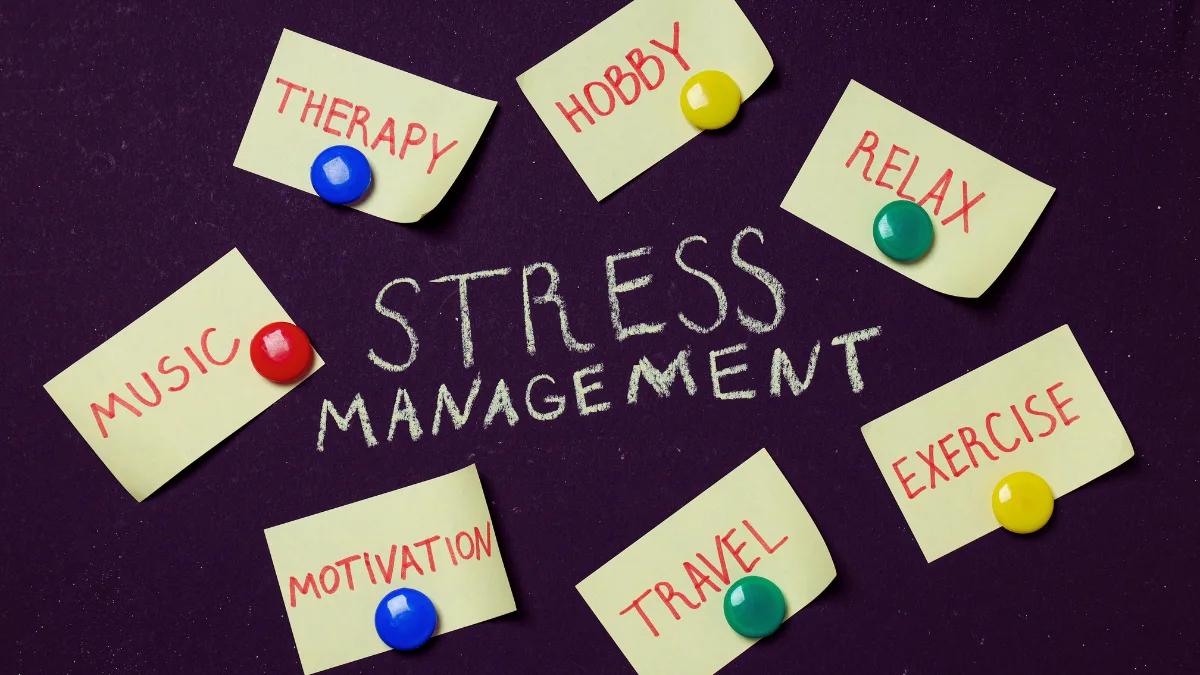
Stress will kill you. But you can’t eliminate it. So what do you do?
Blue Zone residents have daily stress-reduction rituals. Okinawans take time to remember their ancestors. Ikarians nap. Sardinians have a happy hour with friends.
Notice the pattern? Small, daily practices. Not week-long retreats once a year.
Just 10 to 20 minutes of stress-relieving activity makes a real difference. A morning walk. An evening with friends. Time in your garden.
And here’s something interesting: 60% of people say their stress-relieving hobbies make them more productive at work. Being less stressed doesn’t mean less productive. It means better focused.
The 80/20 rule applies here, too. You don’t need to meditate for hours. You don’t need perfect zen. You just need short, consistent breaks that actually lower your stress hormones.
Even a 10-minute evening walk helps your brain and mood. That’s 20% of an hour for 80% of the mental health benefit.
5. Social Connection and Purpose: The Habit Most People Miss

This one surprises people. But it might be the most important.
Okinawans have a concept called “ikigai.” Costa Ricans call it “plan de vida.” Both mean the same thing: your reason for waking up each morning.
Having a purpose is linked to lower death risk. Not by a little. By a lot.
And social connection matters just as much. Blue Zone residents create social networks of health-conscious people. These friendships encourage healthy living and give life meaning.
Here’s the thing: you can eat perfectly and exercise daily. But if you’re lonely and feel life has no purpose, you won’t live as long.
The good news? This doesn’t require much time. Regular meals with friends. Volunteering once a week. Join a club that interests you.
Find your people. Find your purpose. That’s the 20% that makes the other 80% worth doing.
Your 2025 Action Plan: How to Start Today

Knowledge without action is just entertainment. Here’s how to actually do this.
Start with sleep. Track how you’re sleeping right now for one week. Are you getting 7 to 8 hours? Do you fall asleep easily? Do you wake up feeling rested?
Pick one thing to fix first. Maybe it’s a consistent bedtime. Maybe it’s making your room darker. Maybe it’s no screens one hour before bed.
Next, build your 80% nutrition baseline. Don’t overhaul everything at once. Just make most of your meals plant-heavy. Keep it simple. Vegetables, beans, whole grains, and some fish.
Allow yourself flexibility. If you eat 21 meals per week, four of them can be whatever you want. No guilt. No “cheating.” Just balance.
Design consistent movement. Schedule two to three sessions per week at moderate intensity. Not so hard, you’re gasping. But hard enough that you’re breathing heavy.
Can’t do formal exercise? Walk more. Take the stairs. Garden. Play with your kids. Movement is movement.
Create tiny stress-relief rituals. Morning meditation for five minutes. A lunch walk. Evening gratitude practice. Pick what actually sounds enjoyable to you.
If you hate meditation, don’t meditate. Find what works for your life.
Finally, identify your purpose and your people. What gives your life meaning? Who are the people who support your health goals?
Join groups that share your interests. Eat meals with friends regularly. Build relationships around activities you both enjoy.
One more thing: Start with ONE habit. Not all five at once.
Pick the one that feels most manageable right now. Master it for a month. Then add the next one.
This is how you build a sustainable system instead of another failed attempt.
5 Mistakes That Will Sabotage Your 80/20 Plan
Before you start, avoid these traps.
Mistake 1: Perfectionistic thinking. One missed workout doesn’t ruin everything. One pizza doesn’t erase a week of healthy eating. The “what-the-hell effect” is when a small slip leads you to completely abandon your goals. Don’t do this.
Focus on consistency, not perfection. Getting it right 80% of the time beats quitting because you can’t do it 100%.
Mistake 2: Ignoring the 20% flexibility. Some people hear 80/20 and decide to be strict 100% of the time. This leads to burnout. You need that 20% flexibility. It’s not a weakness. It’s a strategy.
Schedule your indulgences instead of feeling guilty about them. Pizza Friday is fine if Monday through Thursday you eat well.
Mistake 3: Overcomplicating exercise. You don’t need the perfect program. You don’t need expensive equipment. You just need to move your body regularly.
Elite athletes who train 10 to 13 times weekly do 80% at low intensity. You probably train way less. Keep it even simpler.
Mistake 4: Chasing trends over fundamentals. Every month brings a new superfood or workout fad. These pull your attention from the daily basics that actually work.
Sleep, move, eat plants, manage stress, and connect with people. That’s it. Master these before you worry about anything else.
Mistake 5: Sacrificing sleep for other habits. Don’t wake up at 5 AM to work out if you only got five hours of sleep. Sleep is the foundation. Everything else crumbles without it.
If you’re tired, rest. Exercise can wait.
The Science Is Clear: Start Your 20% Today

The 80/20 rule for longevity isn’t new. It’s not a fad. It’s how humans in Blue Zones have naturally lived for generations.
Five habits deliver most of your longevity benefits. Quality sleep. Consistent exercise. Mostly plant-based eating. Daily stress management. Social connection and purpose.
The latest research keeps confirming what centenarians already know. Focus on what matters most. Let go of perfection.
You now have your 20%. The habits that deliver 80% of results.
Start with one habit this week. Choose the one that feels most doable for you right now. Maybe it’s eating until 80% full at dinner. Maybe it’s two weekly walks. Maybe it’s a consistent bedtime.
Small, consistent actions compound over years into extraordinary results.
The question isn’t whether the 80/20 rule works. It does. The question is whether you’re ready to embrace a sustainable path to your healthiest, longest life.
Pick your first habit. Start today. Your future self will thank you.