

That persistent mental haze after 35 isn’t just stress or lack of sleep. It’s often a critical sign that your brain is missing crucial fuel. While you might be focusing on common vitamins, neurologists explain that specific overlooked nutrients are essential for maintaining sharp cognitive function as we age.
These are the compounds that directly support clear neural pathways. Forget the idea that brain fog is inevitable. We are exploring the 13 vital nutrients that specialists say can help you reclaim your focus, memory, and mental energy.
Why Does Brain Fog Get Worse After 35? A Neurologist’s View
The 35-Year Downshift
Three biological shifts causing the “fog”
1. The Hormonal Crossfade
Estrogen (the “master regulator”) fluctuates in women, impacting serotonin and acetylcholine. In men, testosterone declines. Both affect mood and clarity.
2. Energy “Brownout”
Mitochondria (cellular engines) become less efficient. The brain, which demands 20% of your energy, loses full power, making hard thinking feel impossible.
3. “Inflammaging”
Chronic inflammation acts like “sludge,” slowing down communication between brain cells and making thoughts feel fuzzy and slow.
If you feel like your brain “downshifted” around your 35th birthday, you’re not imagining it. Neurologists point to three key biological shifts that start to accelerate, and they explain why that fog feels so stuck.
First is the hormonal “crossfade.” For women, perimenopause can begin, causing estrogen levels to fluctuate wildly. Estrogen isn’t just for reproduction; it’s a key player in brain health.
Dr. Lisa Mosconi, a top neuroscientist, calls estrogen a “master regulator” of the female brain. It helps manage neurotransmitters like serotonin (for mood) and acetylcholine (for memory). When it’s unstable, so is your mental clarity.
The Study of Women’s Health Across the Nation (SWAN) confirmed this, linking this transition directly to the perimenopause brain fog many women report. For men, a steadier decline in testosterone can also impact mood, energy, and cognitive sharpness.
Second, your brain’s “power plants” get tired. Your brain uses a massive 20% of your body’s total energy. This power comes from tiny “engines” in your cells called mitochondria. After 35, your mitochondrial function naturally becomes less efficient. It’s not a total blackout.
It’s more like a persistent, low-energy “brownout.” Your brain just doesn’t have the full power it used to, leaving you feeling drained and making hard thinking feel impossible.
There’s chronic inflammation. After decades of stress, high-sugar foods, or poor sleep, your body can get “stuck” in a state of low-grade, constant swelling. Scientists even have a name for this age-related process: “inflammaging.”
1. Vitamin D3 (+ K2)
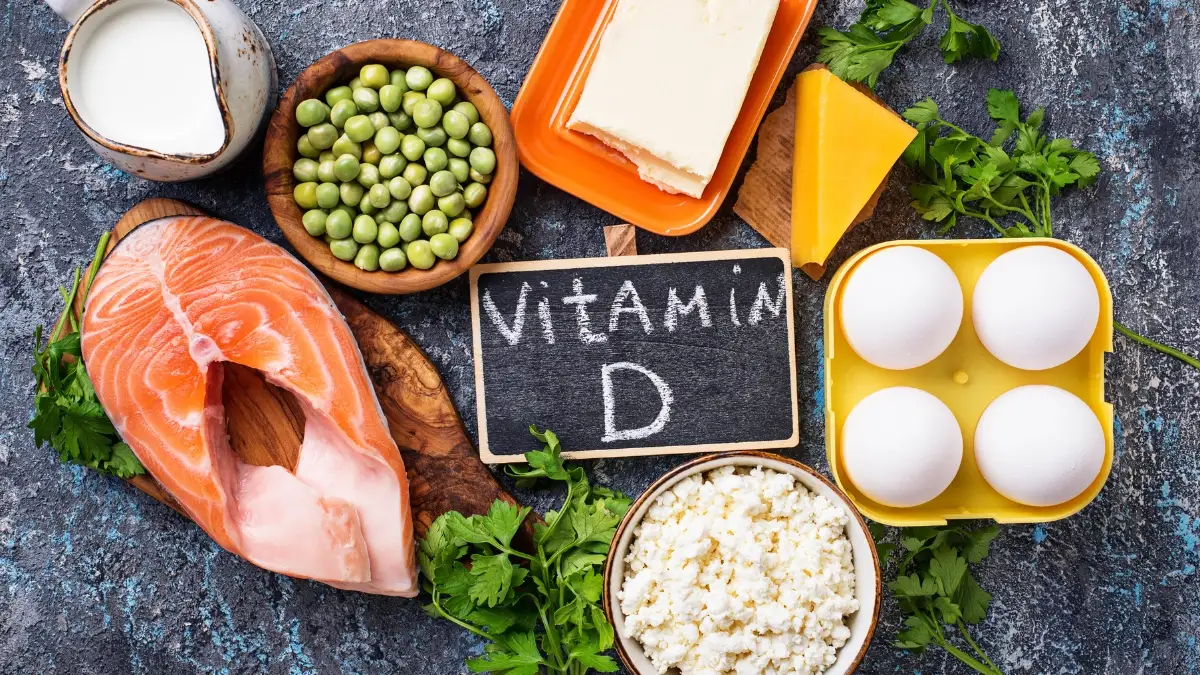
That tired, low-mood feeling that settles in during the winter? That’s not just in your head. It’s often linked to low Vitamin D, and it brings serious brain fog with it. Vitamin D isn’t just a vitamin; it’s a neuro-steroid, meaning it acts like a hormone in your brain.
It helps control inflammation and protects your brain cells. After 35, your skin becomes less efficient at making Vitamin D from the sun, and deficiency is very common.
Many people (over 40% of US adults) are low and don’t know it. When your D levels are low, your brain’s “housekeeping” slows down. This can lead to that feeling of “walking through mud” mentally. It’s also vital for your mood.
It helps in the production of serotonin, the “happy” chemical. Low D means a low mood, which makes it even harder to focus.
Here’s the part almost everyone overlooks: Vitamin D3 needs Vitamin K2 to work right. Think of D3 as the boss who orders calcium to be absorbed into your body. But K2 is the “traffic cop” who tells that calcium where to go. Without K2, the calcium can end up in your arteries (which is bad) instead of your bones. This Vitamin D3 and K2 team is vital for your brain and body.
To fix this, you can’t rely on the sun or food alone. Most people need a supplement. Ask your doctor for a “25-hydroxy” blood test to see what your levels are. Many experts believe levels for brain health should be between 50-80 ng/mL, which is higher than the standard “normal” range.
2. Omega-3 (High-DHA)
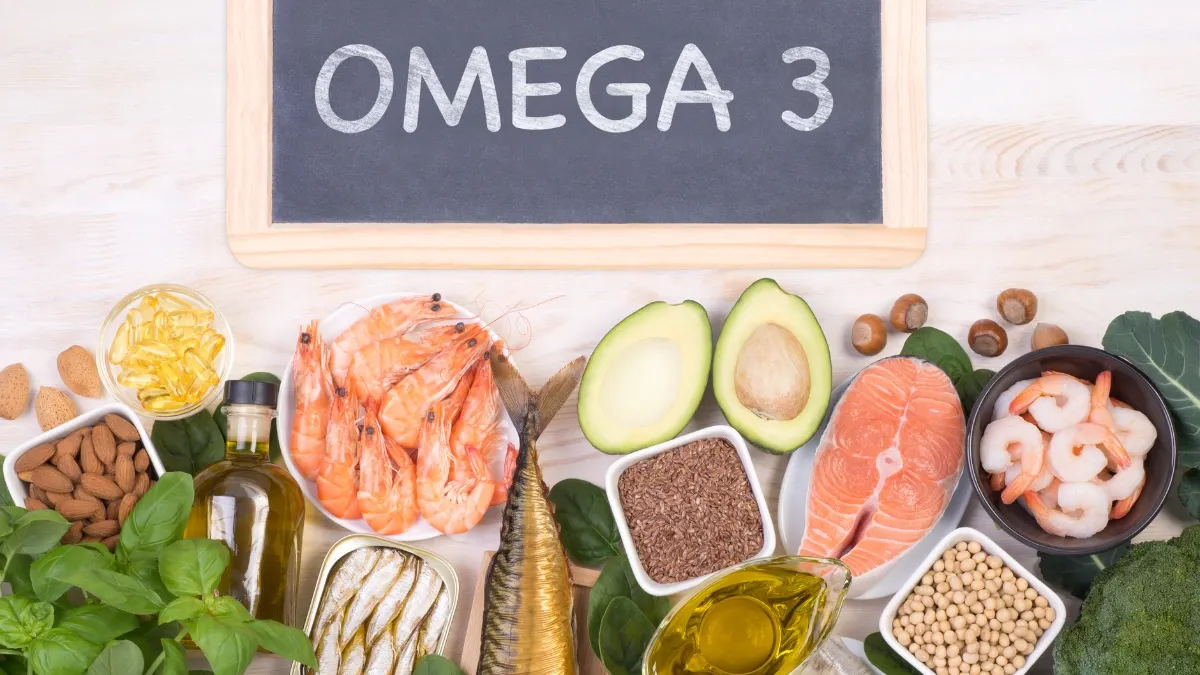
Your brain is about 60% fat. If you don’t eat the right fats, your brain cells literally become stiff and slow. A standard modern diet is often high in Omega-6 fats (from vegetable oils) and low in Omega-3s. This imbalance can create a lot of inflammation, which is a primary cause of brain fog.
The most important Omega-3 for your brain is DHA. Think of DHA as the “building block” for your brain cells. It makes the outer “skin” (the membrane) of your neurons flexible and fluid.
This “fluid” state is what allows your brain to send signals quickly and clearly. Stiff, brittle brain cells (from bad fats) mean slow signals. That “lag” you feel? That’s your brain cells struggling to talk to each other.
The “overlooked” part here is that not all fish oil is the same. Many people grab a bottle of “fish oil” that is high in EPA (which is great for body inflammation) but low in DHA. You must read the back of the label. For brain health, neurologists prioritize high-DHA omega-3.
The best food sources are the “SMASH” fish: Salmon, Mackerel, Anchovies, Sardines, and Herring. If you don’t eat fish, a high-quality, algae-based DHA supplement is a potent and clean source.
3. Vitamin B12 (Methylcobalamin)
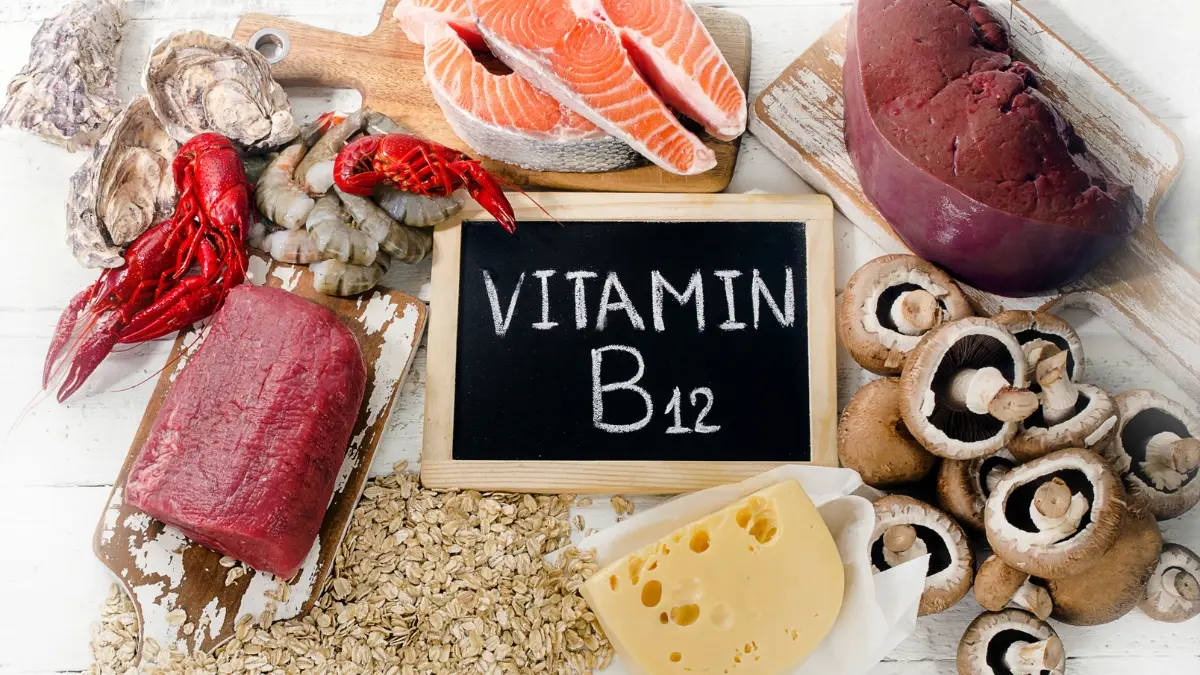
If your brain fog feels like deep, physical exhaustion, B12 might be the problem. A B12 deficiency makes you feel weak, tired, and completely “off.” After 35, our stomach acid levels naturally decline. You need strong stomach acid to absorb B12 from your food.
This means you can be eating plenty of B12 but still become deficient. Vegetarians and vegans are at the highest risk, as B12 is only found in animal products.
B12 is essential for two big jobs in your brain. First, it’s needed to make healthy red blood cells, which carry oxygen to your brain. Less B12 means less oxygen, and a brain starved of oxygen is a very foggy brain. Second, B12 helps clear out a waste product called homocysteine. High levels of homocysteine are toxic to brain cells and are a major source of inflammation.
Here is the most critical “overlooked” detail: the form of B12 matters. The cheap B12 in most multivitamins is cyanocobalamin. Your body has to work hard to convert this into a usable form. But up to 40% of people have a common gene variant (MTHFR) that makes this conversion almost impossible.
The solution is to skip that step. Look for methylcobalamin for brain fog. This “methyl” form is already active and bioavailable. Your body can use it right now. You can find it as a small pill or a liquid spray that dissolves under your tongue.
4. Acetyl-L-Carnitine (ALCAR)

Does your brain hit a “wall” at 3 PM? You’re not just tired; you’re mentally done. This is often a sign that your brain cells are low on energy. You have plenty of fuel (from the food you ate), but your brain can’t get that fuel into the engine. Our natural levels of carnitine, the molecule responsible for this, drop as we age.
Acetyl-L-Carnitine (ALCAR) is the “fuel shuttle” for your cells. Its main job is to grab fatty acids (a primary, clean-burning fuel for your brain) and physically carry them into your mitochondria. The mitochondria are the “engines” of your cells. No shuttle means the fuel stays outside the engine, and your brain’s power “browns out.”
The “overlooked” part is the “Acetyl” in the name. Regular L-Carnitine is mostly used by your muscles. The Acetyl group is special because it allows the molecule to easily cross the blood-brain barrier. This makes ALCAR the brain form of carnitine.
As a bonus, the “acetyl” part is also used by your brain to help build acetylcholine, the memory chemical. So ALCAR gives you a two-for-one benefit: more energy and more memory building blocks. The best food source is red meat, especially lamb.
5. Coenzyme Q10 (CoQ10 – Ubiquinol)
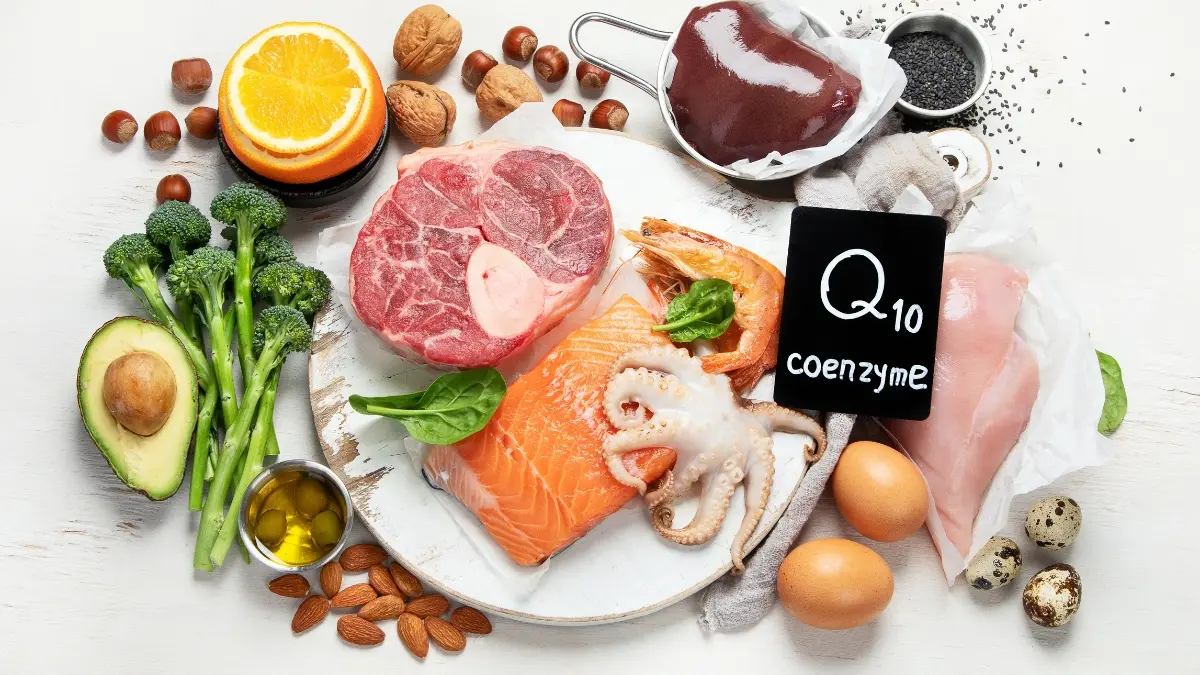
If ALCAR is the “shuttle” that brings fuel to the engine, CoQ10 is the “spark plug” that ignites it. You cannot make cellular energy (ATP) without CoQ10. It is the key to that chemical “spark.” As you age, your brain fog can be a direct result of your brain’s energy grid just not having enough “spark.”
Our bodies make CoQ10, but production peaks in our 20s and drops fast after 30. By 40, your levels can be significantly lower. Your brain and heart are the most energy-hungry organs in your body, so they feel this drop-off first. It shows up as brain fog and physical fatigue.
The “overlooked” part is the form. Most cheap CoQ10 supplements are sold as ubiquinone. This is the oxidized, “used-up” form. Your body has to catch it and “recharge” it into the active form, ubiquinol. After 35, your body gets very bad at this conversion.
You can skip this problem by taking Ubiquinol directly. It costs more, but it is the active, “ready-to-use” form that your cells need for that energy spark. Also, if you take a statin medication for cholesterol, you are at high risk for deficiency, as statins block your body’s CoQ10 production.
6. Creatine Monohydrate

When you hear “creatine,” you probably think of bodybuilders. This is why it’s one of the most overlooked nutrients for your brain. Your brain uses a massive 20% of your body’s energy. It is an energy hog. And when it has to do hard work—like deep focus, problem-solving, or just dealing with a bad night’s sleep—it needs fast energy.
Your brain runs on a molecule called ATP. But it burns through its supply in seconds. Creatine forms a “backup battery” for your brain. It’s stored in your brain cells as phosphocreatine. When you burn your ATP, creatine instantly steps in and recharges it. This allows you to sustain your focus and think clearly under stress.
This is a game-changer for brain fog after 35, especially for parents or busy professionals. Research clearly shows that creatine improves memory and cognition, especially in people who are stressed or sleep-deprived. It’s also very important for vegetarians and vegans, as creatine is only found in meat and fish.
The best part is that it’s safe, cheap, and effective. You don’t need a fancy version. The most-studied form is Creatine Monohydrate. You can get a small amount from red meat, but the 3-5 gram dose used in studies for brain benefits is best gotten from a simple, unflavored powder.
7. Magnesium (L-Threonate)
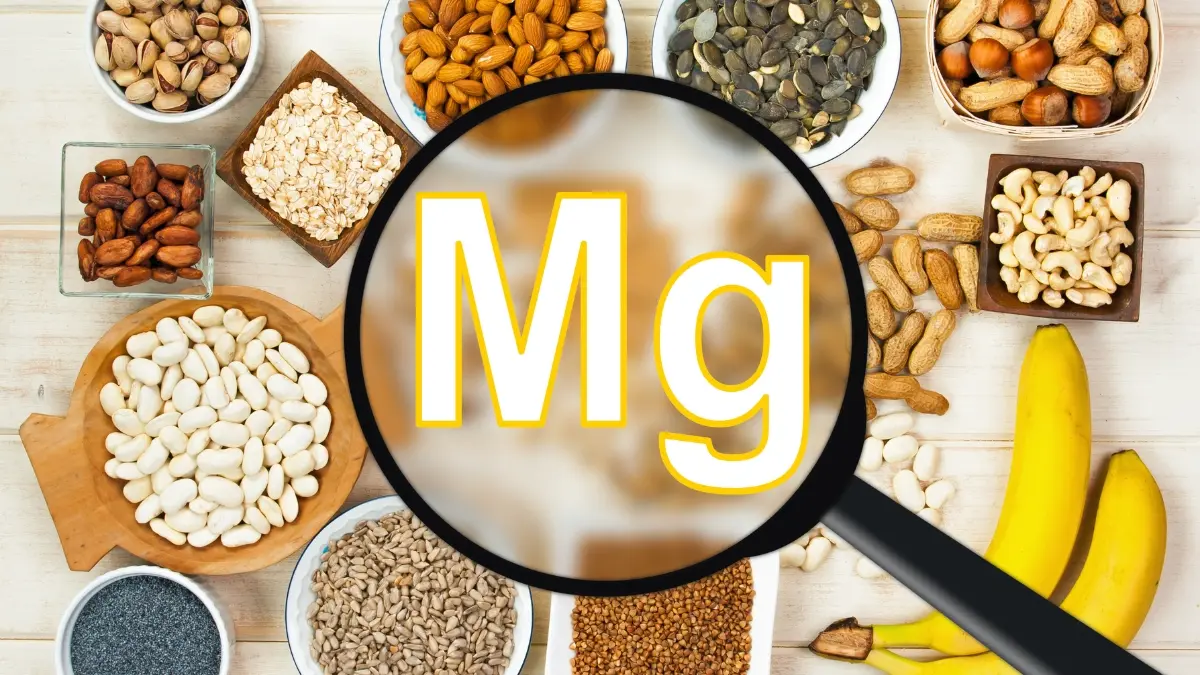
Do you feel “wired and tired” at the same time? Is your brain “noisy” with anxious thoughts when you’re trying to focus or sleep? This is a classic sign of magnesium deficiency, and it’s a huge driver of brain fog. Magnesium is the “calming mineral.” It helps your nervous system relax. Stress, sugar, and caffeine all “spend” your magnesium stores, and most people are running low.
Magnesium is needed for over 300 jobs in your body, many in your brain. It acts as a “gatekeeper” for your brain cells. It stops them from over-firing and getting burned out by stress signals. Without enough magnesium, your brain is stuck in “on” mode, which leads to fog, anxiety, and poor sleep.
Here is the “overlooked” part: the form of magnesium is everything. The most common forms, like magnesium oxide or citrate, are great for your muscles or your digestion. But they cannot cross the blood-brain barrier very well. They don’t get into your brain.
A new form called Magnesium L-Threonate was developed at MIT specifically to solve this. It is the one form that has been shown to significantly increase magnesium levels inside the brain. This makes it the specific form to target for brain fog, memory, and sleep.
8. PQQ (Pyrroloquinoline Quinone)
This nutrient is a bit more advanced, but it’s key for fighting age-related brain fog. If you feel like your “battery” is just old and won’t hold a charge anymore, PQQ is the nutrient you need to know about. While nutrients like ALCAR and CoQ10 service your existing engines, PQQ builds new ones.
PQQ is a powerful compound that directly signals your body to build brand new, fresh mitochondria. This process is called mitochondrial biogenesis. This is the key to long-term energy. More engines mean more total power for your brain. It’s the difference between “tuning up” your old engine and “installing” a brand new one.
The “overlooked” part is that PQQ is a team player. It works best when taken with CoQ10. Think of it this way: PQQ builds the new engine, and CoQ10 is the spark plug that makes it run. Together, they are a powerful combination for rebuilding your brain’s energy supply from the ground up.
You can find PQQ in small amounts in foods like kiwi, parsley, and green tea, but the amounts are too small to have a big effect. This is one nutrient where a small-dose supplement is the only practical way to get its benefits.
9. Choline (as Alpha-GPC or Citicoline)

Do you ever have that “tip of the tongue” feeling? You know the word, or the name, but you just can’t pull it from your memory. This is a classic sign of low acetylcholine. Acetylcholine is your brain’s #1 chemical for learning and memory. It’s what your brain uses to “save” a new memory or “load” an old one.
Your body cannot make acetylcholine without Choline. Here’s the problem: it’s estimated that over 90% of Americans do not get enough choline from their diet. Our bodies can’t make enough on their own, so we must get it from food. This is a massive, “overlooked” deficiency.
The “overlooked” solution is to pick the right form. You can get basic choline from a pill, but it’s not very efficient at getting into your brain. The “superstar” forms are Alpha-GPC and Citicoline. These are forms of choline that have been “pre-packaged” to cross the blood-brain barrier easily. Your brain can grab them and turn them into acetylcholine right away.
The best food source of choline, by far, is egg yolks. Beef liver is another powerhouse. If you don’t regularly eat eggs or liver, you are almost certainly low in this key brain nutrient.
10. Phosphatidylserine (PS)

If your brain’s “processing speed” feels slow, this nutrient is for you. Phosphatidylserine (PS) is a “smart fat” that is a key part of your brain cell’s “skin” (the cell membrane). You need this fat to keep your brain cells fluid and flexible, which is how they send signals quickly. Think of it as “grease” for your brain’s wiring.
PS levels in the brain are known to decrease as we age. This “stiffening” of the brain cells is a physical cause of slower thinking and memory fog. PS also has a second job: it helps lower cortisol, your main stress hormone. High cortisol from chronic stress is a top cause of brain fog after 35, as it “fries” your brain’s memory center. PS helps put the brakes on stress.
The “overlooked” part is that PS is also a “housekeeper.” It acts as a signal to your brain’s immune cells. It tags old, damaged brain cells for “garbage disposal.” This “cell clean-up” is vital for keeping your brain clear of junk and running efficiently.
It’s hard to get a lot of PS from a modern diet. It’s found in small amounts in fish and organ meats. A supplement of 100-300mg is a common strategy for cutting through stress-related brain fog and improving memory.
11. Zinc
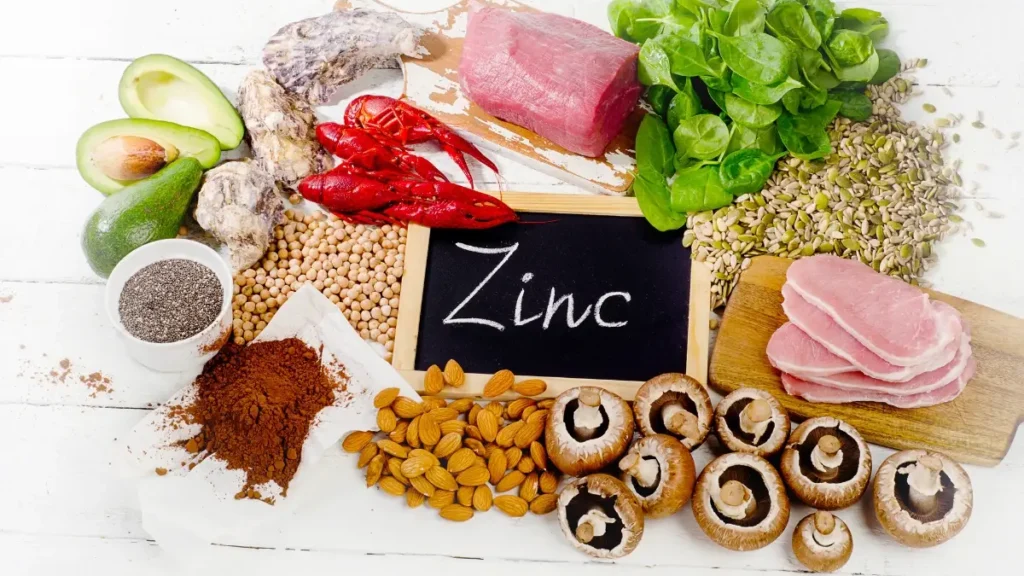
If you feel foggy, moody, and find that you get sick all the time, it could be a sign of low zinc. Zinc is a “master mineral” for your brain. It’s involved in hundreds of chemical reactions. Most importantly, it helps control the “gates” (synapses) where one brain cell passes a signal to the next.
Zinc is also critical for regulating your neurotransmitters. It helps control dopamine (your focus and motivation chemical) and serotonin (your mood and happiness chemical). When zinc is low, your mood and focus go down with it, and the world looks “foggy” and gray.
The “overlooked” part is how easily we lose zinc. This is a mineral you “spend” every day. The two biggest drains are stress and sugar. A high-stress lifestyle or a diet high in processed foods and sugar will dump zinc from your body. This leaves your brain’s signaling system slow and your immune system weak.
The best food source of zinc is oysters. Red meat and pumpkin seeds are also good sources. If you take a supplement, look for Zinc Picolinate or Zinc Glycinate. These forms are attached to an amino acid, which makes them much easier for your body to absorb and gentle on your stomach.
12. Selenium
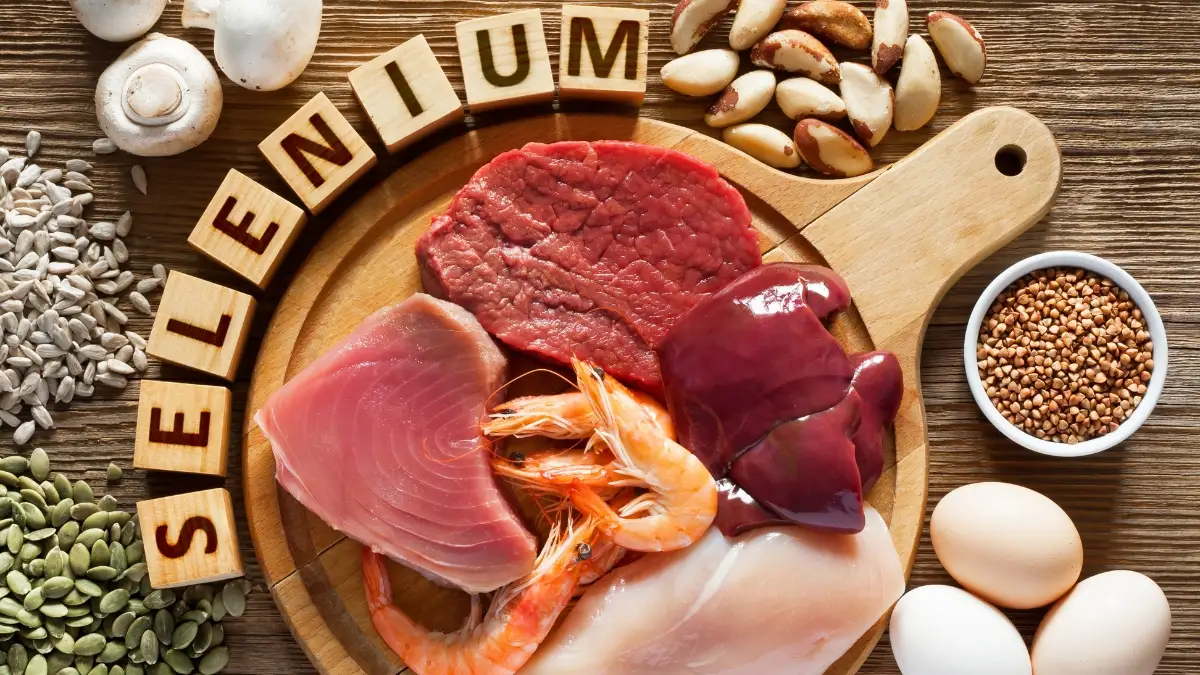
Brain fog can sometimes feel “toxic,” as if your brain is full of “rust” or “static.” This is often a sign of oxidative stress. Your brain is 60% fat and uses 20% of your body’s oxygen. This high-fat, high-oxygen place is very “at risk” for damage, just like metal rusts when exposed to air and water.
Selenium is your brain’s master antioxidant. Its main job is to be part of an enzyme called glutathione peroxidase. This is your body’s #1 tool for cleaning up “cellular rust.” It “recharges” your brain’s defenses and protects your delicate brain fats from being damaged.
The “overlooked” part is that you don’t need a high-dose supplement. In fact, too much selenium can be harmful. This is a nutrient where “less is more,” and the solution is incredibly simple.
All you need to do is eat one single Brazil nut per day. Just one. This one nut provides over 100% of your daily selenium needs. It is the easiest, cheapest, and most effective way to get this vital brain-protecting mineral.
13. Iodine

This is one of the most truly overlooked causes of brain fog, and it can affect your entire body. If your brain fog comes with feeling cold all the time, stubborn weight gain, hair loss, and deep fatigue, you must look at your thyroid. Your thyroid is the “gas pedal” for your entire body. It controls your metabolism. And your thyroid cannot work without iodine.
Your thyroid gland uses iodine to build its main hormones, T3 and T4. These hormones set the “speed” for every cell in your body, including your brain. Even a “subclinical” or “low-normal” thyroid function (a sluggish thyroid) will make your brain sluggish, too.
The “overlooked” problem is that iodine deficiency is making a comeback. In the past, iodized salt fixed this. Many health-conscious people have switched to Himalayan pink salt or sea salt, which contain almost no iodine. People are also eating less seafood and dairy, which are other main sources.
This is a simple fix. You can start by using iodized salt again. The best food sources are sea vegetables, like nori (sushi wraps), kelp, and dulse. If you suspect this is your problem, don’t guess. Ask your doctor for a full thyroid panel (TSH, Free T3, and Free T4) to see exactly how your “gas pedal” is working.
Conclusion
Conquering brain fog after 35 isn’t about finding one magic pill. It’s about understanding that this fog is a direct signal from your body.
Your brain isn’t “broken”; it’s hungry and “over-stressed.” It’s asking for the right building blocks to fight the very real biological shifts that happen with age: hormonal changes, a slowdown in cellular energy, and chronic inflammation.
As we’ve covered, nutrients like Choline, high-DHA Omega-3s, and Magnesium L-Threonate aren’t just “extras.” They are essential, targeted tools to service your brain’s “engine” and clear the static.
Moving from generic supplements to the specific, bioavailable forms your brain can actually use—like Methyl-B12 instead of cyanocobalamin, or Ubiquinol instead of ubiquinone—can make a powerful difference.