
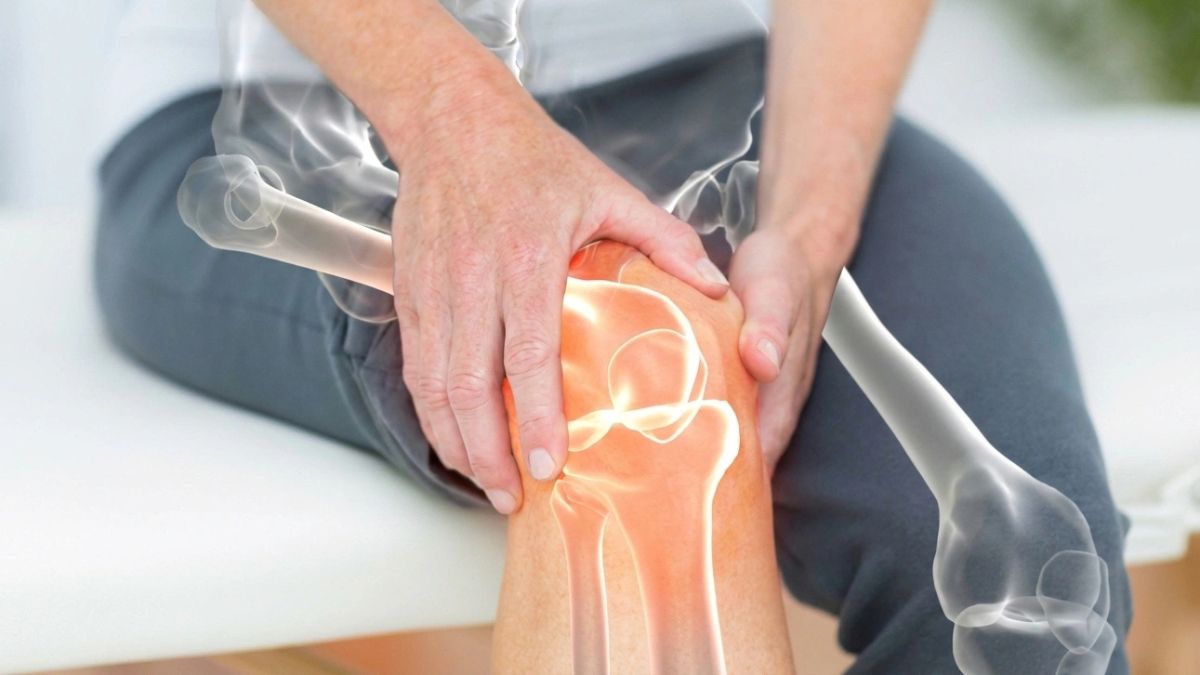
For decades, you’ve been told to drink more milk and eat your greens for strong bones. But what if some of those “bone-building” foods are secretly sabotaging your skeleton?
After 50, your body’s ability to build new bone slows down, making you more vulnerable to fractures and osteoporosis.
You’re trying to eat right, but the information is confusing, and you’re worried that your best efforts might be causing more harm than good. It’s a frustrating position to be in.
This article will reveal 11 surprising foods that weaken bones.
First, A Quick Science Lesson Why Bone Health Shifts After 50

Before we dive into the list, let’s talk about what’s actually happening to your bones as you get older. It’s not your imagination; the rules of the game do change.
Think of your skeleton as a “bone bank account.” Throughout your life, your body is constantly making deposits (building new bone) and withdrawals (breaking down old bone).
This process is called remodeling. Until about age 30, you make more deposits than withdrawals, building up to your peak bone mass.
But after 50, and especially after menopause for women, those withdrawals start to outpace the deposits.
This makes your body much more sensitive to dietary factors that interfere with mineral balance.
So, the key isn’t just to shovel in more calcium. It’s to stop the sneaky thieves that are stealing it and blocking your deposits. Let’s meet the culprits.
The Surprising Culprits 11 Foods That Can Backfire
1. Wheat Bran
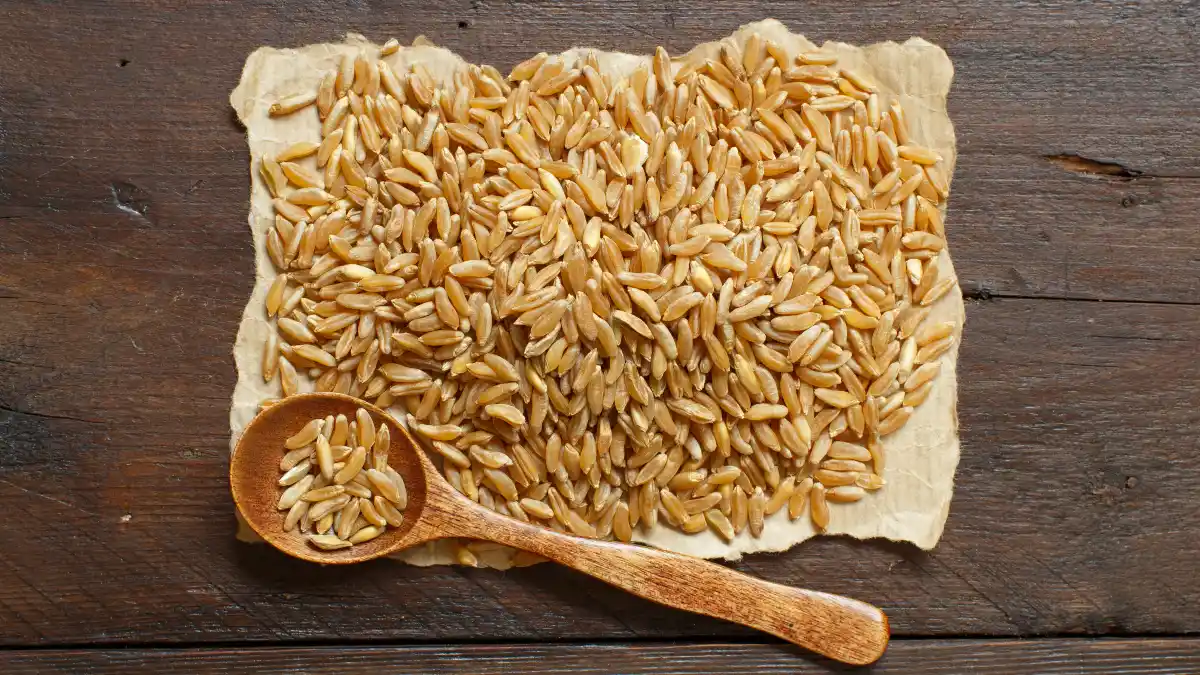
You might sprinkle 100% wheat bran on your yogurt or choose a bran-heavy cereal, thinking you’re doing your body a favor with all that fiber. But when it comes to bones, it’s a classic case of too much of a good thing.
Wheat bran is loaded with compounds called phytates. Think of phytates as mineral magnets.
When you eat them, they bind to minerals like calcium, magnesium, and zinc right in your gut, forming an insoluble compound that your body can’t absorb. That’s it.
The calcium gets escorted out of your body before it ever has a chance to reach your bones.
If you pour milk over a bowl of 100% wheat bran cereal, you might absorb significantly less calcium than you think.
The Takeaway: This doesn’t mean you should avoid whole wheat bread, which is perfectly fine in moderation. The problem is concentrated, raw bran. If you love the fiber, consider other sources like chia seeds or psyllium husk.
2. Raw Spinach and Swiss Chard
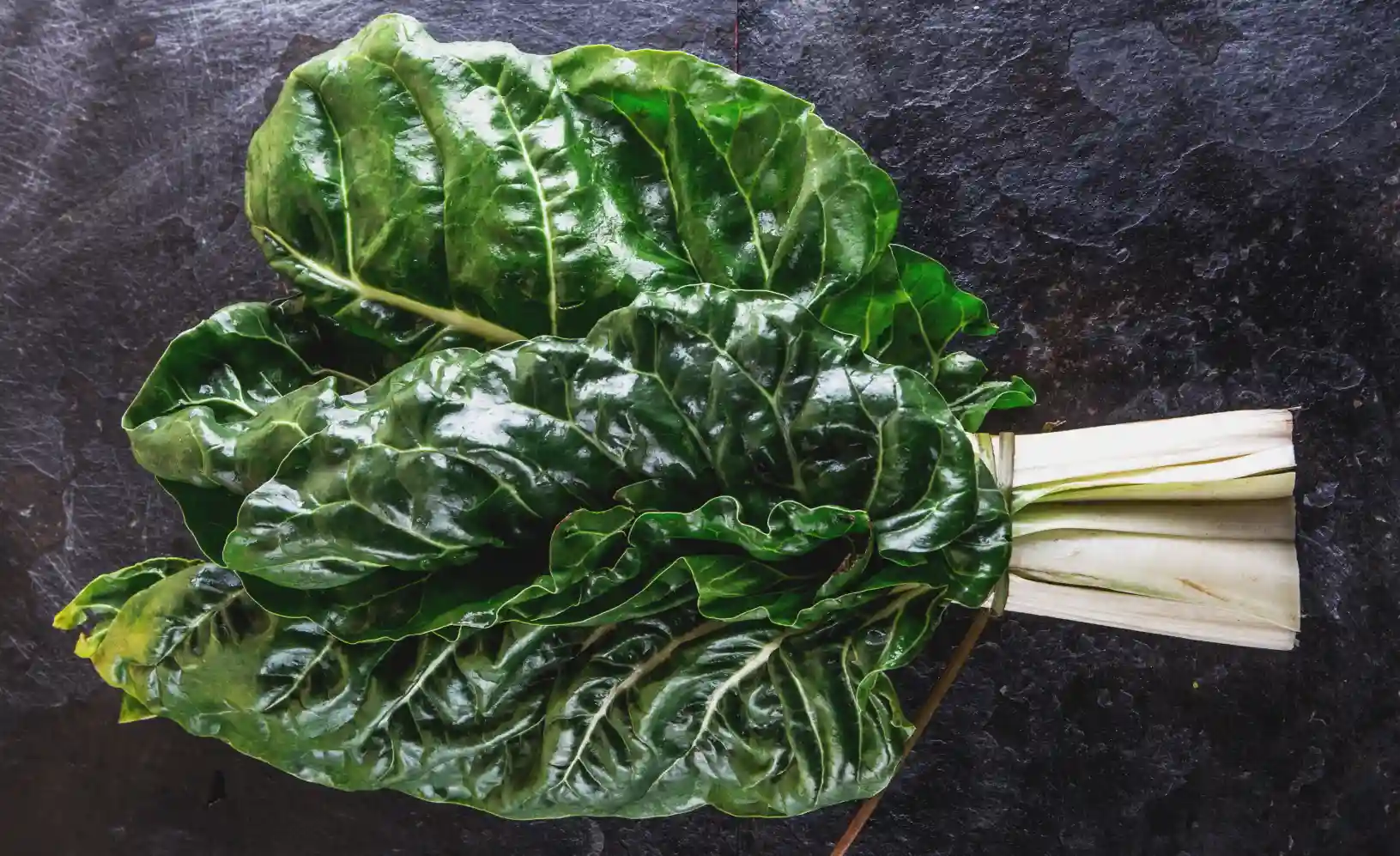
We all know spinach made Popeye strong, but there’s a catch when it comes to your bones. These leafy greens are packed with calcium, but they’re also loaded with another mineral-blocker: oxalates.
Similar to phytates, oxalates bind tightly to the calcium within the spinach, making it unavailable for your body to use. It can also slightly reduce your ability to absorb calcium from other foods eaten in the same meal. You could say the calcium is locked away and your body doesn’t have the key.
In fact, the absorbable calcium from spinach is so low that, according to researchers at Purdue University, you’d need to eat over 16 cups of raw spinach to get the same amount of usable calcium as you’d find in a single glass of milk.
The Takeaway: The fix is simple: cook them. Steaming or sautéing spinach and chard can reduce their oxalate content by over 80%, unlocking more of their bone-friendly nutrients.
3. Salt-Preserved & Canned Foods
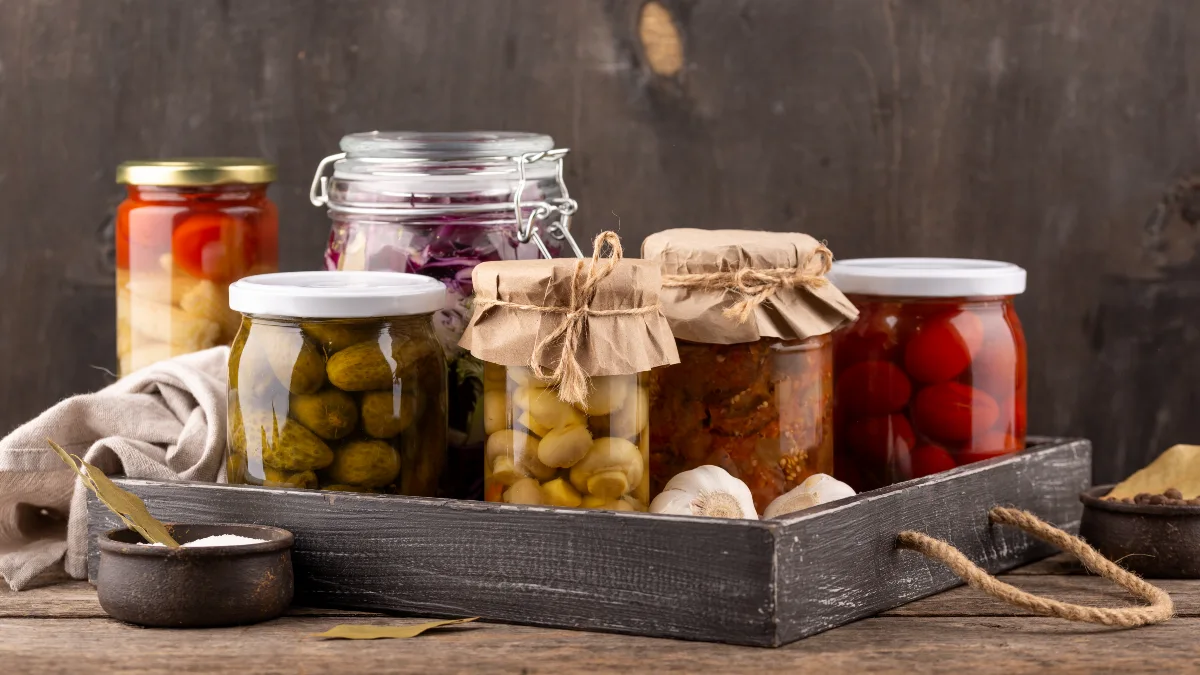
This one has less to do with a specific food and more to do with a single ingredient: sodium. High salt intake is one of the biggest hidden dangers to your bone density.
Here’s how it works: Your kidneys are responsible for filtering out excess sodium from your blood. As they work overtime to flush out all that salt, calcium gets pulled out along with it in your urine.
This process directly leaches calcium from your system. If your dietary intake can’t keep up, your body will take the calcium it needs from its biggest reserve. Your bones.
Think of salt as a pickpocket for your bones. Common high-sodium culprits include canned soups, frozen dinners, deli meats, pickles, and soy sauce.
The Takeaway: Read the labels. Opt for “low sodium” versions of canned goods whenever possible and rinse canned beans and vegetables before using them.
4. “Healthy” Beans and Legumes (If Unprepared)
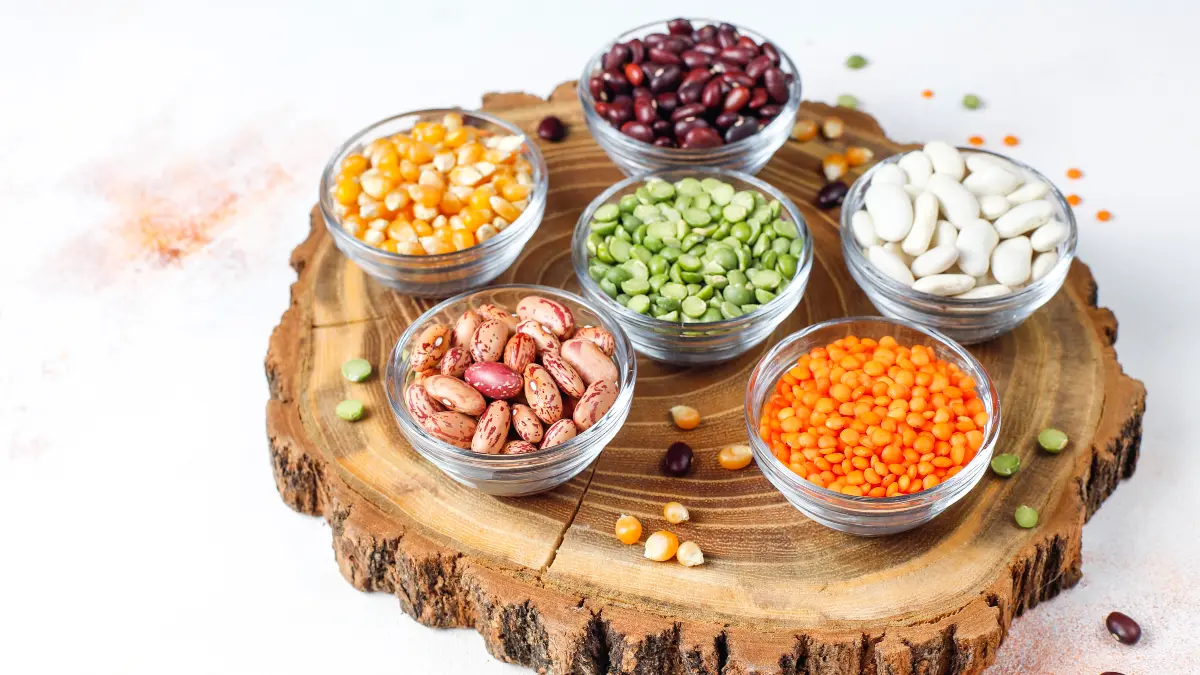
This is where it gets tricky. Beans are a cornerstone of a healthy diet, packed with fiber and protein. So how could they possibly be on this list? The answer, again, is phytates.
Just like wheat bran, dried beans and legumes contain high levels of these calcium-blocking compounds. For someone over 50, who may already have less efficient digestion, relying on unprepared beans as a primary food source can interfere with mineral absorption.
But this absolutely does not mean you should stop eating them. The secret is in the preparation.
The Takeaway: You can dramatically reduce the phytate content by soaking your dried beans overnight (for at least 8 hours) in water and rinsing them thoroughly before cooking. A splash of lemon juice or apple cider vinegar in the soaking water can help even more.
5. Your Morning Coffee or Tea (In Excess)

Don’t panic—you don’t have to give up your morning ritual. The issue here is caffeine, and the key word is excess.
Caffeine is a mild diuretic and can slightly interfere with the way your body absorbs calcium. The effect is small for a single cup; we’re talking about a loss of only 2-3 mg of calcium per cup of coffee. However, if you’re drinking four or more strong cups every day, that loss starts to add up. This is especially true if your overall calcium intake is already on the lower side.
The Takeaway: Stick to 1-3 cups per day. Even better, you can easily offset the minor calcium loss from one cup of coffee by simply adding a couple of tablespoons of milk or fortified plant-based milk.
6. High-Protein Animal Diets (Excessive Red Meat)
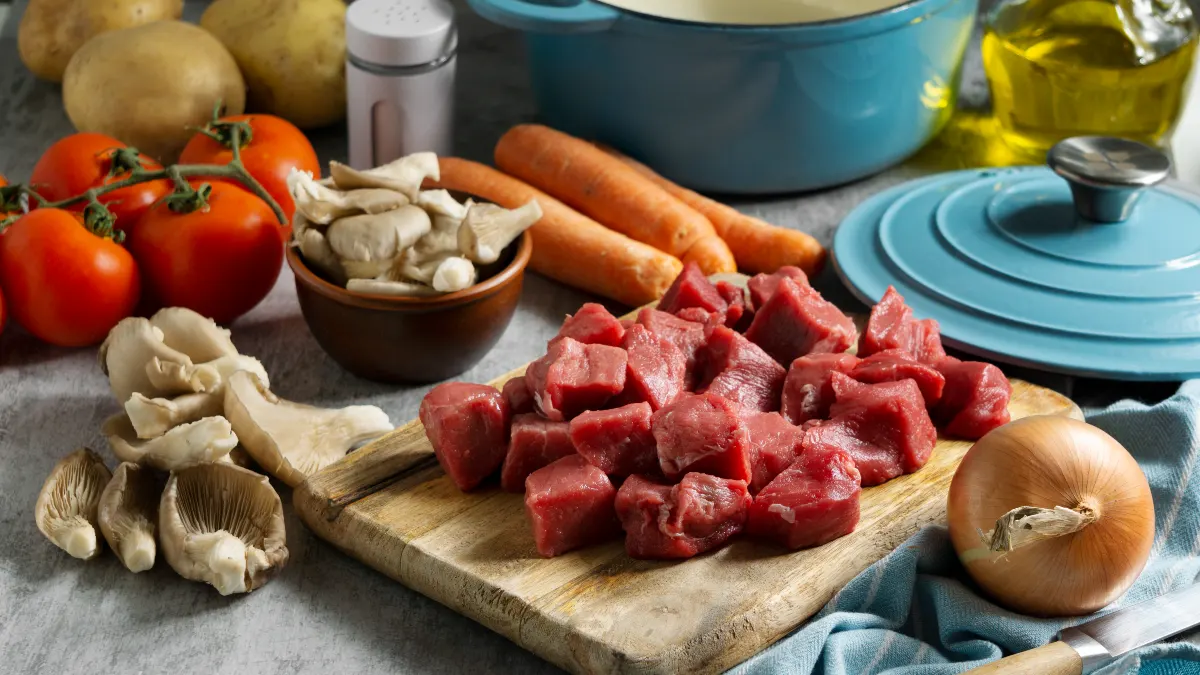
Protein is absolutely essential for bone health—your bone matrix is about 50% protein. However, a diet that is excessively high in animal protein, particularly red meat, can create an acidic environment in your body.
To neutralize this acid and maintain a stable pH, your body needs an alkaline buffer. And what is the largest, most effective alkaline mineral reserve you have? Calcium phosphate, pulled directly from your bones.
I’m not sure there’s a more direct example of your diet raiding your skeleton for its own needs.
The Takeaway: The goal is balance, not elimination. You don’t need to go vegetarian. Simply ensure that for every portion of meat on your plate, you have a much larger portion of alkaline-forming foods like fruits, vegetables, and salads.
7. Sugary Sodas and Snacks
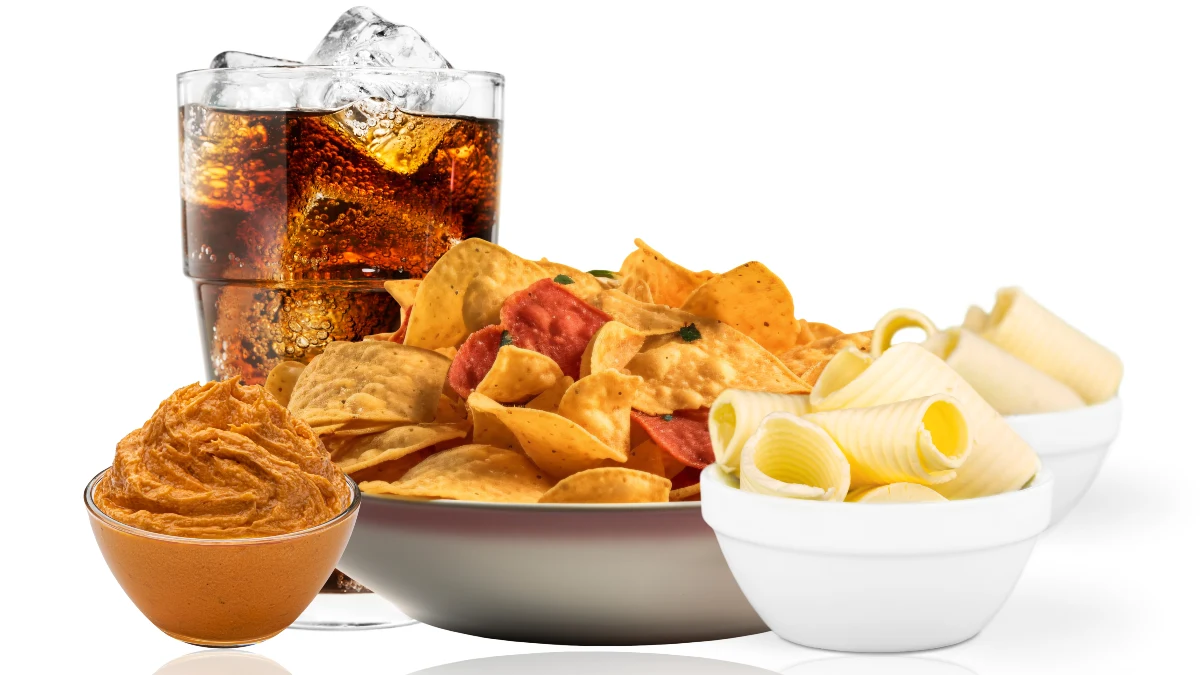
This is a double-whammy for your skeleton. First, diets high in sugar are known to cause chronic, low-grade inflammation throughout the body. This inflammation stimulates the activity of osteoclasts—the very cells responsible for breaking down bone.
Second, many dark-colored sodas are loaded with phosphoric acid. While phosphorus is a necessary mineral for bones, too much of it from artificial sources can disrupt the delicate calcium-to-phosphorus ratio your body needs, potentially leading to bone loss over time.
Studies from institutions like Tufts University have directly linked daily cola consumption in women to significantly lower bone mineral density.
The Takeaway: Swap sugary drinks for water, herbal tea, or a glass of milk. This is a simple change that removes a major bone-destroying habit while adding a bone-building one.
8. Nightly Alcohol

Chronic and excessive alcohol consumption is a well-established major risk factor for osteoporosis. Alcohol acts as a bone toxin in several ways.
It interferes with the function of your pancreas and liver, hindering their ability to absorb calcium and, crucially, to activate Vitamin D—the hormone that allows you to use calcium in the first place.
Furthermore, it can disrupt hormones that are vital for bone health, increasing the stress hormone cortisol (which breaks down bone) and decreasing estrogen in women (which protects it). That second glass of wine every night adds up over the years.
The Takeaway: Moderation is key. The general guideline is no more than one drink per day for women and two for men.
9. “Enriched” White Flour Products
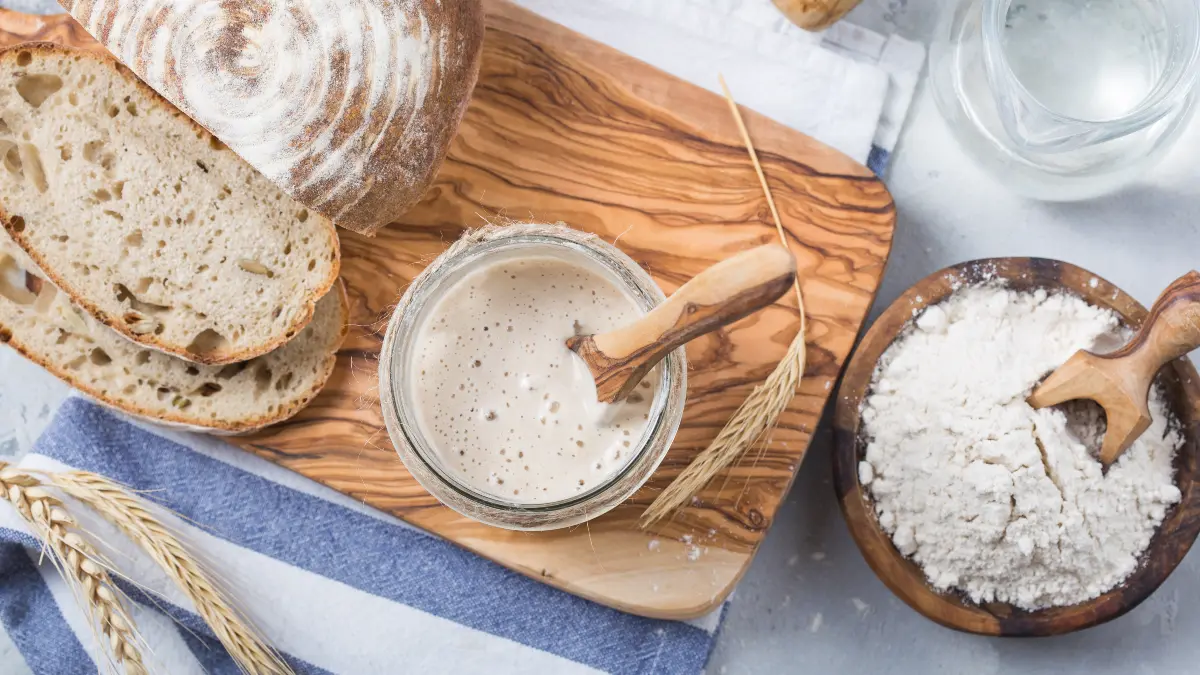
When whole wheat is refined into white flour, the nutrient-dense bran and germ are stripped away. This process removes most of the grain’s magnesium—a mineral that is just as important as calcium for your bones.
Magnesium plays a critical role in converting Vitamin D into its active form. Without enough active Vitamin D, your body can’t effectively absorb calcium, no matter how much you eat. While these products are often “enriched,” magnesium is not one of the nutrients that is typically added back.
The Takeaway: Whenever possible, choose 100% whole-grain versions of bread, pasta, and crackers to ensure you’re getting the full spectrum of bone-supporting minerals.
10. Hydrogenated Oils (Trans Fats)
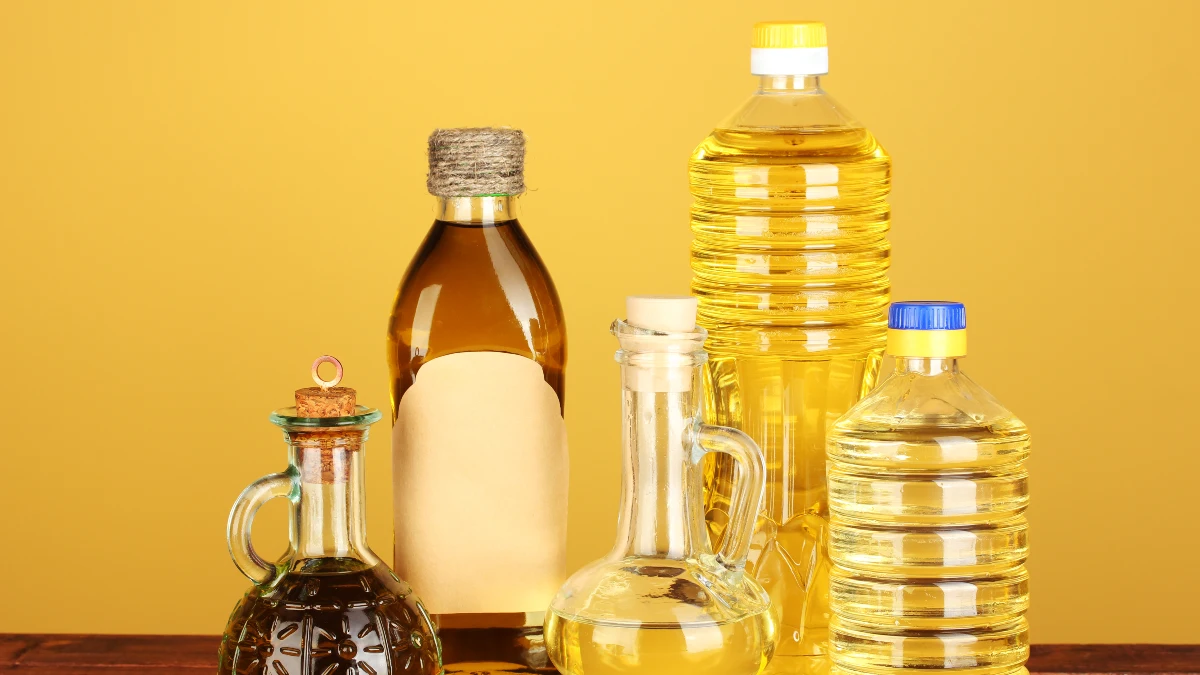
While largely phased out, artificial trans fats can still be found in some processed foods like certain margarines, packaged baked goods, and fried fast foods.
Trans fats are a primary driver of systemic inflammation. As we learned with sugar, this chronic inflammation puts your bone-breakdown cells (osteoclasts) into overdrive, accelerating bone loss. There is also emerging evidence that these unhealthy fats may interfere with the cellular processes that utilize Vitamin K, another essential nutrient that helps bind calcium to your bone matrix.
The Takeaway: Read ingredient lists and avoid anything that says “partially hydrogenated oil.” Focus on healthy fats from olive oil, avocados, and nuts.
11. Excessive Vitamin A (Retinol)
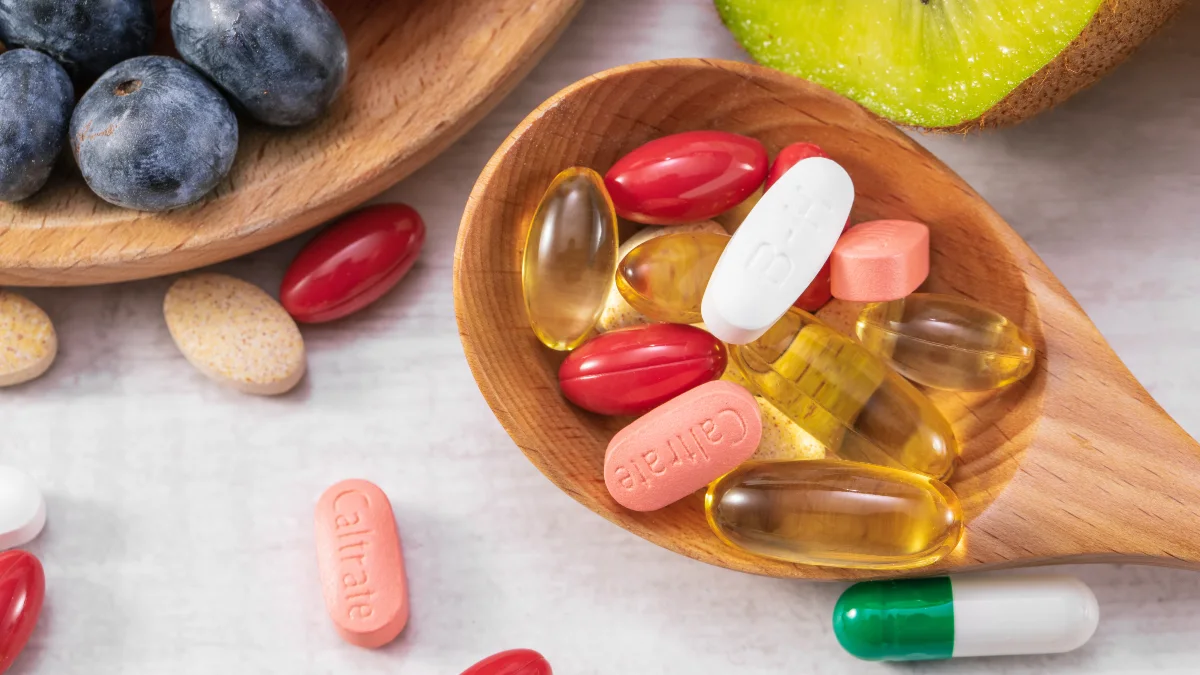
This is the most surprising culprit on the list. We’re not talking about beta-carotene, the type of Vitamin A found in carrots and sweet potatoes. Your body only converts what it needs. We are talking about preformed Vitamin A, or retinol, which is found in high concentrations in some supplements and animal products like liver.
Large-scale studies, including the famous Nurses’ Health Study, found that post-menopausal women with very high intakes of retinol had a significantly higher risk of hip fractures. It’s thought that excessive retinol may stimulate osteoclasts and interfere with Vitamin D’s positive effects.
- The Takeaway: Avoid taking high-dose Vitamin A supplements unless prescribed by a doctor. Limit consumption of beef liver to no more than once per week.
Your Strongest Skeleton Starts Now

After reading this list, it might feel like every food is a potential landmine. But that’s not the message here.
Protecting your skeleton after 50 isn’t about avoiding healthy food groups. It’s about understanding the nuances.
The real threat to your bones isn’t spinach or beans, but the hidden saboteurs: excessive salt, sugar, inflammation, and compounds that actively block your body from using the vital minerals you consume.
Start by making one simple swap today. Maybe it’s choosing low-sodium soup or cooking your spinach instead of having it raw.
For a personalized plan, consider speaking with a registered dietitian or your doctor, who may recommend a bone density scan.
Your dietary choices are the most powerful tool you have for managing the foods that weaken bones and building a resilient frame for an active future.