

You spent good money on a water filter to protect your family.
Maybe it was $300. Maybe more.
You wanted clean water. Safe water. Healthy water.
But here’s something the salesperson probably didn’t mention: Your filter might be taking out the good stuff along with the bad.
I’m talking about minerals. The ones your body actually needs.
And if you’ve been drinking filtered water for months (or years), this matters more than you think.
Let me explain what’s happening and how to fix it.
Only Two Filter Types Actually Remove Minerals (And You Probably Have One)
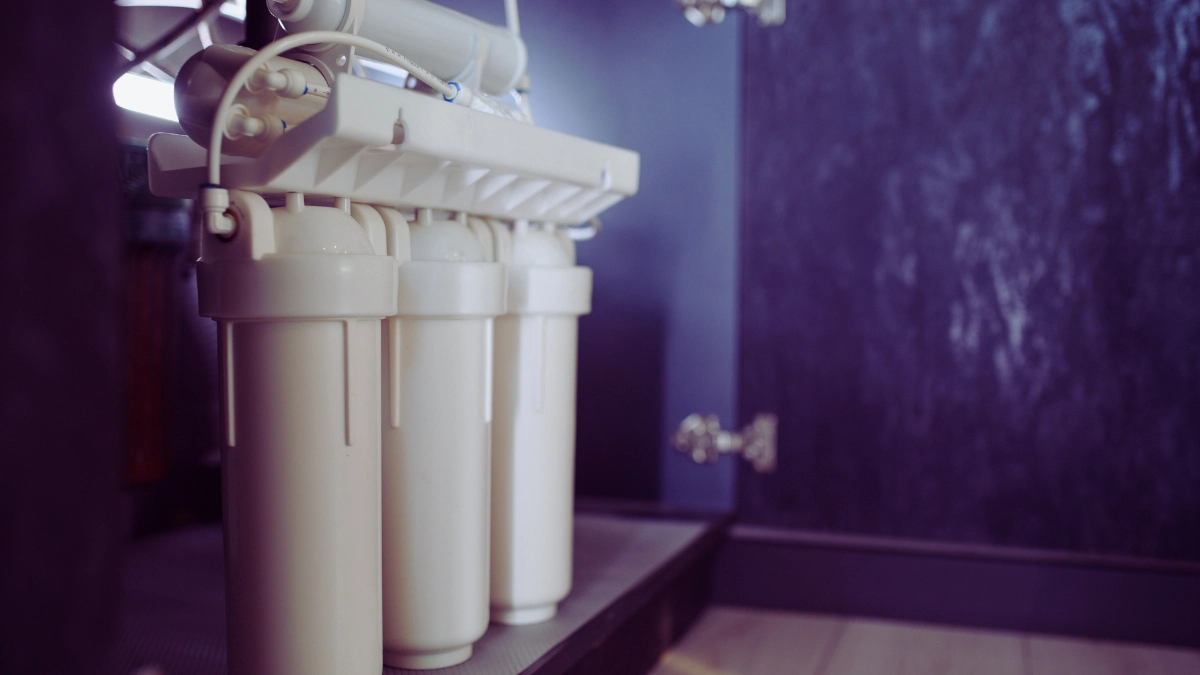
Not all water filters work the same way.
Some clean your water and keep the minerals. Others strip everything out.
Here’s what you need to know.
Reverse Osmosis Systems Are the Big Culprit
Reverse osmosis (RO) filters use a tiny membrane to remove almost everything from your water. The pores in this membrane are just 0.0001 microns wide. That’s so small it catches minerals like calcium, magnesium, sodium, and potassium.
Think of it like a super-fine net. It catches the bad stuff. But it also catches the good stuff.
RO systems remove up to 98% of contaminants. Sounds great, right?
The problem? They also remove 98% of beneficial minerals.
Water Distillers Do the Same Thing
If you have a countertop distiller, same story.
Distillers heat water until it becomes steam, then cool it back to liquid. Everything else gets left behind, including all minerals.
The result? Pure H2O. Nothing else.
These Filters Keep Your Minerals Safe
Good news: Most other filters don’t remove minerals.
Activated carbon filters, which include brands like Brita and PUR, keep healthy minerals in your water. They remove chlorine, chemicals, and bad taste without touching calcium or magnesium.
The same goes for:
- Ceramic filters
- UV purifiers
- Sediment filters
- Most pitcher filters
Berkey systems use microfiltration and keep minerals intact while removing over 200 contaminants.
Bottom line: Check what type of filter you have. If it says “reverse osmosis” or “RO” anywhere, keep reading. Your water probably lacks minerals.
What Science Says About Drinking Mineral-Free Water
This isn’t just theory. Real research shows what happens when you drink demineralized water long-term.
The World Health Organization Studied This
A comprehensive World Health Organization study examined people who drink demineralized water. The findings were clear: people drinking water low in calcium and magnesium had higher rates of death from cardiovascular disease compared to those drinking regular water. The study also found increased risk of bone fractures in children and decreased bone density in adults.
Let that sink in.
The WHO—one of the world’s top health organizations—says mineral-free water can harm your heart and bones.
They now recommend minimum levels: 150-300 mg/L total dissolved solids, at least 20 mg/L calcium, and at least 10 mg/L magnesium.
Your Body Loses Minerals Faster
Drinking water with very low mineral content (75 mg/L or less) causes your body to release more sodium and chloride through urine. Over time, this creates a negative mineral balance.
Your body tries to balance itself. When water comes in without minerals, it pulls minerals from your cells to even things out.
You pee them out. They’re gone.
It Gets Worse When You Cook
Cooking food in demineralized water caused massive mineral loss—up to 60% of magnesium and calcium leached out of the food.
So you’re not just missing minerals from the water. You’re also losing minerals from your vegetables and grains.
Athletes Need to Pay Extra Attention
After intense exercise, drinking large amounts of low-mineral water can cause serious problems. Symptoms like confusion and even shock have been reported.
This is called water intoxication. It happens when you flood your system with pure water that has no electrolytes.
Five Warning Signs Your Water Lacks Minerals

How do you know if this affects you?
Here are the telltale signs.
1. Your Water Tastes Flat or “Empty”
Water with low total dissolved solids tastes flat and bland.
If your filtered water has no taste at all—not refreshing, just… nothing—it probably lacks minerals.
Regular water should have a slight, pleasant taste. That’s the minerals.
2. You Feel Thirsty Even After Drinking
This one’s sneaky.
Demineralized water affects your body’s thirst regulation. You drink more but feel less satisfied.
Your body craves the minerals it’s not getting.
3. You’re Getting Muscle Cramps
Calcium and magnesium help your muscles work right.
Low mineral intake from water has been linked to muscle cramps and weakness.
If you’ve noticed more cramps lately, check your water.
4. Your Bones or Teeth Feel Weaker
A research study published in medical journals found that long-term consumption of demineralized water was associated with bone health problems. Children showed increased fracture risk, while adults experienced measurable decreases in bone density.
This doesn’t happen overnight. But over months and years? It adds up.
5. You Have Low Energy
Early symptoms of low electrolyte levels include tiredness, weakness, and headaches.
Could be lots of things. But if you switched to RO water and feel more tired? Worth checking.
How to Test Your Water in 10 Minutes
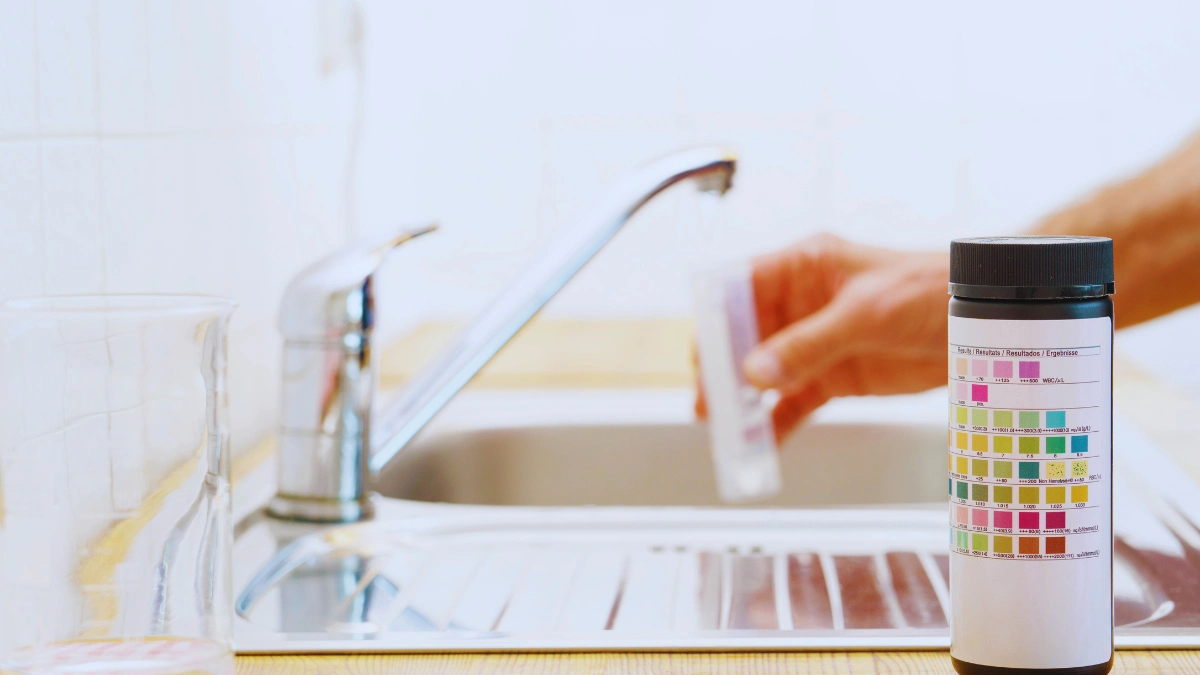
Want to know for sure? Test it.
Buy a TDS Meter (Costs Less Than $20)
A TDS (Total Dissolved Solids) meter measures all the minerals and particles in your water. Good ones cost $10-20.
You just stick it in a glass of water. It gives you a number in parts per million (ppm).
What the numbers mean:
- 50-150 ppm = excellent water with good mineral balance
- 150-250 ppm = good, healthy water
- 250-300 ppm = fair, still acceptable
- Below 50 ppm = too pure, lacking minerals
Test Before and After Your Filter
Here’s the smart move.
Test your tap water first. Let’s say it reads 200 ppm.
Then test your filtered water. If it drops to 30 ppm, your filter is removing almost everything.
That’s too much.
The Quick pH Test
RO water typically has a pH between 5 and 7, making it slightly acidic.
You can buy pH test strips for $10-15. Healthy water should be around 7.5-8.5.
If your filtered water tests below 7, it’s acidic and lacks minerals.
Four Simple Ways to Add Minerals Back
Okay, your water is mineral-free. What now?
You have options. Pick what fits your budget and lifestyle.
Option 1: Install a Remineralization Filter (Best Long-Term Fix)

This is my top recommendation.
A remineralization filter attaches after your RO system. As water flows through, it picks up calcium, magnesium, potassium, and other minerals. These filters typically restore 15-18 different minerals.
Popular options:
- Waterdrop MNR35: Adds 18 minerals, lasts 12 months or 1,100 gallons, costs $35-45
- Bluevua filters: Last 6 months, raise pH from 6.2 to 7.5, cost $30-40
- Vitev REMIN Filter: Premium option at $50-70
These filters also increase your water’s pH to 8 or 9, making it alkaline.
Pros:
- Set it and forget it
- Works automatically
- Consistent mineral levels
- Tastes great
Cons:
- Initial cost
- Need to replace yearly
- Requires some installation
Option 2: Use Mineral Drops (Great for Travel)
Mineral drops are concentrated liquid minerals in a small bottle. You add 2-4 drops per glass of water.
They usually contain calcium, magnesium, sodium, and potassium in concentrated form.
One bottle costs $15-25 and gives you 200+ servings.
Pros:
- Super portable
- No installation needed
- Works with any water
- Cheap per serving
Cons:
- Have to remember to add them
- Slight taste difference
- Not automatic
Look for brands like Trace Minerals ConcenTrace or similar products on Amazon.
Option 3: Add a Pinch of Himalayan Pink Salt
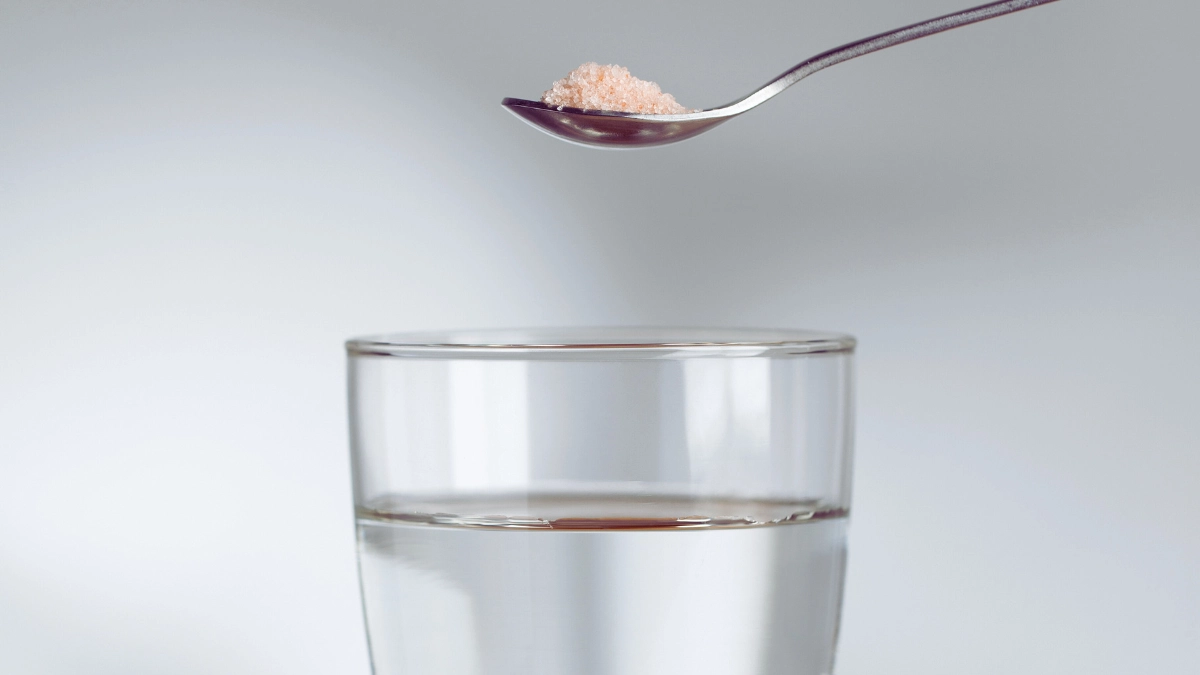
This is the budget option.
Himalayan salt contains trace amounts of calcium, magnesium, and potassium naturally.
Add about 1/4 teaspoon per gallon of water. Or just a tiny pinch per glass.
Pros:
- Super cheap ($10-15 for months of use)
- Already in most kitchens
- Natural source
Cons:
- Adds sodium (watch if you have high blood pressure)
- Slight salty taste
- Not as complete as other options
Option 4: Mix Your RO Water With Spring Water
No equipment needed for this one.
Mix your RO water with bottled spring water at a 1:1 ratio. For more minerals, use 2 parts spring water to 1 part RO water.
Spring water naturally contains minerals and electrolytes.
Pros:
- Zero setup
- Instant solution
- Adjustable mineral levels
Cons:
- Ongoing cost of spring water
- Not as eco-friendly (plastic bottles)
- Takes effort
Should You Switch Filter Types Instead?

Maybe you’re thinking: “Should I just ditch my RO system?”
Not necessarily. It depends.
When RO Makes Perfect Sense
Keep your RO system if you have:
- Well water with heavy metals
- Old pipes with lead concerns
- Areas with high arsenic, fluoride, or nitrates
- Known contamination issues
RO removes toxins like PFAS (forever chemicals), lead, and arsenic that other filters miss.
Just add the remineralization stage. Problem solved.
When Carbon Filters Are Smarter
Carbon filters remove chlorine, PFAS, VOCs, and other contaminants while keeping beneficial minerals like calcium and magnesium.
They’re perfect if you have:
- Municipal water that’s already treated
- No heavy metal concerns
- Water that mainly needs chlorine and chemical removal
Good activated carbon filters remove over 80 contaminants without touching minerals.
The Hybrid Approach Works Too
Many modern systems combine RO filtration with built-in remineralization. The Waterdrop X12, for example, offers 11-stage filtration that removes contaminants and then adds alkaline minerals back.
You get the protection of RO plus the benefits of minerals.
Best of both worlds.
Three Mistakes That Cost People Money

Learn from what others do wrong.
Mistake #1: Installing RO Without Testing First
People buy RO systems because they think all tap water is terrible.
Sometimes it’s not.
What to do instead: Get your water tested first. Most cities provide free water quality reports.
Visit your water supplier’s website. Or call them. They’ll send you detailed results.
If your water is already decent, save money on a simpler carbon filter.
Mistake #2: Forgetting About Filter Maintenance
Remineralization filters last about 12 months or 1,100 gallons.
After that, they stop adding minerals effectively.
Set a phone reminder for 11 months out. Order a replacement before you run out.
The same goes for your main filters. Old filters don’t work right.
Mistake #3: Assuming Bottled Water Has Minerals
Many people switch to bottled water, thinking it’s better.
Here’s the truth: Lots of bottled water brands use RO without remineralization.
Check the label. Look for:
- “Spring water” (usually has minerals)
- “Mineral content” listed
- Avoid “purified water” or “RO water” without mineral info
You might be paying $2 per bottle for the same mineral-free water you’re trying to avoid.
The Bottom Line: Clean Water Needs Minerals Too

Your water filter should protect you. Do not strip out what your body needs.
The WHO made it clear: demineralized water has real health risks when consumed long-term.
But fixing this is easy.
Here’s your action plan:
-
Test your water today. Buy a $15 TDS meter. If it reads below 50 ppm, you need to add minerals back.
-
Check your filter type. RO and distillers remove minerals. Carbon filters don’t.
-
Pick your solution. A $35 remineralization filter lasts a year. Or start with $20 mineral drops.
-
Retest in a week. Make sure your mineral levels are in the healthy range (150-300 ppm).
Aim for at least 20 mg/L calcium and 10 mg/L magnesium in your drinking water.
Your bones, heart, and muscles work better with proper minerals. You’ll probably notice better taste too.
Clean water is important. But clean water with minerals? That’s what your body actually needs.
Don’t let your expensive filter rob you of essential nutrition. Fix it today and enjoy truly healthy water.