
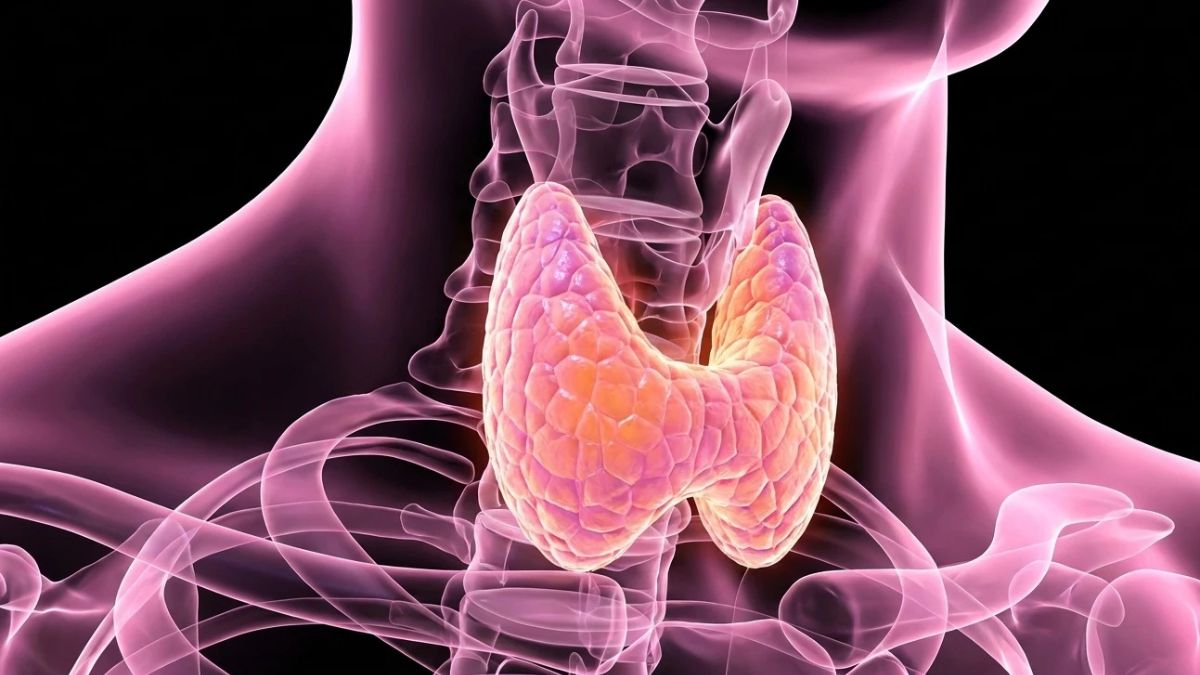
Are you doing “all the right things” but still feel tired, foggy, and can’t lose that stubborn weight? You exercise, you try to eat right, but something is just… off.
If this sounds familiar, you’re not alone. As we cross the age of 35, our hormonal balance shifts. This makes our thyroid—the body’s master metabolic engine—more vulnerable than ever to disruption.
The very foods you eat, even some “healthy” ones, might be actively working against you. This is a major source of hidden thyroid problems after 35.
This isn’t just another list of “don’t eats.” This is a ready guide to 14 specific foods, food groups, and hidden chemicals that doctors and researchers warn can disrupt thyroid function.
You’ll learn the why behind each one and, most importantly, get actionable swaps you can make today.
You’re trying to do the right thing, but these common “health foods” might be part of the problem.
1. Soy Products (Tofu, Soy Milk, Edamame)
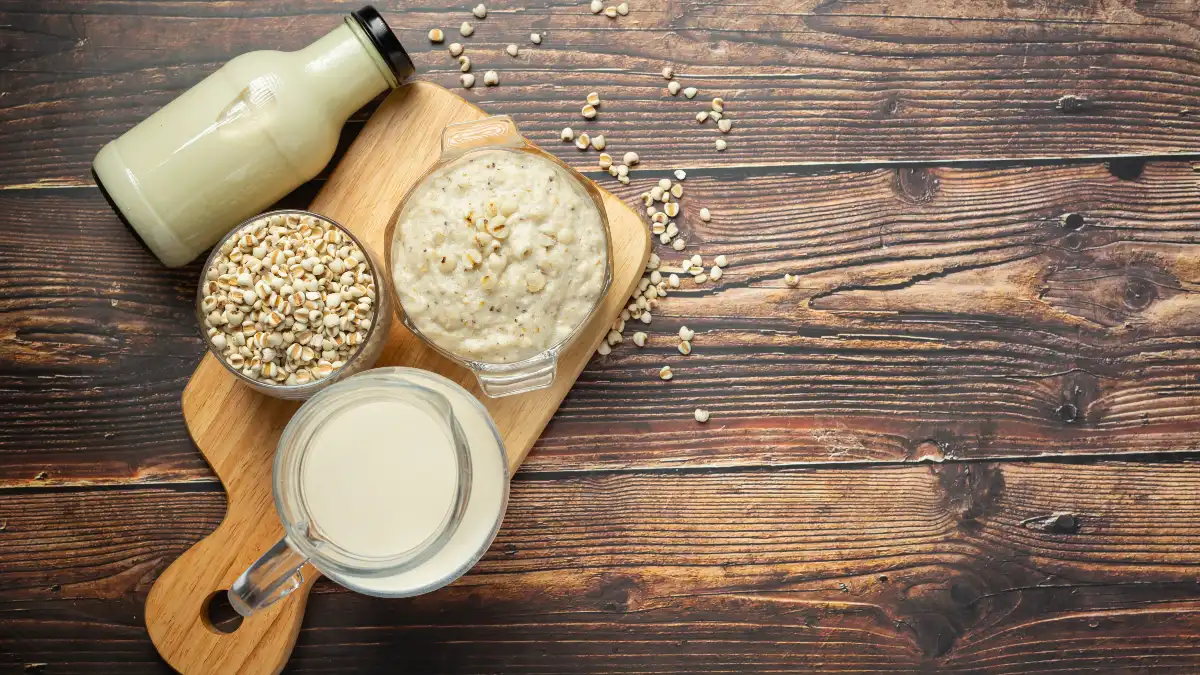
The problem with soy is that it contains “phytoestrogens” called isoflavones. In high amounts, these can inhibit thyroid peroxidase (TPO), the crucial enzyme your body uses to actually build thyroid hormones.
This is most relevant for those with subclinical hypothyroidism or an iodine deficiency. If your thyroid is already struggling, a high-soy diet could be a problem.
Your action is to moderate unfermented soy (like tofu and milk) and consider choosing fermented soy like tempeh or natto, which may have less impact.
2. Raw Cruciferous Vegetables (Kale, Broccoli, Cabbage)
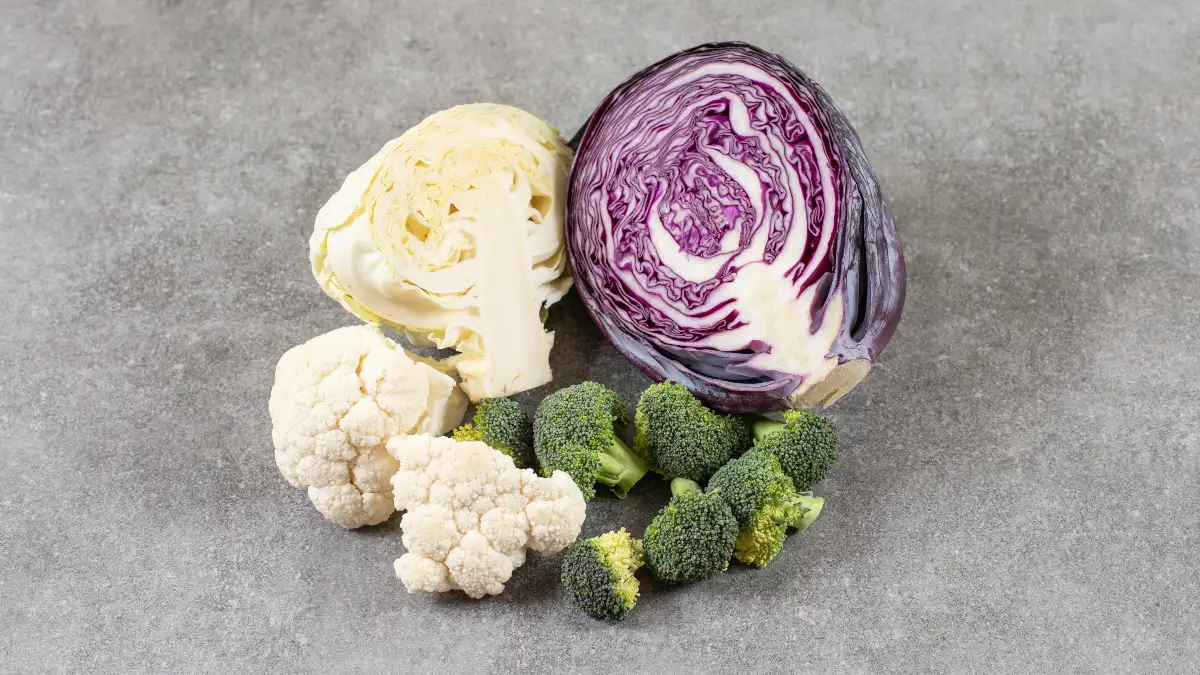
These contain compounds called goitrogens, which, in very large quantities, can block your thyroid’s ability to absorb and use iodine. But don’t avoid these nutrient-dense veggies!
The myth that you can’t eat broccoli is over. You’d have to eat an enormous, unrealistic amount of raw kale (like in a giant daily smoothie) for this to be an issue.
The simple action is to just cook them. Steaming, sautéing, or roasting deactivates the goitrogenic compounds.
3. Excessive Iodine (Kelp, Dulse, Supplements)

Iodine is essential, but too much is just as bad as too little, as your thyroid is a Goldilocks gland. An iodine overload, often from “thyroid support” supplements or heavy kelp noodle use, can trigger the “Wolff-Chaikoff effect.”
This is a self-defense mechanism where the thyroid literally shuts down hormone production to protect itself.
Get your iodine from food (like eggs, fish, and dairy if you tolerate it) and be very skeptical of supplements with “iodine” or “kelp” unless prescribed by a doctor who has tested your levels.
The Core Sensitivity Triggers
For many with thyroid issues after 35, the root isn’t the thyroid itself, but an inflamed gut and a confused immune system
4. Gluten (Wheat, Barley, Rye)

The link between Hashimoto’s thyroiditis (the #1 cause of hypothyroidism) and gluten sensitivity is incredibly strong.
This is due to molecular mimicry. The protein structure of gluten (gliadin) looks almost identical to your thyroid tissue.
When your immune system attacks gluten, it can get “confused” and start attacking your thyroid gland by mistake.
Your action is clear: If you have thyroid symptoms (even with “normal” labs), a 30-day strict gluten-free trial is a non-negotiable diagnostic tool.
5. Conventional Dairy (Milk, Cheese, Yogurt)

The problem with dairy is two-fold. First, a high percentage of people with gluten sensitivity are also sensitive to casein, a protein in dairy.
Second, lactose intolerance (a separate issue) can cause gut inflammation, which impairs overall hormone regulation. The recommended action is to try removing dairy with gluten for 30 days.
Many people find their brain fog and bloating (common thyroid symptoms) improve dramatically. This combo is powerful.
The Obvious (But Powerful) Saboteurs
These common items are all about one thing: inflammation. And inflammation is a fire that your thyroid has to fight every day.
6. Refined Sugar (Pastries, Cereal, Sauces)

Refined sugar drives inflammation and spikes insulin. This hormonal chaos puts immense stress on your adrenal glands. Your adrenals and thyroid are partners, and stressed adrenals equal a stressed thyroid.
The action is to understand that reducing sugar isn’t just about weight; it’s about giving your entire endocrine system a break.
7. Sugary Drinks (Sodas, Fruit Juice, Sweetened Coffees)

These are a direct, liquid-sugar hit to your system. This inflammation can impair the critical conversion of T4 (storage hormone) to T3 (active, “energy” hormone). That means you can have “enough” T4 but still feel exhausted because you can’t convert it. Your simple action is to switch to sparkling water with lemon.
8. Processed Meats (Deli Meat, Hot Dogs, Bacon)
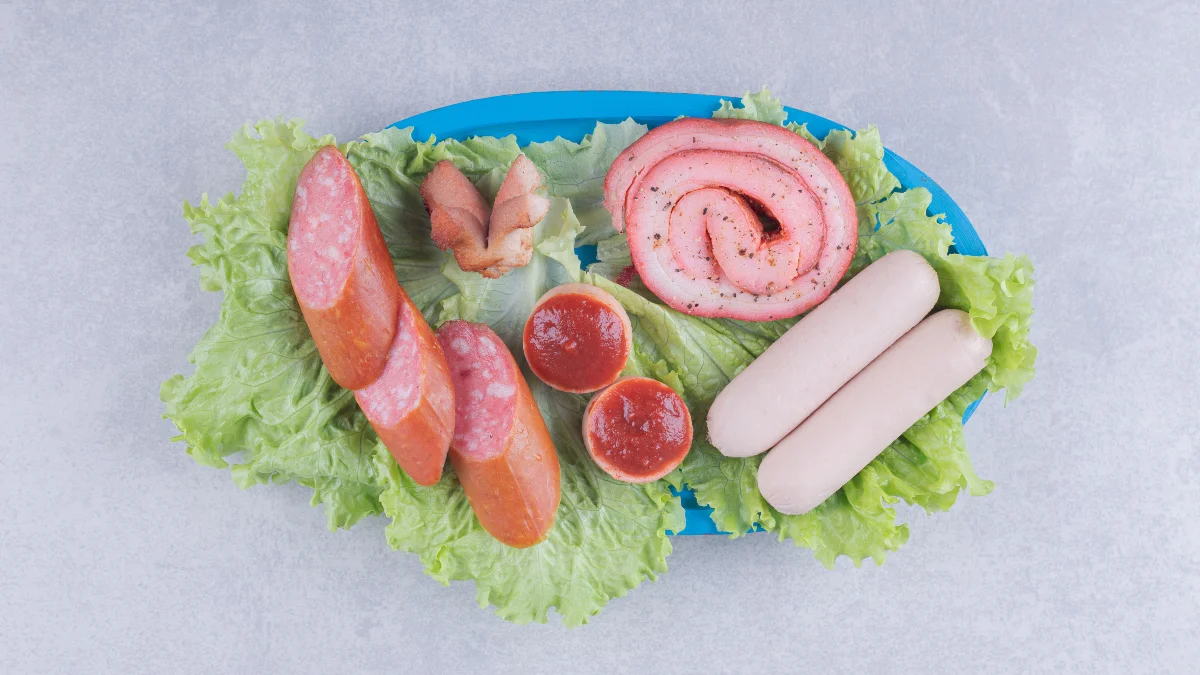
Processed meats are loaded with nitrates, phosphates, and sodium. These additives increase systemic inflammation and oxidative stress.
For an autoimmune condition like Hashimoto’s, this is like pouring gasoline on a fire. The action is to look for “nitrate-free” and “uncured” options, or better yet, opt for whole, unprocessed meat.
9. Excessive Caffeine (Your Morning Coffee)

This isn’t about causing thyroid disease, but managing it. Coffee (even black) can block the absorption of your thyroid medication (like Levothyroxine) by up to 40%.
You’re basically flushing your prescription down the drain. The rule is simple: You must wait at least 60 minutes after taking your pill before your first cup. That’s it.
10. Alcohol

Alcohol is a direct toxin to thyroid cells. It also stresses your liver. This matters because your liver is where 60% of your T4-to-T3 conversion happens.
A struggling liver means less active thyroid hormone and more fatigue. Your action is to notice how you feel the day after even one drink—that’s the impact.
11. Refined Seed Oils (Soybean, Corn, Cottonseed, Canola)

These oils are high in Omega-6 fatty acids, which, when out of balance with Omega-3s, are highly inflammatory.
They are hidden in everything—salad dressings, mayo, chips, and restaurant food.
This constant, low-grade inflammation is a drain on your thyroid. The action is to cook at home with avocado oil, olive oil, or coconut oil and to read labels.
The Hidden Disruptors
Finally, let’s talk about the “ghosts” in your kitchen. These aren’t foods, but chemicals in your food and water that mimic and block your natural hormones.
12. Canned Foods (The Lining, Not the Food)
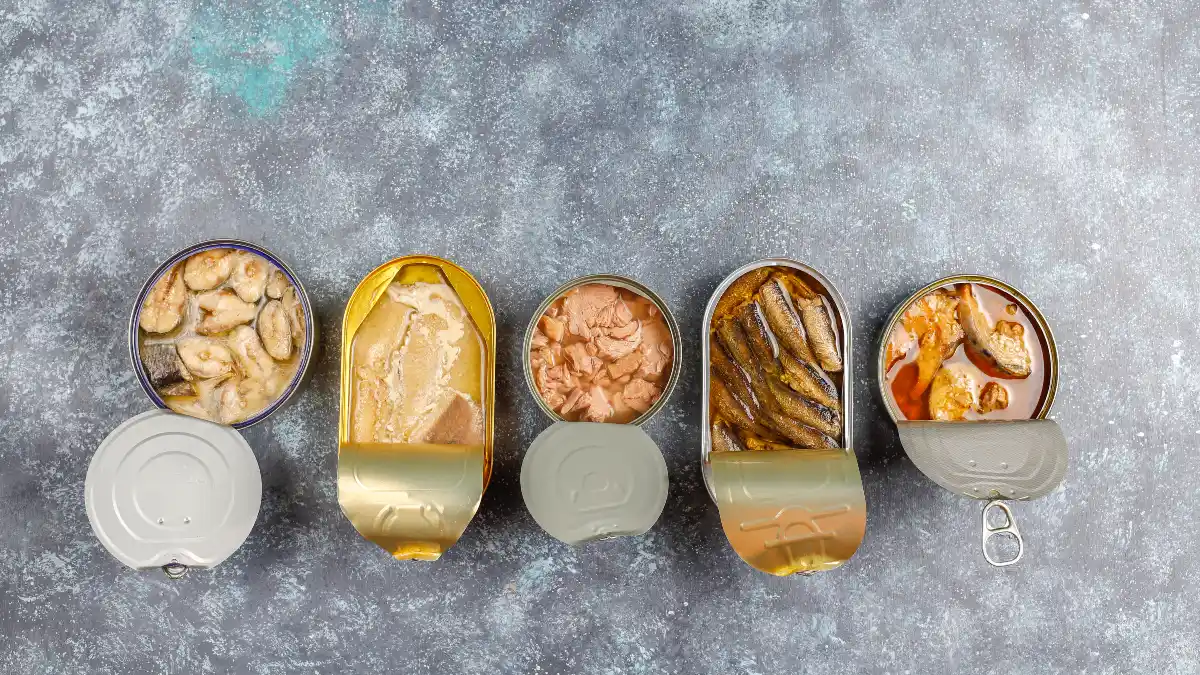
Bisphenol-A (BPA) is a known endocrine-disrupting chemical (EDC), and it’s used in the epoxy lining of most food cans.
BPA can mimic estrogen and block thyroid hormone receptors, essentially “clogging” them.
Your action is to choose foods in glass jars (especially acidic ones like tomatoes) or look for cans explicitly marked “BPA-Free.”
13. Unfiltered Tap Water (Fluoride & Chlorine)

These chemicals are “halogens,” just like iodine. Because they are in the same chemical family, they can “bully” iodine out of the way and bind to your thyroid’s receptors.
Your thyroid gets clogged and can’t absorb the iodine it needs. The action is to recognize that a high-quality water filter (like a reverse osmosis or carbon-block filter) is no longer a luxury, but a necessity for thyroid health.
14. Large, Farmed Fish (Tuna, Swordfish, Farmed Salmon)
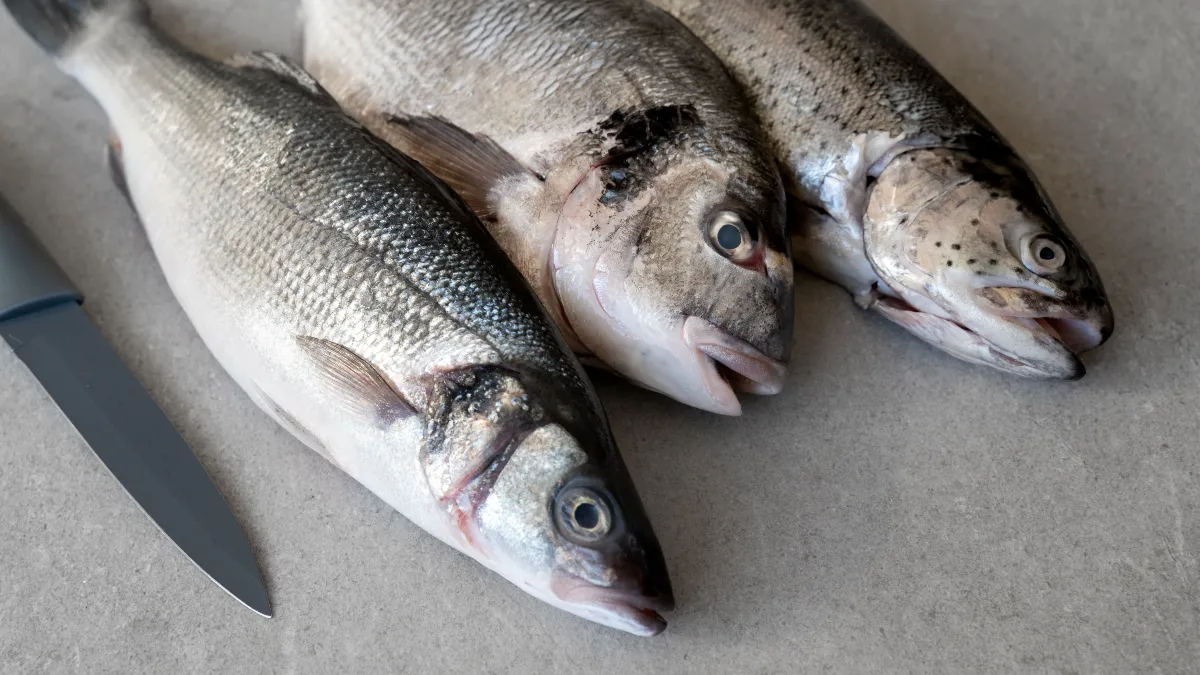
These fish are high in mercury and PCBs, which are potent thyroid disruptors. Mercury, in particular, has been shown to be toxic to thyroid tissue.
Your action is to focus on the “SMASH” fish: Salmon (wild-caught), Mackerel, Anchovies, Sardines, and Herring.
They are small, low on the food chain, and high in anti-inflammatory Omega-3s (which help your thyroid).
Your Action Plan: Don’t Be Overwhelmed, Be Empowered
Don’t be overwhelmed. Be empowered. As you can see, managing thyroid problems after 35 isn’t about deprivation. It’s about awareness.
It’s about understanding that some “healthy” foods need moderation (like kale), some need investigation (like gluten), and some hidden foods disrupting your thyroid are actually chemicals in the packaging.
Your action plan is simple. Don’t change everything at once. Pick one thing from this list to focus on for the next two weeks.
Maybe it’s waiting 60 minutes for your coffee. Maybe it’s swapping your canned tomatoes for glass. Maybe it’s buying a water filter.
That one small step is the beginning of taking back control of your thyroid health.