

At 376 pounds and 40 years old, I stood in front of my bathroom mirror after yet another failed diet. I realized something important. The problem wasn’t me. It was trying to follow someone else’s plan.
I’d tried seventeen different diets between 2015 and 2020. Yes, I counted. Keto made me miserable. Paleo emptied my wallet. Weight Watchers worked until it didn’t. Intermittent fasting left me so hungry I’d binge at night.
The pattern was always the same. I’d lose 20 or 30 pounds. Then I’d gain back 40. Each time, I felt like more of a failure.
But here’s what I didn’t understand then. My body at 40 wasn’t the same as my body at 25. My stress levels were different. My schedule was different. My life was completely different.
So I stopped looking for the perfect diet. Instead, I started investigating what MY body actually needed.
Eighteen months later, I weighed 206 pounds. I’d lost 170 pounds. More importantly, I built a system I could actually maintain.
Let me show you exactly how I did it.
Why Every Diet Failed Me (And Probably You Too)
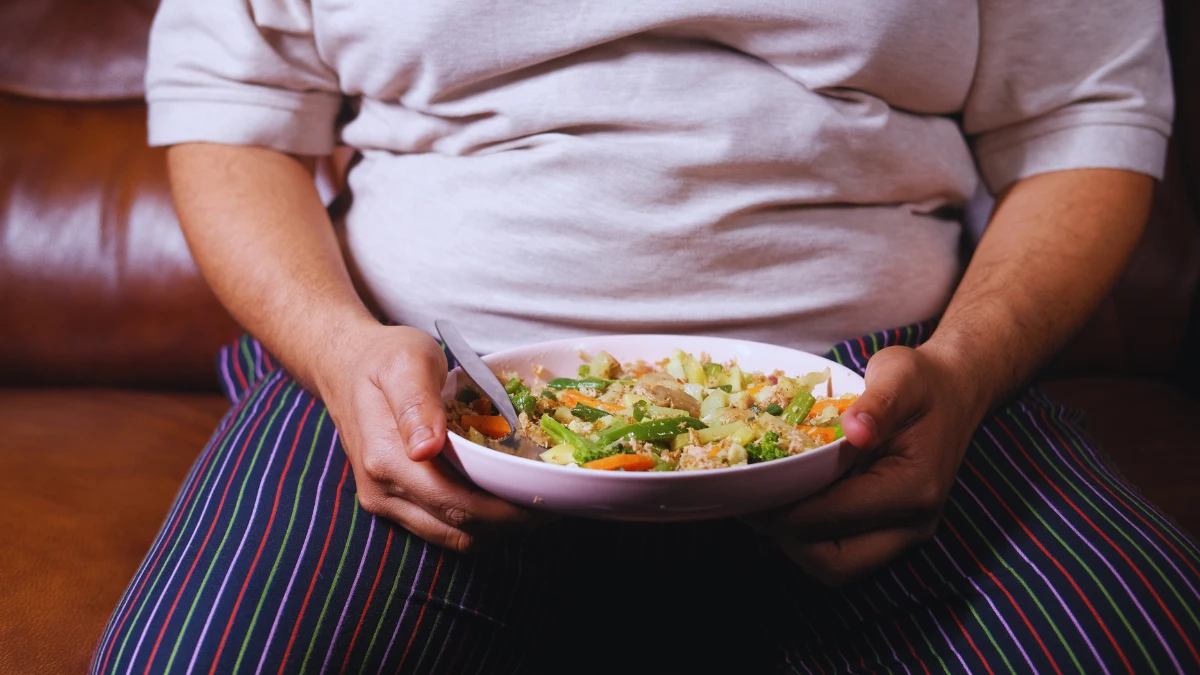
Here’s a fact that might make you feel better. A 2020 study published in the journal Obesity found that only 20% of people who lose weight actually keep it off long term. That means 80% of us regain the weight.
You’re not broken. The diets are.
Most diets ignore something crucial. Everyone’s body is different. What works for a 25-year-old gym rat doesn’t work for a 40-year-old parent with a full-time job and aging metabolism.
Adults between 40 and 59 have the highest obesity rates at 46.4%. Your body changes as you age. Your metabolism slows down. Your hormones shift. Your stress levels increase.
But most diets? They treat everyone the same.
I tried keto and lost 25 pounds in two months. But I was miserable. I couldn’t go to family dinners. I turned down my daughter’s birthday cake. I felt guilty eating a banana. That’s no way to live.
Weight loss isn’t about willpower. It’s about what experts call “planning power.” You need a plan that actually fits your real life.
Here’s what I finally figured out. Every diet that failed me had one thing in common. They all demanded I change everything at once. Cut carbs completely. Exercise for two hours daily. Meal prep every Sunday. Track every bite.
That’s too much. Your brain can’t handle that many changes at once. So you quit. Then you feel like a failure. But you’re not. The system failed you.
The Turning Point: What My Body Actually Needed
My wake-up call came on a family vacation. We hiked to a scenic overlook. Everyone walked up the trail. I took the ski lift.
I couldn’t make it. I was too out of shape. Too heavy. Too embarrassed to even try.
That night, I made a decision. No more following someone else’s rules. I’d figure out what worked for MY body.
I started researching. Not diet plans. Real science about weight loss.
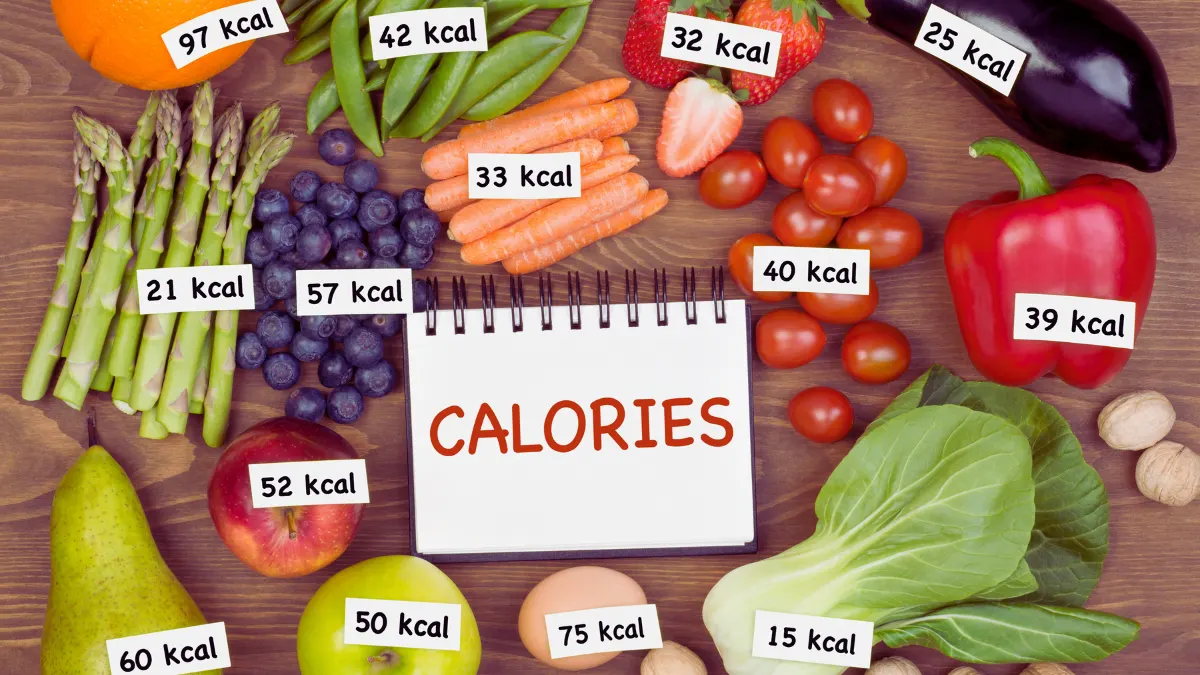
Here’s what I learned. The most important factor in weight loss is creating a calorie deficit. That means eating less than you burn. Everything else is just details about HOW you create that deficit.
But here’s the key. You need to create that deficit in a way you can actually maintain. Forever.
I also learned something surprising. Even losing just 5% of your body weight improves your health. You don’t need to be perfect to see benefits.
That took so much pressure off. I didn’t need to lose all 170 pounds tomorrow. I just needed to start.
So I calculated my numbers. At 376 pounds, my body burned about 3,200 calories just existing. To lose one pound per week, I needed to eat about 2,700 calories daily.
That’s it. That was my starting point.
No forbidden foods. No complicated rules. Just eat less than I burn.
But I needed a system to make that happen. That’s where my five principles came in.
The 5 Core Principles I Built My Plan Around
After months of testing, I found five things that actually worked. These became my foundation.
Principle 1: Protein First, Always
This changed everything for me.
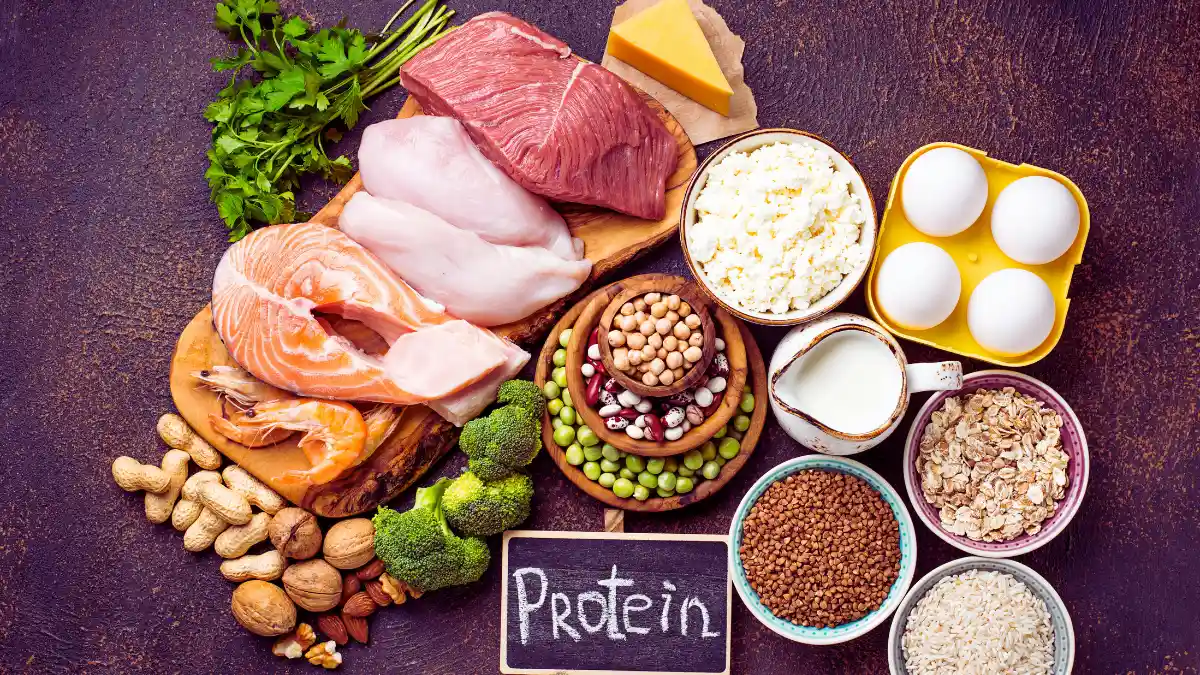
I started eating 40 grams of protein at every meal. That’s about the size of your palm. For breakfast, I’d eat three eggs and Greek yogurt. For lunch, a chicken breast. For dinner, salmon or lean beef.
Why does this work? A 2024 study published in a clinical trial showed that people eating high-protein diets (1.6 g/kg body weight) lost 10.9% body fat over six months. People on low-protein diets only lost 7.3%.
Protein keeps you full longer. It also protects your muscles while you lose fat. And muscle burns calories even when you’re sitting on the couch.
I aimed for 200 grams of protein daily. That’s hard to hit. But when I got close, I felt satisfied. I stopped snacking at night. My cravings disappeared.
Principle 2: Move Daily (Not Exercise—Move)

Forget the gym if you hate it. I’m serious.
I started with ten-minute walks. That’s all. Just ten minutes after dinner.
Some people lost 100 pounds just by walking and doing simple meal prep. You don’t need fancy equipment. You need consistency.
After a month, I increased to twenty minutes. Then thirty. By month six, I was hiking five miles on weekends.
I also added strength training three times per week. Nothing crazy. Pushups, squats, lunges. Bodyweight stuff in my living room.
150 to 300 minutes of exercise weekly leads to 5-10% body weight loss. That’s only 30 minutes five times per week. You can do that.
The key? Do movements you actually enjoy. I hate running. So I don’t run. I walk and lift weights. Find what works for you.
Principle 3: Track Progress Without Obsession
I weighed myself once per week. Every Monday morning. Same time. Same scale.
I also tracked my food. But I wasn’t perfect about it. If I ate out, I made my best guess. If I forgot to log lunch, I didn’t stress.
People who keep food diaries are more successful at losing weight than those who don’t. But the tracking is just a tool. It’s not a test you can fail.
I used a simple app on my phone. It took maybe five minutes per day. That’s less time than I spent scrolling social media.
The tracking showed me patterns. I was eating 800 calories in snacks after dinner. Once I saw that, I could fix it.
I also took photos every month. Not for Instagram. Just for me. On hard days when the scale didn’t move, I could see the change in my face. In how my clothes fit.
Progress isn’t always a number on the scale.
Principle 4: Sleep and Stress Management

This one surprised me.
I thought weight loss was just about food and exercise. Wrong.
Chronic stress raises cortisol levels. This hormone promotes fat storage, especially around your belly. It also messes with your insulin and makes you hungrier.
I was stressed all the time. Work. Family. Money. My body was holding onto fat because it thought I was in danger.
So I started going to bed at 10 PM. Every night. I aimed for eight hours of sleep. That alone made a huge difference.
I also added ten minutes of breathing exercises each morning. Sounds weird. But it worked. My stress levels dropped. My cravings decreased.
Poor sleep interferes with hunger hormones. When you’re tired, your body produces more ghrelin (the hunger hormone) and less leptin (the fullness hormone).
You can’t out-diet bad sleep. Trust me. I tried.
Principle 5: Build Habits, Not Willpower

This is the most important one. Willpower runs out. Habits don’t.
I didn’t rely on motivation. I built systems. I put my gym shoes by the door. I prepped vegetables every Sunday. I kept protein bars in my car.
People who successfully maintain weight loss have stronger habits around healthy eating. The habits require less effort over time.
The first month was hard. I had to think about every choice. But by month three? My new way of eating felt normal.
By month six? I couldn’t imagine going back to my old habits.
That’s how habits work. They feel impossible at first. Then they become automatic.
I started with one habit per month. Month one: protein at every meal. Month two: daily walks. Month three: tracking food.
Small changes. Repeated daily. That’s how you build a new life.
Month-by-Month: What My First Year Looked Like
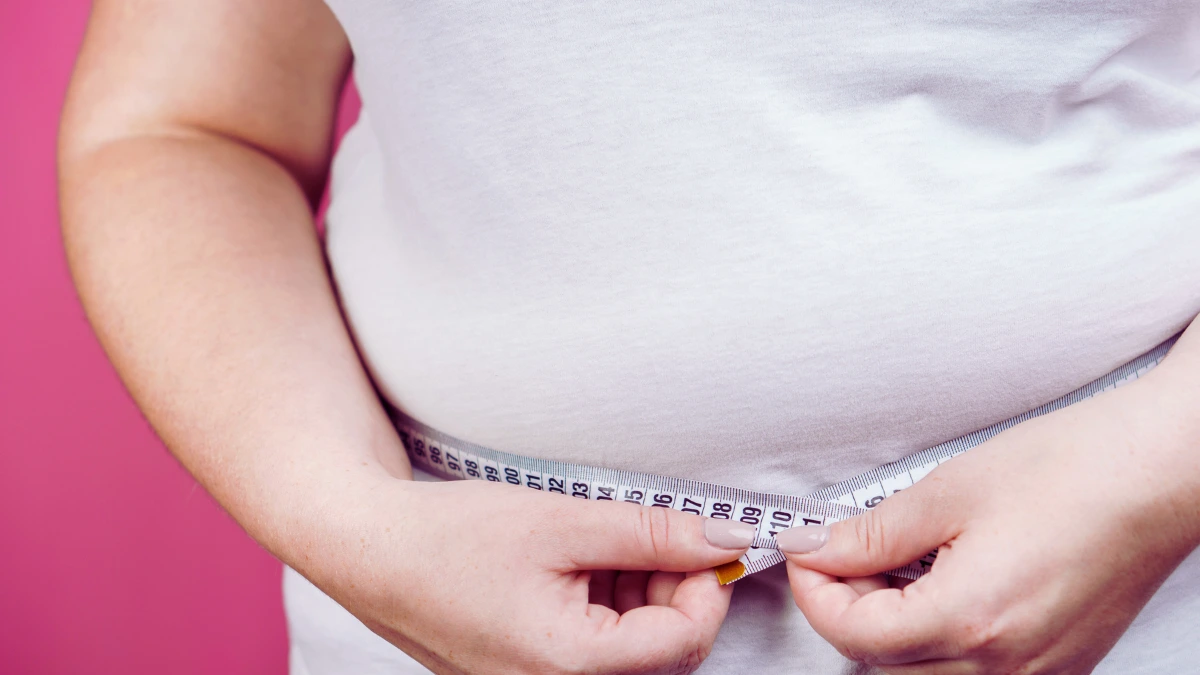
Let me be honest about the timeline.
Months 1-3: I lost 32 pounds. That’s fast. But I had a lot to lose. The first months are always easier. Your body releases water weight. You’re motivated. Everything feels new.
I walked daily. I hit my protein goal most days. I felt great.
Months 4-6: I lost 18 pounds. Slower. This is when it gets hard. The novelty wears off. The scale doesn’t move as fast. You want to quit.
I hit a plateau in month five. Two weeks with no weight loss. I wanted to give up. But I kept going. I trusted the process. The plateau broke.
Months 7-9: I lost 22 pounds. I found my rhythm here. I wasn’t thinking about food constantly. My habits felt natural. I actually enjoyed my workouts.
My energy increased. I could tie my shoes without sitting down. I stopped snoring.
Months 10-12: I lost 13 pounds. The slowest quarter. But also the most important. This is where I proved I could maintain this forever.
By month twelve, I’d lost 85 pounds total. I went from 376 to 291 pounds.
I still had a long way to go. But I’d built something sustainable. That’s what mattered.
The Mistakes I Made (So You Don’t Have To)

I screwed up plenty. Learn from my mistakes.
Mistake 1: I cut calories too low at first. I ate 1,800 calories daily. I was starving. When you eat too little, your body enters “starvation mode.” Your metabolism slows down to conserve energy. This makes weight loss harder.
Fix: I increased it to 2,500 calories. I still lost weight. But I felt better. I had energy. I could think clearly.
Mistake 2: I thought I could spot-reduce belly fat with crunches. Did 100 crunches every night for two months. My abs got stronger. But the belly fat stayed.
You can’t choose where your body loses fat. It comes off everywhere, based on your genetics.
Fix: I focused on overall fat loss. Full-body workouts. Calorie deficit. The belly fat eventually came off. But it was the last place to go.
Mistake 3: I skipped strength training for the first three months. I only did cardio. Big mistake.
Muscle burns more calories at rest. More muscle means faster metabolism.
Fix: I added weights three times per week. My weight loss actually sped up. Plus, I looked better. Losing fat is good. Building muscle is better.
Mistake 4: I compared myself to others. Saw stories of people losing 50 pounds in three months. Felt slow and inadequate.
Fix: I stopped looking at other people’s results. Everyone’s body is different. Your pace is your pace.
How to Create Your Own Plan
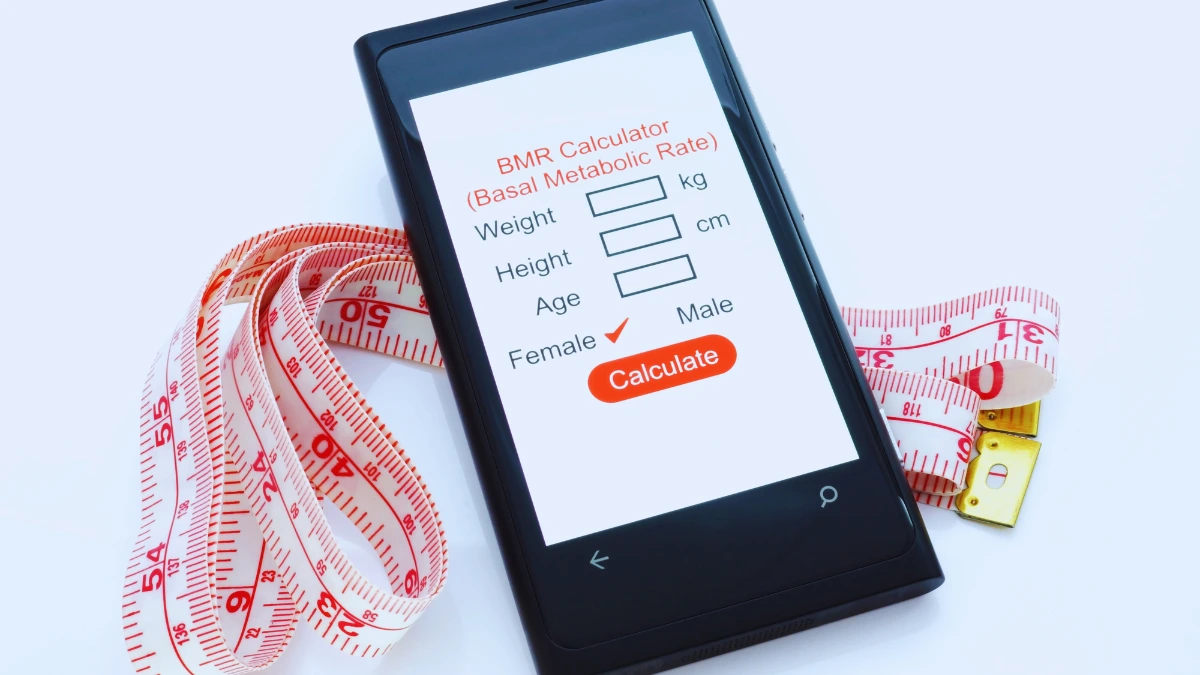
Here’s your step-by-step system.
Step 1: Calculate your numbers. Find a BMR calculator online. It’s free. This tells you how many calories your body burns at rest. Multiply by your activity level. That’s your maintenance calories.
Subtract 500 calories. That’s your daily target for one pound per week of weight loss.
Step 2: Set your protein goal. Multiply your body weight by 0.7. That’s your minimum daily protein in grams. If you weigh 250 pounds, aim for 175 grams of protein daily.
Step 3: Start moving. Pick something you’ll actually do. Walking. Swimming. Dancing. Lifting weights. Anything that gets you off the couch.
Start small. Ten minutes daily. Add five minutes each week.
Step 4: Track for one week. Don’t change anything yet. Just write down what you eat. See where your calories come from. You’ll probably be surprised.
Step 5: Make one change. Not seventeen changes. One. Maybe you cut out soda. Or you add vegetables to dinner. Or you stop eating after 8 PM.
Live with that change for two weeks. Once it feels normal, add another change.
Step 6: Give it twelve weeks. Nothing works in one week. Or even one month. You need at least twelve weeks to see real results.
Be patient. This is a marathon, not a sprint.
What Nobody Tells You About Losing 100+ Pounds

The loose skin is real. I have it. Mostly on my belly and arms. It’s not as bad as I feared. But it’s there.
You might need to buy new clothes five times. That gets expensive. Shop at thrift stores.
People treat you differently. Some congratulate you. Others get weird. Jealous, maybe. Or they feel judged. Your relationships might change.
The hardest part isn’t physical. It’s mental. You spend decades identifying as “the fat guy.” Then suddenly you’re not. Who are you now?
I needed therapy to work through that. No shame in getting help.
Also, maintenance is forever. This isn’t a diet you finish. It’s a lifestyle you maintain. But here’s the good news. It gets easier. Way easier.
After two years, I don’t think about food constantly. I don’t track anymore. My habits are automatic. I naturally eat the right amount. I crave healthy foods.
Your taste buds actually change. I used to love fast food. Now it makes me feel sick. Wild.
The Maintenance Phase: Keeping It Off

I’ve maintained my weight loss for three years now. Here’s how.
I still weigh myself weekly. If I’m up five pounds, I tighten things up for a week. I don’t panic. I just adjust.
I still prioritize protein. Still walk daily. Still lift weights three times per week.
But I’m not perfect. I eat pizza sometimes. I have dessert. I don’t stress about vacation.
The difference? My baseline is healthy. So the occasional splurge doesn’t matter.
Most successful weight loss maintainers say they tried more than one approach before finding what worked long-term. Don’t give up if your first attempt doesn’t work. Keep adjusting.
Your plan should evolve with your life. Mine has changed dozens of times. That’s normal. That’s good.
The key is staying consistent with the basics. Protein. Movement. Sleep. Stress management. Habits.