

You hit the gym three times a week. You feel pretty good about yourself. But what if the other things you do every day are destroying your health faster than skipping workouts ever could?
Most people think exercise is the magic fix for health problems. And yes, working out matters. But doctors now know that certain daily habits cause more damage than never exercising at all.
Over half of the calories adults eat (53%) come from ultra-processed foods. Globally, about one out of every six individuals experiences loneliness. And millions sit for more than 10 hours every single day.
In this article, you’ll discover 14 everyday behaviors that doctors warn are worse than skipping the gym.
1. Sitting More Than 10 Hours Daily

Your office chair is killing you. Even if you exercise.
A 2024 study published in the Journal of the American College of Cardiology tracked 89,530 people. The research found that sitting more than 10.6 hours per day significantly increased the risk of heart failure and early death—even in people who met exercise guidelines.
Think about that. You could run every morning and still damage your heart if you sit all day.
Here’s what happens when you sit too long. Your blood flow slows down. Fat builds up in your arteries. Your metabolism crashes. Your muscles stop using blood sugar properly.
Every hour you sit beyond 7 hours raises your risk of dying by 5%.
But there’s good news. Replace just 30 minutes of sitting with movement, and you cut heart failure risk by 15%.
What to do: Set a timer for every 30 minutes. Stand up. Walk around. Do jumping jacks. Anything that gets you moving counts.
2. Chronic Stress Without Any Relief

That tight feeling in your chest? The racing thoughts that won’t stop? They’re not just annoying. They’re deadly.
Chronic stress is connected to diabetes, HIV, cancer, and heart disease. Your body wasn’t built to handle constant pressure.
When stress becomes your normal state, your body floods with cortisol. This hormone is fine in short bursts. But when it never stops, it tears you apart from the inside.
Chronic stress increases inflammation in your blood vessels and speeds up artery damage. It also shuts down your immune system, making you sick more often.
Stress kills faster than missing workouts because it attacks everything at once. Your heart. Your brain. Your immune system. Your sleep.
What to do: Pick one stress-relief method and do it daily. Try deep breathing for 5 minutes. Take a 10-minute walk. Call a friend. Just one thing, every day, no excuses.
3. Getting Less Than 6 Hours of Sleep

You can’t “catch up” on sleep. And skimping on it is destroying you.
Sleeping five hours or less increases your risk of dying by 15%. That’s worse than being inactive.
A 2024 study in Nature Medicine followed thousands of people for 4.5 years. Poor sleep patterns, including too little sleep and irregular schedules, were linked to higher rates of chronic diseases.
Here’s what lack of sleep does. If you sleep 5 hours nightly, you have a 16% higher risk of diabetes. Sleep only 3-4 hours? Your diabetes risk jumps 41%.
Bad sleep also raises your heart rate, blood pressure, and stroke risk. And it makes your brain age faster. Poor sleepers have brains that look about one year older than they actually are.
What to do: Set a bedtime alarm, not just a morning one. Turn off screens 30 minutes before bed. Keep your room dark and cool. Make sleep as important as brushing your teeth.
4. Eating Ultra-Processed Foods Daily

That frozen dinner might taste fine. But it’s slowly killing you.
Eating lots of ultra-processed foods raises your risk of dying from heart disease by 66%. It increases obesity risk by 55%, diabetes by 40%, and depression by 20%.
What are ultra-processed foods? Anything that comes in a package with ingredients you can’t pronounce. Chips. Soda. Frozen meals. Most breakfast cereals. Packaged cookies. Fast food.
People who eat the most ultra-processed foods face a 50% higher risk of dying from heart disease and a 48% higher risk of anxiety disorders.
These foods mess with your body in ways exercise can’t fix. They cause inflammation. They confuse your hunger signals. They spike your blood sugar. And they contain chemicals that harm your organs over time.
For kids under 18, the problem is even worse—nearly 62% of their calories come from these foods.
What to do: Replace one processed food per week with a whole food. Swap frozen dinners for rotisserie chicken and vegetables. Trade chips for nuts. Small swaps add up fast.
5. Feeling Lonely Most of the Time

Loneliness kills. Actually kills.
One in six people worldwide feels lonely. This leads to about 100 deaths every hour—more than 871,000 deaths per year.
Think about that number. Loneliness kills more people than many diseases you’re worried about.
Older adults who feel isolated have a 50% higher risk of dementia and 26% higher risk of dying from any cause. Living alone increases your death risk by 32%.
Why is loneliness so deadly? It raises stress hormones. It weakens your immune system. It increases inflammation. And it makes you less likely to take care of yourself.
Lonely people have higher rates of stroke, heart disease, diabetes, and cognitive decline.
What to do: Join one group this month. A book club. A gym class. A volunteer organization. Even online communities count. Just connect with people regularly.
6. Skipping Breakfast or Eating at Random Times

Your body loves routine. When you eat matters almost as much as what you eat.
Skipping breakfast increases your risk of dying from heart disease. Eating only one meal per day raises your overall death risk.
When you skip meals, your body panics. It goes into starvation mode, slowing down to save energy and burning fewer calories.
But the damage goes deeper. Irregular eating messes with your insulin, leptin, and cortisol levels. These hormones control everything from hunger to stress to sleep.
Skipping meals also leads to blood sugar crashes. You get shaky, irritable, and foggy. Then you overeat later because you’re starving.
What to do: Eat something within an hour of waking up. Even if it’s just yogurt and fruit. Set meal times and stick to them most days. Your body will thank you.
7. Not Drinking Enough Water

Most people walk around dehydrated all day. They don’t even know it.
Three out of four Americans drink only 2.5 cups of water or less each day. That’s nowhere near enough.
You need about 11.5 cups daily if you’re a woman. About 15.5 cups if you’re a man.
Dehydrated people have higher death rates and worse health outcomes, including more frailty, strokes, and poor surgical recovery.
Chronic dehydration literally shrinks your brain and damages the parts that control thinking and memory. It’s also linked to heart disease, diabetes, and kidney problems.
That afternoon headache? Probably dehydration. Brain fog? Dehydration. Fatigue? You guessed it.
What to do: Fill a water bottle in the morning. Finish it by lunch. Fill it again. Finish it by dinner. If plain water bores you, add lemon or cucumber.
8. Staring at Screens All Evening

You work on a computer all day. Then you come home and stare at your phone for hours. Your eyes and brain are screaming for mercy.
Teens spend 8.5 hours daily on screens for non-school reasons. Tweens spend 5.5 hours. Adults aren’t much better.
Too much screen time hurts learning, memory, and mental health. It may even increase early brain damage.
Adults who watch TV for five or more hours daily have a higher risk of dementia, stroke, and Parkinson’s disease.
And here’s the kicker: More than half of Americans use screens within an hour of bedtime. Over 50% have trouble falling or staying asleep.
The blue light from screens tricks your brain into thinking it’s daytime. Your melatonin production stops. Sleep becomes impossible.
What to do: Set a “screens off” time one hour before bed. Read a book instead. Talk to your family. Do anything that doesn’t involve a glowing rectangle.
9. Ignoring the Air You Breathe

You obsess over organic food and filtered water. But what about the air filling your lungs 20,000 times a day?
Most people never think about air quality. Big mistake.
Indoor air can be 2 to 5 times more polluted than outdoor air. You’re breathing in dust, mold spores, chemicals from furniture, fumes from cleaning products, and allergens constantly.
Poor air quality doesn’t just make you sneeze. It increases your risk of asthma, allergies, heart disease, and stroke. Long-term exposure speeds up cognitive decline and damages your lungs permanently.
Here’s the scary part. Even if you exercise every day, breathing polluted air can undo many of those benefits. Your cardiovascular system works harder. Your lungs struggle. Your body stays inflamed.
Outdoor air pollution is just as bad. It contains fine particles that get deep into your lungs and bloodstream. These particles cause heart attacks, strokes, and respiratory diseases.
What to do: Open windows when the weather permits to improve ventilation. Get an air purifier with a HEPA filter for your bedroom. Add plants like spider plants or peace lilies to your home. Change your HVAC filters every three months. Check your local air quality index before outdoor workouts.
10. Never Taking Care of Your Teeth
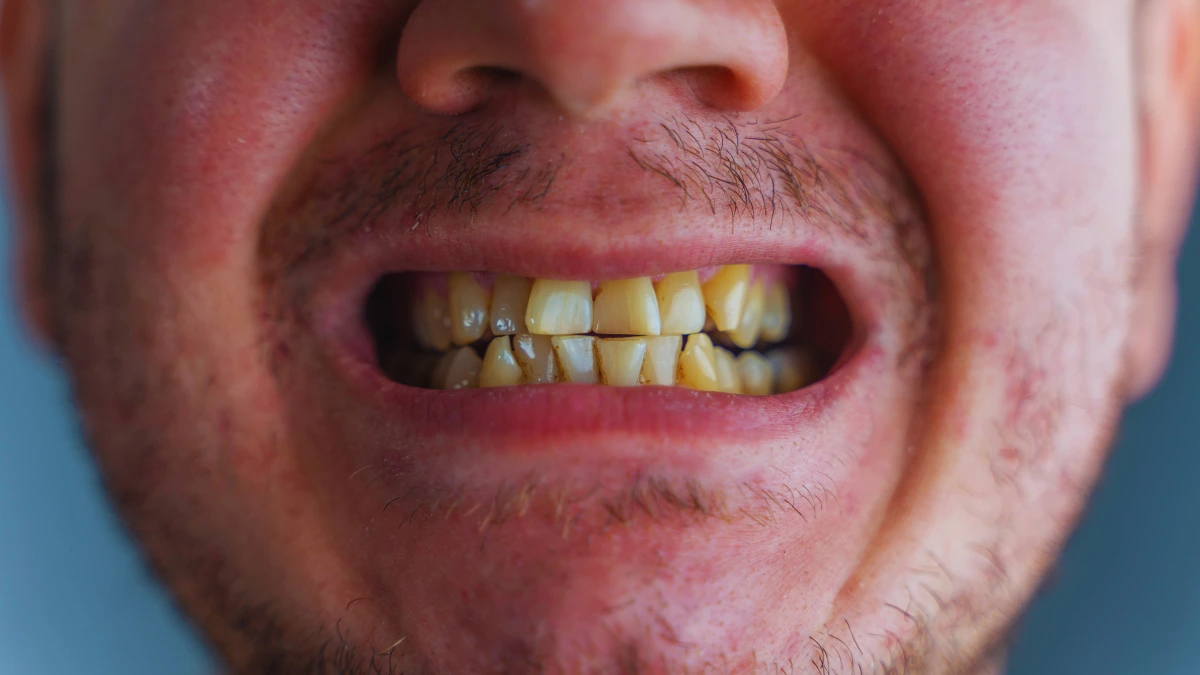
Brushing your teeth seems too simple to matter much. But your mouth is the gateway to your entire body.
Gum disease doesn’t stay in your gums. The bacteria from infected gums enter your bloodstream every time you chew or brush. This causes inflammation throughout your entire body.
People with gum disease have higher rates of heart attacks and strokes. The same bacteria found in infected gums show up in blocked arteries. That’s not a coincidence.
Poor oral health also increases your diabetes risk. And if you already have diabetes, gum disease makes it harder to control your blood sugar. It’s a vicious cycle.
Then there’s your brain. Tooth loss and gum disease are linked to faster cognitive decline and higher dementia risk. Scientists think chronic mouth inflammation damages brain cells over time.
What to do: Brush twice daily for two minutes each time. Floss at least once daily—yes, actually floss. Use mouthwash if you want extra protection. See a dentist every six months for cleaning and checkups. If your gums bleed when you brush, that’s a warning sign. Don’t ignore it.
11. Avoiding Your Feelings and Mental Health

You wouldn’t ignore a broken arm. So why ignore depression, anxiety, or trauma?
Mental health problems aren’t “all in your head.” They’re in your body too. Unaddressed depression and anxiety damage your physical health in measurable ways.
Depression weakens your immune system. You get sick more often and take longer to heal. It also increases inflammation, which raises your risk of heart disease, diabetes, and autoimmune disorders.
Anxiety keeps your body in constant fight-or-flight mode. Your heart rate stays elevated. Your blood pressure climbs. Your stress hormones never come down. This wears out your cardiovascular system faster than smoking.
Unprocessed trauma is even worse. It changes how your brain and body respond to stress. People with untreated PTSD have higher rates of heart disease, chronic pain, and early death.
Mental health problems also make you less likely to take care of yourself. You eat worse. You sleep less. You skip doctor appointments. You isolate yourself. The downward spiral accelerates.
What to do: Talk to someone. A therapist. A counselor. Your doctor. A trusted friend. One honest conversation can start the healing process. Try therapy apps if in-person feels too hard. Consider medication if your doctor recommends it—there’s no shame in that. Join a support group online or in person.
12. Staying in Toxic Relationships

Bad relationships don’t just hurt your feelings. They hurt your body.
Chronic relationship stress raises your cortisol levels constantly. High cortisol damages your heart, weakens your immune system, and increases inflammation throughout your body.
People in toxic relationships have higher rates of heart disease. They get sick more often. They die younger. These aren’t just correlations—the stress literally damages your cardiovascular system.
Constant conflict keeps your nervous system on high alert. Your blood pressure stays elevated. Your heart rate never settles. You can’t relax even when you’re alone because you’re always anticipating the next fight.
Emotional abuse is particularly damaging. It increases your risk of depression, anxiety, PTSD, and physical health problems. The stress of walking on eggshells every day takes a severe toll.
And here’s something most people don’t realize: toxic relationships make you more likely to develop other bad habits. You might drink more to cope. Eat junk food for comfort. Skip exercise because you’re too drained. The damage compounds.
What to do: Set firm boundaries with difficult people. Limit time with those who consistently drain or hurt you. Practice saying no without guilt. If a relationship is truly toxic—especially if there’s abuse—consider whether it’s worth keeping. Talk to a therapist about exit strategies if you need to leave. Connect with supportive people who lift you.
13. Smoking or Vaping (Even Just Socially)

There’s no such thing as a safe cigarette. Or a harmless vape session.
Even occasional smoking damages your heart immediately. One cigarette causes your blood vessels to stiffen. Your blood pressure rises. Your heart has to work harder. This happens within minutes of smoking.
Social smokers who only light up at parties think they’re safe. They’re wrong. Even a few cigarettes per week increases your risk of heart disease, stroke, and cancer. Your body doesn’t get a free pass because you don’t smoke daily.
Vaping isn’t better. It might seem cleaner because there’s no smoke, but you’re still inhaling harmful chemicals. Vaping damages your lungs and heart. It increases inflammation. And we’re still learning about long-term effects because it’s relatively new.
Both smoking and vaping are linked to cancer, heart disease, stroke, COPD, and weakened immune function. They age your skin faster. They damage your teeth and gums. They reduce your fertility.
Secondhand smoke is dangerous too. If you live with a smoker or spend time in smoky environments, you’re damaging your health even if you never touch a cigarette.
What to do: Quit completely. Talk to your doctor about cessation programs. Try nicotine replacement therapy like patches or gum. Use prescription medications if needed—they really help. Join a support group or use a quit-smoking app. Your body starts healing within hours of your last cigarette. After one year smoke-free, your heart disease risk drops by 50%.
14. Living Without Purpose or Meaningful Goals

This might sound soft compared to the other habits. It’s not.
People with a strong sense of purpose live significantly longer than those without one. Purpose isn’t some abstract feel-good concept. It’s a measurable predictor of longevity and health.
When you have nothing to live for, your body knows it. You’re less likely to take care of yourself. Why eat healthy or exercise if you don’t care about being here? Why take medications or go to doctor appointments?
Purpose provides resilience during hard times. It gives you a reason to get out of bed when everything else feels hopeless. This psychological buffer protects against depression and anxiety, which in turn protects your physical health.
People with purpose have lower rates of heart disease, stroke, and Alzheimer’s disease. They recover faster from illness. They maintain better cognitive function as they age.
Purpose doesn’t have to be grand. You don’t need to cure cancer or end world hunger. It can be as simple as being there for your grandchildren. Mastering woodworking. Volunteering at an animal shelter once a month. Growing the best tomatoes in your neighborhood.
The key is having something that makes you feel like your life matters. Something that gets you excited. Something worth maintaining your health for.
What to do: Write down three things that make your life meaningful right now. Do more of those things. Say yes to opportunities that align with your values. Try new hobbies until something clicks. Volunteer for causes you care about. Mentor someone younger. Set goals that excite you, even small ones. Connect your daily actions to a bigger meaning.
Your health isn’t just built in the gym. It’s built in the thousand small choices you make every day.
Pick one habit from this list. Focus on changing it for 30 days. Small changes compound over time. Your future self will thank you.