
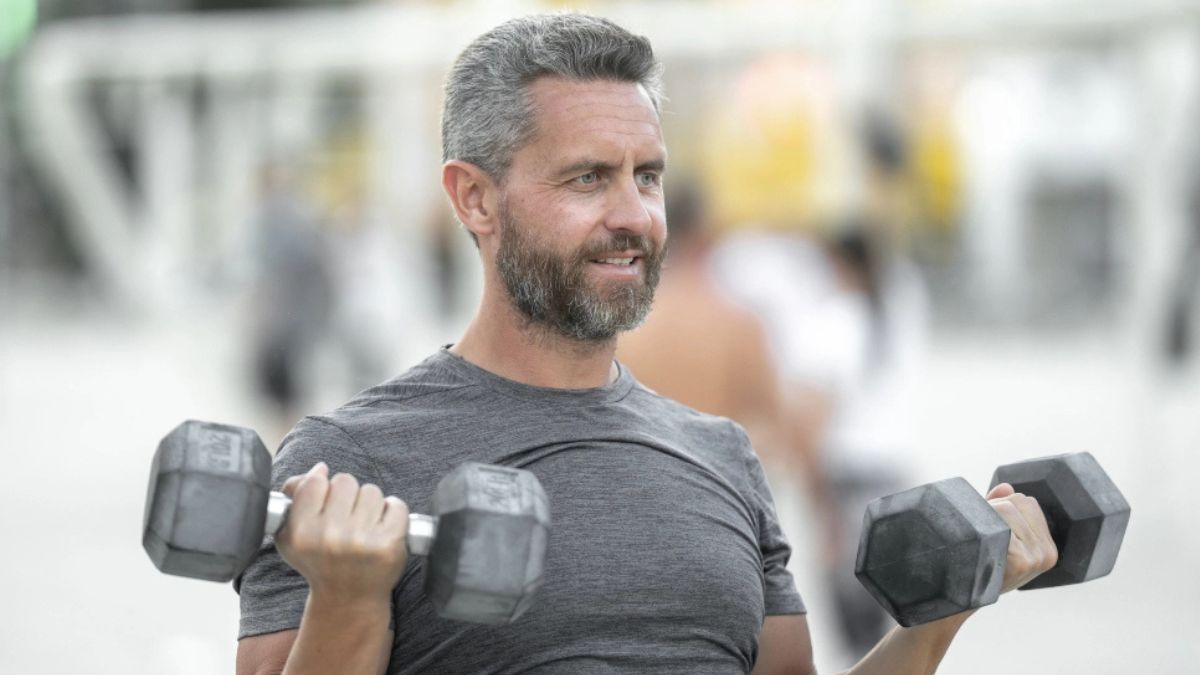
I was 38 years old when my doctor looked at my test results and said something that stopped my heart: “Your body looks like it belongs to someone in their late 50s.”
My blood pressure was through the roof. My cholesterol was dangerous. I was pre-diabetic. And the scariest part? I thought I was doing fine.
I wasn’t smoking. I wasn’t drinking heavily. I went to the gym sometimes. But the “harmless” daily habits I ignored were slowly destroying me from the inside out.
This article isn’t about perfection. It’s about the silent mistakes that pile up every single day until your body can’t take it anymore. I learned these lessons the hard way. You don’t have to.
Here are the 14 mistakes that nearly killed me—and how to fix them before it’s too late.
1. Sleeping Less Than 7 Hours Every Night

For three years, I bragged about running on 5 hours of sleep. I wore my exhaustion like a medal.
Then I couldn’t remember conversations from the day before. My hands shook. My blood pressure spiked to stroke levels.
Adults who sleep 5 hours or less are 2.5 times more likely to develop diabetes compared to those who sleep 7-8 hours. Sleep loss also damages your cardiovascular, immune, and nervous systems.
A 2025 study from the University of South Florida found that college students averaging 5.8 hours of sleep showed measurable drops in memory, focus, and emotional control. The students couldn’t recall basic information and struggled with simple tasks.
Think you can catch up on weekends? You can’t. The damage compounds daily.
Here’s how to fix it:
- Go to bed at the same time every night. Set an alarm for bedtime, not just wake-up.
- Make your room cold. Between 60-67°F works best.
- No screens for one hour before bed. The blue light destroys your sleep hormones.
- Cut off caffeine after 2 PM. It stays in your system for 6 hours.
Your body repairs itself during sleep. Rob it of that time, and everything else falls apart.
2. Sitting for 8+ Hours Without Moving

My Fitbit said I hit 10,000 steps at the gym each morning. I thought I was winning.
But the other 15 waking hours? I sat at my desk, barely moving 500 steps. My lower back screamed in pain. I couldn’t bend down to tie my shoes without wincing.
Americans sit an average of 9.5 hours per day. And here’s the scary part: sitting for over 10 hours daily increases your risk of heart disease even if you work out.
Your morning workout doesn’t erase 8 hours of sitting. It’s like brushing your teeth in the morning, then eating sugar all day, and thinking you’re good.
For every hour you sit over 7 hours daily, your risk of dying early goes up by 5%.
Fix it now:
- Stand up every 30 minutes. Set a timer. Walk for 2 minutes.
- Get a standing desk. Use it for at least 2 hours daily.
- Take phone calls while walking.
- Do 10 squats every hour. Stretch your hip flexors.
Movement isn’t optional. Your body was designed to move constantly, not sit in a chair all day.
3. Letting Stress Run Wild Without Recovery

My jaw was always clenched. My shoulders felt like rocks. I snapped at my wife over tiny things.
“It’s just stress,” I told myself. “Everyone deals with it.”
But chronic stress isn’t normal. It causes anxiety, depression, memory problems, digestive issues, weight gain, and weakens your immune system.
Your body releases cortisol when you’re stressed. That’s fine for short bursts—like running from danger. But when stress never stops, cortisol floods your system 24/7. It strips minerals from your bones and packs fat around your belly.
People with high stress are 60% more likely to develop insomnia. They’re twice as likely to get chronic insomnia.
I thought pushing through stress made me tough. It was actually killing me.
Take action:
- Practice deep breathing 3 times daily. Breathe in for 4 counts, hold for 4, out for 4.
- Schedule 15-minute breaks throughout your day. Do nothing during them.
- Sleep 7-8 hours. Your body heals during sleep.
- Try progressive muscle relaxation before bed. Tense and release each muscle group.
Stress without recovery destroys everything. Your relationships. Your health. Your happiness.
4. Not Drinking Enough Water

I replaced water with coffee and diet soda for years. Water was boring.
The constant headaches? I blamed work. The kidney stones that sent me to the ER? Bad luck. My dark yellow urine? I ignored it.
A survey of 3,003 Americans found that 75% were chronically dehydrated. Most people walk around in a constant state of dehydration and don’t even know it.
Dehydration causes headaches, nausea, brain fog, mood swings, and irritability. It kills your concentration and makes you exhausted.
Your kidneys need water to filter waste. Your brain needs water to function. Your joints need water to move smoothly. Every cell in your body needs water.
Here’s how much you need:
- Men: 3.7 liters (about 15 cups) of total fluids daily
- Women: 2.7 liters (about 11 cups) of total fluids daily
How to do it:
- Drink 16 ounces of water before your morning coffee.
- Set phone reminders to drink water every hour.
- Check your urine color. Pale yellow means you’re good. Dark yellow means drink more.
- Eat water-rich foods like cucumber, lettuce, and watermelon.
Water is free. It’s simple. And it could save your life.
5. Following Health Trends Without Research

I spent $400 on mushroom coffee and hormone patches after seeing them on Instagram. Everyone swore they were life-changing.
Six months later? Nothing changed except my bank account.
Social media pushes a new wellness trend almost every month in 2025. Algae coffee. AI fasting. Brain-boosting patches. Most of it is garbage.
Mouth taping hasn’t been shown to help sleep or breathing in most people. Oat water for weight loss has zero research behind it.
The problem? These trends are spread by people who aren’t doctors. They fuel false information that spreads faster than the truth.
Quick fixes get likes. Real health advice is boring.
Before trying any trend:
- Look for peer-reviewed research. Not Instagram testimonials.
- Ask your doctor if it’s safe and effective.
- Stick to basics that work: real food, good sleep, daily movement.
- Treat trends as experiments, not foundations.
The best health advice is usually free and unsexy. Sleep enough. Move your body. Eat vegetables. Drink water. That’s it.
6. Skipping Breakfast or Eating Junk

I’d grab a muffin and coffee, call it breakfast, then wonder why I crashed by 10 AM.
Skipping breakfast leads to fatigue, overeating later, poor concentration, and increases your risk of insulin resistance and type 2 diabetes.
But here’s what shocked me: Americans get about half their daily protein at dinner alone. Breakfast is usually bagels, cereals, and pastries—high in carbs, low in protein.
Your body needs protein in the morning to build muscle, balance blood sugar, and keep you full. Without it, you’re running on empty.
Up to 30% of older adults don’t eat enough protein. I was watching my muscles shrink despite working out regularly.
Fix your breakfast:
- Eat 25-30 grams of protein at breakfast. That’s 3-4 eggs or a big scoop of protein powder.
- Include protein at every meal, not just dinner.
- Add fiber to stabilize blood sugar. Think berries, vegetables, and whole grains.
- Example: 3 scrambled eggs, whole grain toast, berries, water.
Breakfast sets the tone for your entire day. Start wrong, and everything else suffers.
7. Ignoring Your Mental Health

I thought feeling anxious all the time was just part of being an adult. Everyone felt this way, right?
Wrong. After five years of constant worry, racing thoughts, and panic attacks, I finally talked to a therapist. She diagnosed me with generalized anxiety disorder in 15 minutes.
83% of adults with depression have at least one insomnia symptom. Your mental health and physical health aren’t separate. They’re connected.
Despite all the mental health apps in 2025, loneliness remains a silent killer. Apps can’t replace real help.
Ongoing mental stress weakens your immune system and raises your risk of heart disease, diabetes, depression, and anxiety.
Mental health problems don’t make you weak. Ignoring them does.
Take these steps:
- Schedule mental health checkups like you do physical ones.
- See a therapist if symptoms last more than 2 weeks.
- Use apps as supplements, not replacements for real therapy.
- Have one face-to-face conversation each week. Real connection matters.
I wasted five years suffering in silence because I was too proud to ask for help. Don’t be like me.
8. Self-Medicating Without Doctor Guidance

Daily ibuprofen for headaches seemed harmless. Everyone does it, right?
Three years later, my doctor found ulcers and early kidney damage. Taking painkillers and antibiotics without medical guidance damages your liver, kidneys, and digestive system.
Here’s what people don’t realize: pain medications mask problems. They don’t fix them. My headaches were from poor sleep and dehydration. The pills let me ignore the real issues while my body got worse.
Non-prescribed antibiotics also create antibiotic resistance, making them useless when you really need them.
Quick fixes:
- Talk to your doctor before starting any daily medication.
- Address root causes instead of covering symptoms.
- Track side effects in a journal.
- Have a medication review with your doctor annually.
- Never take antibiotics without a prescription.
Pain is your body’s alarm system. Don’t just silence the alarm. Find out what’s causing the fire.
9. Terrible Posture at Your Desk

My chiropractor measured my head position. It was 3 inches forward from where it should be.
“That’s adding 40 pounds of pressure to your spine,” she said. No wonder I had constant headaches and neck pain.
Poor posture causes headaches, fatigue, and spine misalignment over time. Hours of desk work create forward head posture that crushes your neck vertebrae.
Think about it: your head weighs 10-12 pounds. For every inch it moves forward, you add 10 pounds of pressure. Mine was basically like carrying a bowling ball on my shoulders all day.
Fix your workspace:
- Position your screen at eye level. Your neck should be neutral.
- Keep feet flat on the floor or a footrest.
- Shoulders relaxed, not hunched up by your ears.
- Do chin tucks 10 times every hour. Pull your chin straight back.
- Stretch hip flexors and chest muscles daily.
Consider a standing desk for part of your day. Even 2 hours of standing helps.
Your posture affects everything—breathing, digestion, mood, energy. Fix it now before the damage becomes permanent.
10. Skipping Preventive Health Checkups

I skipped my annual physical for four years running. I felt fine. Why waste time at the doctor?
When I finally went, they caught pre-diabetes and high cholesterol. Both are completely manageable because we found them early.
Even with advanced health tech in 2025, people still avoid preventive checkups until symptoms appear. By then, it’s often too late for easy fixes.
Preventive screenings catch problems before symptoms show up, leading to easier and more effective treatment.
Early detection saves lives. Many cancers are 90% treatable when caught early. Wait until you feel sick, and your odds drop fast.
Schedule these now:
- Annual physical with blood work
- Blood pressure check
- Cholesterol screening
- Cancer screenings based on your age
- Age 40+: colonoscopy, mammogram (women), prostate screening (men)
Track your family health history. Share it with your doctor. Many diseases run in families.
Don’t wait until something breaks. Your car gets regular maintenance. Your body deserves the same.
11. Eating While Staring at Screens

I ate every meal at my desk while working. Breakfast, lunch, dinner—all in front of a screen.
I gained 30 pounds in two years. I couldn’t remember what I’d eaten each day. My digestion was a mess.
People eat 25% more when distracted by screens. You miss your body’s “I’m full” signals. You eat faster, chew less, and stress your digestive system.
Mindless eating leads to mindless pounds.
Change your habits:
- Eat at a table, away from all screens.
- Put your phone in another room during meals.
- Chew slowly. Put your fork down between bites.
- Notice the taste, texture, and temperature of your food.
- Check in: Am I actually hungry? Am I full?
Make one meal per day completely screen-free. See how different food tastes when you actually pay attention.
Your body can’t digest properly when you’re stressed or distracted. Give it the attention it deserves.
12. Sleeping on a Random Schedule

I’d sleep 5 hours on weeknights, then crash for 12 hours on weekends. I thought I was “catching up.”
My doctor explained I was confusing my body’s internal clock. Irregular sleep patterns lead to long-term health issues like heart disease and obesity.
Sleep regularity is a stronger predictor of early death than sleep duration. Sleeping 7 hours at random times is worse than sleeping 6.5 hours consistently.
Your body runs on a 24-hour cycle. It expects to sleep at the same time every day. When you mess with that, you damage every system—hormones, immune function, metabolism, mood.
Fix your schedule:
- Go to bed and wake up at the same time every single day. Yes, weekends too.
- Allow a 30-minute variation maximum.
- Get bright light in your eyes within 30 minutes of waking.
- Dim lights 2 hours before bedtime.
- Avoid naps after 3 PM or longer than 20 minutes.
It takes 2-4 weeks for your body to adjust. Push through. The payoff is worth it.
13. Relying on Caffeine to Function

Six cups of coffee by noon was my normal. I thought it helped me function.
It was actually masking my sleep deprivation and making my anxiety unbearable. Caffeine raises cortisol and doesn’t fix the root problem of poor sleep and unbalanced hormones.
Consuming caffeine to stay awake at night leads to sleeplessness, anxiety, frequent nighttime awakenings, and overall terrible sleep quality.
Caffeine has a 5-6 hour half-life. That 2 PM coffee? Half of it is still in your system at 8 PM. Still keeping you wired at midnight.
The cycle looks like this: Poor sleep → More caffeine → Even worse sleep → Even more caffeine. You’re stuck.
Break the cycle:
- Limit caffeine to 400mg daily (about 4 cups of coffee).
- Stop all caffeine after 2 PM. No exceptions.
- Replace afternoon coffee with water or herbal tea.
- If you’re over 400mg daily, reduce gradually. Cut back by one cup per week.
- Fix your sleep first. Then you won’t need as much caffeine.
Caffeine isn’t evil. Using it to replace sleep is.
14. Choosing Digital Over Real Connections

I had 500 Facebook friends but felt completely alone. When my mom got sick, I realized I had no one to actually call. Just people to “like” my posts.
Despite digital wellness groups and AI coaches, loneliness is still a silent killer in 2025. Virtual connections don’t provide the same health benefits as real ones.
Loneliness increases your risk of early death. It weakens your immune system. It raises your risk of heart disease and dementia.
Replacing friendships and family time with online substitutes is a growing mistake. Zoom calls and text messages don’t cut it.
Your body needs physical presence. Eye contact. Hugs. Laughter in the same room.
Make real connections:
- Schedule one face-to-face interaction every week, minimum.
- Join local groups that match your interests.
- Have device-free family dinners.
- Call people instead of texting.
- Volunteer in your community.
- Initiate plans. Don’t wait for invitations.
Quality matters more than quantity. One good friend beats 500 online acquaintances every time.