

Every time you skip flossing, you’re not just risking bad breath. You might be setting yourself up for a stroke that could change everything.
Sounds dramatic, right? But mostly doctors won’t tell you: your bleeding gums are directly connected to your brain health. And the numbers are scary.
A study published just last month found something shocking. People with gum disease aren’t just dealing with tooth problems. They’re walking around with an 86% higher chance of having a stroke.
Let me say that again. 86% higher. That’s not a typo. That’s your wake-up call.
What Scientists Just Discovered About Your Mouth and Your Brain
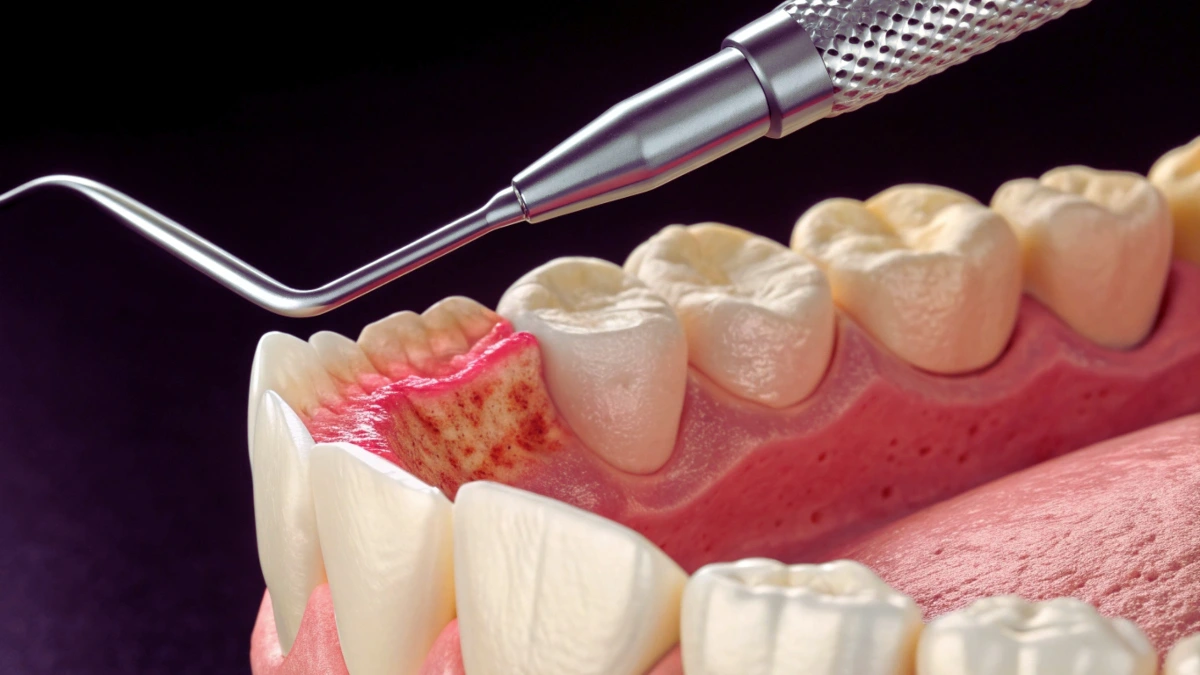
In October 2025, researchers published a groundbreaking study in the journal Neurology Open Access. They followed 5,986 adults for two decades. What they found should make everyone stop ignoring their dental health.
Here’s what the numbers show:
- People with both gum disease and cavities had an 86% higher stroke risk
- People with just gum disease had a 44% higher risk
- Out of 1,640 people with healthy mouths, only 4% had a stroke
- Out of 1,195 people with gum disease and cavities, 10% had a stroke
Think about that last number. That’s one in ten people.
Dr. Souvik Sen from the University of South Carolina led this research. His team controlled for everything else that causes strokes. High blood pressure. Smoking. Diabetes. Age.
The gum disease connection still stood strong.
This isn’t just correlation. This is your mouth actively damaging your brain.
How Bacteria Travel from Your Gums to Your Brain
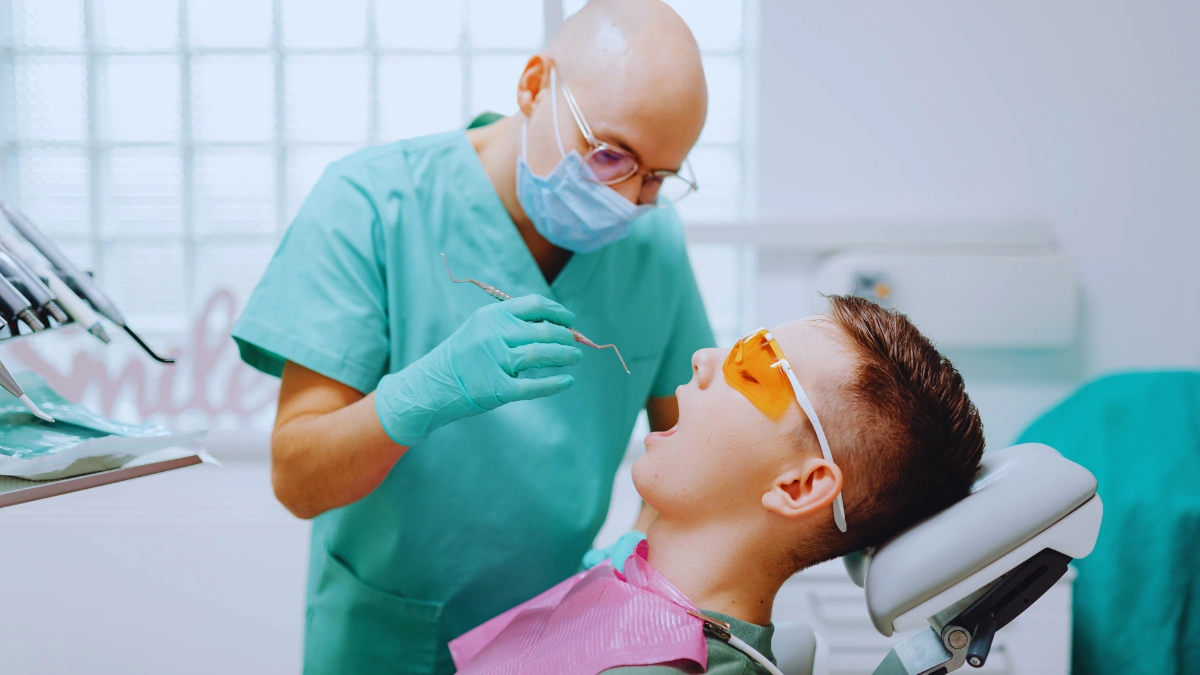
You’re probably wondering: how do bacteria in my mouth reach my brain?
Great question. Here’s the scary answer.
Your mouth is full of bacteria. When you have gum disease, your gums bleed easily. Every time they bleed, bacteria enter your bloodstream.
Think of it like a security breach. Your gums are supposed to be a barrier. But when they’re diseased, they become a gateway.
Scientists have found three main routes bacteria take:
Route 1: Through your blood. Every time you brush diseased gums, bacteria flood into your bloodstream. From there, it can reach anywhere. Including your brain.
Route 2: Through your nerves. Bacteria can travel along nerve pathways that connect your mouth to your brain. It’s like taking a direct highway.
Route 3: Through your gut. You swallow bacteria constantly. It affects your gut, which affects your brain through the gut-brain connection.
Here’s the most disturbing part. Researchers examined stroke patients’ blood clots. They found dental bacteria in four out of five cases.
That means 80% of stroke patients had mouth bacteria in their brains.
Your toothbrush might be more important than you think.
The Warning Signs You’re Probably Ignoring Right Now
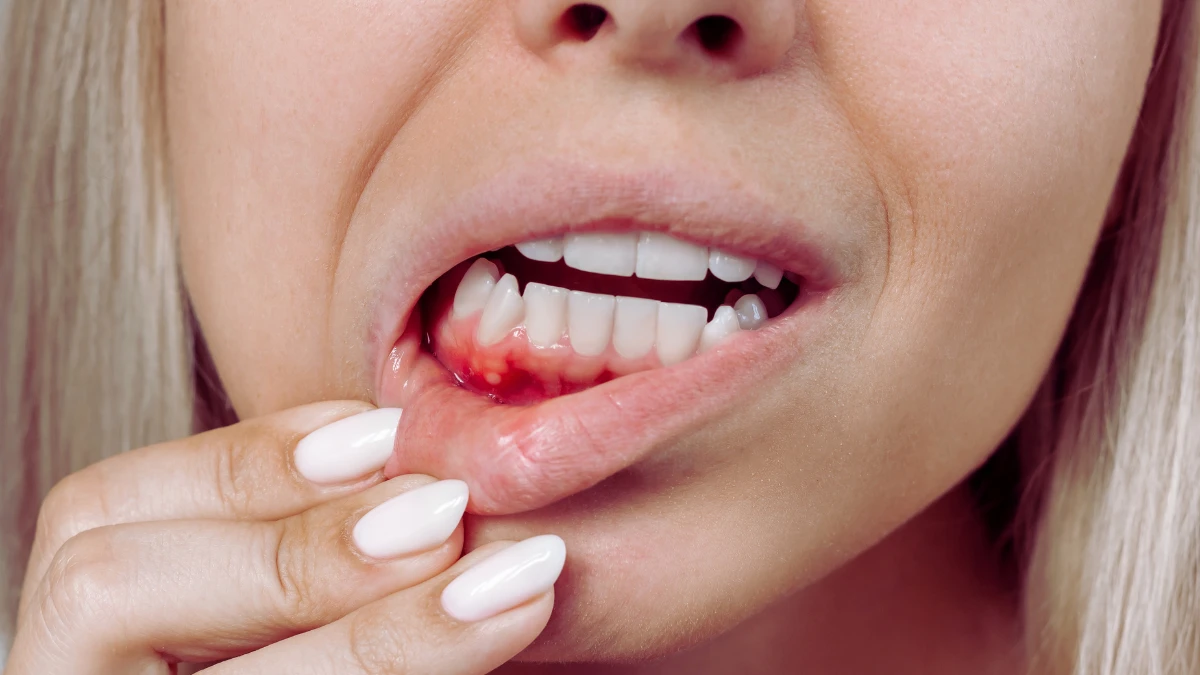
Check your gums tonight. Do any of these sound familiar?
Your gums bleed when you brush. You think it’s normal. It’s not. Healthy gums don’t bleed.
Your gums look red or swollen. They should be pink and firm. Red means inflammation. Swollen means infection.
You have constant bad breath. Mints don’t fix it. That smell is bacteria. Lots of bacteria.
Your gums are pulling away from your teeth. You might notice your teeth look longer. That’s not growth. That’s gum recession.
Your teeth feel loose or sensitive. This is advanced. The bone holding your teeth is breaking down.
Most people ignore these signs. They think a little bleeding is fine. It’s just sensitive gums, right?
Wrong.
Your body is trying to warn you. Those bleeding gums mean bacteria is entering your bloodstream right now. Every single day.
The American Dental Association says 62% of smokers over 30 have gum disease. But non-smokers aren’t safe either. About 40% of all adults worldwide have some form of gum disease.
You might be one of them and not even know it.
Why Your Dentist Appointments Could Save Your Life

Here’s some good news. Regular dental care makes a massive difference.
The same research found that people who visit their dentist regularly had 81% lower odds of having both gum disease and cavities.
Let me break that down. Going to the dentist drops your risk by 81%.
Dental care cuts stroke rates by 23%.
Why does this work so well?
Professional cleanings remove tartar. You can’t brush this off at home. It’s a hardened plaque that harbors bacteria. Only a dentist can remove it.
Dentists catch problems early. You can’t see under your gum line. They can. Early treatment stops the disease from progressing.
Deep cleanings reverse damage. Even if you have gum disease, treatment can stop it. Intensive treatment of gum disease slows the thickening of arteries that leads to stroke.
Think of your dentist like a mechanic. You wouldn’t skip oil changes and expect your car to run fine. Your mouth needs maintenance, too.
The difference is your car won’t give you a stroke.
Your 7-Step Daily Plan to Protect Your Brain Through Your Mouth

You don’t need expensive products or complicated routines. You need consistency.
Here’s your exact daily plan:
Step 1: Brush twice daily for two full minutes. Most people brush for 45 seconds. That’s not enough. Set a timer. Use a soft-bristle brush. Hard bristles damage your gums.
Step 2: Use the right technique. Hold your brush at a 45-degree angle to your gum line. Use gentle circular motions. Don’t scrub like you’re cleaning a floor. You’re massaging away bacteria, not attacking your mouth.
Step 3: Floss every single day. Your toothbrush can’t reach between teeth. That’s where bacteria love to hide. Floss removes food particles and plaque from these danger zones.
Step 4: Use antibacterial mouthwash. After flossing, swish for 30 seconds. This kills the remaining bacteria that brushing and flossing stirred up.
Step 5: Eat foods that fight bacteria. Citrus fruits contain compounds that target harmful bacteria. Crunchy vegetables like carrots and celery naturally clean teeth. Dairy products strengthen enamel with calcium.
Step 6: Quit smoking. Smokers have a 62% rate of gum disease. Smoking weakens your immune system and makes it harder for your gums to heal.
Step 7: See your dentist every six months. This isn’t optional anymore. You now know what’s at stake.
This routine takes 10 minutes a day. That’s 10 minutes between you and an 86% higher stroke risk.
What’s your time worth?
What to Do If You Already Have Gum Disease
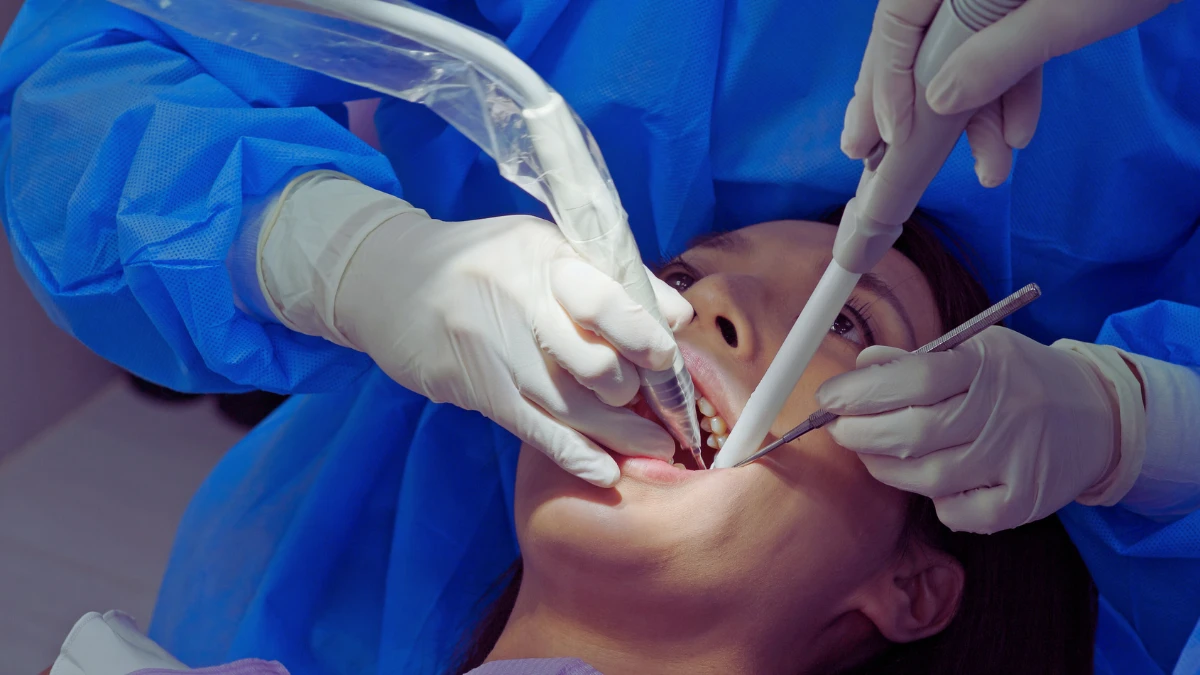
Don’t panic. You can fix this.
The early stage is called gingivitis. It’s completely reversible with proper care. You can turn this around in a few weeks with good home care.
But if it’s progressed to periodontitis, you need professional help.
Scaling and root planing is the gold standard. This is a deep cleaning below your gum line. The dentist removes tartar and smooths your tooth roots. This helps gums reattach to teeth.
Yes, it sounds intense. But it works.
For severe cases, you might need surgery. Gum grafts replace lost tissue. Bone grafts rebuild damaged bone. Guided tissue regeneration helps your body grow back what it lost.
The cost varies. Scaling and root planing run $200-$400 per quadrant of your mouth. Surgery costs more. But compare that to stroke treatment. Hospital stays for stroke run into hundreds of thousands of dollars.
Not to mention the life-changing effects of stroke itself.
Early treatment isn’t just cheaper. It’s life-saving.
The Other Health Problems Hiding in Your Gums
The stroke risk is just the beginning.
Gum disease connects to almost every major health condition:
Heart disease. The same bacteria that damage your gums damage your arteries. People with severe gum disease are 6.43 times more likely to have severe strokes.
Alzheimer’s disease. Gum disease bacteria are in the brains of Alzheimer’s patients. The inflammation from gum disease might trigger brain changes that lead to dementia.
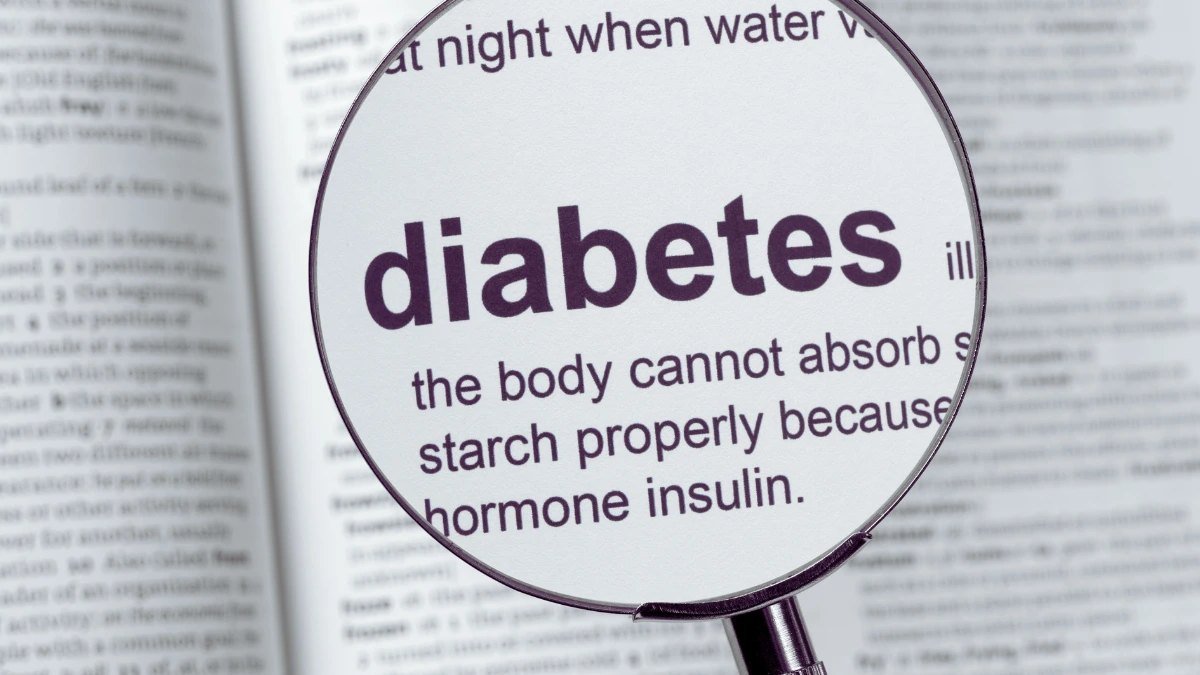
Diabetes. This goes both ways. Diabetes makes gum disease worse. Gum disease makes diabetes harder to control. It’s a vicious cycle.
Pregnancy complications. Gum disease during pregnancy increases the risk of premature birth and low birth weight.
Your mouth isn’t separate from your body. It’s the entrance. What happens there affects everything downstream.
What You Need to Do This Week
You’ve read the facts. You know the risks. Now it’s time to act.
Here’s your immediate action plan:
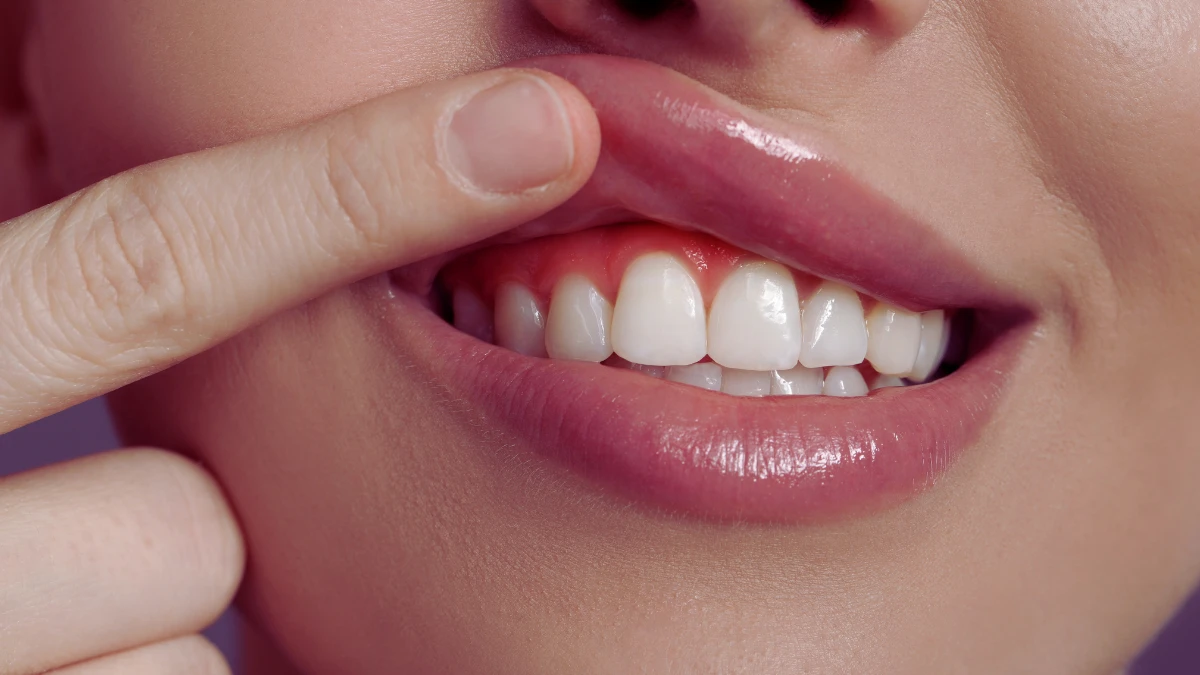
Today: Check your gums. Look in the mirror. Are they red? Swollen? Do they bleed when you brush? Be honest with yourself.
This week: Upgrade your oral care. Get a soft-bristle toothbrush if you don’t have one. Buy floss. Get antibacterial mouthwash. These basics cost less than $20.
This month: Call your dentist. When was your last cleaning? If it’s been more than six months, you’re overdue. If you have any of the warning signs, tell them. Ask for a comprehensive periodontal evaluation.
Every day: Follow the 7-step protocol. Make it a habit. Morning and night. No excuses.
Your mouth is directly connected to your brain health. Bacteria don’t care if you’re busy or if you forget. It’s working against you every single day.
But here’s the flip side. Every time you brush correctly, you’re protecting your brain. Every time you floss, you’re reducing inflammation. Every dental visit cuts your risk.
The Bottom Line

An 86% increased stroke risk isn’t a maybe. It’s not a scare tactic. It’s what happens when gum disease goes untreated.
But you’re not helpless.
You have control over this. Unlike genetics or age, your oral health is something you can actually change. Right now. Today.
Most people will read this and do nothing. They’ll think about it tomorrow. Tomorrow turns into next week. Next week turns into never.
Don’t be like most people.
Your mouth is either protecting your brain or destroying it. There’s no middle ground. Bacteria don’t take days off.
The good news? You now know what most people never learn. You understand the connection between your gums and your brain. You have a clear plan to protect both.
The question isn’t whether gum disease causes strokes. The science settled that.
The question is: what are you going to do about it?
Schedule that dental appointment. Start the 7-step routine tonight. Your brain is counting on you.
Because the mouth you save might save your life.